Explore our core hardware ecosystem engineered for seamless carrier-grade and enterprise fiber deployments.
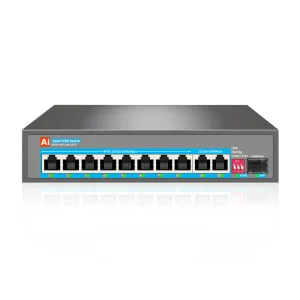
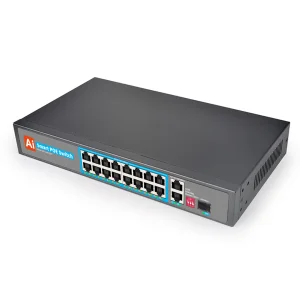

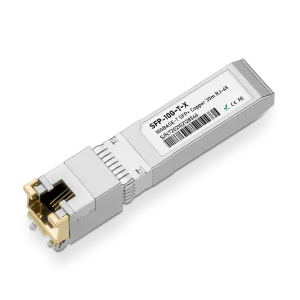
In the era of hyper-scale cloud computing, artificial intelligence, and high-frequency algorithmic trading, fiber-optic communication forms the backbone of global digital commerce. Transceiver modules—acting as the translation gateway between electrical server backplanes and light waves propagating through silica fibers—are key components governing the bandwidth, latency, and energy efficiency of modern network systems.
Shenzhen Soras Technology Co., Ltd. (operating globally under the brand Soraslink) has dedicated over a decade to the research, development, and high-precision manufacturing of optical transceivers, network equipment, and fiber media converters. Through rigorous compliance, advanced SMT manufacturing, and standard-setting quality assurance, we resolve critical structural and thermal challenges faced by networks carrying massive multi-gigabit workloads.
Modern telecommunication demands diverse topologies capable of handling high bandwidth over vast distances. Below is how our transceiver and ONU technology integrates into large-scale network infrastructure:
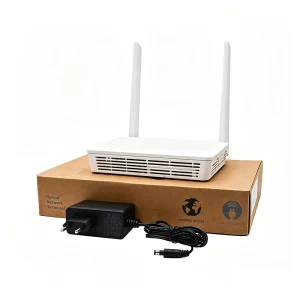
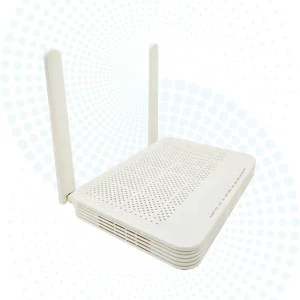
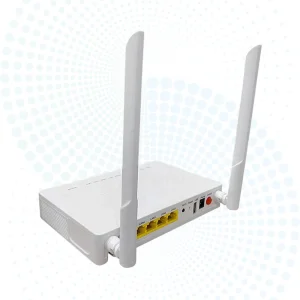
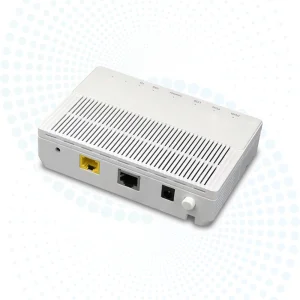
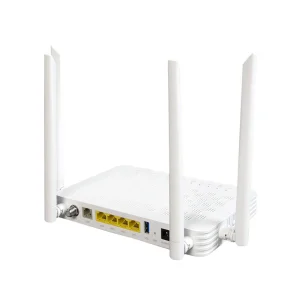
Deploying high-speed dual-band ONUs (such as the EG8145V5 and HG6821M) directly at client sites bridges the gap between carrier central offices (OLTs) and end-users. Our XPON ONU sticks allow legacy hardware to directly convert fiber endpoints without external power blocks.
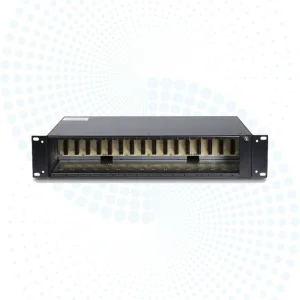
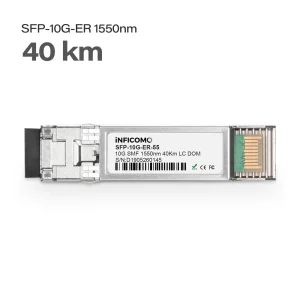
Utilizing SFP+ and dual-fiber ER SMF optical transceivers with ranges extending up to 40km, data networks achieve high-speed point-to-point connections with minimal latency. High-density rack systems make use of 16-port slots and 2U chassis configurations to optimize real estate.
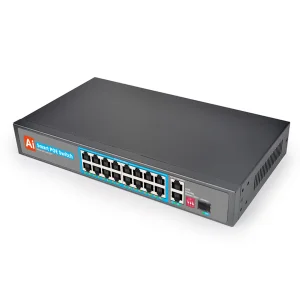
By implementing PoE switches featuring AI Watchdog functionality, IP cameras and security systems remain operational around the clock. If a camera stops responding, the AI-driven switch automatically power-cycles the port, eliminating manual site maintenance.
Established in 2021 in Guangdong, China, Soras Technology has scaled its annual revenue to the $5M - $10M range, deploying advanced networking hardware to over 60 countries across South America, North America, Europe, and Eastern Asia.
Our vertically integrated manufacturing facility ensures that every stage of development—from high-density SMT layout and manual assembly to rigorous testing—is handled under strict ISO 9001, UL, CE, FCC, and RoHS compliance frameworks.
| Parameter / Specification | Detail & Verification Value | Parameter / Specification | Detail & Verification Value |
|---|---|---|---|
| Business Type | OEM/ODM Optical Network Manufacturer | Country / Region | Guangdong, China |
| Main Products | FTTH ONU & OLT, SFP Modules, PoE Switches, Media Converters | Total Employees | 11 - 50 Professional staff |
| Annual Revenue | US$5 Million - US$10 Million | Year Established | 2021 |
| Key Compliance | ISO 9001, CE, FCC, UL, RoHS Approved | Target Markets | Domestic (24%), North America (15%), East Asia (15%), Europe & SA |
A primary threat to network stability is transceiver degradation under fluctuating temperatures and electromagnetic interference. To mitigate this risk, Soras Technology operates dedicated QA and testing lines, putting every device through rigorous testing protocols before it leaves the warehouse.

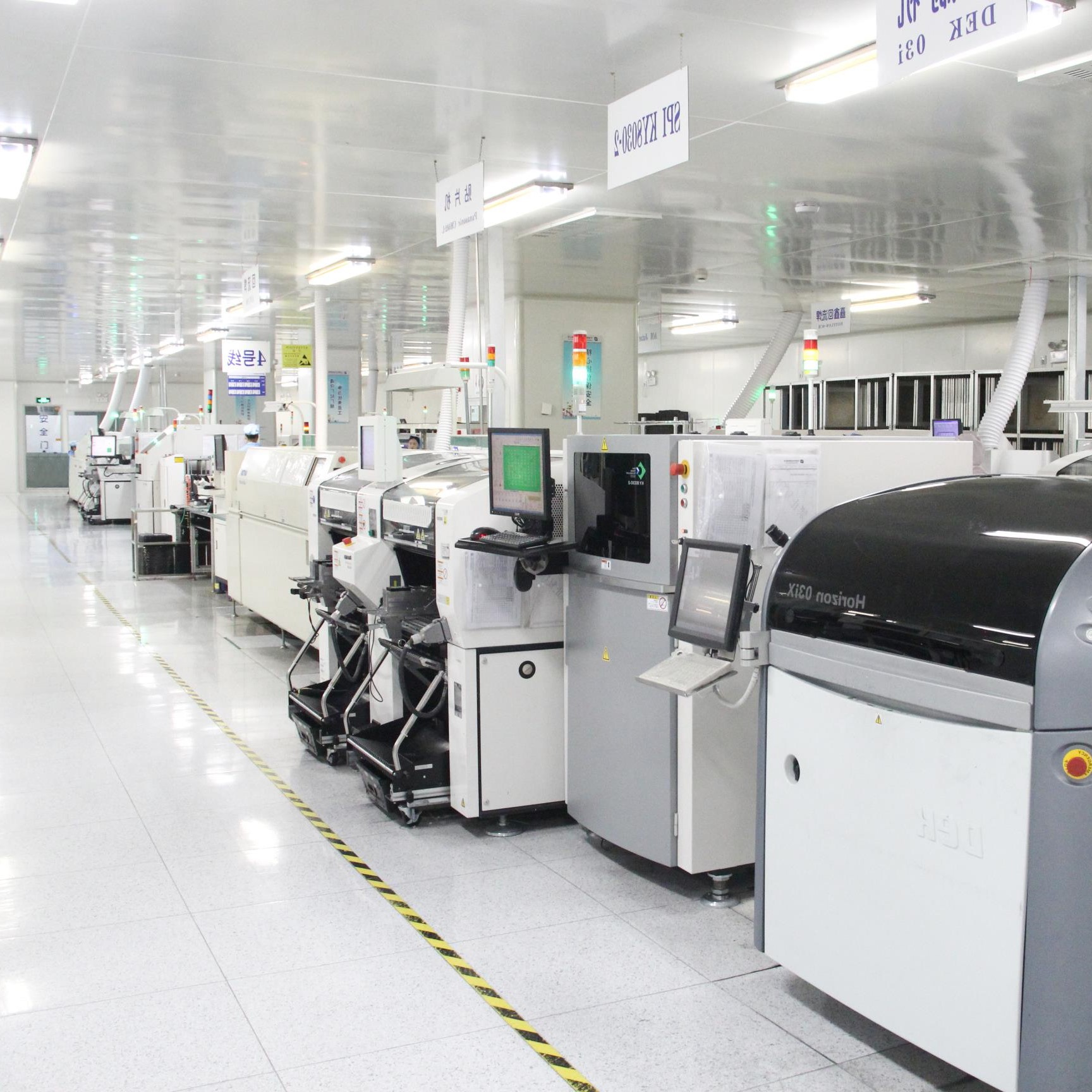
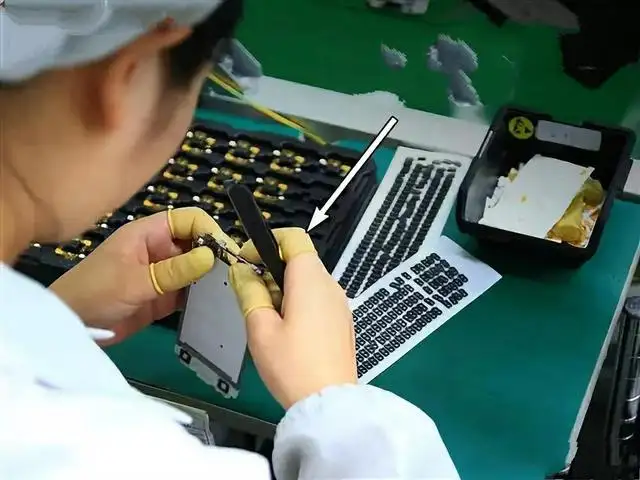
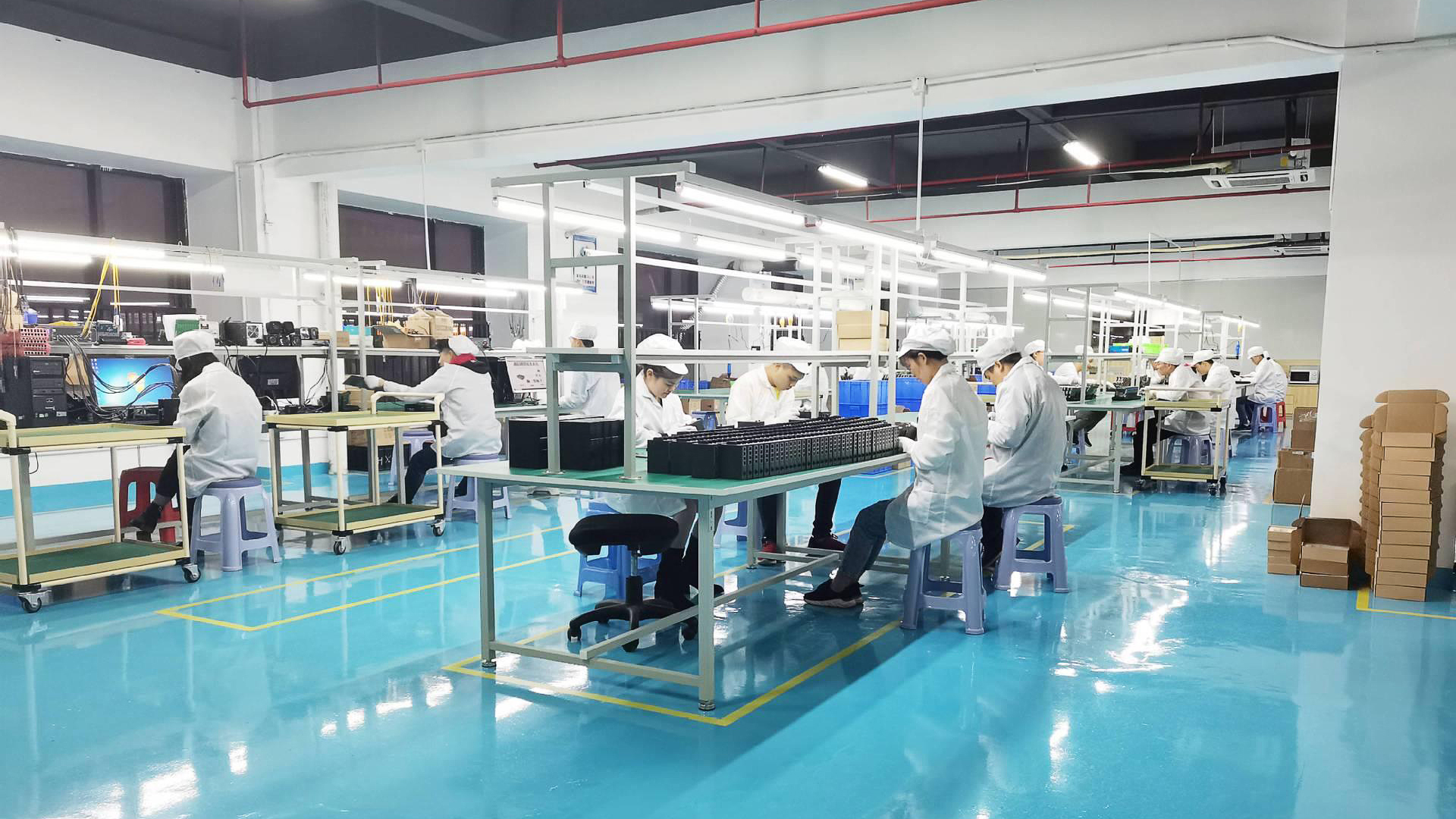
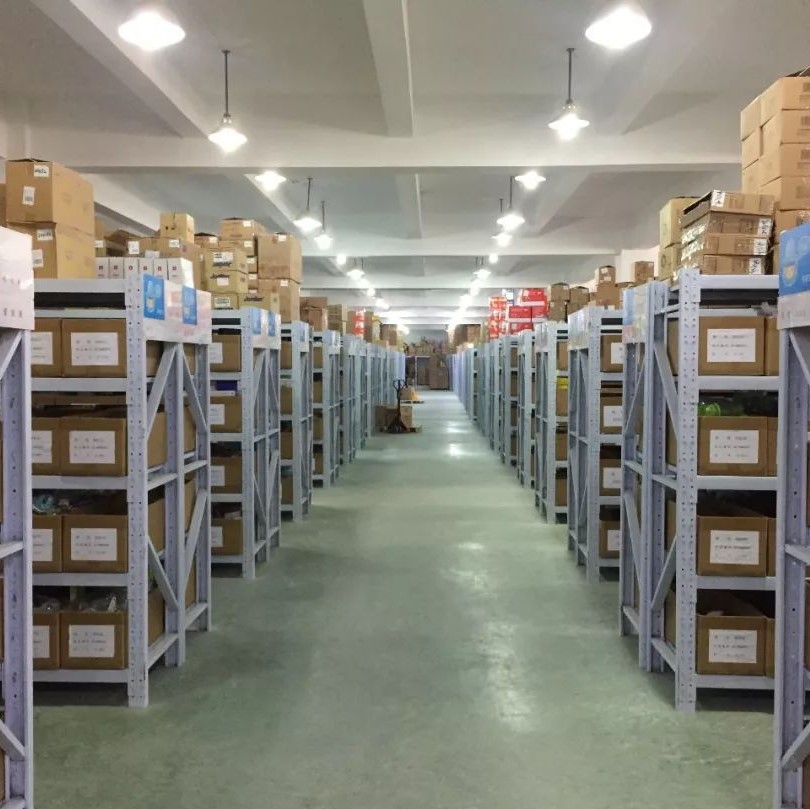
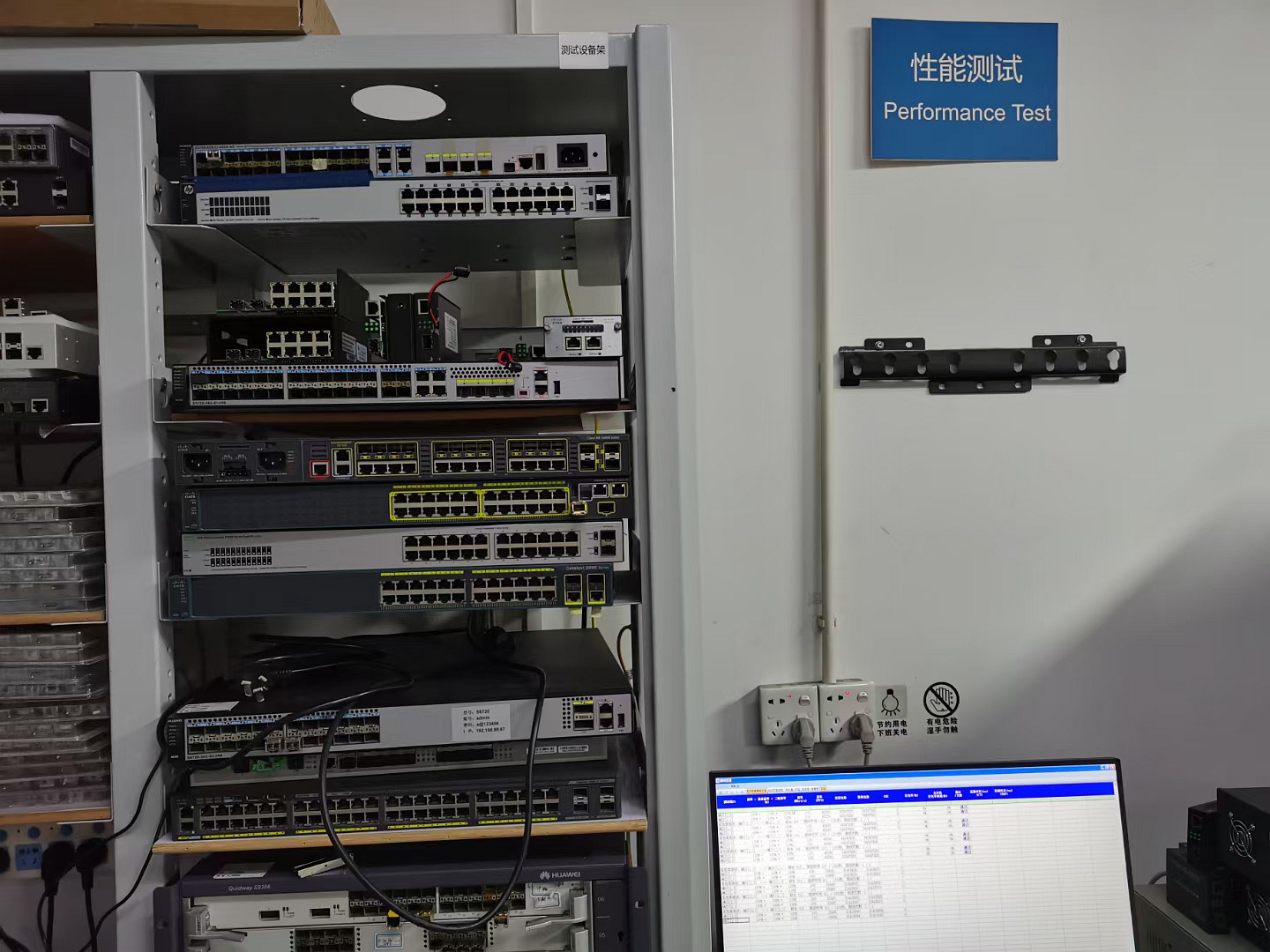
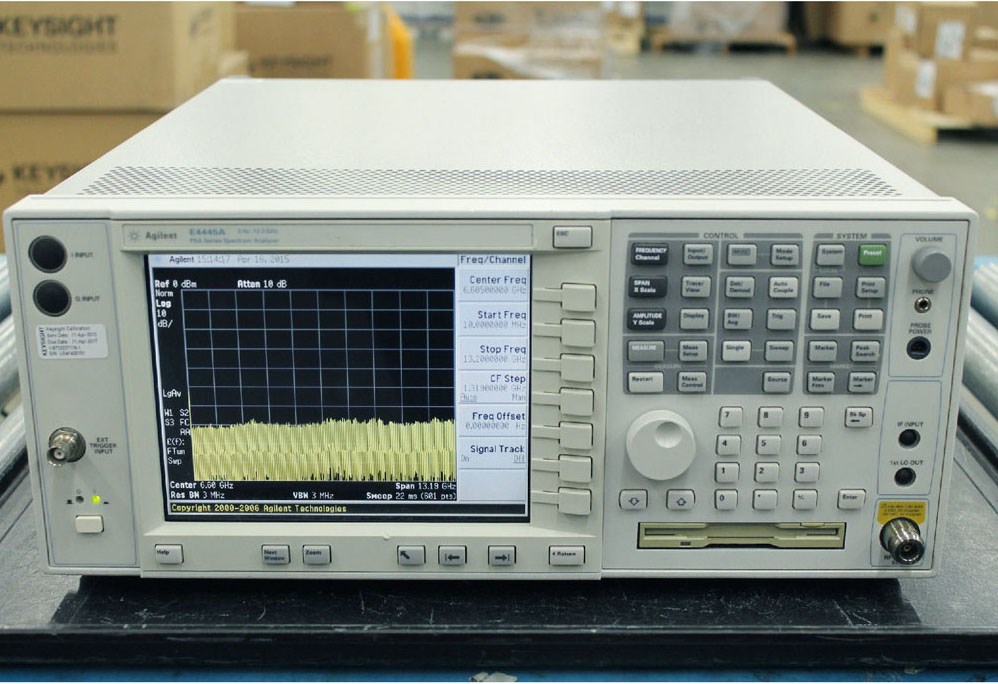
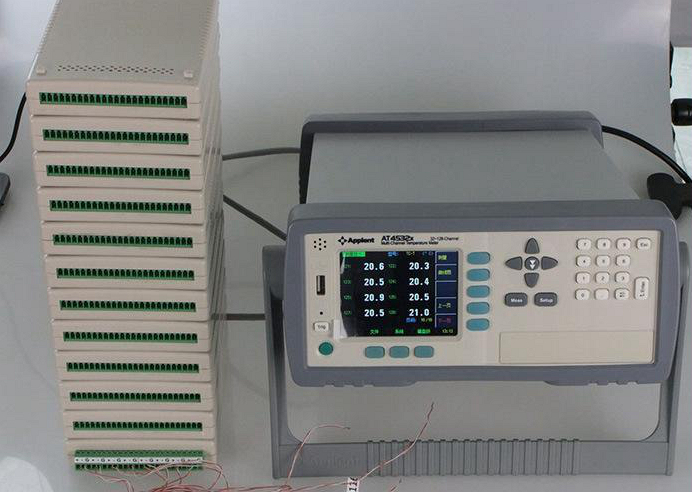
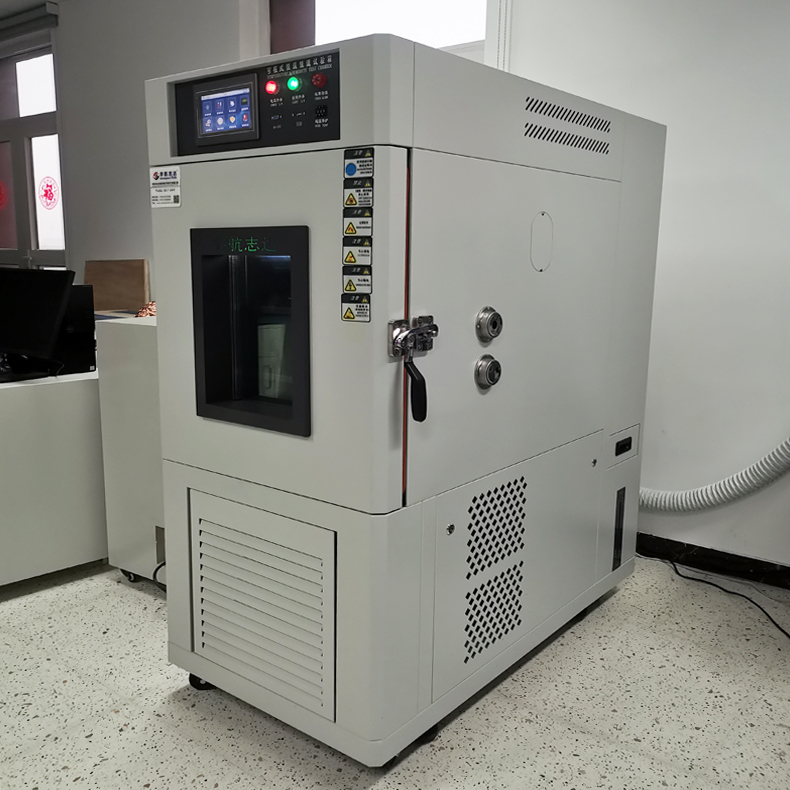
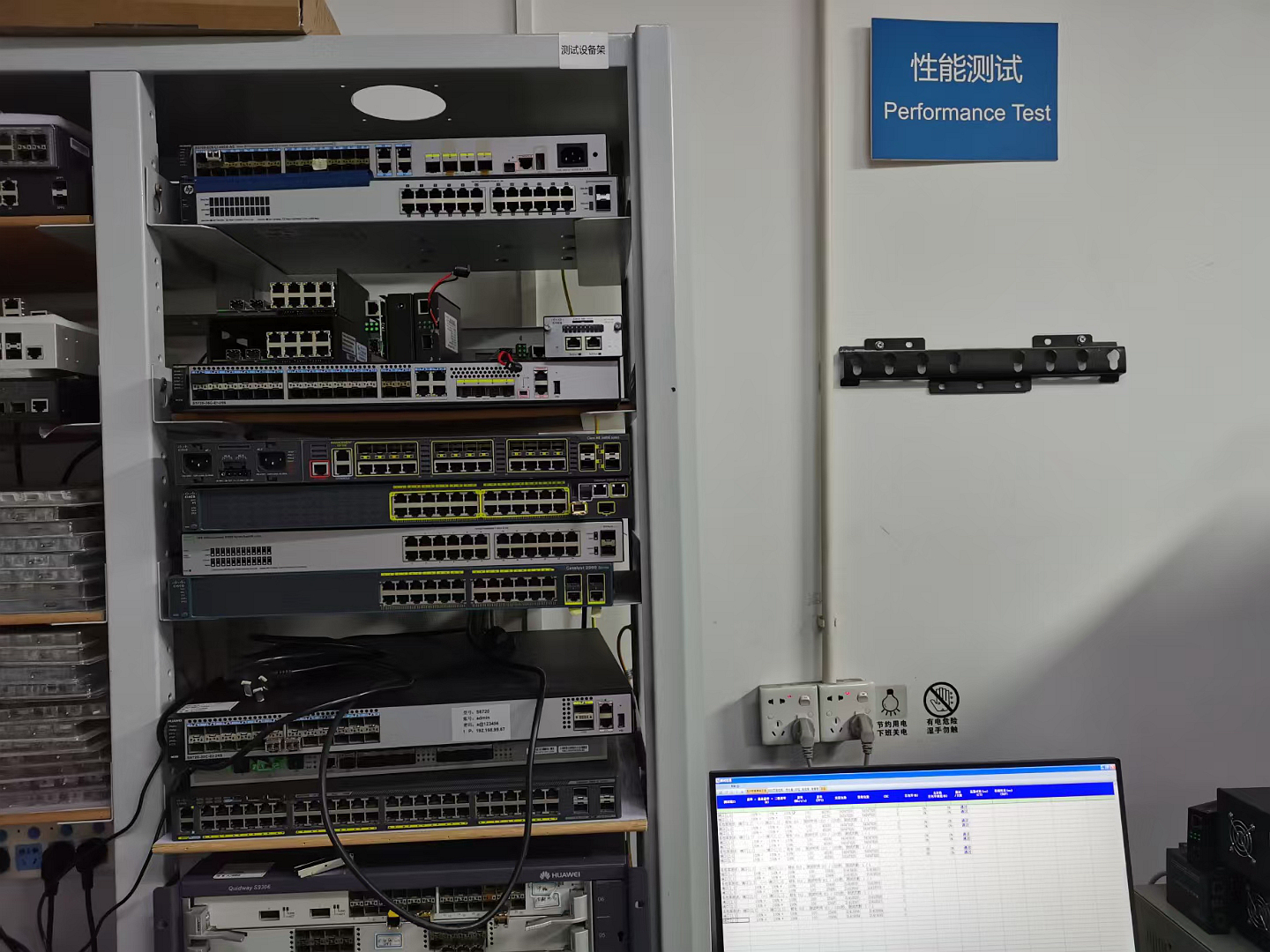
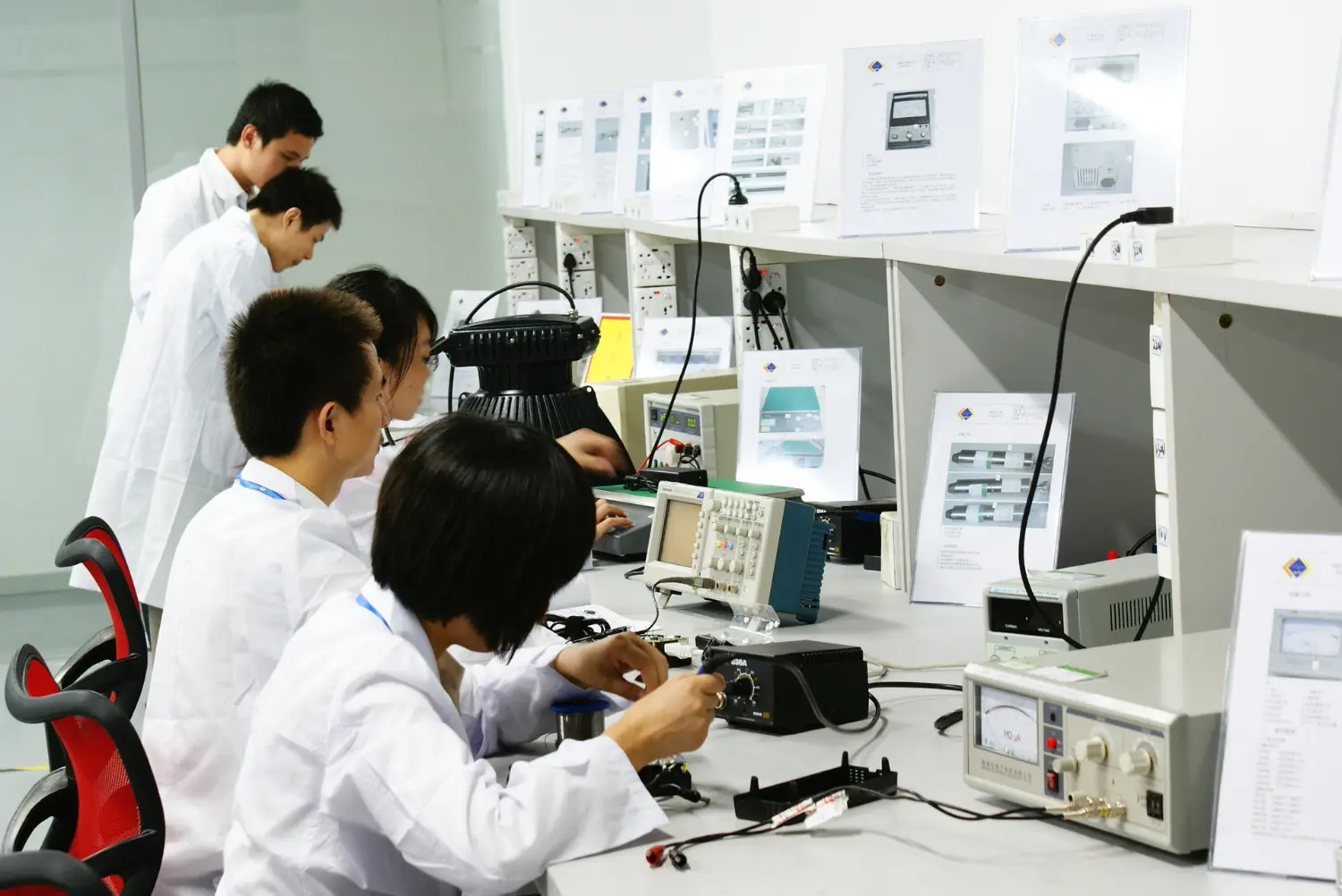
These testing procedures guarantee that transceivers operate within specification under extreme thermal conditions and maintain compatibility with switches from major network hardware manufacturers.
As AI workloads scale, traditional pluggable transceivers face physical density and power limitations. The optical networking roadmap highlights three main development trends:
Soras Technology aligns with these advancements by designing transceivers with improved heat dissipation, EMI protection, and low-latency processing, helping operators keep their networks ready for future demands.
Industrial-grade transceivers and active optical network devices built for multi-mile range and high thermal resistance.


 Soras Tech