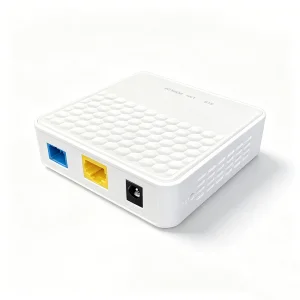
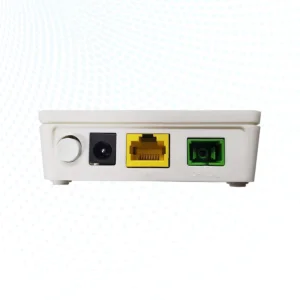
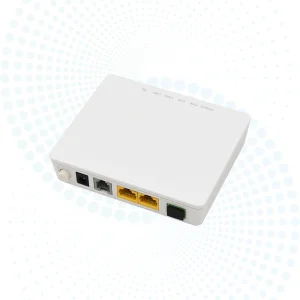
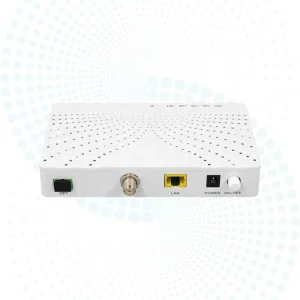
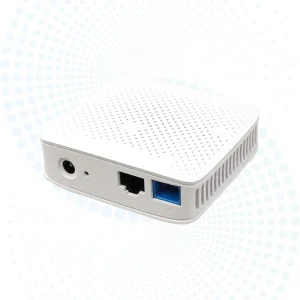
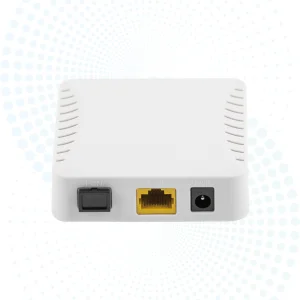
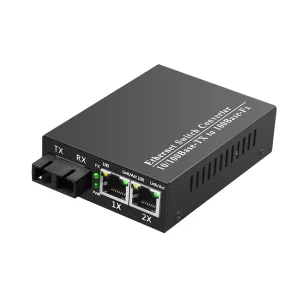
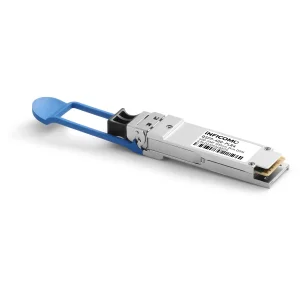
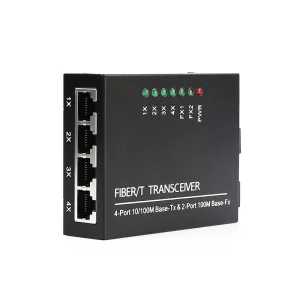
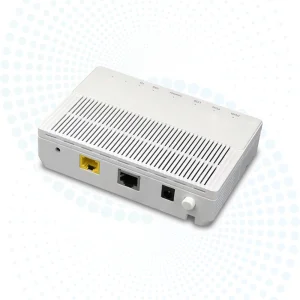
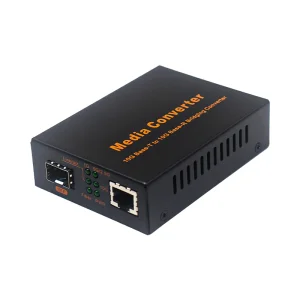
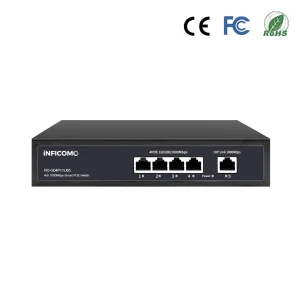
Explore our premium selection of Optical Network Units (ONU) and Optical Network Terminals (ONT) optimized for bridge mode (SFU) deployments, delivering wire-speed performance for telecommunication networks.
In the rapidly evolving broadband architecture landscape, the designation of the terminal unit is critical to managing operating costs (OPEX) and maximizing quality of experience (QoE). Optical Network Units (ONUs) and Optical Network Terminals (ONTs) configured in Bridge Mode, also classified under the ITU-T standards as Single Family Units (SFUs), represent the pinnacle of streamlined Layer 2 access engineering. Unlike their Routing Mode counterparts—frequently referred to as Home Gateway Units (HGUs) that bundle NAT routing, DHCP leasing, and Wi-Fi access point functionalities—an SFU operates as a transparent Layer 2 media bridge.
By offloading advanced Layer 3 routing features onto secondary high-performance consumer enterprise routers (CPEs), network operators avoid the CPU constraints and fast obsolescence associated with all-in-one gateways. The SFU's primary task is simple: receive the optical line signal (GPON/EPON) at the physical layer, translate the frame structure using native OMCI, and deliver raw Ethernet frames directly to the downstream WAN interface over copper or optical media converter pipelines.
Eliminates triple-play overhead processing at the ONT boundary. Reduces latency to sub-millisecond levels, making it ideal for edge computing gateways and gaming optimization.
By segregating public network bridging from local LAN management, ISPs secure network boundaries and eliminate client-side configuration vulnerabilities.
No complex Wi-Fi SoC or thermal bottlenecks. SFUs require less power, run significantly cooler, and achieve a Mean Time Between Failures (MTBF) exceeding 150,000 hours.
The telecommunications ecosystem is undergoing a massive transformation. As digital-first economies scale, standard GPON (Gigabit Passive Optical Network) platforms are hitting capacity ceilings. The industry is aggressively transitioning toward Next-Generation Symmetric PON architectures, primarily XGS-PON and 10G-EPON. Underpinning this evolution is the necessity for high-capacity, low-overhead terminal units that can handle raw throughput without throttling.
According to recent market research, the global market for GPON/EPON ONUs is projected to sustain a CAGR of 8.2% through 2030, fueled by national broadband acceleration strategies in North America, rural FTTH deployment mandates in the EU, and hyper-density urban upgrades across the Asia-Pacific region. In these scenarios, the Data ONU configured in bridge mode serves as the fundamental anchor point. It bridges the gap between high-speed passive distribution networks (ODN) and private IP routing arrays, offering compatibility across diverse central office Optical Line Terminals (OLTs) without vendor lock-in.
For Network Operators, Tier-2/3 ISPs, and System Integrators, optical procurement is a game of technical risk management. The single greatest barrier to deploying third-party ONUs is OMCI (ONT Management and Control Interface) interoperability. OLT manufacturers often construct proprietary software stacks that reject third-party hardware, requiring custom firmware patches to enable basic connectivity. Purchasing decisions must therefore prioritize solutions with robust, open-source or highly configurable OMCI stacks.
When sourcing Data ONUs, global procurement officers evaluate critical criteria to ensure long-term ROI. Key operational priorities include:
Seamless compliance with major central office hardware platforms, including Huawei, ZTE, Nokia, FiberHome, and Adtran. Native support for TR-069 provisioning allows automatic configuration pushes directly from central management consoles.
The capability to execute OEM/ODM requests, ranging from physical casing modifications and corporate branding to custom firmware defaults, bootloader branding, and pre-allocated VLAN IDs.
Deployments in diverse international settings require components that withstand high-humidity environments, extreme ambient temperatures (-20°C to +50°C), and line voltage fluctuations typical of developing infrastructures.
Manufacturing telecommunications components at scale requires precise engineering, rigorous quality assurance, and dynamic raw material supply chain control. Located in Guangdong, China, Shenzhen Soras Technology Co., Ltd. operates at the leading edge of optical networking manufacturing, leveraging advanced production technologies to deliver robust, high-volume equipment globally.
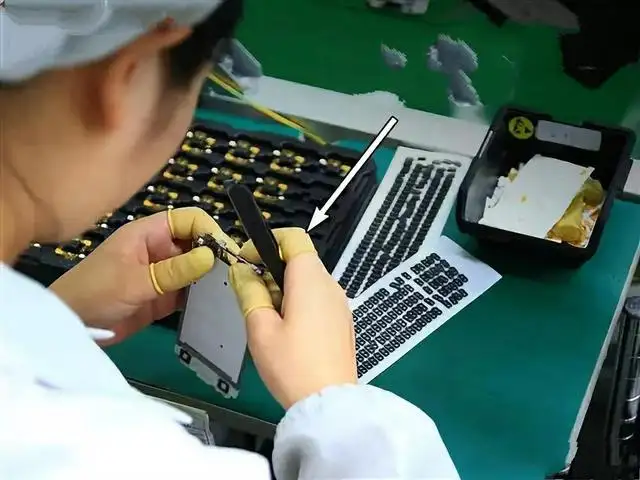
Our Factory 4.0 design incorporates fully automated SMT (Surface Mount Technology) lines that guarantee precision component placement on multi-layer PCBs, minimizing manual assembly faults. Automated Optical Inspection (AOI) machines verify component integrity down to the micron level. This level of process automation, combined with real-time tracking, forms the bedrock of our production capacity, enabling us to deliver orders to clients in over 60 countries across North America, South America, and Europe.
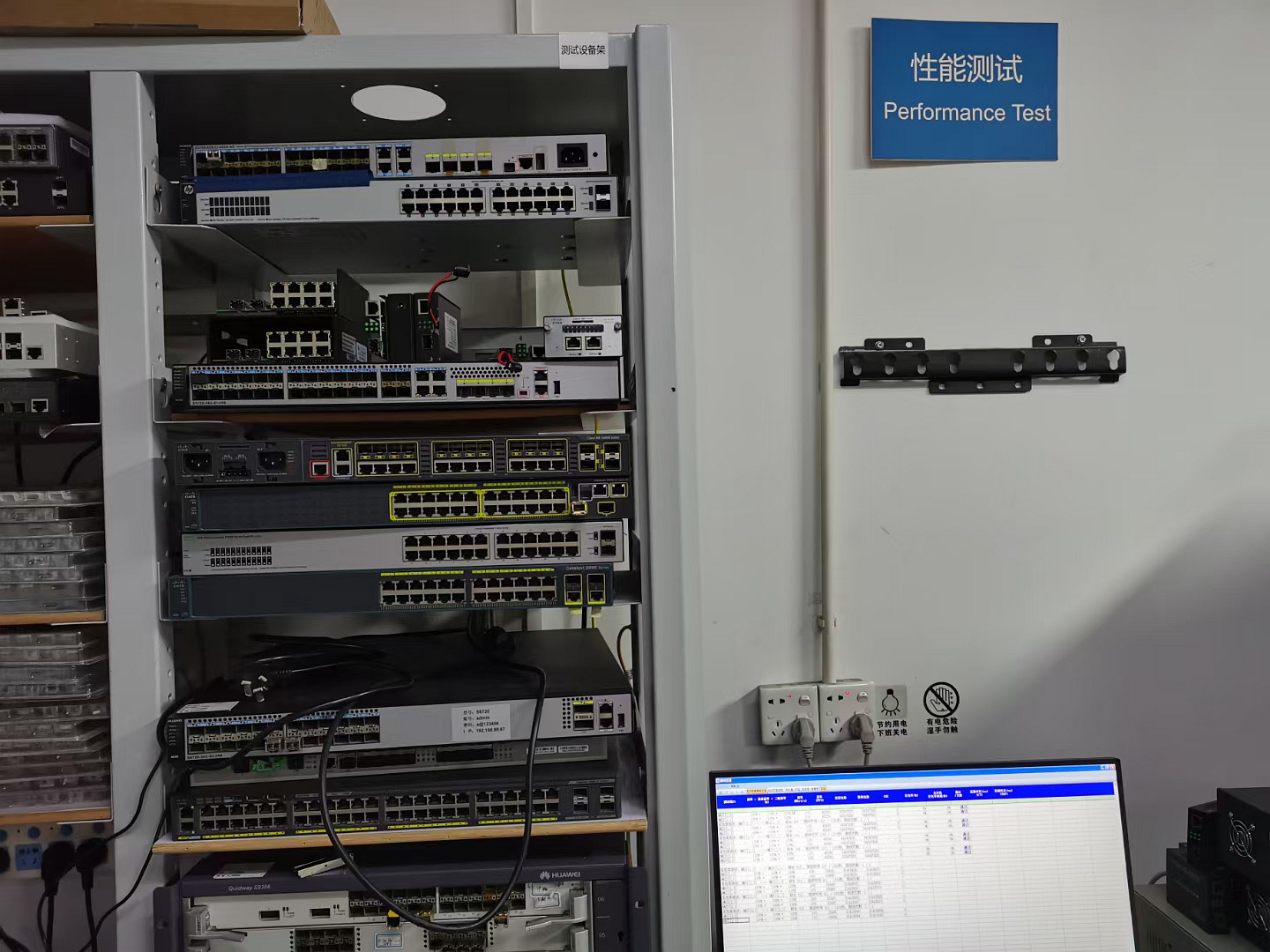
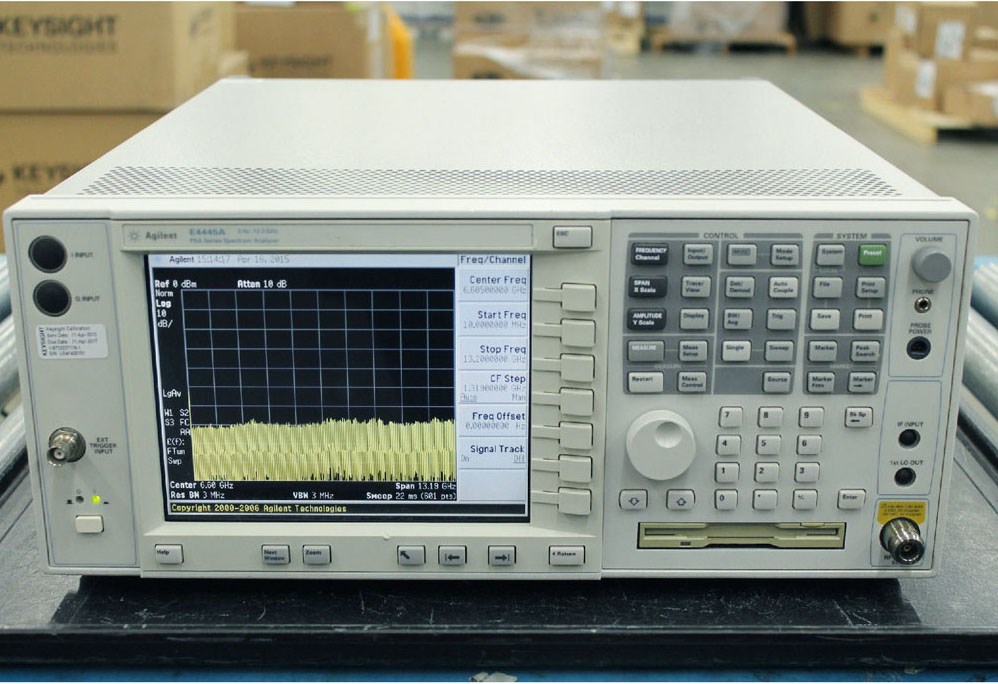
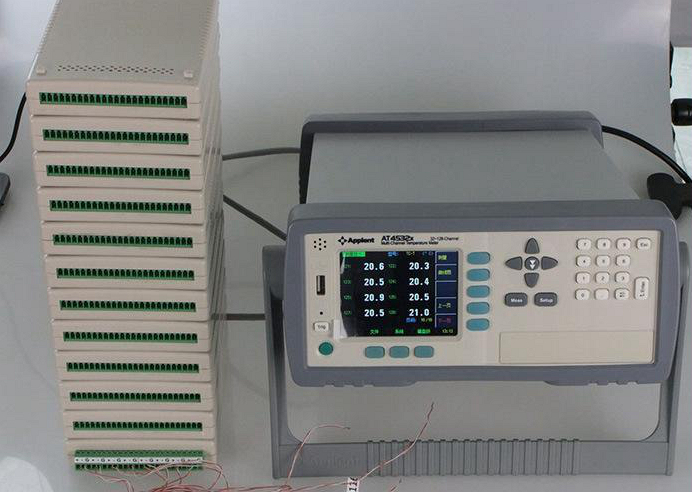
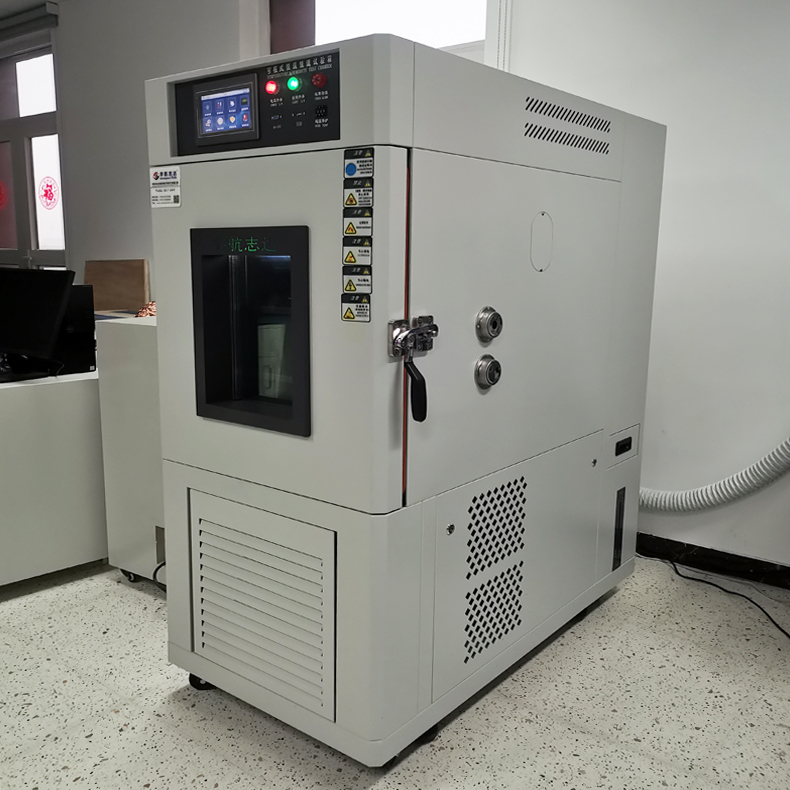
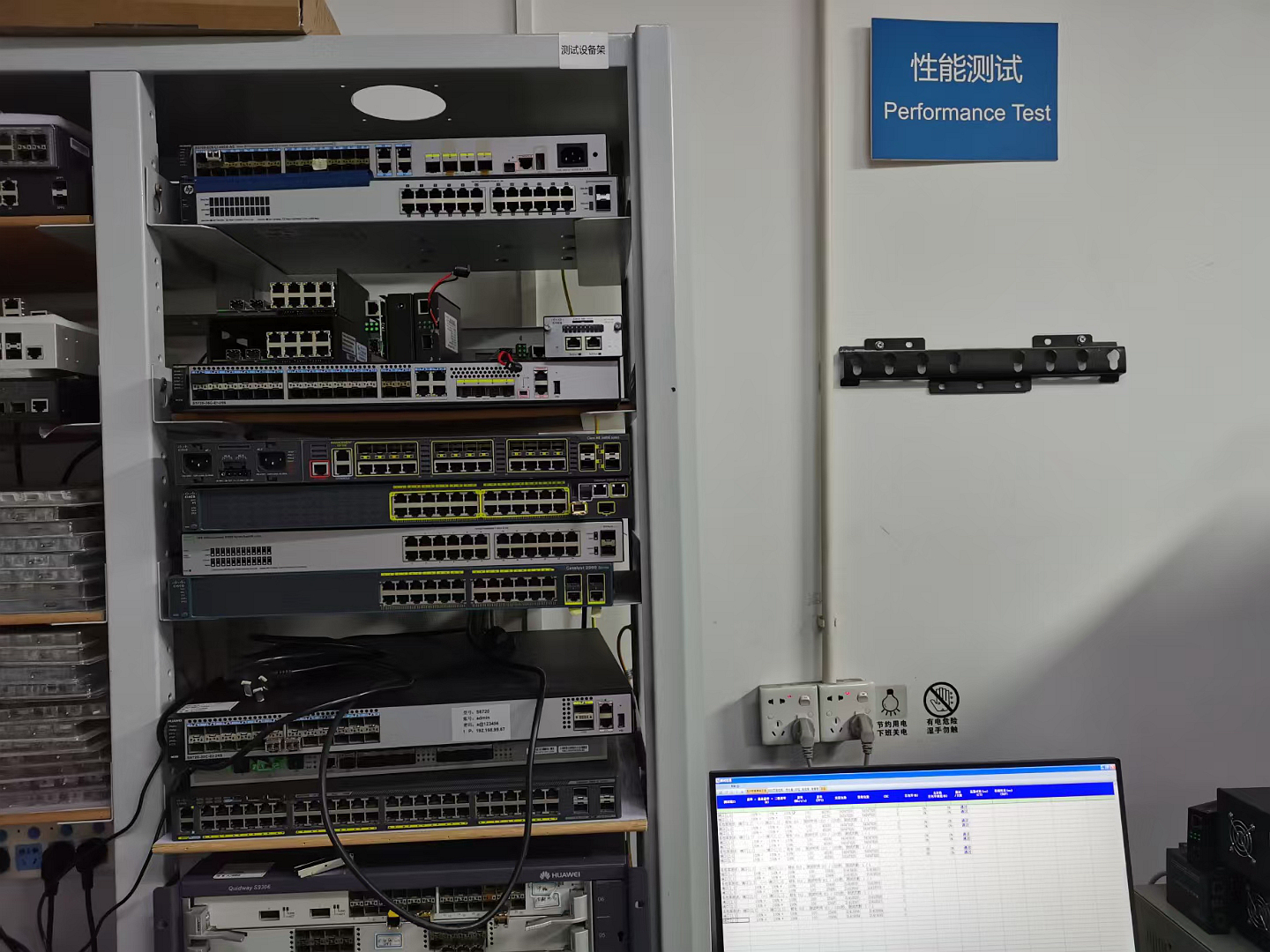
Every batch of ONUs, optical transceivers, and media converters undergoes a series of strict quality checks. This includes high-low temperature chamber tests simulating harsh deployment conditions, real-time bit error rate (BER) evaluations, and dedicated Wi-Fi calibration processes. These quality management systems are certified under ISO 9001, CE, FCC, RoHS, and UL, ensuring compliance with strict global standards.







| Shenzhen Soras Technology Co., Ltd. — Corporate Specifications | |||
|---|---|---|---|
| Business Type | Manufacturer / Exporter | Country / Region | Guangdong, China |
| Main Products | FTTH ONU & OLT, SFP Module, Fiber Media Converter, PoE Switch, Fiber Optic Equipment | Total Employees | 11 - 50 People |
| Total Annual Revenue | US$5 Million - US$10 Million | Year Established | 2021 |
| Main Markets | Domestic Market (24%), Eastern Asia (15%), North America (15%), Europe, South America | Quality Standards | ISO 9001, CE, FCC, RoHS, UL Compliance |
Deploying the proper ONU architecture requires mapping the hardware profile to the specific environment. While HGUs are suitable for basic residential installations, the Data ONU configured in bridge mode is the preferred choice for enterprise and complex topology designs:
In business parks, ISPs deliver a dedicated dark fiber drop to each suite terminating in a GPON SFU. The client company bridges this terminal directly into their main enterprise firewall or SD-WAN appliance. This grants the tenant complete control over security policies, routing protocols, and NAT tables, without ISP-imposed hardware limitations.
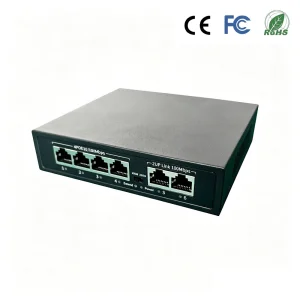
Outdoor municipal IP cameras require stable, low-latency backhaul. Using a compact, hardened 1GE Bridge Mode ONU coupled with an industrial PoE switch, camera feeds are bridged directly to the central VLAN. This bypasses local NAT translation, allowing traffic to flow smoothly to the NVR server pool without packet degradation.
In mixed-use properties, the SFU is configured to map different VLAN tags to separate physical ports. VoIP data goes to Port 1, IPTV multicast feeds to Port 2, and public high-speed internet to Port 3. This physical and logical segregation prevents traffic storms and guarantees high quality of service (QoS) across all channels.
Below are detailed answers to frequently asked technical and operational questions concerning GPON, EPON, and XPON bridge mode terminals.
A Bridge Mode ONU (SFU) acts as a Layer 2 bridge, forwarding raw Ethernet frames from the passive optical network (PON) to the customer premises equipment (CPE) without performing network address translation (NAT), routing, or DHCP management. A Routing Mode ONU (HGU) acts at Layer 3, handling DHCP leasing, routing tables, NAT traversal, and often containing built-in Wi-Fi access points. SFUs are preferred in enterprise architectures and multi-vendor setups to avoid double-NAT issues and allow advanced routers to manage the local network.
XPON ONUs feature dual-mode firmware and adaptable physical-layer optical transceivers. Upon connection to the optical distribution network (ODN), the ONU scans the incoming downstream optical wavelengths (typically 1490nm) to analyze the frame structure. If it detects GPON encapsulation (G.984 transmission convergence frame format), it shifts its protocol engine to GPON. If it identifies EPON frames (IEEE 802.3ah multipoint control protocol), it loads the EPON MAC stack. This auto-switching reduces inventory costs for ISPs operating hybrid systems.
The OMCI (ONT Management and Control Interface) protocol is used by the OLT to configure and manage the ONU's performance. However, because different OLT vendors implement custom OMCI parameters, third-party ONUs can experience authentication or configuration issues. Soras Technology designs its ONUs with flexible, field-upgradable OMCI software layers. This allows us to adjust configurations for compatibility with OLT brands like Huawei, ZTE, FiberHome, and Nokia, ensuring clean integration across diverse environments.
Soras Technology provides a wide range of OEM/ODM options, including customized silk-screen logos, unique structural designs, and custom packaging. At the firmware level, we can adjust default VLAN configurations, preset WAN modes (Bridge/PPPoE/DHCP), pre-load custom SSL certificates, and configure software-locked TR-069 ACS URLs to match the client's network environment.
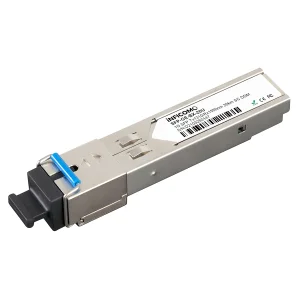
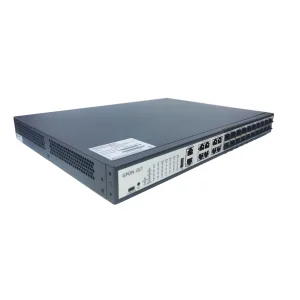
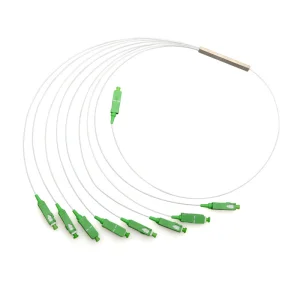
Browse our range of high-performance fiber optic switches, transceivers, splitters, and high-port OLT systems designed to expand and optimize network architectures.
 Soras Tech