Industrial-grade GPON ONUs, SFP transceivers, and robust Ethernet/PoE distribution hardware for enterprise networks
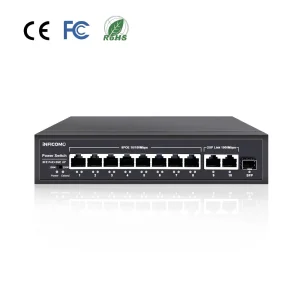
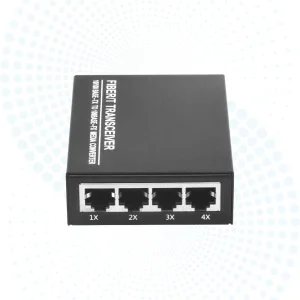
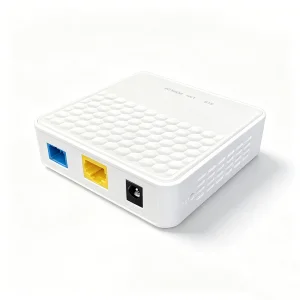
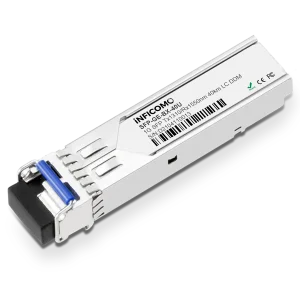
Analyzing market drivers, fiber penetration rates, and next-generation optical access protocols
As remote work, cloud hosting, and enterprise-grade software-as-a-service (SaaS) continue to saturate global markets, optical fiber infrastructures are expanding at an unprecedented rate. Central to this fiber-to-the-home (FTTH) and fiber-to-the-business (FTTB) deployment is the Optical Network Unit (ONU) and Optical Network Terminal (ONT). Often utilized interchangeably in client-side provisioning, these edge termination devices execute the crucial translation of optical pulse patterns into high-bandwidth gigabit ethernet signals. They stand as the definitive interface between the Internet Service Provider’s (ISP) Optical Line Terminal (OLT) and the subscriber's private switching topology.
Information Gain Insight: The distinction between an ONU and ONT rests heavily on structural topology. An ONT is a dedicated, single-subscriber terminal placed directly at the premises, converting optical signals to local Ethernet, WiFi, or POTS. Conversely, an ONU is typically configured in multi-tenant contexts (MDU or FTTB deployments), multiplexing signals across several units over coaxial cables or copper pairs, and operates under strict environment-hardened specifications.
From a commercial and industrial viewpoint, global demand is bifurcated. Mature economies in North America and Western Europe are undergoing a rapid technological evolution, retrofitting legacy GPON architectures with 10-Gigabit Symmetrical PON (XGS-PON) to accommodate Multi-Gigabit access tiers. Simultaneously, emerging markets in Latin America, Southeast Asia, and Eastern Europe are focused heavily on cost-efficient, high-density XPON (GPON/EPON dual-mode) deployment to scale base connectivity. Navigating this landscape requires specialized OEMs/ODMs that understand these distinct local infrastructure mandates and offer resilient hardware configurations accordingly.
Deep dive into wavelength allocations, transmission dynamics, and standard compliance parameters
Modern fiber-optic architecture relies on Passive Optical Networks (PON) to maximize resource efficiency. Unlike active networks that require powered mid-span infrastructure, PON relies solely on optical splitters. The downstream and upstream wavelengths are split using Wavelength Division Multiplexing (WDM) to ensure continuous bi-directional flow on a single optical strand. To help network engineers choose the right access terminal, the table below highlights the performance envelopes of the prevailing access standards.
| Technology Profile | Standards Specification | Downstream Bandwidth | Upstream Bandwidth | Wavelength Allocation | Typical Split Ratio |
|---|---|---|---|---|---|
| EPON (Ethernet PON) | IEEE 802.3ah | 1.25 Gbps | 1.25 Gbps | 1490nm DS / 1310nm US | 1:32 / 1:64 |
| GPON (Gigabit PON) | ITU-T G.984 | 2.488 Gbps | 1.244 Gbps | 1490nm DS / 1310nm US | 1:64 / 1:128 |
| XPON (Dual Mode Auto-Sensing) | Hybrid IEEE / ITU-T | Auto-sensing | Auto-sensing | 1490nm DS / 1310nm US | Adaptive |
| XGS-PON (10G Symmetrical) | ITU-T G.9807.1 | 9.953 Gbps | 9.953 Gbps | 1577nm DS / 1270nm US | 1:128 / 1:256 |
For global importers and operators running legacy networks while transitioning to modern architectures, stocking discrete EPON and GPON ONUs creates a supply chain burden. The advent of XPON (EPON/GPON adaptive) firmware has largely resolved this issue. Upon power-up, the XPON transceiver measures the incoming optical sync frame structure. If it detects an IEEE 802.3ah multi-point control protocol (MPCP) frame, it switches its internal MAC layer configuration to EPON mode. Conversely, if it identifies an ITU-T G.984 G-PON transmission convergence (GTC) frame, it switches to GPON mode. This auto-negotiation reduces network commissioning times and simplifies SKU inventory management.
A decade of verified excellence in optical transmission manufacturing and custom OEM solutions
Established as a premier technological pioneer in Guangdong, China, Shenzhen Soras Technology Co., Ltd. (Soraslink) has spent more than 10 years mastering the design, assembly, and quality verification of premium network devices. We combine raw technological innovation with strict ISO 9001 management protocols to deliver highly customized, reliable, and cost-effective solutions to global network operators.
Our agile engineering team specializes in executing deep-level OEM and ODM orders, modifying firmware layers, hardware form factors, and thermal heat sink materials to withstand the harshest environmental installations. From fiber media converters and SFP transceivers to robust unmanaged PoE switches and GPON/EPON ONUs, Soras Technology devices are deployed in over 60 countries across the Americas, Europe, and East Asia.
| Business Type | Manufacturer & Exporter (OEM/ODM Ready) |
| Country / Region | Guangdong, China |
| Main Products | FTTH ONU & OLT, SFP Transceivers, Fiber Media Converters, PoE Switches |
| Year Established | 2021 (Team boasting 10+ Years Industry Experience) |
| Revenue Scale | US$5 Million - US$10 Million |
| Compliance Standards | ISO 9001, CE, FCC, RoHS, UL Certified |

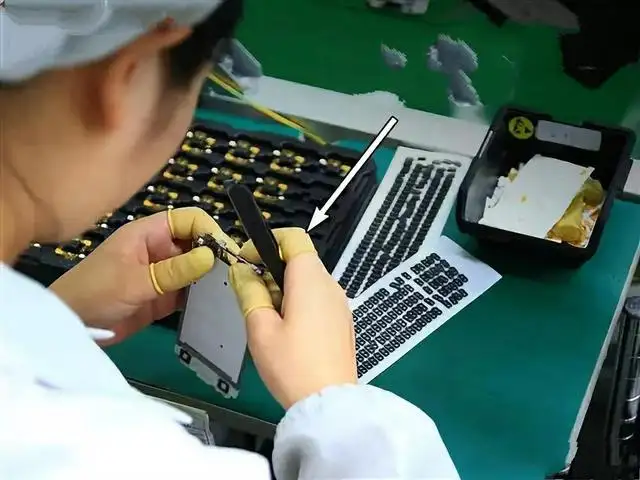
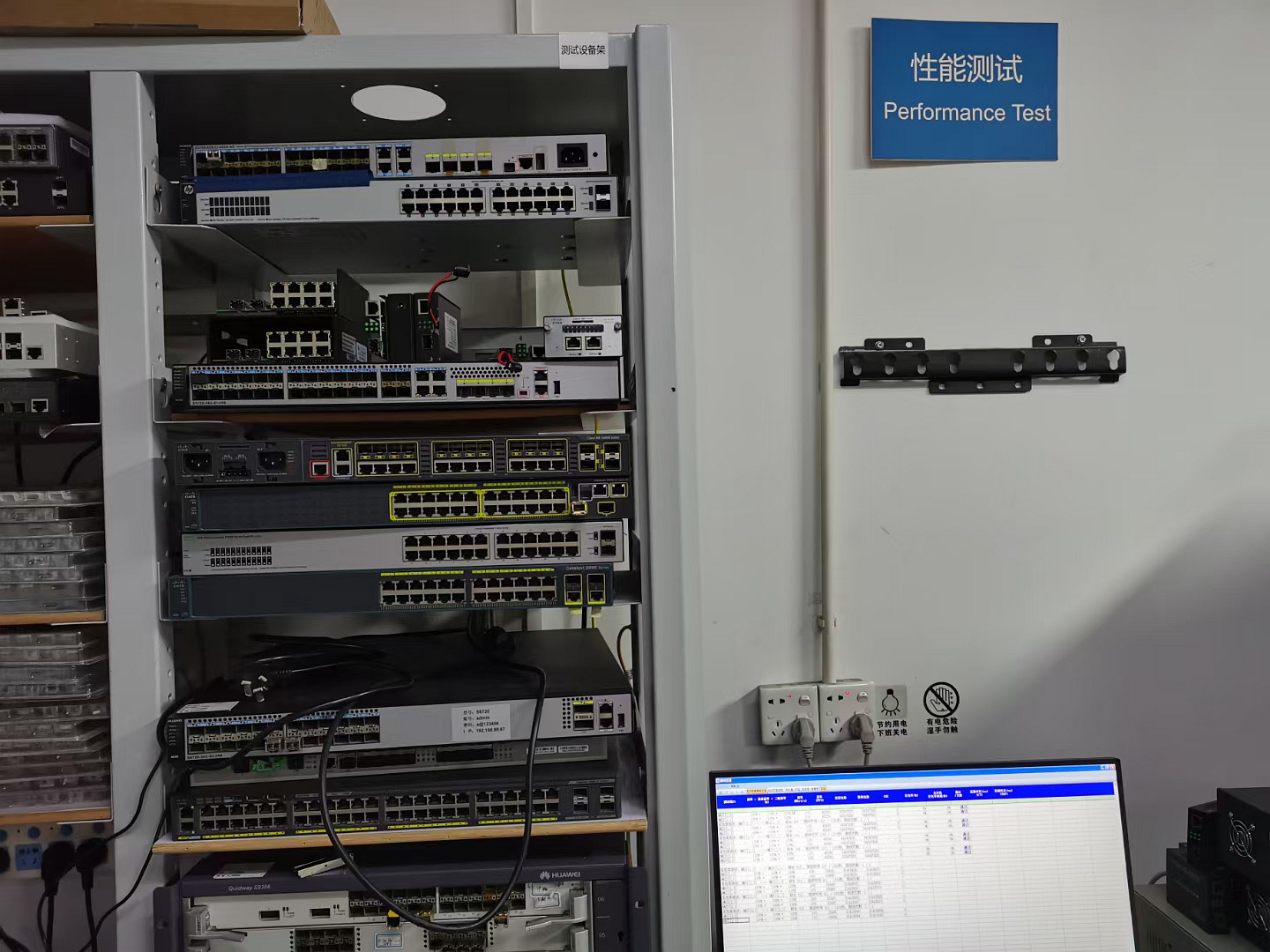
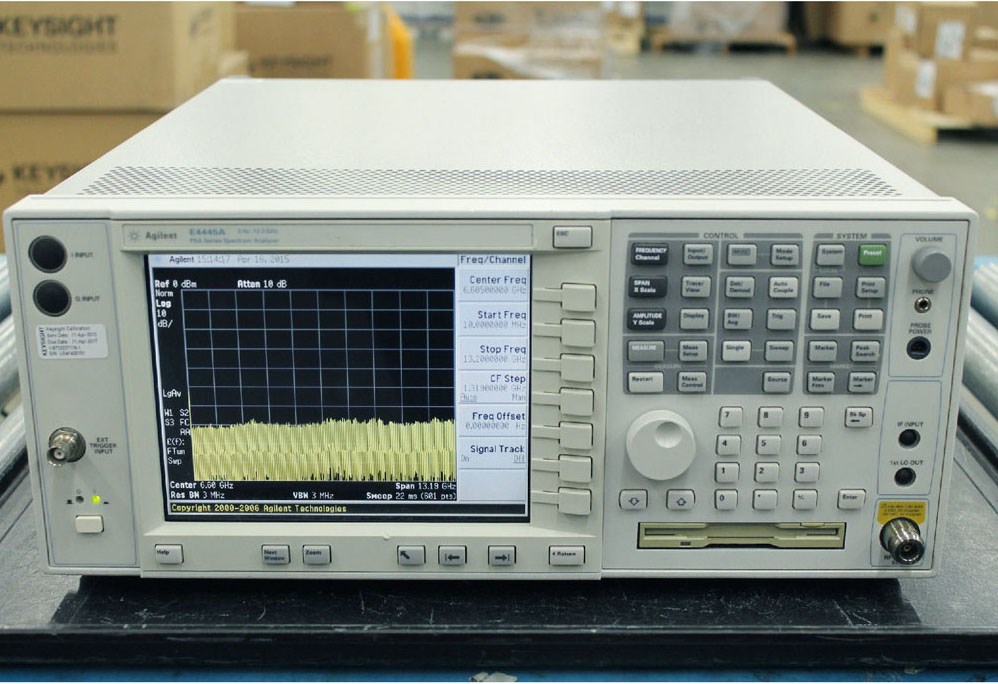
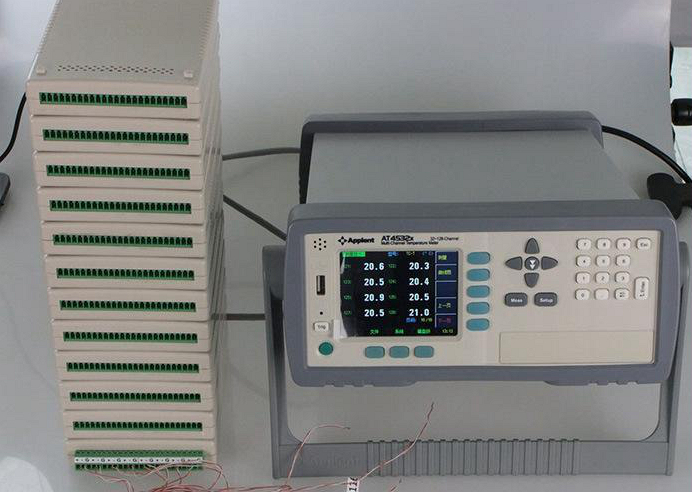
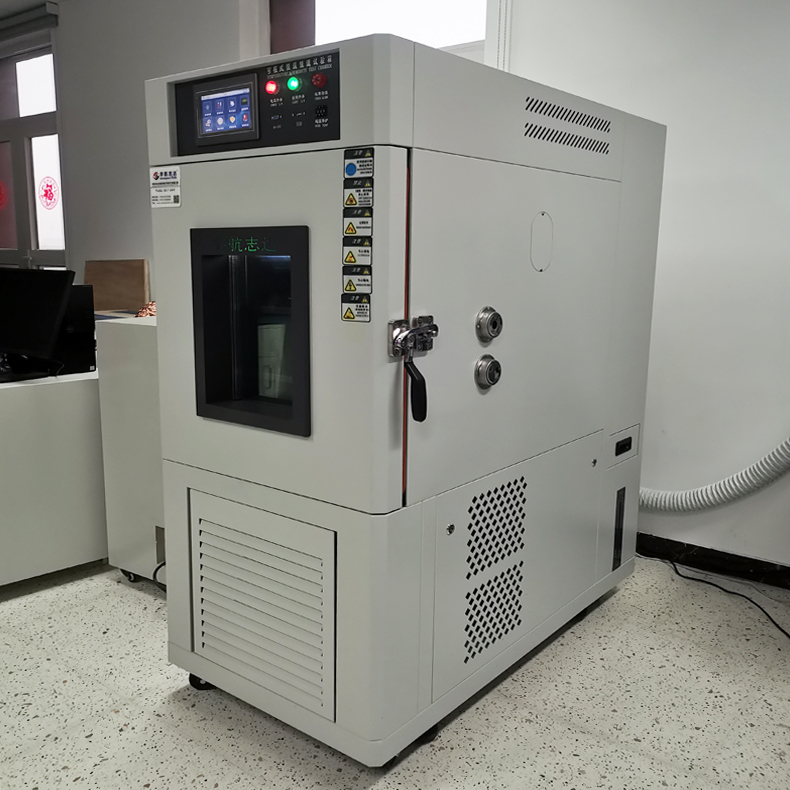
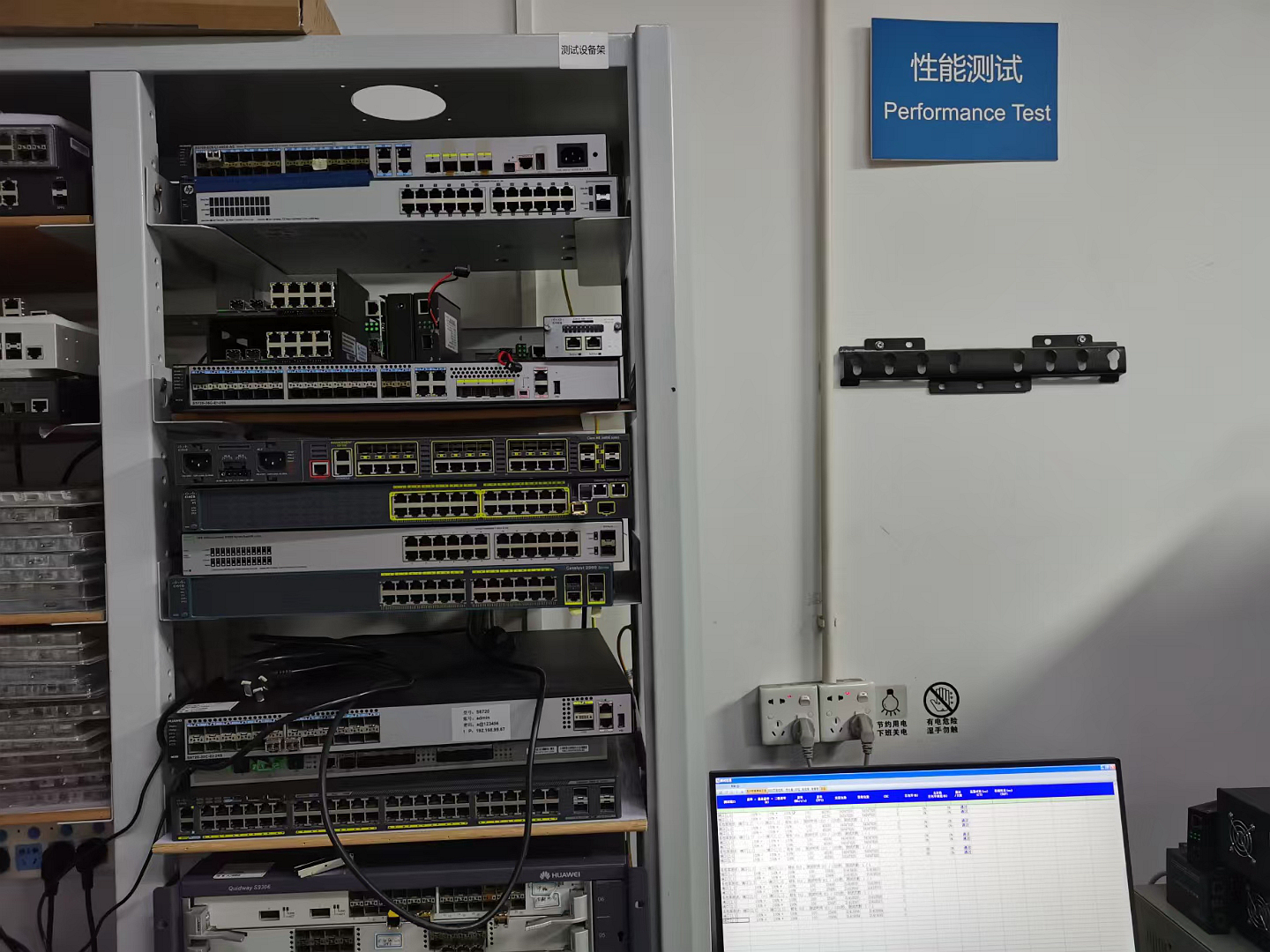
Visualizing the manufacturing precision, calibration cycles, and quality verification standards at our Shenzhen facility
Shenzhen remains the global epicenter of optical communication engineering, granting access to an unmatched local ecosystem of silicon providers, laser diode suppliers, and high-frequency wave Soldering technicians. Soras Technology leverages this environment to maintain high throughput speed and flexible prototyping capabilities. Our factory has integrated multi-layer manufacturing processes to ensure that every device leaving our facility functions with zero-packet-loss reliability under heavy traffic loads.






How regional requirements shape firmware profiles, interfaces, and next-generation transitions
Deploying fiber over extensive geographic spans challenges signal integrity. Optical losses across daisy-chained splitters require highly sensitive APD (Avalanche Photodiode) receivers in ONUs. Soras designs hardware with Class B+ and Class C+ optical transceiver modules, ensuring flawless operations even at -28dBm input sensitivity.
In high-density European apartments, running new fiber strands to individual units is often restricted. In these instances, our multi-port ONUs with active PoE pass-through utilize existing copper lines to distribute stable broadband, eliminating building drilling and municipal approvals.
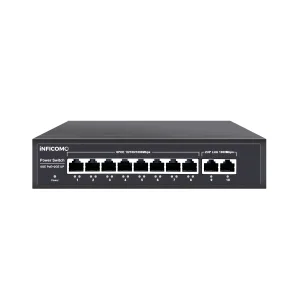
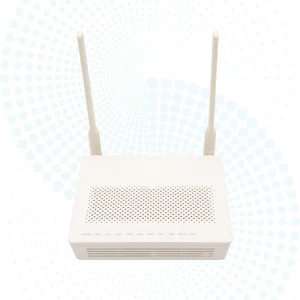
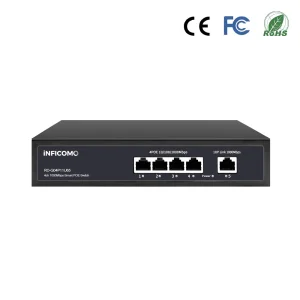
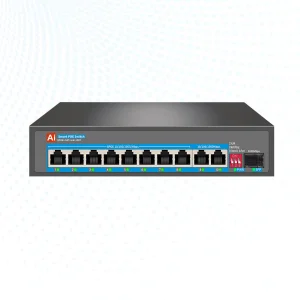
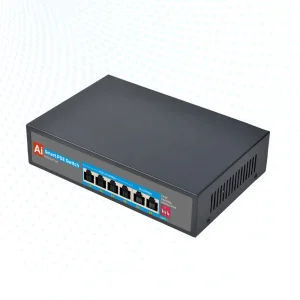
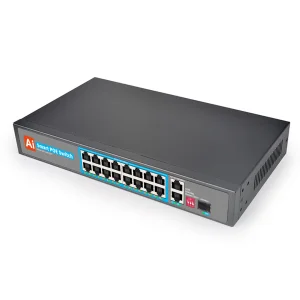
Modern surveillance infrastructures rely heavily on centralized control units. In remote locations, integration engineers pair an XPON ONU directly with an industrial-grade PoE+ switch. This configuration feeds IP cameras, converts digital video streams, and uplinks high-definition feeds back to the central OLT over passive fiber loops.
As service providers design their next-generation network architectures, standard GPON is hitting limits. The introduction of 4K/8K video streaming, cloud backups, and smart home ecosystems has accelerated the transition toward XGS-PON. Utilizing asymmetrical (10G/2.5G) or symmetrical (10G/10G) speeds, XGS-PON coexists on the same fiber tree as GPON. This coexistence is made possible by selecting non-overlapping wavelengths (1270nm upstream / 1577nm downstream). To ease this transition, Soras Technology is developing next-generation access units featuring built-in optical filters. These components allow operators to upgrade individual subscribers to 10G tiers without replacing splitters or disrupting adjacent users on the same fiber loop.
Direct engineering answers to common procurement, compatibility, and implementation questions
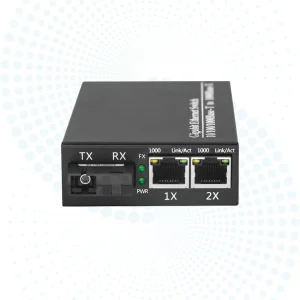
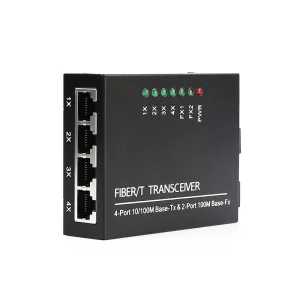
High-capacity media converters, high-gain routing modems, and managed optical transceivers
 Soras Tech