Deploy industry-leading connectivity hardware, engineered for high reliability, low attenuation, and structural robustness.
As the global digital economy transitions towards ultra-reliable low-latency communication (URLLC), the deployment of next-generation optical infrastructure has shifted from a capital expenditure decision to a foundational business strategy. The rise of multi-gigabit broadband networks, Edge cloud architectures, 5G NR (New Radio) deployments, and the massive data processing demands of Generative Artificial Intelligence (AI) place unprecedented loads on physical optical networks. Inside modern data centers and global telecommunications channels, signals must travel at light speed with absolute minimal latency, minimal reflection loss, and near-zero structural attenuation.
At Shenzhen Soras Technology Co., Ltd., we develop critical active and passive hardware that interfaces the physical layer with optical-electrical signal routers. Developing optical communication equipment is not simply about producing glass fiber cables and plastic housing; it is an optimized process of mechanical engineering, optical alignment physics, and high-density semiconductor assembly. As global telecommunications systems evolve, the demand for manufacturers with deep manufacturing competence and strict quality control standards has grown exponentially. Our focus remains on eliminating deployment failures through robust physical layer manufacturing and certified compliance protocols.
Managing structural demands, deployment scenarios, and cost-efficiency in large-scale infrastructure projects.
From initial prototype designs to high-speed surface mount assembly (SMT) and functional firmware customization. We adapt optical hardware, including GPON ONT and optical transceiver profiles, to match regional ISP configurations and telecom requirements.
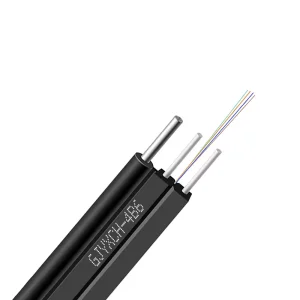
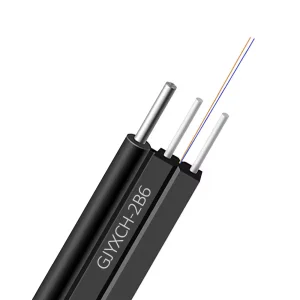
Outdoor deployment routes face challenges like extreme temperatures, UV damage, moisture intrusion, and high mechanical tension. Our FTTH Drop Cables are built with self-supporting steel wires and low-smoke zero-halogen (LSZH) jacketing to ensure long operational lifespans.
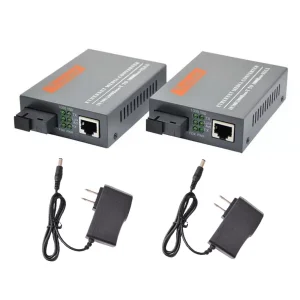
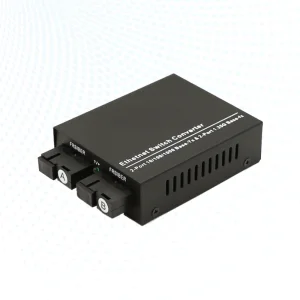
Ensuring seamless communication across multi-vendor networks. Our active ONU, ONT, SFP Modules, and Media Converters strictly adhere to ITU-T (G.984/G.987) and IEEE (802.3) specifications, preventing configuration lock-in for network operations.
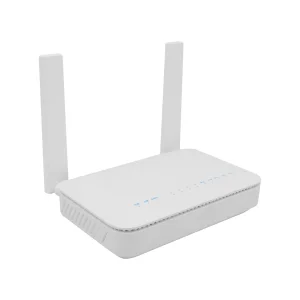
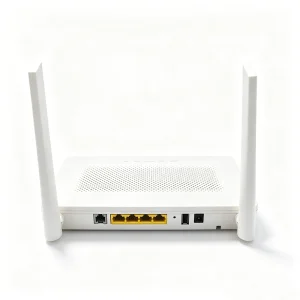
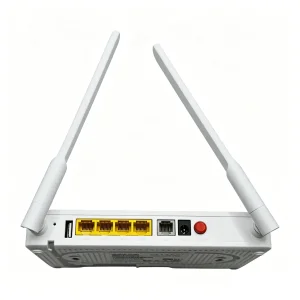
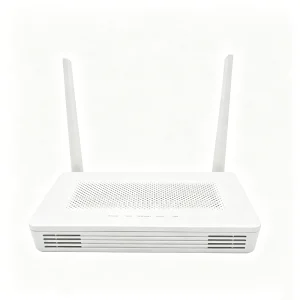
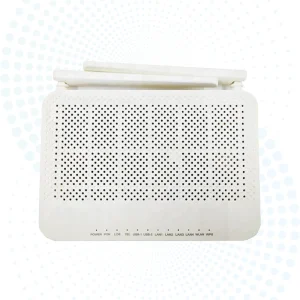
Building high-speed network topologies requires balancing optical performance, transceiver reach, and electrical network conversions. In FTTH deployments, GPON (Gigabit Passive Optical Network) and EPON (Ethernet Passive Optical Network) platforms are shifting toward a unified XPON architecture. This shift allows a single terminal device, such as the F6610M GPON/XPON ONU, to automatically detect the optical line terminal (OLT) type at the central office and adapt its protocol dynamically. This flexibility reduces hardware stocking costs and simplifies field installations.
Modern client premises also require high-speed local wireless routing to utilize the fiber backbone. By integrating AX3000 Dual-Band WiFi 6 directly into the optical network terminal (ONT), manufacturers eliminate bottlenecks between the customer's wireless devices and the fiber inlet. Standardizing on WiFi 6 technologies (featuring MU-MIMO and OFDMA modulation schemes) ensures that high bandwidth is distributed efficiently throughout home and office networks without packet congestion.
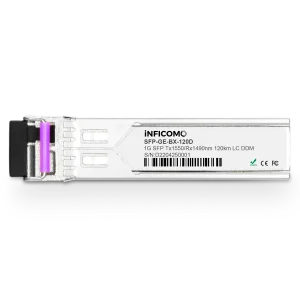
Additionally, optical transceivers have seen significant upgrades in distance, wavelength isolation, and temperature resilience. Using Single-Fiber Bi-Directional (BIDI) SFP modules, network operators can double their optical throughput over existing fibers by using WDM (Wavelength Division Multiplexing). Transmitting downstream on 1490nm and upstream on 1550nm over a single LC or SC optical interface reduces fiber rental costs and doubles overall port density inside regional distribution cabinets.
A look at our factory profile, key business details, and production parameters.
| Business Specification | Operational Parameter | Geographical Distribution | Market Statistics |
|---|---|---|---|
| Business Classification | Professional Manufacturer & Factory | Country of Origin | Guangdong, China (Shenzhen Hub) |
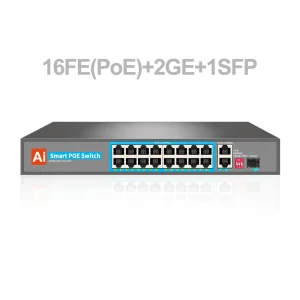
| Core Product Lines | FTTH ONU & OLT, SFP Transceiver Modules, Fiber Media Converters, PoE Switches | Year Established | 2021 (with over 10 years of industrial R&D heritage) |
| Total Workforce Capacity | 11 - 50 Skilled Personnel | Primary Target Regions | South America (24.00%), Eastern Asia (15.00%), North America (15.00%), Europe |
| Annual Export Volume | US$5 Million - US$10 Million | Regulatory Standards | ISO 9001, UL, CE, FCC, RoHS Compliance |
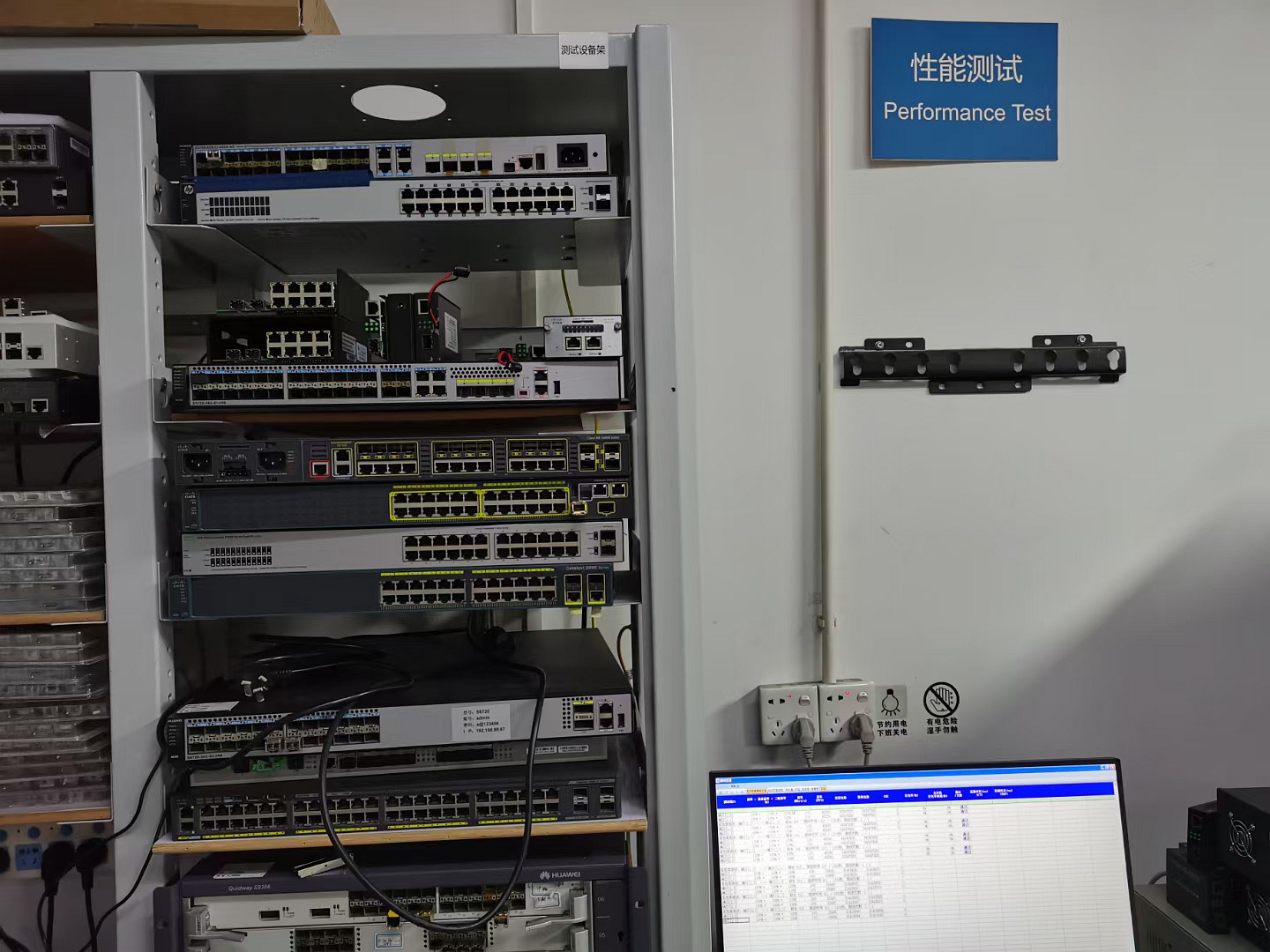
A visual overview of our production stages, precision optical verification processes, and quality control systems.

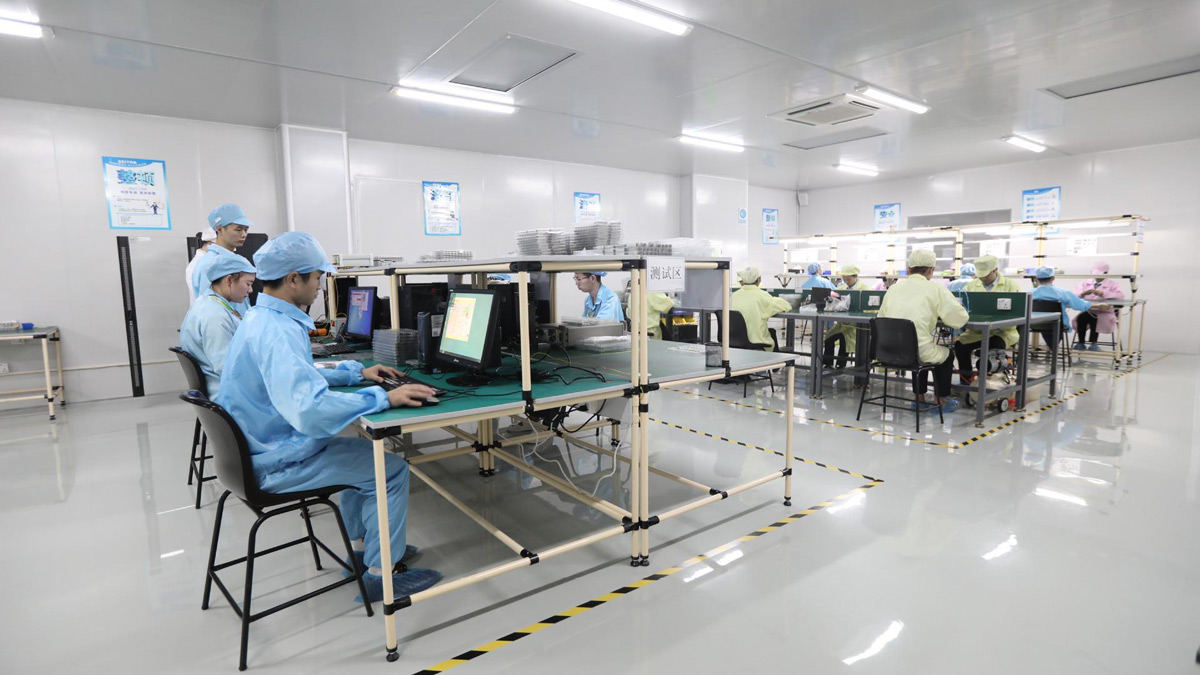


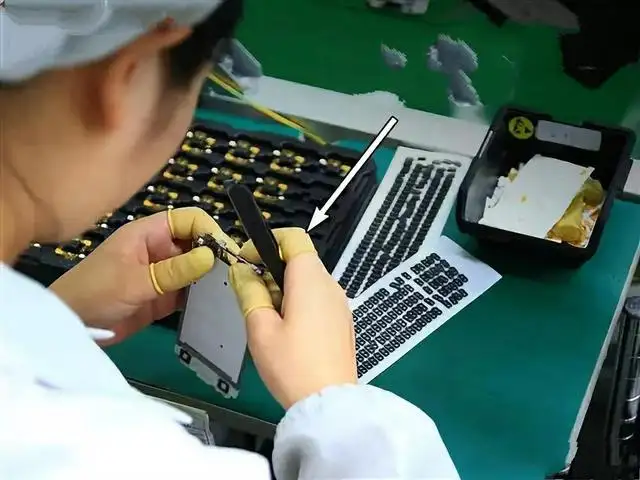
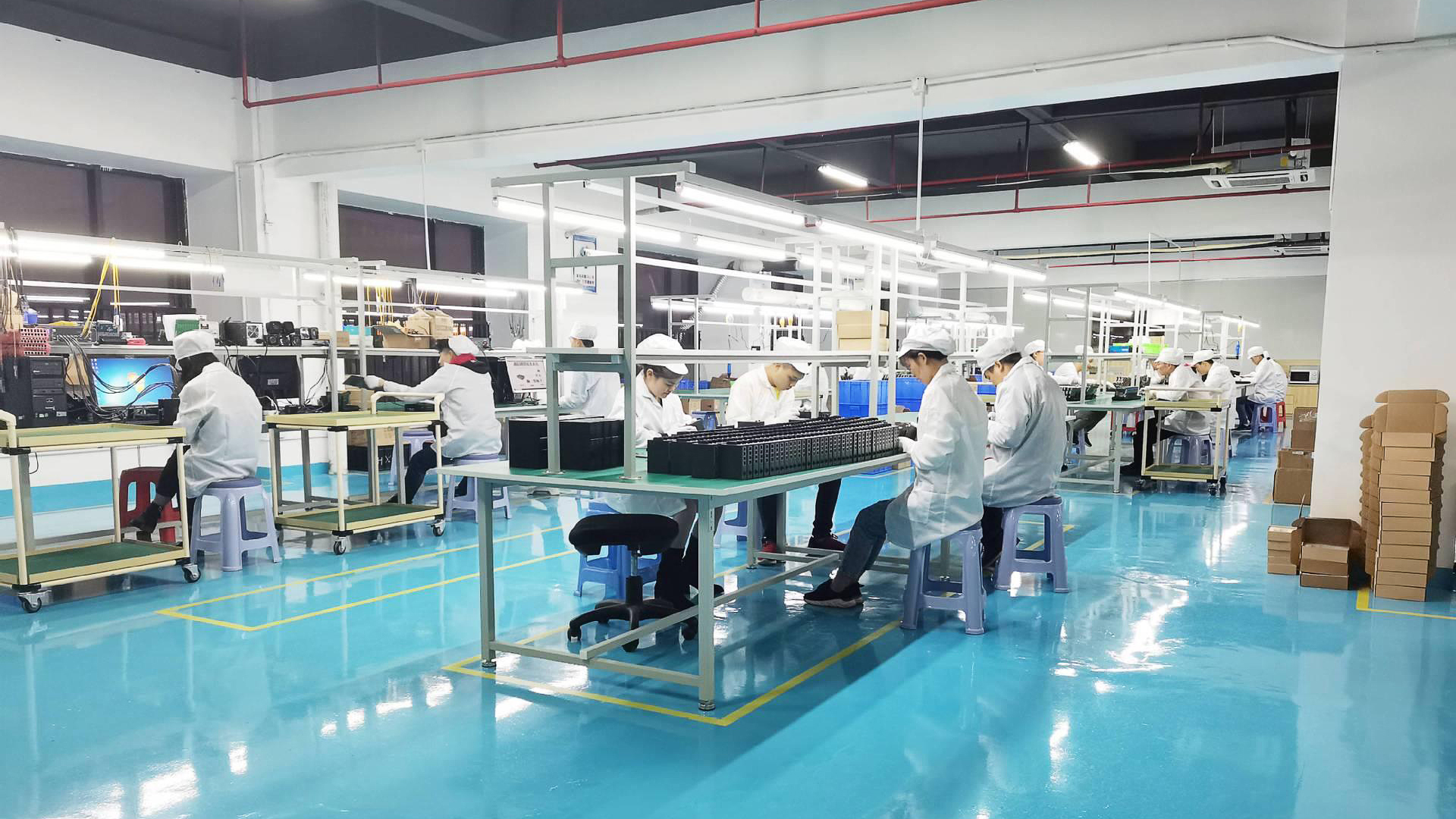

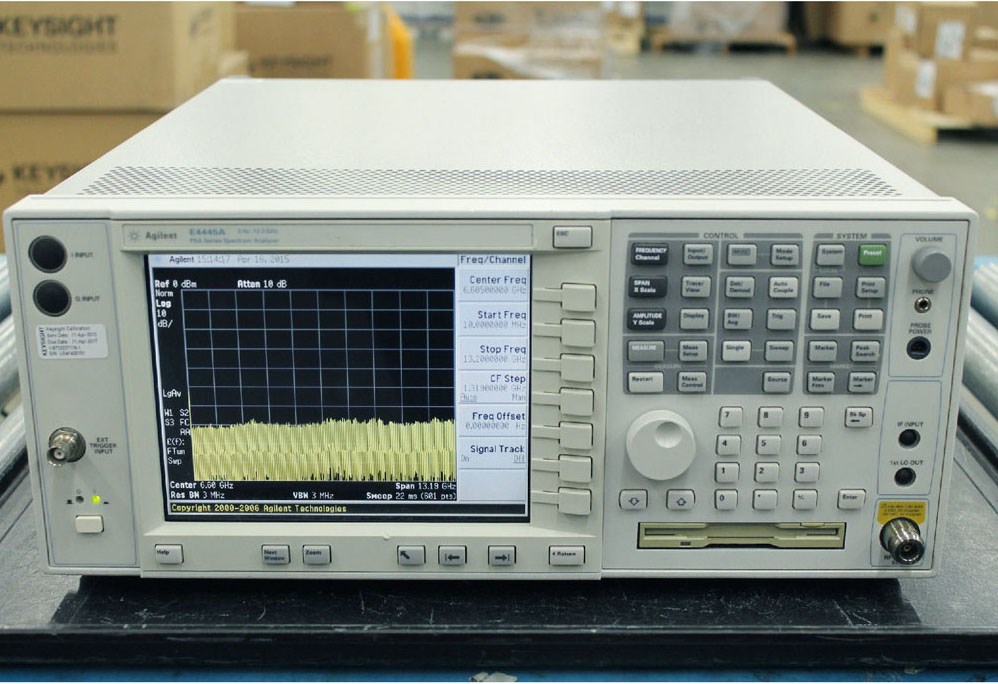
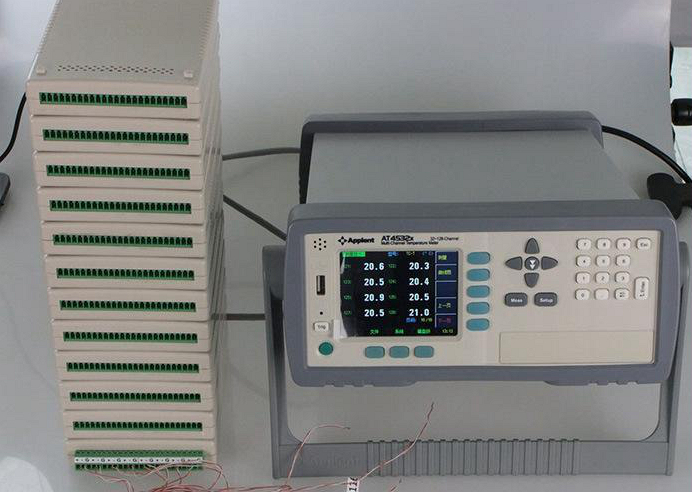
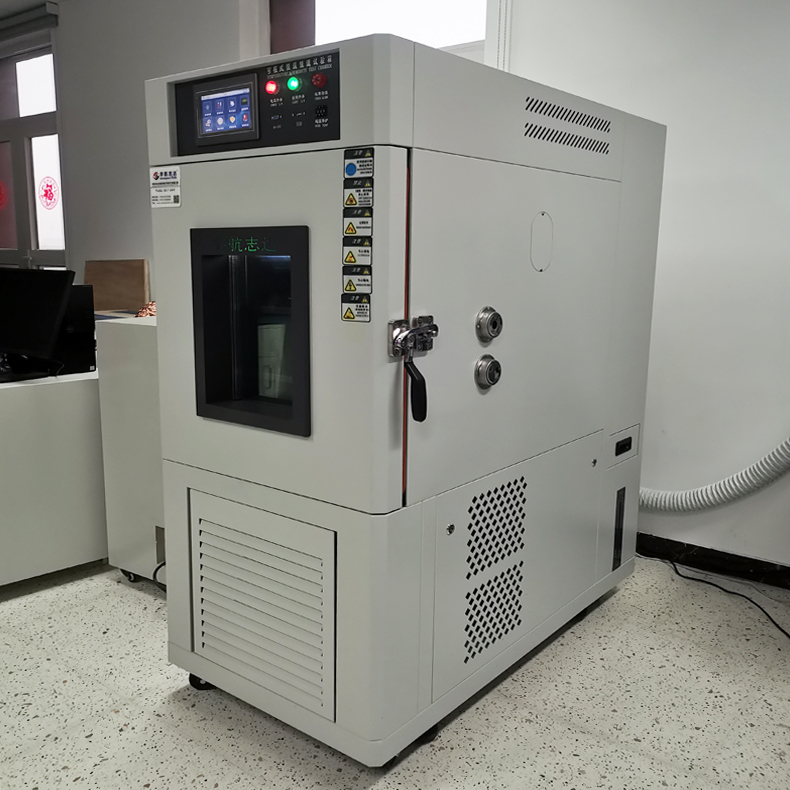
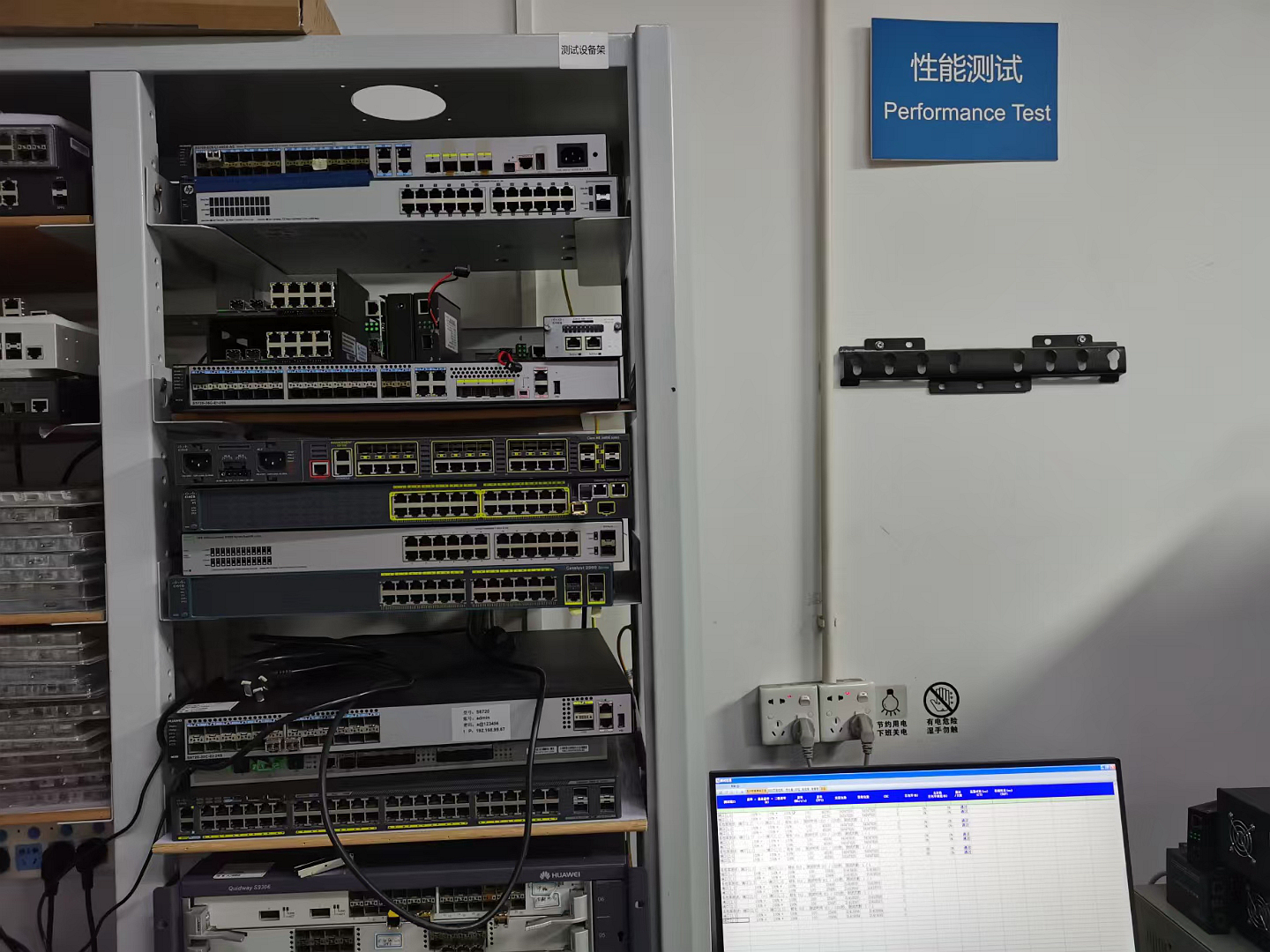
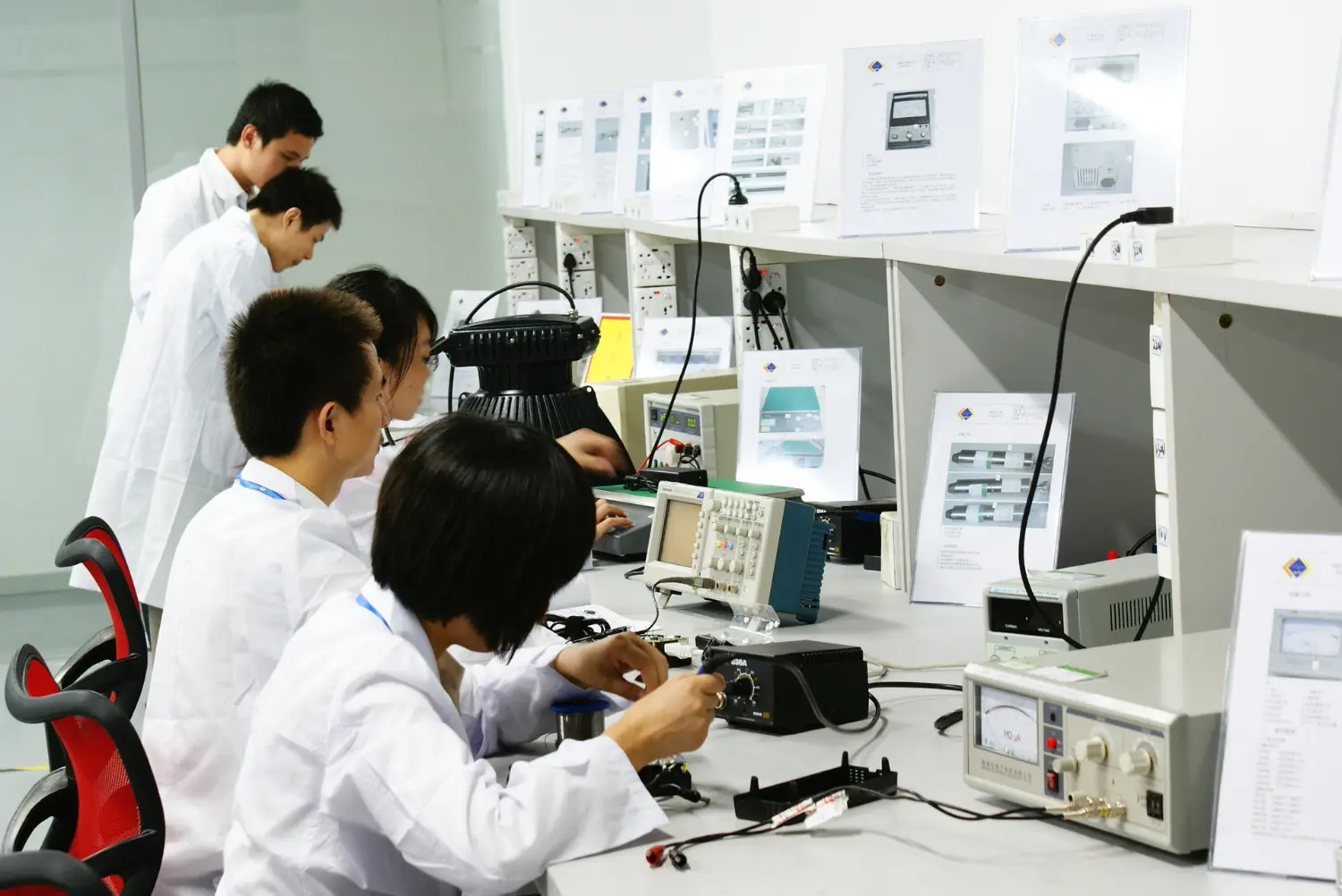
A reliable optical manufacturing line requires precision at every stage. Starting with high-accuracy SMT placement systems, electronic assemblies are constructed to handle extreme electrical loads. During production, every ONU and media converter motherboard undergoes comprehensive automated optical inspection (AOI) to eliminate structural board issues.
Optical assemblies then go through specific diagnostic gates. The WiFi Calibration Station tests RF output power and receiver sensitivity across multiple wireless spectra. The High-Low Temperature Chamber exposes assemblies to thermal extremes from -40°C to +85°C, ensuring performance in harsh outdoor enclosures. Lastly, the Bit Error Rate Testing (BERT) and Network Simulation Labs check for frame errors and packets at maximum link capacity, guaranteeing that our active and passive hardware meets strict standards before leaving our warehouse.
Adapting optical network technologies to match key industrial sectors and user environments.
Delivering high-bandwidth optical signals directly to home users. Our XPON ONU gateways and self-supporting FTTH Drop Cables provide low attenuation and easy deployment for major ISP rollouts.
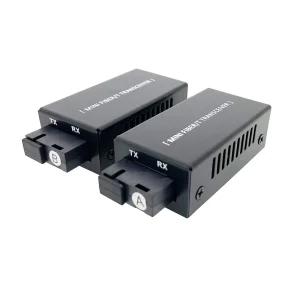
Providing high-speed, long-distance data transmission for security systems. Our Gigabit BiDi Media Converters and PoE switches connect remote high-definition surveillance networks across municipal grids.
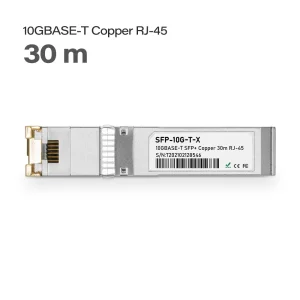
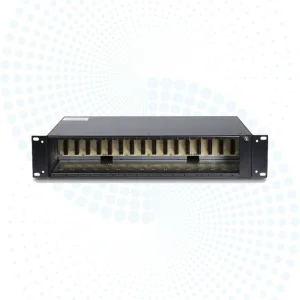
Providing high-speed copper and optical links for server racks and network closets. Our 10GBASE-T SFP+ modules and chassis-based media converters support structured, high-density IT architectures.
The field of optical communication is moving rapidly toward higher-frequency operation, integrated wavelength management, and intelligent power distribution. In local access networks, the transition from GPON to 10G-PON (XG-PON / XGS-PON) is accelerating, paving the way for 50G-PON systems. As users demand more bandwidth, terminal devices must support greater physical layer speeds while maintaining backward compatibility. Integrated active terminals will increasingly rely on WiFi 7 technology (802.11be) to utilize 320 MHz channels, reducing latency to sub-millisecond levels over wireless connections.
Simultaneously, active fiber media conversion is becoming more compact and power-efficient. Small Form-Factor Pluggable (SFP) transceiver modules are moving beyond 10G limits toward 25G, 50G, and 100G configurations over single-mode fibers. The integration of Digital Diagnostics Monitoring (DDM) allows network managers to track real-time optical power budgets, laser bias currents, internal temperatures, and voltage levels remotely, helping prevent system failures before they impact customers.
In addition, environmental responsibility is a major focus for hardware development. Utilizing Low-Smoke Zero-Halogen (LSZH) materials, halogen-free PCB designs, and power-saving sleep-mode algorithms in ONTs is critical. Modern optical factories must optimize their production methods to reduce waste and energy consumption, ensuring compliance with global environmental standards while delivering high-performance network equipment.
Get expert answers to common questions about optical networking equipment, certifications, and deployments.
Complete your optical deployment with high-density switches, chassis systems, and fiber-to-copper converters.
 Soras Tech