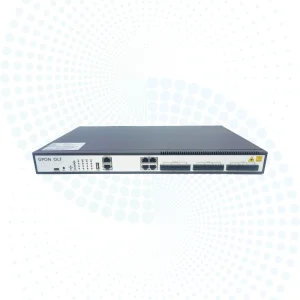
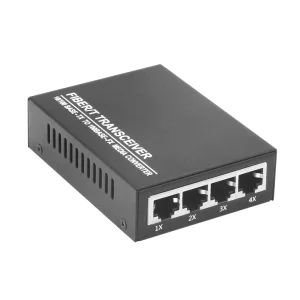
Explore our elite grade fiber optic patch cords and high-speed active devices engineered for maximum bandwidth and zero degradation transmission pipelines.
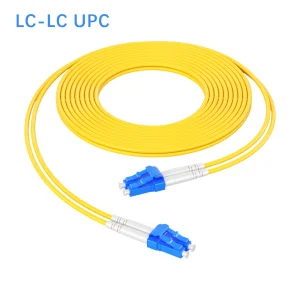
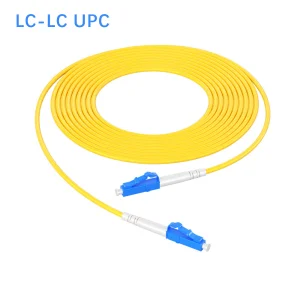
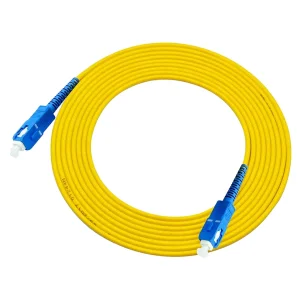
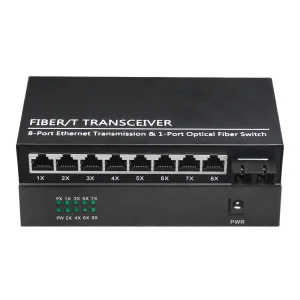
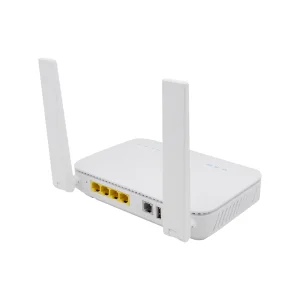
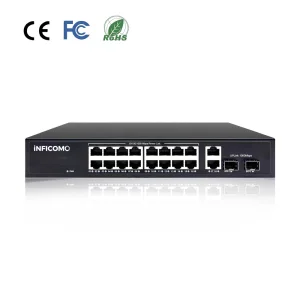
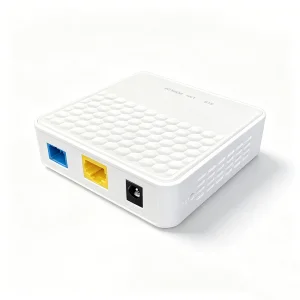
In modern high-speed communication networks, the single mode fiber optic patch cord represents the gold standard for long-distance, high-bandwidth data transmission. Composed of a thin optical core of approximately 8.3 to 9 microns in diameter, single-mode fiber restricts light propagation to a single spatial mode. This almost eliminates modal dispersion, allowing data to travel over tens of kilometers without significant signal degradation. In comparison to multimode fibers, which suffer from modal dispersion due to their larger core diameters (50 or 62.5 microns), single-mode systems sustain superior signal integrity at long ranges.
Single-mode fibers are categorized mainly under OS1 and OS2 standards. OS2 fiber optic patch cords are designed for outdoor and long-haul applications, featuring a loose-tube design with low attenuation characteristics (~0.4 dB/km at 1310 nm and 0.35 dB/km at 1550 nm). OS1 fibers, mostly designated for indoor patch bays and short campus linkages, feature a tight-buffered construction and have higher attenuation profiles. When building durable enterprise infrastructures, utilizing high-quality G.652.D or G.657.A1/A2 bend-insensitive glass ensures minimal bend-induced loss and high structural resilience.
A narrow 9μm core channels light along a single pathway, eliminating pulse spreading over long spans, enabling Tbps transmission capacity.
Our single-mode patch cords comply with international ITU-T standards, featuring zero-water-peak characteristics and tight bending radiuses.
Available in LC, SC, FC, and ST terminations, using ultra-polished physical contact (UPC) and angled physical contact (APC) configurations.
The global demand for high-performance single-mode fiber optic patch cords is scaling at a rapid pace. According to telecom market studies, the transition to 5G deployment, IoT infrastructures, and multi-tenant cloud data centers has triggered massive procurement cycles. Hyperscale operators such as AWS, Microsoft Azure, and Google Cloud are standardizing their network architectures to support 400G, 800G, and future 1.6T transceivers. Single-mode systems are essential for these transceivers, as multimode fibers cannot support these high speeds over lengths greater than 100 meters.
Regionally, the market exhibits unique demands. North America focuses heavily on large-scale hyperscale data center construction, with a strong demand for ultra-dense, low-smoke zero-halogen (LSZH) and Plenum-rated single-mode patch assemblies. Europe prioritizing FTTH rollouts, supported by public funding, drives a large volume of standard SC/APC simplex drop cables. Concurrently, the Asia-Pacific region, led by China, Japan, and South Korea, is expanding industrial IoT networks and smart city programs. This requires robust, weatherproof single-mode cables to withstand harsh environmental conditions.
| Region | Primary Application Driver | Preferred Standard & Connectors | Quality Compliance Metric |
|---|---|---|---|
| North America | Hyperscale Cloud & Enterprise Edge Datacenters | LC-LC, MPO/MTP (OS2 Single Mode) | Telcordia GR-326, UL94-V0 Plenum |
| Europe | Municipal FTTH & 5G Base Stations | SC/APC, LC/APC (LSZH Jackets) | IEC 61753-1, CPR Directive (EN 50575) |
| Asia-Pacific | Smart Cities, 5G Front-Haul & High-Speed Rail | SC, LC, Waterproof ODVA Connectors | JIS C5973, ISO 9001:2015 |
| South America | Broadband Expansion & Carrier Backbones | FC, SC Simplex (Durable PVC/LSZH) | ANATEL certification, RoHS compliant |
Single-mode patch cords are applied in various specialized environments, each requiring distinct physical properties and installation techniques:
In FTTH deployments, optical fibers are routed through tight wall cavities, baseboards, and microducts. This requires the use of bend-insensitive single-mode fiber (ITU-T G.657.A1/A2), which features a reduced bending radius of up to 7.5mm. Standard single-mode fiber (G.652.D) can experience macro-bend attenuation of several decibels if bent around a sharp corner. In contrast, G.657 fibers limit this loss to less than 0.1 dB, ensuring stable performance for downstream GPON/XGS-PON signals.
In high-density optical distribution frames (ODF) and meet-me rooms, space is at a premium. 2.0mm or 1.6mm mini-duplex patch cables, terminated with LC uniboot connectors, are commonly used in these environments. These configurations reduce cable clutter by 50% compared to traditional zipcord designs, improving airflow and lowering cooling costs in data centers.
For factory floors, marine installations, and oil/gas fields, patch cords are exposed to chemical vapors, mechanical stress, rodents, and moisture. In these scenarios, armored single-mode patch cords are used. These feature a flexible stainless-steel spiral tube beneath the LSZH outer jacket, providing excellent crush resistance (up to 3000N/100mm) without compromising the fiber's bending flexibility.
China's dominance in optical communication manufacturing is built on integrated supply chains, automated production lines, and high raw material availability. In the Shenzhen industrial cluster, manufacturers like Shenzhen Soras Technology Co., Ltd. (Soraslink) leverage this ecosystem to supply high-quality products worldwide. The manufacturing process of a single-mode patch cord requires high precision. Even sub-micron variations in the concentricity of the ceramic ferrule or the fiber core can lead to significant insertion loss.
Chinese manufacturers have optimized this process by integrating precision ceramic ferrule grinding, automated epoxy injection, and advanced polishing techniques. This enables them to offer high-quality products at competitive prices. Every assembly undergoes testing for 3D geometry parameters using interferometers, checking fiber height, apex offset, and radius of curvature. This ensures compliance with IEC and Telcordia standards.
Furthermore, China's raw material supply chain ensures consistent access to premium components. This includes high-purity silica, aramid yarns (Kevlar) for tensile strength, and high-durability PVC/LSZH compound resins. This self-contained supply chain protects production schedules from global logistics disruptions, offering reliable lead times and high scalability for large orders.
The optical interconnect industry is evolving to support higher speeds, reduced energy consumption, and increased density. Several key developments are shaping the future of single-mode patch cords:
Traditional single-mode fibers carry data over a single glass core. To increase capacity, researchers are developing multi-core fibers that contain 2, 4, 7, or more individual cores within a single 125-micron cladding. This allows a single patch cord to carry multiple times the data of a standard cord, supporting the development of next-generation transceivers.
Hollow-core fibers guide light through an air-filled core using microstructured cladding. Because light travels approximately 30% faster in air than in silica glass, hollow-core patch cords can reduce latency. This is particularly valuable for high-frequency trading platforms and real-time computing systems.
As network speeds exceed 1.6 Tbps, traditional copper traces between transceivers and switch ASICs experience high signal loss. Silicon photonics integrates optical components directly onto the silicon substrate. This transition requires ultra-precise, low-profile single-mode patch cord interfaces that can connect directly to the chip, shifting the focus from rack-to-rack cabling to board-level optical connections.
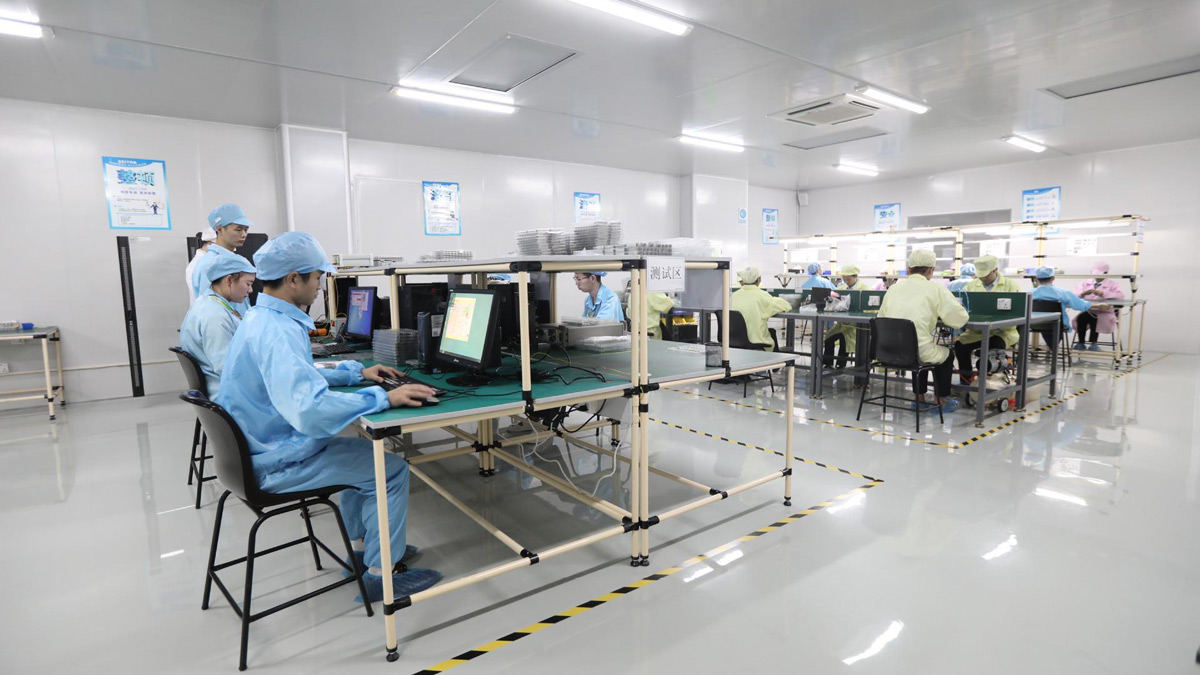
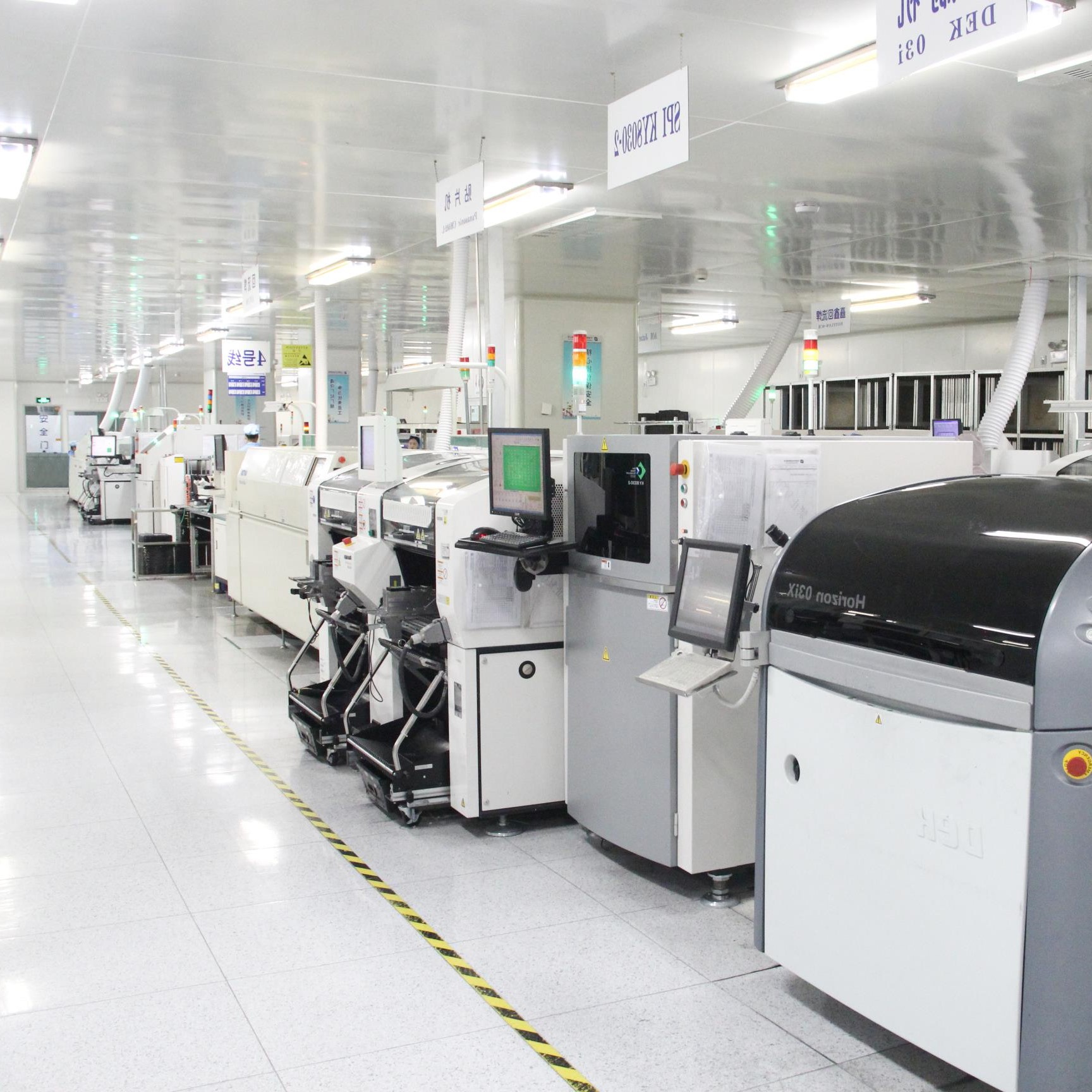
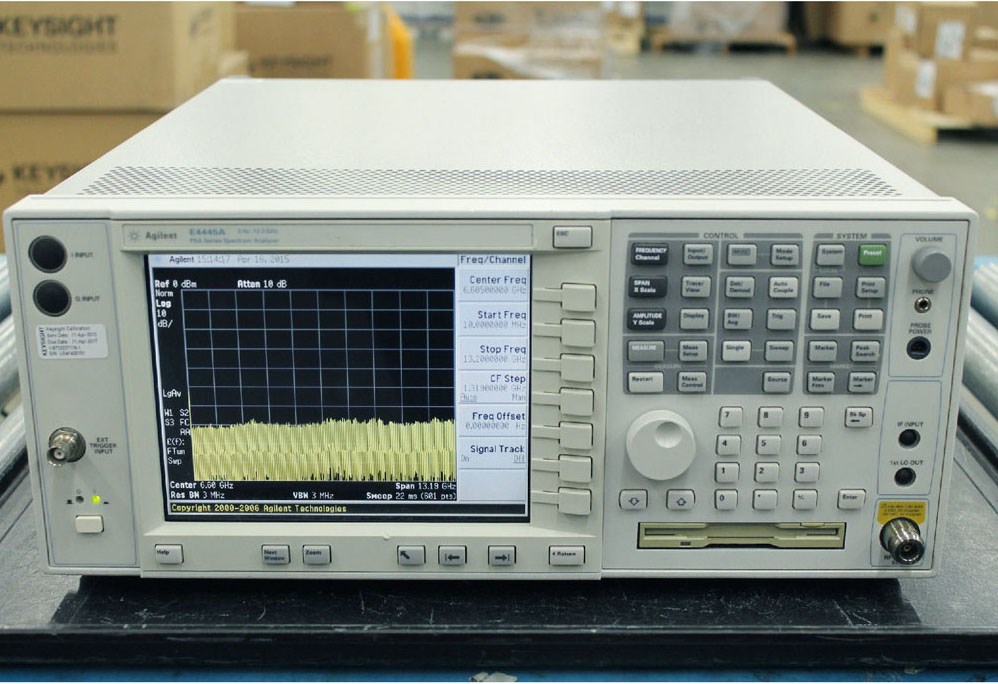
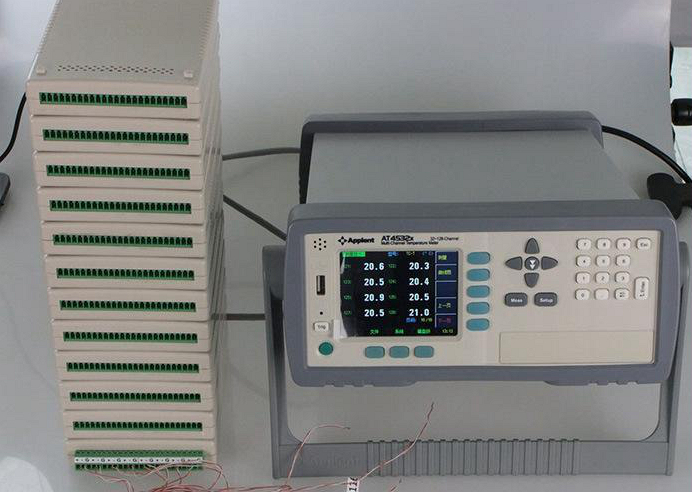
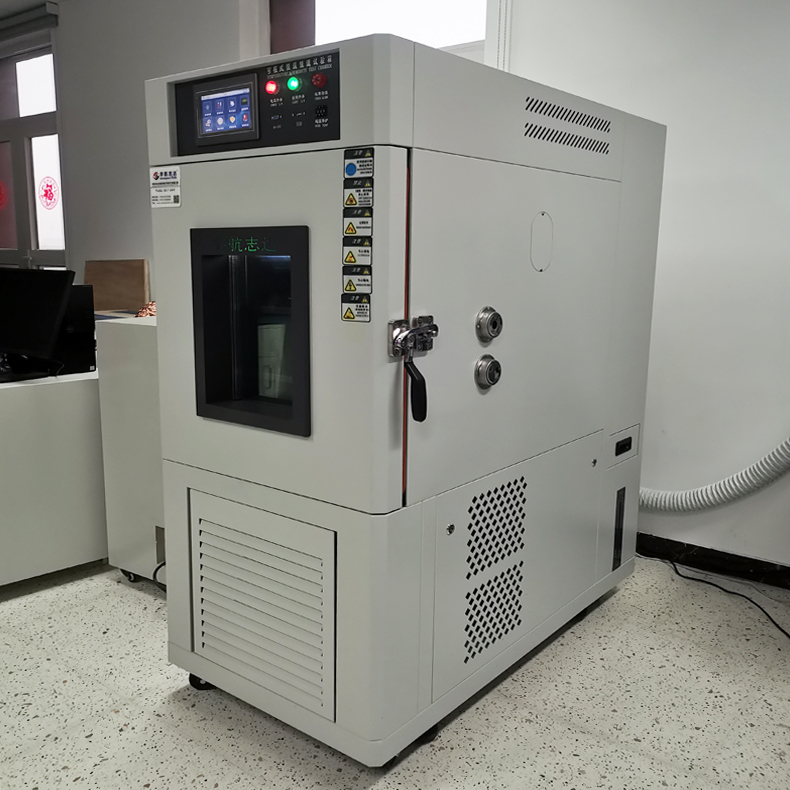
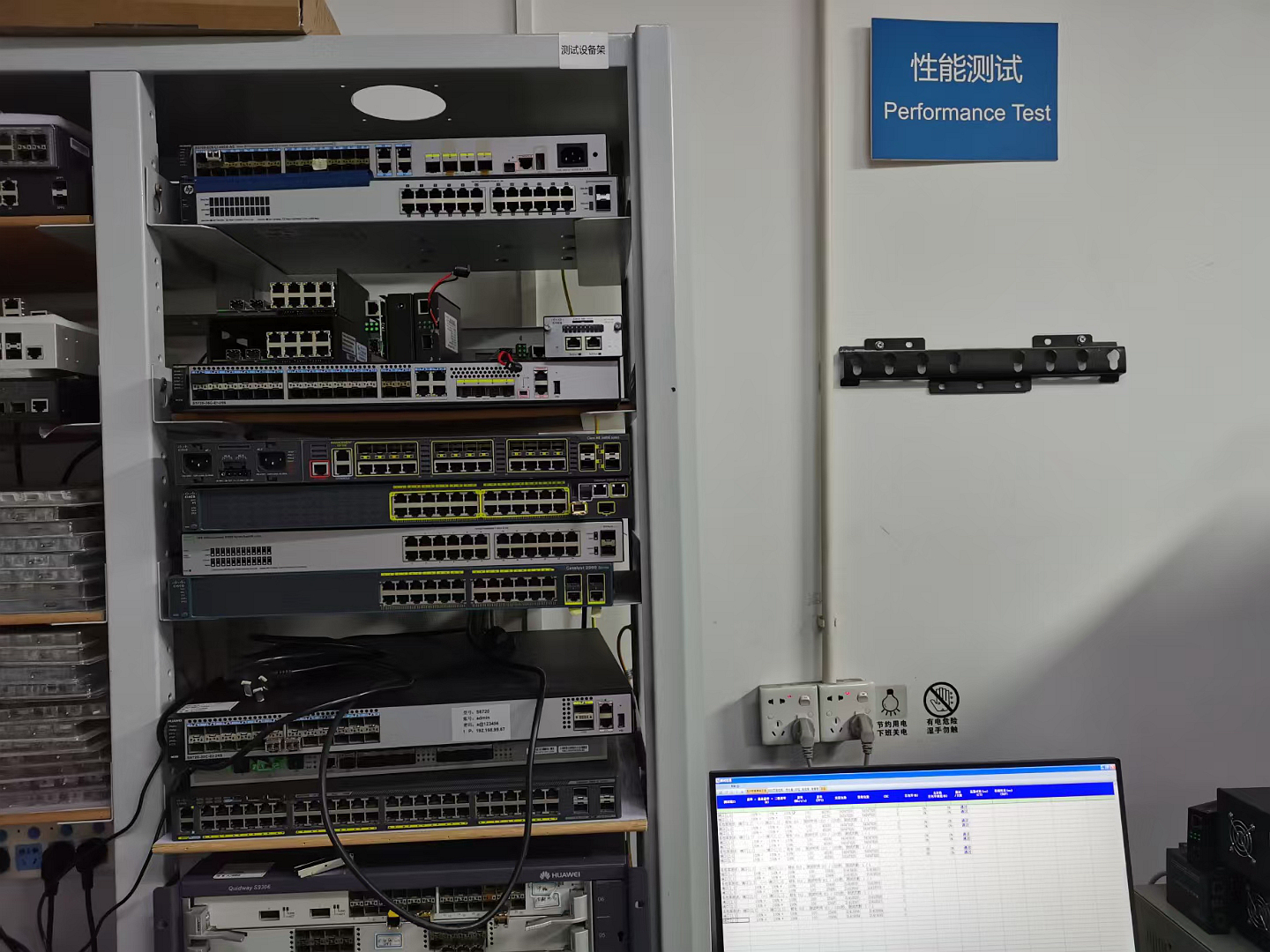
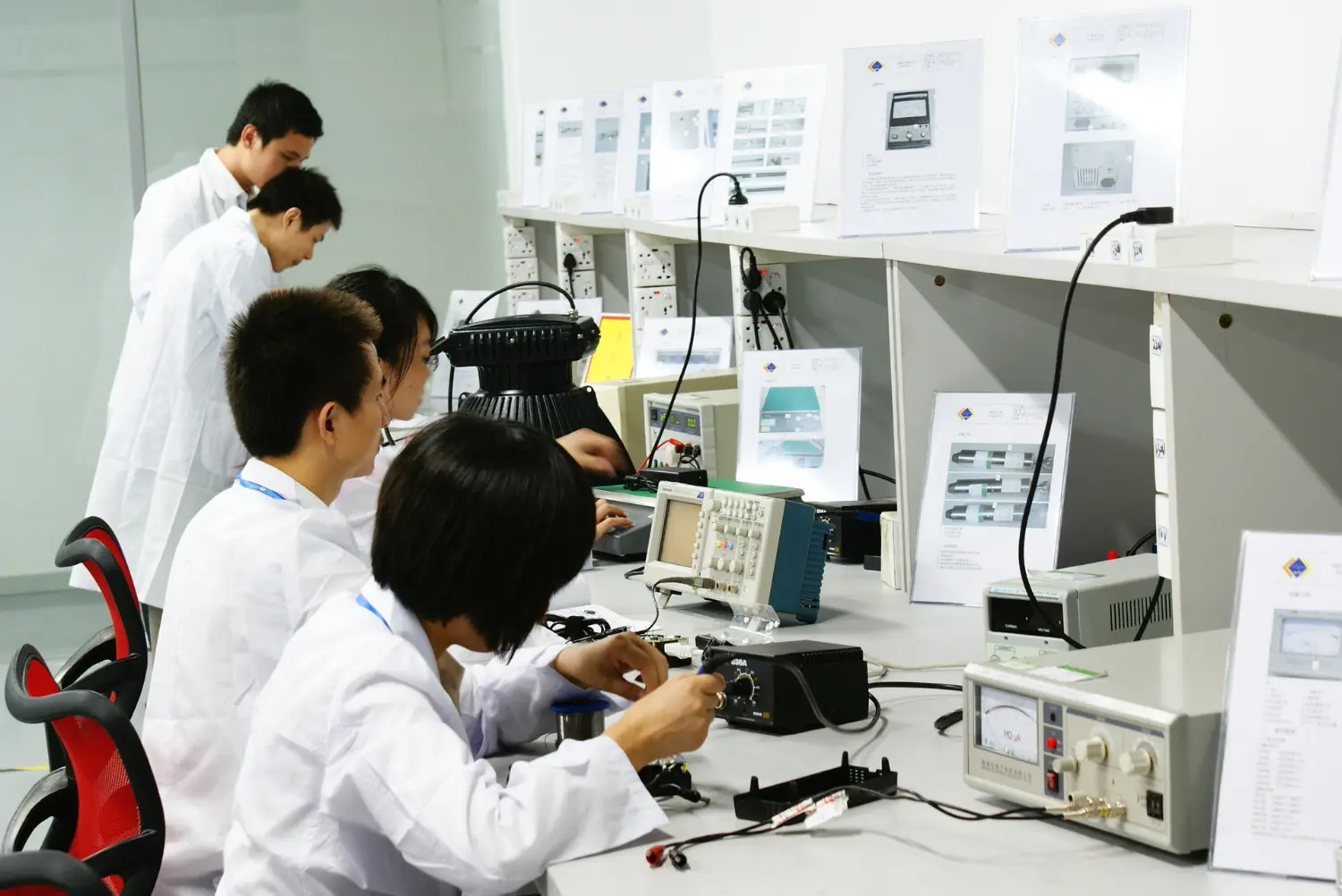
A visual tour of Shenzhen Soras Technology Co., Ltd.'s ISO 9001 certified manufacturing facilities, showcasing precision production and comprehensive testing processes.

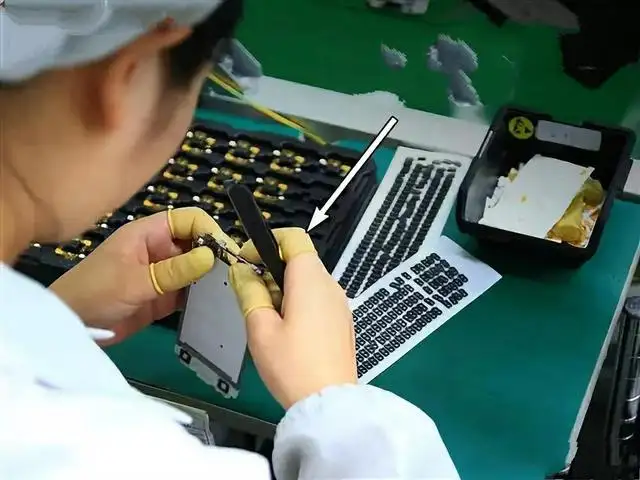
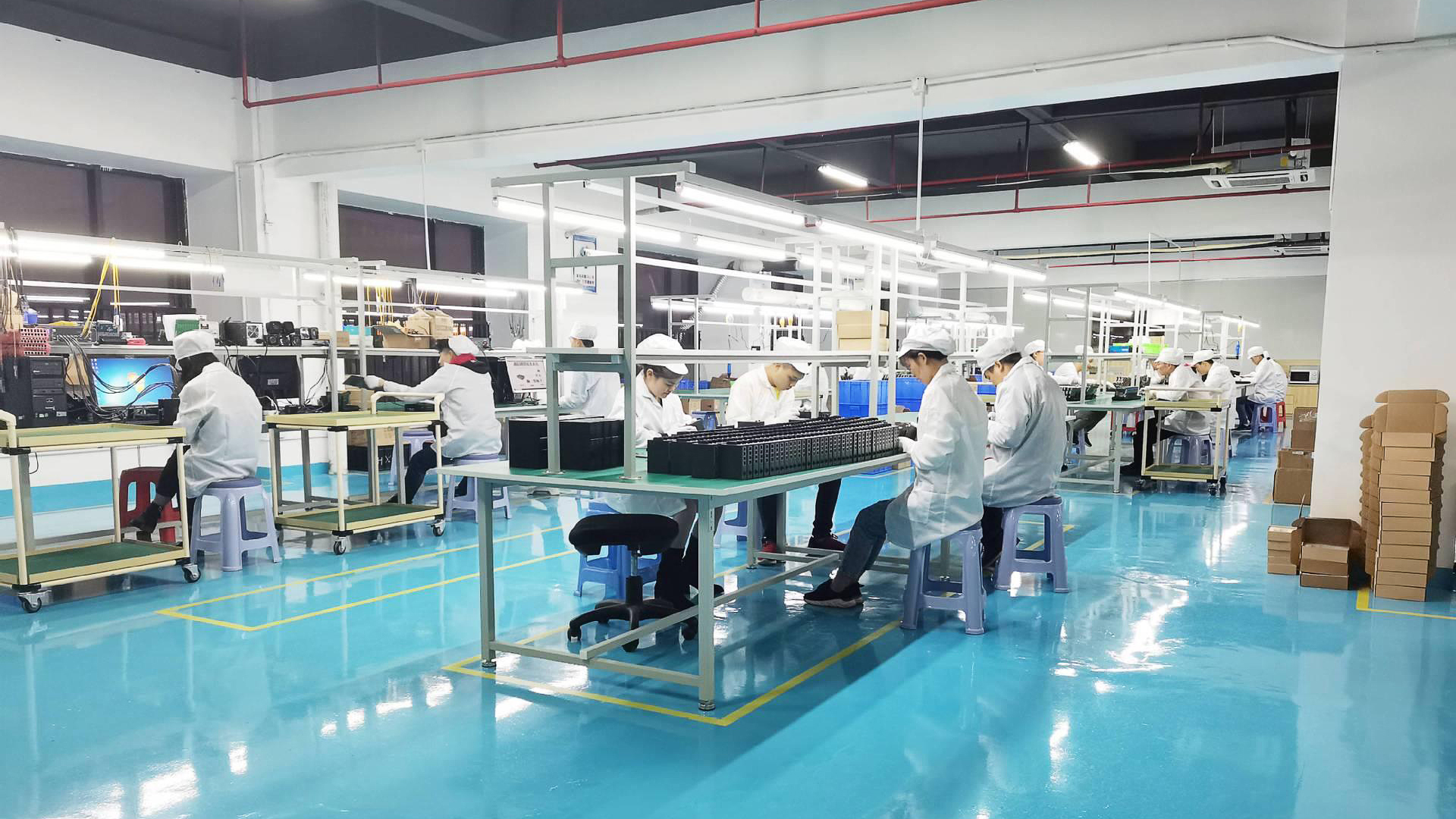
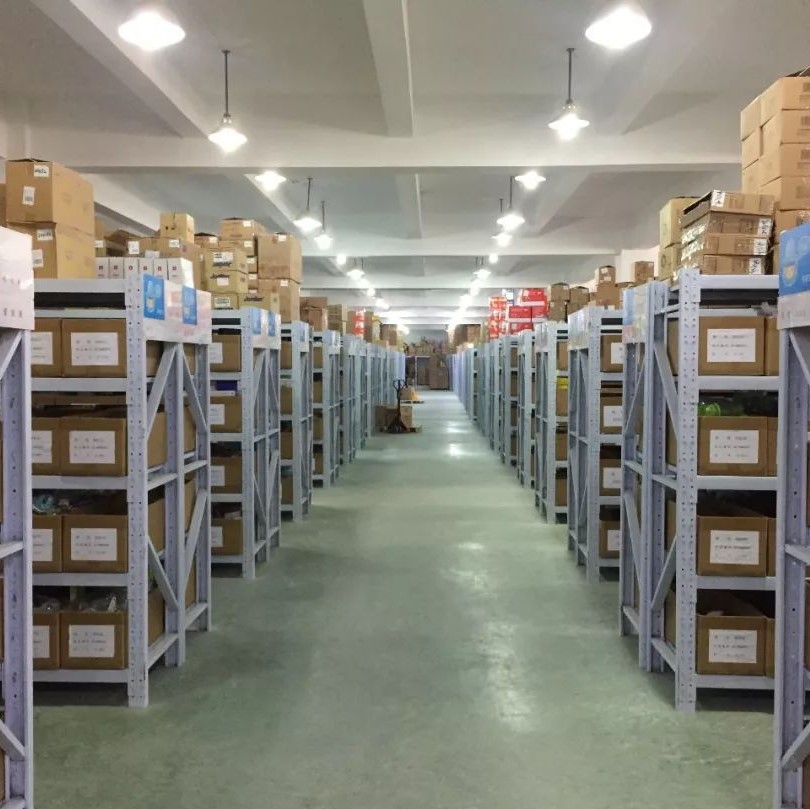
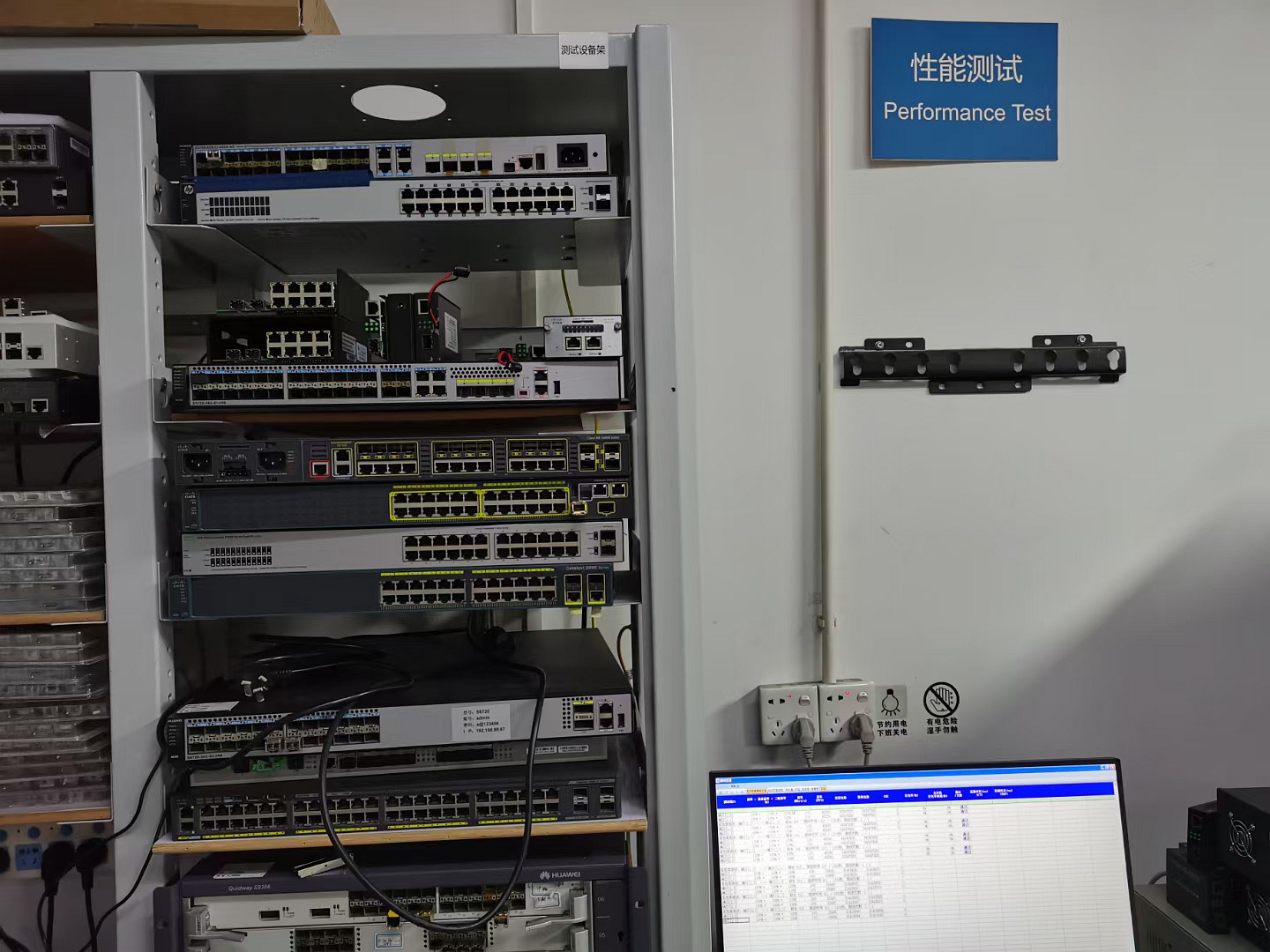
Technical insights and expert answers to common queries regarding single-mode patch assemblies, connector polishes, and installation protocols.
Your reliable global partner for optical transmission and network equipment.
Shenzhen Soras Technology Co., Ltd. is a manufacturer of optical transmission and network equipment with over 10 years of experience. We focus on technological innovation and quality management to provide cost-effective, high-value-added products and solutions. Today, we work closely with telecommunications companies around the world.
We maintain an experienced R&D team and strong technical capabilities, enabling us to develop products tailored to specific customer requirements. We also accept OEM and ODM orders. Currently, our products are exported to more than 60 countries, with major markets in South America, North America, and Europe.
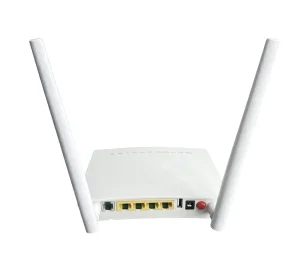
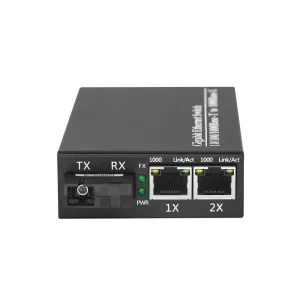
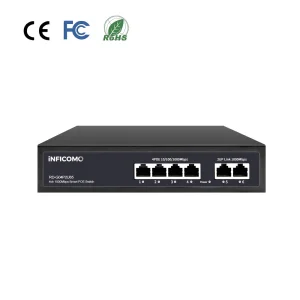
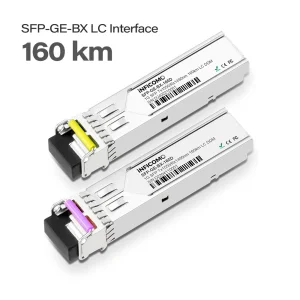
Our main product portfolio includes: Fiber Media Converters, SFP Modules, POE Switches, ONU, OLT, and supporting network accessories. Our operations are certified under ISO 9001, UL, CE, FCC, and RoHS. Our commitment is to deliver "superior quality, professional service, competitive price, integrity-based" business cooperation.
| Business type | Manufacturer / Exporter | Country / Region | Guangdong, China |
| Main Products | FTTH ONU & OLT, SFP Module, Fiber Media Converter, Poe Switch, Fiber Optic Equipment | Total employees | 11 - 50 People |
| Total Annual Revenue | US$5 Million - US$10 Million | Year established | 2021 |
| Main Markets | Domestic Market 24.00%, Eastern Asia 15.00%, North America 15.00%, Europe, South America (Exports to 60+ countries) | Certifications | ISO 9001, UL, CE, FCC, RoHS |
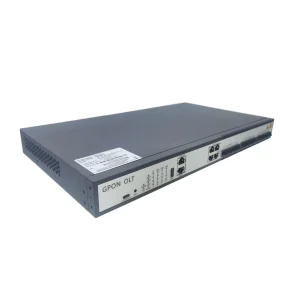
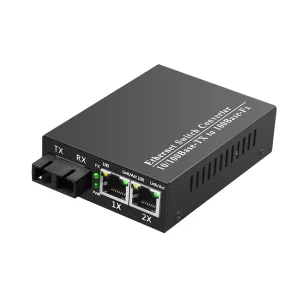
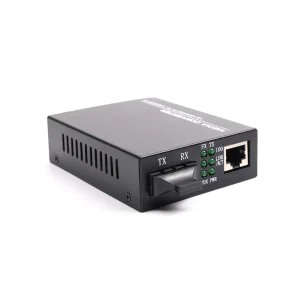
Discover our range of optical-to-electrical conversion systems, high-speed SFP modules, and carrier-grade ONT equipment.
 Soras Tech