Optical Transceivers & DAC/AOC Cables Manufacturers & Supplier

High-Density Interconnect Solutions for Next-Gen Data Centers, Enterprise Telecom Networks, and High-Performance Computing Architectures

10+
Years of R&D Experience
60+
Countries Exported
100%
MSA Interoperability
$10M
Annual Revenue Capacity

Physical Layer Architectures: Transceivers vs. DAC vs. AOC

Deciding between copper and optical transmission involves balancing distance, power constraints, capital expenditure, and operational budgets.

Modern enterprise and hyperscale datacenters depend heavily on the physical layer (Layer 1) to sustain growing throughput speeds. When planning high-density interconnects, network architects face a choice between three primary hardware topologies: Direct Attach Copper (DAC) cables, Active Optical Cables (AOC), and Discrete Optical Transceivers with fiber patch cords. Each medium possesses distinct physical profiles, power parameters, and signal transmission boundaries.
Technology Transmission Medium Maximum Distance Power Consumption Latency Profiles Relative Cost
Direct Attach Copper (DAC) Twinax Copper Cabling Up to 7 meters Nearly Zero (<0.1W) Ultra-Low (No E-O Conversion) Very Low
Active Optical Cable (AOC) Multi-mode Optical Fiber Up to 100 meters Low to Medium (0.5W–2W) Low (Minimal DSP overhead) Medium
Optical Transceivers + SMF/MMF Single-mode / Multi-mode Fiber Up to 120 km Variable (1W to 15W+) Medium (Requires DSP/FEC) High (Scale Dependent)

Direct Attach Copper (DAC)

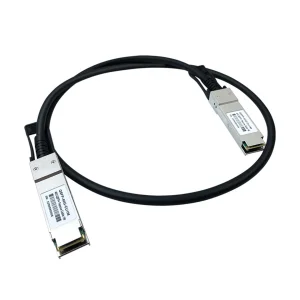
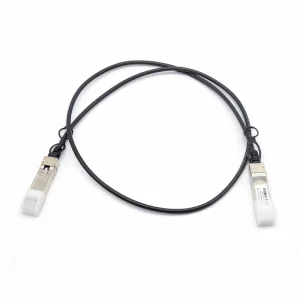
Utilizing Twinaxial copper wires, passive DAC cables establish direct electrical connections between high-speed ports. Lacking electro-optical components, they introduce virtually no latency or thermal stress, making them ideal for short-reach, top-of-rack (ToR) switch-to-server interconnects.

Active Optical Cables (AOC)

Integrating optical transceivers with multi-mode fiber in a factory-sealed assembly, AOCs eliminate the clean-and-inspect cycles of optical connections. They offer longer reach than DACs, lighter profiles for dense routing, and immunity to electromagnetic interference (EMI).

Discrete Optical Transceivers

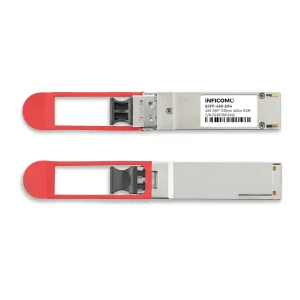
Providing maximum modularity, discrete transceivers allow field routing of fiber optic cables. Supporting both Single-mode Fiber (SMF) for long-haul metropolitan deployments and Multi-mode Fiber (MMF) for local networks, they adapt to dynamic changes in port requirements.

Global Sourcing and Technological Trajectories

Hyperscale operators and enterprise organizations face changing criteria for network physical layers. The demand for higher bandwidth is driven by AI clusters, cloud migrations, and distributed computing architectures. These factors shape corporate procurement priorities.
The Move to PAM4 and Co-Packaged Optics: Legacy 10G/40G networks rely on Non-Return-to-Zero (NRZ) modulation. Next-generation 100G, 400G, and 800G platforms use PAM4 (Pulse Amplitude Modulation 4-level) to transmit double the data per clock cycle. This shift requires precise clock-and-data recovery (CDR) and Digital Signal Processors (DSP) inside transceivers and active cables to manage signal dispersion and noise.
Supply Chain Reliability: Global buyers require supply partners with validated production processes. As systems scale, small component failures can lead to network downtime. Shenzhen Soras Technology addresses this risk by providing products with Multi-Source Agreement (MSA) compliance, EEPROM programming, and custom firmware testing to ensure compatibility with major OEM switch platforms.
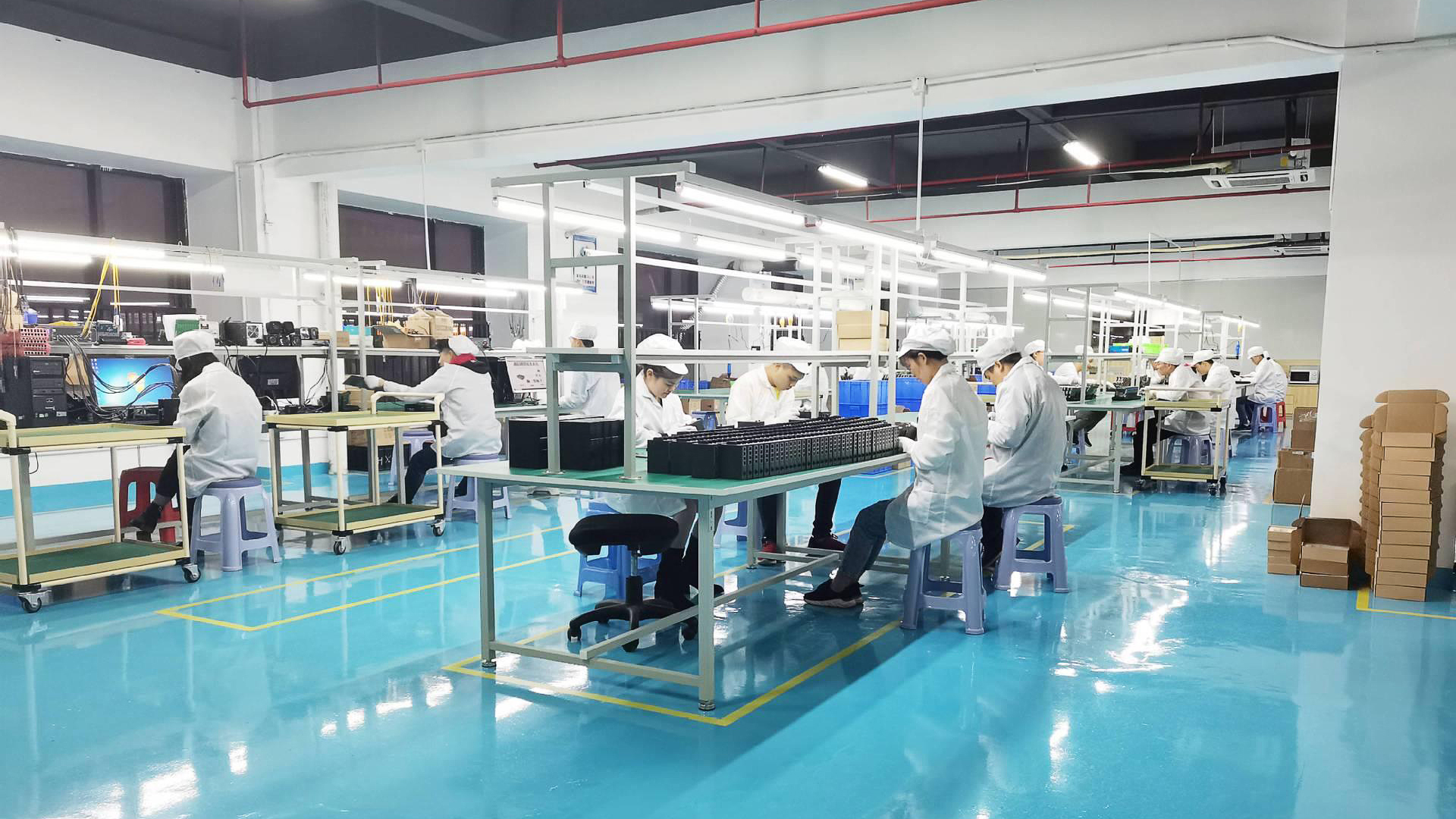
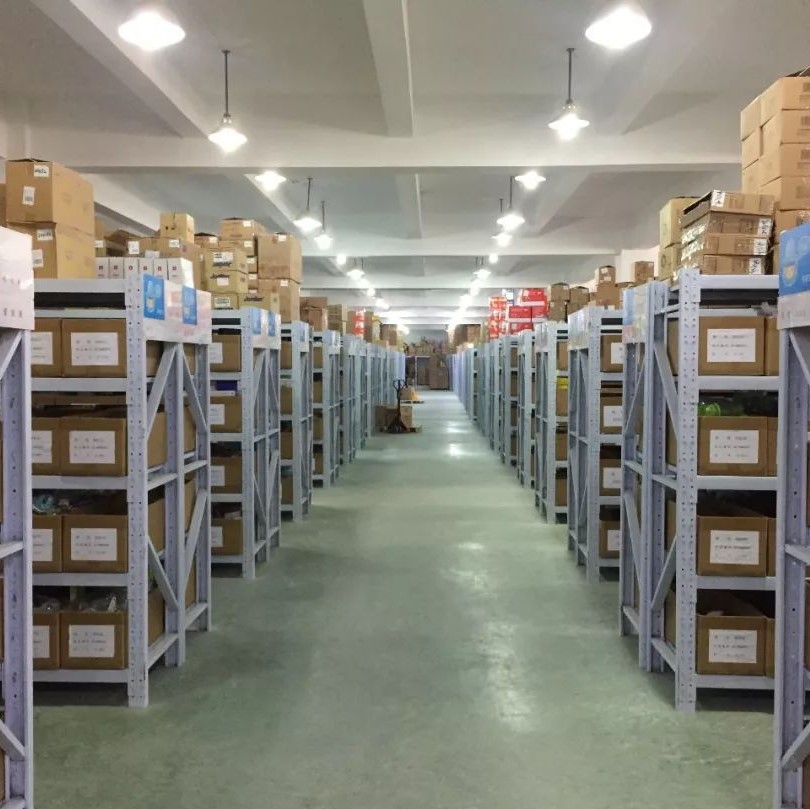
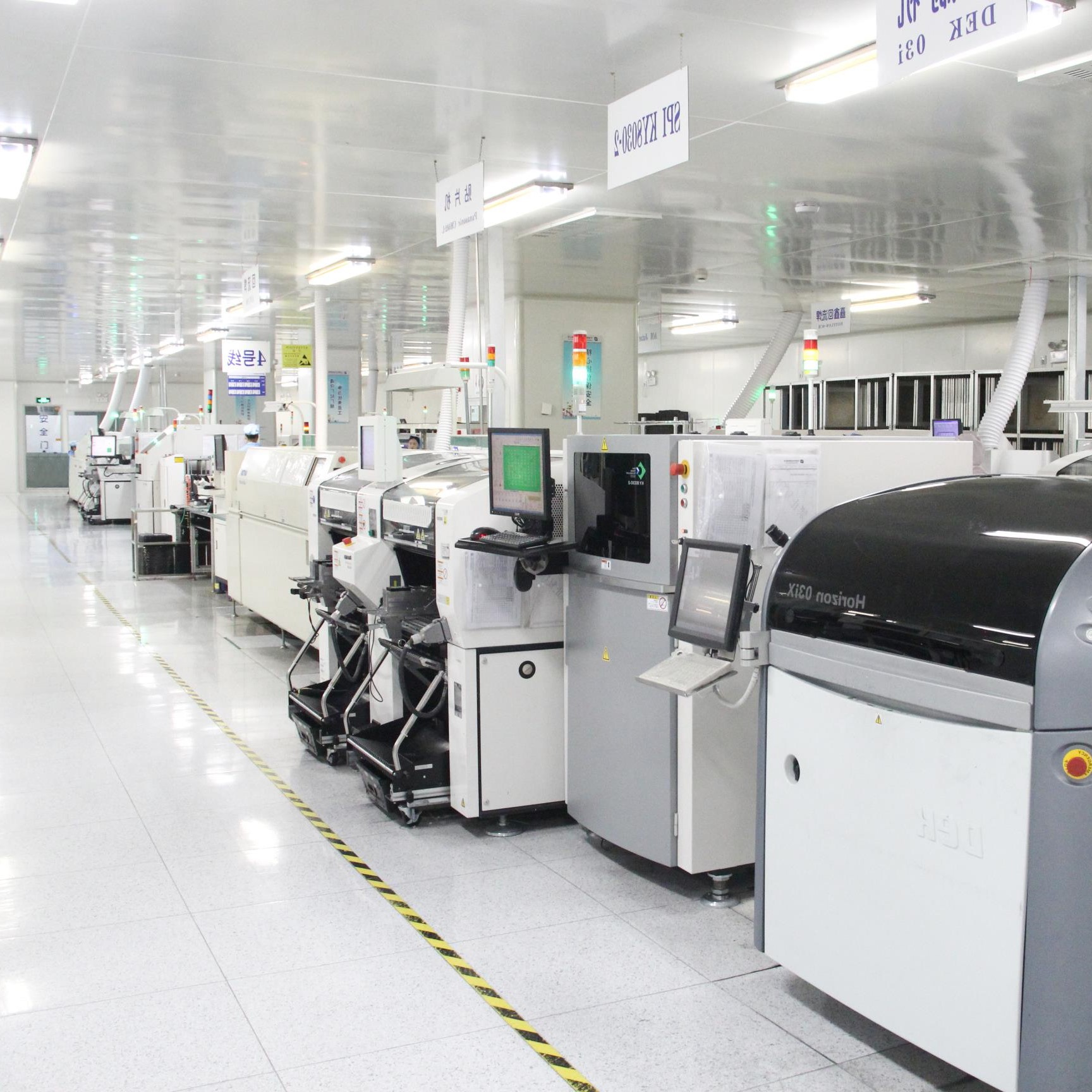
Shenzhen Soras Technology Production Facility

Holistic Infrastructure Solutions

From local FTTH subscriber networks to long-range metro networks, we supply the hardware that powers modern communications.

FTTH/FTTx Subscriber Networks

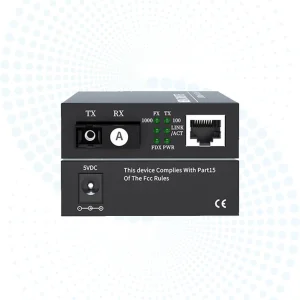
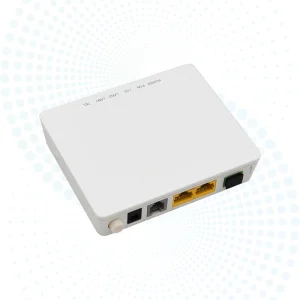
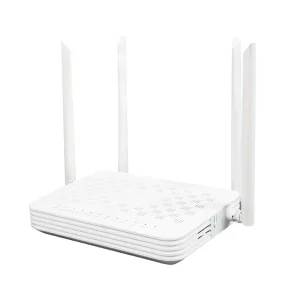
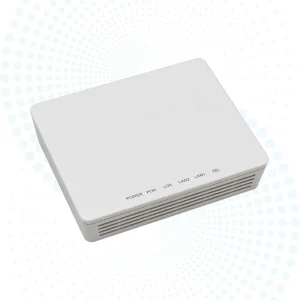
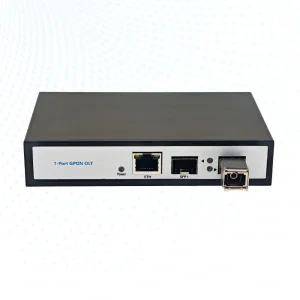
Ensuring consistent last-mile connectivity is critical for modern internet service providers. Our range of high-sensitivity GPON and EPON ONUs (Optical Network Units) and high-density OLTs (Optical Line Terminals) provide stable fiber termination, bridging the optical access network with subscriber LAN environments.

High-Density Enterprise LANs

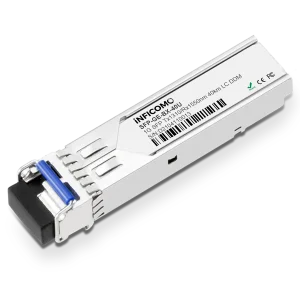
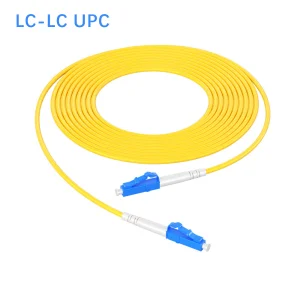
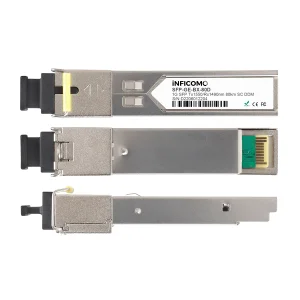
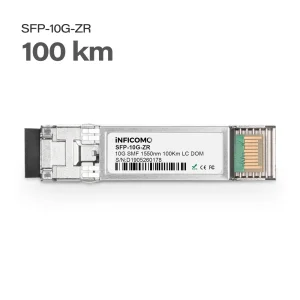
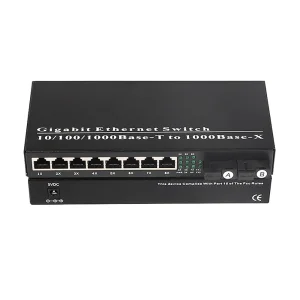
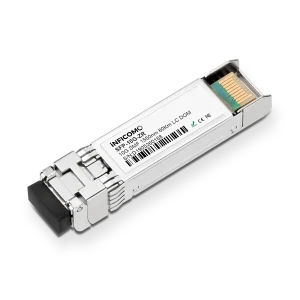
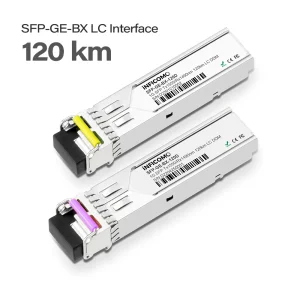
Our SFP+ and QSFP+ transceivers, paired with low-loss optical patch cables, enable core and aggregation switches to link with servers and storage arrays. Supported by digital optical monitoring (DOM), system administrators can monitor optical power level, temperature, and voltage in real time.

Industrial PoE Switching

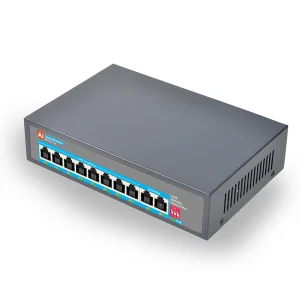
For security systems and hardware installations, our high-density Power over Ethernet (PoE) switches support long-distance transmission up to 300 meters. These systems handle data routing and power delivery simultaneously, reducing cabling complexity.
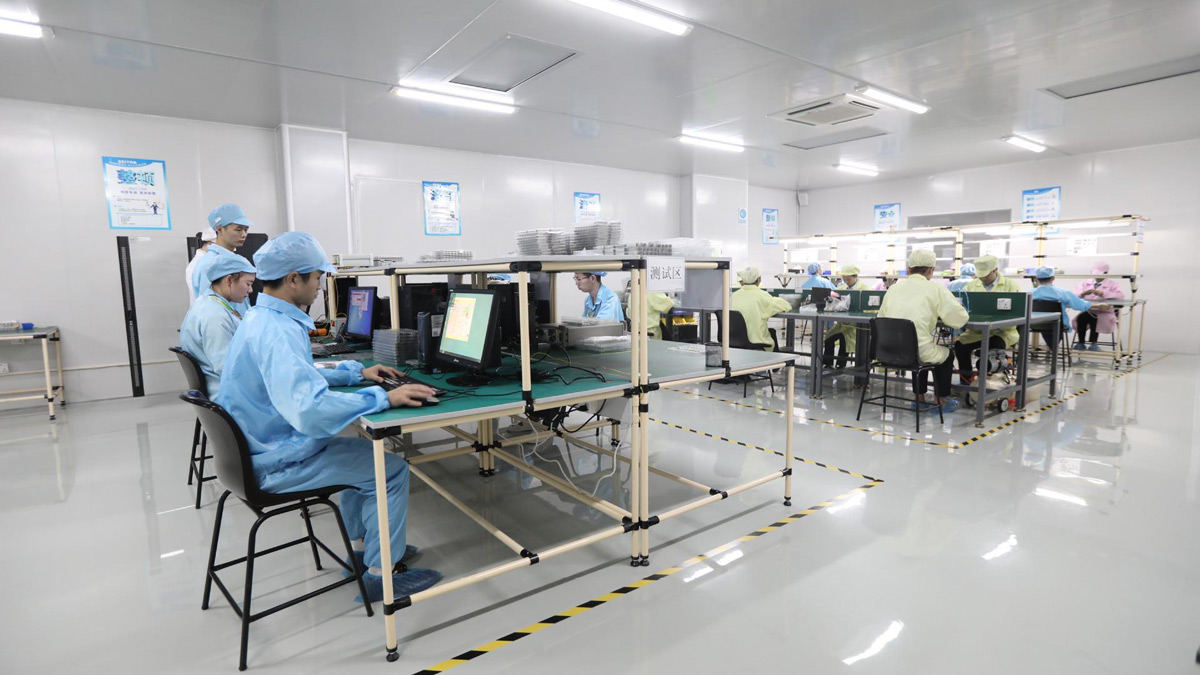
Soraslink Assembly and QC Facility

Shenzhen Soras Technology Co., Ltd.

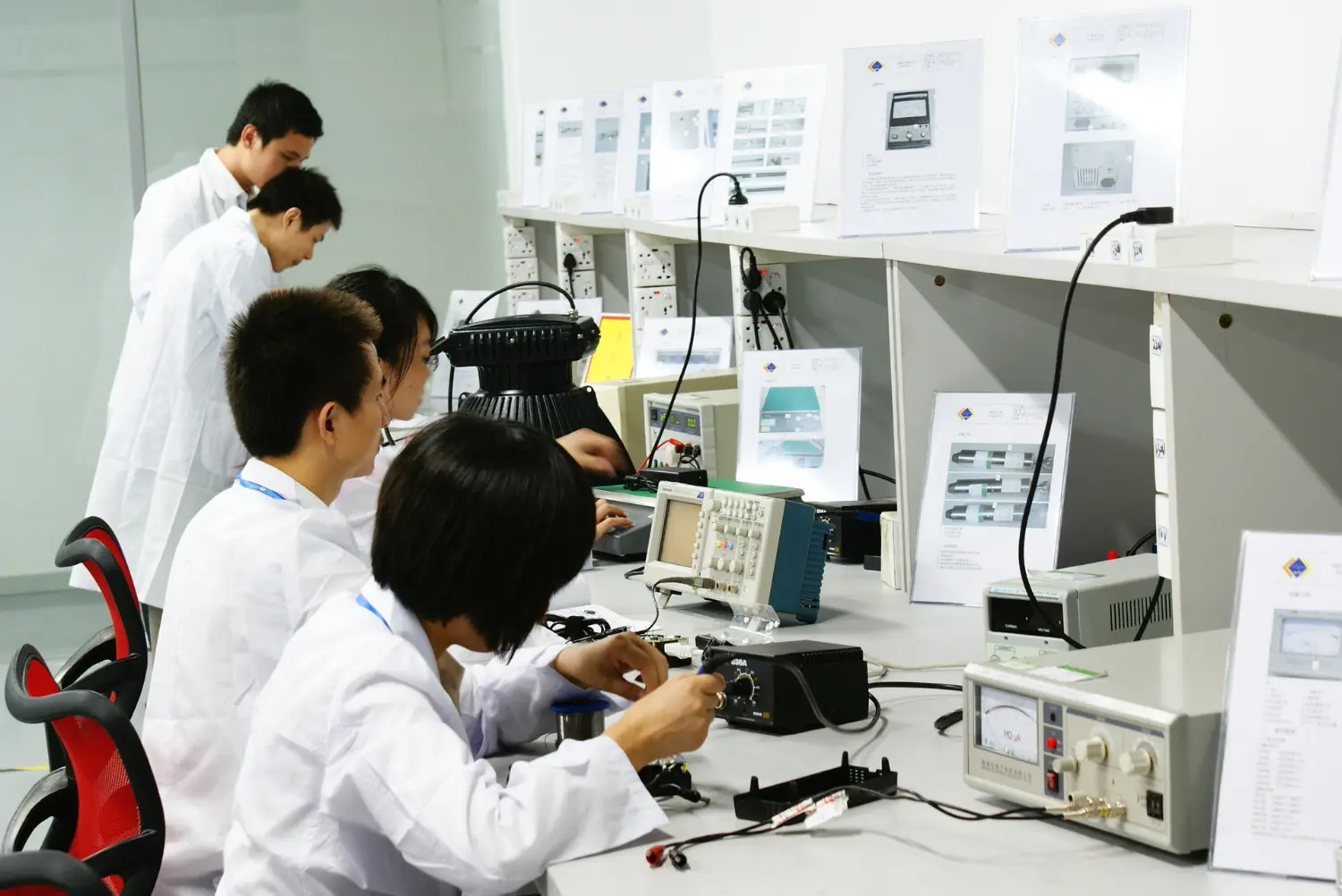
Established in 2021 and backed by over a decade of collective industry experience, Shenzhen Soras Technology Co., Ltd. (Soraslink) is a manufacturer of optical transmission and network equipment. Based in Guangdong, China, we operate modern facilities featuring automated surface mount technology (SMT) and testing environments.
Our engineering teams support both OEM and ODM specifications, customizing cable lengths, transceiver EEPROM codes, and hardware form factors to meet specific client requirements. Our products are exported to over 60 countries across North America, South America, and Europe.
We operate in compliance with international standards, holding certifications including ISO 9001, UL, CE, FCC, and RoHS. These quality management systems ensure our products meet specifications for optical output, wavelength stability, and structural durability.

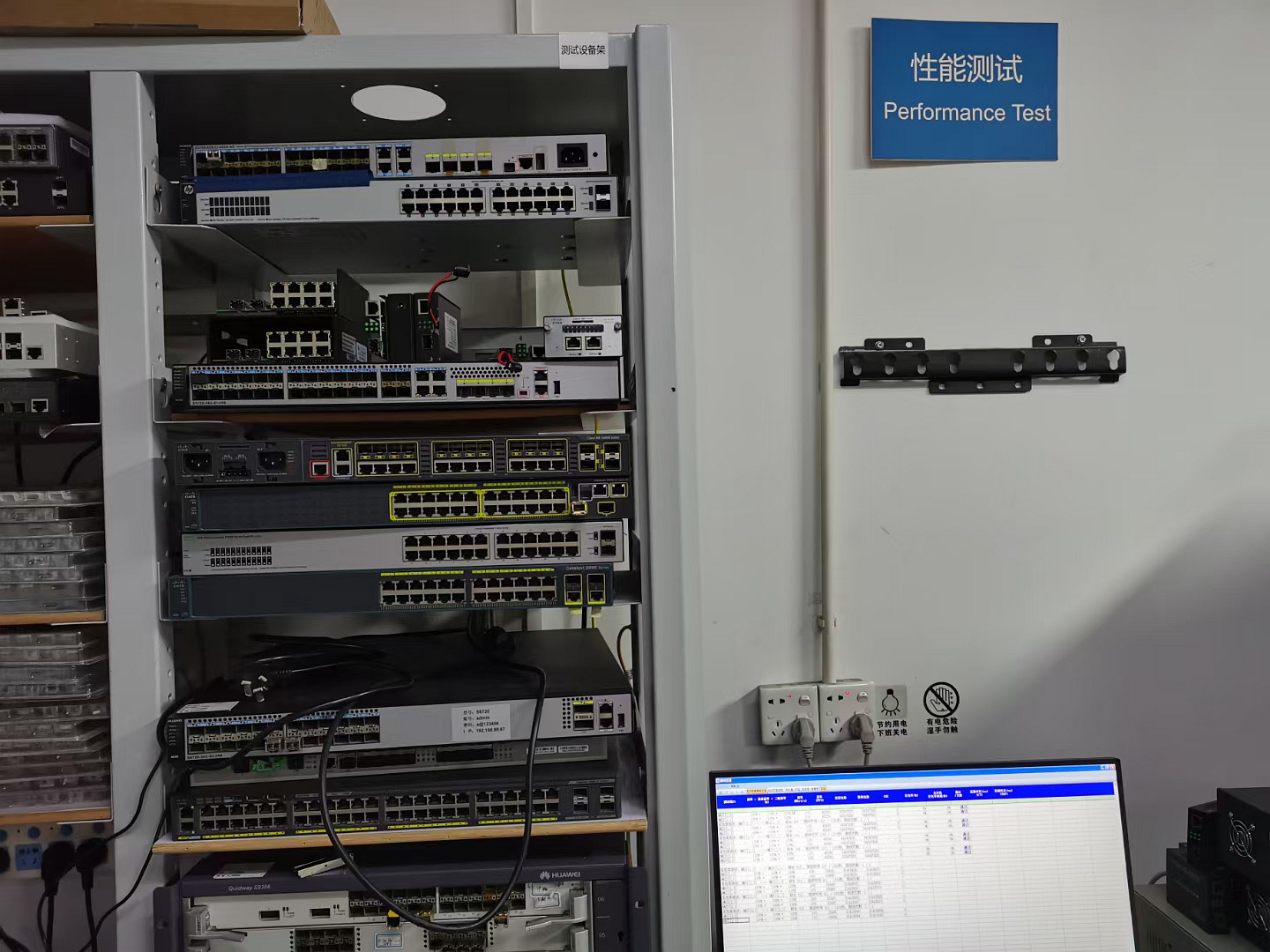
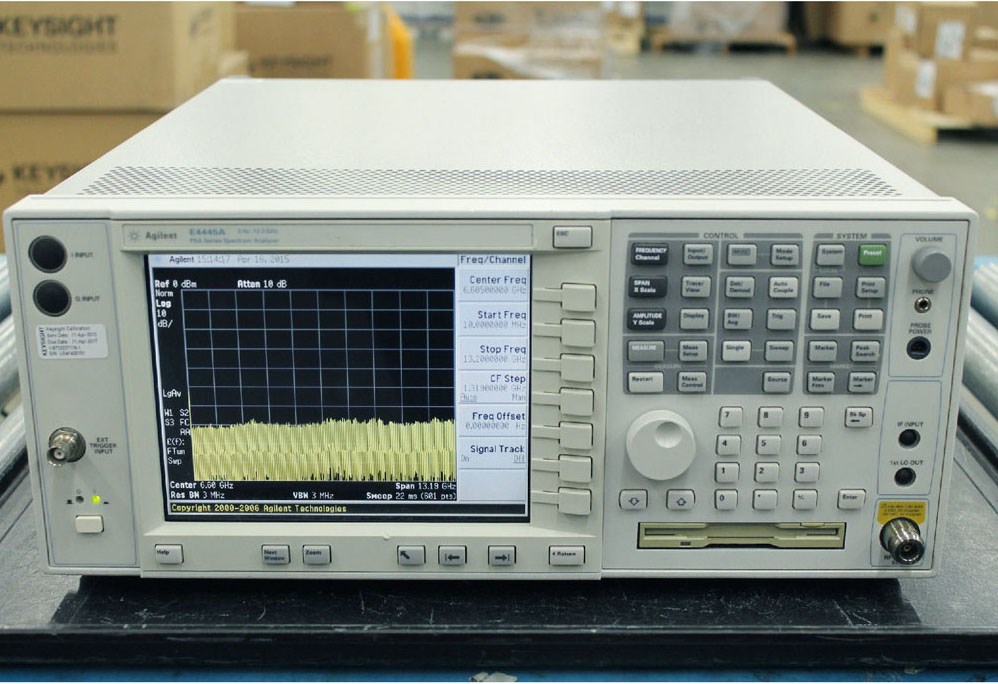
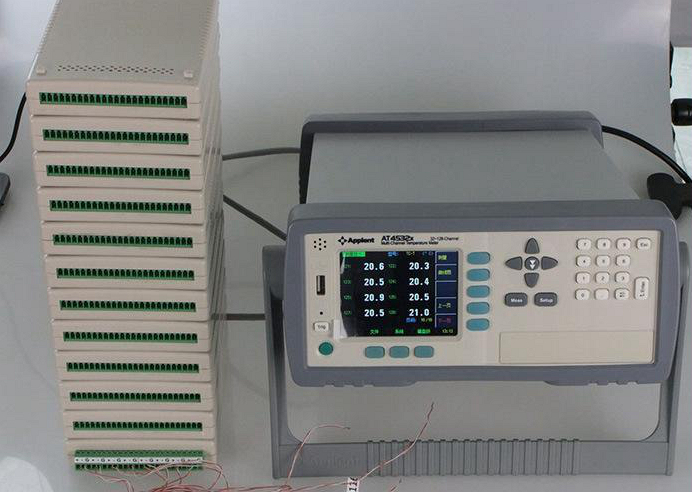
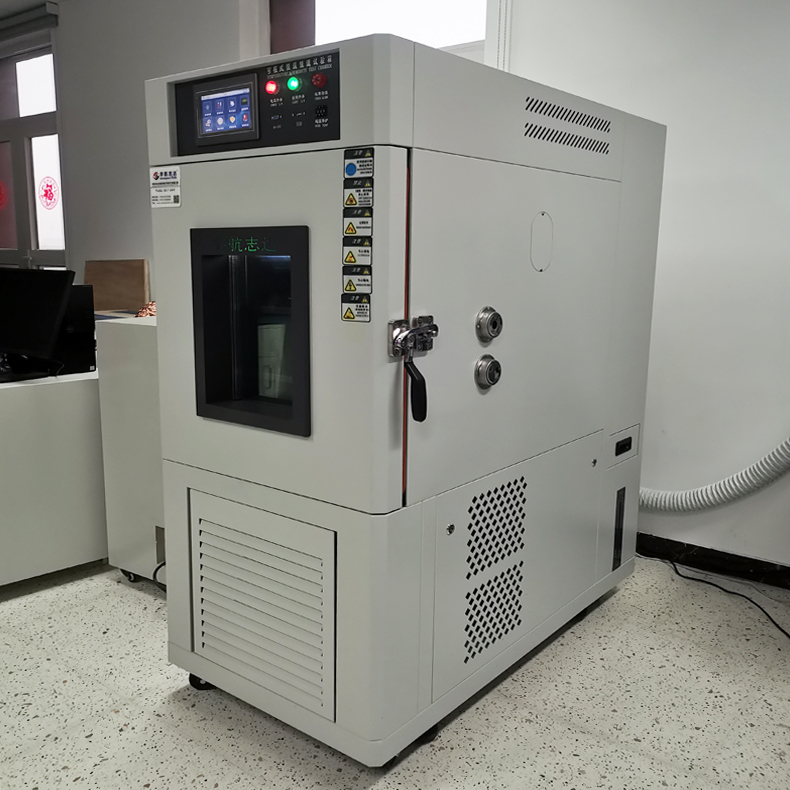
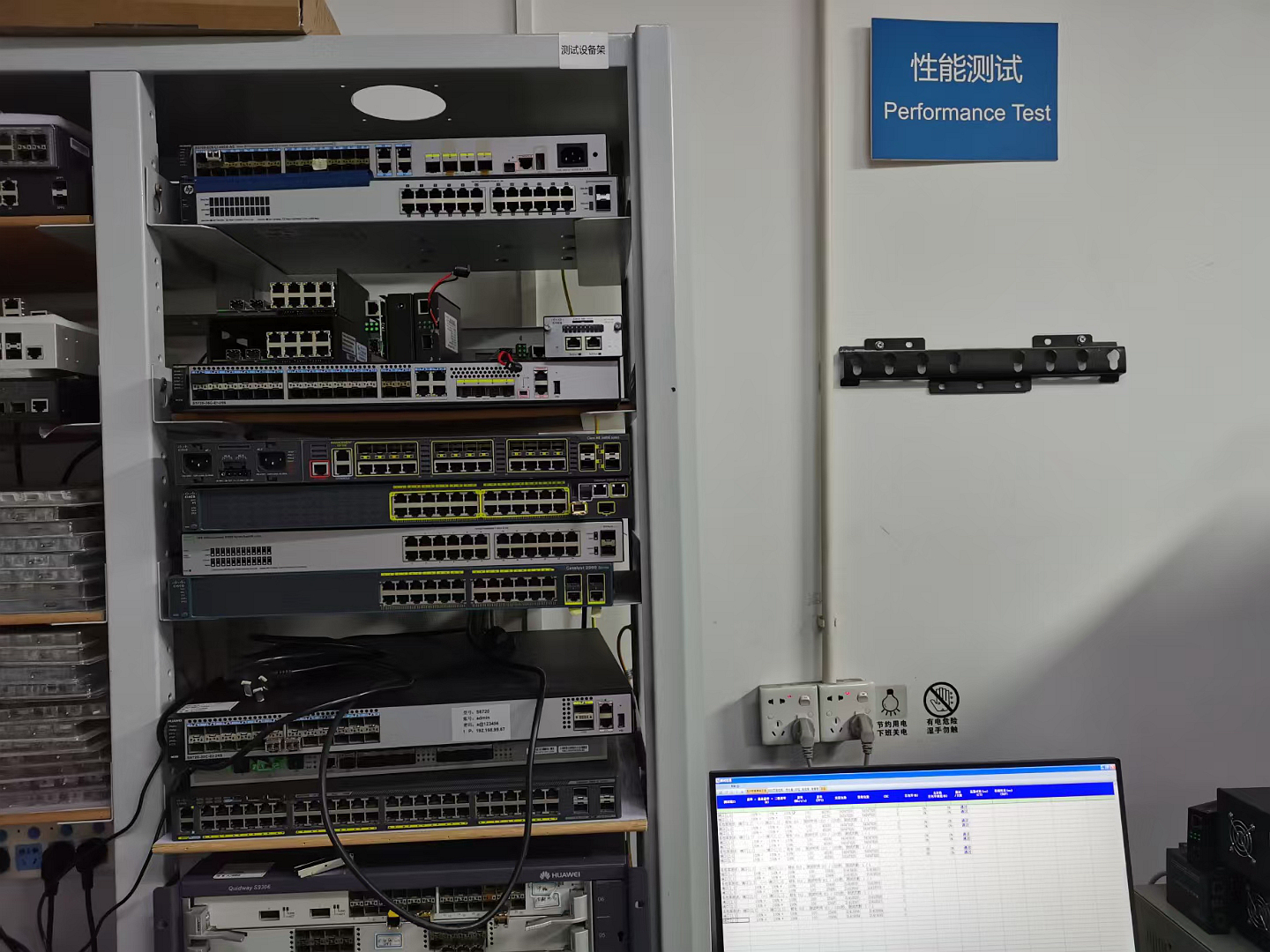
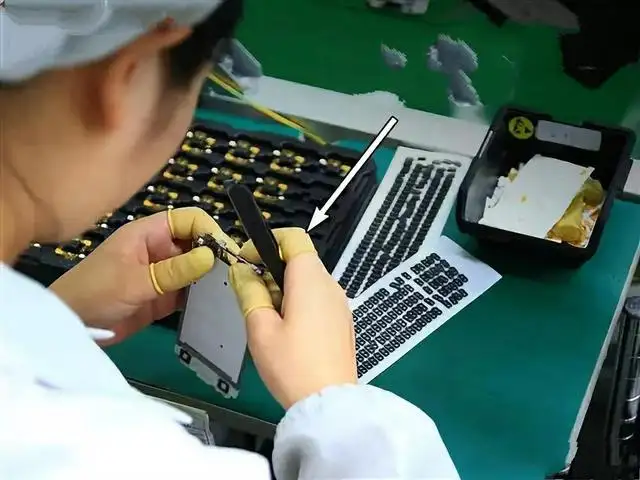
Quality Control & Testing Workflows

Every component undergoes a multi-stage testing process to verify performance and compatibility before shipment.
Technical Q&A: Sourcing Optical Hardware

Answers to common engineering and procurement questions regarding transceiver compatibility, distance limits, and custom orders.

Q1: What are the differences between passive and active Direct Attach Copper (DAC) cables?
Passive DAC cables link copper connections directly to SFP+/QSFP+ pins. They do not consume electrical power and introduce minimal signal delay, but they are limited to short distances (typically under 5-7 meters). Active DACs feature signal-boosting ICs in the connector housing. These circuits restore signal integrity, allowing thinner gauge wires to cover longer distances (up to 10-15 meters) at the cost of slight power consumption.
Q2: How does Shenzhen Soras Technology ensure transceiver compatibility with major switch OEMs?
We use a multi-step compatibility check. Each transceiver is programmed with EEPROM metadata that matches the host vendor's Multi-Source Agreement (MSA) key. We test the programmed modules on OEM switches (such as Cisco, Juniper, Arista, and Huawei) to ensure the host operating system recognizes the transceiver and enables Digital Optical Monitoring (DOM) without warning flags.
Q3: When should a design specify Active Optical Cables (AOC) over Direct Attach Copper (DAC)?
AOCs are preferred over DACs when: (1) Transmission distances exceed 7 meters; (2) Rack cable management requires lightweight, flexible cabling; or (3) High levels of electromagnetic interference (EMI) are present in the datacenter, as optical fiber is immune to electrical noise.
Q4: What testing standards do Soraslink products undergo?
Our products undergo testing including: High-Low Temperature cycle tests (-40°C to +85°C for industrial grade), Bit Error Rate (BER) testing to confirm margins under load, Wifi Radio Frequency Calibration (for ONUs), and Optical Eye Diagram checks to verify signal amplitude and jitter control.
Q5: Do you support custom cable lengths and OEM/ODM specifications?
Yes. We offer customization for passive twinaxial and active optical assemblies. Customers can specify cable length (e.g., 0.5m, 1.5m, 2.5m, or custom lengths up to 100m), wire thickness (AWG rating), and label printing. We also support custom logo integration and packaging configurations for ODM clients.
All DAC/AOC Cables Products