GPON/EPON OLT EPON OLT Series Suppliers & Exporters

Empowering Global Carrier-Grade Fiber Deployments with High-Density OLT Solutions, Industrial Supply Chain Resilience, & Advanced Triple-Play Service Delivery.

Featured Next-Gen Fiber Access Equipment

Explore our cutting-edge selection of optical line terminals (OLT) and high-performance transceivers optimized for high-density, low-latency broadband distribution.
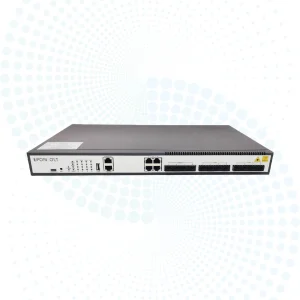
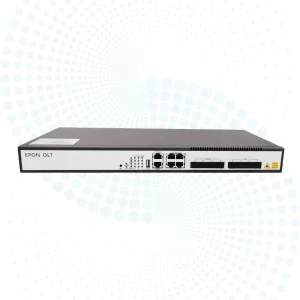
8-Port 10G EPON OLT

High Quality 8-Port 10G EPON OLT with RJ45 1U 19-inch Chassis AC Powered 8-port EPON OLT

View Product Details
4 Ports EPON OLT

4 Ports EPON OLT 4*EPON+4*1G RJ45+4 10G SFP EPON OLT Support STP RSTP MSTP ERPS LACP ACL QoS

View Product Details
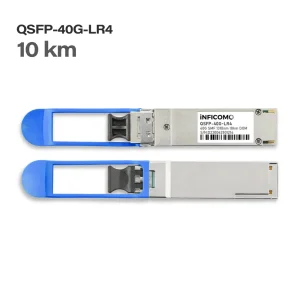
QSFP-40G-PLRL4 Transceiver

Host FEC QSFP-40G-PLRL4 QSFP+ 1310nm 2km DOM MPO-12/APC SMF Fiber Optic Transceiver Module

View Product Details
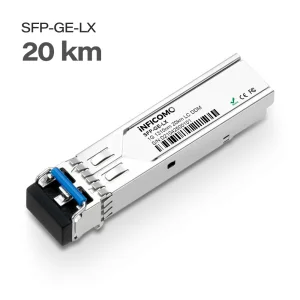
1.25G 1310nm 40km SFP Transceiver

Small MOQ 1.25G 1310nm 40km SFP Transceiver Dual Fiber Single Mode LC Connector DDM SFP Transceiver

View Product Details
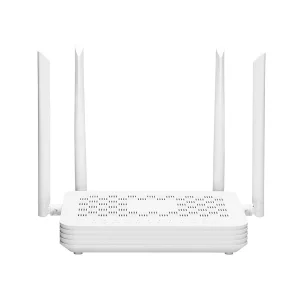
AX3000 WiFi 6 ONU

Full-Home Coverage AX3000 2.5G LAN/WAN Port Dual Band WiFi 6 ONU 10G XG-PON ONT

View Product Details
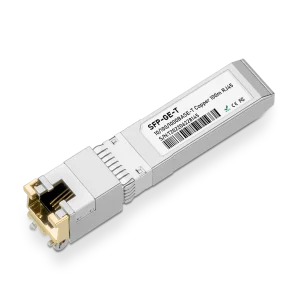
SFP-T Transceiver Module

Zero Packet Loss SFP-T 10/100/1000Mbps SFP Transceiver 100m RJ45 Fiber Optic Module

View Product Details
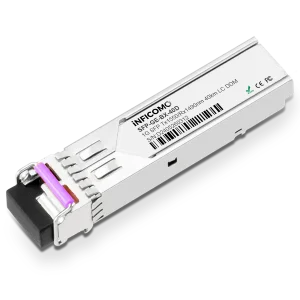
SFP BiDi 1.25G Transceiver

SFP BiDi 1.25GBase (1490nm/1550nm, SMF, 40km, LC, DDM) WDM Transceiver SFP Module

View Product Details
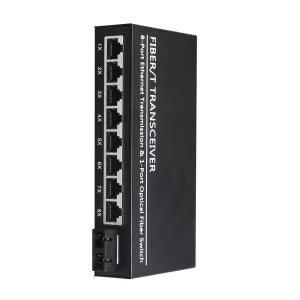
Gigabit Home Switch

Ethernet Switch 9 Port Fiber Optic Switch Network Quiet Gigabit Home Switch Fiber Optical Media Converter

View Product Details

Global Broadband Paradigms: Architecting the EPON & GPON OLT Ecosystem

In an era dominated by high-bandwidth demands—ranging from ultra-high-definition 8K streaming and smart-home Internet of Things (IoT) ecosystems to heavy-industry cloud migration and ultra-low-latency 5G backhaul—passive optical networking (PON) has solidified its position as the bedrock of global telecommunications infrastructure. The modern fiber-to-the-home (FTTH), fiber-to-the-building (FTTB), and fiber-to-the-office (FTTO) networks rely heavily on the performance, adaptability, and capacity of Optical Line Terminals (OLTs).

Our core systems represent a unified approach to high-performance optical access. As seasoned manufacturers, we recognize that selecting between GPON (Gigabit Passive Optical Network) and EPON (Ethernet Passive Optical Network) technologies requires deep understanding of structural protocols, traffic prioritization, and capital expenditure (CAPEX) vs. operational expenditure (OPEX) constraints. By introducing unprecedented hardware density and software flexibility, the GPON/EPON OLT series bridges legacy ethernet infrastructures with next-generation high-capacity passive optical networks.

10+
Years of R&D Experience
60+
Countries Exported To
ISO 9001
System Certified
Zero
Packet Loss Standards

Evaluating GPON vs. EPON OLT Architectures

Understanding the core differences between the two leading PON technologies is crucial for network architects making long-term procurement decisions:

  • Standardization & Framing: GPON is standardized under ITU-T G.984, utilizing GPON Encapsulation Method (GEM) frames to transport multiple traffic protocols (Ethernet, TDM, and POTS) with high efficiency. Conversely, EPON is governed by IEEE 802.3ah, encapsulating data into standard Ethernet packets, which simplifies the integration of Ethernet-based local area networks (LANs).
  • Bandwidth Distribution: GPON provides an asymmetrical bandwidth capability with up to 2.488 Gbps downstream and 1.244 Gbps upstream. EPON delivers symmetrical 1.25 Gbps rates in both directions. For downstream-heavy residential applications, GPON is often preferred; for highly collaborative business environments requiring strong upload paths, symmetrical EPON or 10G EPON remains a robust option.
  • Split Ratios: Modern GPON architectures comfortably sustain split ratios of up to 1:128 per physical port, whereas EPON systems typically scale up to 1:64. Increasing split densities requires high-sensitivity transceivers (such as Class C+ SFP modules) to maintain optical power budgets over long distances.

High Information Gain Note: The Shift to 10G PON & XGS-PON

The industry is undergoing rapid migration to 10G-PON systems. Current architectures must support co-existence bands, enabling network operators to run legacy EPON/GPON systems and high-speed 10G/XGS-PON on the same optical distribution network (ODN). Selecting a future-proof OLT that supports multi-rate transceivers (from 1.25G to 10G and 25G) is the single most important factor in preventing premature hardware deprecation.

Global Procurement Requirements & User Intent Mining

Network procurement professionals do not just buy hardware; they secure network stability, scalability, and device interoperability. Based on deep user intent mining within the telecommunication procurement sectors, we address the three main priorities that influence enterprise decisions:

1. Density & Chassis Footprint

For space-constrained central offices, 1U 19-inch chassis systems are the gold standard. They optimize rack-unit efficiency while providing up to 8 or 16 PON ports, serving thousands of end-users from a compact, energy-efficient enclosure.

2. Layer 2/3 Protocol Support

Robust operation requires full network redundancy protocols like ERPS (Ethernet Ring Protection Switching) for fast sub-50ms self-healing, STP/RSTP/MSTP to prevent broadcast loops, and advanced QoS to prioritize voice, video, and data.

3. Multi-Vendor Interoperability

Operators avoid vendor lock-in by seeking OLTs that fully comply with standard OMCI (ONT Management and Control Interface) protocols, ensuring compatibility with third-party optical network units (ONUs).

Targeted Localized Application Scenarios

GPON/EPON technology adapts dynamically across diverse geographical and structural applications:

  • Rural and Low-Density Broadband Expansion: Long-reach single-mode optical transceivers (such as our 40km or 60km BiDi SFP modules) coupled with EPON OLTs allow cost-effective service delivery to remote areas, overcoming geographical barriers without requiring intermediate signal regenerators.
  • Safe Cities & Smart Surveillance Networks: In urban centers, security relies on continuous high-definition video feeds. Deploying OLTs integrated with PoE (Power over Ethernet) switches allows IP CCTV cameras to receive power and transmit gigabit data back to the control center with zero packet loss.
  • Industrial IoT and Harsh Climates: Enterprises require equipment with wide operating temperature tolerances (chassis systems and transceivers operating between -40°C and +85°C) to withstand remote outdoor cabinets, industrial manufacturing zones, or harsh desert and polar sites.

China Factory 4.0: Supply Chain Resilience & Manufacturing Excellence

Shenzhen Soras Technology Co., Ltd. represents the cutting edge of Guangdong's electronic and optical manufacturing ecosystem. Based in China's technological hub, we leverage advanced supply chain integration, automated SMT (Surface Mount Technology) assembly lines, and rigorous validation tests to deliver reliable performance.

Our manufacturing facility operates under the strict guidelines of ISO 9001 quality management systems. Every product—from the smallest 1.25G transceiver to our complex 8-port 10G EPON OLT—undergoes multiple automated and manual quality checks. Our SMT line uses automated optical inspection (AOI) to verify component placement accuracy, followed by wave and reflow soldering.


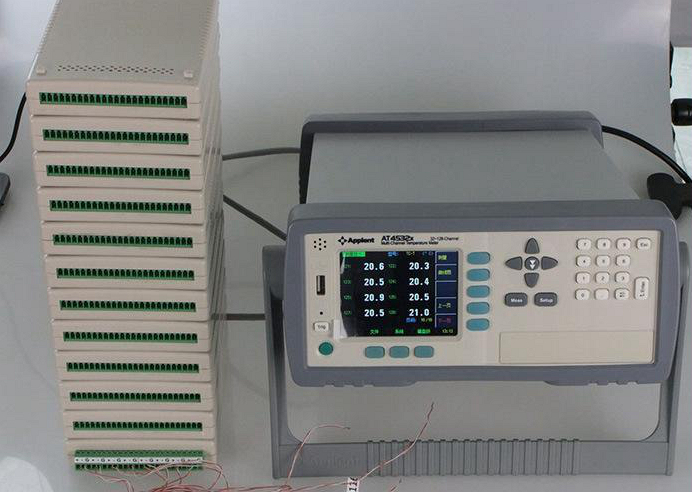
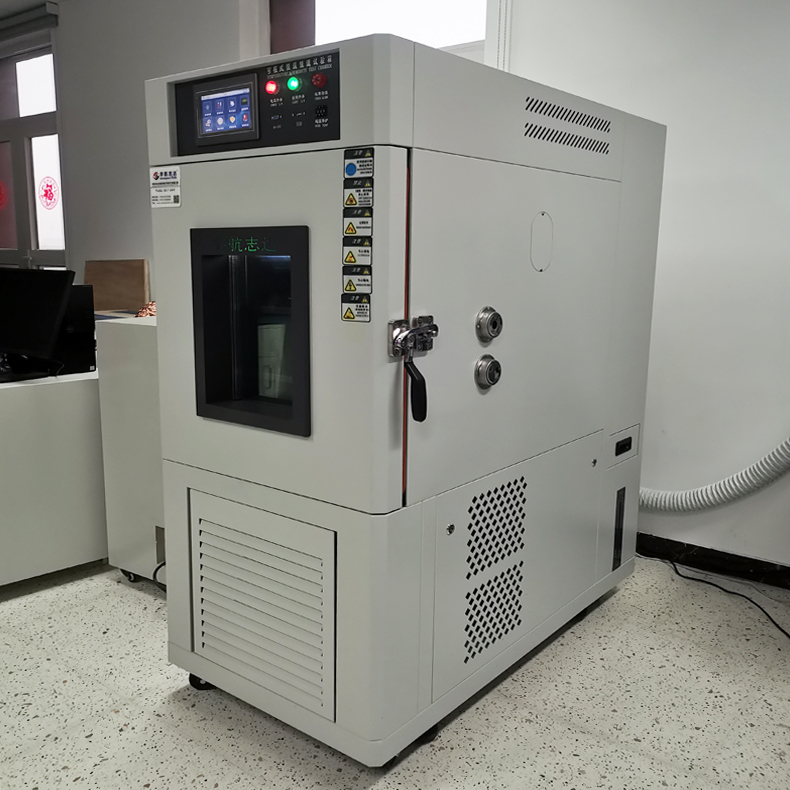
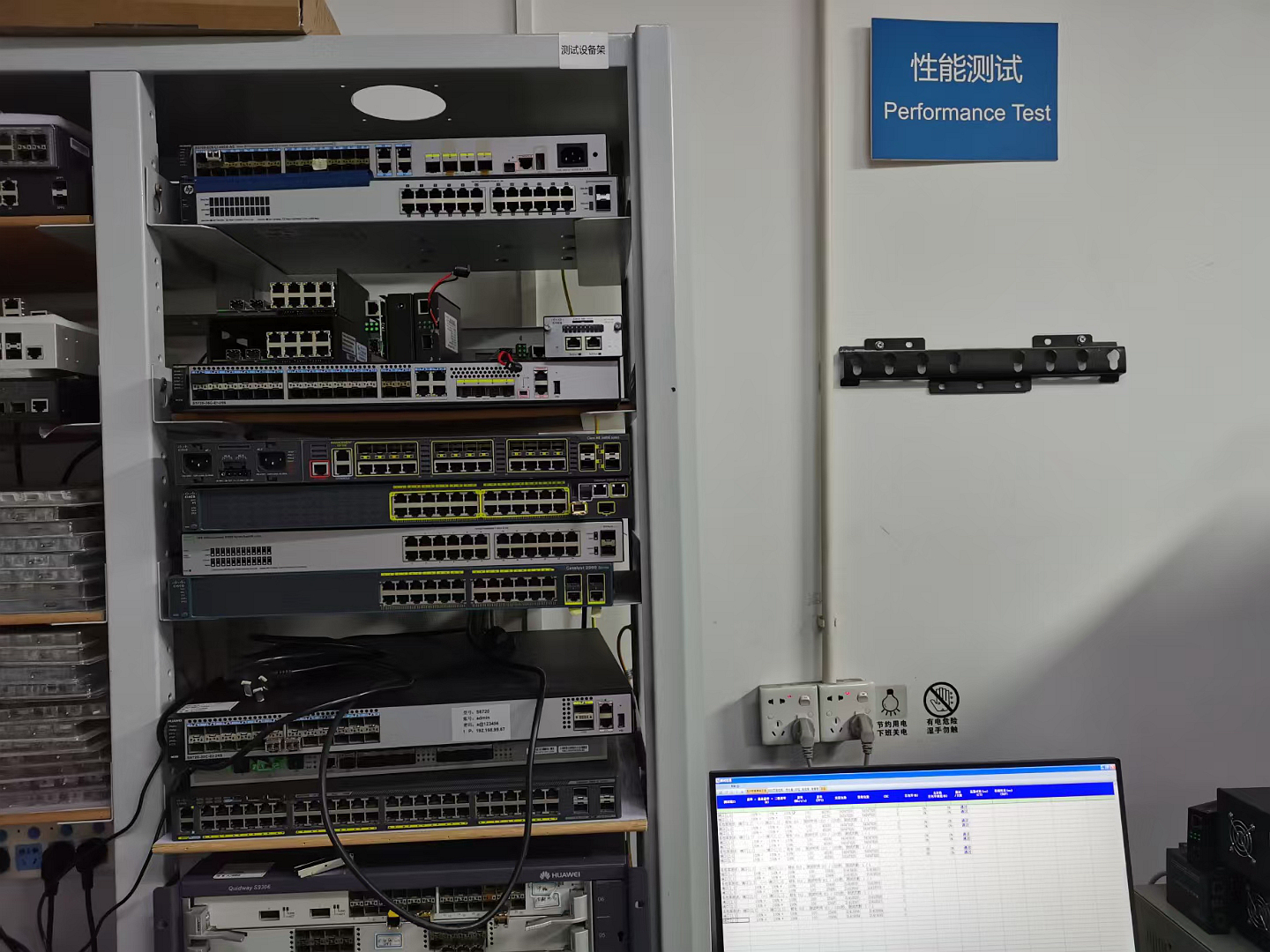
Inside the Soras Technology Manufacturing Facility

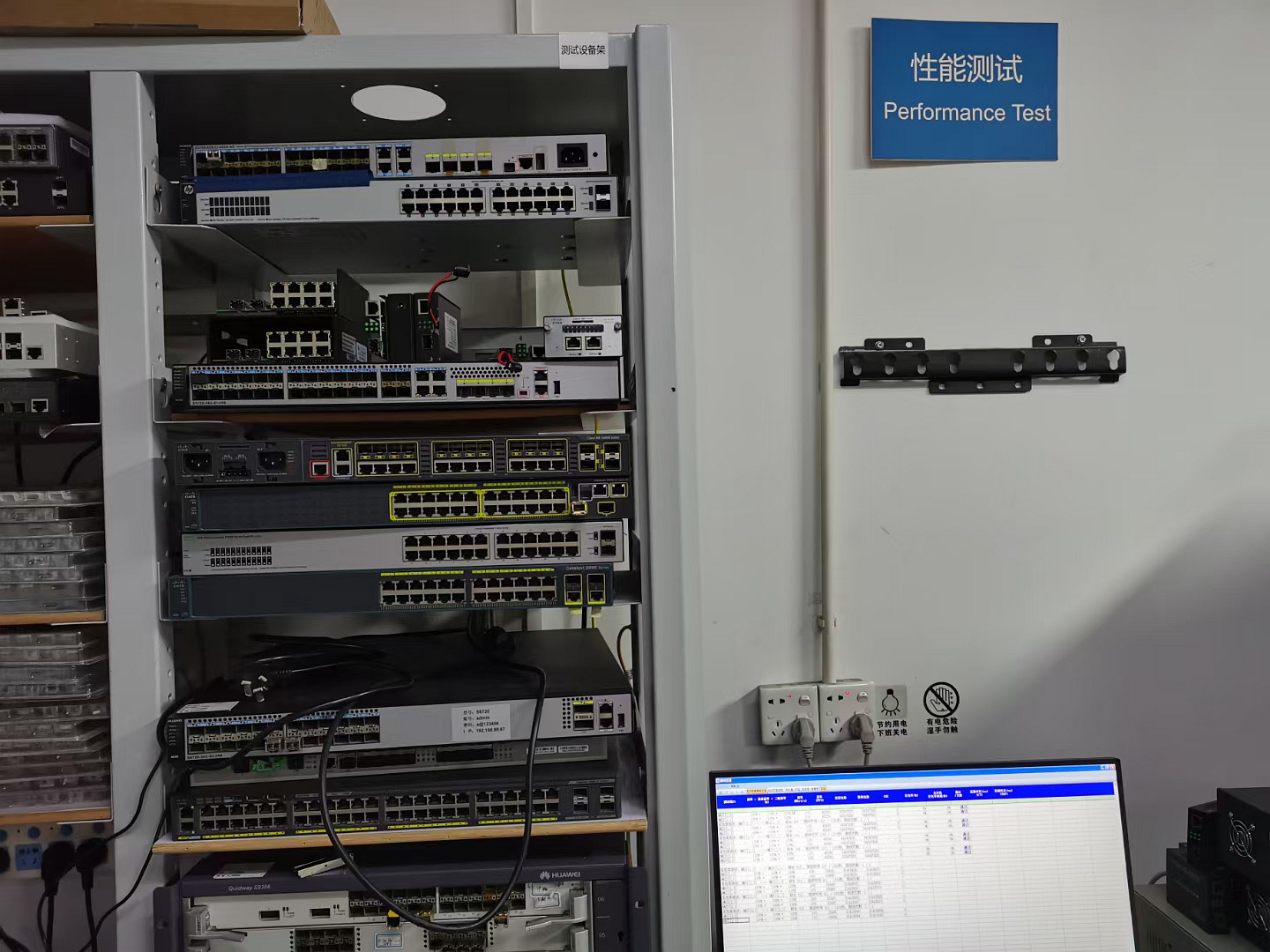
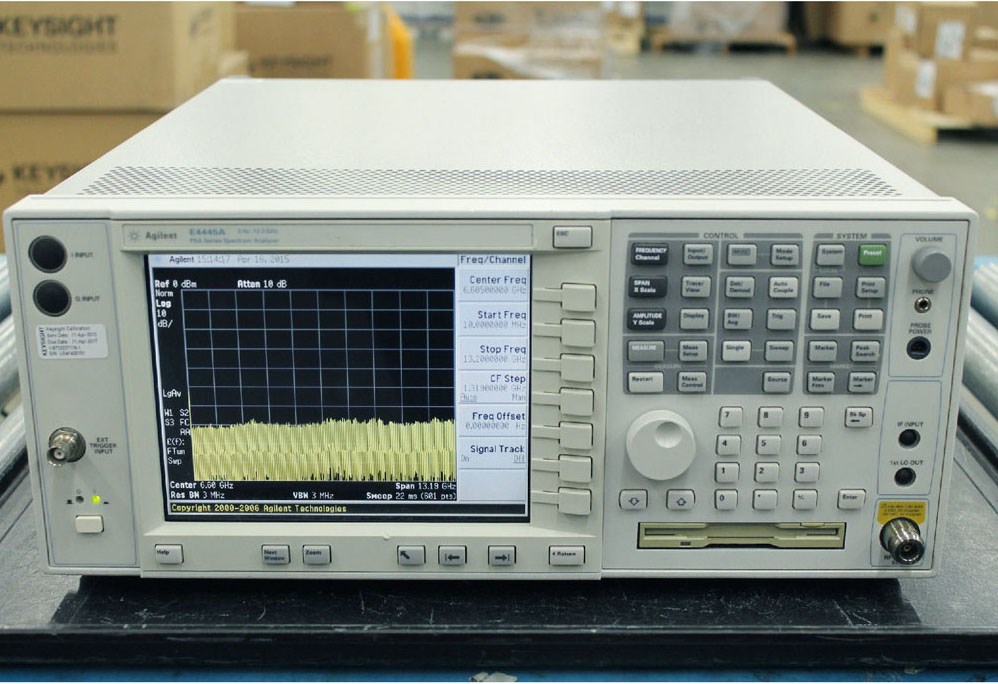
Every OLT and SFP transceiver undergoes extensive hardware testing. In the **High-Low Temperature testing chamber**, devices are stressed under extreme heat and freezing cold parameters to ensure long-term stability. The **Bit Error Rate (BER) error test** evaluates packet delivery integrity, while the **Wi-Fi Calibration and Simulation racks** verify throughput performance for ONU devices prior to packaging and dispatch.

Shenzhen Soras Technology Co., Ltd. Company Profile

With more than 10 years of expert engineering and manufacturing experience, Shenzhen Soras Technology Co., Ltd. stands as a trusted developer and exporter of optical transmission systems and network accessories. We prioritize high-quality management and technological innovation, helping partners build cost-effective, high-value fiber solutions.

Today, we work closely with telecommunications carriers, internet service providers (ISPs), and industrial system integrators worldwide. Our experienced R&D team designs custom equipment to meet customer specifications, supporting OEM and ODM projects. Our products are exported to over 60 countries across South America, North America, and Europe, establishing a reliable footprint for global supply chain requirements.

Corporate Parameter Specification Detail Corporate Parameter Specification Detail
Business Type Manufacturer / OEM / ODM Exporter Country / Region Guangdong, China
Main Products FTTH ONU & OLT, SFP Transceiver Modules, Fiber Media Converters, POE Switches, Fiber Optic Installation Equipment Total Employees 11 - 50 Professional Engineers & Technicians
Total Annual Revenue US$5 Million - US$10 Million Year Established 2021
Compliance Standards ISO 9001 Quality Management, UL, CE, FCC, ROHS Certification Export Distribution Domestic (24.00%), Eastern Asia (15.00%), North America (15.00%), Europe, & South America

Technical FAQ: GPON & EPON OLT Network Architectures

Review key answers to common technical and deployment questions compiled by our senior network engineering division:

How does an OLT manage dynamic bandwidth allocation (DBA)?
DBA is a vital mechanism that dynamically redistributes upstream bandwidth among connected ONUs based on real-time traffic requests. The OLT achieves this by periodically querying ONUs using dynamic bandwidth request messages. Supported by Transmission Containers (T-CONTs), the OLT allocates upstream transmission time slots to prevent collisions and maximize fiber utilization, prioritizing delay-sensitive traffic like voice and video.
What is the typical optical budget limit for Class B+ vs. Class C+ SFP modules?
Optical budget limits define the maximum allowable path loss between an OLT and an ONU. Class B+ modules typically support an optical budget of 28dB (often accommodating split ratios up to 1:64 over 20km). Class C+ modules offer up to 32dB of optical budget, allowing operators to deploy higher split ratios (up to 1:128) or extend physical fiber links up to 20-30km while maintaining receiver sensitivity levels between -30dBm and -32dBm.
Why is ERPS and LACP support critical in Layer 2/3 OLT switches?
Ethernet Ring Protection Switching (ERPS) conforms to the ITU-T G.8032 standard, enabling rapid ring recovery (under 50 milliseconds) when a fiber connection breaks. This prevents widespread network outages. LACP (Link Aggregation Control Protocol) aggregates multiple physical interfaces into a single logical channel, providing redundant paths and scaling uplink capacity dynamically to meet shifting traffic loads.
Are Soras Technology OLTs compatible with third-party ONUs?
Yes. Our GPON and EPON OLT series are designed to align with international ITU-T OMCI and IEEE OAM protocols. This adherence ensures high interoperability with third-party ONUs/ONTs, giving network administrators flexibility in device sourcing while avoiding single-vendor lock-in.

Explore Additional Infrastructure Products

Complete your network architecture with our range of high-performance optical switches, stable GPON OLT chassis platforms, and industrial-grade fiber transceivers.
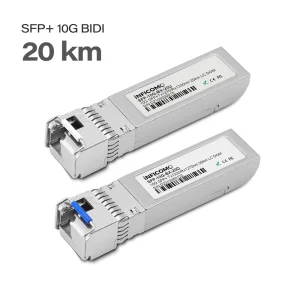
10G SFP+ BIDI Transceiver

10G SFP+ BIDI 20km 1270nm/1330nm LC DDM WDM Fiber Optic Transceivers

View Product Details
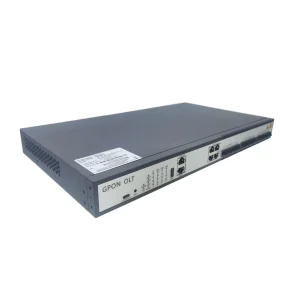
Ultra-stable 8 Ports GPON OLT

Ultra-stable Type 8 Ports Gpon 10G Best Price with VSOL OLT Support Alarm Management 8 Ports GPON OLT

View Product Details
4GE ONU EG8145V5 Modem Router

4GE Onu Eg8145v5 Hg8145v5 2.4G 5G Modem Router

View Product Details
Media Converter Chassis

Wide Operating Temperature Range 2U 14 Ports 19 Inch Single Fiber Media Converter Rack Mount Chassis

View Product Details
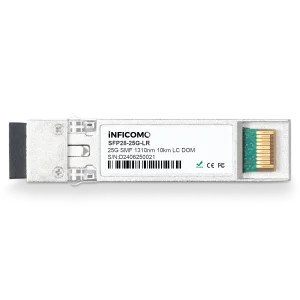
SFP28 25GBASE-LR Transceiver

SFP28 25GBASE-LR 1310nm 10km DOM LC SMF Optical Transceiver Module SFP-25G-LR-S

View Product Details
Automatic Fusion Splicer

AI-6A Automatic Optical Fiber Fusion Splicer Intelligent FTTH Splicing Machine with 8s Splicing Time and 60dB Return Loss

View Product Details
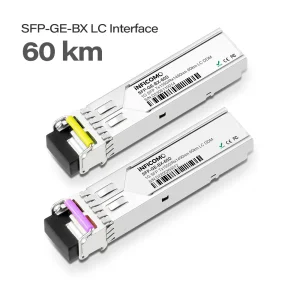
1.25G BIDI 60km Transceiver

1.25G SFP BIDI 60km 1490nm/1550nm LC Single Mode Single Fiber Transceivers with Neutral-branding

View Product Details
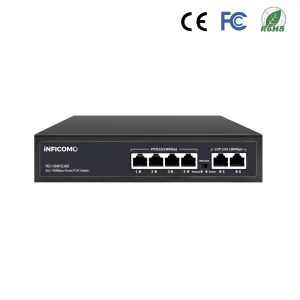
PoE Switch 4 Port

Full Power Output PoE Switch 4 Port 10/100Mbps with 2*100Mbps RJ45 Uplink for CCTV

View Product Details
All EPON OLT Series Products