Explore our flagship product range featuring highly stable XGSPON SFP+ ONU Sticks, Mini GPON OLT switches, and intelligent multi-brand compatible home routers.
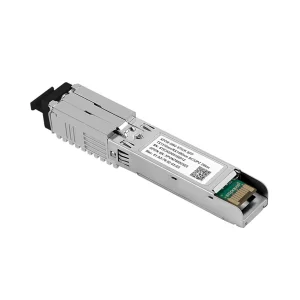
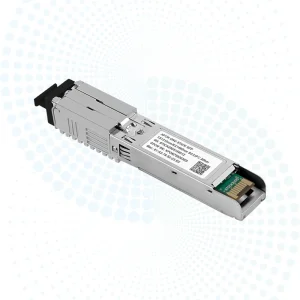
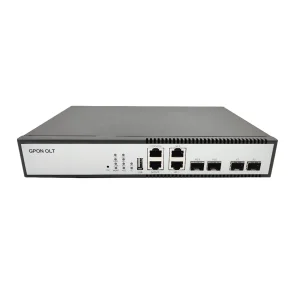
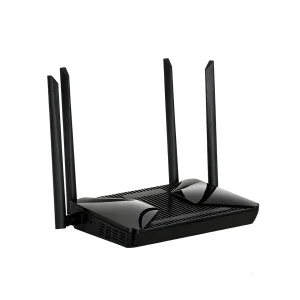
The global telecommunication landscape is undergoing a massive structural shift away from bulky, power-hungry desktop Optical Network Units (ONUs) toward ultra-compact, energy-efficient transceivers. As a leading SFP ONU Stick Manufacturer, Shenzhen Soras Technology Co., Ltd. is at the forefront of this evolution, designing hardware that bridges the gap between passive optical networking (PON) infrastructure and standard Ethernet switching equipment.
By packaging an entire ONT/ONU optical architecture into a standard Small Form-Factor Pluggable (SFP/SFP+) footprint, network engineers can now transform any SFP-enabled switch, router, or gateway directly into a GPON, EPON, or XGSPON termination node. This architecture eliminates the need for standalone desktop modems, external DC power brick wiring, and patch cables, creating a streamlined point-of-presence (PoP) that optimizes operational and capital expenditures (OpEx and CapEx) across FTTx deployments.
Not all SFP transceivers are built equal. While traditional transceivers function strictly on the physical layer (PHY) to convert light to electricity, modern SFP ONU Sticks contain built-in System-on-Chips (SoCs) that handle the complex Media Access Control (MAC) layer operations. These devices support full hardware-based decryption (AES-128 downstream), FEC (Forward Error Correction), and advanced Dynamic Bandwidth Allocation (DBA) reporting, interfacing with the host system using standard SGMII/1000Base-X or USXGMII/10GBASE-R protocols.
Operating configurations vary depending on the PON tech stack deployed:
The implementation of SFP ONU Sticks and Mini ONUs varies significantly across global markets due to legacy equipment types, regional regulatory environments, and specific enterprise requirements. By utilizing small-form pluggable units, ISPs can localize optical deployment methods for three primary real-world architectures:
As bandwidth demand escalates, the industry roadmap is steering rapidly from 10G-PON technologies toward next-generation 25G-PON and 50G-PON standards. Operating within such small, uncooled modules presents serious engineering challenges. SFP transceivers generate localized heat, which must be safely dissipated to avoid degradation of the laser diode and chipsets.
Soras Technology’s optical R&D department is currently addressing this challenge through three main architectural innovations:
Shenzhen Soras Technology Co., Ltd. is a leading manufacturer of optical transmission equipment and network equipment with more than 10 years of team experience. We rely on high-quality management and technological innovation, committed to providing customers with high quality, cost-effective, high value-added products and solutions.
Today, we work closely with telecommunications companies around the world. We have strong technical force and an experienced R&D team. Products can be developed according to customer requirements, and we accept OEM and ODM orders to help you match specific OLT systems and regional compliance laws. Now our products are exported to more than 60 countries, and our main markets are South America, North America, and Europe. Our aim is "superior quality, professional service, competitive price, integrity-based". We believe this is not only our responsibility, but also the best path for long-term development. Soraslink looks forward to working with you!
| Corporate & Factory Specifications | |
|---|---|
| Business Type | Manufacturer / OEM & ODM Supplier |
| Country / Region | Guangdong, China (Shenzhen Optical Cluster) |
| Main Products | FTTH ONU & OLT, SFP Module, Fiber Media Converter, PoE Switch, Fiber Optic Accessories |
| Total Employees | 11 - 50 People (Expert Engineering & SMT Assembly Staff) |
| Year Established | 2021 (Team with 10+ years industry experience) |
| Certifications | ISO 9001, UL, CE, FCC, RoHS Compliant |
| Main Markets | Domestic Market 24.00%, Eastern Asia 15.00%, North America 15.00%, Europe & South America 46.00% |
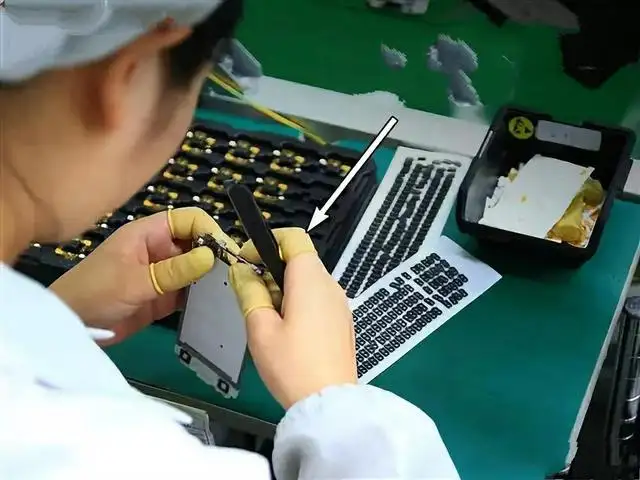
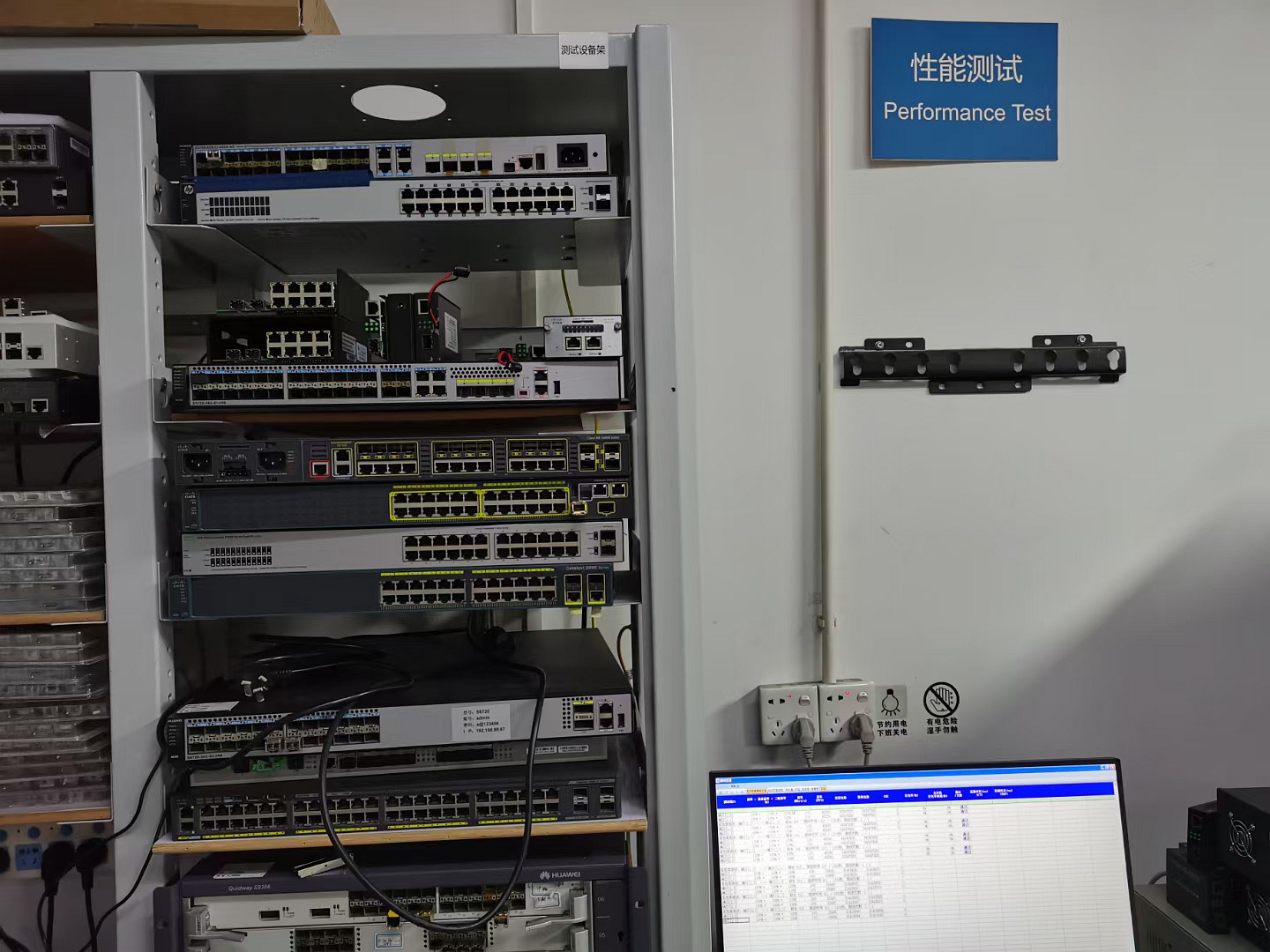
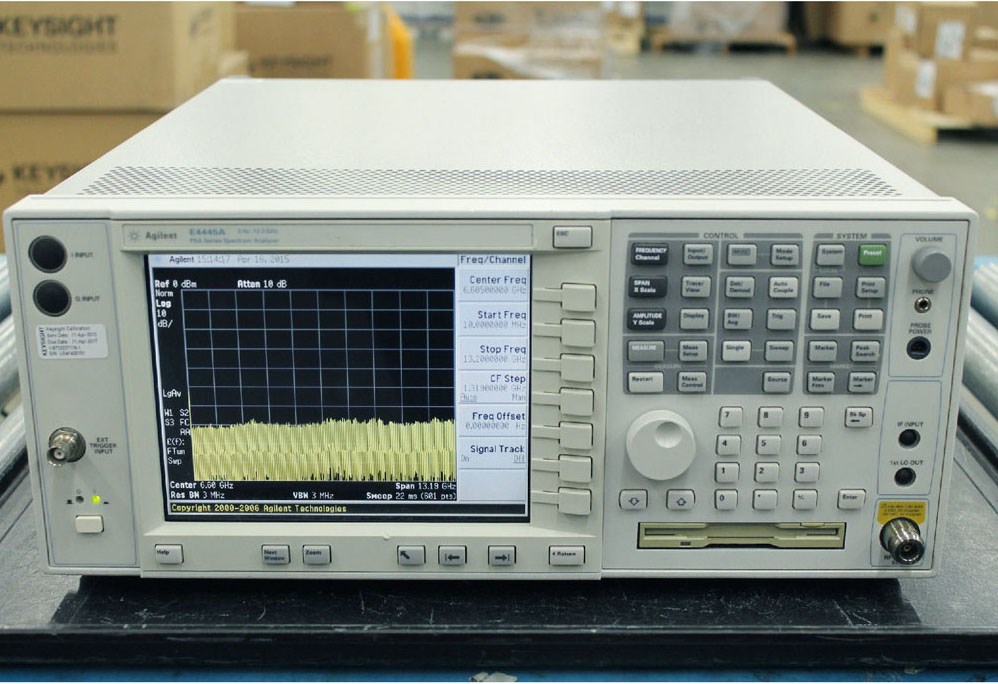
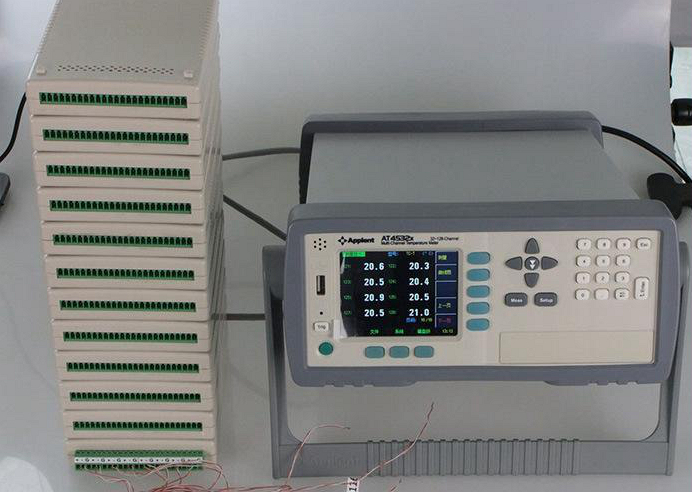
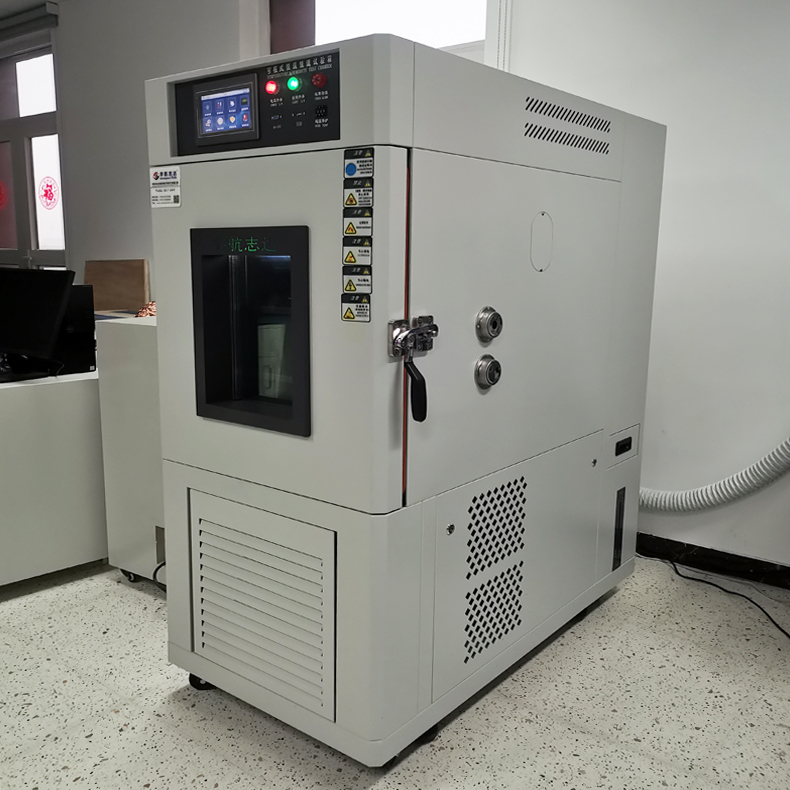
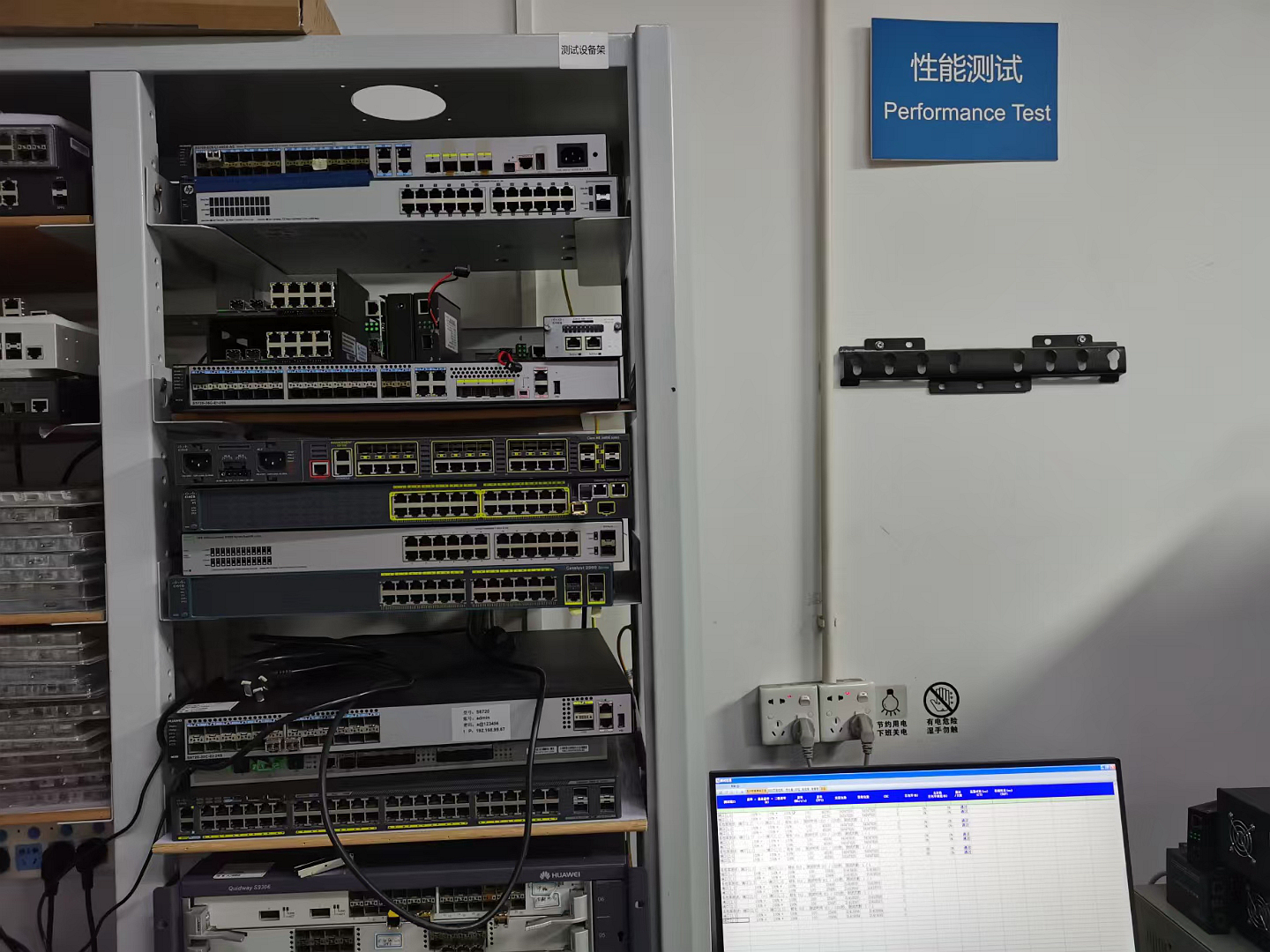
Our state-of-the-art facility in Guangdong, China utilizes automated SMT production, high-low temperature simulation chambers, and rigorous functional testing to guarantee 100% reliability.







Deploying optical components in carrier networks requires strict compliance with regional standards. Because our products are shipped to more than 60 countries across South America, North America, and Europe, we have optimized our SFP Sticks and Mini ONUs to comply with diverse regulatory laws:
Operating out of Shenzhen, Guangdong—the silicon hub of global optical communication manufacturing—gives Soras Technology access to an unparalleled supply chain. This localized ecosystem allows us to achieve major advantages in production efficiency, quality control, and cost-competitiveness:
By sourcing raw optical sub-assemblies (TOSA/ROSA), advanced DSP chipsets, and high-performance PCB layers within a 50-mile radius, we mitigate typical global shipping delays and control production costs. Our high-capacity automated SMT lines allow us to mount microchips, capacitors, and micro-controllers onto PCBs with near-zero placement error. Following assembly, modules undergo rigorous high-low temperature chamber cycles to simulate real-world climates, followed by WiFi calibration and bit-error testing (BERT) to ensure maximum reliability before delivery.
Find answers to the most common engineering and integration questions regarding our SFP transceivers, OLT compatibility, and deployment strategies.
A: Yes. Any switch with an SFP or SFP+ port that supports 1000Base-X or 10GBASE-R protocols can interface with our SFP ONU Sticks. The switch views the module as a standard Ethernet transceiver, while the internal MAC controller on the ONU Stick handles all GPON/XGSPON encryption, decryption, and OMCI handshakes, feeding standard Ethernet frames directly to the host switch.
A: SFP sticks pack an optical transceiver, ASIC processor, and RAM into a tiny metallic SFP shell, generating localized heat. Soras Technology addresses this through structural optimization: utilizing low-power DSPs (< 2.0W), selecting industrial-grade components rated for higher junction temperatures, and using high-efficiency thermal grease inside the SFP casing to conduct heat directly to the host switch’s metallic cage.
A: Bridge mode ONU Sticks act as transparent Layer 2 media converters, transferring frames directly from the OLT to the host router/switch. Router mode (or SFU/HGU) ONTs handle Layer 3 functions (DHCP Client, PPPoE Dial-in, NAT, Firewall) within the unit itself. For SFP sticks, Bridge Mode is preferred because the host router handles the routing duties, reducing CPU load and heat inside the module.
A: We configure our transceivers to comply with standard ITU-T G.984/G.988 OMCI protocols. When provisioning, our team can customize the Vendor ID, Equipment ID, and software version parameters. This allows the OLT to identify our module as its native brand, preventing the central office from shutting down the connection.
A: Our XGSPON SFP+ ONU Stick complies with Class N1/N2/E1 optical budgets under ITU-T G.9807.1. It delivers a typical transmit power of +4 to +9 dBm and a receiver sensitivity of down to -28 dBm, supporting split ratios up to 1:64 or 1:128 over a maximum physical fiber run of 20 kilometers.
A: Yes, our Intelligent XPON SFP ONU Sticks support dual-mode negotiation. Once inserted, the module scans the incoming optical wavelength and framing structure to automatically switch between EPON and GPON modes, enabling simplified network integration in mixed-vendor territories.
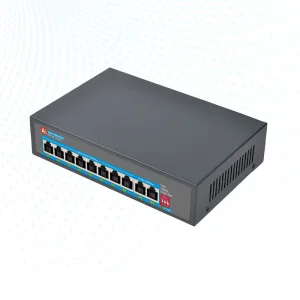
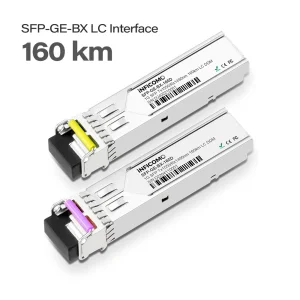
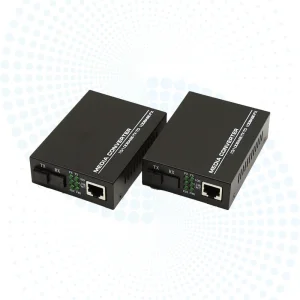
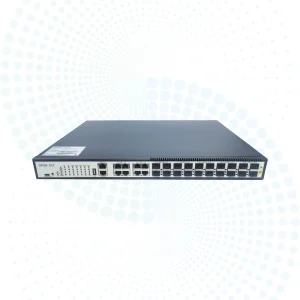
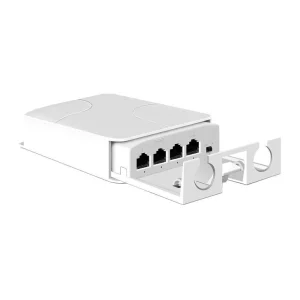
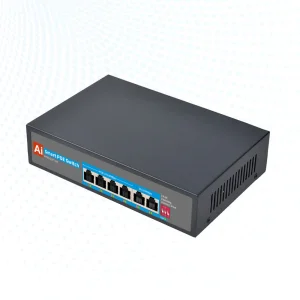
A complete ecosystem of fiber converters, switches, and specialized tools from Shenzhen Soras Technology to support your passive optical network deployments.

 Soras Tech