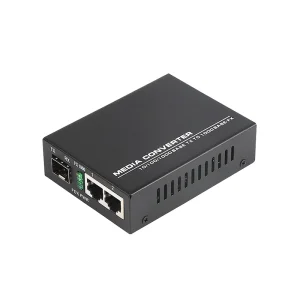
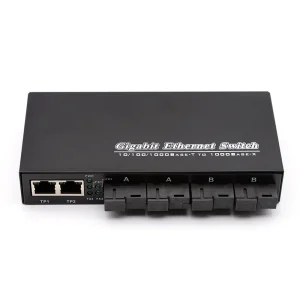
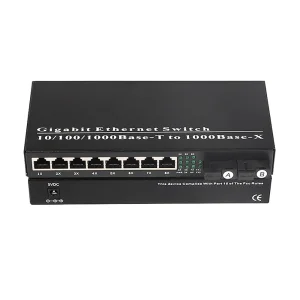
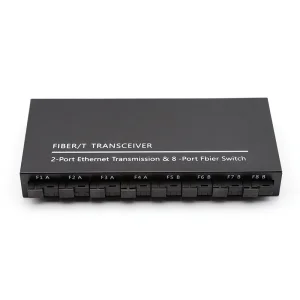
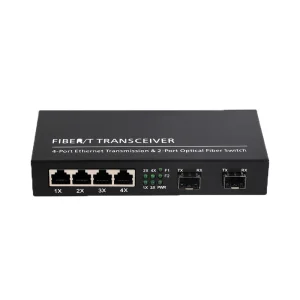
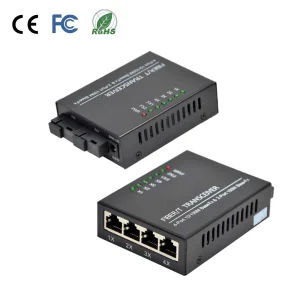
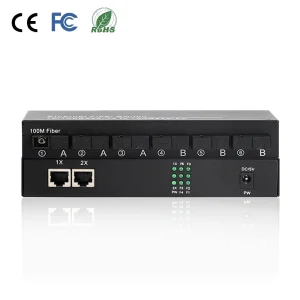
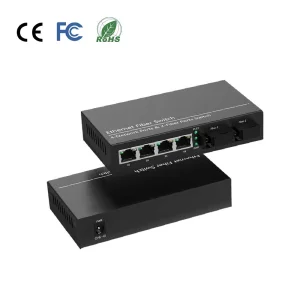
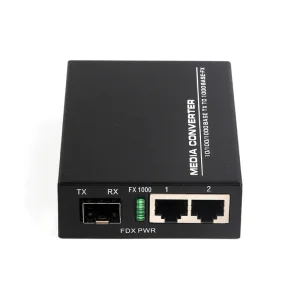
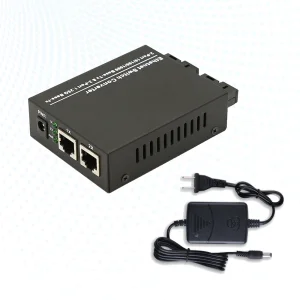
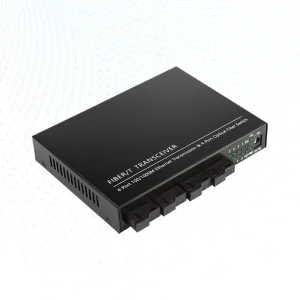
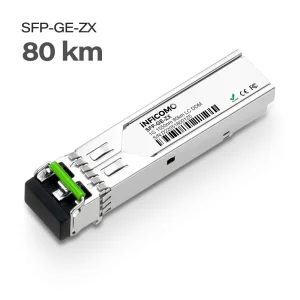
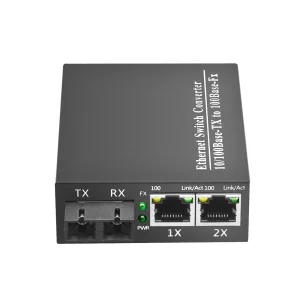
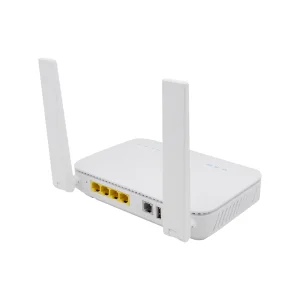
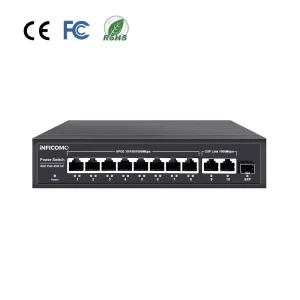
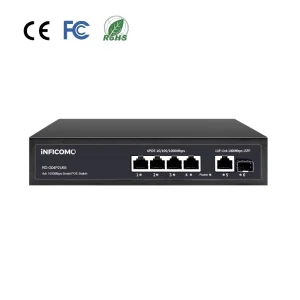
Fiber Media Converter Multi-Port Converter & Switch Factories & Exporter

Industrial-Grade Optical Networking Solutions & High-Performance Transmission Technologies for Global Enterprise Infrastructures

Executive Whitepaper: Strategic Foundations of Modern Optical Transmission

As the demand for hyper-scale bandwidth, ultra-low latency, and resilient network architectures scales across the globe, the boundary between copper-based Ethernet systems and multi-kilometer optical networks has become the primary bottleneck for enterprise efficiency. A Fiber Media Converter Multi-Port Converter & Switch represents the critical infrastructure bridging this technology gap. Traditional copper twisted-pair cabling (such as Cat6 or Cat6A) remains highly functional for short-range local connections, yet physical limitations restrict its dependable signaling range to a maximum of 100 meters. Fiber optic cabling, conversely, supports signal propagation over distances exceeding 120 kilometers without significant attenuation or susceptibility to electromagnetic interference (EMI).

For modern telecommunication systems, utility networks, Smart Cities, and industrial automation fields, deploying multi-port converters and managed fiber switches is no longer an optional upgrade—it is a critical architectural requirement. Systems engineers and procurement directors look for solutions that combine multiple media conversion interfaces and Layer 2 switching capabilities within a single, highly durable enclosure. This consolidated architecture drastically reduces equipment rack footprints, simplifies cable management, lowers heat dissipation, and minimizes the overall Total Cost of Ownership (TCO).

Information Gain Indicator: In contrast to standard media converters that only operate as physical layer (PHY) converters, advanced multi-port switches deploy Store-and-Forward switching technologies with integrated MAC address learning tables. This ensures packet collision protection and intelligent flow control across multiple network domains.

>10 Years
R&D and Manufacturing Experience
60+
Global Exporting Destinations
120Km
Maximum Supported Transmission Range
ISO 9001
Quality Assured Operations

Technical Taxonomy: Multi-Port Converters & Managed Fiber Switches

Understanding the exact hardware topology of multi-port converters is essential for designing networks capable of scaling. Sourcing directors and network architects must analyze how hardware bridges diverse mediums:

  • Physical Layer (L1) vs. Data Link Layer (L2) Switch Architecture: A standard single-port media converter acts strictly at the physical layer, converting electrical pulses to light waves without parsing packet headers. Multi-port devices, however, are essentially smart Layer 2 switches featuring dedicated optical ports (via SFP transceiver slots or integrated SC/FC/ST headers) and multiple RJ45 copper ports. These devices perform frame processing, packet filtering, and support Virtual Local Area Networks (VLANs) via IEEE 802.1Q tagging.
  • Small Form-Factor Pluggable (SFP) Versatility: Integrating SFP slots into multi-port systems provides modular network configuration. A single base board can support short-reach multi-mode fiber (up to 550m or 2km) or extreme long-reach single-mode fiber (up to 80km or 120km) simply by swapping the hot-pluggable SFP transceiver. This layout reduces hardware replacement costs as network distance requirements expand.
  • Single Fiber (BIDI Wavelength Division Multiplexing - WDM) vs. Dual Fiber Systems: Traditional fiber infrastructure utilizes two dedicated strands of optical fiber—one for transmitting (TX) data and the other for receiving (RX). WDM technology allows bidirectional communication to occur simultaneously over a single strand of fiber, utilizing distinct optical wavelengths (typically 1310nm/1550nm or 1310nm/1490nm). Utilizing single-fiber media converters reduces fiber installation and leasing expenses by 50%.
  • Link Fault Pass-Through (LFP) & Far End Fault (FEF) Diagnostics: In critical enterprise connections, a silent link failure on one side of a media converter can trap data packets without alerting the core switch. Advanced units incorporate LFP. When the optical link drops, the converter automatically disables the corresponding copper link, signaling the root switch to reroute traffic via redundant pathways (e.g., Spanning Tree Protocol - STP).
Specification Parameter Commercial/FTTH Standards Industrial Grade Standards Network Architecture Impact
Operating Temperature 0°C to +50°C (Standard Fan cooled) -40°C to +85°C (Fanless Aluminum Case) Enables operation in harsh outdoor cabinets.
ESD Protection Air 4KV, Contact 2KV Air 15KV, Contact 8KV (IEC 61000-4-2) Prevents field failure from lightning and power surges.
VLAN Support Transparent passthrough IEEE 802.1Q tagged VLAN / Port-based isolation Secures networks and segments client traffic.
Power Input Redundancy Single DC Jack (5V / 12V) Dual Redundant Terminal Blocks (12V-48V DC) Guarantees uninterrupted operation during PSU failure.
Mean Time Between Failures (MTBF) >50,000 Hours >100,000 - 300,000 Hours Lowers long-term maintenance costs.

Global Enterprise Sourcing & Purchasing Behavior Analysis

When procurement officers, system integrators, and network distributors source fiber optic equipment, their selection criteria extend beyond basic cost-per-unit. In markets across North America, Europe, and South America, purchasing decisions are influenced by total lifecycle management and risk mitigation. For example, a single network outage in a container terminal or a power distribution grid can cost an enterprise thousands of dollars per minute in lost operational capacity. Thus, sourcing teams prioritize manufacturers that provide robust engineering data, verified MTBF, and clear compliance records.

Key factors driving purchasing decisions include:

  • Compliance and Environmental Certifications: Equipment must carry certifications required for local markets. In the United States, FCC compliance and UL safety listings are essential for indoor installations. In Europe, CE markings combined with strict RoHS directives (governing hazardous substances) are non-negotiable.
  • Interoperability and Compatibility: Enterprise networks are rarely built using a single brand. Media converters must interoperate seamlessly with core switch brands like Cisco, Juniper, Huawei, and Arista. A major feature of high-quality converters is their open SFP architecture, accepting standard MSA-compliant optical transceivers without raising brand lock-in errors.
  • Supply Chain Stability and Customization Capabilities: Large infrastructure rollouts require reliable delivery schedules and the ability to customize hardware configurations. OEMs that offer customized branding, custom port layouts (such as 4x Fiber + 4x RJ45 or 8x Fiber + 2x Uplinks), and tailored packaging are preferred partners for national telecom operators and utility providers.

Macro Industry Solutions & Reference Network Topologies

Smart City & CCTV Surveillance Aggregation

In municipal video surveillance networks, high-definition IP cameras are distributed across wide urban areas, often exceeding the 100-meter limit of copper cable. By deploying multi-port PoE (Power over Ethernet) media converters inside outdoor cabinets, engineers can power multiple cameras via standard RJ45 runs while aggregating the high-definition video feeds into a single single-mode fiber uplink. This uplink connects back to the centralized control room over distances up to 20km or 40km, ensuring lag-free video transmission and lowering installation complexity.

FTTH Broadband Access Networks

Fiber-to-the-Home (FTTH) architectures demand cost-effective, high-density optical distribution. Multi-port fiber switches deployed in residential hubs act as concentration points, bridging multiple optical customer terminals (ONUs) back to central Office Line Terminals (OLTs). The ability to configure single-fiber BIDI transceivers enables network operators to maximize their fiber investment, delivering high-speed gigabit broadband access to end-users without laying new physical cables.

Industrial Automation & Manufacturing

Heavy manufacturing facilities generate significant electromagnetic noise from high-voltage machinery, variable frequency drives, and heavy motors. Copper Ethernet lines running adjacent to power conduits are prone to packet loss and data corruption. Converting transmission media to fiber optics isolates signals from EMI. Using fanless, DIN-rail mounted multi-port switches inside SMT lines or warehouse control panels ensures reliable, noise-free communications.

Shenzhen Soras Technology Co., Ltd. — Manufacturing Excellence

Shenzhen Soras Technology Co., Ltd. is a leading manufacturer of optical transmission equipment and network equipment with more than 10 years of experience. We rely on high-quality management and technological innovation, committed to providing customers with high quality, cost-effective, high value-added products and solutions. Today, we work closely with telecommunications companies around the world. We have strong technical force and experienced R&D team, products can be developed according to customer requirements, we also accept your OEM and ODM orders. Now our products are exported to more than 60 countries, the main markets are South America, North America and Europe. Our main products: Fiber Media Converter, SFP Module, POE Switch, ONU, OLT and supporting products. We have passed ISO 9001, UL, CE, FCC, ROHS Certification, our aim is "superior quality, professional service, competitive price, integrity-based". We believe this is not only our responsibility, but also the best way out for long-term development. Soraslink looks forward to working with you!

Soras Corporate Profile & Operational Metrics
Business Type Manufacturer Country / Region Guangdong, China
Main Products FTTH ONU&OLT, SFP Module, Fiber Media Converter, Poe Switch, Fiber Optic Equipment Total Employees 11 - 50 People
Total Annual Revenue US$5 Million - US$10 Million Year Established 2021
Company Certifications ISO 9001 Standard Quality System Certification Product Certifications UL, CE, FCC, RoHS Certified Compliance
Main Markets Domestic Market: 24.00% | Eastern Asia: 15.00% | North America: 15.00% | Europe & South America Operations Standard "Superior Quality, Professional Service, Competitive Price, Integrity-Based"

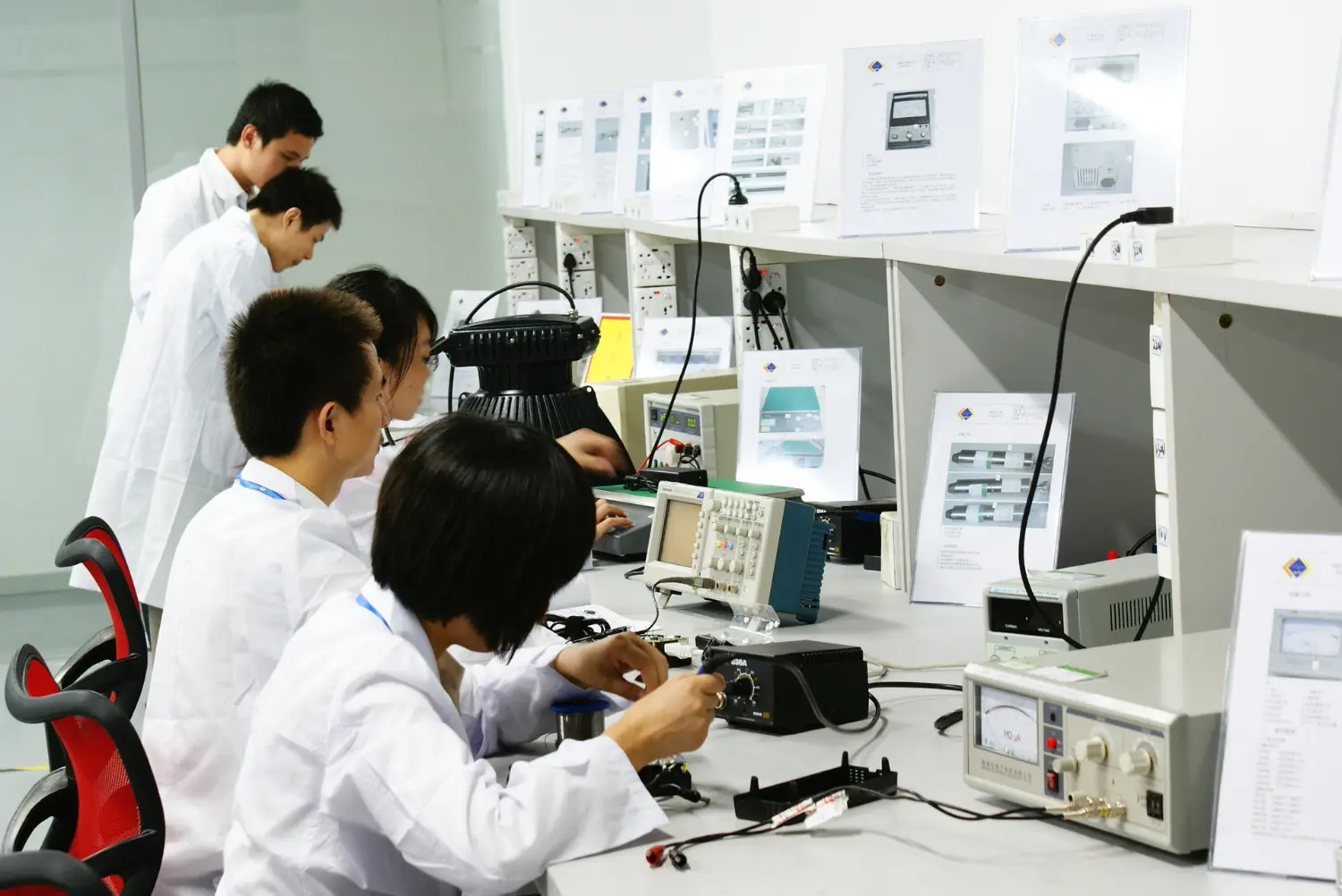
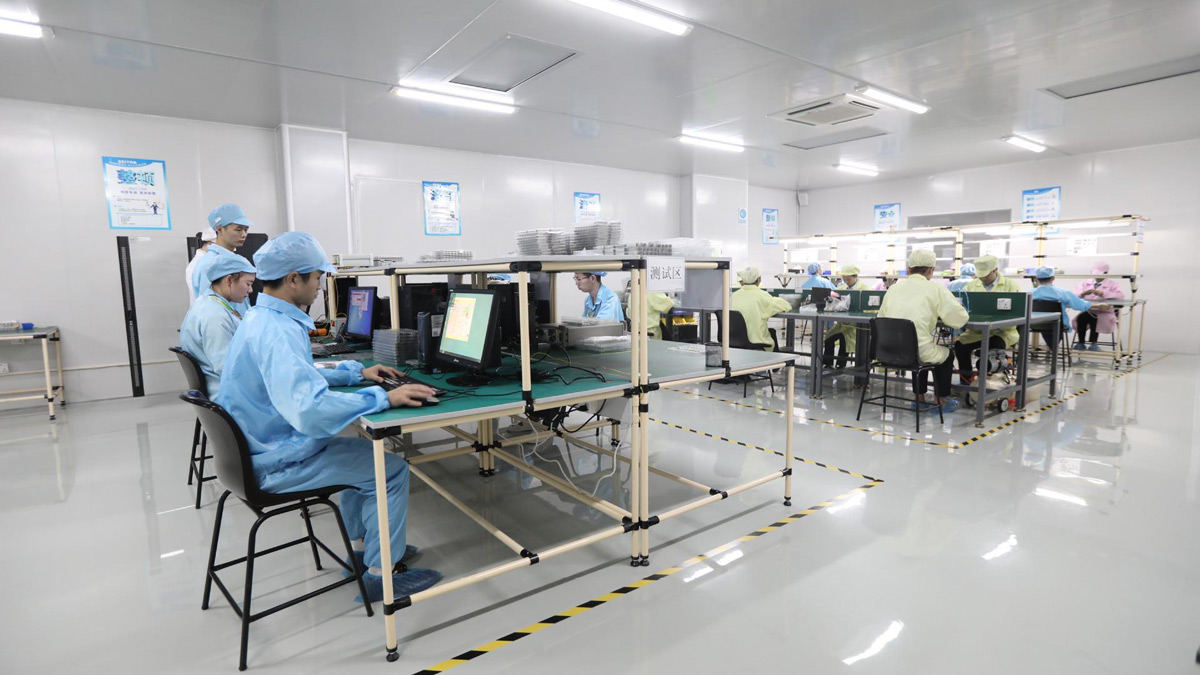
Production Facility & Testing Operations

Every device undergoes strict physical, software, and environmental testing before global distribution.
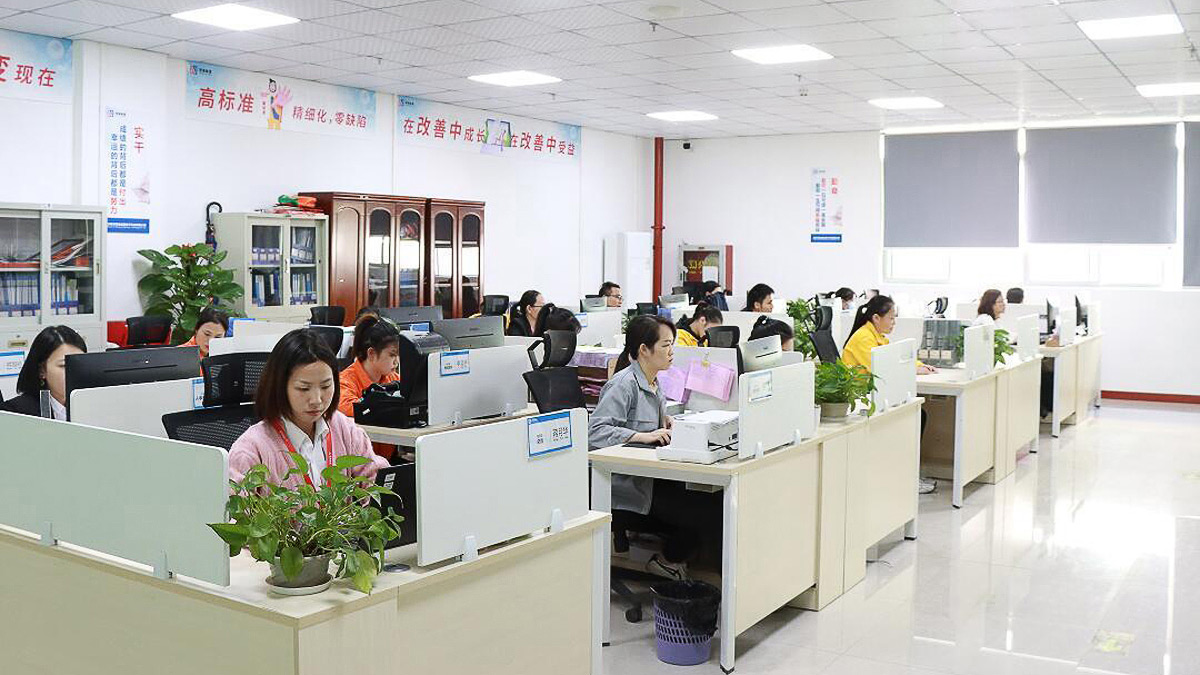
Soras Technology Main Office Facility
Corporate HQ & R&D Office
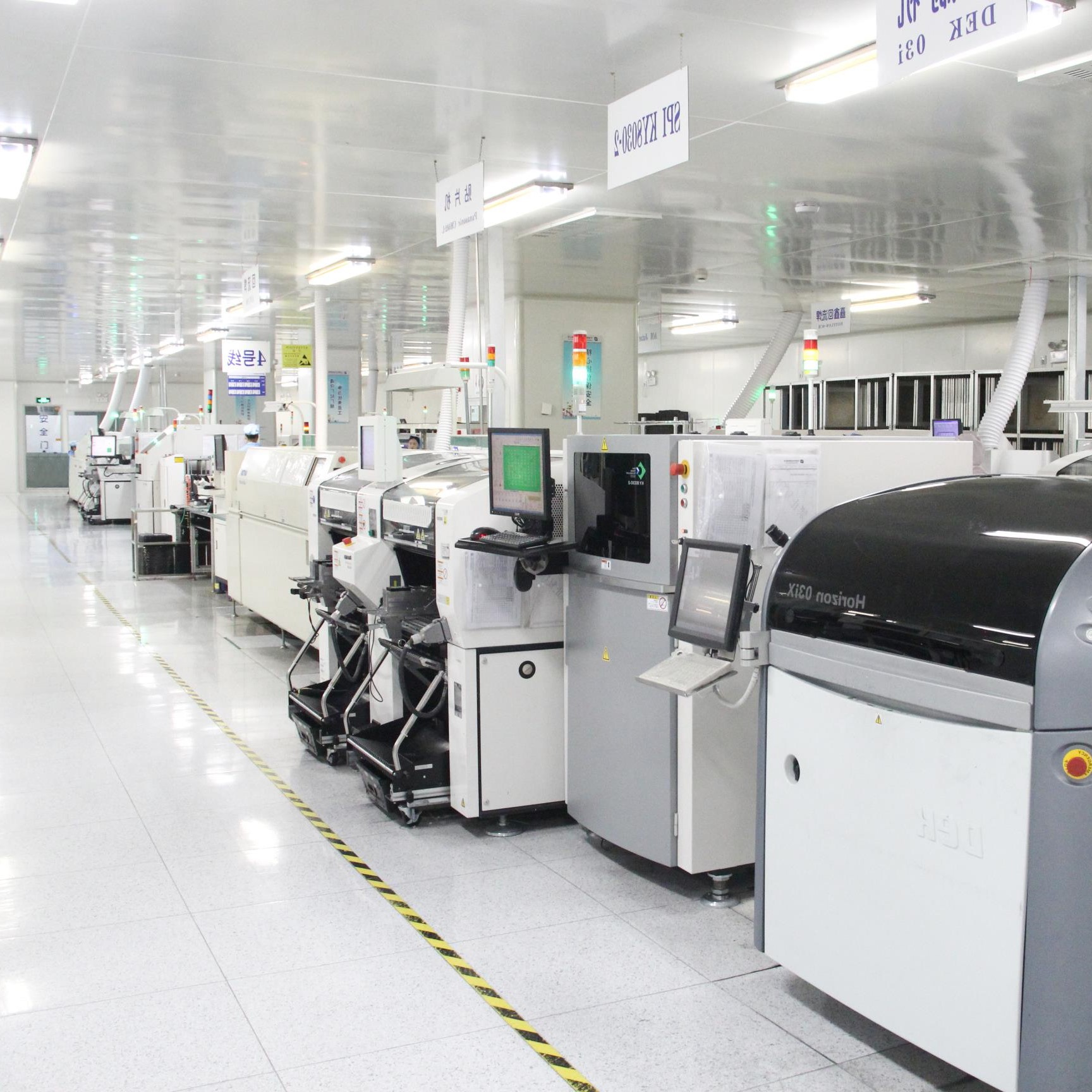
Production Workshop Overview
State-of-the-Art Factory Floor
Assembly Floor Entrance
SMT Line
SMT Line (Surface Mount Technology)
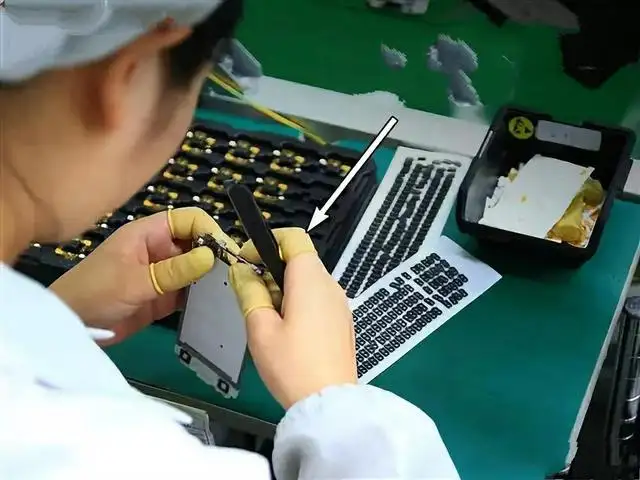
QC line
QC Line (Quality Control Inspection)
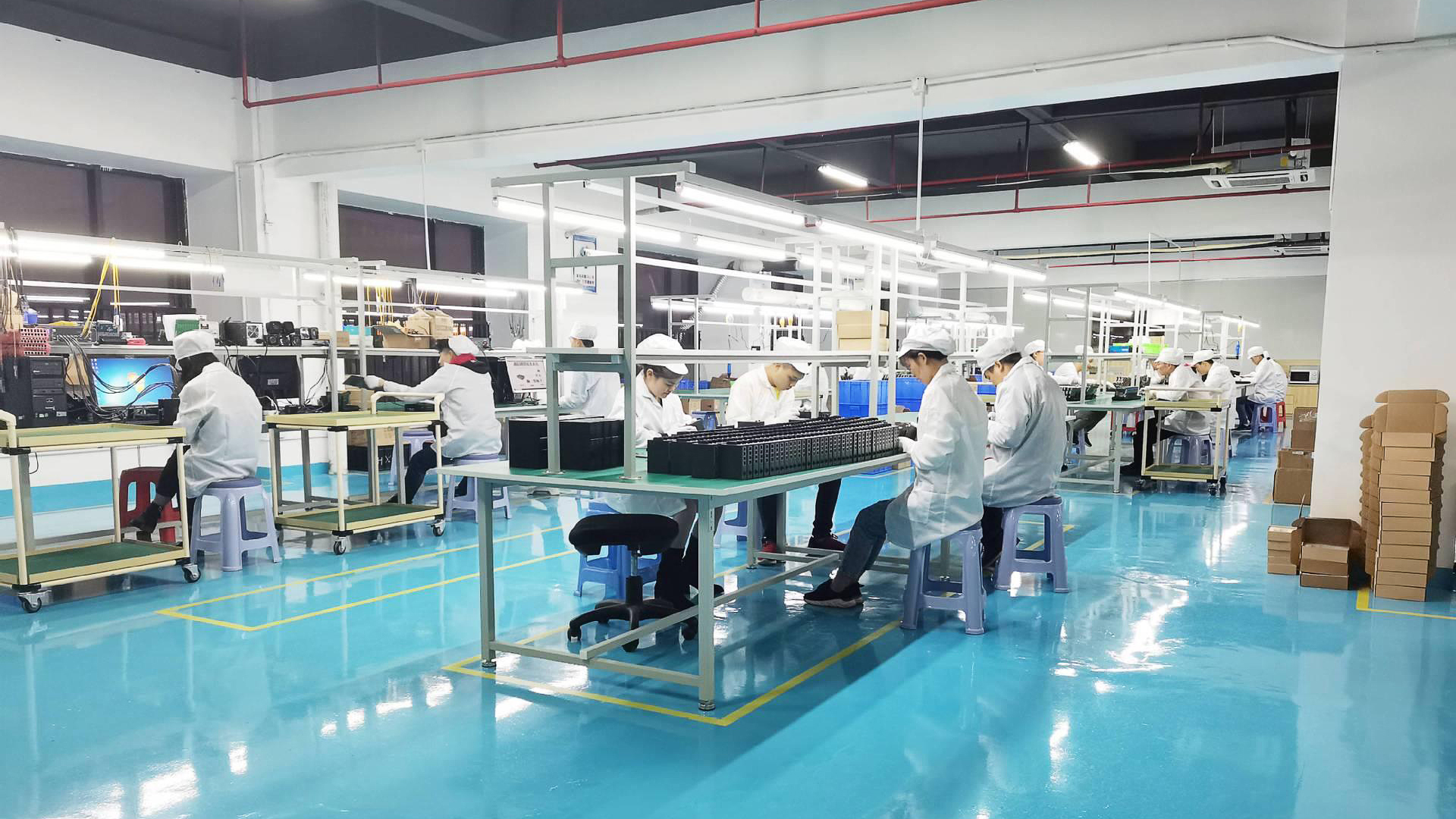
Assembly line
Assembly Line (Manual Tuning & Housing)
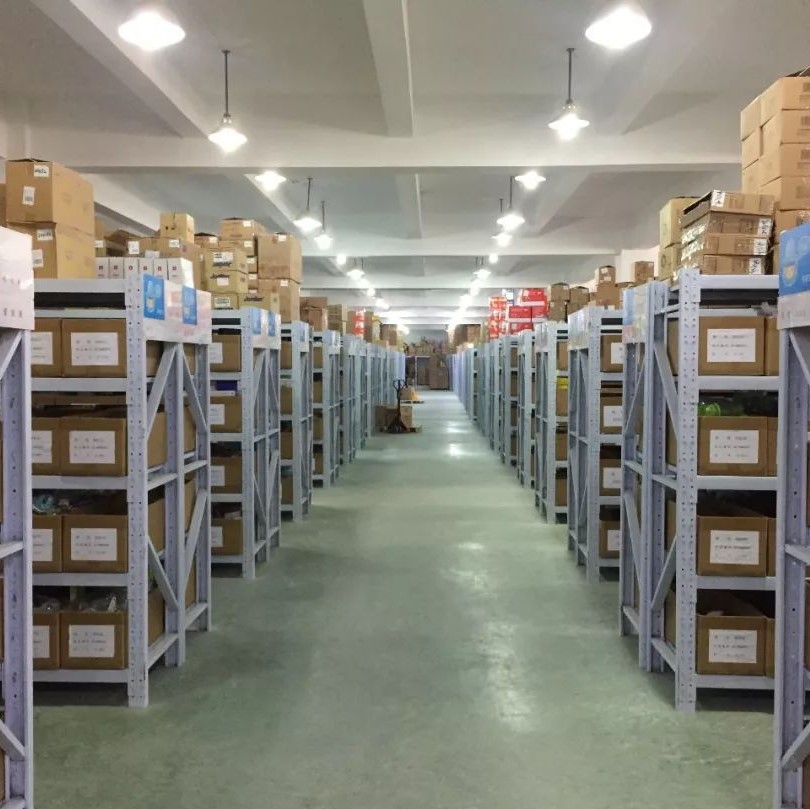
Warehouse
Warehouse (Completed Goods Control)
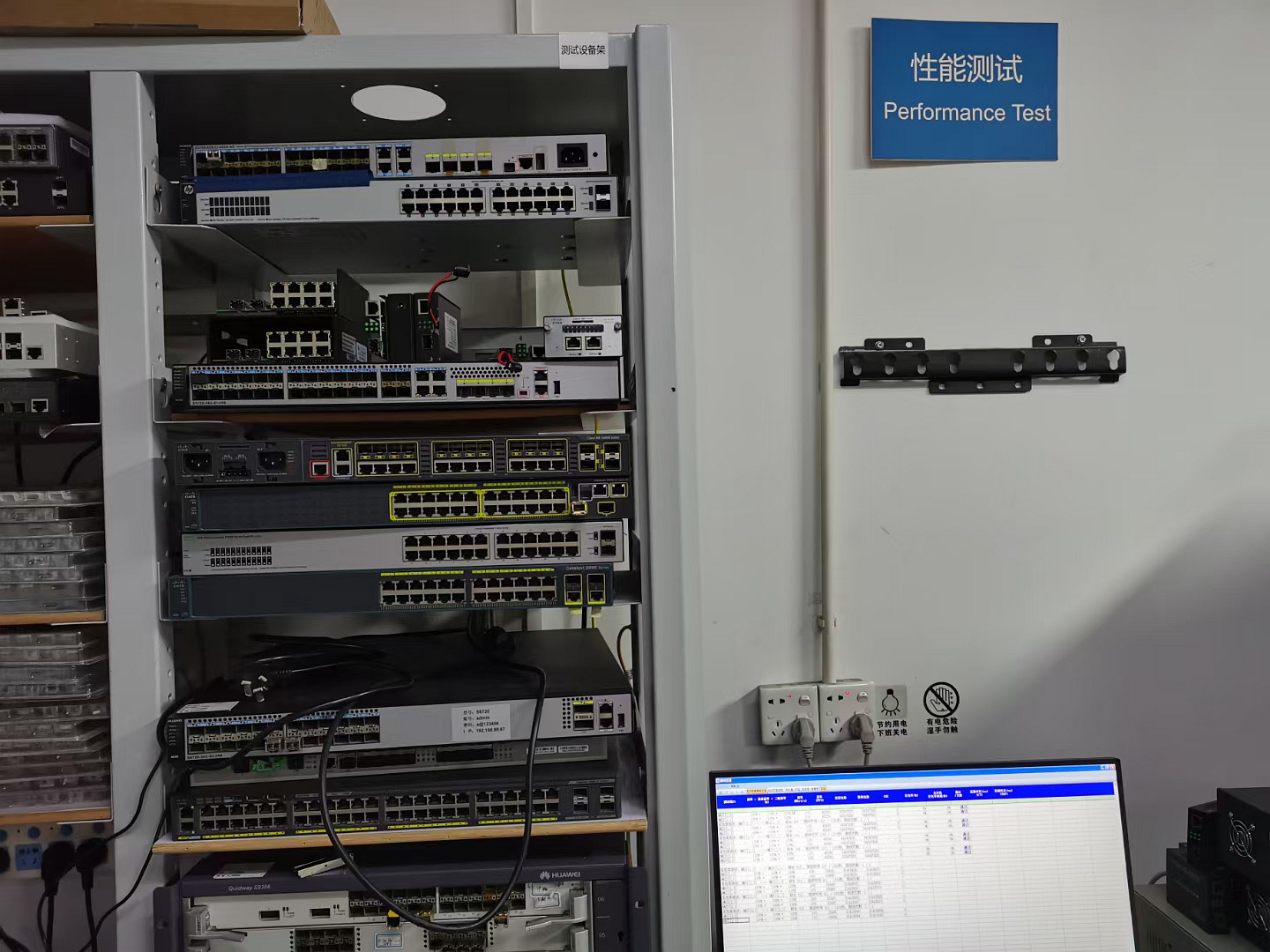
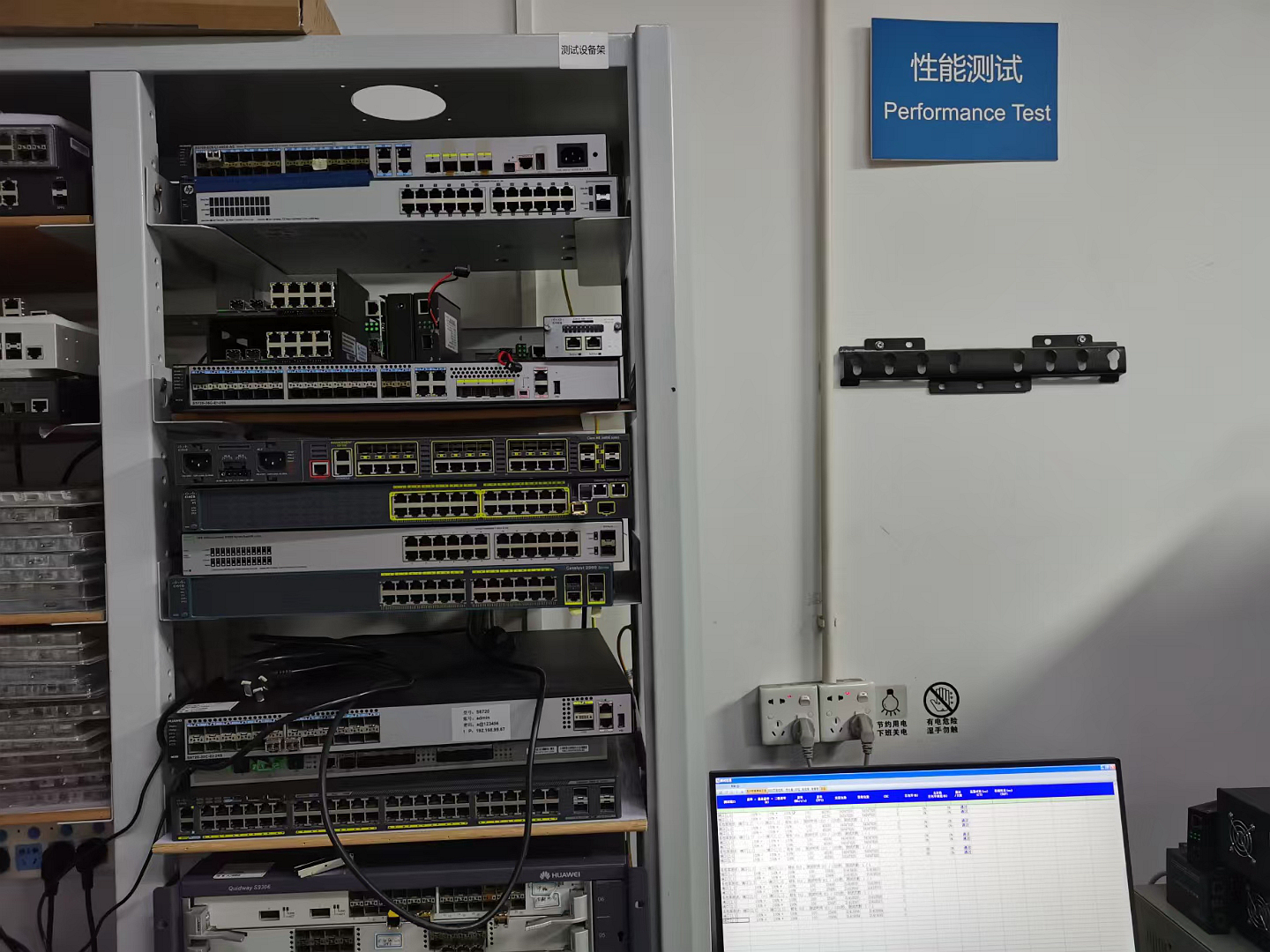
simulation test
Simulation Test (Network Load Analysis)
ERROR TEST
ERROR TEST (Bit Error Rate Testing)
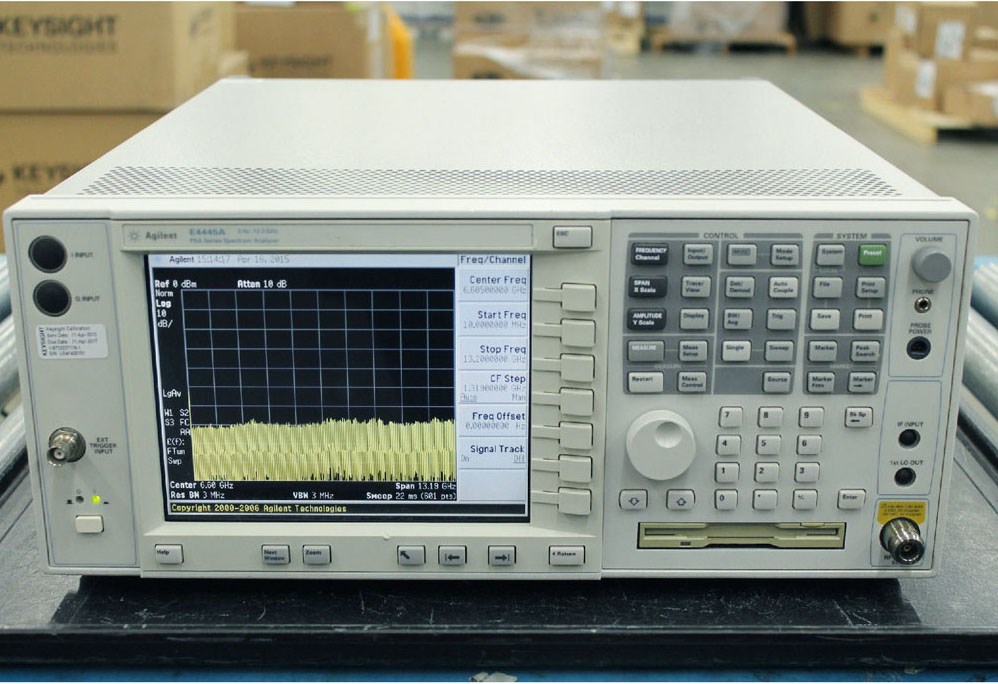
Wifi CALIBRATION
Wifi CALIBRATION (Signal Verification)
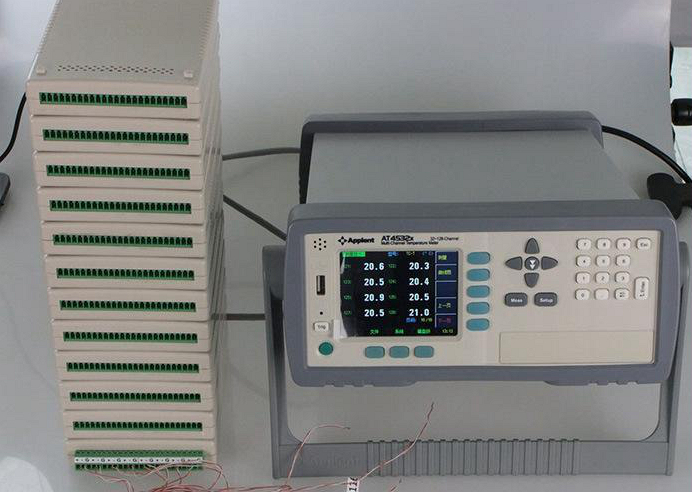
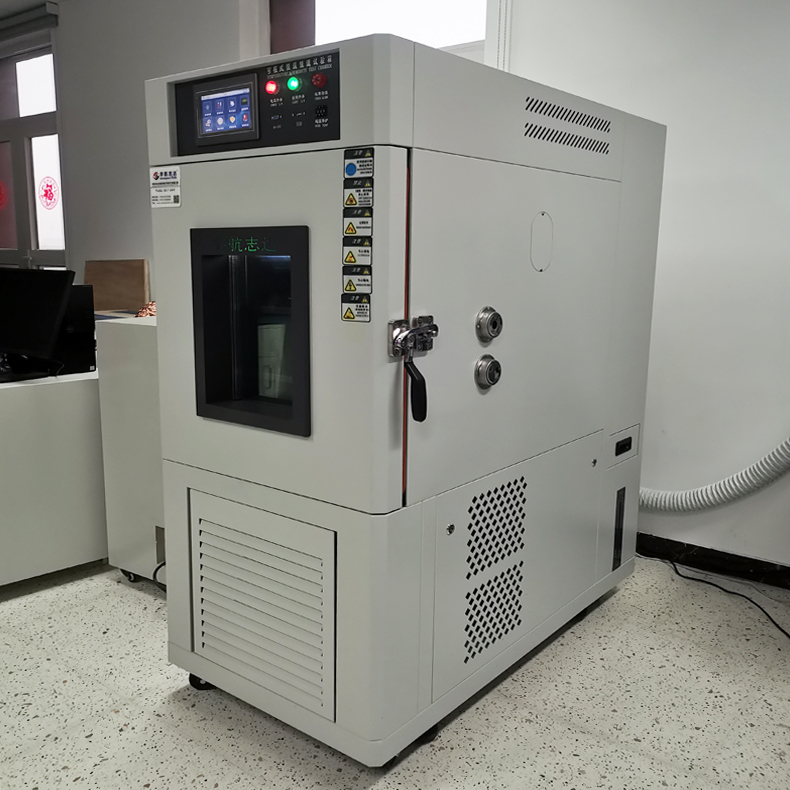
H-L TEMPERATURE
H-L TEMPERATURE (High/Low Temp Stress Test)
SIMULATION TEST
SIMULATION TEST (Full-Load Packet Traffic Test)
FUNCTIONAL TEST
FUNCTIONAL TEST (I/O Port Integrity Verification)

Technological Roadmap & Next-Gen Optical Fiber Convergence

As enterprise architectures move towards 10Gbps, 40Gbps, and 100Gbps backbones, the technology roadmap for media conversion and multi-port switching centers on several key innovations:

  • Silicon Integration: Modern PHY and L2 switch engines are shifting towards low-power, high-integration SOCs (System on Chips). This reduces device heat output and supports fanless operation in small, unventilated outdoor enclosures.
  • SDN and Managed Interfacing: Managed media switch units now feature web-based graphical user interfaces, SNMP (Simple Network Management Protocol) integration, and CLI control. This enables remote port configurations, real-time traffic statistics, and automated port alerts, minimizing the need for manual on-site troubleshooting.
  • Green Ethernet Implementations: Newer switches support IEEE 802.3az Energy Efficient Ethernet. When data traffic is idle, port power is scaled down, saving energy in large networks like Smart City monitoring arrays or corporate campus LANs.

Technical Q&A & Expert Troubleshooting Guide

1. What is the primary difference between a Fiber Media Converter and an Optical Fiber Ethernet Switch? +
A standard Fiber Media Converter is a physical layer (L1) device designed to convert electrical copper signals (RJ45) to optical light pulses (Fiber SC/FC/ST/SFP) without processing the data. An Optical Fiber Ethernet Switch is a data link layer (L2) or Layer 3 device that reads the MAC addresses of incoming packets and forwards them to specific ports. The switch supports features like VLAN tagging, port aggregation, and network management, making it suitable for more complex network topologies.
2. How does Link Fault Pass-Through (LFP) improve network reliability? +
Under normal operations, if a fiber cable is severed, the media converter's copper connection to the local switch remains active. The connected switch is unaware of the broken link and continues trying to send packets over the failed path. Link Fault Pass-Through (LFP) solves this by monitoring both the optical and copper connections. If the optical link drops, the converter automatically disables the copper port, prompting the switch's routing protocols (like RSTP) to reroute data via redundant paths.
3. What are the key advantages of using Wavelength Division Multiplexing (WDM) converters? +
Wavelength Division Multiplexing (WDM) allows bidirectional data transmission over a single optical fiber strand by using two different wavelengths (usually 1310nm for transmitting and 1550nm for receiving). This effectively doubles the capacity of existing fiber infrastructure, reduces optical fiber cabling costs by half, and simplifies installation compared to traditional dual-fiber systems.
4. Why are commercial-grade media converters unsuitable for outdoor deployment cabinets? +
Commercial-grade media converters are designed for indoor environments and typically operate from 0°C to 50°C. They rely on active fan cooling and lack robust protection against electromagnetic interference (EMI). Industrial-grade media converters feature fanless, IP40-rated aluminum housings, operate across a wide temperature range (-40°C to +85°C), and incorporate high-level ESD protection (e.g., 6KV or 8KV contact discharge) to withstand lightning surges and fluctuating voltages.
5. What electrical standards must a PoE switch satisfy for surveillance camera integration? +
A PoE switch should comply with IEEE 802.3af (PoE, up to 15.4W per port) or IEEE 802.3at (PoE+, up to 30W per port) standards to power standard IP cameras. For advanced PTZ (Pan-Tilt-Zoom) cameras with integrated heaters and blowers, the switch must support IEEE 802.3bt (PoE++, up to 60W or 90W per port). This ensures safe, regulated power delivery without damaging the connected equipment.
6. How does Soras Technology guarantee the quality and lifespan of its products? +
Soras Technology operates under an ISO 9001 certified quality control framework. Each product undergoes a rigorous multi-stage testing process: Automated SMT line verification, optical power calibration, High-Low Temperature environmental chamber testing (-40°C to +80°C stress testing), WiFi calibration, and packet simulation stress tests to verify error-free operation. Products carry UL, CE, FCC, and RoHS markings, ensuring compliance with global import and deployment standards.
All Multi-Port Converter&Switch Products