In the era of hyper-scale data centers, high-performance computing (HPC), and 5G network expansion, the integrity of physical layers is paramount. Fiber optic patch cords, often termed fiber jumpers, serve as the vital arteries connecting high-speed switches, transceivers, and optical distribution frames (ODF). A fraction of a decibel in insertion loss or a minor structural defect can bottleneck a multi-gigabit network.
As a premier global partner in optical connectivity, Shenzhen Soras Technology Co., Ltd. (Soraslink) leverages over a decade of manufacturing experience to engineer premium patch cords and transmission equipment. With strict adherence to ISO 9001, CE, FCC, UL, and RoHS benchmarks, we guarantee optical excellence that meets the ultra-low latency demands of global telecom enterprises.
Understanding the core dynamics of global telecommunications, emerging application demands, and key technological shifts driving high-density patch cord architecture.
Modern mega-scale facilities run on 100G, 400G, and 800G fabrics. Traditional optical fiber paths are shifting toward highly optimized single-mode OS2 and multi-mode OM4/OM5 fiber assemblies with low insertion losses, ensuring error-free transmission across long core loops.
Edge architecture requires small-footprint, bend-insensitive fiber cabling. Our G.657.A2 single-mode patch cords provide ultra-tight bending radii for complex cabinet installations in FTTX micro-nodes, ensuring signal consistency and zero loss in small enclosures.
Harsh industrial environments leverage patch cords wrapped in specialized LSZH (Low Smoke Zero Halogen) or armored outer jackets to resist moisture, extreme temperatures, and chemical exposure, assuring uptime in automated manufacturing operations.
China, particularly Shenzhen, represents the world’s most integrated supply ecosystem for optoelectronic and networking devices. As a manufacturer situated in this global hub, Soraslink leverages unparalleled localization benefits:
Verify our core business operational profile. Built on trust, compliance, and strict international standardizations.
| Property | Details | Property | Details |
|---|---|---|---|
| Business Type | Manufacturer & Exporter | Country / Region | Guangdong, China |
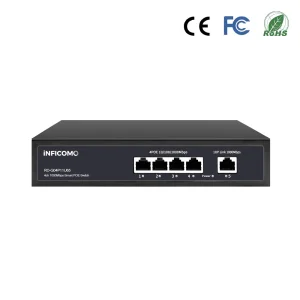
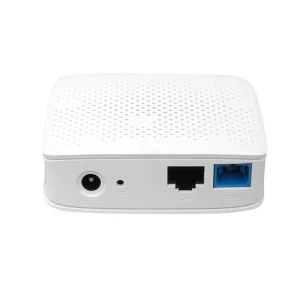
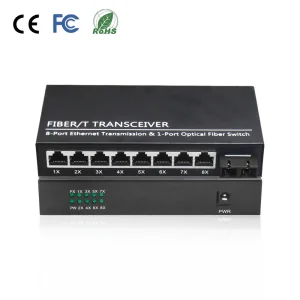
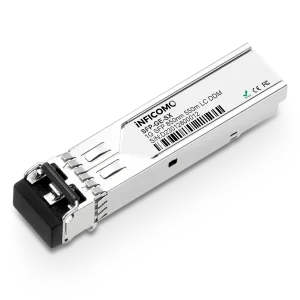
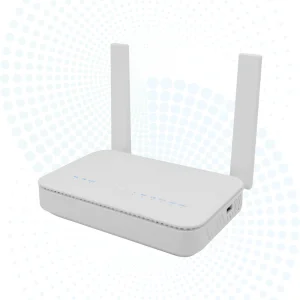
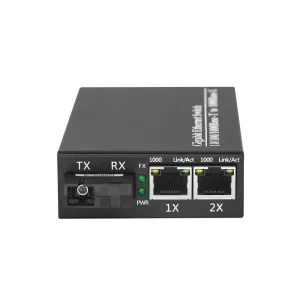
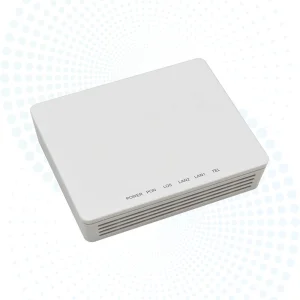
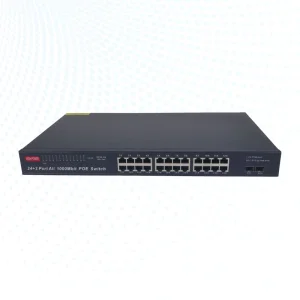
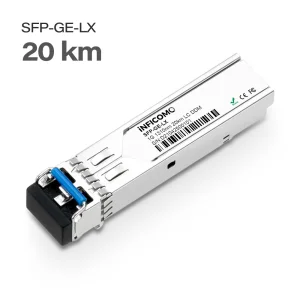
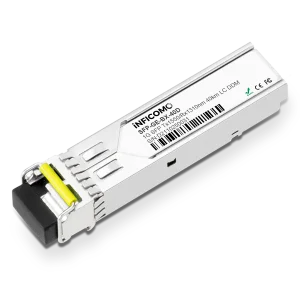
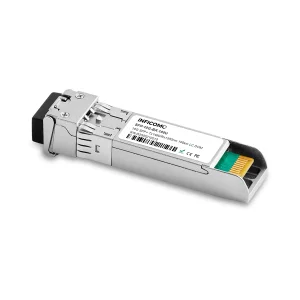
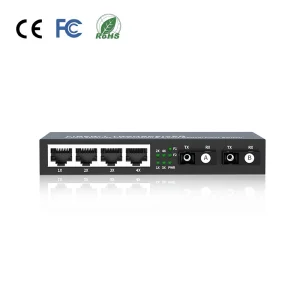
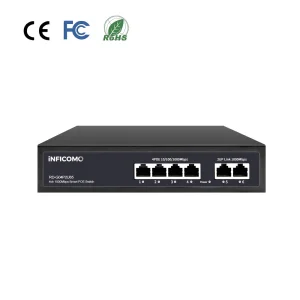
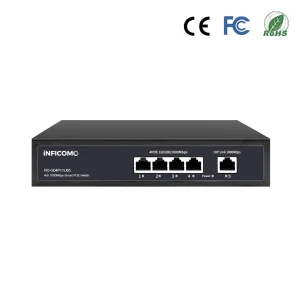
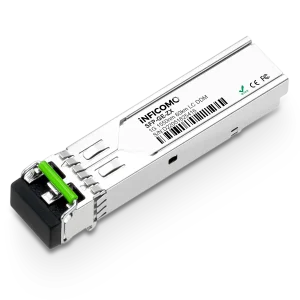
| Main Products | FTTH ONU & OLT, SFP Transceiver Modules, Fiber Media Converters, POE Switches, Custom Fiber Optic Equipment & Patch Cords | Total Employees | 11 - 50 Professional Engineers & Operators |
| Total Annual Revenue | US$5 Million - US$10 Million | Year Established | 2021 |
| Compliance Certificates | ISO 9001, UL, CE, FCC, RoHS Compliant | Key Markets | Domestic Market (24%), Eastern Asia (15%), North America (15%), Europe, South America |
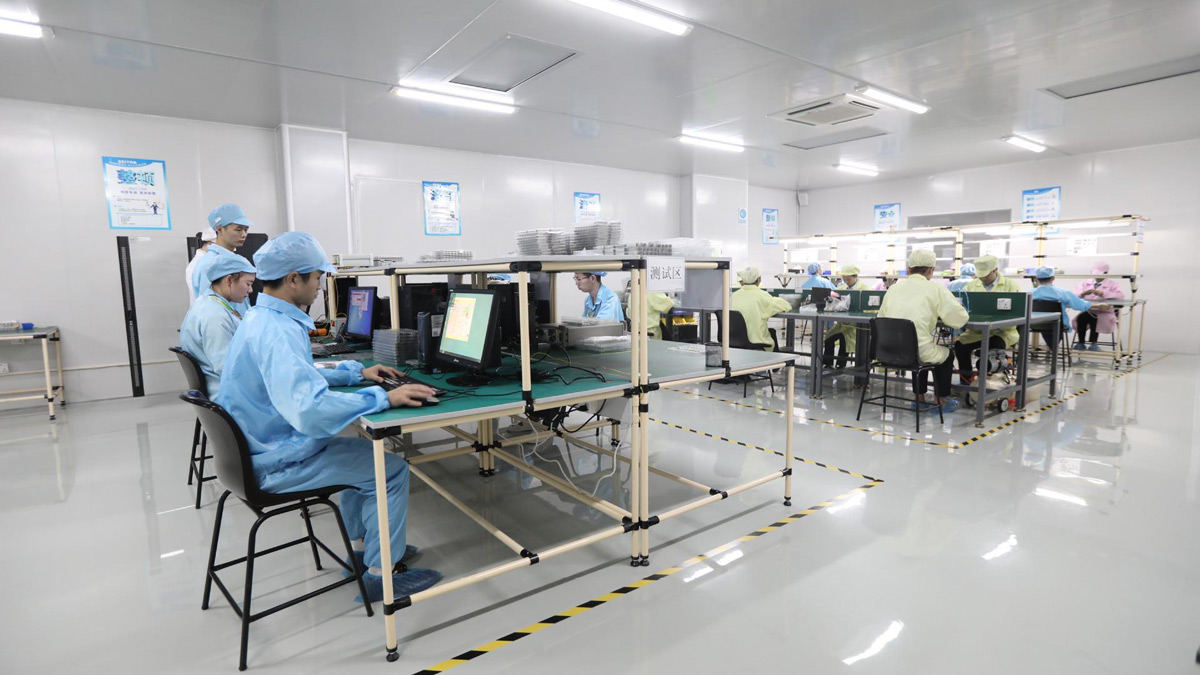
At Soraslink, every patch cord assembly and optical transmission unit passes through rigorous testing, including high-precision fiber geometry inspections, functional validation, and environmental testing.
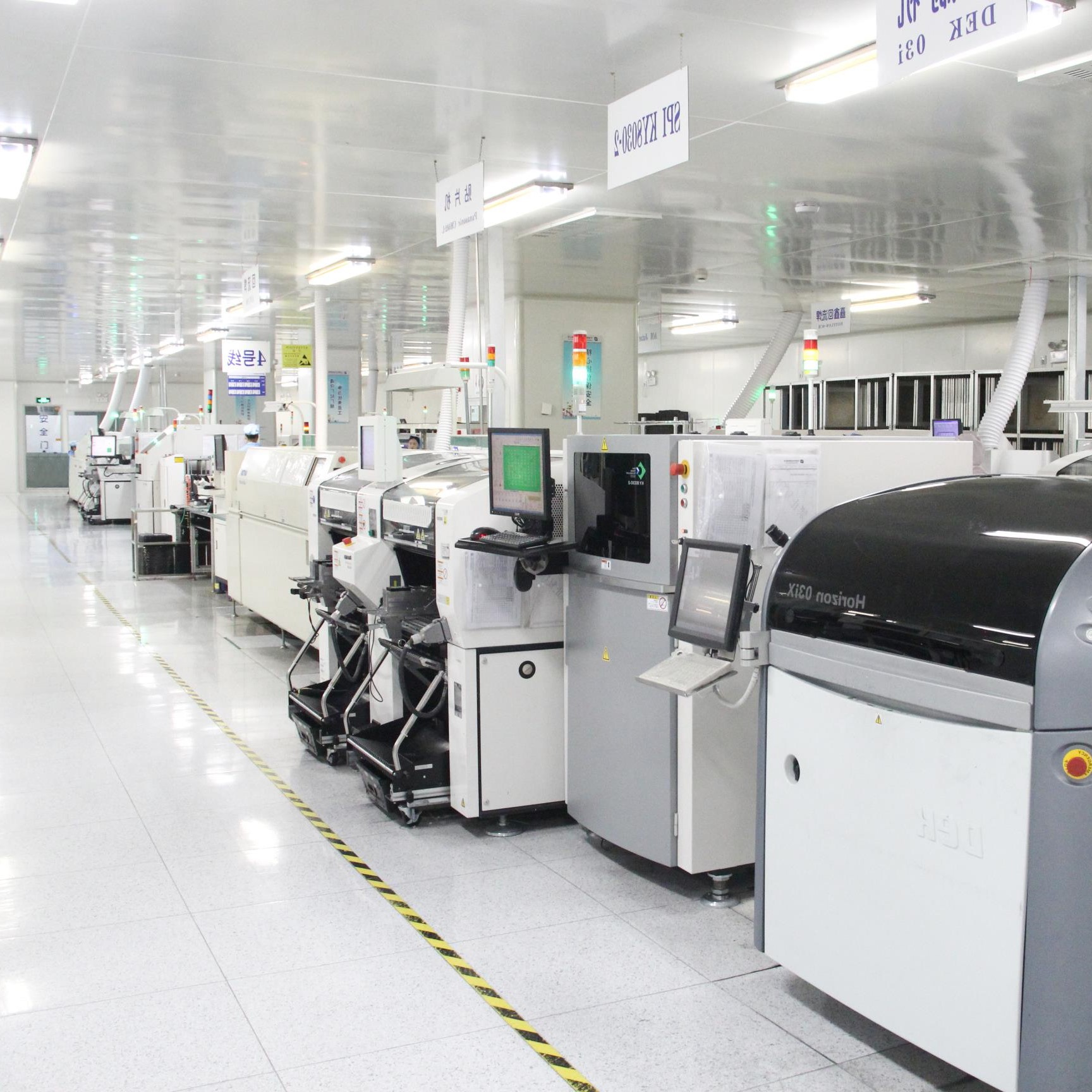
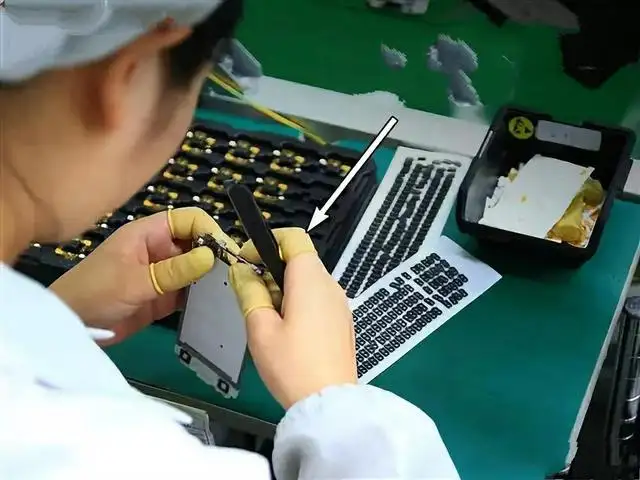
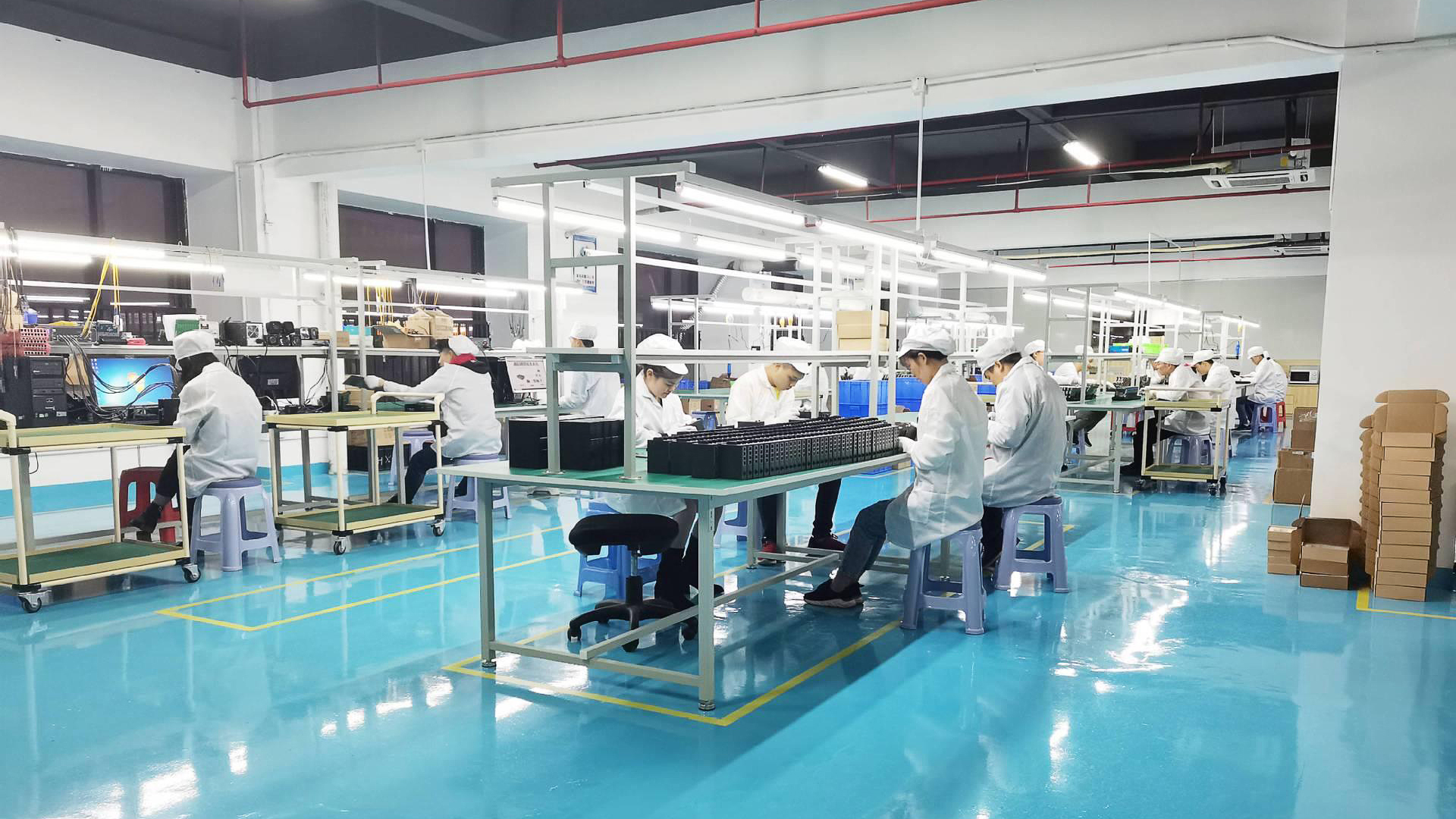
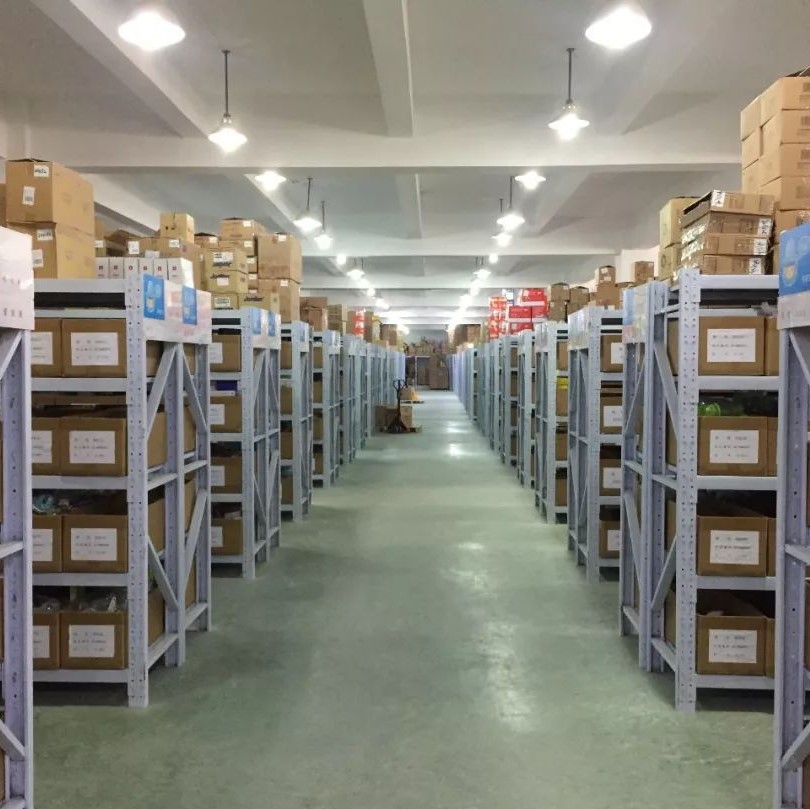
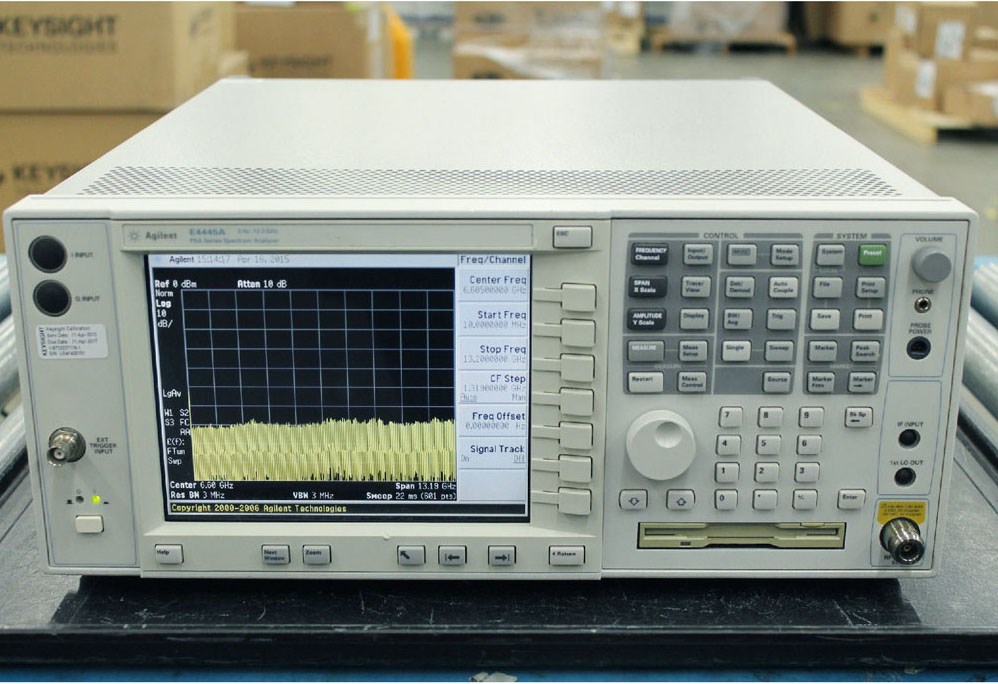
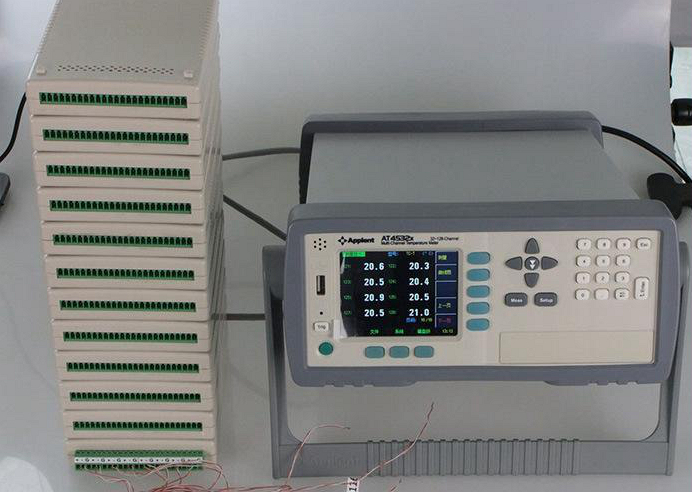
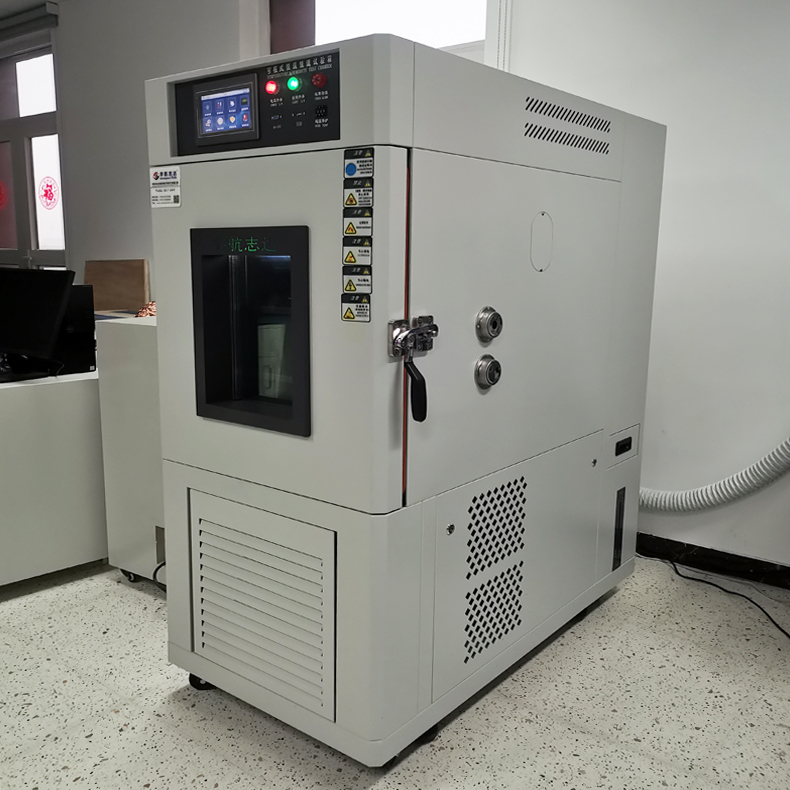
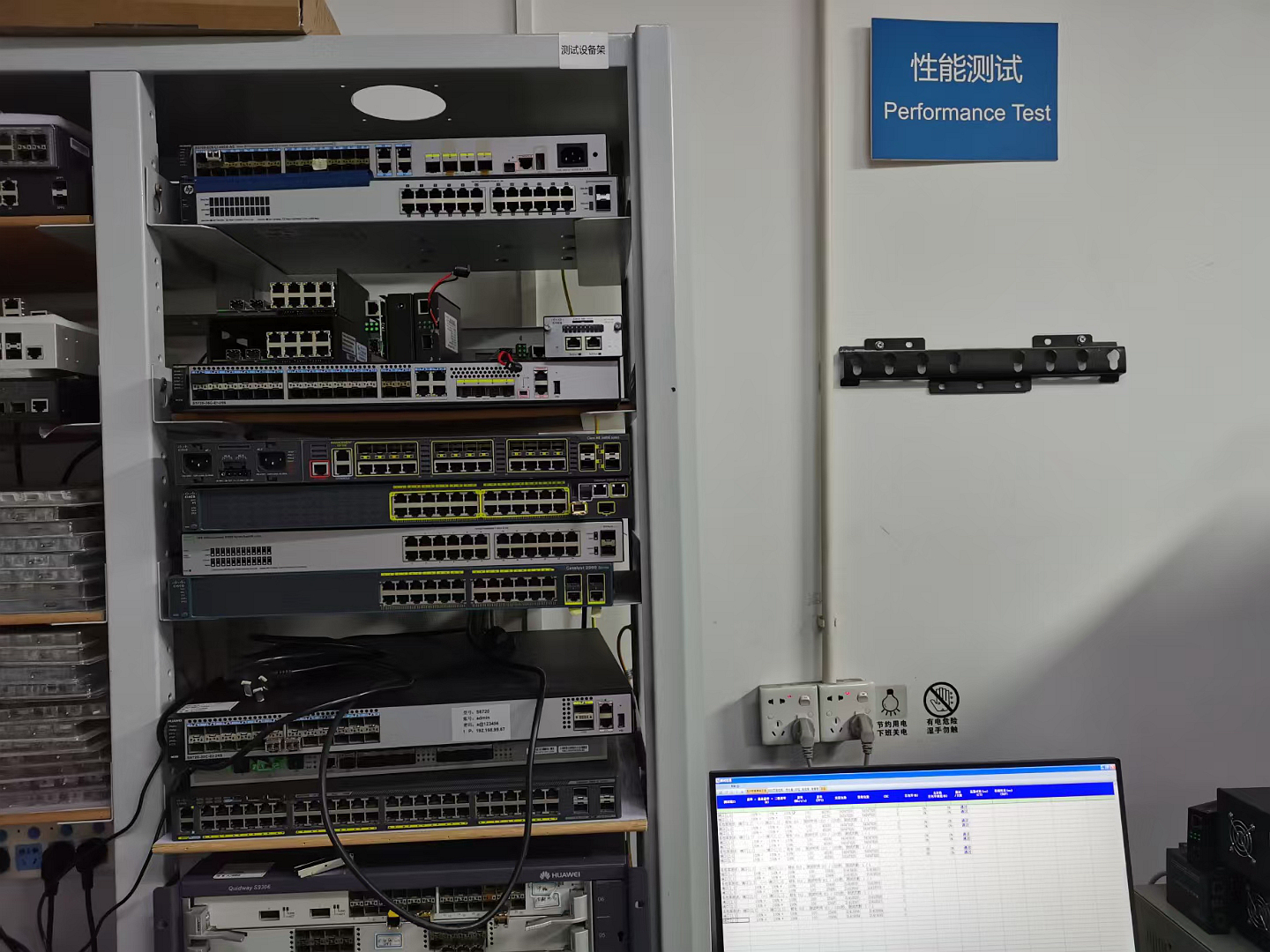
Each fiber optic assembly is subjected to strict 3D interferometer measurements to calculate fiber core geometries, apex offset, fiber height, and radius of curvature. We ensure that our patch cords exhibit insertion loss of ≤ 0.2dB and return loss of ≥ 50dB (UPC) and ≥ 60dB (APC) across all configurations. Active components such as SFP modules and ONUs undergo real-time simulation, temperature cycling chamber checks, and functional bandwidth validation tests to secure maximum field reliability.
System integrators and procurement managers must evaluate several technical criteria beyond physical length. A comprehensive breakdown includes:
Select Single-mode OS2 (9/125μm) for long-haul networks up to 10km-80km. Select Multi-mode OM3, OM4, or OM5 (50/125μm) for high-density, short-reach applications within datacenter rows where VCSEL laser-optimized channels are utilized.
Determine whether your transceivers require LC, SC, FC, or ST connections. Verify polish profiles: UPC (Ultra Physical Contact, blue) for standard telemetry, and APC (Angled Physical Contact, green) at an 8-degree slant to prevent back-reflections in high-power analog links and FTTH.
For compliance with local safety directives, specify LSZH (Low Smoke Zero Halogen) to reduce toxic gas release in poorly ventilated areas, or plenum-rated OFNP jackets to provide vertical column flame retardancy in plenum spaces.
A reliable manufacturing partner must customize breakout lengths, outer diameters (0.9mm, 2.0mm, 3.0mm), jacket color codes, and fiber counts (simplex, duplex, multi-fiber trunks like MTP/MPO) based on your structural layouts.
Get direct answers regarding fiber patch cord technology, compatibility, industrial certifications, and optimization guidelines.
 Soras Tech