Empowering telecom operators and system integrators with professional-grade stripping, splicing, and optical transmission technologies designed to maximize link budgets and minimize insertion loss.
In the rapidly evolving landscape of telecommunications, the transition to high-capacity optical networks (FTTH, FTTB, FTTX) demands absolute precision at the physical layer. Shenzhen Soras Technology Co., Ltd. stands at the forefront of this digital evolution. With over a decade of technological refinement, we design, manufacture, and export high-performance optical transmission components and heavy-duty hand tools. Our products ensure that network field technicians can perform seamless core-alignment prep work and active device installations, reducing installation time while safeguarding optical link budgets against microbends and connector contamination.
Whether you are executing a dense urban fiber drop or building long-haul distribution networks, the reliability of your physical connection hinges on the quality of your installation tools and transceivers. By combining industrial-grade materials with strict manufacturing tolerances, our range of fiber optic strippers, Kevlar cutters, GPON/XPON active ONUs, and SFP transceiver modules helps operators reduce network maintenance costs and optimize quality of service (QoS) across global markets.
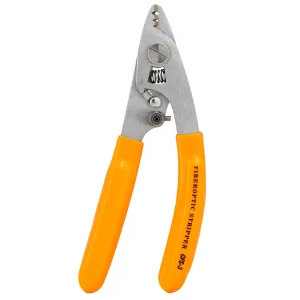
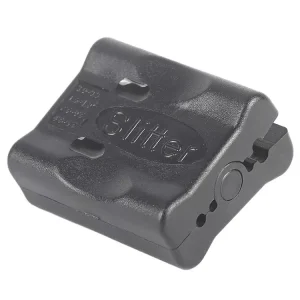
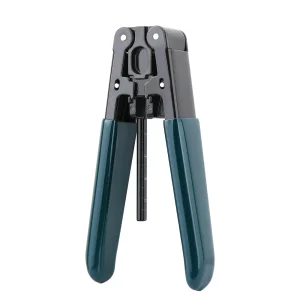
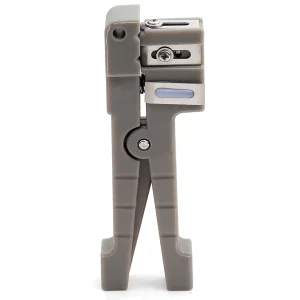
Professional field tools optimized for outer jacket removal, buffer tube slitting, and high-tensile Kevlar cutting without damaging critical glass cores.
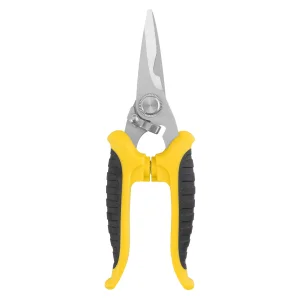
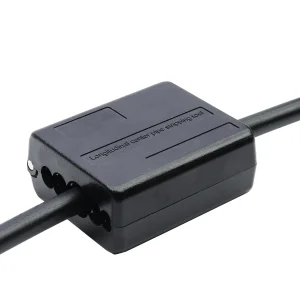
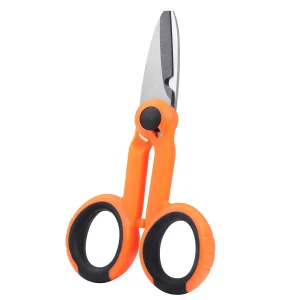
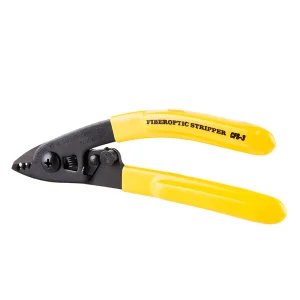
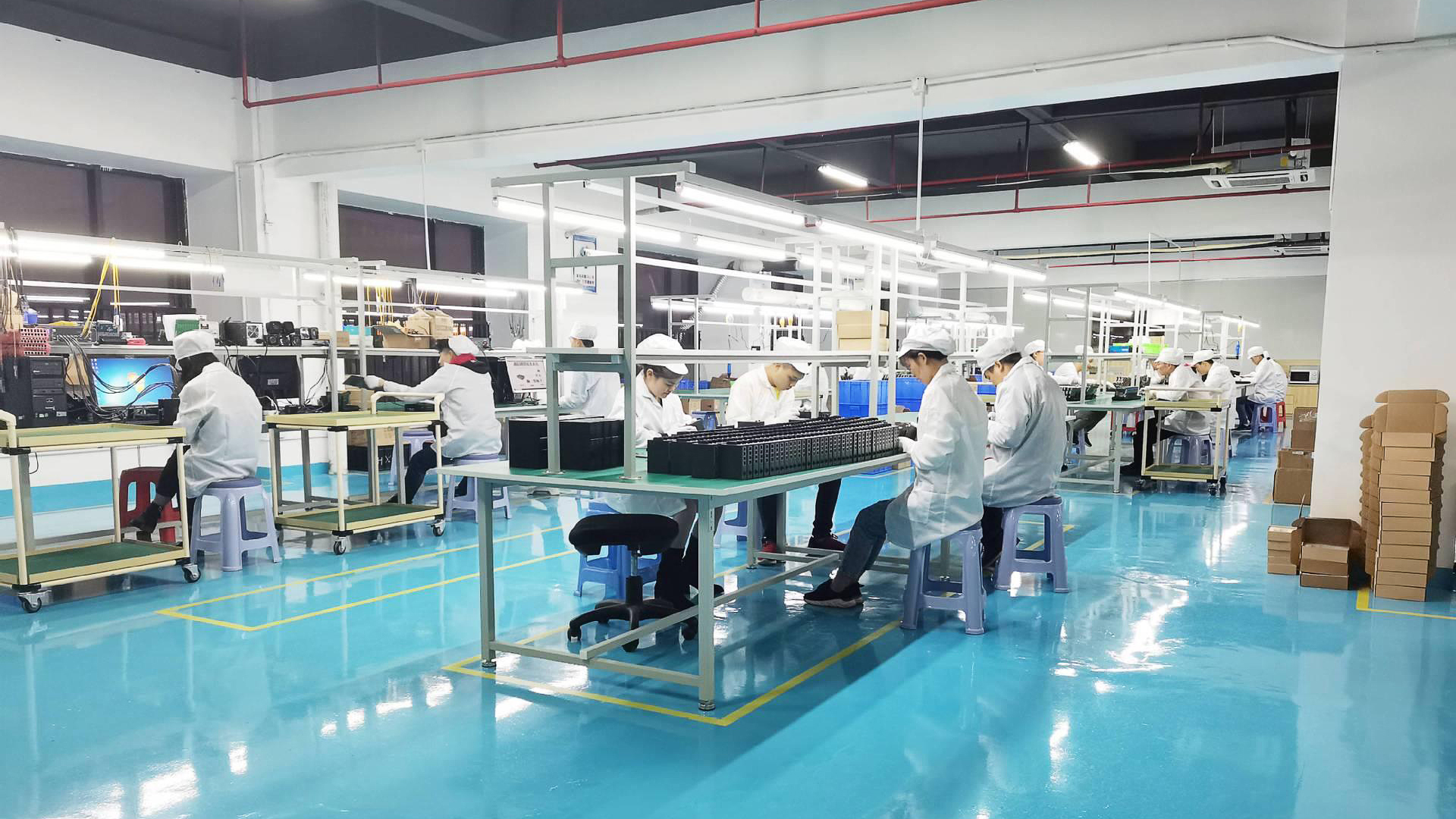
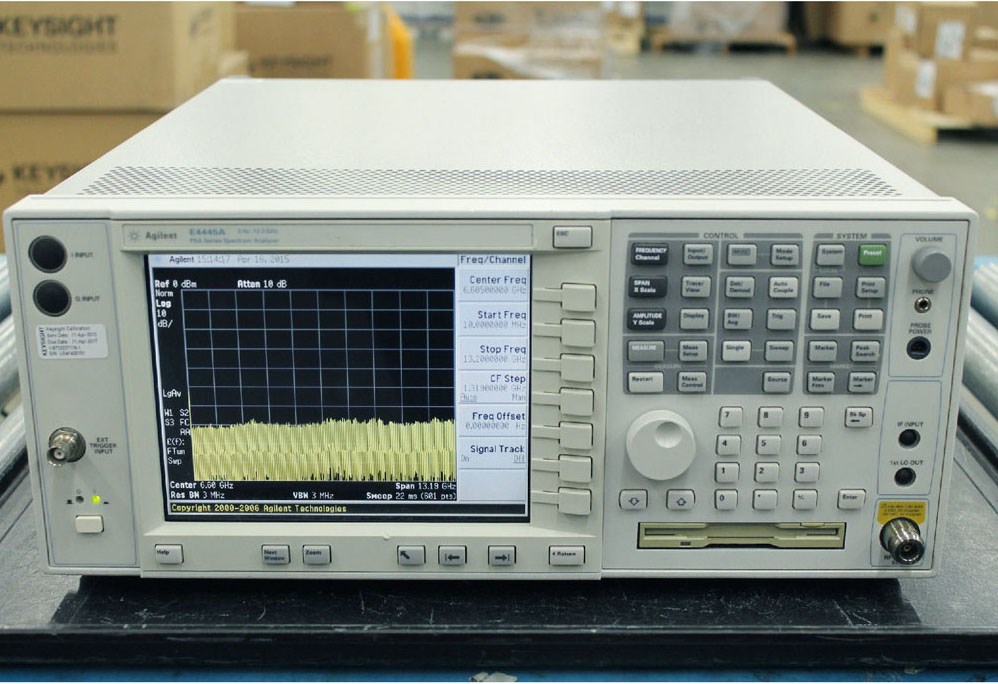
Inside our high-tech manufacturing center in Shenzhen, Guangdong, combining automated SMT lines with exhaustive environmental and radiofrequency stress tests.

Our manufacturing facility operates under strict ISO 9001:2015 standards to guarantee high yields and long-term hardware reliability. Shenzhen Soras Technology integrates advanced SMT (Surface Mount Technology) assembly lines that process dense PCBA designs for active optical equipment like ONUs, Media Converters, and SFP transceivers. SMT automation allows us to control component placement precision, reducing parasitic inductance and signal degradation in high-frequency RF networks.
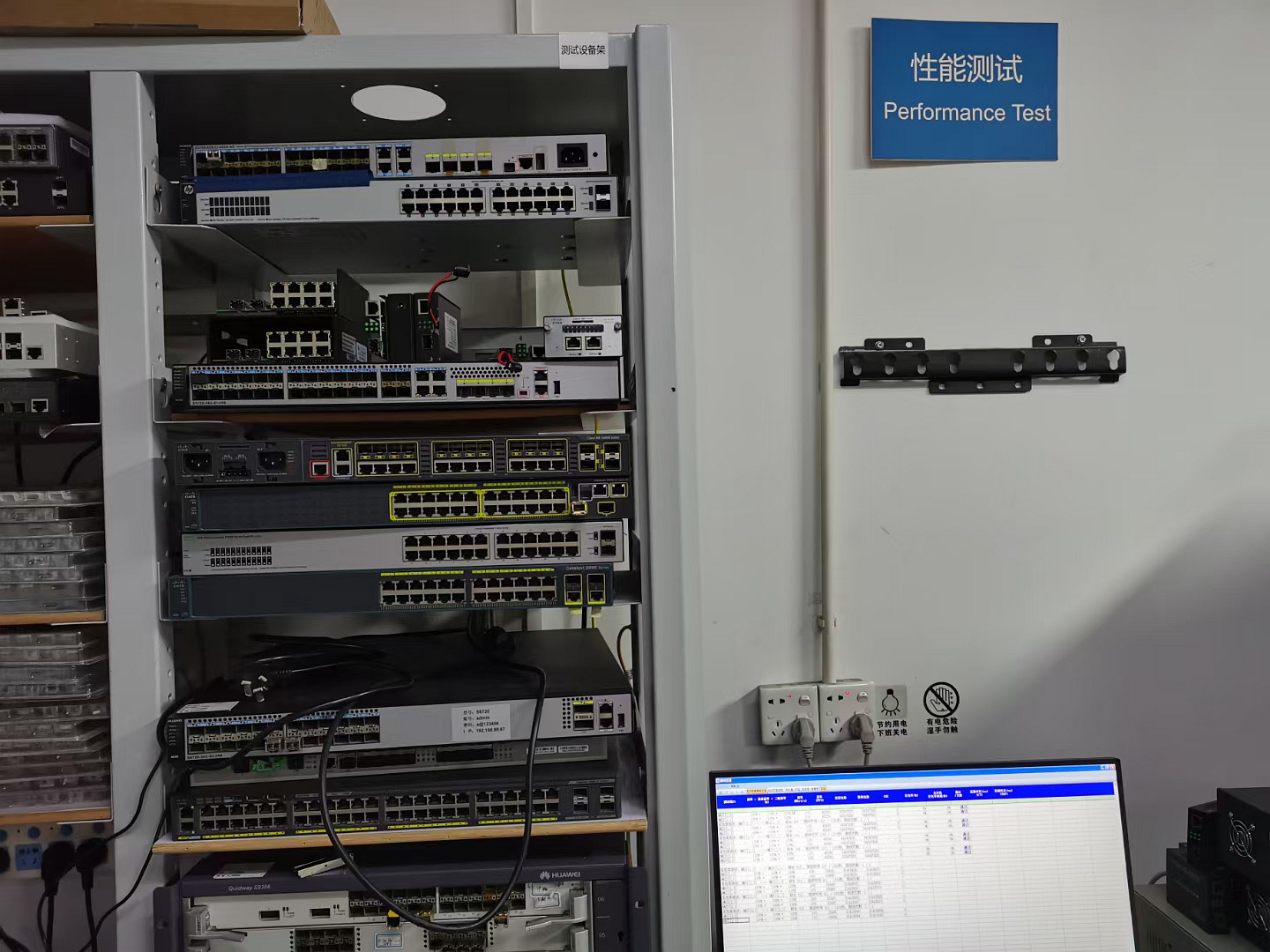
Quality assurance at Soras is not merely a post-production check; it is a multi-stage process. Every batch undergoes automated optical inspection (AOI), followed by manual checking along the QC Line. Active modules such as our XPON ONUs undergo specific calibration regimens: Wi-Fi Calibration ensures optimal transmit power and receiver sensitivity across 2.4GHz and 5GHz dual bands, while High-Low Temperature tests subject components to thermal stress cycling. This step ensures stable operation under severe ambient conditions, preventing network outages due to outdoor temperature swings.
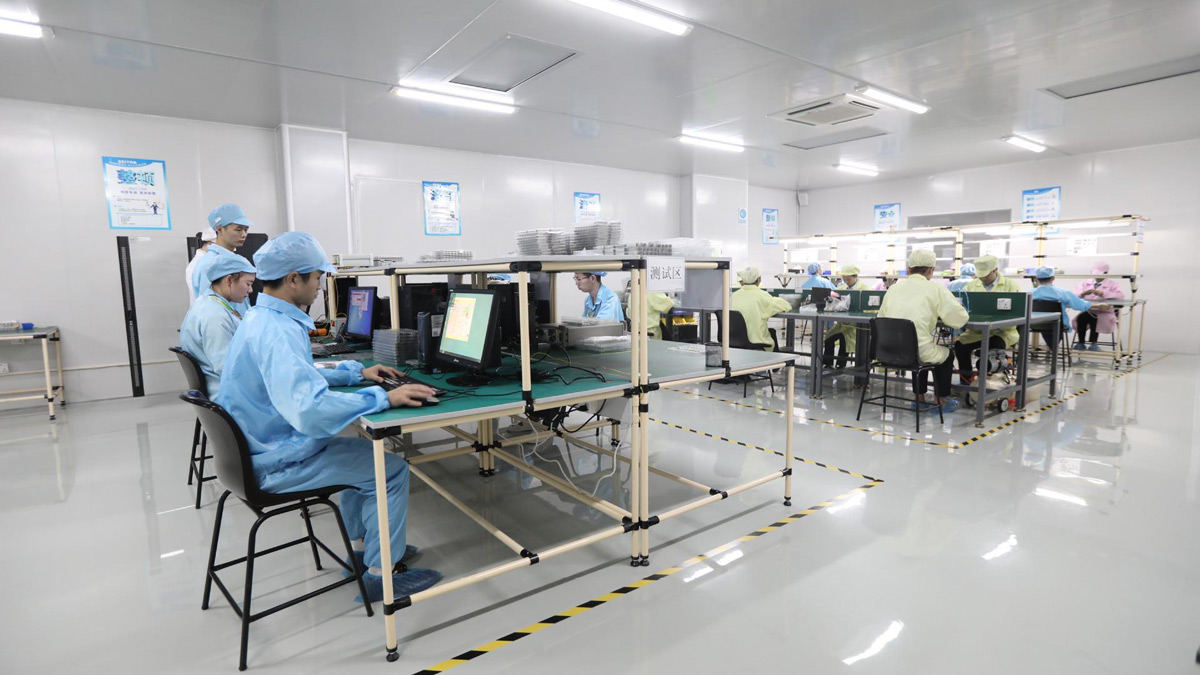
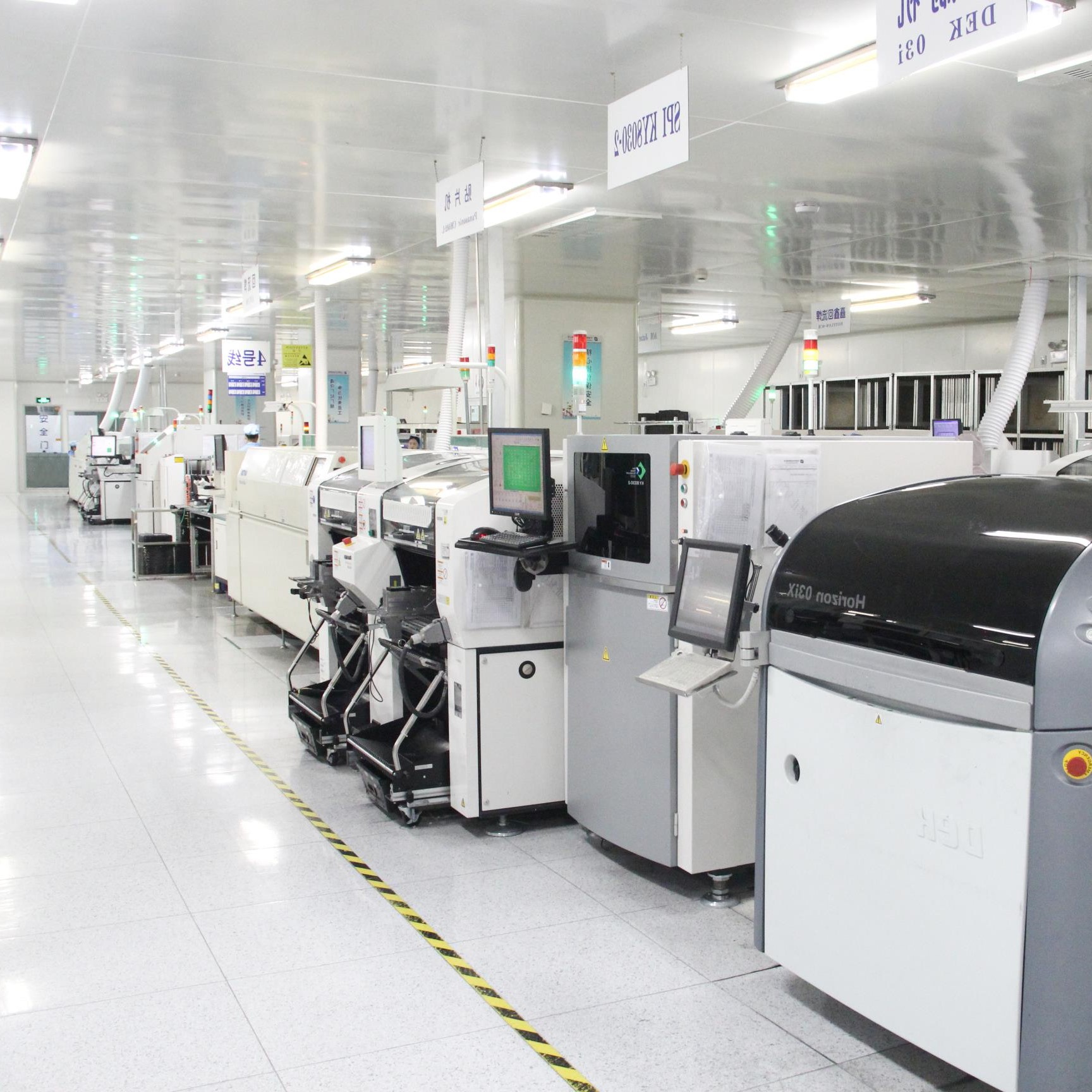
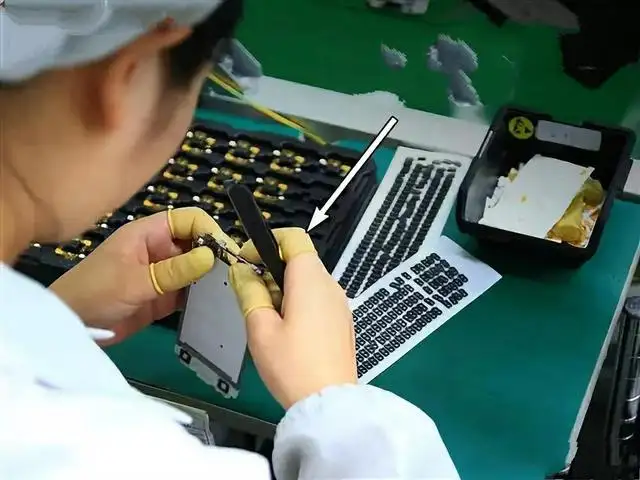
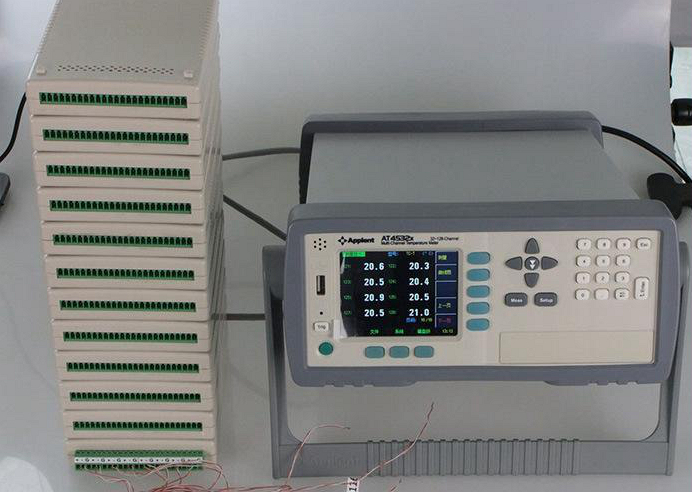
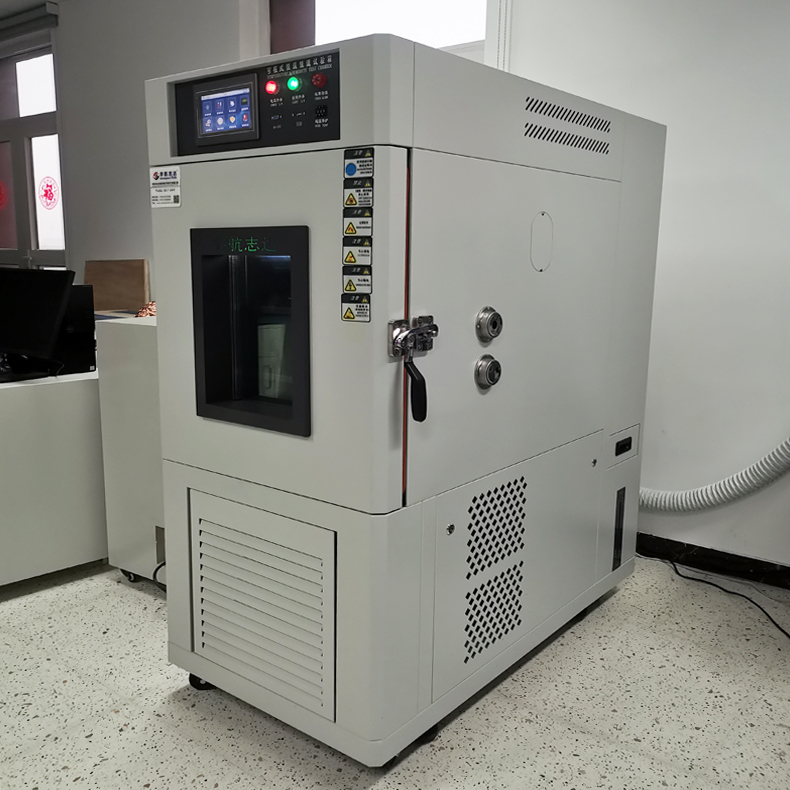
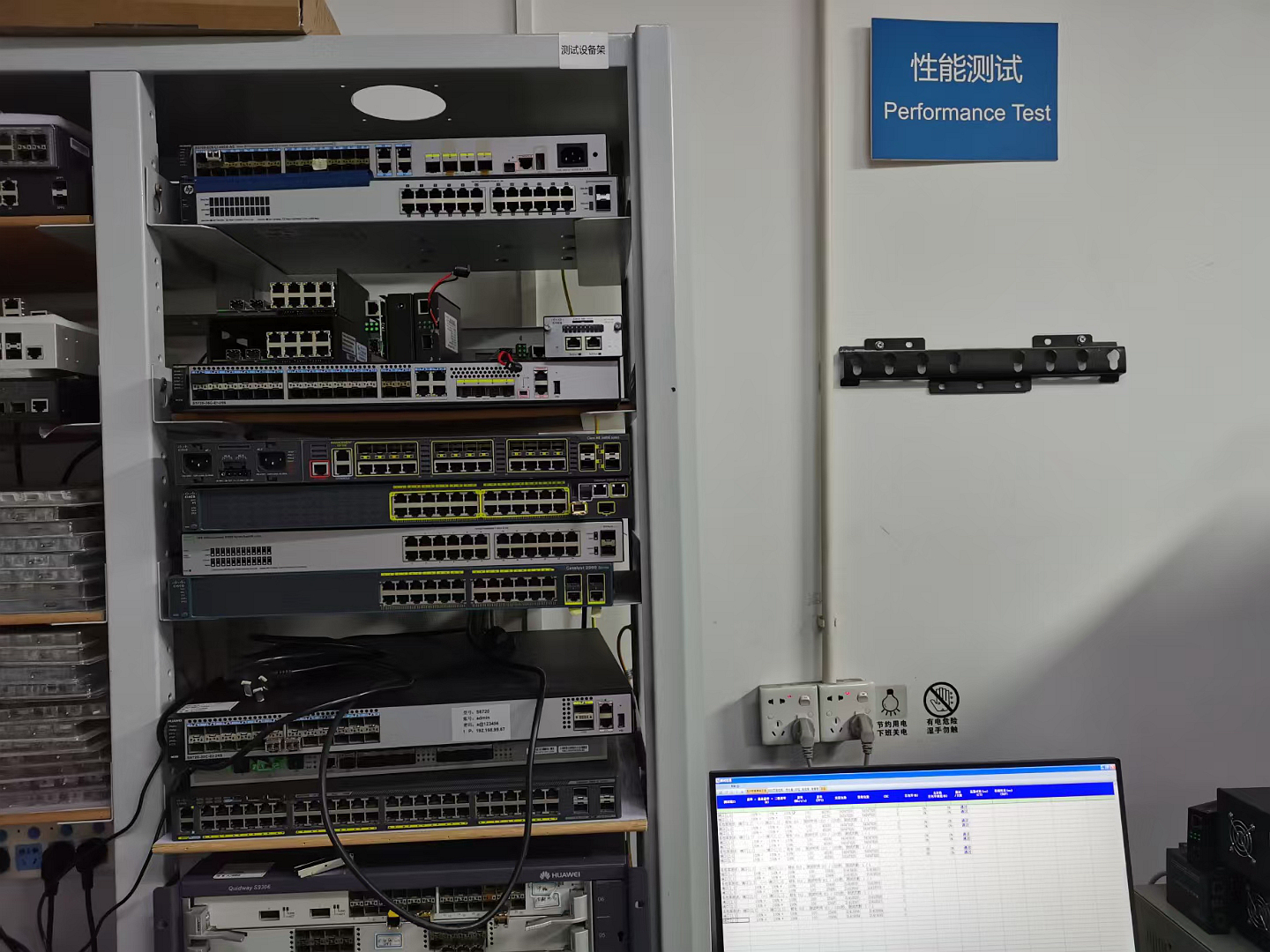
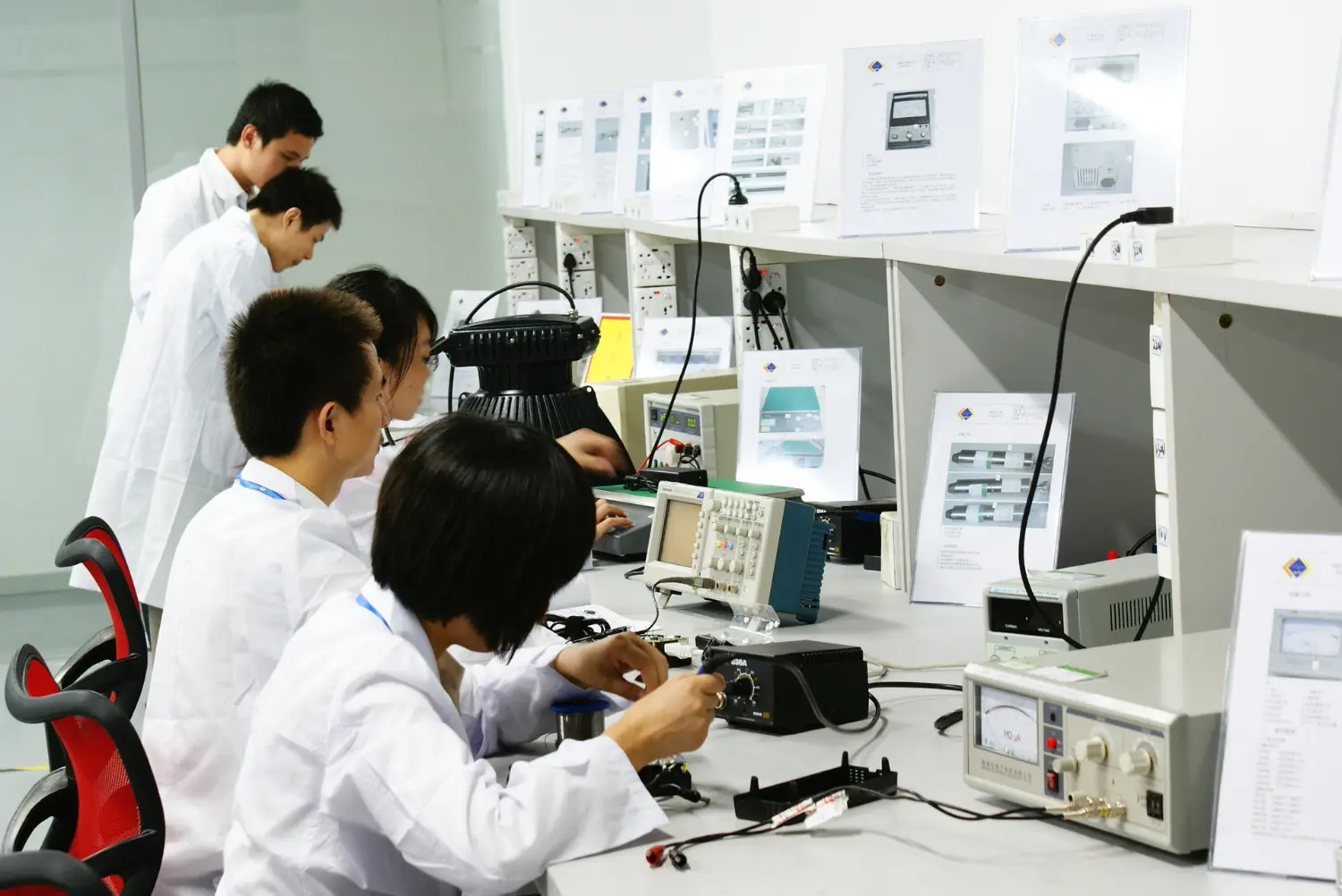
Transparent overview of our operational capabilities, manufacturing capacity, and global trade presence.
| Operational Parameter | Details & Compliance Standards | Operational Parameter | Details & Compliance Standards |
|---|---|---|---|
| Business Type | Manufacturer, OEM/ODM Provider | Country / Region | Guangdong, China |
| Main Products | FTTH ONU & OLT, SFP Transceivers, Media Converters, PoE Switches, Installation Tools | Total Employees | 11 - 50 People (Engineers, QC Specialists, Assembly Operators) |
| Annual Revenue | US$5 Million - US$10 Million | Year Established | 2021 |
| Compliance Certificates | ISO 9001 System Certification | Product Certifications | UL, CE, FCC, ROHS Compliant |
| Patents & Trademarks | Proprietary Designs, Registered Trademarks Available | Main Export Markets | North America (15%), Eastern Asia (15%), Domestic (24%), South America & Europe |
Architecting robust fiber infrastructures by understanding user requirements, link power dynamics, and mechanical reliability.
The transition from trunk lines to residential installations requires robust flat drop cables. However, the outer sheath must be stripped cleanly to expose the buffer tube and internal optical fibers without causing microscopic glass fractures. Standard strippers can nick the cladding, causing microbends that trap optical power, resulting in significant insertion loss (dB). Using precision tools like the CFS-3 and CFS-2 ensures that the 250μm acrylate coating is removed cleanly down to the 125μm glass cladding, ensuring optimal fiber alignment during mechanical splicing or fusion splicing.
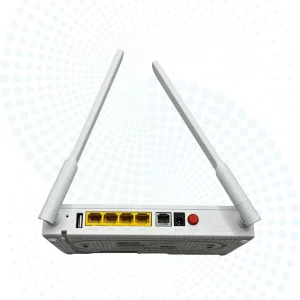
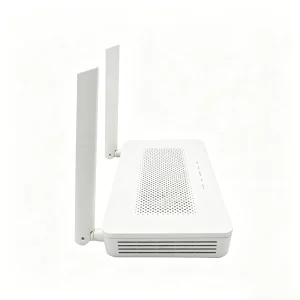
Beyond hand tools, active network terminals (ONUs, transceivers) dictate optical network throughput. In GPON architectures operating at 1490nm (downstream) and 1310nm (upstream), active devices must handle complex wavelength division multiplexing (WDM). Our dual-band Wi-Fi 5 and XPON ONU Sticks feature high sensitivity (reaching down to -28dBm) and stable transmitter power budgets. This reliability maintains connection uptime even in multi-dwelling units (MDUs) where splitters introduce high attenuation.
As bandwidth demands grow, networks are shifting toward 10G-PON (XG-PON/XGS-PON) and 50G-PON systems. Active modules must evolve to support different wavelengths, such as 1270nm upstream and 1577nm downstream. Shenzhen Soras Technology is upgrading its transceiver line, offering low-latency SFP+ ONU Sticks and high-density PoE Switches that enable operators to upgrade bandwidth capabilities using existing fiber infrastructure.
Navigating international supply chains requires verified regulatory compliance, fast shipping channels, and clear warranty terms.
International telecom equipment sourcing demands adherence to regional compliance standards. Our production processes are certified under CE, FCC, RoHS, and UL frameworks. This compliance ensures that active equipment like PoE switches, transceivers, and ONUs meet safety, electromagnetic radiation, and environmental standards required by European and North American operators.
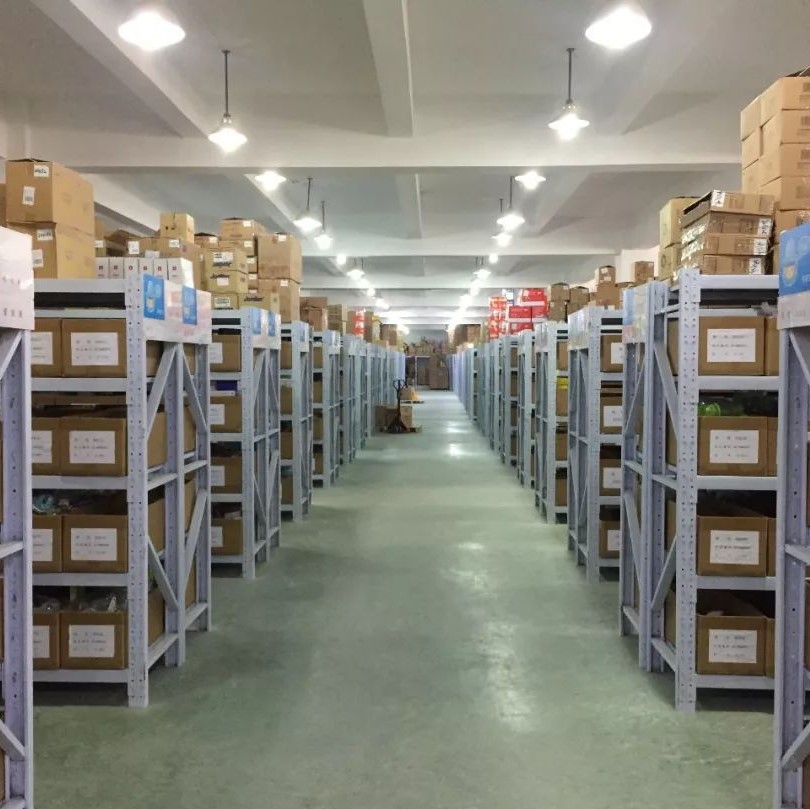
In addition to compliance, supply chain predictability is crucial. Shenzhen Soras Technology maintains robust buffer stocks of components and finished products at our state-of-the-art warehouse facility. This allows us to offer shorter lead times for large-scale deployments. To support high deployment reliability, our physical hand tools and selected active components include an 18-month warranty, highlighting our commitment to quality.
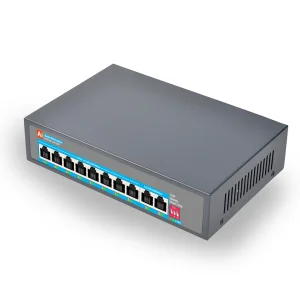
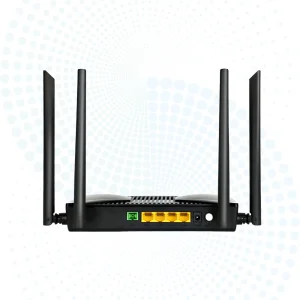
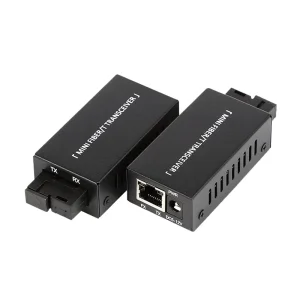
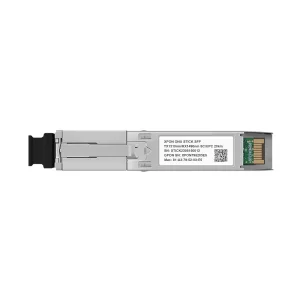
High-performance network components for data conversion, fiber routing, power over Ethernet (PoE), and optical alignment.
Detailed explanations addressing common technical challenges and procurement requirements in optical networking.
The difference lies in the number of stripping guide holes, which determines the stripping stages. A CFS-2 stripper features two holes: one for removing the 250μm acrylate coating down to the 125μm cladding, and a larger hole to strip the 2-3mm outer fiber jacket. The CFS-3 stripper features a third intermediate hole optimized for stripping the 900μm tight buffer layer. Using a three-hole stripper like the CFS-3 allows technicians to work with multiple cable structures using a single tool.
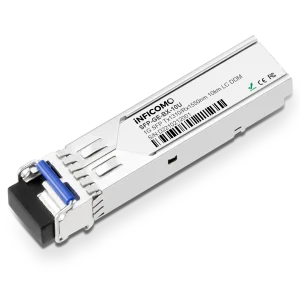
An XPON ONU Stick integrates a system-on-chip (SoC) along with an optical transceiver inside a standard SFP MSA form factor. When plugged into a switch or router's SFP slot, it runs its own firmware to manage the GPON/EPON protocol stack, including ONT registration (OMCI/OAM), encryption, and DBA. This allows the host router or switch to connect directly to the passive optical network (PON) without requiring a standalone ONU box, simplifying network topology and saving rack space.
Active transceivers generate heat, and their performance is sensitive to temperature-induced wavelength drift. Under extreme cold or heat, the laser diode's central wavelength can shift, causing crosstalk with adjacent channels or decoupling from the receiver's filter window. High-Low Temperature chamber testing simulates these conditions to ensure the internal thermoelectric cooler (TEC) or passive dissipation design maintains stable output power and low jitter from -40°C to +85°C.
With our in-house R&D team and SMT assembly lines, we customize hardware layouts, enclosure designs, and firmware. For active ONUs and routers, we can pre-flash custom English firmware, configure VLAN profiles, apply client logos, and customize packaging. For physical hand tools, we offer custom color schemes, logo engraving, and bespoke tool kit configurations to align with the branding of major telecom operators.
 Soras Tech