Explore our industry-standard OTDR devices, GPON ONUs, and multi-service optical switches designed for carrier-grade deployments.
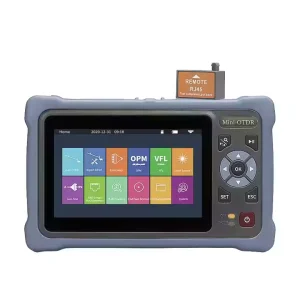
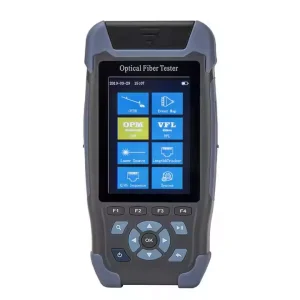
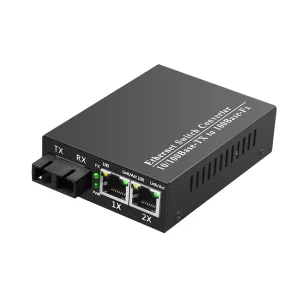
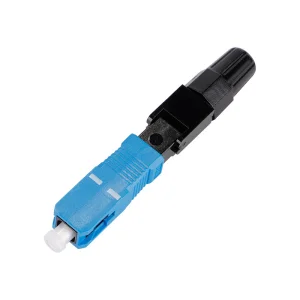
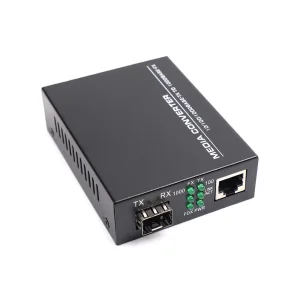
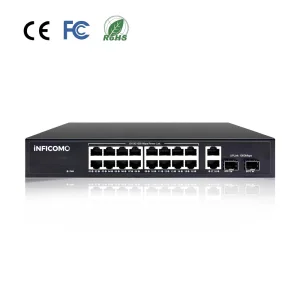
Within fiber optic infrastructure deployment, the Optical Time Domain Reflectometer (OTDR) stands as the most critical diagnostics system. As light travels through single-mode or multi-mode silica cores, it undergoes signal attenuation due to scattering and material imperfections. An OTDR acts as a radar system for optical networks: it injects a train of high-power optical pulses into the fiber under test and measures the minute portion of light that is backscattered (Rayleigh scattering) or reflected back (Fresnel reflection).
By mapping this backscattered signature against time and distance, network engineers gain real-time visibility into the physical layer. Major metrics extracted include total path loss, splice insertion loss, connector reflectance, and optical return loss. For modern FTTx networks, managing these values is crucial to ensuring seamless GPON/EPON protocol operation without packet loss.
Shenzhen Soras Technology Co., Ltd. combines advanced manufacturing facilities, strict Quality Assurance frameworks, and strategic distribution capabilities.
| Strategic Indicator | Soras Technology Co., Ltd. Standard Specifications | Global Telecommunications Alignment |
|---|---|---|
| Business Model & Integration | Direct Manufacturer & Global Exporter | Enables complete OEM/ODM customization with raw material traceability |
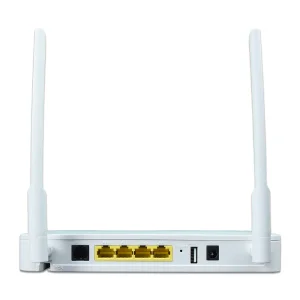
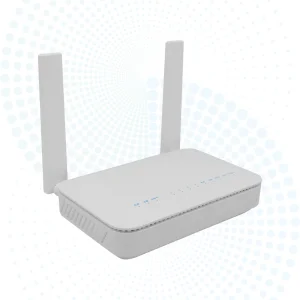
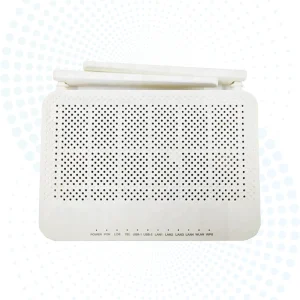
| Primary Production Categories | GPON/EPON FTTH ONT, SFP Transceivers, POE Switches, Media Converters | Unified physical layer portfolio simplifying system integration |
| Manufacturing Location | Shenzhen Industrial Hub, Guangdong, China | Access to the world's most dense electronic component supply chain |
| Core Certifications | ISO 9001, CE, FCC, ROHS, UL Registered | Guarantees safety, interoperability, and environmental compliance |
| Primary Export Segments | Domestic Market (24%), East Asia (15%), North America (15%), Europe (15%) | Broad compatibility with multiple international operator specifications |
Operating out of Shenzhen, the hardware capital of the world, Shenzhen Soras Technology Co., Ltd. harnesses a highly integrated supply network. This geographical footprint provides access to active and passive optoelectronic components, specialized PCB assembly services, and raw optical assemblies within a very short radius. This proximity reduces development cycles and allows us to pivot designs based on clients' evolving needs.
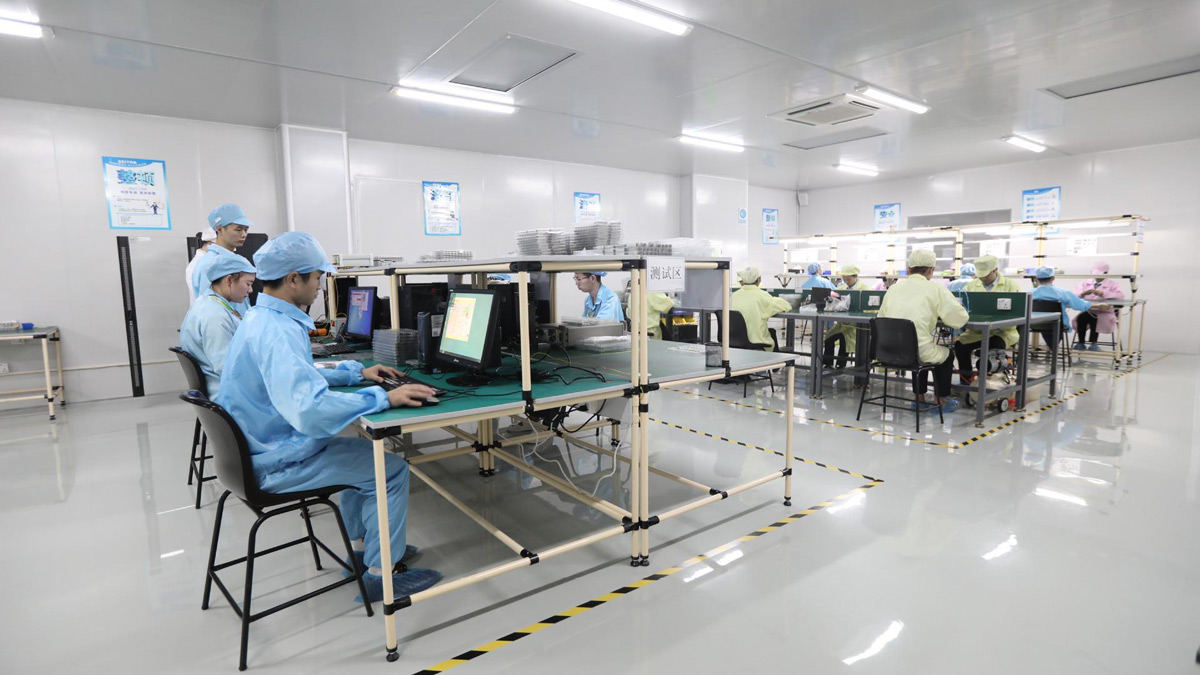
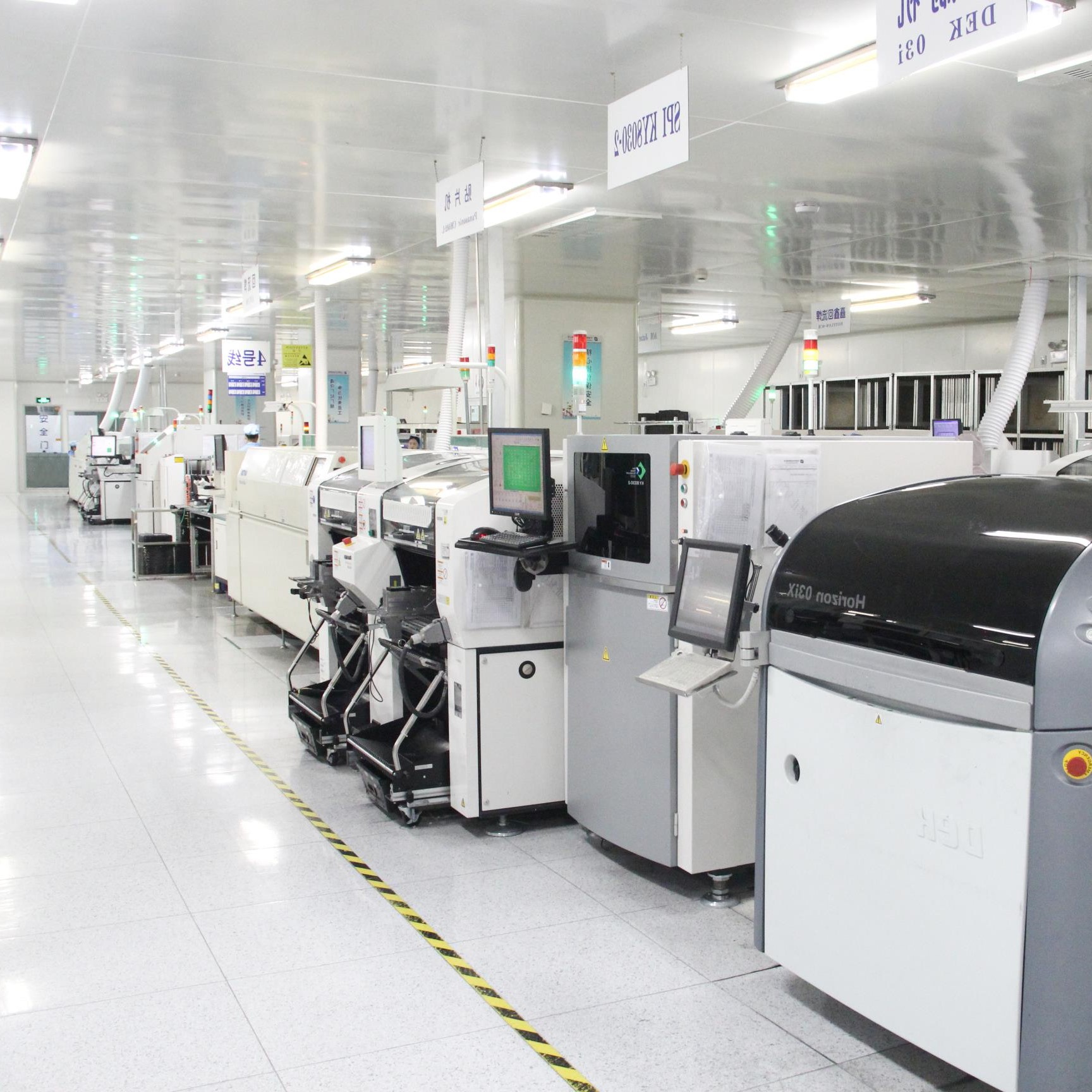
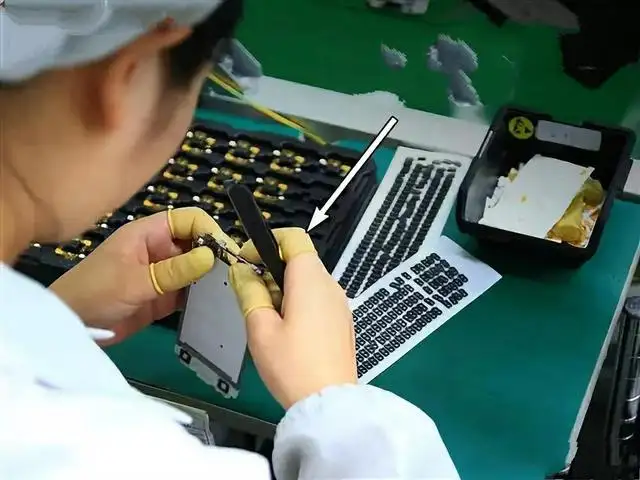
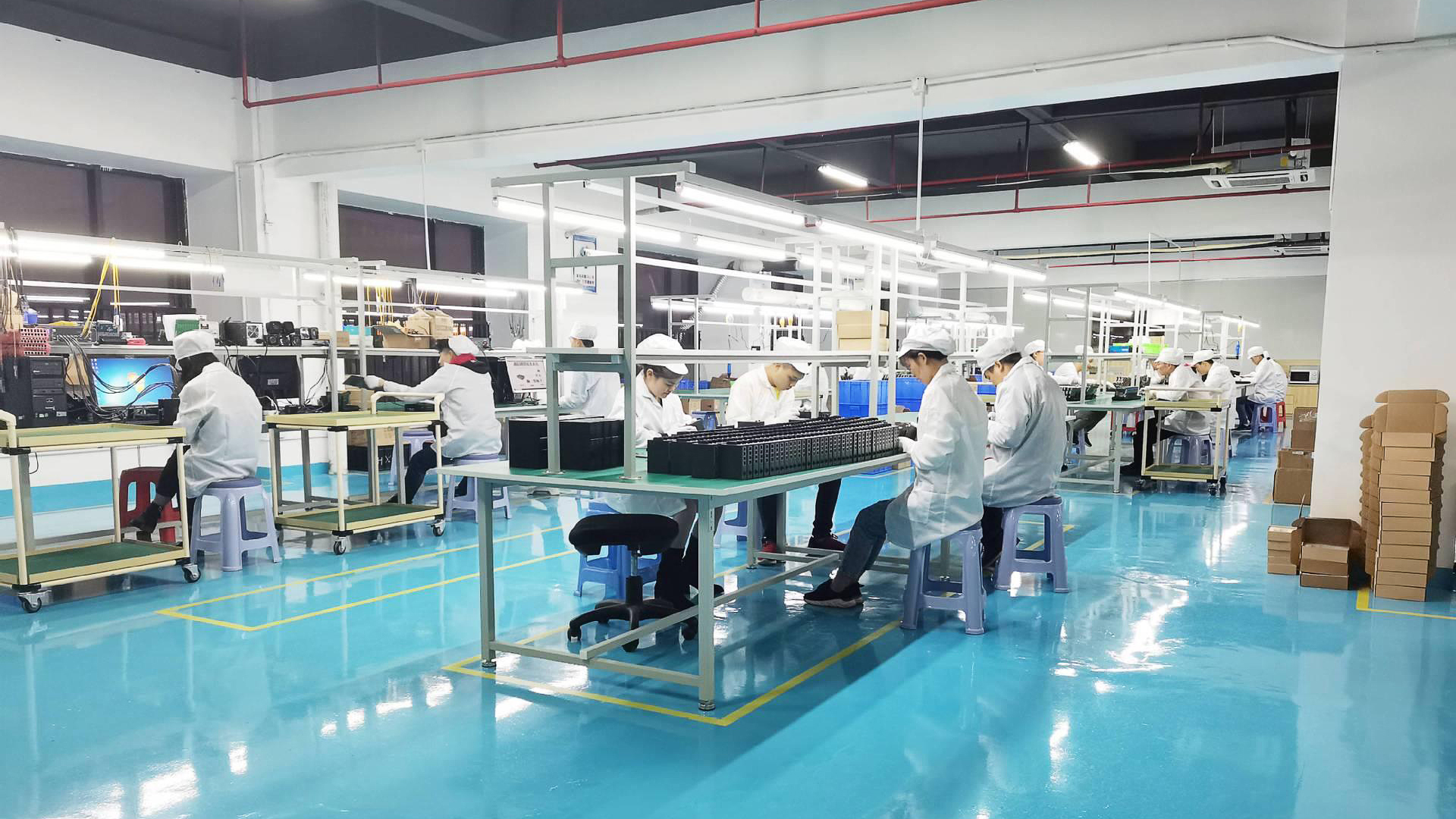
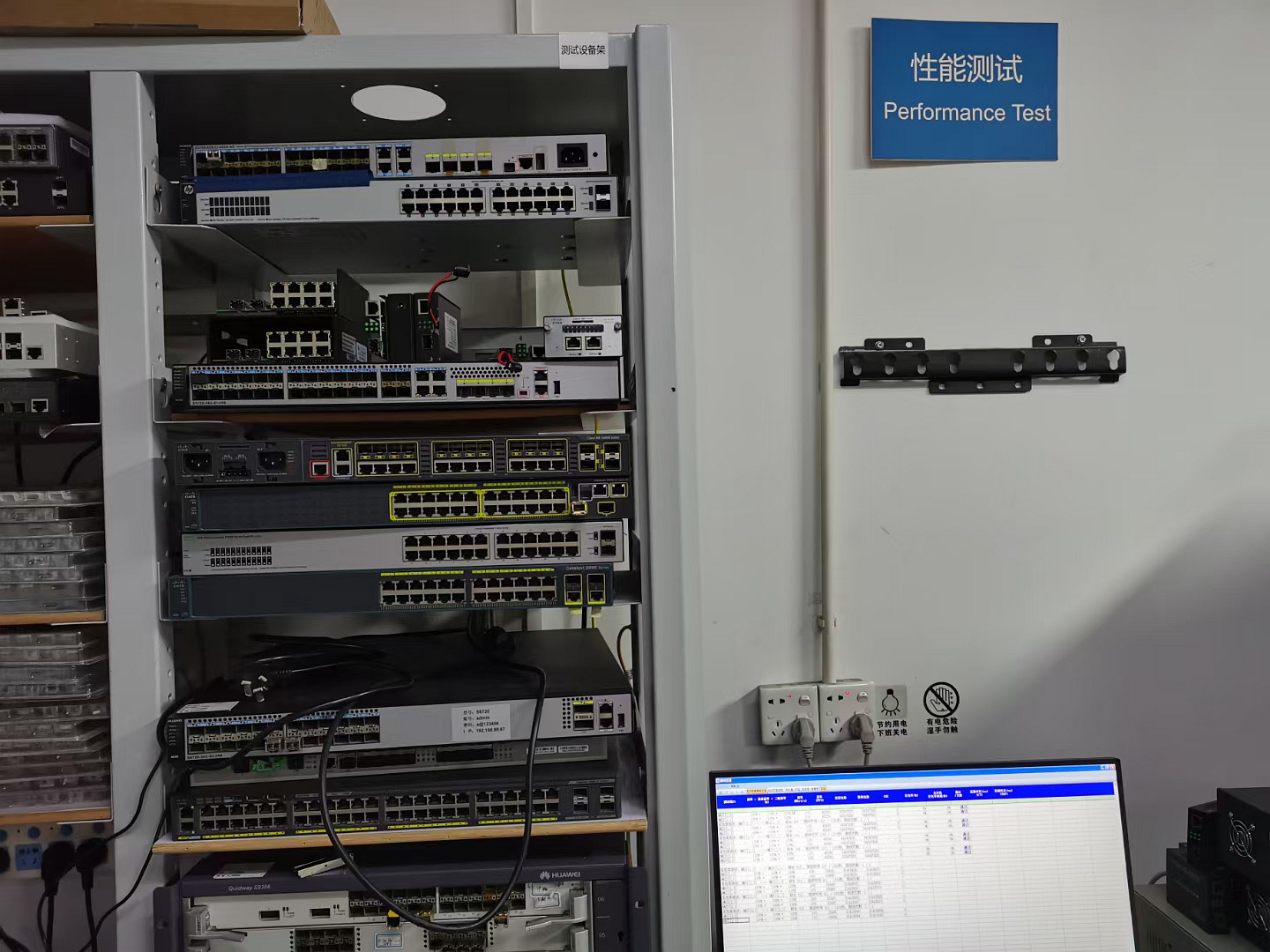
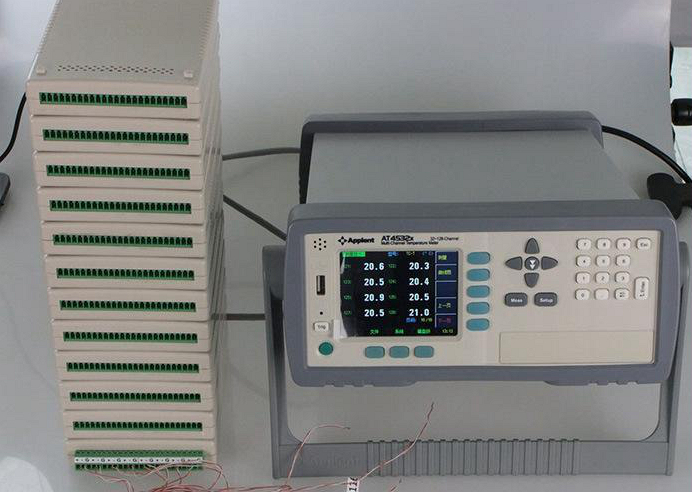
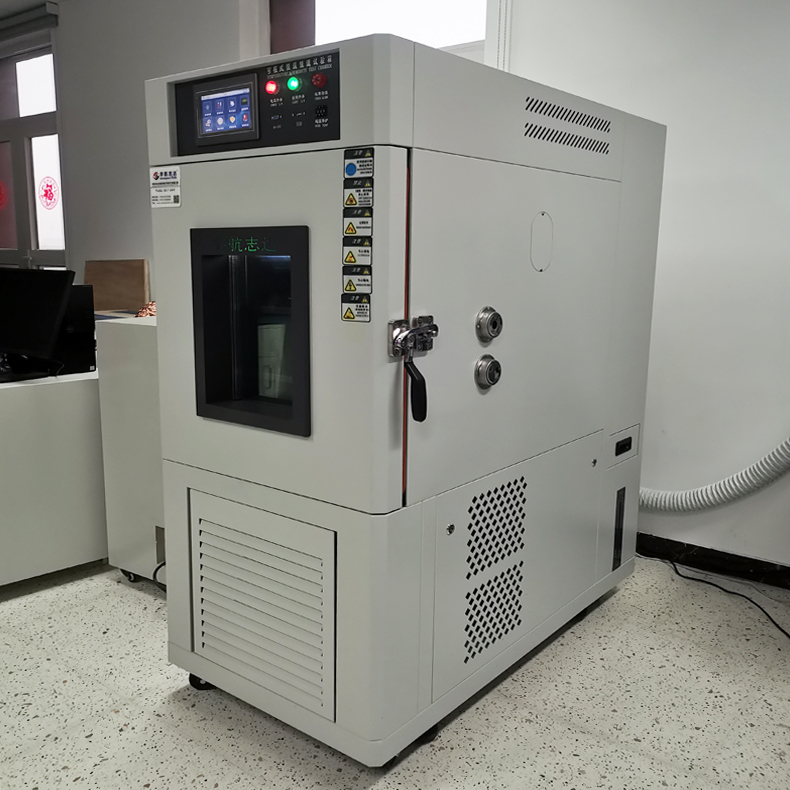
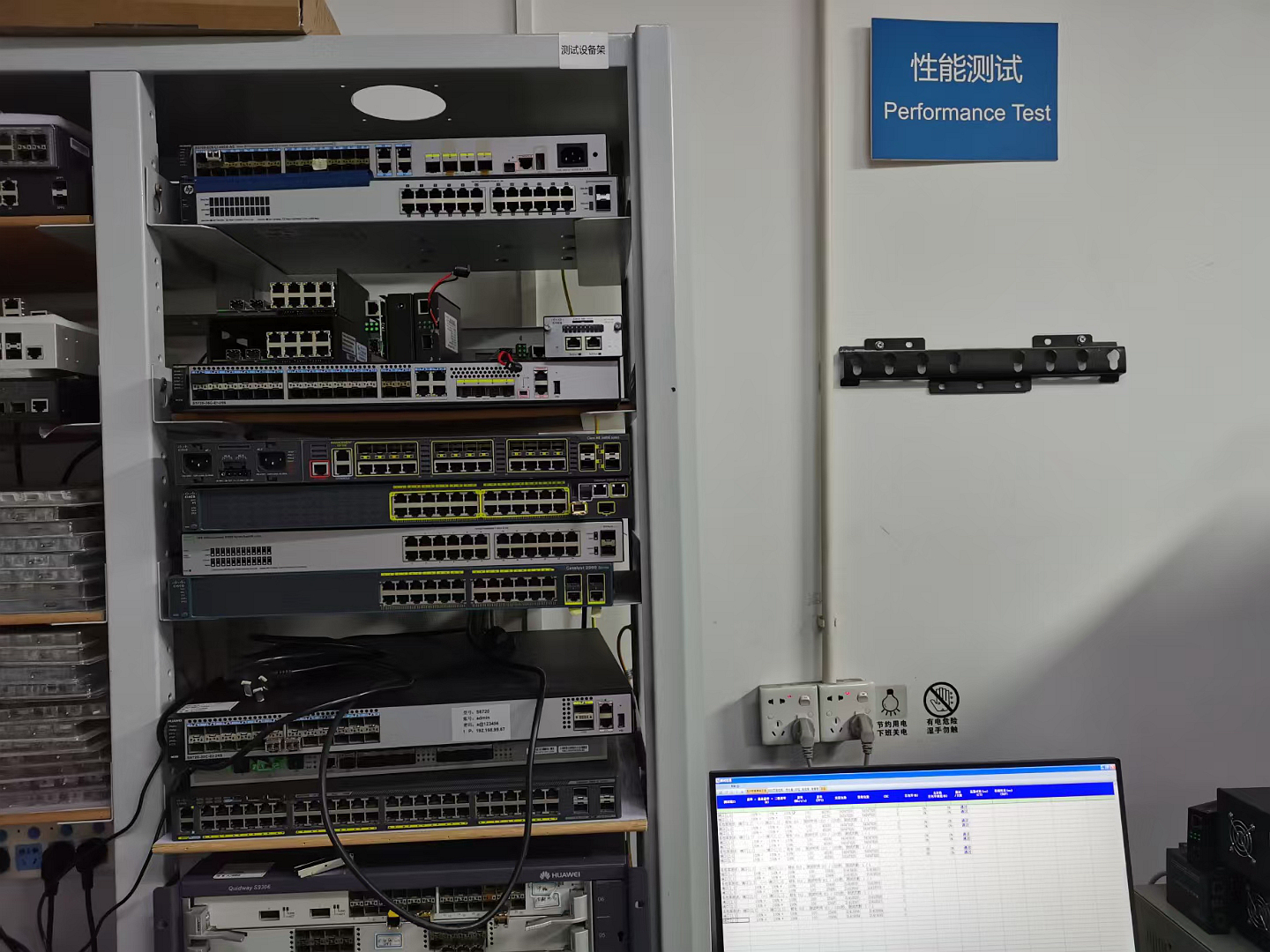
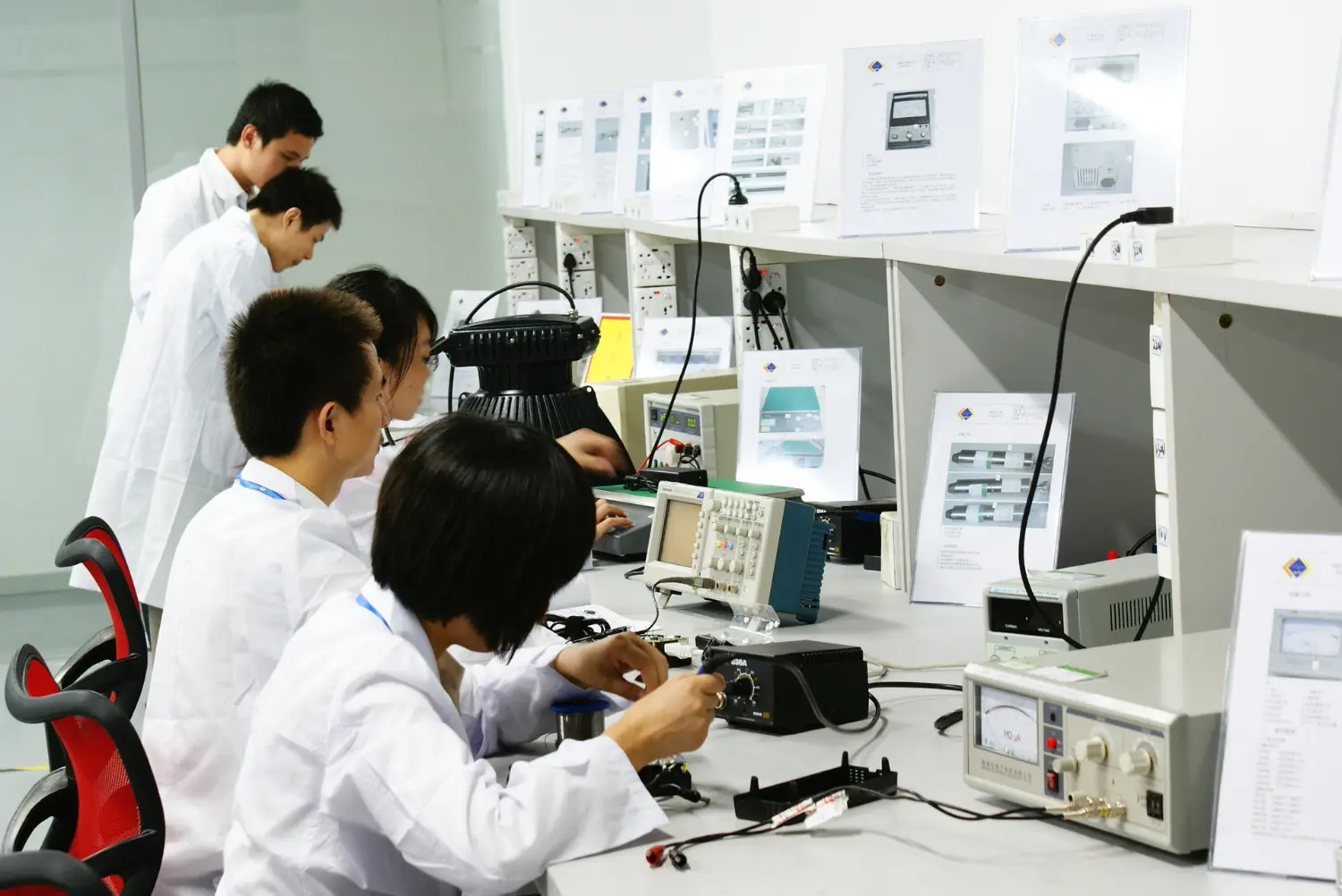
Our facility runs an advanced Surface Mount Technology (SMT) assembly line, clean assembly environments, and testing structures. Our quality assurance process starts with incoming inspection of key ICs, transceivers, and optical couplers, continuing all the way through automated software configuration and simulated environmental testing.
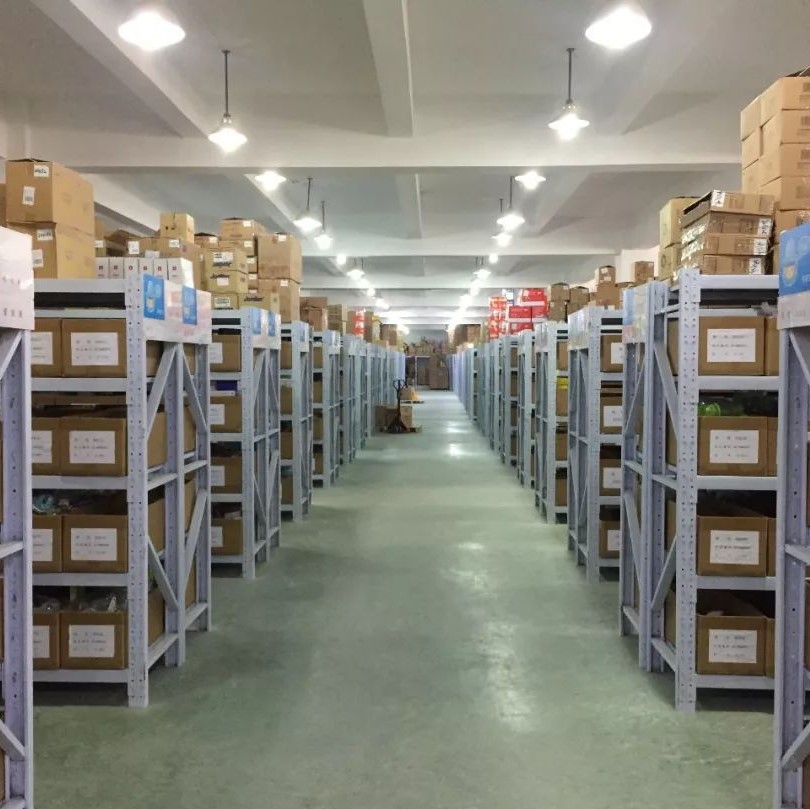
By controlling both SMT and assembly steps in-house, we mitigate common supply chain risks. We maintain strategic inventories of core components—such as optical transmitters, receivers, and PSE chips—allowing us to guarantee stable lead times even during global component volatility. Our team handles complex OEM/ODM projects, adapting firmware, enclosure styling, and port distributions to meet regional carrier specifications.

In municipal residential FTTx rollouts, technicians rely on tools like the NK4000D to isolate faults within the last-mile drop section. Common issues include micro-bends caused by excessive tensioning or tight bend radii inside building risers. An OTDR operating at 1550nm highlights these localized bending losses, enabling technicians to resolve issues without executing costly full-length fiber replacements.
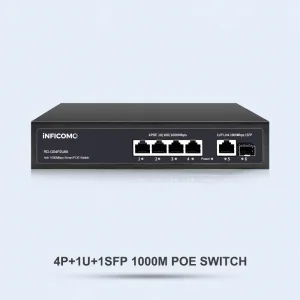
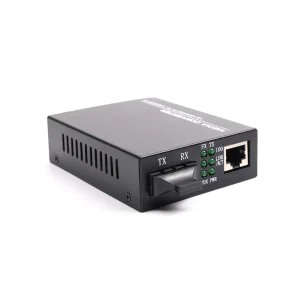
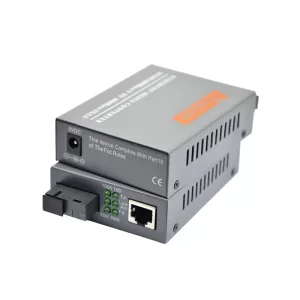
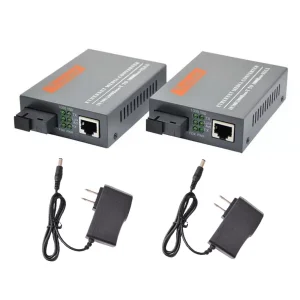
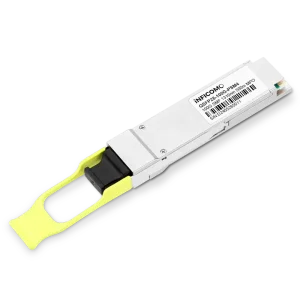
Within hyperscale and enterprise facilities, ensuring clean optical interconnect performance is paramount. Deploying 100GBASE-PSM4 transceivers over single-mode fiber infrastructure requires rigorous insertion loss validation. Our gigabit media converters and PoE switches, combined with precise OTDR monitoring, guarantee that optical budgets stay within standard tolerances, mitigating packet loss and thermal load on active ports.
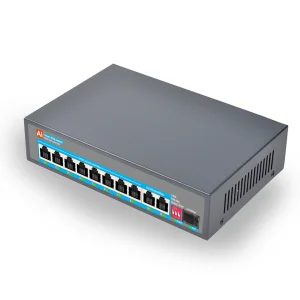
In perimeter security and smart city initiatives, PoE switches are deployed outdoors in harsh weather conditions. To handle temperature swings and electrical noise, switches like our 16-Port PoE Switch utilize robust electrical protection circuitry. Using single-mode bi-directional (BiDi) converters allows backhauling camera feeds over distances up to 20km with minimal latency and high resistance to interference.
As next-generation telecommunications transition toward 50G-PON and coherent long-haul transceivers, optical testing tools must adapt to tighter optical budgets. OTDR tech is shifting from simple waveform representation to AI-assisted event analysis. Built-in algorithms can automatically distinguish between fusion splices, macrobends, mechanical connectors, and optical splitters, generating clear schematics without manual calculation.
Simultaneously, the industry is moving toward hybrid devices that combine OTDR capabilities with optical power meters, light sources, visual fault locators (VFL), and ethernet testers. This consolidation streamlines fieldwork, enabling single-technician dispatches to validate both the physical fiber layer and transport protocols.
In response to these trends, Shenzhen Soras Technology is focusing on several key areas:
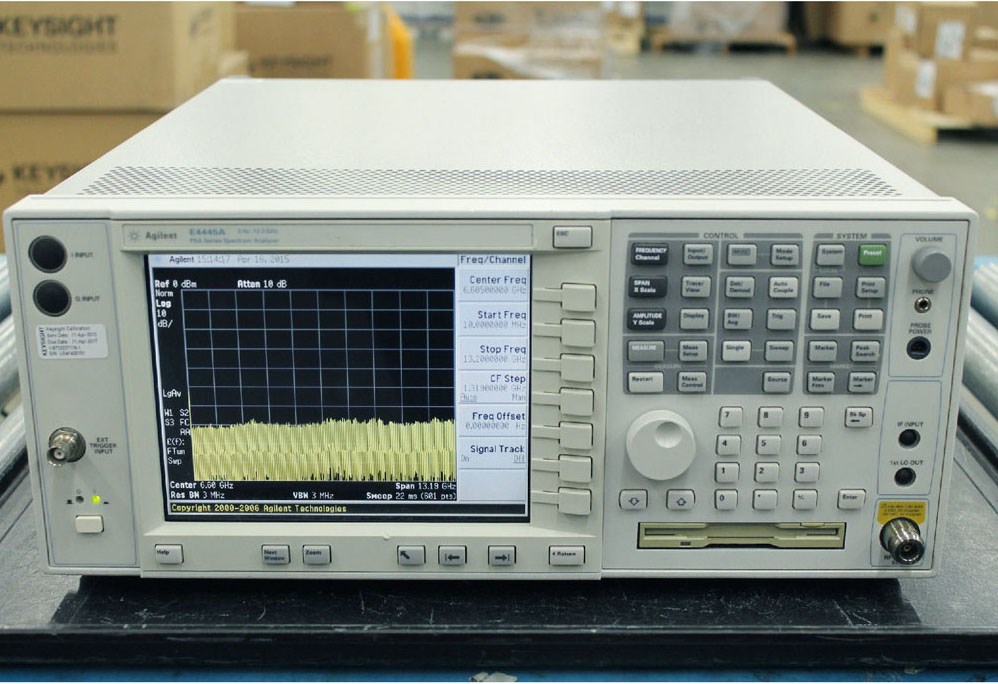
Carrier network stability requires strict adherence to international performance standards. At Shenzhen Soras Technology, we implement rigorous testing phases to ensure every shipped component meets global requirements. Our laboratory carries out several validation protocols:
Our engineering practices and product designs are certified to align with major regulatory frameworks:
Complete your systems integration with optical transceivers, media converters, and managed fiber network switches.
 Soras Tech