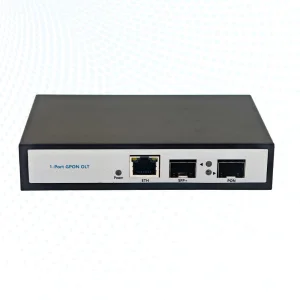
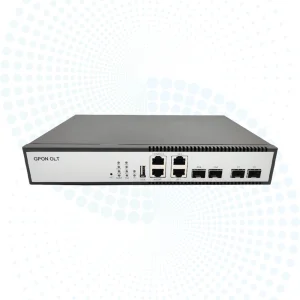
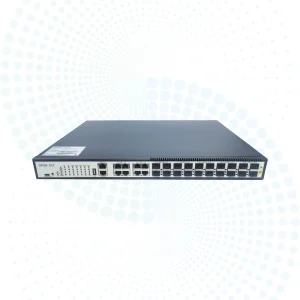
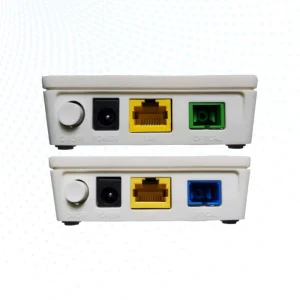
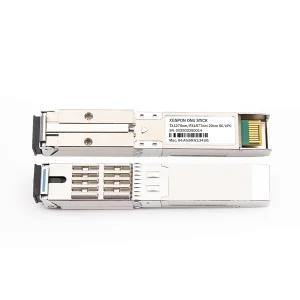
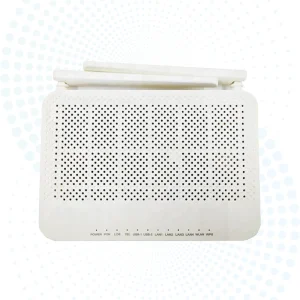
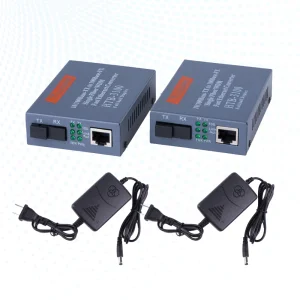
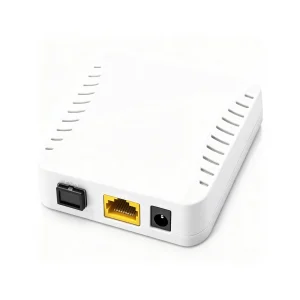
Explore our highly integrated central office Optical Line Terminals (OLTs) and accessories designed for diverse access node environments.
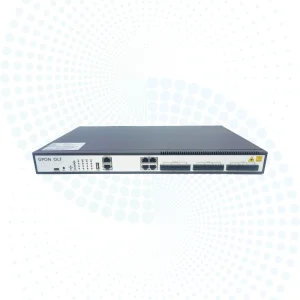
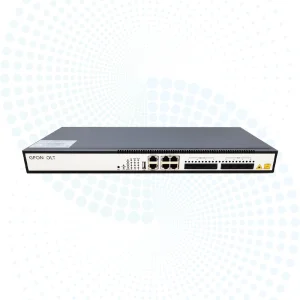
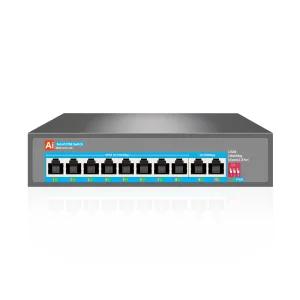
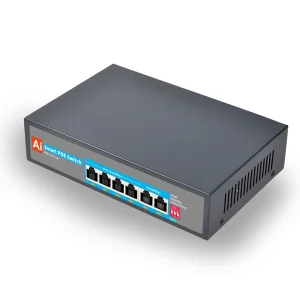
Analyzing the core protocols, optical budgets, and architecture constraints defining next-generation multi-service networks.
In the rapidly evolving broadband ecosystem, Gigabit Passive Optical Network (GPON) and Ethernet Passive Optical Network (EPON) architectures remain the backbone of fiber-to-the-x (FTTx) deployments. Acting as the critical bridge between the high-capacity metro transport network and local premises, Optical Line Terminals (OLTs) manage data streams over passive optical splitters to support thousands of subscribers. Operating under standard protocols such as ITU-T G.984 (for GPON) and IEEE 802.3ah (for EPON), these hardware platforms must satisfy strict packet delay, jitter, and link-loss tolerances.
Our specialized GPON/EPON OLT series leverages advanced hardware design to maximize spectral efficiency. Deploying an OLT is not merely a question of ports; it is an optimization of the optical power budget across Class B+, C+, and C++ modules to overcome up to 32dB of system attenuation. Operators can scale their operations systematically, migrating from dense, localized layouts to wide-area configurations covering distances up to 20 kilometers, without losing network integrity or signal clarity.
Modern optical systems operate inside highly integrated municipal, regional, and industrial topologies. To support multiple vertical markets, OLT systems must implement multi-tenant segmentation and granular quality-of-service (QoS) controls. We structure our GPON and EPON offerings to cater to three core industry environments:
To achieve "five-nines" (99.999%) availability, high-capacity networks require architectural redundancy at multiple layers. Our chassis systems support:
A rigorous engineering comparison between ITU-T and IEEE optical frameworks to guide deployment planning.
| Parameters / Specifications | GPON (ITU-T G.984) Standard | EPON (IEEE 802.3ah) Standard | 10G-PON / XGS-PON Evolution |
|---|---|---|---|
| Downstream Bandwidth | 2.488 Gbps | 1.25 Gbps | 9.953 Gbps (Symmetric) |
| Upstream Bandwidth | 1.244 Gbps | 1.25 Gbps | 9.953 Gbps |
| Encapsulation Method | GEM (GPON Encapsulation Method) | Native Ethernet Frames | GEM / XGEM Protocols |
| Maximum Split Ratio | 1:128 (Class C+ SFP) | 1:64 (Typical) | Up to 1:256 |
| Splitting Distance Range | Up to 20 km (Optical Budget Dependent) | Up to 20 km | Up to 40 km (with FEC active) |
| Management Channel | OMCI (ONT Management Control Interface) | OAM (Operations, Administration, Maintenance) | Enhanced OMCI Version 2 |
A leading global manufacturer of optical transmission and network equipment with over a decade of R&D expertise.
Shenzhen Soras Technology Co., Ltd. is a leading manufacturer of optical transmission equipment and network equipment with more than 10 years of experience. We rely on high-quality management and technological innovation, committed to providing customers with high quality, cost-effective, high value-added products and solutions.
Today, we work closely with telecommunications companies around the world. We have strong technical force and experienced R & D team, products can be developed according to customer requirements, we also accept your OEM and ODM orders. Now our products are exported to more than 60 countries, the main markets are South America, North America and Europe. Our main products: Fiber Media Converter, SFP Module, POE Switch, ONU, OLT and supporting products.
We have passed ISO 9001, UL, CE, FCC, ROHS Certification, our aim is "superior quality, professional service, competitive price, integrity-based". We believe this is not only our responsibility, but also the best way out for long-term development. Soraslink looks forward to working with you!
| Business Type | Manufacturer | Country / Region | Guangdong, China |
| Main Products | FTTH ONU & OLT, SFP Module, Fiber Media Converter, Poe Switch, Fiber Optic Equipment | ||
| Total Employees | 11 - 50 People | Year Established | 2021 |
| Total Annual Revenue | US$5 Million - US$10 Million | Main Markets | Domestic Market 24.00%, Eastern Asia 15.00%, North America 15.00% |
| Company Certificates | ISO 9001, UL, CE, FCC, ROHS | Export Range | More than 60 countries |




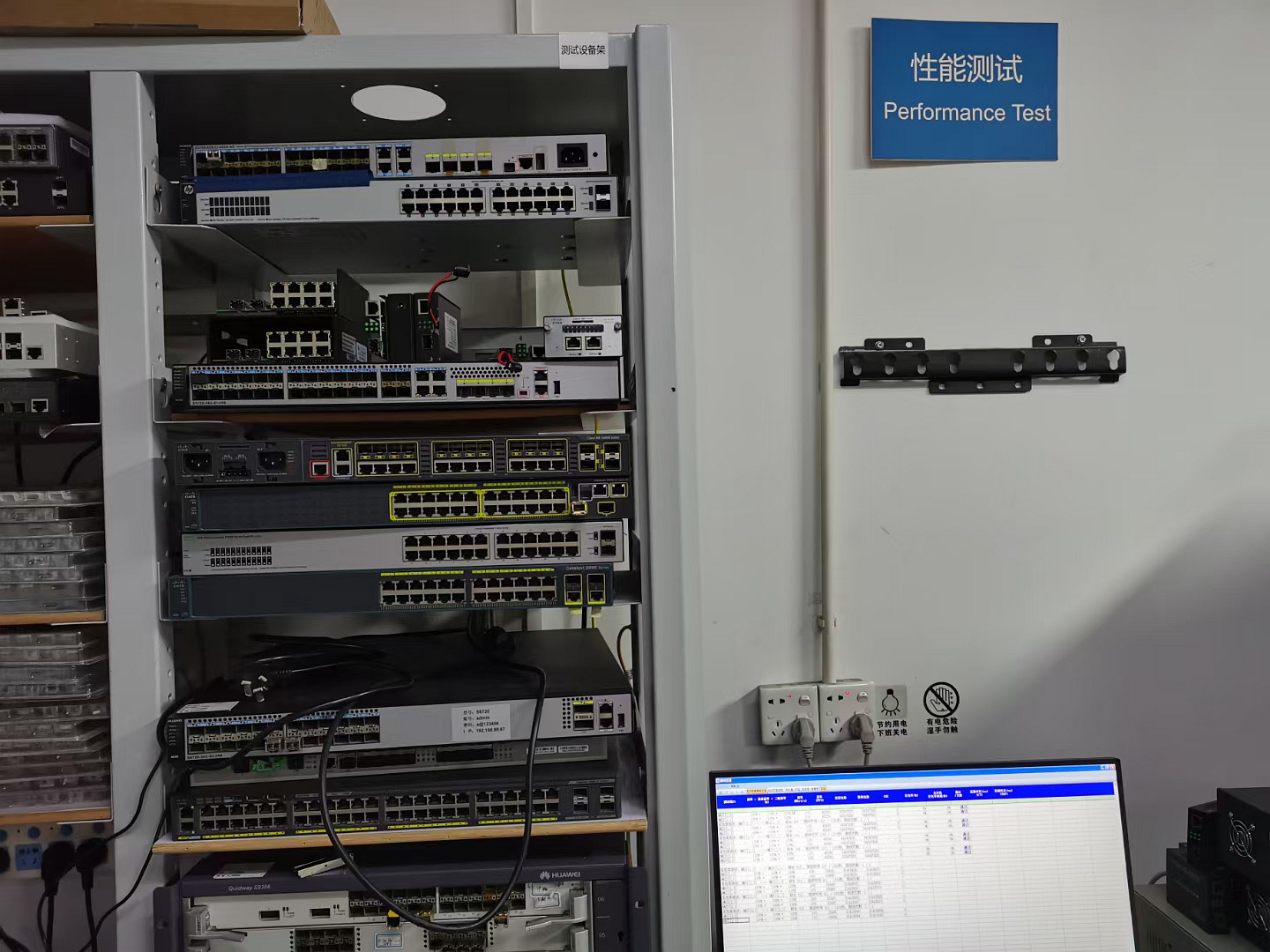
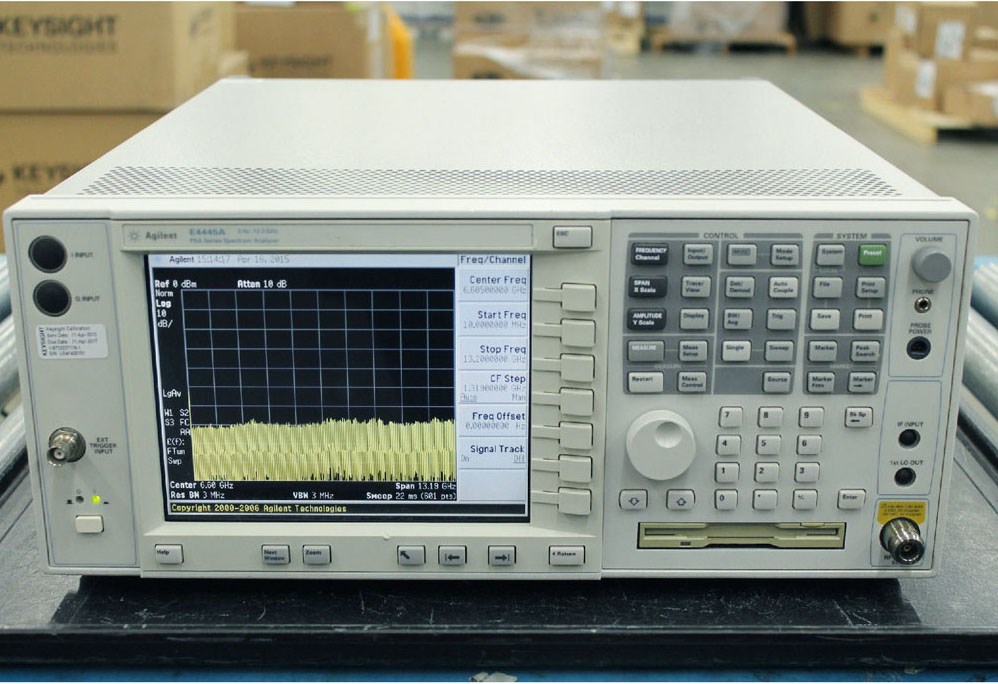
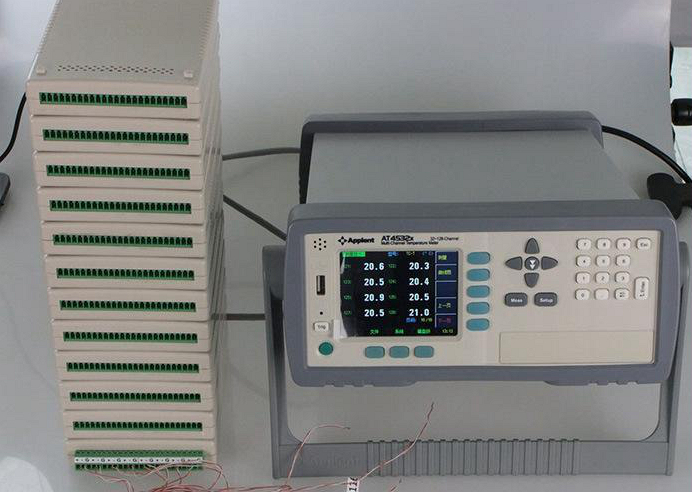
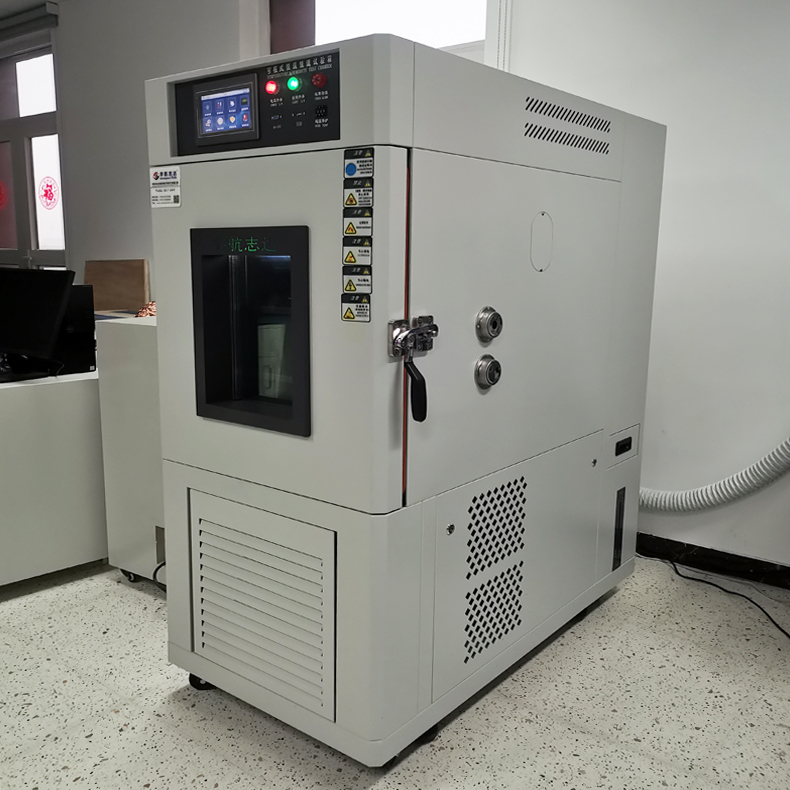

Deploying standards-compliant fiber network architectures across Latin America, North America, Europe, and Asia-Pacific markets.
Full conformance with UL, CE, FCC, and RoHS standards ensures smooth customs processing and regional safety approvals.
Fully compliant with standard OMCI and OAM protocols, enabling cross-brand compatibility with Huawei, ZTE, Fiberhome, and other major ONUs.
Localized system integration consultants, remote CLI troubleshooting, and firmware customization for global Tier-2 and Tier-3 ISPs.
Operating in more than 60 countries demands deep understanding of localized fiber infrastructure constraints. For instance, in South American markets (e.g., Brazil, Colombia), long-distance rural loops dictate the use of high-power Class C++ or C+++ GPON SFP modules to mitigate attenuation from multiple optical drop splitters. Conversely, in dense urban markets in North America and Western Europe, the focus shifts to multi-service coexistence via Wavelength Division Multiplexing (WDM) to overlay legacy GPON services with next-generation XGS-PON. By designing products that handle these macro-environmental differences, Shenzhen Soras ensures field reliability, reduced churn, and rapid deployment curves.
A strategic overview of optical access evolution and software-defined broadband architectures.
By integrating Coexistence Element (CEX) optical filters into our next-gen OLT chassis, operators can route legacy GPON (1490nm Down/1310nm Up) and XGS-PON (1577nm Down/1270nm Up) over the same Optical Distribution Network (ODN).
Transitioning toward disaggregated hardware structures where OLT hardware interfaces with SDN controllers via open APIs (such as OpenFlow or NETCONF/YANG), enabling rapid provisioning and centralized telemetry.
Integrating automated laser power-saving modes (compliant with ITU-T G.sup45) to drastically lower power consumption during low-traffic periods, reducing operating expenses for large-scale operations.
Essential implementation and technology questions addressed by our engineering team.
Complete deployment packages, high-speed ONUs, high-power SFP modules, and media converters for comprehensive end-to-end integration.

 Soras Tech