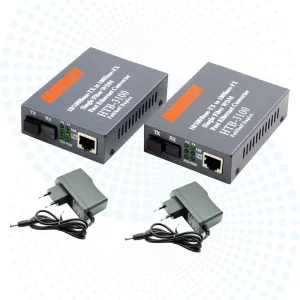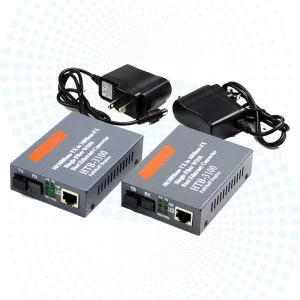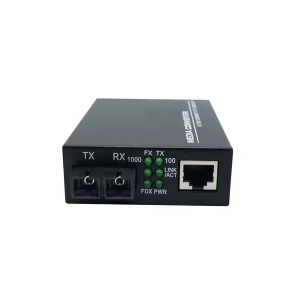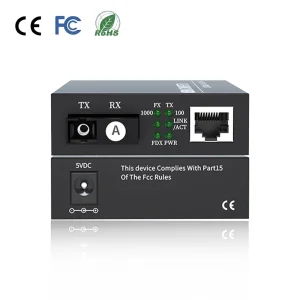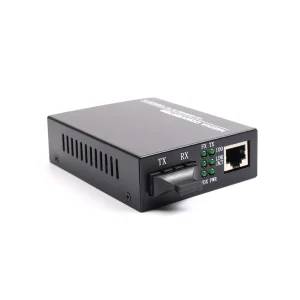
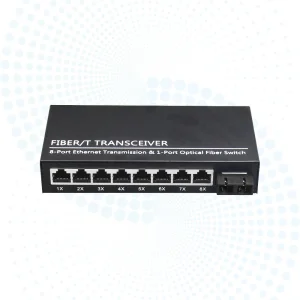
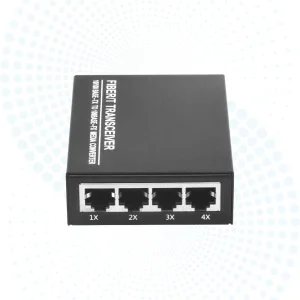
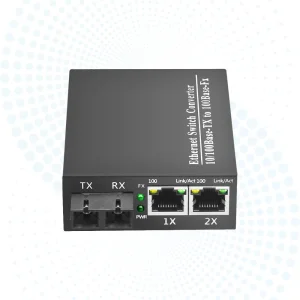
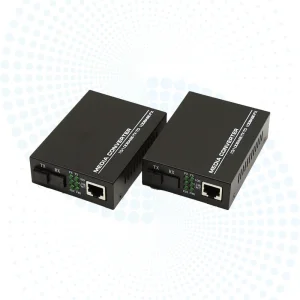
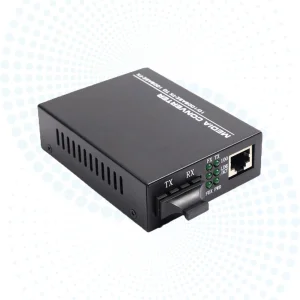
In the era of hyper-scale datacenters and 100G/400G backbone deployments, the enduring demand for 10/100Mbps Fast Ethernet Media Converters might seem paradoxically resilient. However, global infrastructure audits prove that Fast Ethernet media conversion remains a critical linchpin in industrial automation, legacy system integration, security surveillance networks, and commercial fiber-to-the-home (FTTH) architectures.
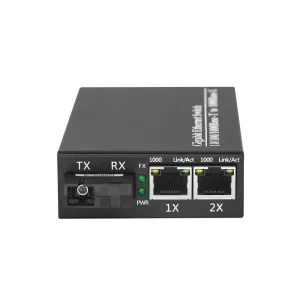
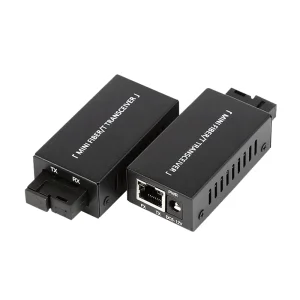
The core value proposition of a 10/100M media converter lies in its ability to bridge physical transmission barriers seamlessly. Copper-based UTP connections are physics-bound to a limit of 100 meters. By converting electrical signals into optical pulses, optical media converters extend this network perimeter up to 20km, 40km, or even 120km over single-mode fiber (SMF), or up to 2km over multi-mode fiber (MMF). This expansion operates transparently, without introducing IP-layer complexity or significant protocol-overhead latency.
Modern global networks do not operate on a one-size-fits-all bandwidth profile. Security monitoring setups utilizing high-definition H.265 compression cameras, industrial PLC networks running Modbus TCP, and localized commercial access points typically consume less than 15-20Mbps of payload bandwidth. Utilizing Gigabit infrastructure in these applications introduces unnecessary capital expenditure (CapEx), high thermal dissipation, and increased power footprints.
Strategic hardware procurement agents prioritize 10/100M converters for their energy efficiency, electrical isolation, and resistance to electromagnetic interference (EMI). These features are vital in industrial environments containing high-voltage machinery or variable-frequency drives.
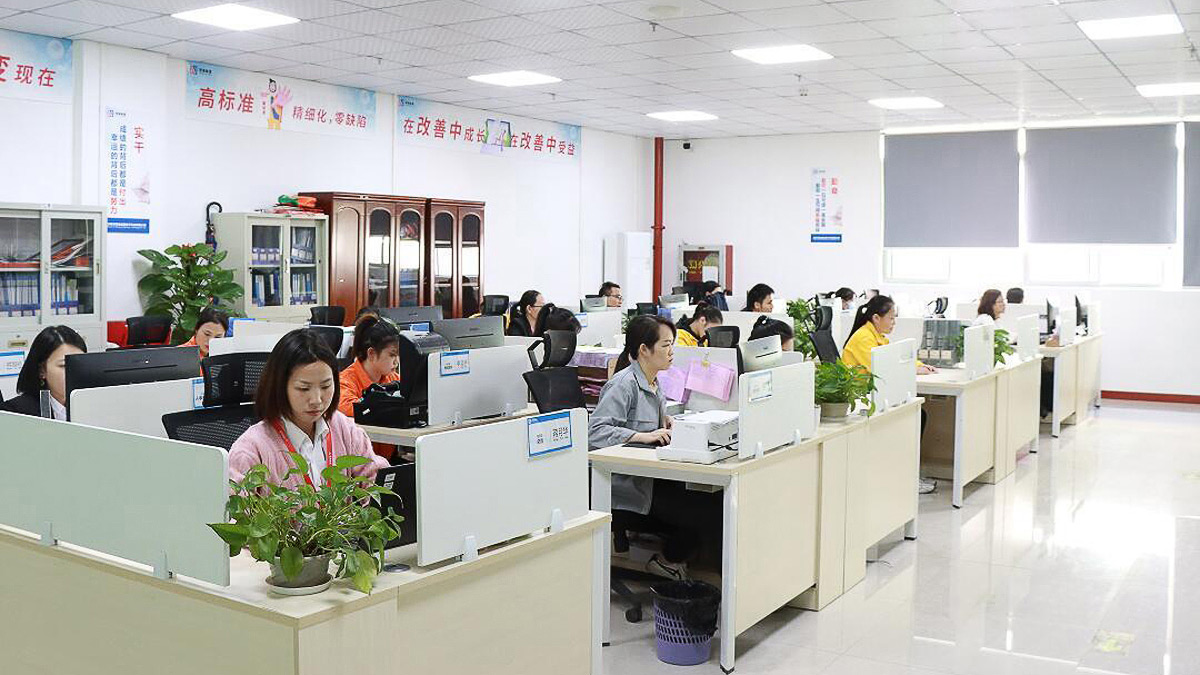
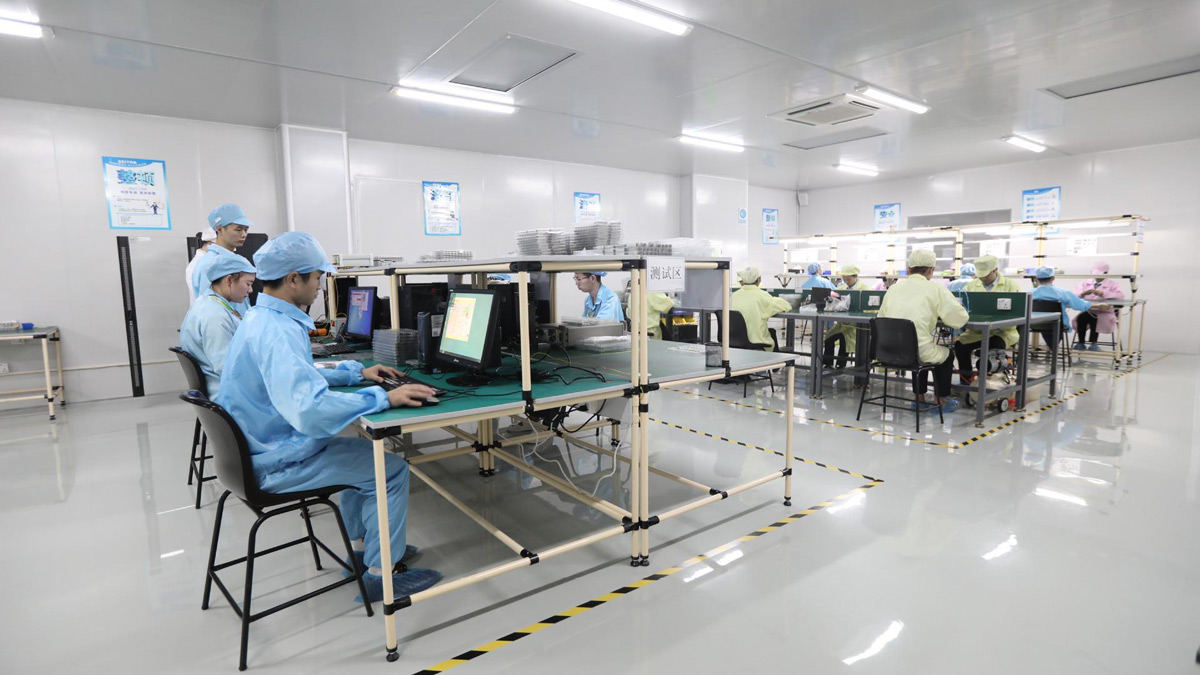
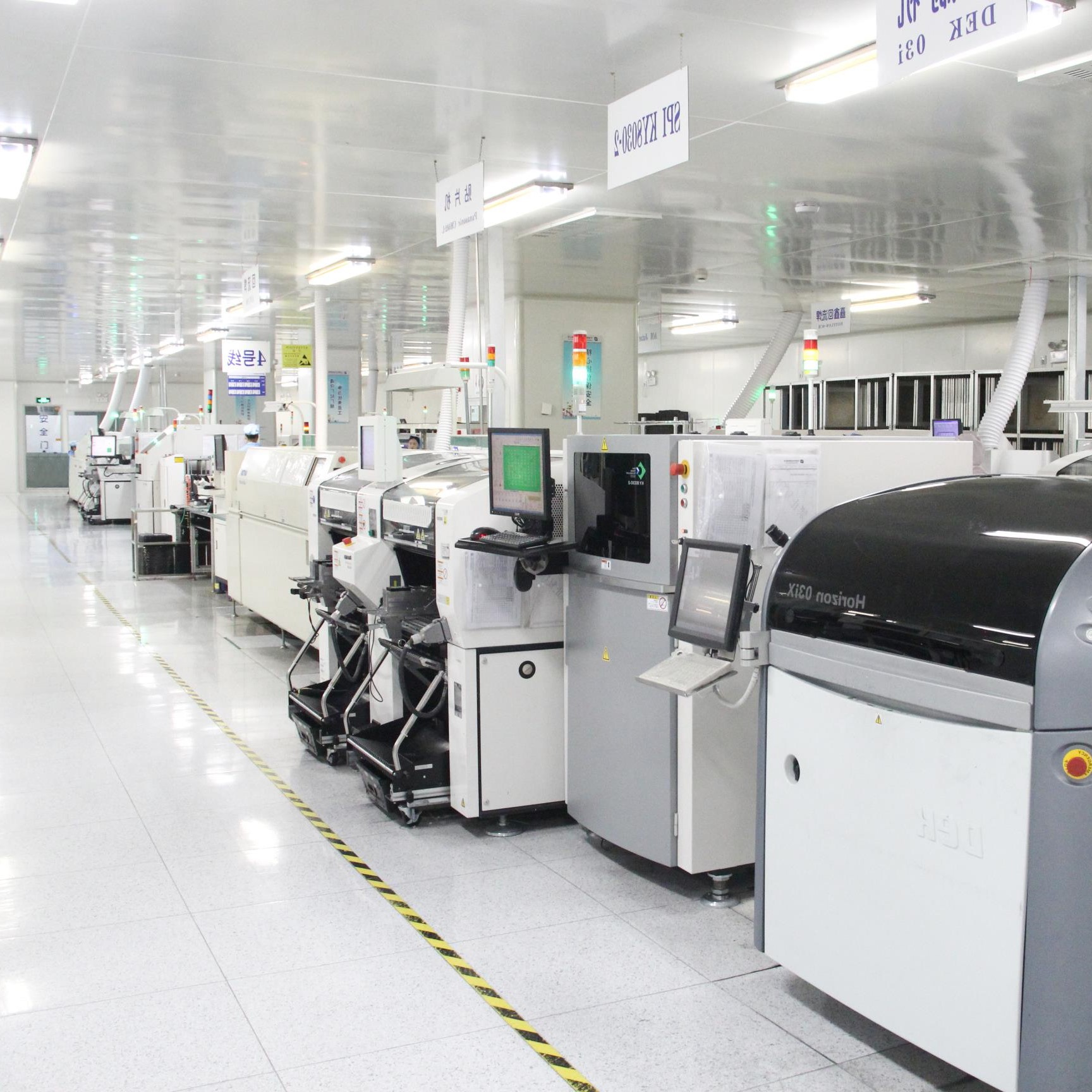
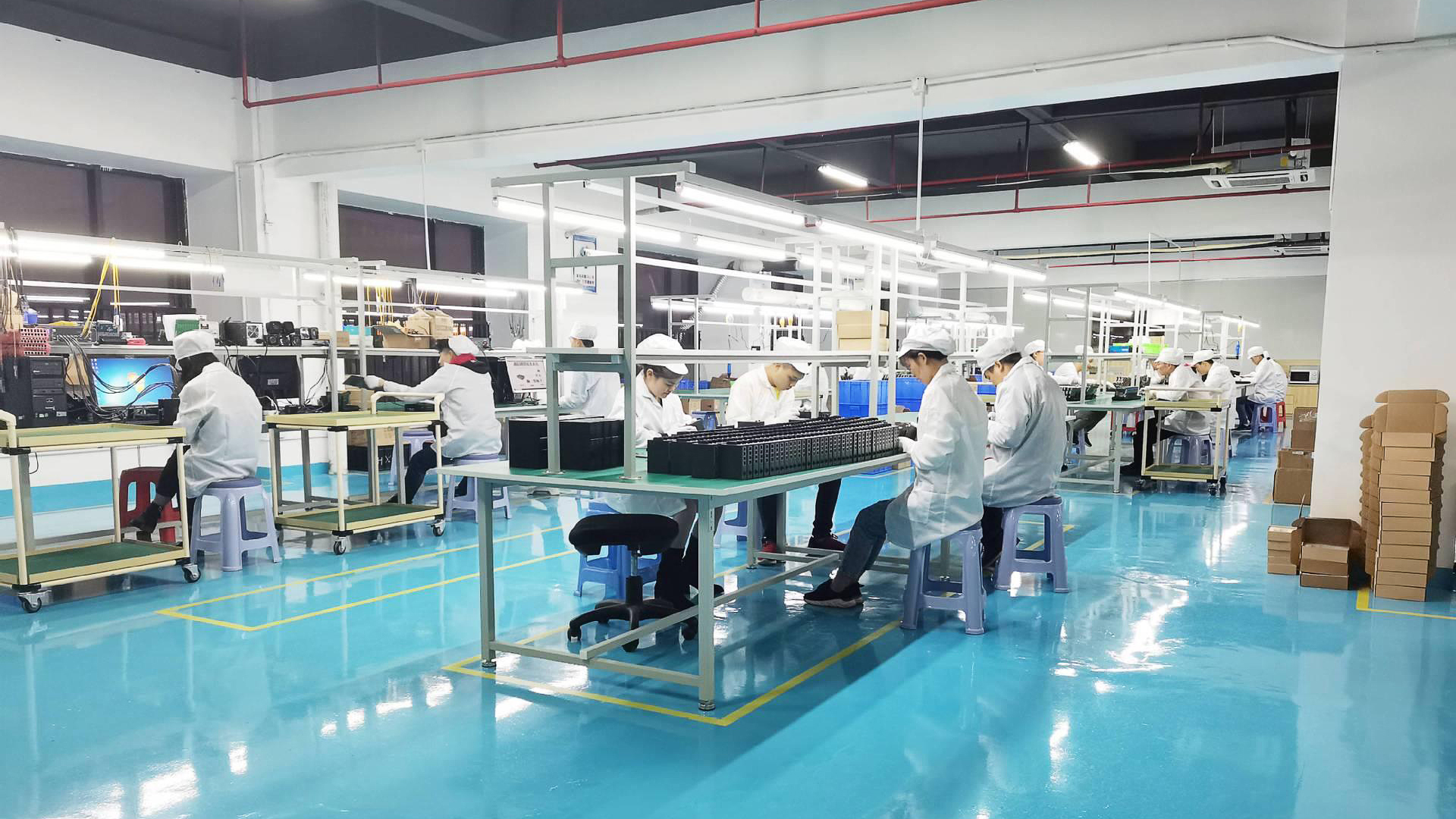
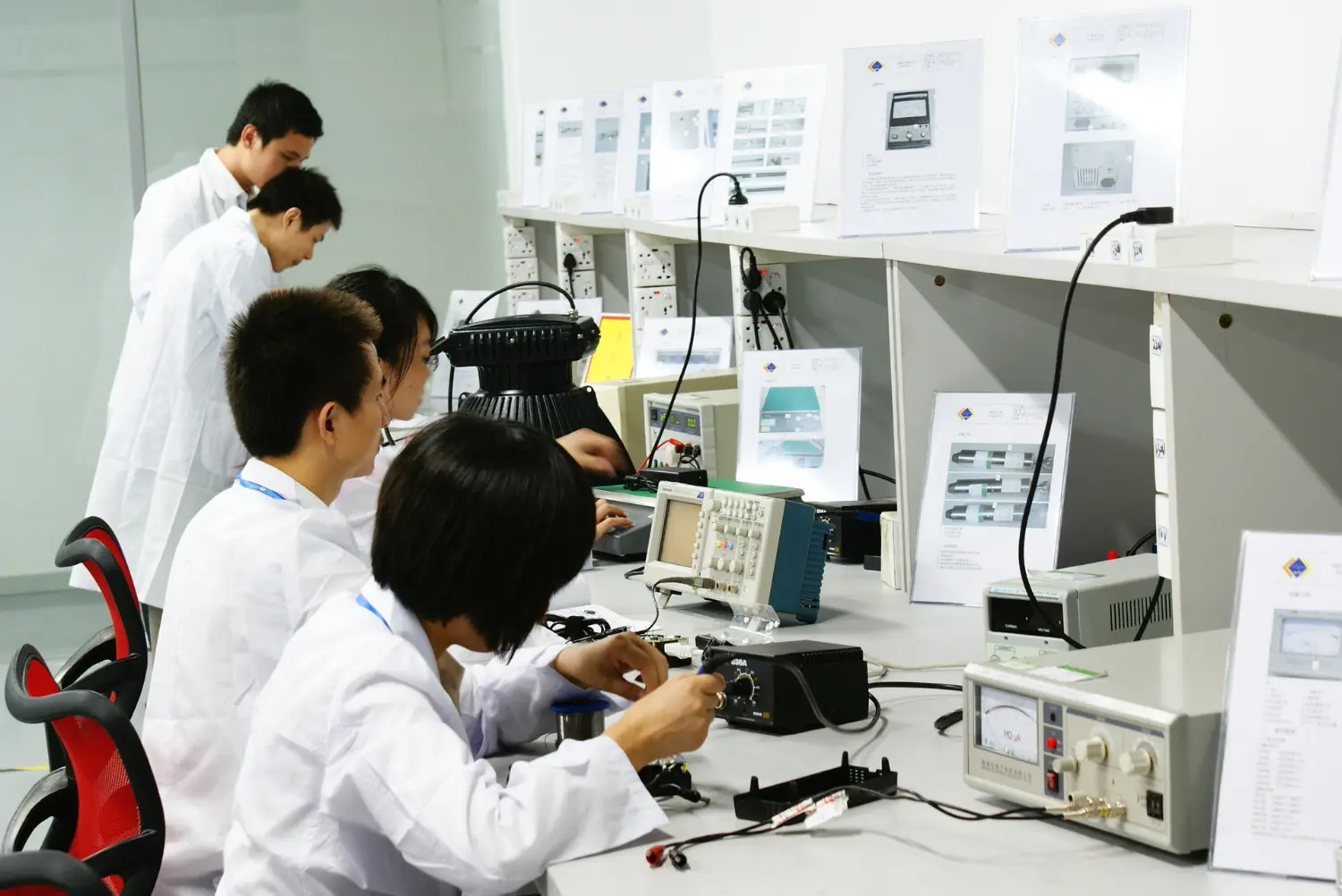
As a leading supplier of optical transmission equipment in Guangdong, China, Shenzhen Soras Technology Co., Ltd. integrates advanced SMT (Surface Mount Technology) lines and simulation testing frameworks to guarantee product longevity. Our production facility leverages state-of-the-art automation combined with a strict quality management system certified to international standards.
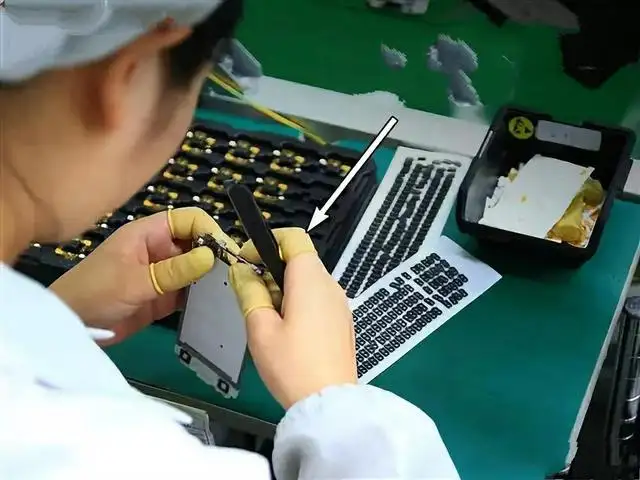
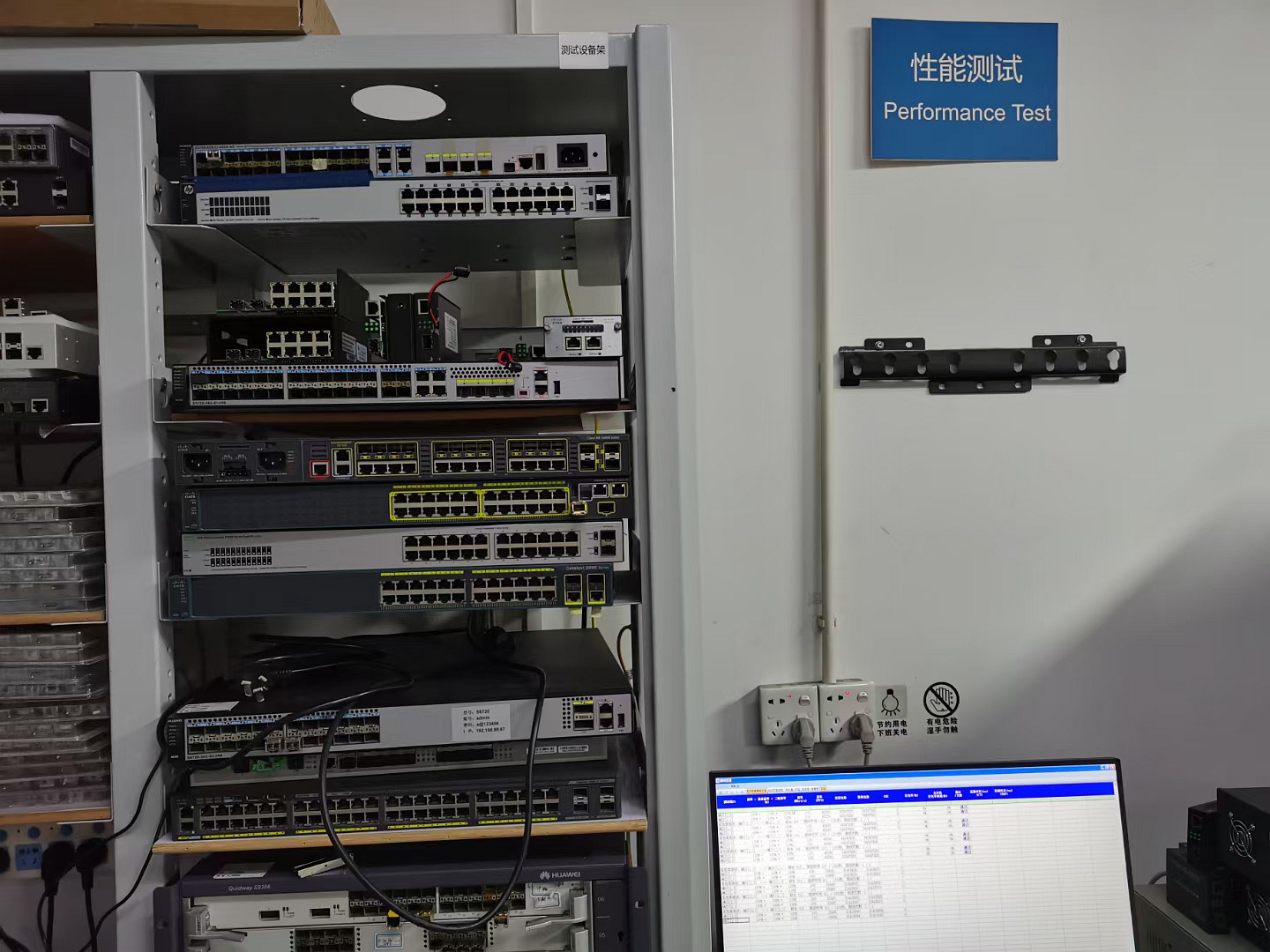
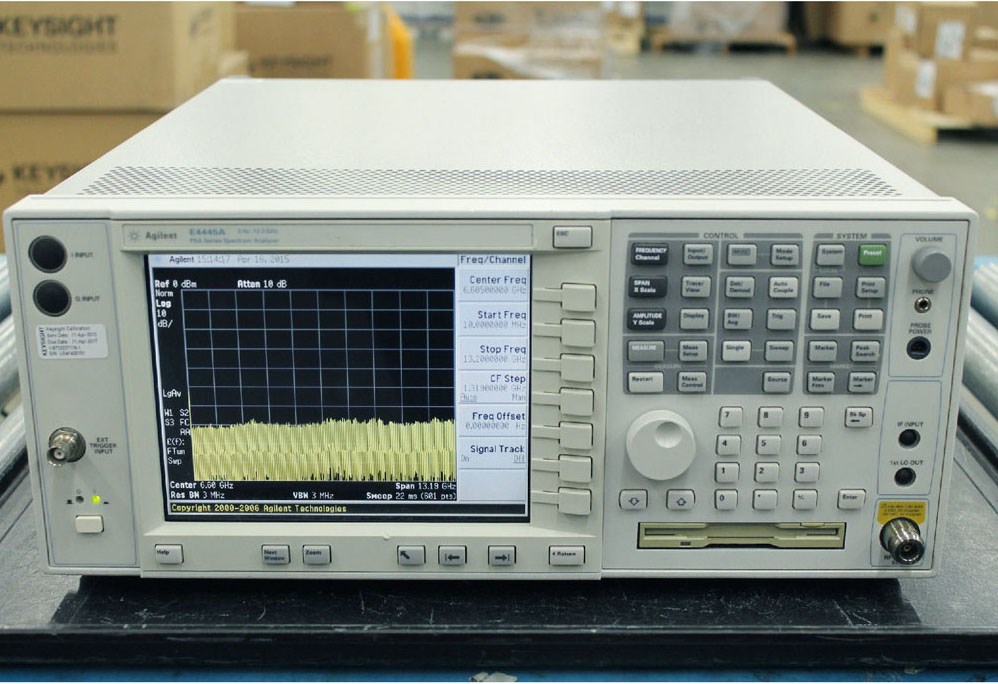
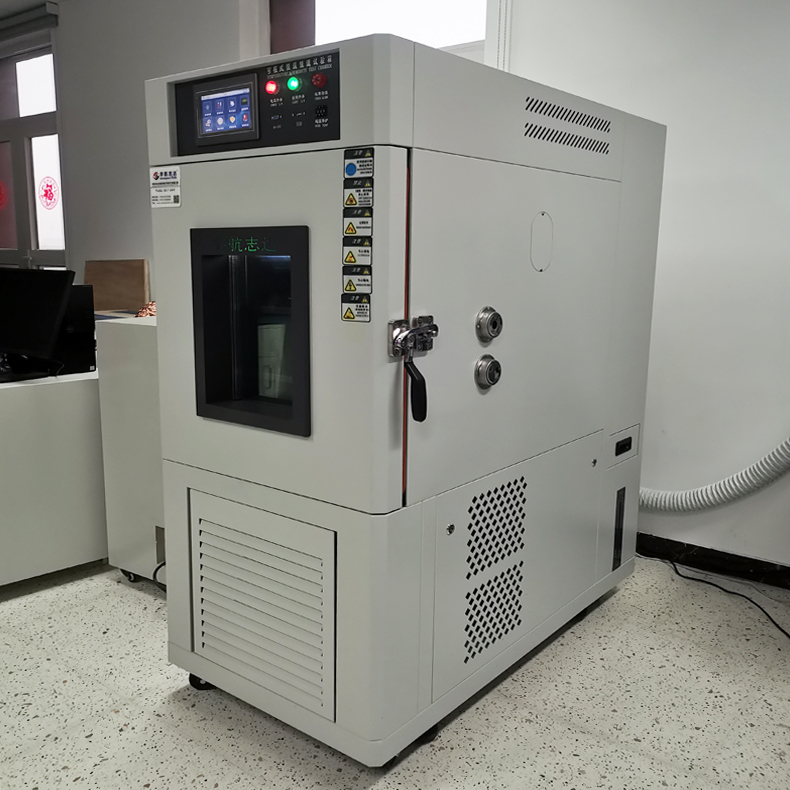
Our commitment to quality is backed by certifications including ISO 9001, CE, FCC, and RoHS. Unlike generic assembly factories, Soras manages the full lifecycle of hardware production—from initial PCB routing designs and components sourcing directly from tier-1 semiconductor brands to environmental chamber testing and Final Bit Error Rate (BER) validations.
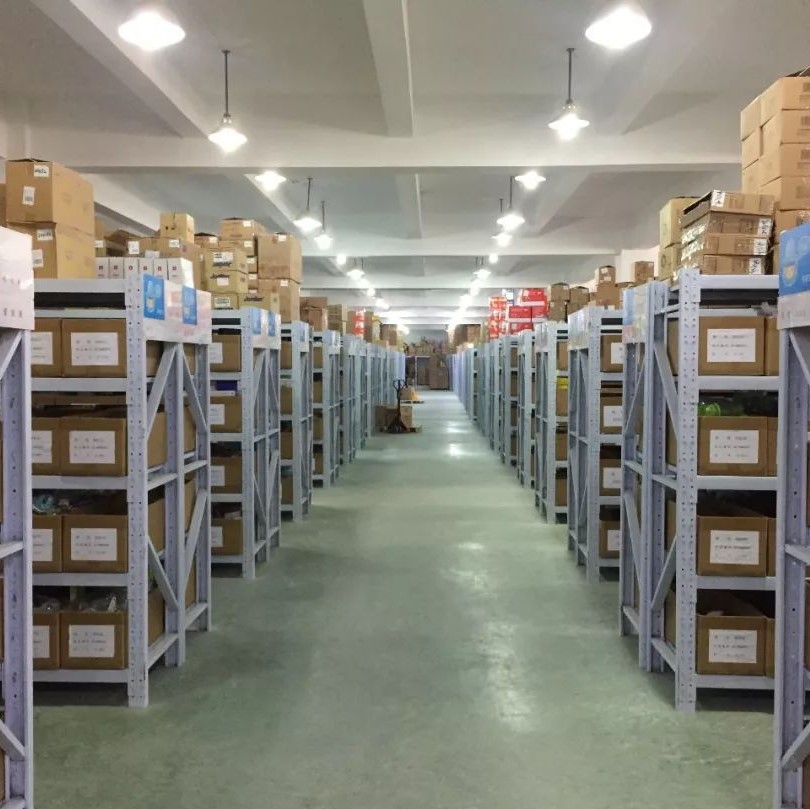
We work closely with global telecommunication companies, infrastructure contractors, and value-added distributors to provide custom OEM and ODM solutions. Our global logistics network ensures delivery across South America, North America, Europe, and East Asia, keeping networks connected under any global supply chain conditions.
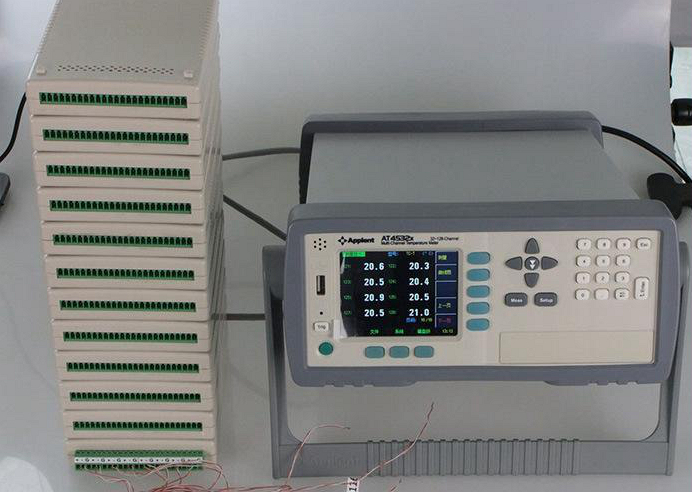
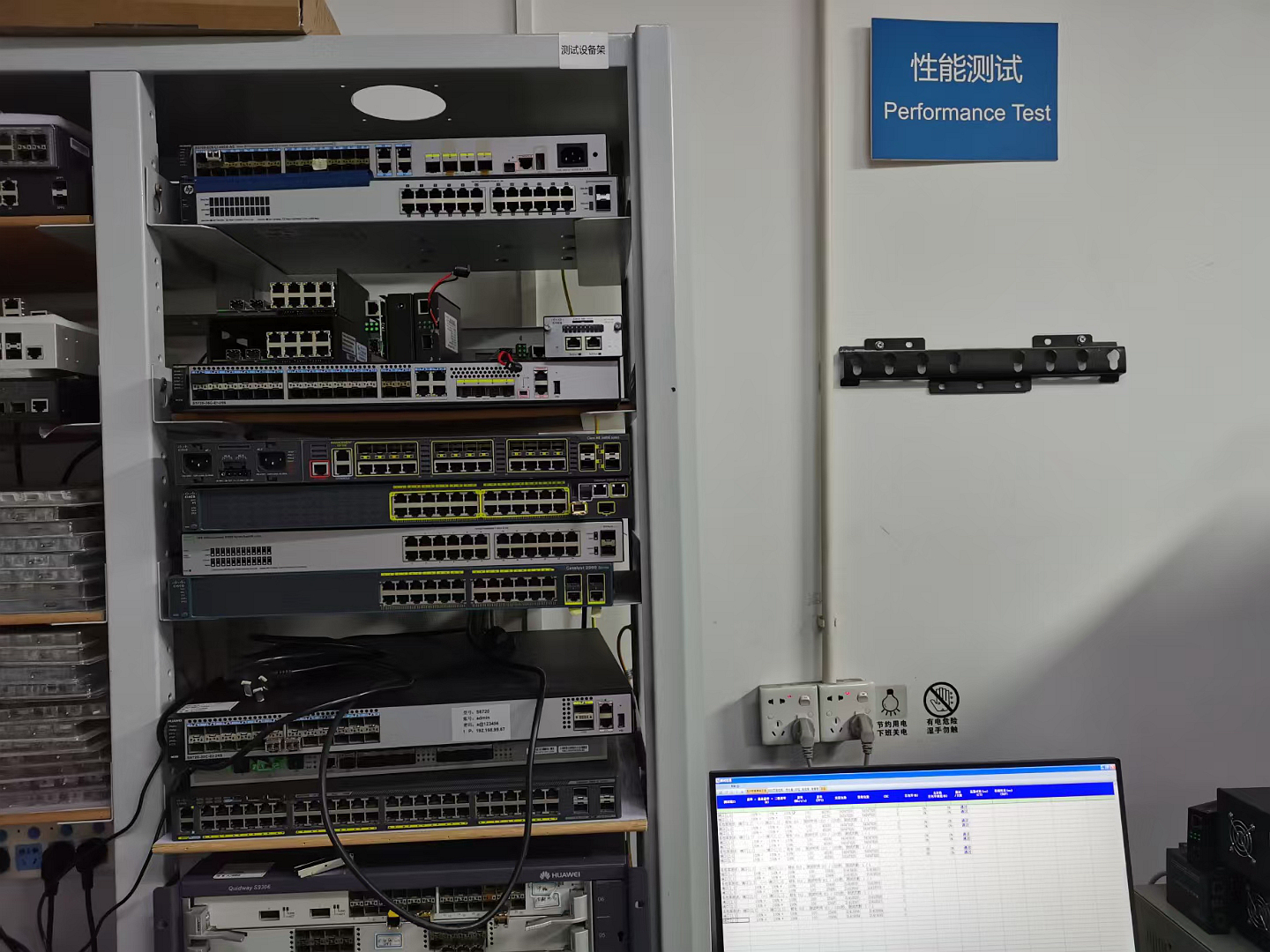
Every batch of media converters produced is subjected to strict stress tests to meet high reliability criteria:
| Shenzhen Soras Technology Co., Ltd. - Corporate Registry & Specifications | |
|---|---|
| Business Type | Manufacturer / OEM & ODM Service Provider |
| Country / Region | Guangdong, China |
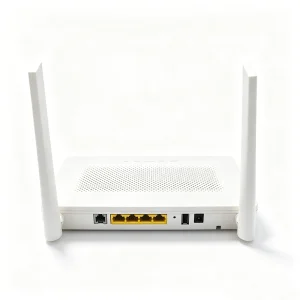
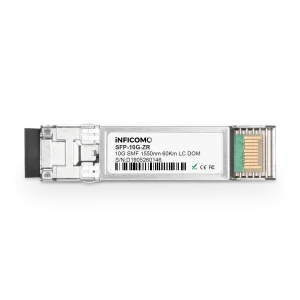
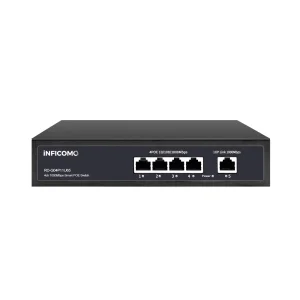
| Main Products Offered | FTTH ONU & OLT, SFP Transceiver Modules, Fiber Media Converter, PoE Ethernet Switches, Fiber Optic Accessories |
| Total Workforce | 11 - 50 Professional Engineers & Assemblies Specialists |
| Total Annual Revenue | US$ 5 Million - US$ 10 Million |
| Year Established | 2021 |
| Primary Target Markets | Domestic Market (24%), Eastern Asia (15%), North America (15%), South America, Europe |
Long-range CCTV surveillance configurations rely on 10/100M media converters to connect remote IP cameras to localized network operation centers. The 100Mbps rate provides ample capacity for 4K video feeds without bottlenecking.
Industrial manufacturing centers use converters to link PLCs, CNC units, and edge sensors to central control stations, protecting equipment from ground loop surges through optical isolation.
For rural network setups, single-fiber bidirectional (WDM) systems allow ISPs to connect end-users up to 25km away using a single fiber link, halving cabling costs and simplifying maintenance.
 Soras Tech