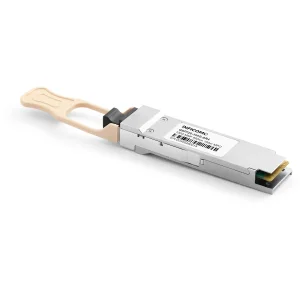
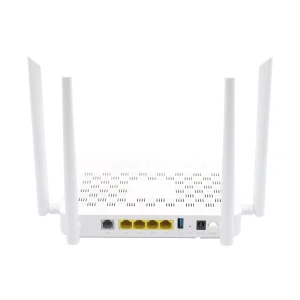
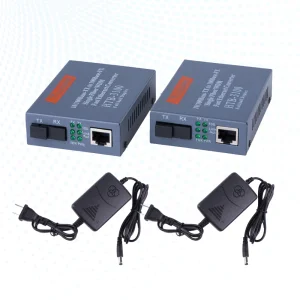
Select high-performance active and passive networking equipment engineered for enterprise deployment and fiber-optic topologies.
An analytical breakdown of the modern multi-mode fiber market in high-speed enterprise backbones and hyperscale data centers.
Modern data centers utilize OM3 and OM4 multi-mode fibers to support high-density 40G, 100G, and 400G ethernet frameworks using short-wavelength VCSEL transmitters.
OM4 offers an Effective Modal Bandwidth (EMB) of 4700 MHz·km at 850nm, compared to 2000 MHz·km for OM3, permitting longer transmission runs with lower jitter rates.
Leveraging multi-mode fiber with 850nm VCSEL transceivers yields a significantly lower total system cost than implementing single-mode optical transceivers for links under 150m.
As enterprise networks scale upward to manage modern AI workloads, high-frequency transactions, and distributed cloud applications, physical layer cabling must keep pace. Multi-mode optical fiber (MMF) remains the dominant choice for localized data center connections due to its thick core diameter (50µm) and high coupling efficiency with Vertical-Cavity Surface-Emitting Lasers (VCSELs).
The distinction between OM3 and OM4 fiber optics centers on modal dispersion, which dictates how light waves travel within the glass core. OM4 fiber utilizes optimized refractive index profiles to minimize differential mode delay (DMD). This design permits OM4 to transmit 100G signals up to 100 meters (using SR4 transceivers), whereas OM3 is typically constrained to 70 meters. This performance delta represents a key consideration for network design architects planning clean upgrades from 10G to 40G and 100G architectures.
Technical comparison between OM3 and OM4 standards operating under different optical Ethernet transmission protocols.
| Fiber Type | Jacket Color | Core/Cladding Diameter | Overfilled Launch (OFL) Bandwidth | Effective Modal Bandwidth (EMB) | Max 10G Reach (850nm) | Max 40G/100G Reach |
|---|---|---|---|---|---|---|
| OM3 (Laser-Optimized) | Aqua (Standard) | 50 / 125 µm | 1500 MHz·km @ 850nm | 2000 MHz·km @ 850nm | 300 Meters | 70 Meters (SR4 / SR10) |
| OM4 (Ultra-Laser-Optimized) | Aqua / Erika Violet | 50 / 125 µm | 3500 MHz·km @ 850nm | 4700 MHz·km @ 850nm | 550 Meters | 100 Meters (SR4 / SR10) |
A premier manufacturer and designer of optical transmission equipment and high-density network devices with a decade of global operations.
Shenzhen Soras Technology Co., Ltd. is a leading manufacturer of optical transmission equipment and network equipment with more than 10 years of experience. We rely on high-quality management and technological innovation, committed to providing customers with high-quality, cost-effective, high value-added products and solutions.
Today, we work closely with telecommunications companies around the world. We have a strong technical force and an experienced R&D team; products can be developed according to customer requirements, and we also accept your OEM and ODM orders. Now our products are exported to more than 60 countries, and the main markets are South America, North America, and Europe.
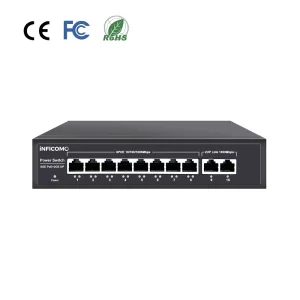
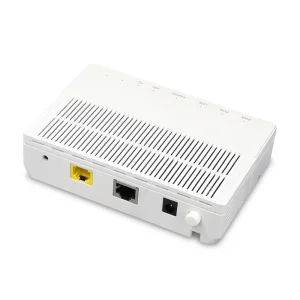
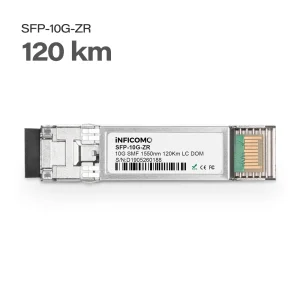
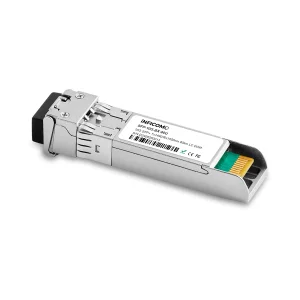
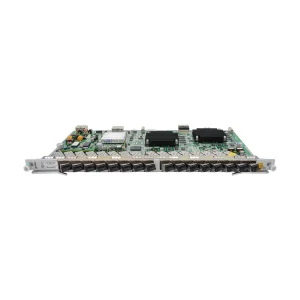
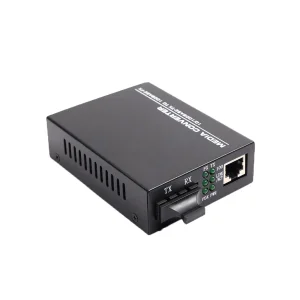
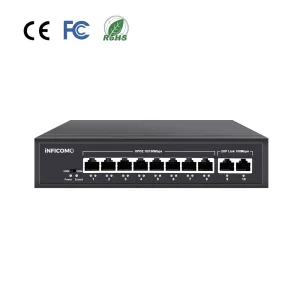
Our main product portfolio includes: Fiber Media Converter, SFP Module, POE Switch, ONU, OLT, and supporting optical products. We have passed ISO 9001, UL, CE, FCC, and RoHS certifications. Our aim is "superior quality, professional service, competitive price, integrity-based". We believe this is not only our responsibility, but also the best way out for long-term development. Soraslink looks forward to working with you!
| Business Type | Manufacturer | Country / Region | Guangdong, China |
| Main Products | FTTH ONU & OLT, SFP Module, Fiber Media Converter, Poe Switch, Fiber Optic Equipment | Total Employees | 11 - 50 People |
| Total Annual Revenue | US$5 Million - US$10 Million | Year Established | 2021 |
| Main Markets | Domestic Market 24.00%, Eastern Asia 15.00%, North America 15.00% | Certifications | ISO 9001, UL, CE, FCC, ROHS |

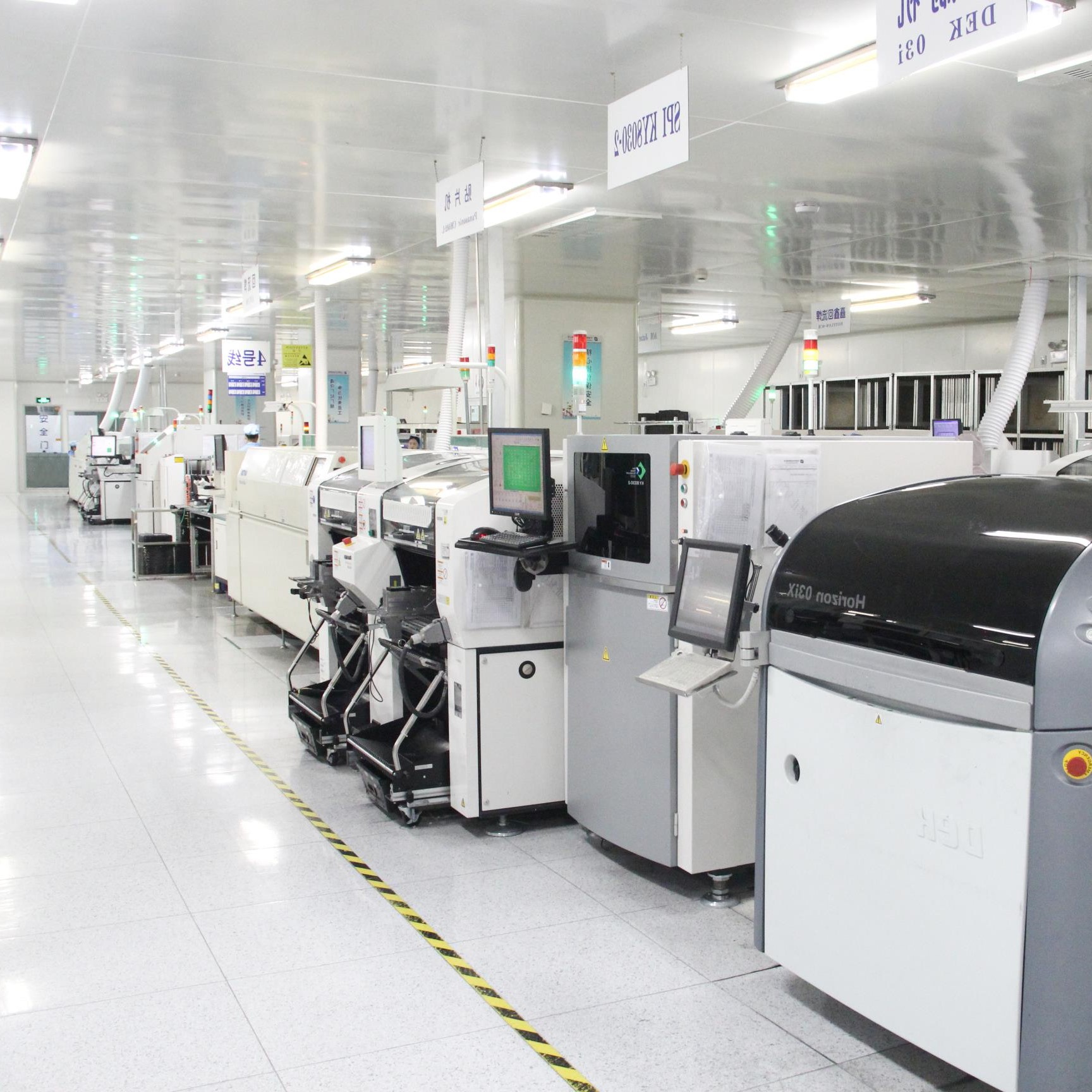
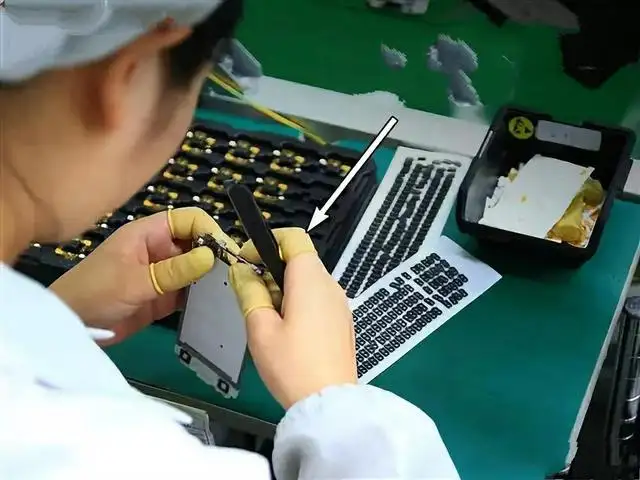
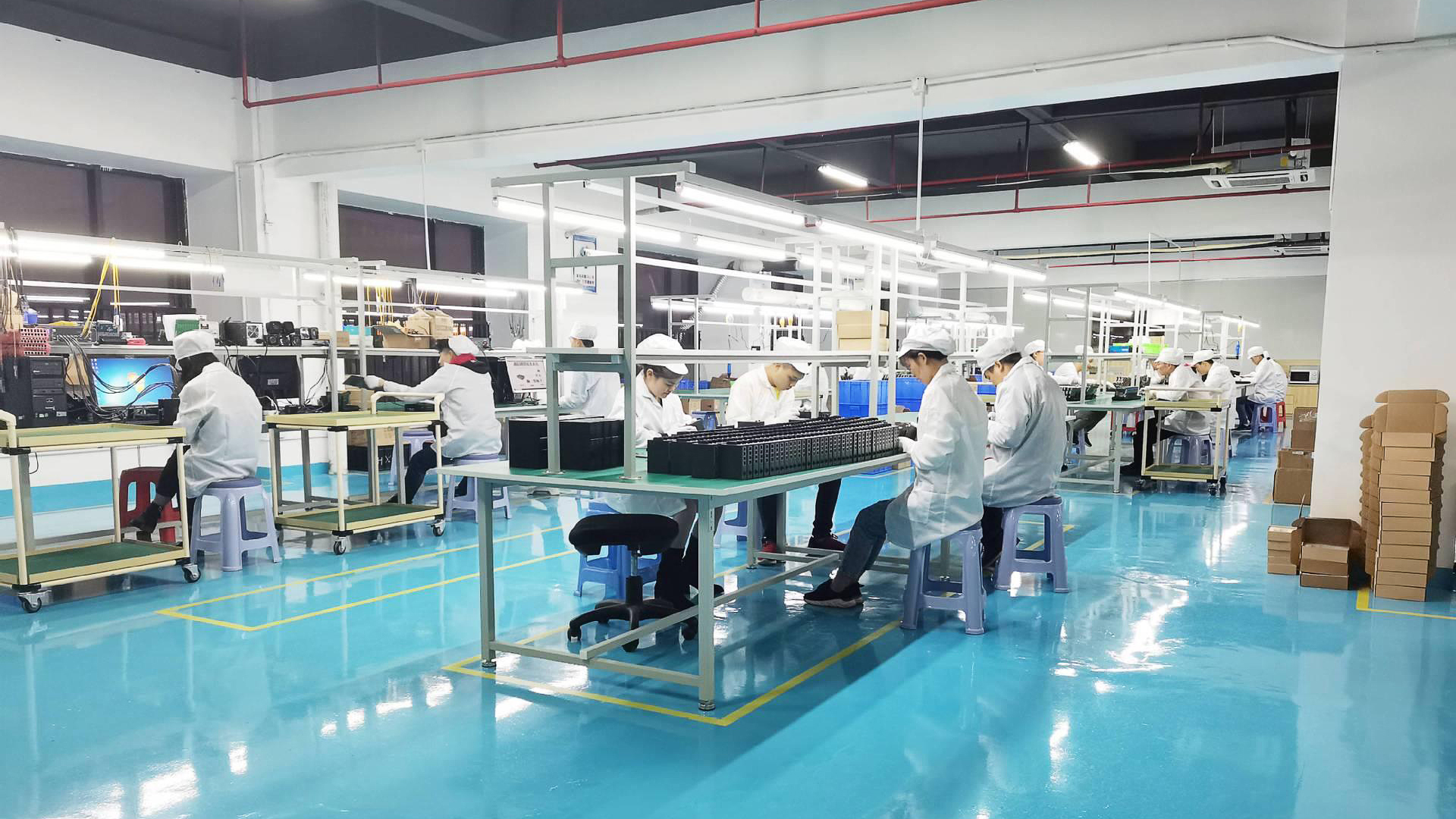
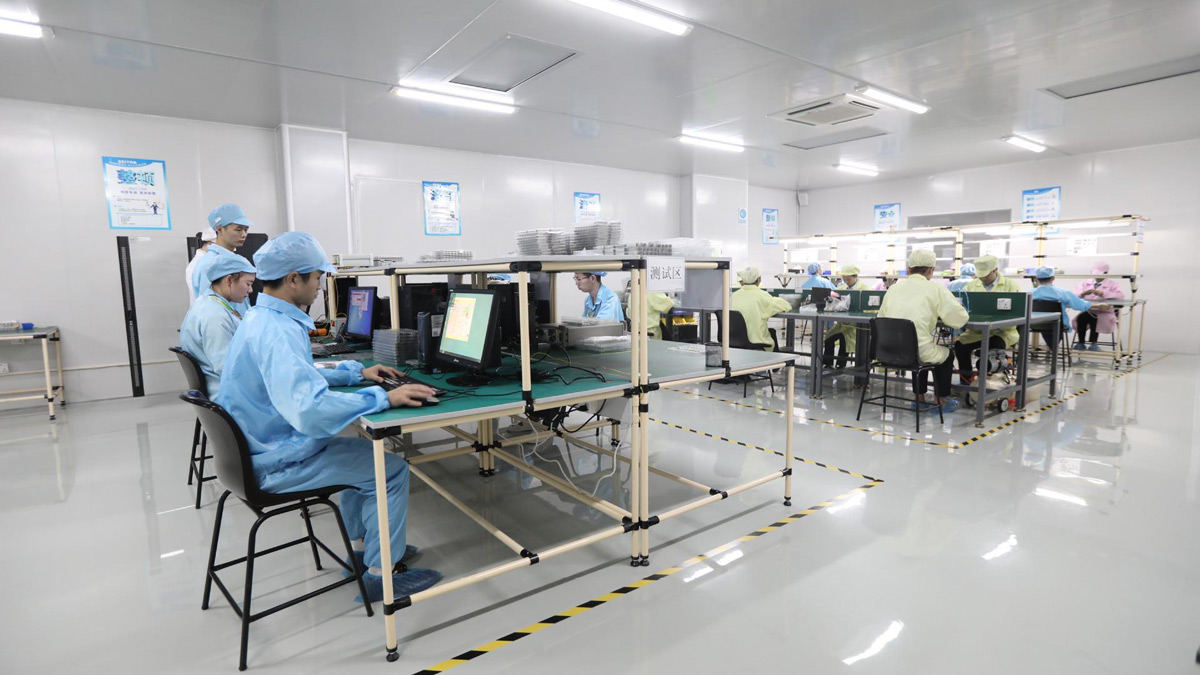
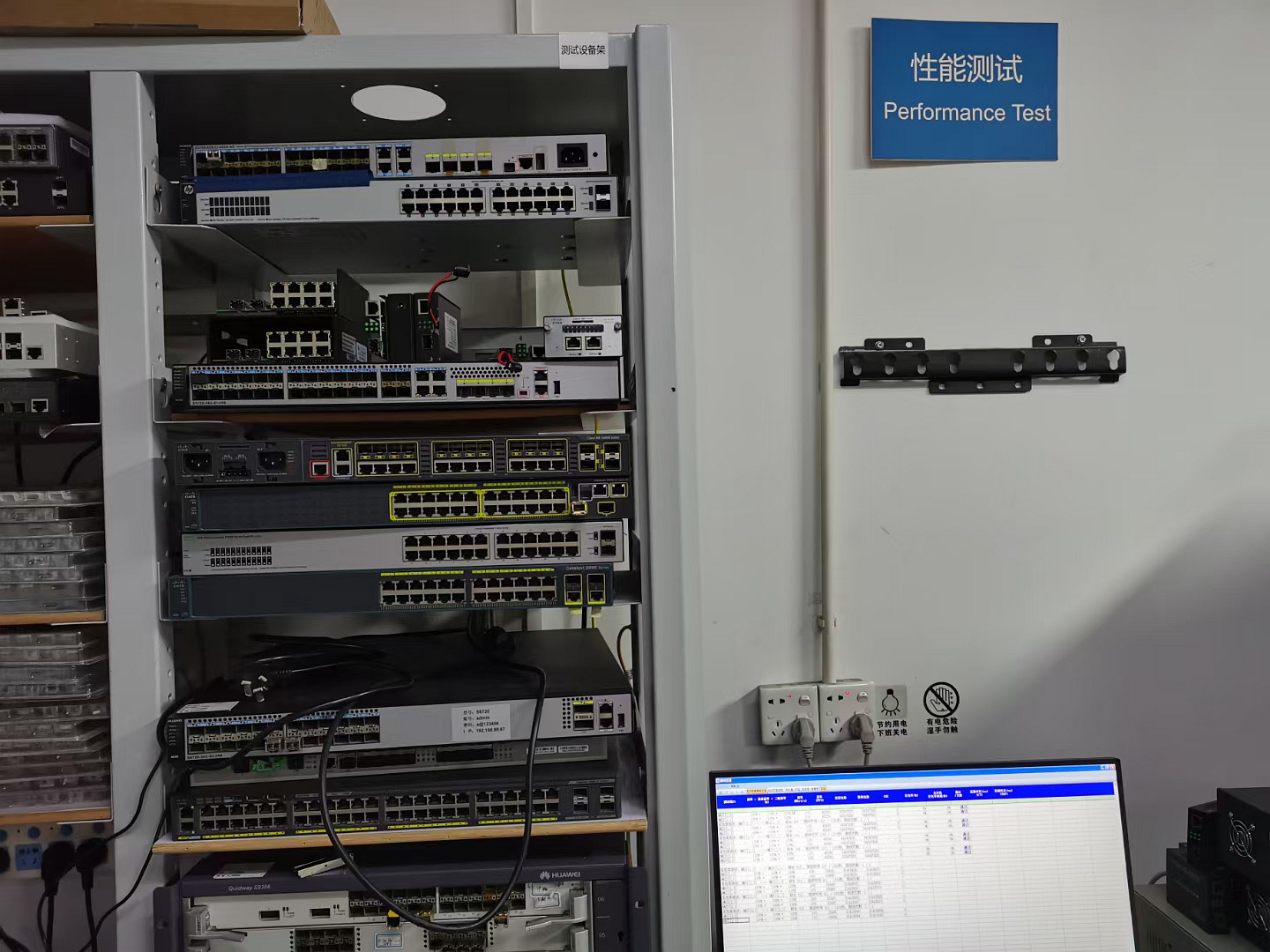
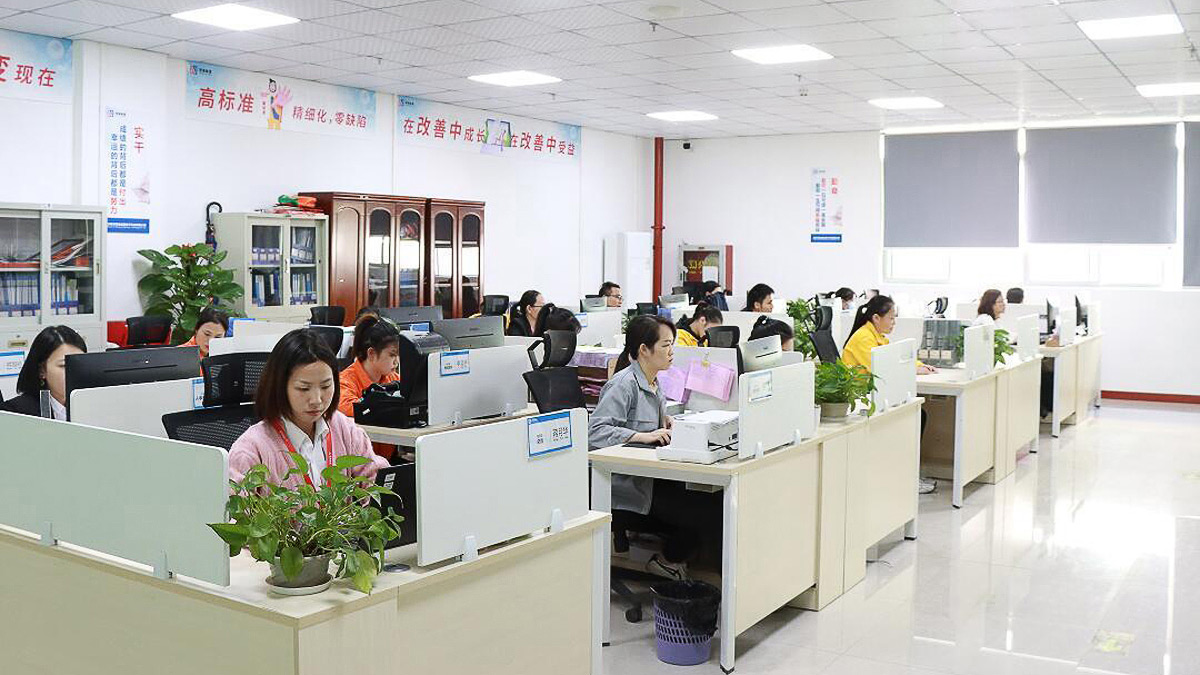
Every patch cord and networking module manufactured in our facility undergoes rigorous optical testing and simulated environmental stress checks.
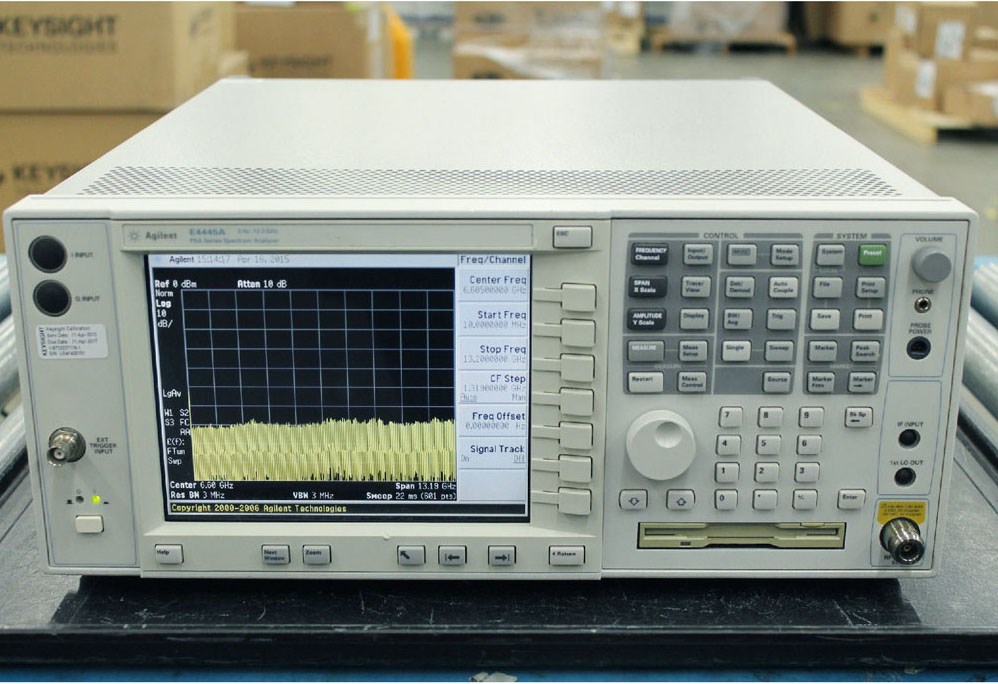
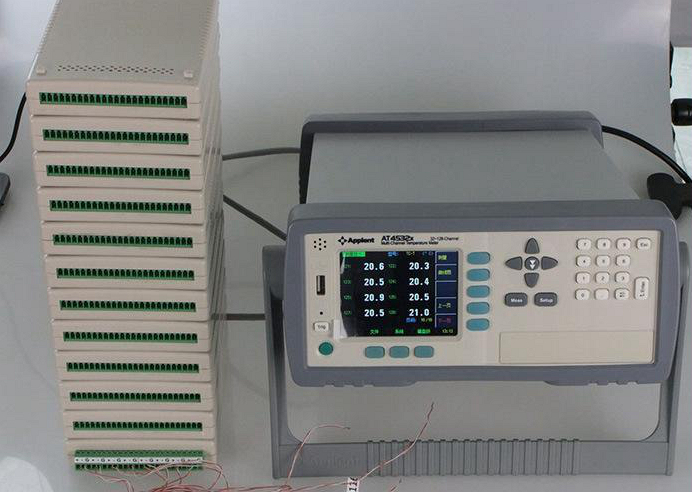
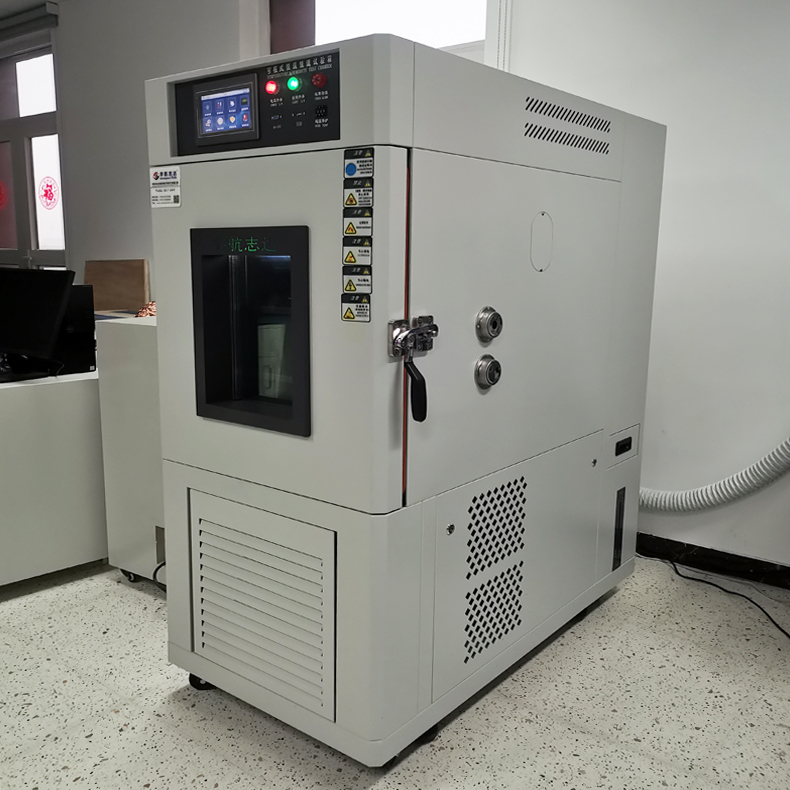
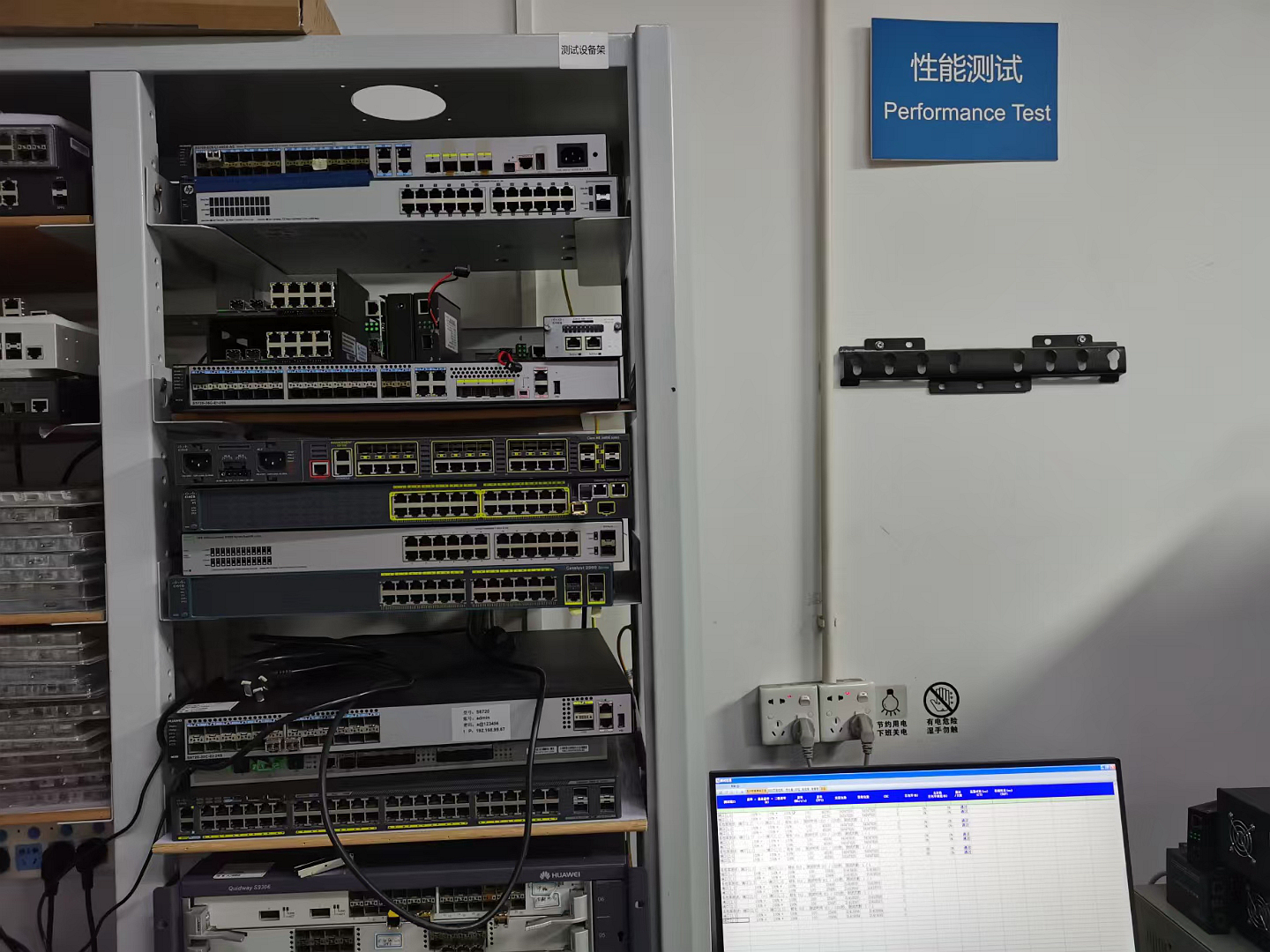
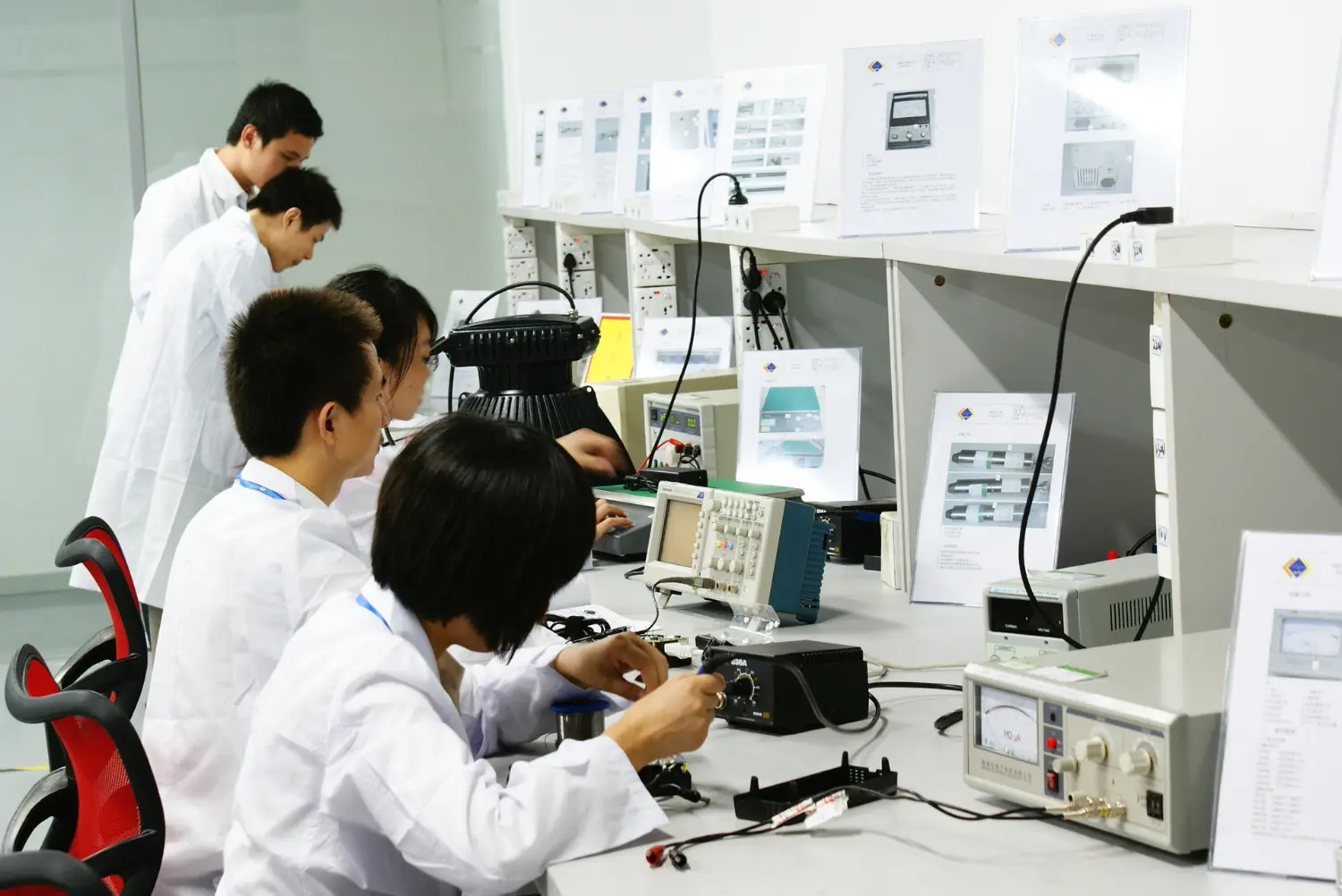
To assure optical performance compliance, our quality verification program implements systematic procedures targeting physical structure and signal integrity:
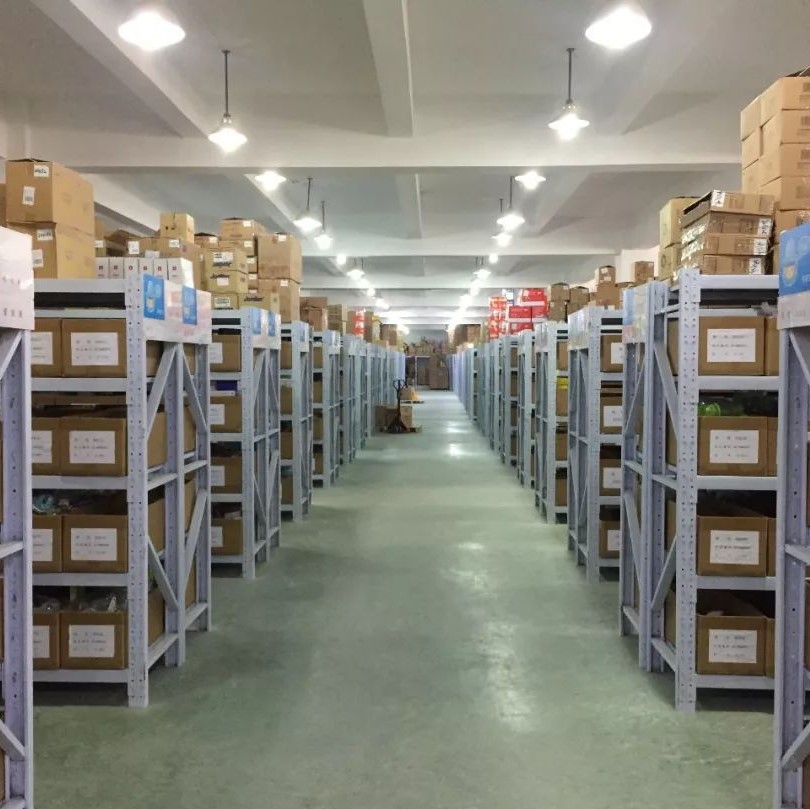
Leveraging advanced manufacturing clusters in Shenzhen, Guangdong to optimize throughput and performance.
Shenzhen acts as the primary manufacturing ecosystem for global telecom companies, housing material suppliers, precision machinery vendors, and testing labs within a unified geographic cluster.
Global system integrators and distributors prioritize China wholesale optical manufacturing for three main reasons: localized raw material supply chains, automated polishing systems, and mature workforce capabilities.
Our facility leverages automated polishing machines and high-precision fiber cleavers. These tools reduce human variance and secure tight physical contact parameters. This automation allows us to offer high quality-control standards at competitive prices. By manufacturing active networking hardware alongside passive interconnect products like fiber optic patch cables, our Shenzhen ecosystem provides buyers with a single source for complete networking deployments.
Exploring where laser-optimized multi-mode fiber functions as the critical backbone, and where the market is moving next.
High-density core-to-distribution interlinks that route high traffic between internal servers and core switches over short distances.
Financial clusters utilize ultra-low latency configurations, relying on high modal bandwidth to prevent transaction delays.
Healthcare facilities and imaging labs route raw diagnostic files across servers using OM3/OM4 infrastructure to maintain transmission speed.
Optical Cabling Industry Developments: With the commercialization of 400G and 800G optical frameworks, transmission standards are evolving. Bend-Insensitive Multi-Mode Fiber (BIMMF) is becoming a common specification, preventing signal loss when cords are tightly bent inside high-density server enclosures. Additionally, the transition toward OM5 Wideband Multimode Fiber (WBMMF) is gaining traction, supporting Shortwavelength Division Multiplexing (SWDM) to transmit multiple wavelengths over a single fiber pair.
Establish clear technical baselines to evaluate product quality before signing bulk importing agreements.
Acceptance threshold must be explicitly designated. Demand testing certificates showing IL values ≤0.25dB per termination.
Ensure suppliers inspect connector tips under at least 400x magnification. Contaminants are the primary cause of signal degradation.
Specify Low Smoke Zero Halogen (LSZH) or Plenum (OFNP) jackets to comply with municipal building codes and fire safety regulations.
Technical and logistics questions answered directly by our engineering and export departments.
Yes, because both OM3 and OM4 possess a core diameter of 50 microns. However, the transmission limit of the overall channel will be determined by the lower-performing OM3 standard.
Every patch cord package includes a testing certificate detailing the insertion loss and return loss values for each connector end-face, confirming compliance with local standards.
We maintain ISO 9001 quality systems and utilize specialized testing equipment, including 3D interferometers, optical time-domain reflectometers (OTDRs), and high-low temperature testing chambers.
Standard custom configurations are completed within 7 to 15 business days. The exact schedule depends on raw material availability, connector specifications, and order volume.
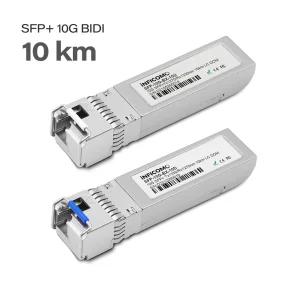
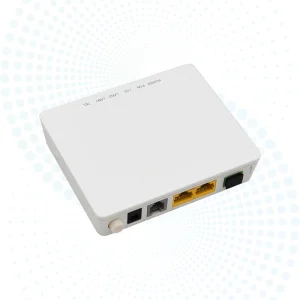
Complete your fiber network infrastructure with our compatible optical transceivers, ONU terminals, and media converters.
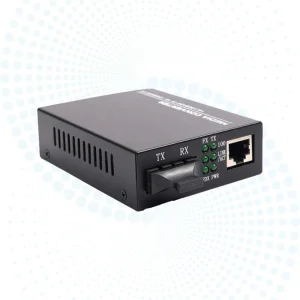
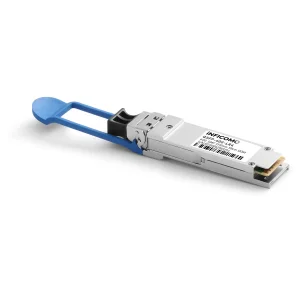
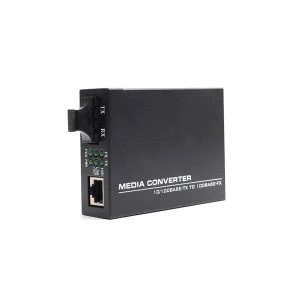
 Soras Tech