Explore our high-performance optical network terminals, converters, and transceivers engineered to meet the demanding requirements of global ISPs and enterprise backbones.
The exponential growth of data consumption, driven by high-definition video streaming, cloud computing, smart cities, and the expansion of the Internet of Things (IoT), has transformed global broadband architecture. At the epicenter of this telecommunications revolution is the Ethernet Passive Optical Network (EPON) technology, a vital branch of the Passive Optical Network (PON) family standard. EPON networks supply the physical and logical link laying the groundwork for modern Fiber-To-The-Home (FTTH), Fiber-To-The-Office (FTTO), and Fiber-To-The-Building (FTTB) installations.
China's manufacturing sector acts as the premier global supplier of these fiber optic systems, bridging the gap between cost-efficiency and premium engineering. As a leading manufacturer and exporter in Guangdong, China, Shenzhen Soras Technology Co., Ltd. (Soraslink) integrates high-precision hardware processing, rigorous Quality Assurance (QA), and specialized research and development. This document details the engineering paradigms, localization scenarios, and future roadmap that define Soras Technology's operation.
Shenzhen Soras Technology Co., Ltd. is a leading manufacturer of optical transmission equipment and network equipment with more than 10 years of experience. We rely on high-quality management and technological innovation, committed to providing customers with high quality, cost-effective, high value-added products and solutions.
Today, we work closely with telecommunications companies around the world. We have strong technical force and an experienced R & D team; products can be developed according to customer requirements, and we also accept your OEM and ODM orders. Now our products are exported to more than 60 countries, the main markets are South America, North America, and Europe. Our main products include: Fiber Media Converter, SFP Module, POE Switch, ONU, OLT, and supporting products. We have passed ISO 9001, UL, CE, FCC, ROHS Certification. Our aim is "superior quality, professional service, competitive price, integrity-based". We believe this is not only our responsibility, but also the best way out for long-term development. Soraslink looks forward to working with you!
| Business Type | Manufacturer, Exporter | Country / Region | Guangdong, China |
| Main Products | FTTH ONU & OLT, SFP Module, Fiber Media Converter, PoE Switch, Fiber Optic Equipment | Total Employees | 11 - 50 People |
| Total Annual Revenue | US$5 Million - US$10 Million | Year Established | 2021 |
| Main Markets | Domestic Market 24.00%, Eastern Asia 15.00%, North America 15.00%, South America, Europe | Certifications | ISO 9001, UL, CE, FCC, RoHS Compliant |
A comprehensive view inside our manufacturing facility in Shenzhen. Our production workflow combines SMT automated assembly with precise thermal, performance, and frequency calibration to deliver zero-defect telecom equipment.




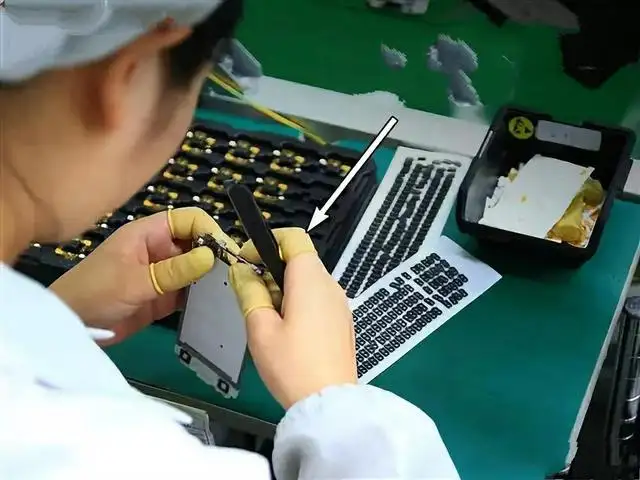


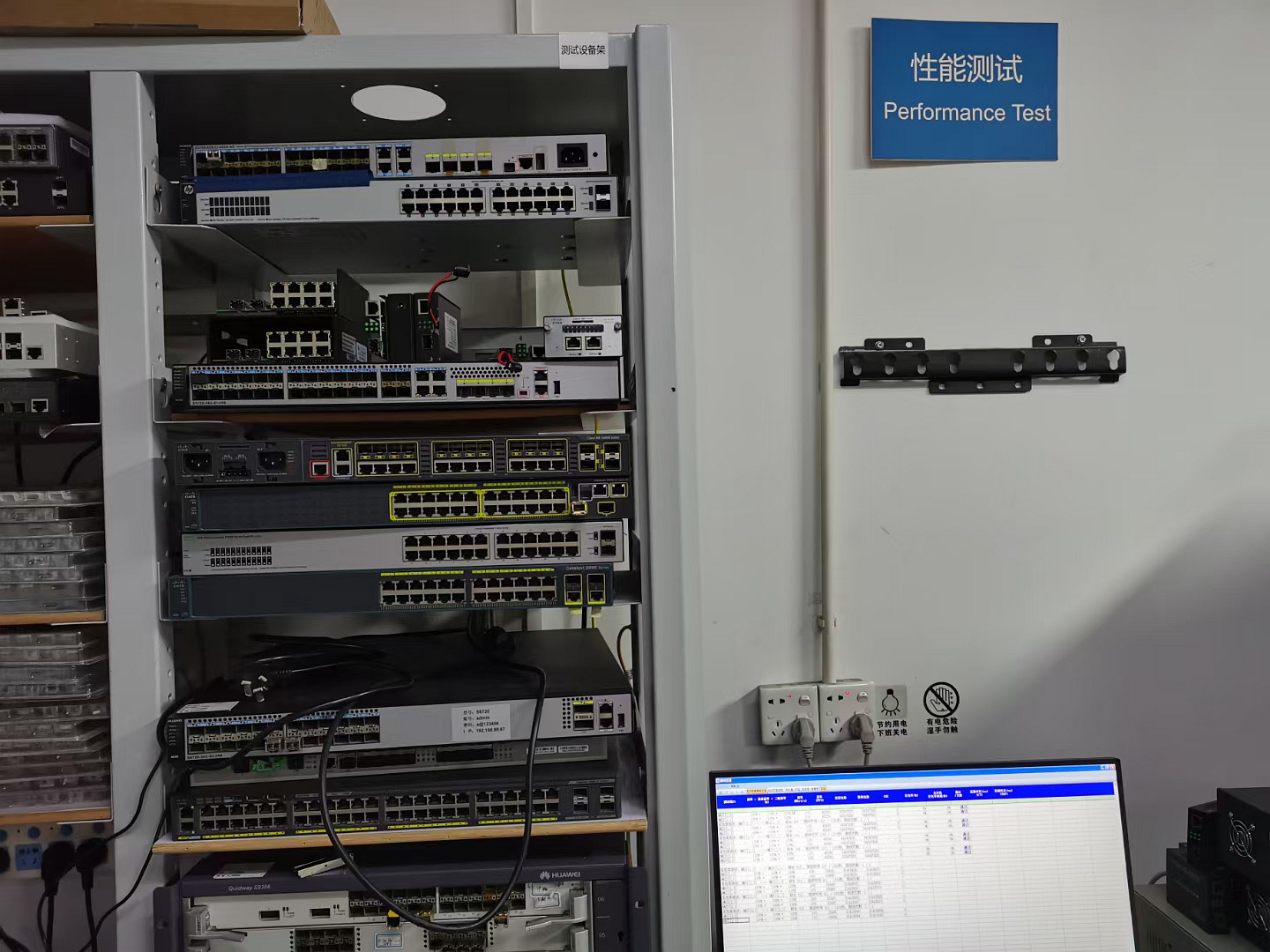
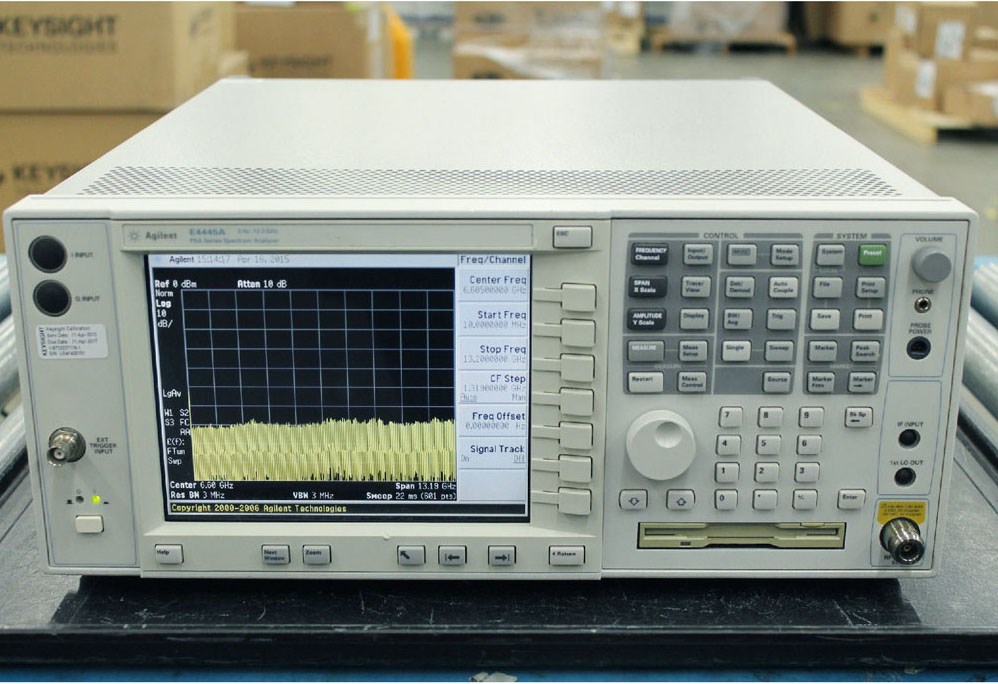
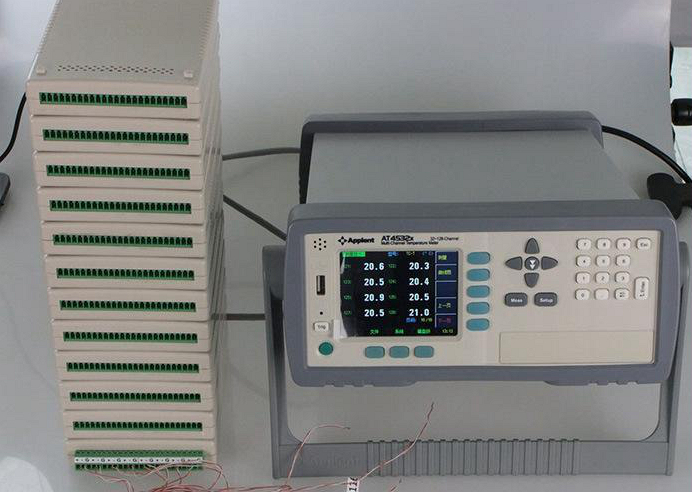
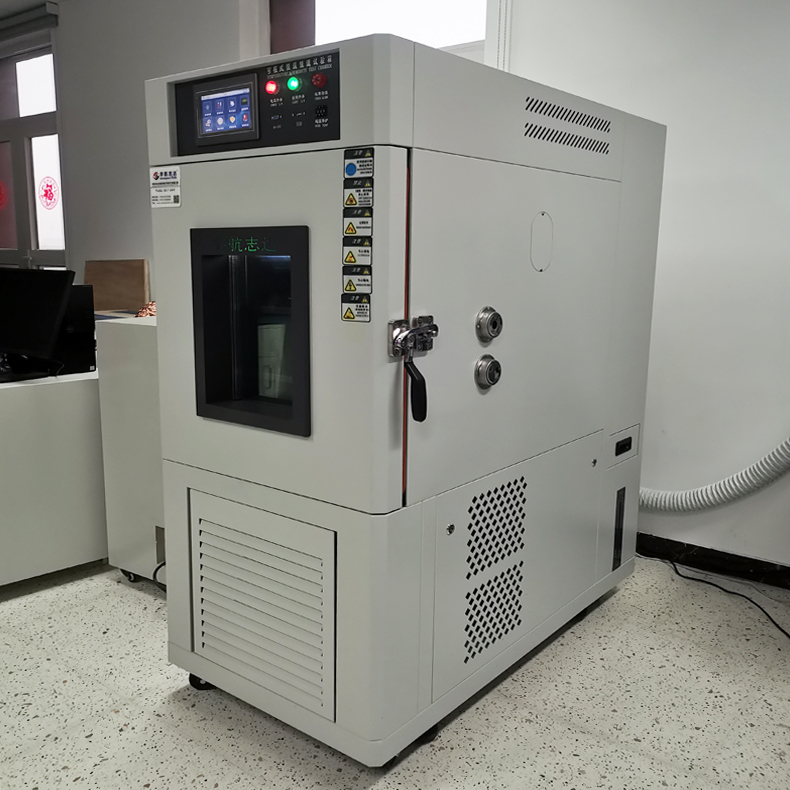
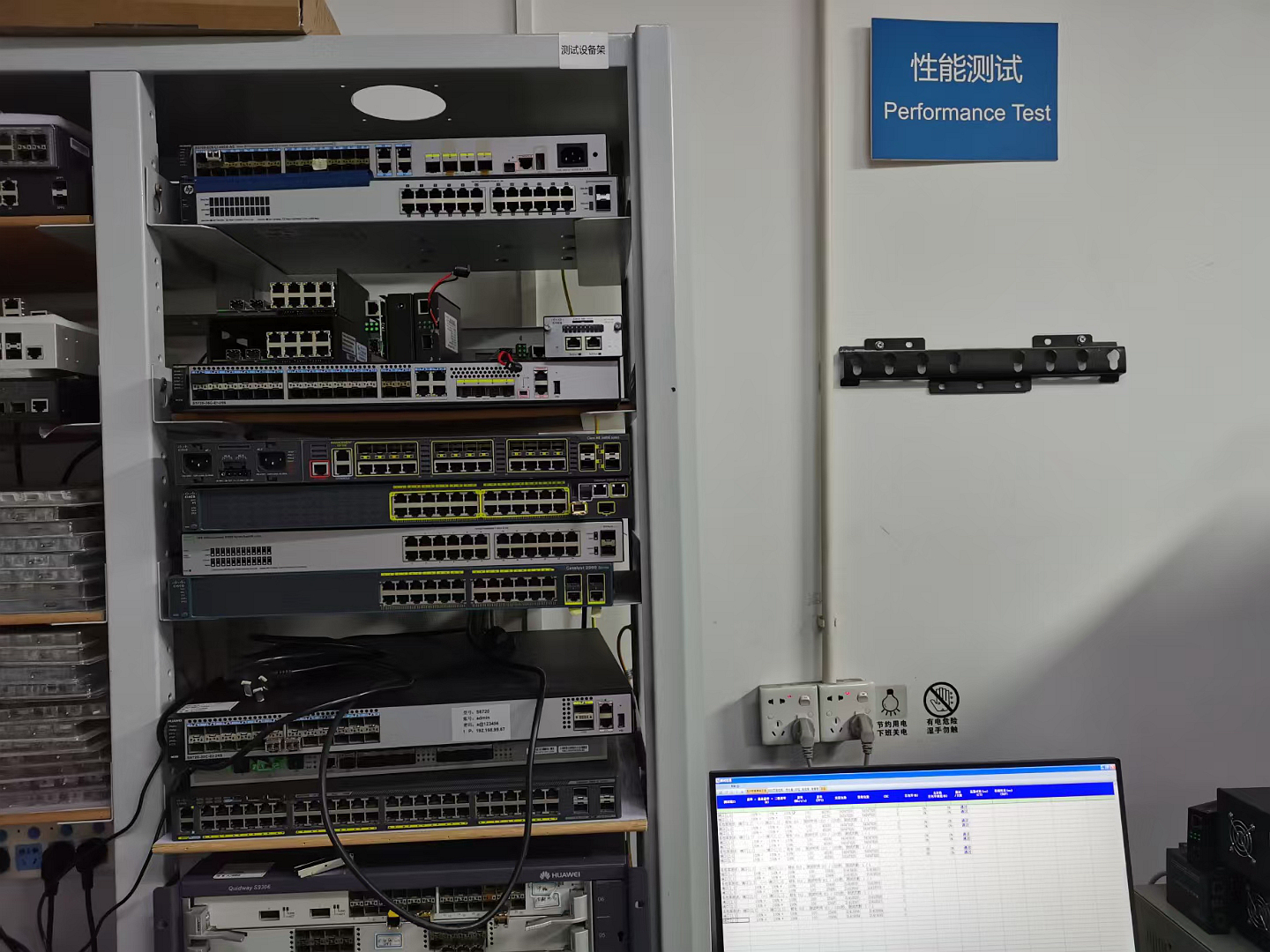
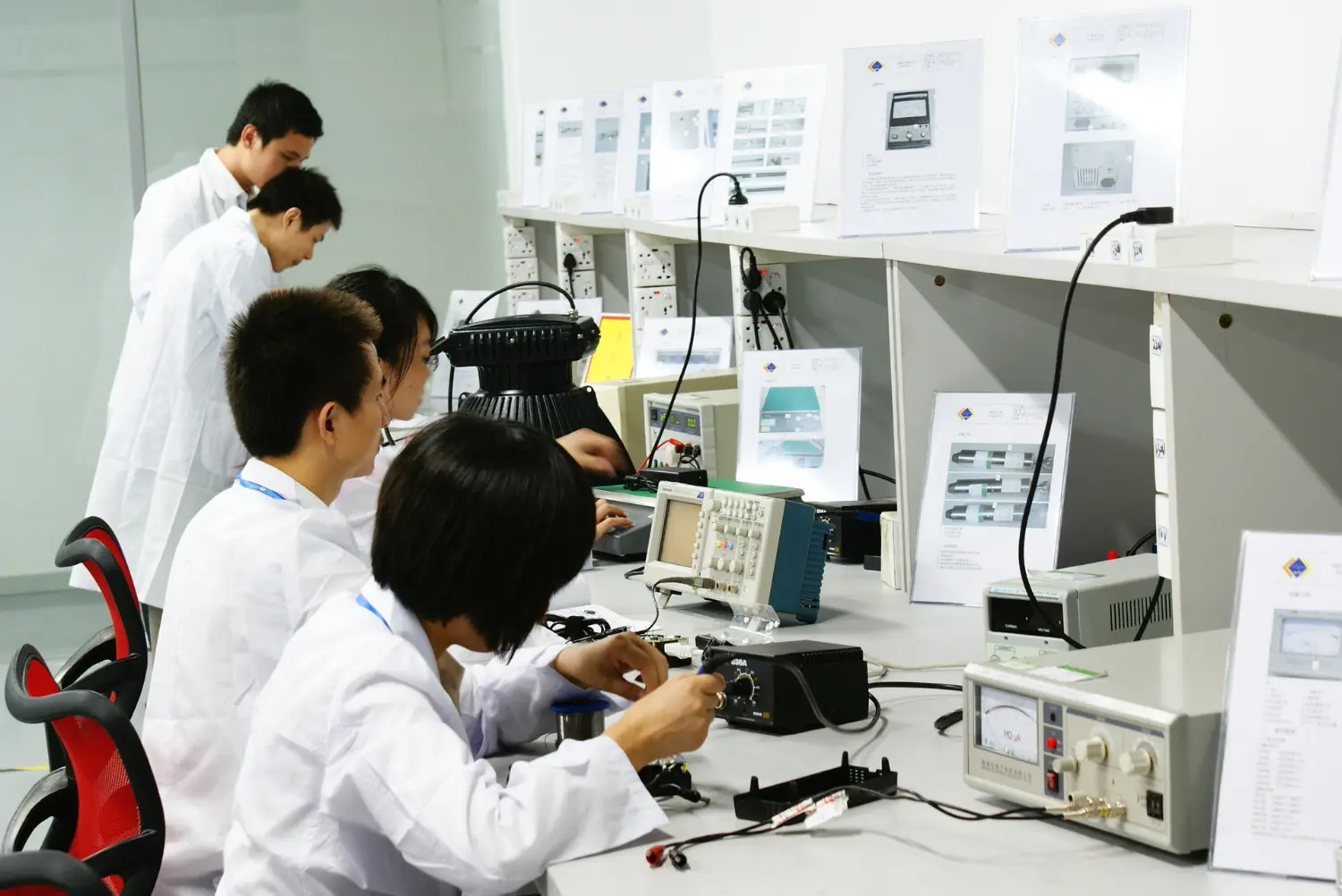
Shenzhen, and the broader Pearl River Delta, houses the world's most dense ecosystem for electronic design, component procurement, and optical component packaging. Our SMT (Surface Mount Technology) lines construct high-density printed circuit boards (PCBs) that serve as the brains of our ONUs and media converters.
To ensure reliability in extreme environments—ranging from the high humidity of tropical South American climates to the sub-zero winters of North America—Soras products undergo simulated lifecycle testing. The High & Low Temperature test forces components to operate at design boundaries, identifying potential failures before shipment. Meanwhile, Wi-Fi Calibration ensures that integrated wireless ONUs maintain maximum transmission signal strength and comply with local RF boundaries.
While EPON was originally designed to bring high-speed internet to domestic properties, it has evolved into a versatile backbone standard across several niche environments:
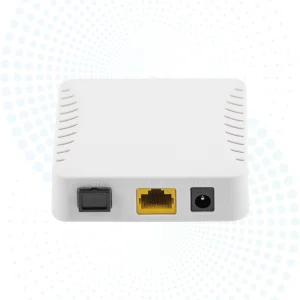
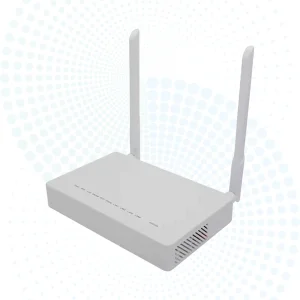
In residential fiber layouts, EPON is widely deployed due to its balanced cost structure and compatibility with Ethernet frames. Our HG1001 XPON ONU and F660 V8 XPON ONU support both EPON and GPON protocols automatically (XPON dual-mode compatibility), enabling network operators to migrate hardware platforms without replacing client ONT modems.
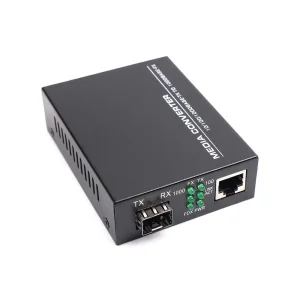
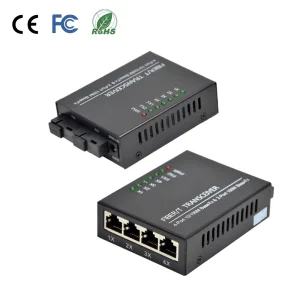
Smart grids and industrial automation systems require real-time data collection over long distances, often under severe electromagnetic interference (EMI). Fiber Media Converters and switches (such as our Durable 10/100Mbps Single Mode Fiber Media Converter 2*FX to 4*TX) bridge the physical space between high-voltage control centers and remote nodes, protecting copper connections from high-induction surges via optical isolation.
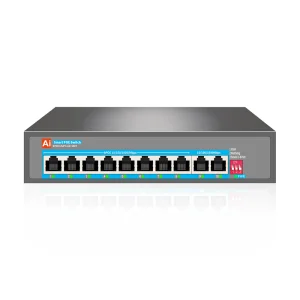
High-definition IP cameras require reliable data lines and remote power delivery. Using Soras POE Switches, such as the Durable Quality VLAN AI Watchdog 120W Gigabit 8-Port PoE Switch, security operators can run IP video networks back to a central EPON ONU. The built-in AI Watchdog monitors camera activity and power cycles frozen ports automatically, eliminating onsite maintenance visits.
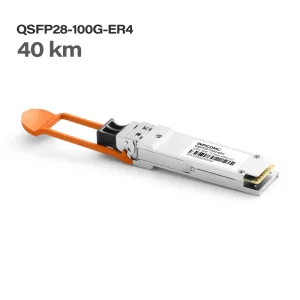
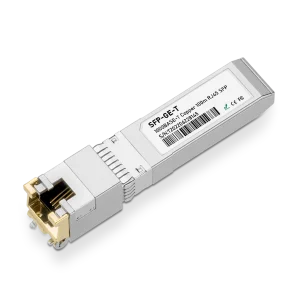
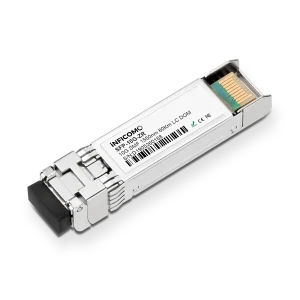
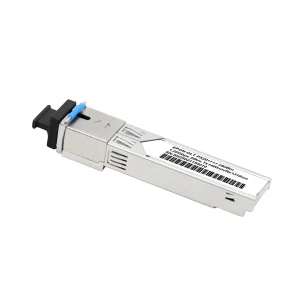
For campus-wide distribution, optical transceivers like our 100Gbps QSFP28 ER4 and 10GBASE SFP-10G-ZR SFP+ Module allow data networks to span up to 40km and 80km respectively without requiring intermediate optical signal regenerators.
As communication architectures evolve, operators face the challenge of upgrading transmission capacities without rendering legacy ODNs (Optical Distribution Networks) obsolete. The industry roadmap charts a clear trajectory from traditional asymmetric 1G EPON to high-speed symmetric 10G-EPON, and ultimately, 50G-PON.
The fundamental design of EPON utilizes IEEE 802.3 Ethernet standards, transmitting data in standard Ethernet frames at 1.25 Gbps. Contrastingly, GPON relies on ITU-T G.984 protocols, operating at 2.488 Gbps downstream and 1.244 Gbps upstream using GPON Encapsulation Method (GEM) frames. Modern networks increasingly require XPON dual-mode architectures. XPON hardware, like the Soras X2001 XPON ONT, automatically detects the OLT link type (GPON or EPON) and configures the protocol stack dynamically.
To support high-bandwidth applications, the transition to 10G-EPON is accelerating. 10G-EPON offers symmetric 10 Gbps upstream and downstream bandwidth, utilizing wavelength-division multiplexing (WDM) to run on the same physical fiber trunk alongside legacy 1G EPON. This co-existence is crucial: operators can keep existing clients on standard EPON ONUs while upgrading enterprise customers to 10G-EPON ONUs, utilizing the same fiber splitter infrastructure and protecting their structural investments.
Exporting sophisticated optical hardware to South America, North America, and Europe requires compliance with local standards and regulatory frameworks. At Soras Technology, we guarantee that all exported optical network terminals, SFP modules, and switches conform to target market regulations:
We provide comprehensive technical resources for system integrators, including detailed instruction manuals, CLI configurations for OLTs, and compatibility listings for third-party OLT brands like Huawei, ZTE, Fiberhome, and Cisco.
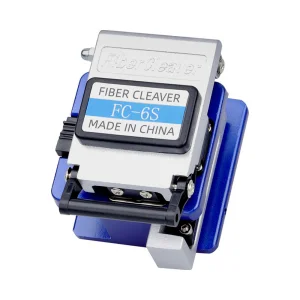
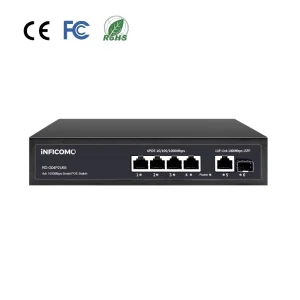
Complementary hardware solutions designed for fiber splicing, copper-to-fiber conversion, and long-range optical transmission links.
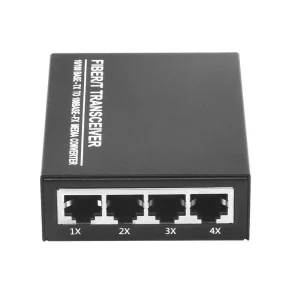
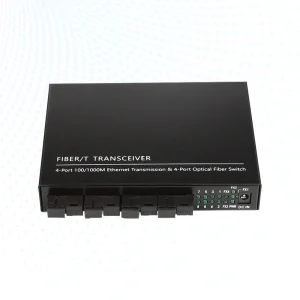

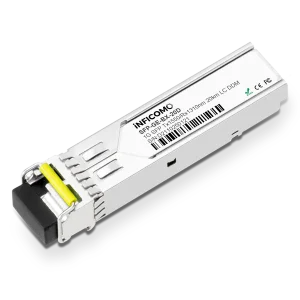
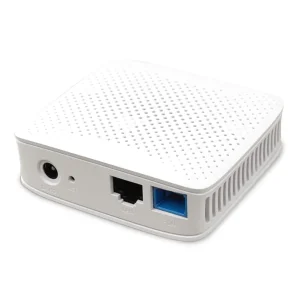
Get professional answers to technical queries regarding EPON deployment, hardware compatibility, and sourcing from China.
EPON (Ethernet Passive Optical Network) is based on the IEEE 802.3 standard, deploying data in standard Ethernet frames at a rate of 1.25 Gbps. GPON (Gigabit Passive Optical Network) is based on the ITU-T G.984 protocol, delivering 2.488 Gbps downstream and 1.244 Gbps upstream. XPON is a dual-mode firmware integration used on newer ONUs. When connected, an XPON ONU automatically detects the wavelength characteristics of the local Central Office OLT (EPON or GPON) and selects the corresponding mode.
All Soras components, especially high-power transceivers like our 10GBASE SFP+ 80km modules, undergo aging tests and high-low temperature sweeps in our testing chambers. We use high-quality PCB substrates and aluminum alloy transceiver casings for efficient heat dissipation, preventing thermal runaway and keeping laser diode parameters within narrow specifications.
Yes, our specialized CCTV switches—such as the Durable Quality VLAN AI Watchdog 120W Gigabit 8-Port PoE Switch—include an integrated AI Watchdog. The switch continuously polls connected devices via PoE current sensing and link status. If a camera stops responding, the port automatically power-cycles to reboot the device, reducing troubleshooting costs.
Soras Technology offers extensive OEM and ODM customization. This includes custom branding on outer hardware chassis, customized software configurations (pre-set WAN settings, specific PPPoE profiles, custom TR-069 management addresses for automatic provisioning), and retail box designs tailored for local ISPs.
We operate out of Shenzhen, utilizing nearby ports in Shenzhen and Hong Kong. We coordinate with major forwarders to offer FOB, CIF, or DDP shipping options, ensuring customs clearance documents comply with the destination country's imports framework (e.g. providing CE, RoHS, and FCC papers to prevent delays at customs).
 Soras Tech