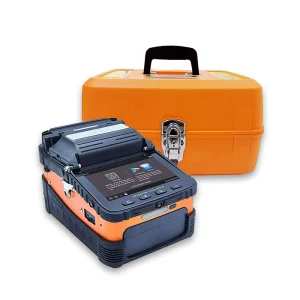
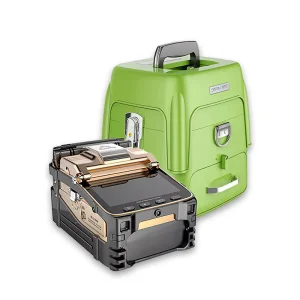
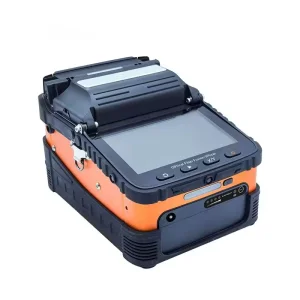
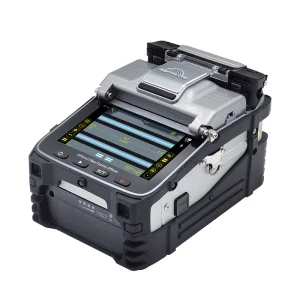
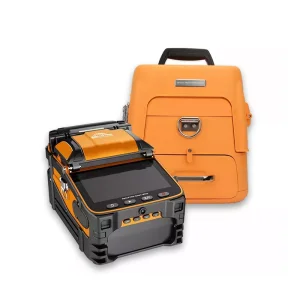
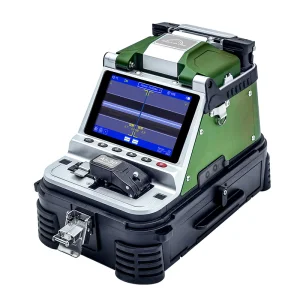
High-precision fiber welding tools optimized for temperature compensation, fast arc response, and maximum battery endurance in remote installations.
Norway is globally recognized for its ambitious digitalization targets and advanced FTTH (Fiber-to-the-Home) penetration rates. The country's unique geographical profile—characterized by deep fjords, mountainous terrains, extreme weather conditions, and low population density outside major municipal centers like Oslo, Bergen, and Trondheim—places extraordinary demands on network construction. As the national fiber backbone transitions toward higher bandwidth thresholds, infrastructure operators such as Telenor, Lyse (Altibox), and GlobalConnect demand ruggedized, high-performance equipment capable of executing perfect splices under sub-zero temperatures, high relative humidity, and harsh coastal salt spray environments.
Fiber fusion splicing is the bedrock of this infrastructure development. For Norwegian telecom enterprises, minimizing signal attenuation (insertion loss) at the splice point is critical for maintaining high-speed long-haul backhaul and suburban access links. Our high-precision six-motor core-alignment fusion splicers are engineered exactly to satisfy these demands. By incorporating automated focus calibration, active core-alignment, and comprehensive real-time wind and temperature monitoring, these units guarantee reliable performance from the southern archipelago of Kristiansand to the Arctic outposts of Tromsø and Svalbard.
Norway's booming offshore energy sector—including North Sea offshore wind farms (e.g., Hywind Tampen) and offshore oil rigs—demands specialized fiber optic integration. These environments utilize heavily armored marine fiber cables to monitor operations and stream real-time data back to mainland data centers. Splicing these specialized single-mode and multi-mode armored cables requires splicing hardware with high arc stability, superior motor precision, and durable mechanical clamps. Exporters targeting the Norwegian industrial market must deliver splicing gear that handles the heavy workload of offshore maintenance vessels, where deck vibration and salt fog are constant variables.
Cold-climate fiber welding presents massive physics challenges. At temperatures below freezing, standard lithium batteries experience reduced output capacity, optical fiber coatings become brittle, and standard alignment motors can suffer calibration drift due to lubricant viscosity changes. To combat these issues, our manufacturing pipeline utilizes low-temperature component testing and integrated thermal insulation shields for the internal motor mechanics.
Equipped with a robust 7800mAh high-capacity battery, models like the AI-5 and AI-7C are optimized to deliver over 240 continuous splicing and heating cycles even when working under extreme Nordic winter operations. Additionally, the intelligent auto-focusing software uses a six-motor core-to-core alignment protocol, ensuring that even if physical housing expansions occur due to temperature differentials, the micro-displacement sensors will adjust to align the glass core perfectly within micro-seconds.
Atmospheric pressure and altitude variation affect electrical arc intensity. Our AI-series splicers feature built-in barometric pressure and temperature sensors. The system automatically performs real-time arc calibration to ensure consistent discharge strength, preventing under-burn or over-melt situations that weaken the glass junction.
Constructed with impact-resistant elastomer bumpers and hermetically sealed optical blocks, these units prevent dust, precipitation, and moisture from settling on the CMOS cameras. This guarantees precision viewing of the fiber cores during the alignment phase, even in windy coastal environments.
The global fiber industry is moving towards smart network management. Next-generation fusion splicers are now integrating Bluetooth and GPS tracking to tie fiber splicing data—including precise loss metrics, GPS coordinates, and splice photos—directly to cloud database management software. For Norwegian infrastructure firms, this permits remote quality auditing of third-party contractor work immediately after a splice is executed, accelerating project sign-offs and minimizing costly site revisits.
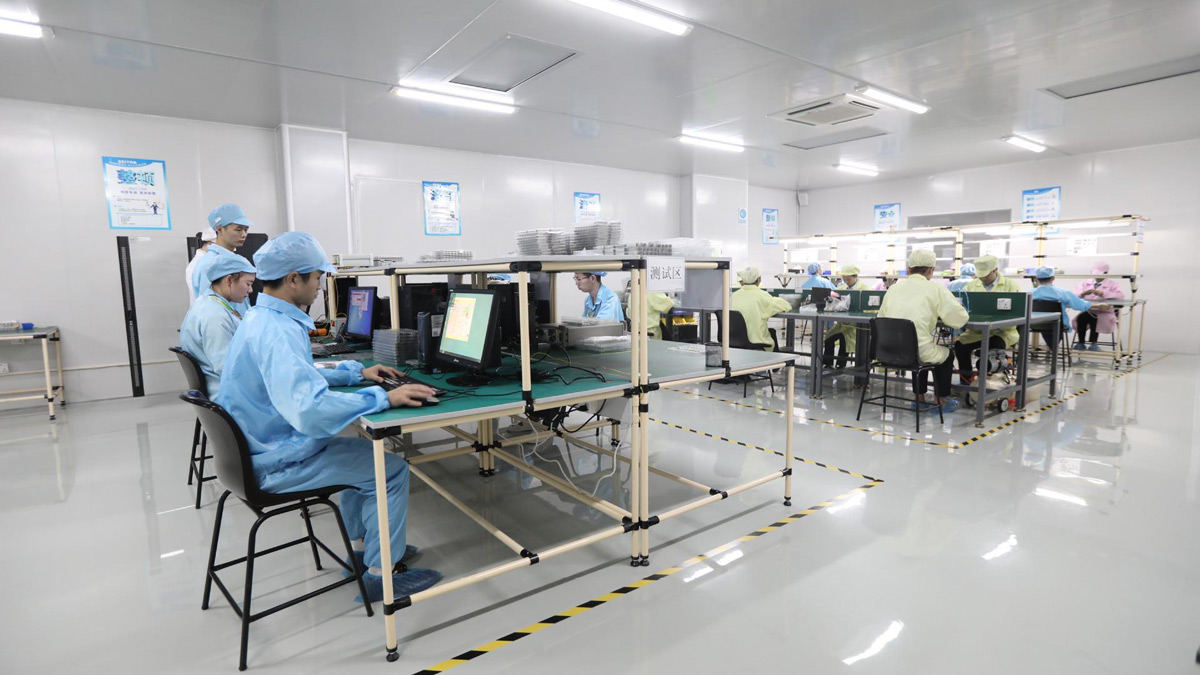
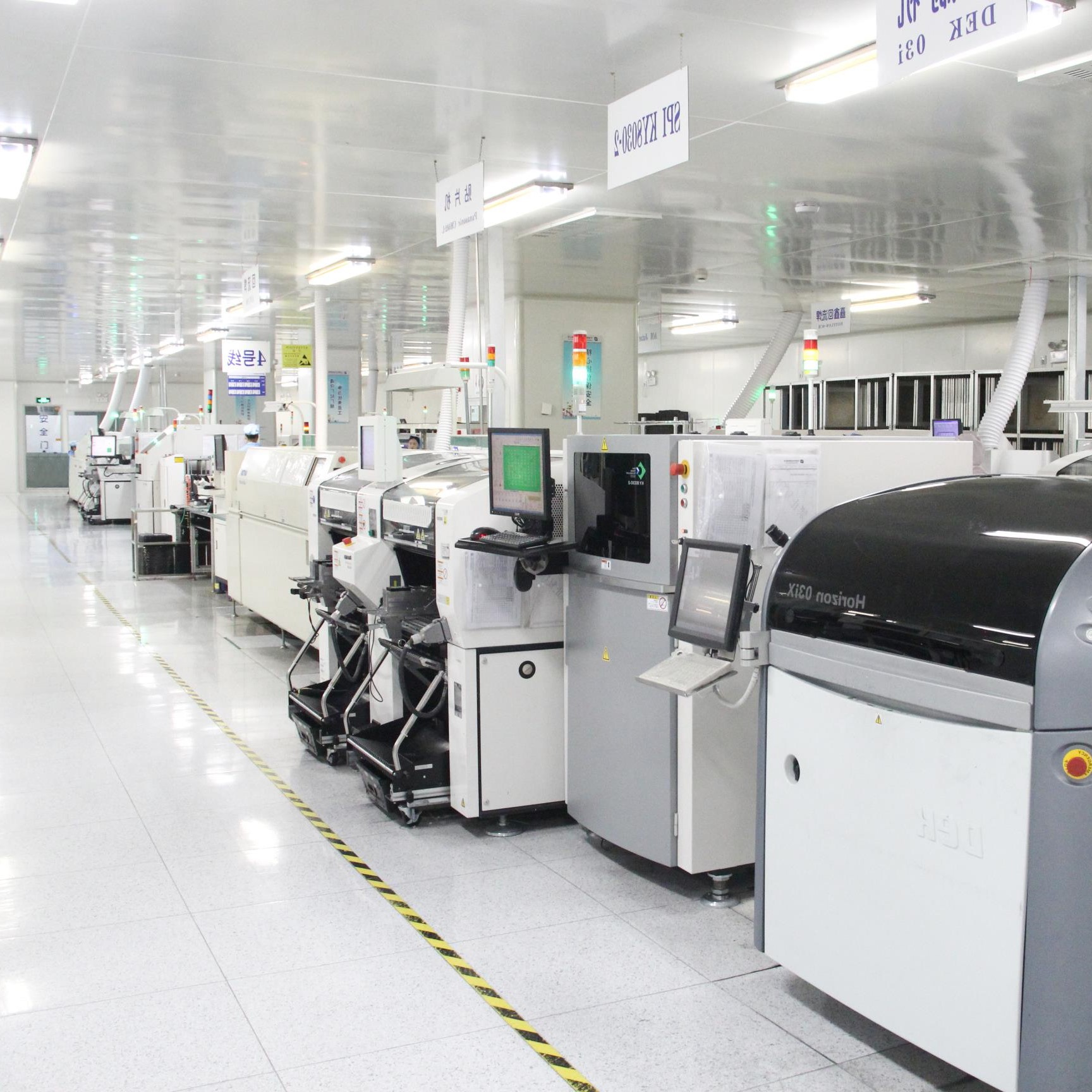
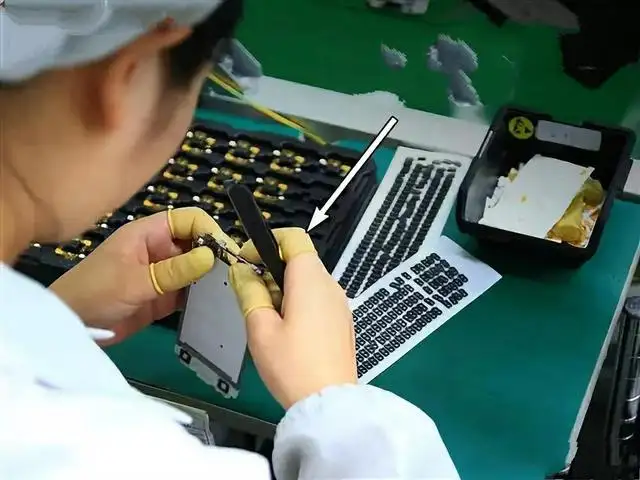
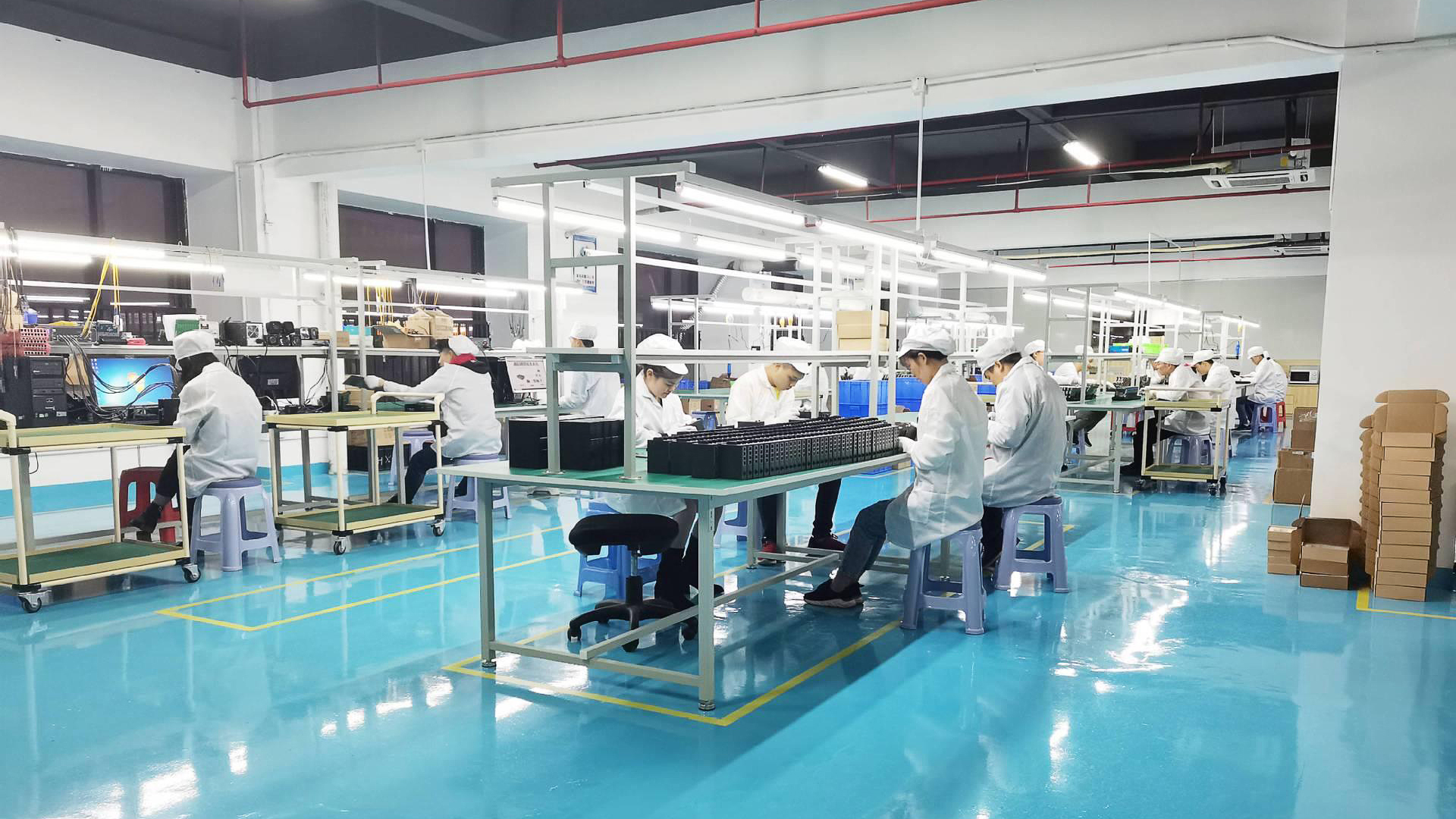
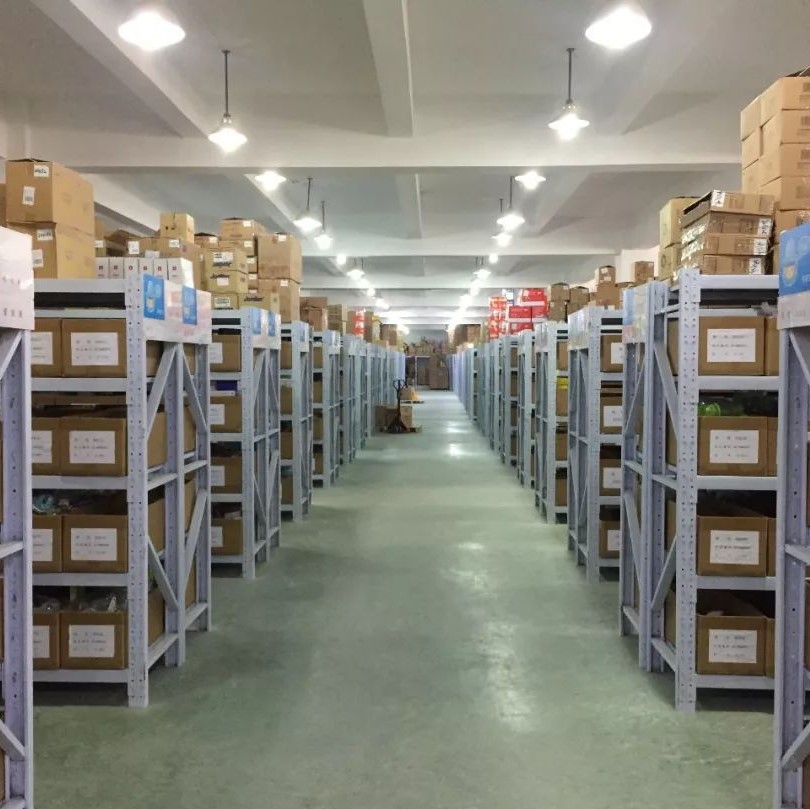
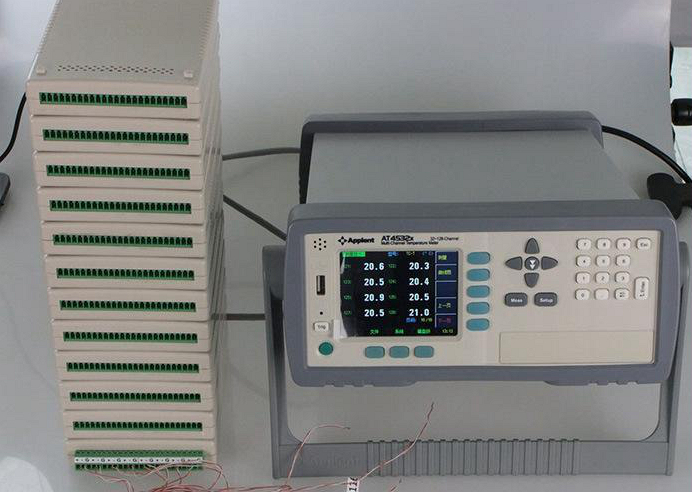
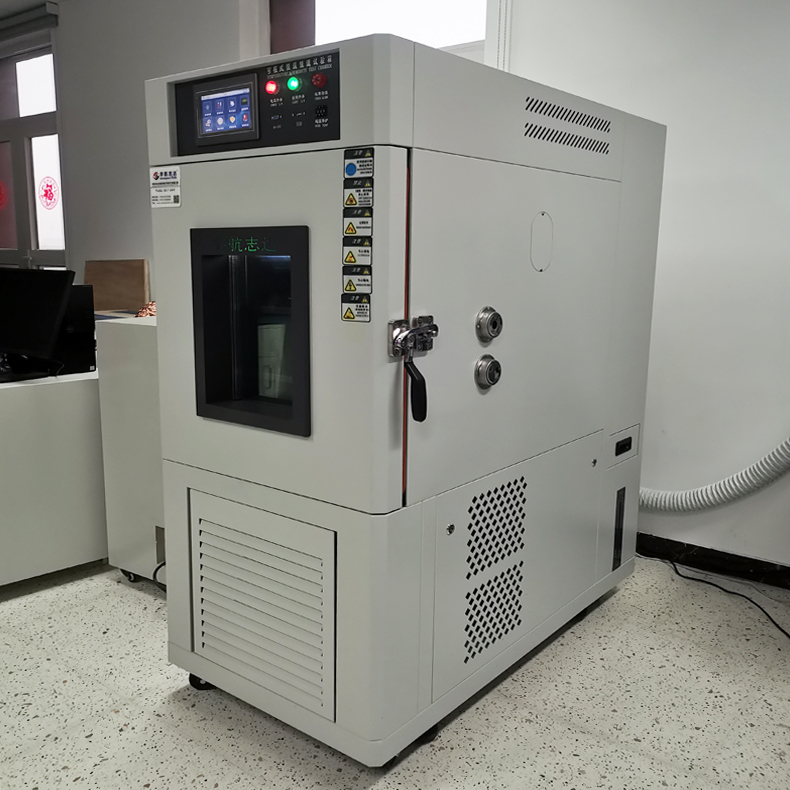
As a key global manufacturer of optical transmission and network equipment, Shenzhen Soras Technology Co., Ltd. (operating under the global brand Soraslink) leverages over a decade of R&D expertise. Located in the world’s hardware capital, Shenzhen, our factory manages the entire product cycle from PCB design, SMT placement, to high-low temperature chamber calibration and quality validation. This vertically integrated supply chain enables us to bypass intermediate bottlenecks, guaranteeing that Norwegian partners receive high-availability network components and splicing hardware on schedule.
| Business Type | Manufacturer | Country / Region | Guangdong, China |
| Main Products | FTTH ONU & OLT, SFP Module, Fiber Media Converter, PoE Switch, Fiber Optic Equipment | Total Employees | 11 - 50 People |
| Total Annual Revenue | US$5 Million - US$10 Million | Year Established | 2021 |
| Certifications | ISO 9001, CE, FCC, RoHS, UL | Main Export Markets | Europe (inc. Norway), South America, North America, East Asia |
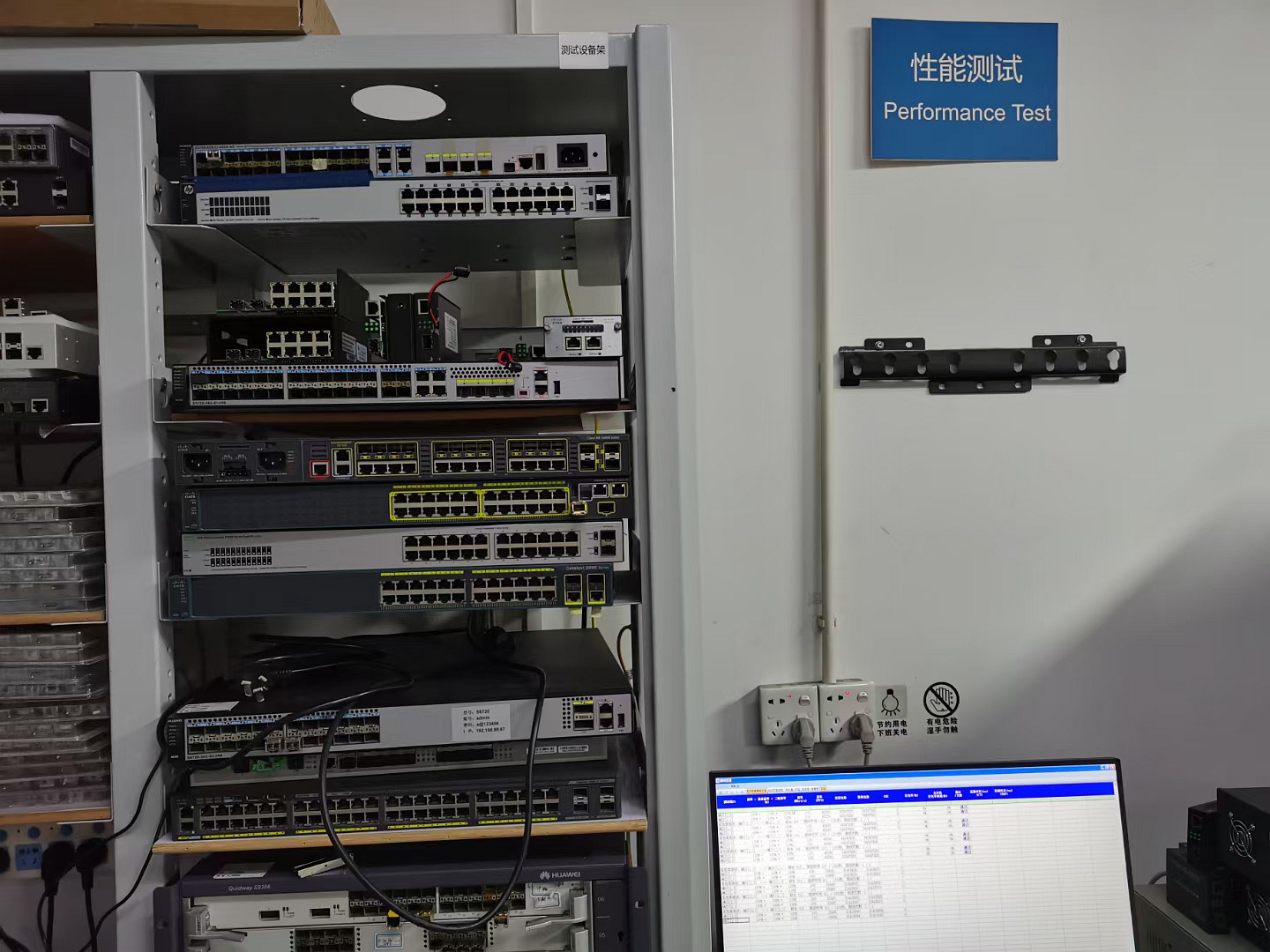
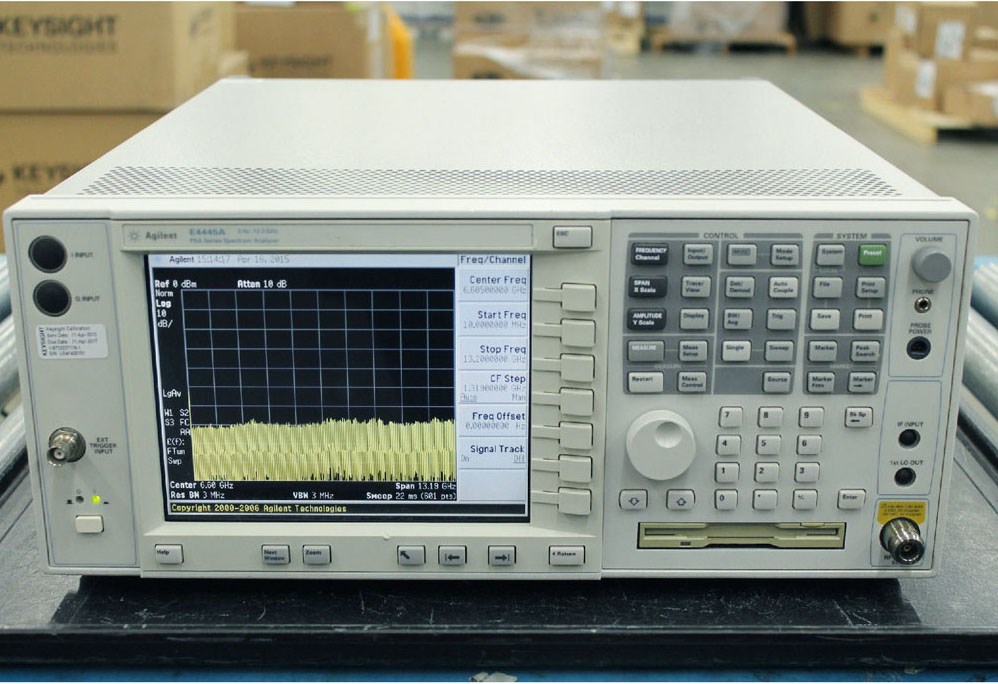
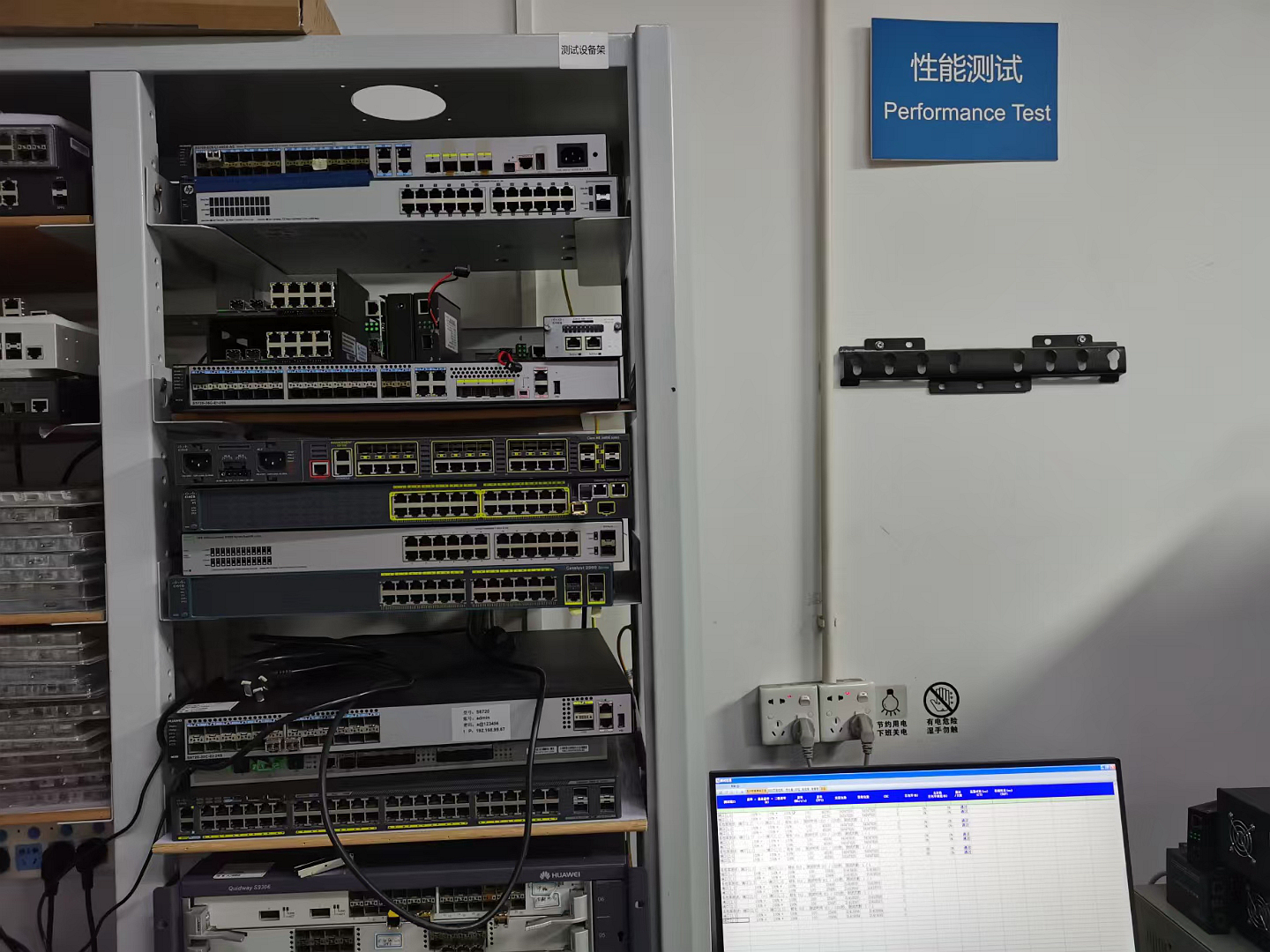
Every device undergoes simulated field testing, high-low temperature chamber calibration, and strict quality control before dispatch.

Norway, while not a member of the European Union, is part of the European Economic Area (EEA) and subscribes to most harmonized European market standards. Any optical telecom equipment imported into Norway must fully comply with CE directives, the Low Voltage Directive (LVD), and electromagnetic compatibility (EMC) regulations. In addition, RoHS (Restriction of Hazardous Substances) and WEEE (Waste Electrical and Electronic Equipment) protocols must be respected to ensure green supply chain alignment.
Our entire range of fiber splicing equipment, SFP transceivers, and media converters is certified under CE, RoHS, and FCC protocols. We handle documentation for Norwegian Customs (Tollvesenet), providing HS codes, certificate of origin paperwork, and commercial invoices to facilitate smooth port entry in Oslo or Bergen. Through partnerships with global logistics providers, we offer flexible shipping solutions—from air cargo for urgent project replacements to cost-effective ocean freight—ensuring your supply chain remains robust.
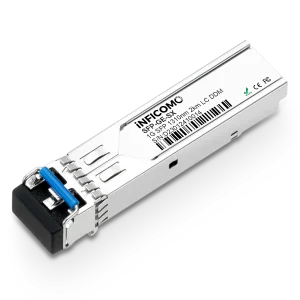
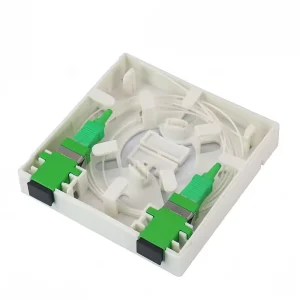
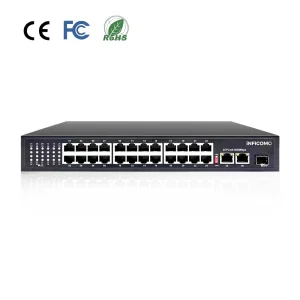
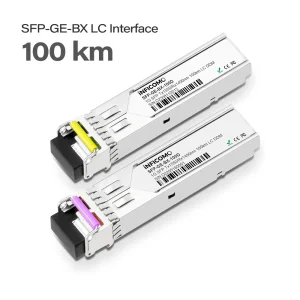
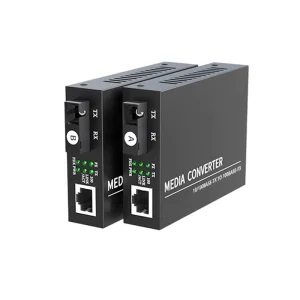
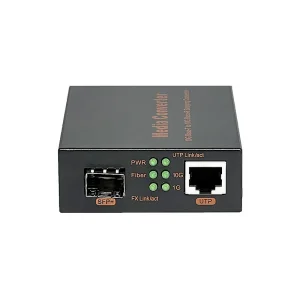
Essential optical transceivers, network distribution blocks, and media converters to build out comprehensive regional networks in Norway.
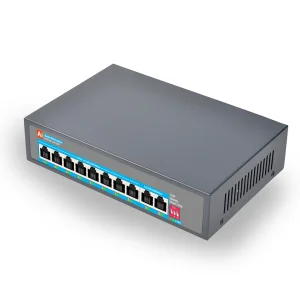
High-speed media conversion systems and compact switches for surveillance and localized business network design.
Answers to critical questions regarding cold-climate splicing, maintenance, compatibility, and imports into Norway.
Our fusion splicers are designed with a ruggedized environmental sensor system that dynamically adjusts the arc discharge depending on the ambient temperature and barometric pressure. The 7800mAh high-capacity lithium battery provides over 240 splice/heat cycles under normal conditions, and maintains dependable performance at sub-zero levels. Heated elements around the internal optical paths prevent frost buildup on the CMOS camera lenses.
For long-haul backhaul and critical commercial links, core-alignment (using six motors) is mandatory, as it aligns the actual light-guiding glass cores of the fiber, minimizing insertion losses below 0.02dB. For secondary residential drops, a cladding-alignment splicer (typically four motors) is often sufficient and more budget-friendly.
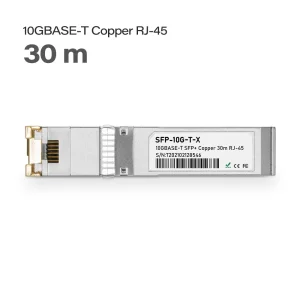
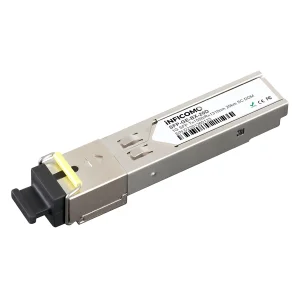
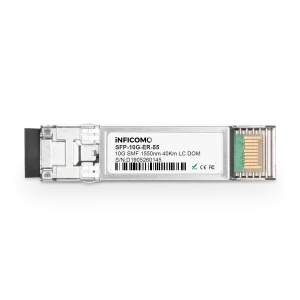
Yes. Our SFP transceivers, including the SFP-10G-TX and INFICOMO modules, are programmed with broad EEPROM compatibility codes. They work plug-and-play with hardware from major international manufacturers (such as Cisco, Juniper, Huawei, HP, and Mikrotik) widely used by Norwegian ISP and data center networks.
Soras Technology operates specialized SMT and assembly lines, enabling rapid execution of both standard and OEM/ODM configurations. Standard items ship within 3–7 business days, while customized OEM configurations typically process in 15–20 days. Air express options deliver directly to Oslo Airport (OSL) within 5-7 working days.
 Soras Tech