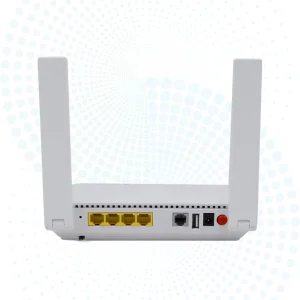
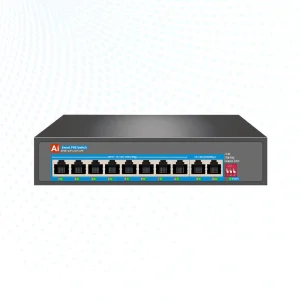
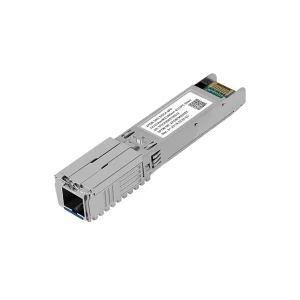
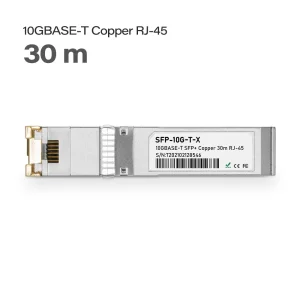
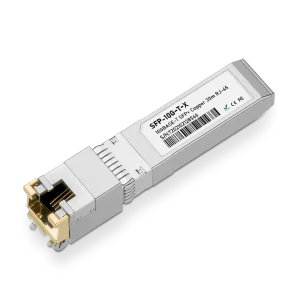
High-performance optical equipment configured to support regional high-speed networking standards.
Manufacturing Expertise
Quality Certified Factory
Global Export Footprint
Annual Infrastructure Turnover
Colombia’s telecommunications landscape is undergoing a monumental shift. Under the guidance of the Ministry of Information Technologies and Communications (MinTIC) and its flagship initiative, "Conectividad para Cambiar Vidas", the nation is actively working to bridge the digital divide. The objective is clear: bring high-speed broadband to rural and historically underserved regions like Chocó, La Guajira, and Putumayo, while upgrading the density of metropolitan fiber systems in major centers such as Bogotá, Medellín, Cali, and Barranquilla.
However, deploying fiber optic patch cords and cabling infrastructure in Colombia involves overcoming severe geographic and environmental challenges. The country features diverse microclimates: the thin, cold, and high-altitude air of Bogotá (2,640 meters above sea level); the intense tropical humidity and salinity of coastal port cities like Cartagena and Buenaventura; and the rugged, seismically active Andean corridors.
In high-altitude regions, solar radiation and rapid temperature fluctuations require fiber optic outer sheaths to have excellent UV stability and structural durability. Along the coast, high levels of humidity and airborne salt demand fiber patch cords equipped with corrosion-resistant connectors and watertight seals. In dense municipal zones, the standard installation method requires cables to navigate tight building conduits, mandating bend-insensitive glass fibers (such as ITU-T G.657.A2) that can endure tight bend radii without causing signal degradation.
As Colombia shifts from standard GPON network topologies to next-generation XGS-PON and 25G-PON frameworks, the performance criteria for optical interconnections have tightened. System architects must design with a focus on signal margins. Below is the technical roadmap shaping modern fiber optic patch cord procurement:
| Connector Polish Type | Typical Insertion Loss | Minimum Return Loss | Primary Colombia Application Case |
|---|---|---|---|
| UPC (Ultra Physical Contact - Blue) | < 0.20 dB | ≥ 50 dB | Enterprise LANs, standard switches, and indoor patch fields. |
| APC (Angled Physical Contact - Green) | < 0.15 dB | ≥ 65 dB | FTTH GPON/XGS-PON lines, CATV networks, and outdoor distribution box drop points. |
| MPO/MTP (High Density) | < 0.35 dB | ≥ 60 dB (APC) | Data center backbones, cloud server cabinets, and core optical multiplexer racks. |
Optical patch cords are not simple accessories; they serve as critical components across several key industries in Colombia:
Colombian service providers require massive quantities of SC/APC-to-SC/APC singlemode simplex and duplex patch cords, along with drop cables, to connect OLT distribution points to subscribers' optical network terminals (ONTs). Utilizing fiber components that are compatible with existing infrastructure (such as HW, ZTE, or Fiberhome OLT platforms) ensures seamless network deployment and maintenance.
Colombia is a major global exporter of coal (e.g., Cerrejón mine) and nickel. Modern mining operations rely on fiber networks for telemetry, real-time safety monitoring, and automation. Heavy-duty armored fiber patch cords with stainless steel interlocks protect fragile glass filaments from rodents, crushing, and physical tension in these harsh environments.
Cities like Medellín are recognized globally for their smart initiatives. Expanding municipal surveillance, public Wi-Fi networks, and adaptive traffic signaling requires outdoor IP67-rated waterproof fiber patch cables that connect street cameras to municipal aggregation cabinets.
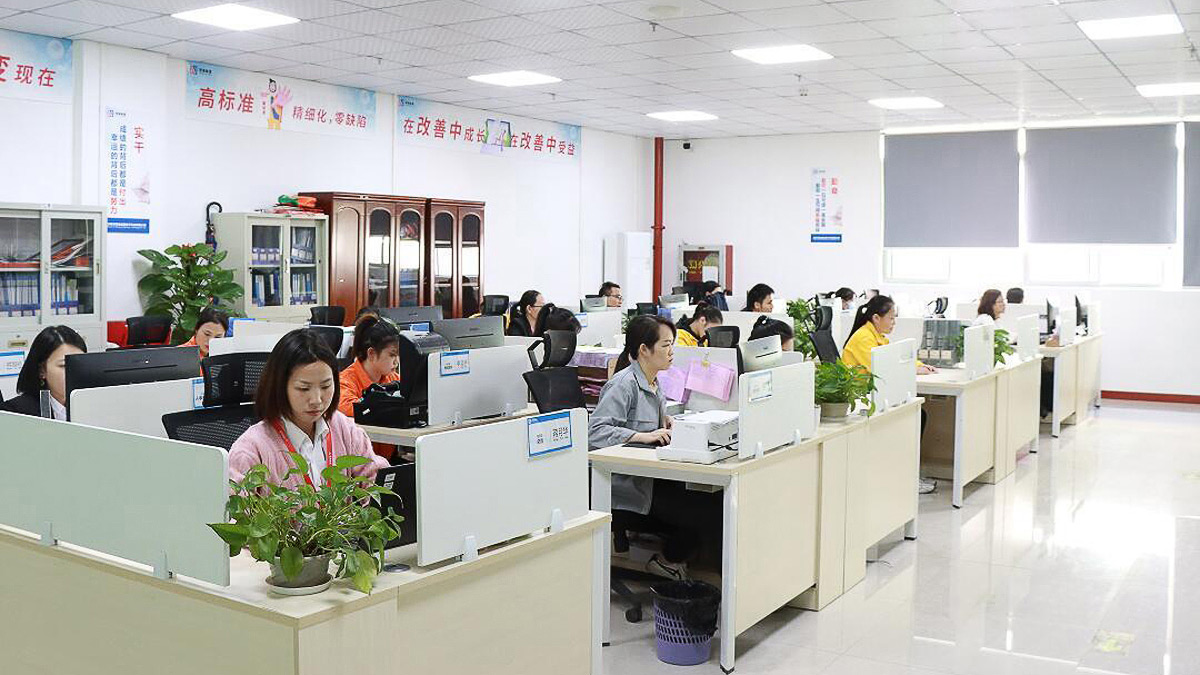
Based in the global hardware hub of Guangdong, China, Shenzhen Soras Technology Co., Ltd. (Soraslink) has built a highly integrated manufacturing process. With over 10 years of experience, we produce and deliver fiber optic patch cords, active modules, and network components directly to operators and distributors in Colombia and across Latin America.
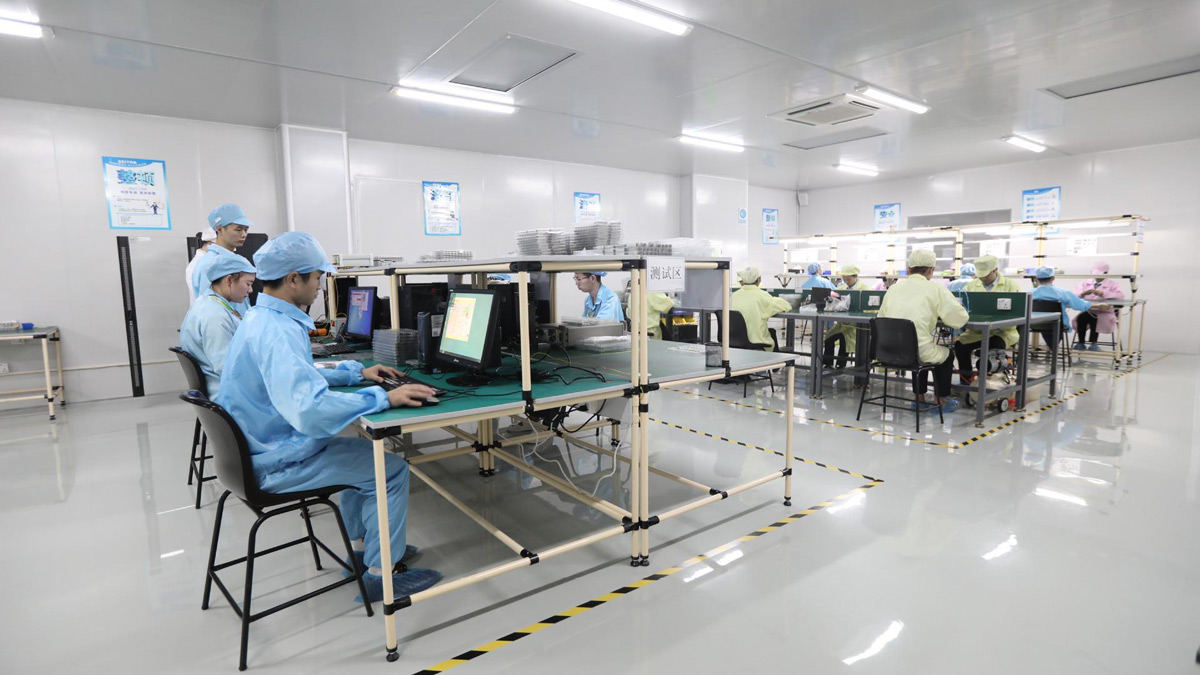
Our factory utilizes advanced manufacturing technologies to maintain tight quality control at every stage of production. From automatic SMT lines to specialized testing labs, each batch is thoroughly evaluated for performance and reliability before shipment.
Established in 2021, Soras Tech has expanded its presence to over 60 countries, with major markets in South America, North America, and Europe. Our annual revenue ranges from $5 million to $10 million, supported by a dedicated workforce of 11-50 skilled technicians and engineers. We design, build, and ship custom network solutions with certifications that ensure compliance with global import standards:
| Business Type | OEM / ODM Manufacturer & Exporter |
| Core Portfolio | FTTH ONU/OLT, SFP Transceivers, POE Switches, Fiber Patch Cords, Media Converters |
| Annual Revenue | US$5 Million - US$10 Million |
| Main Export Markets | South America (Colombia, Brazil, Peru), North America, Europe |
To guarantee consistent optical performance, our factory utilizes specialized manufacturing lines and testing equipment. Every fiber optic patch cord is polished, cleaned, and tested for insertion loss and return loss before shipment.


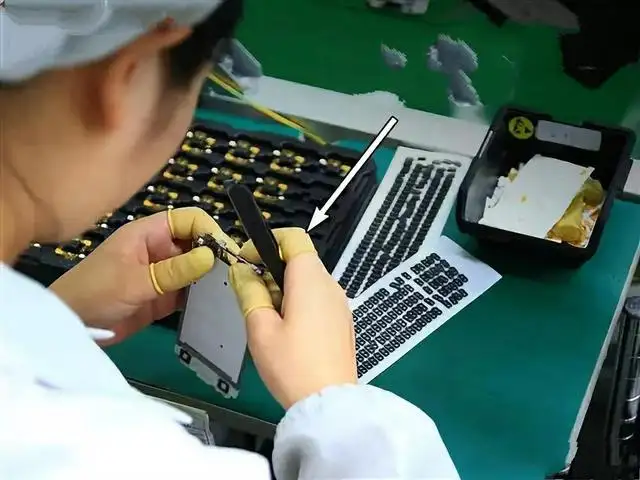
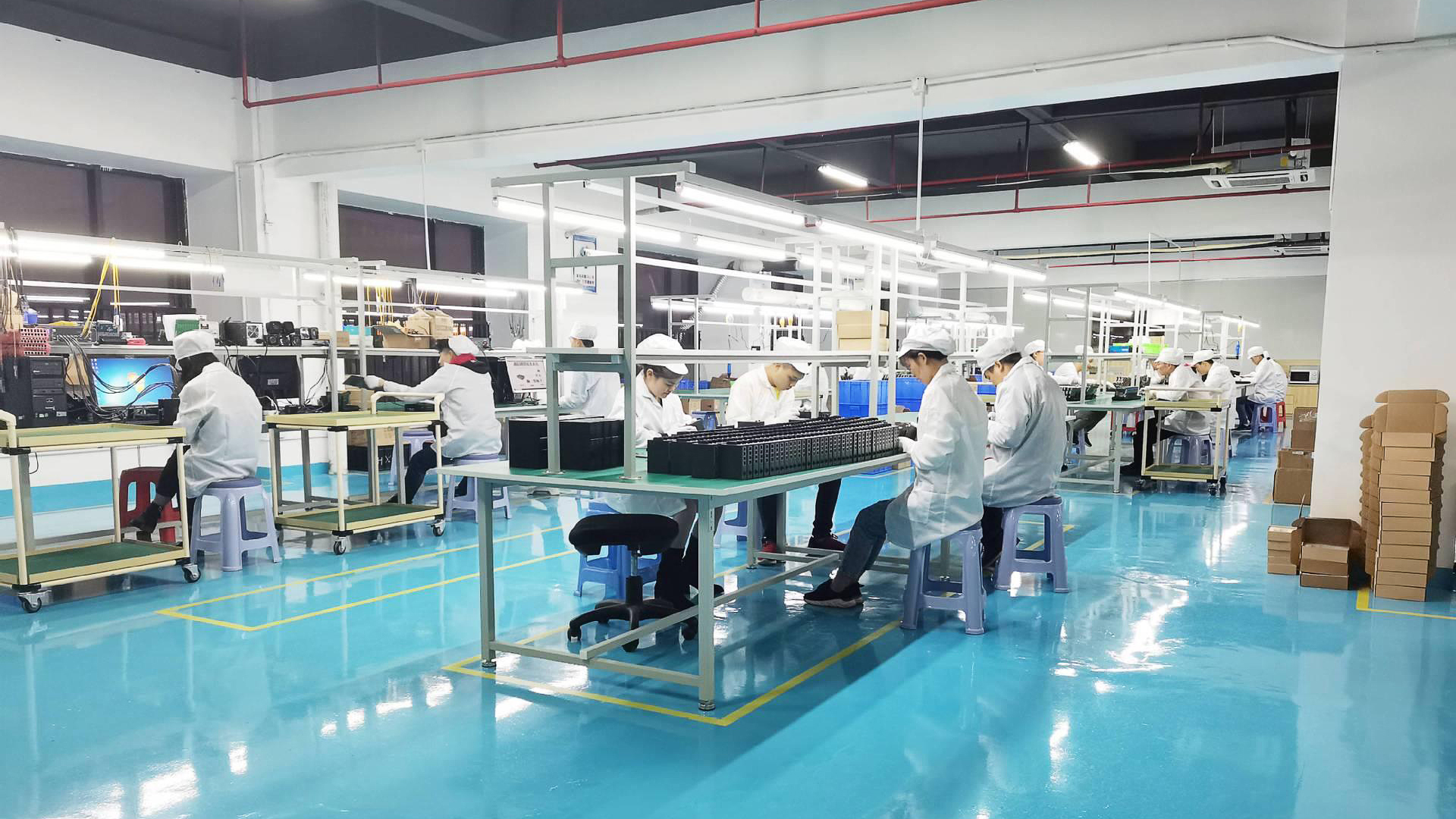
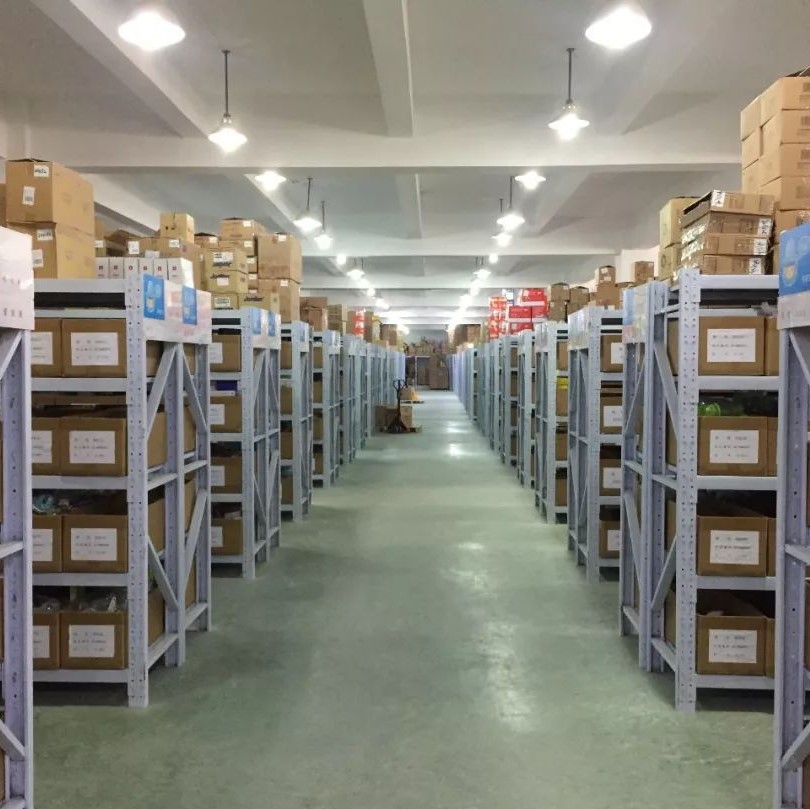
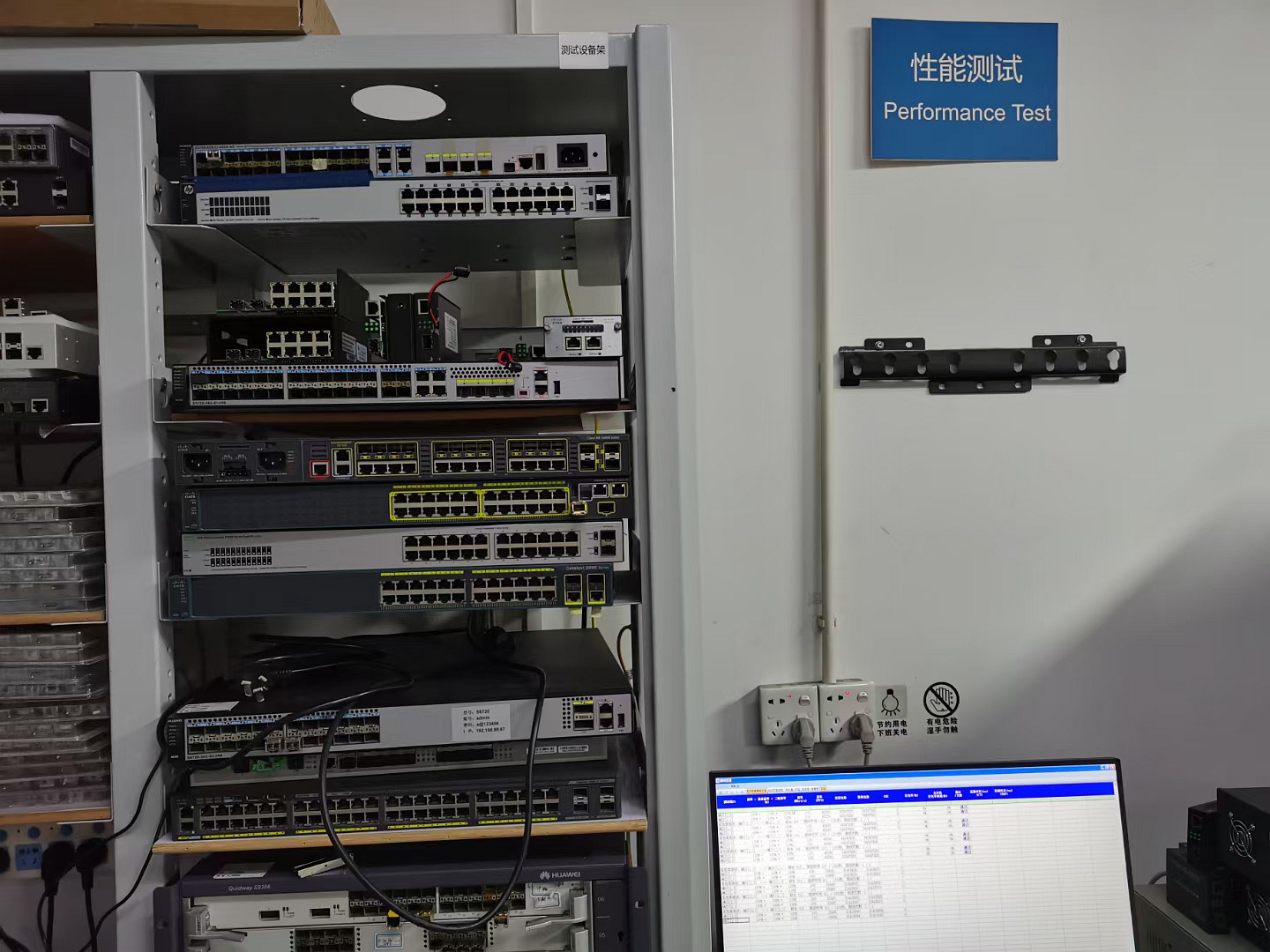
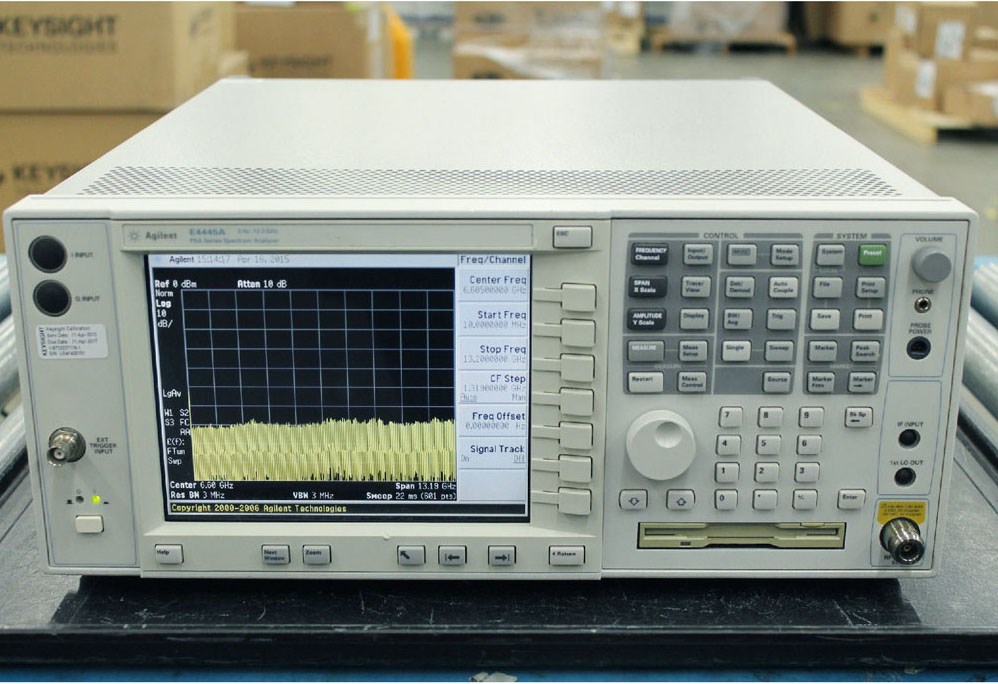
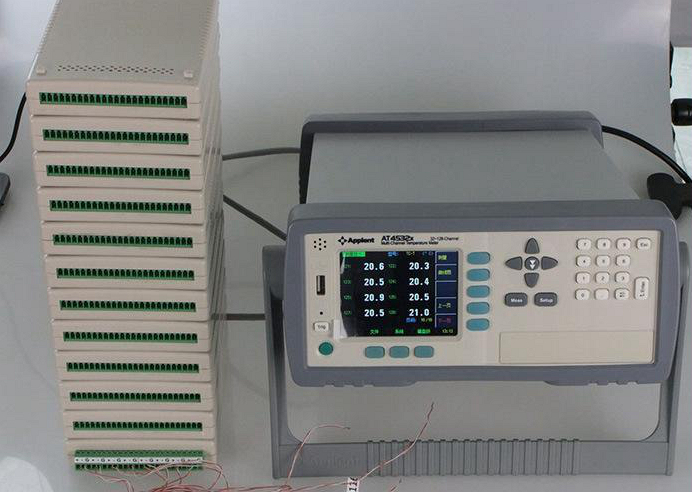
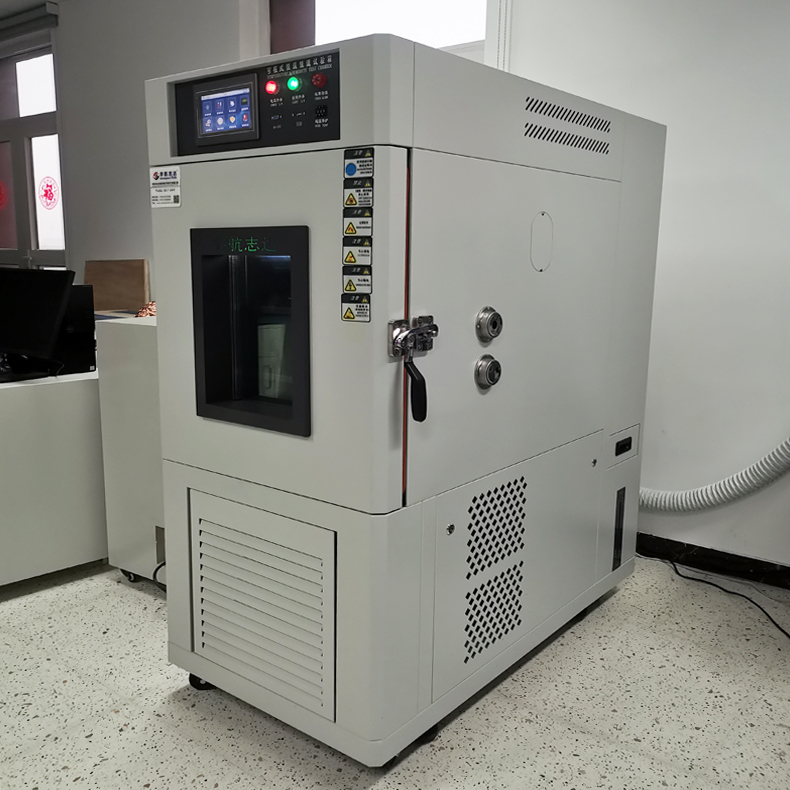
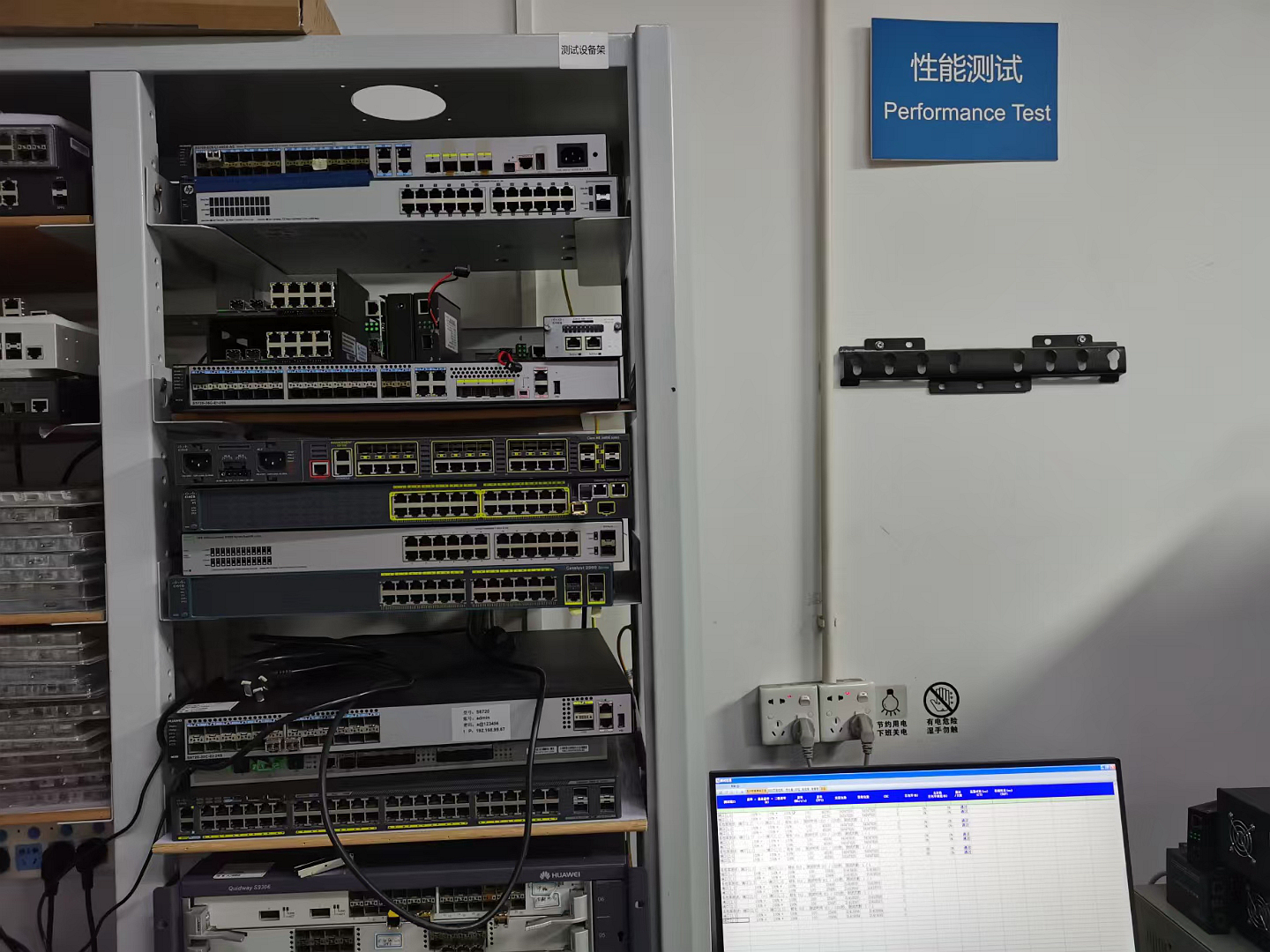
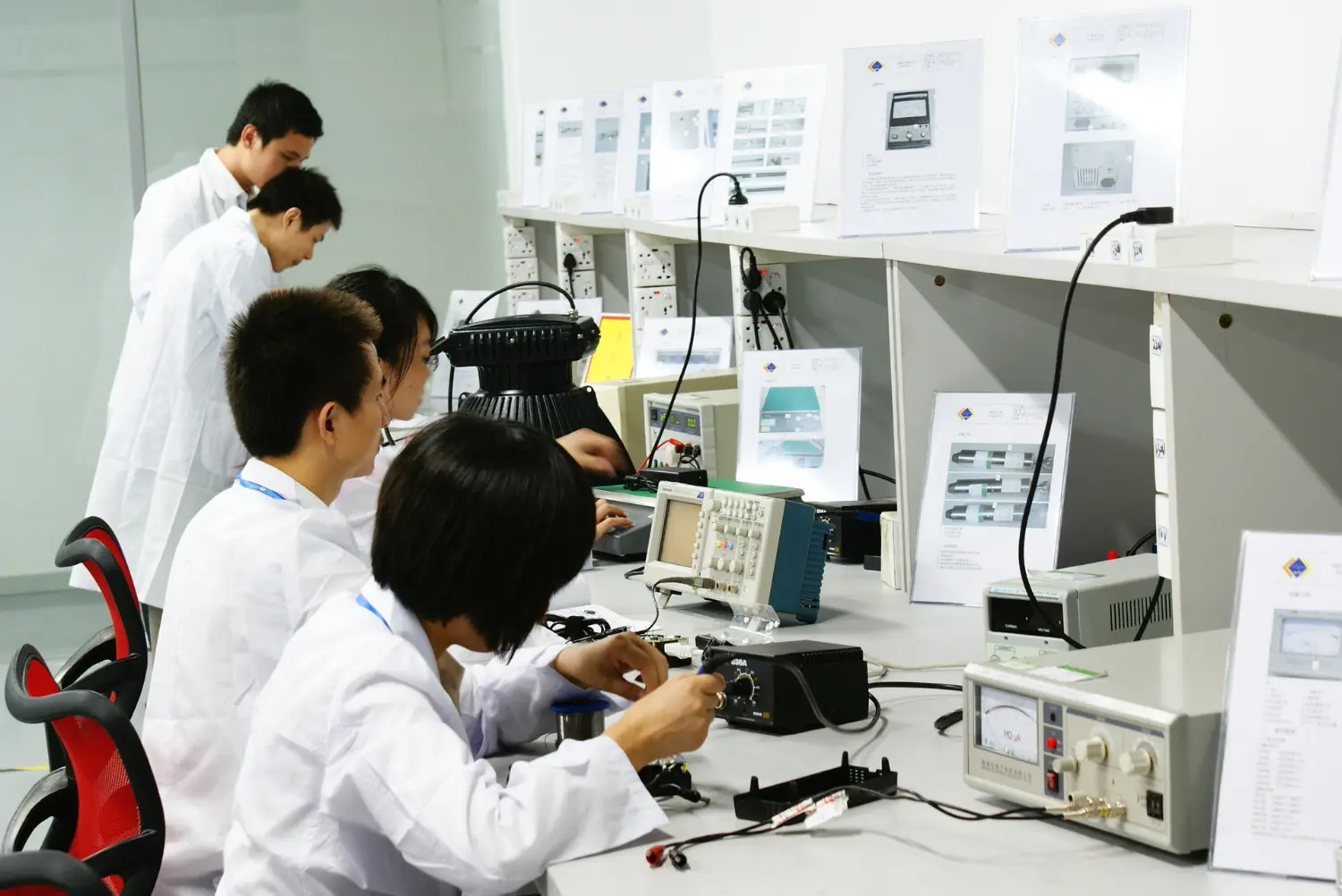
Our Quality Control includes rigorous test phases:
Importing infrastructure elements into Colombia requires strict adherence to national and international standards. A key requirement for active components is compliance with local regulations.
Soras Tech helps streamline importing by ensuring all active optical and electrical products (such as POE switches, ONU routers, and power converters) are CE and FCC certified. We also provide full documentation to support compliance with local Colombian electrical safety regulations (RETIE - Reglamento Técnico de Instalaciones Eléctricas).
Our international logistics partnerships support efficient shipping to major Colombian ports (Cartagena, Buenaventura, Barranquilla) and cargo hubs (Bogotá El Dorado Airport). Working with established freight forwarders helps minimize transit delays and optimize import duties (aranceles) for local distributors.
Answers to technical and commercial questions about importing and deploying fiber products in the region.
SC/APC connectors feature an 8-degree angled end-face, which reflects light back into the cladding rather than directly back to the laser source. This yields a higher return loss (≥ 65dB compared to ≥ 50dB for UPC). This performance is critical for high-frequency video overlay (CATV) and high-speed GPON/XGS-PON downstream networks, preventing signal deterioration and protecting optical hardware.
At Bogotá's altitude (2,640 meters), atmospheric pressure is lower, and UV radiation is higher. While high altitude does not directly affect the speed of light in glass, outdoor drop cables and patch cords require robust UV-resistant sheathing (such as premium carbon-black PE jackets) to prevent cracking. For active hardware like OLTs and switches, lower air density reduces cooling efficiency, making high-quality thermal design and reliable fans essential.
Standard ocean freight from Shenzhen to Cartagena or Buenaventura typically takes 30 to 45 days. For urgent projects, air freight deliveries to Bogotá (BOG) can arrive in 5 to 10 days. We also offer express options for smaller batches, prototypes, and customized active modules.
Yes. Through our OEM/ODM services, we build patch cords in custom lengths and colors, using specific connector types (SC, LC, FC, ST, MPO/MTP) and fiber types (G.652.D, G.657.A1/A2, OM3, OM4). We also program SFP transceivers to ensure compatibility with major switch and router vendors used throughout the region.
Explore our complete catalog of transceivers, switches, and customer premises equipment optimized for the South American market.
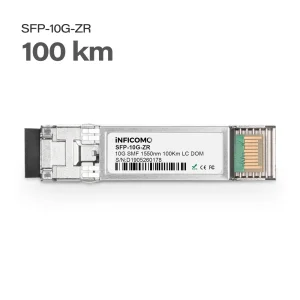
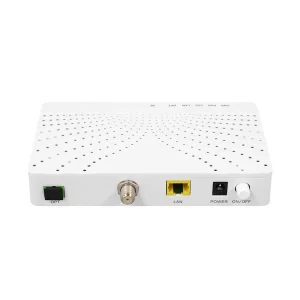
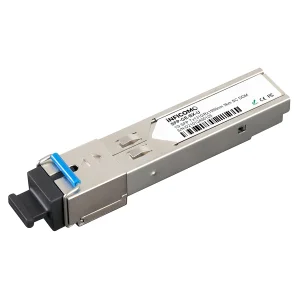
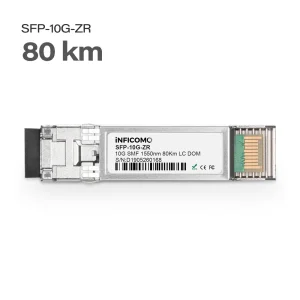
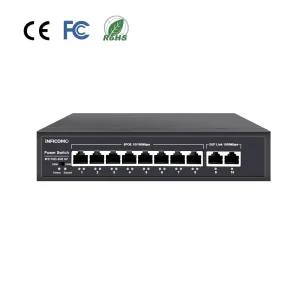
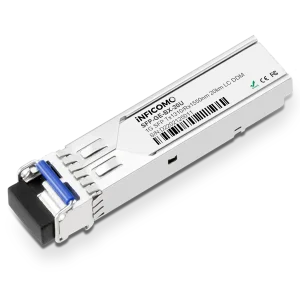
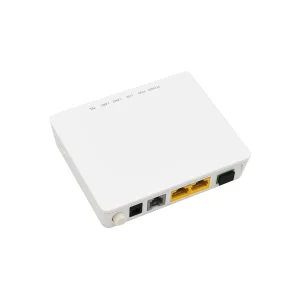

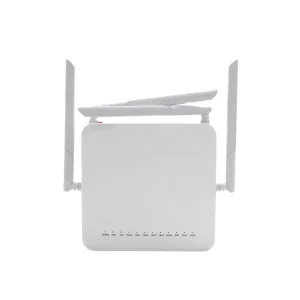
From custom patch cords and long-range transceivers to carrier-grade GPON ONTs, Shenzhen Soras Technology provides certified optical network solutions tailored to the needs of the Colombian market.
Send Inquiry Now Soras Tech