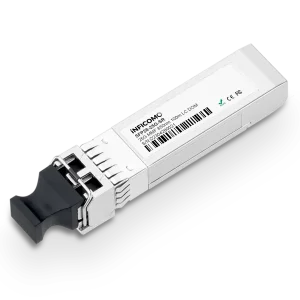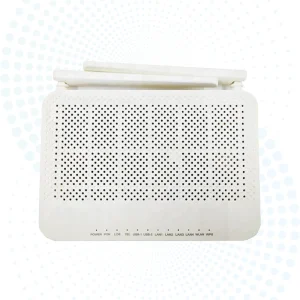

Understanding how GPON/XPON technology and compliant hardware manufacturing are redefining global telecommunications and end-user access networks.
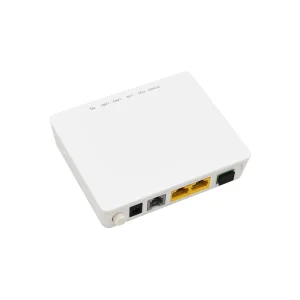
As internet consumption experiences exponential growth through data-heavy workflows, smart cities, IoT networks, and real-time streaming, the demands placed on active hardware have shifted dramatically. The Optical Network Unit (ONU) is no longer a simple bridge; it acts as the primary hardware gateway responsible for managing throughput speed, ensuring packet prioritization, and maintaining overall network health.
Shenzhen Soras Technology Co., Ltd. stands as a premier manufacturer of optical transmission and network equipment with over a decade of domain expertise. Backed by state-of-the-art SMT capabilities, high-performance cleanrooms, and testing facilities, we produce advanced, CE-certified terminals that meet strict global performance criteria.

How vertical integration, modern automation, and strict testing protocols guarantee reliability and competitive pricing for telecom clients globally.
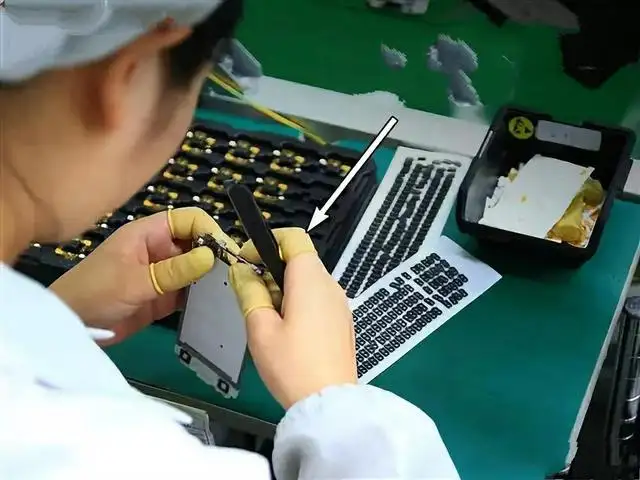
By utilizing high-speed Surface Mount Technology (SMT), we ensure high component placement accuracy on the motherboard. This minimizes error rates, enhances thermal properties, and reduces signal attenuation on optical transceiver boards.
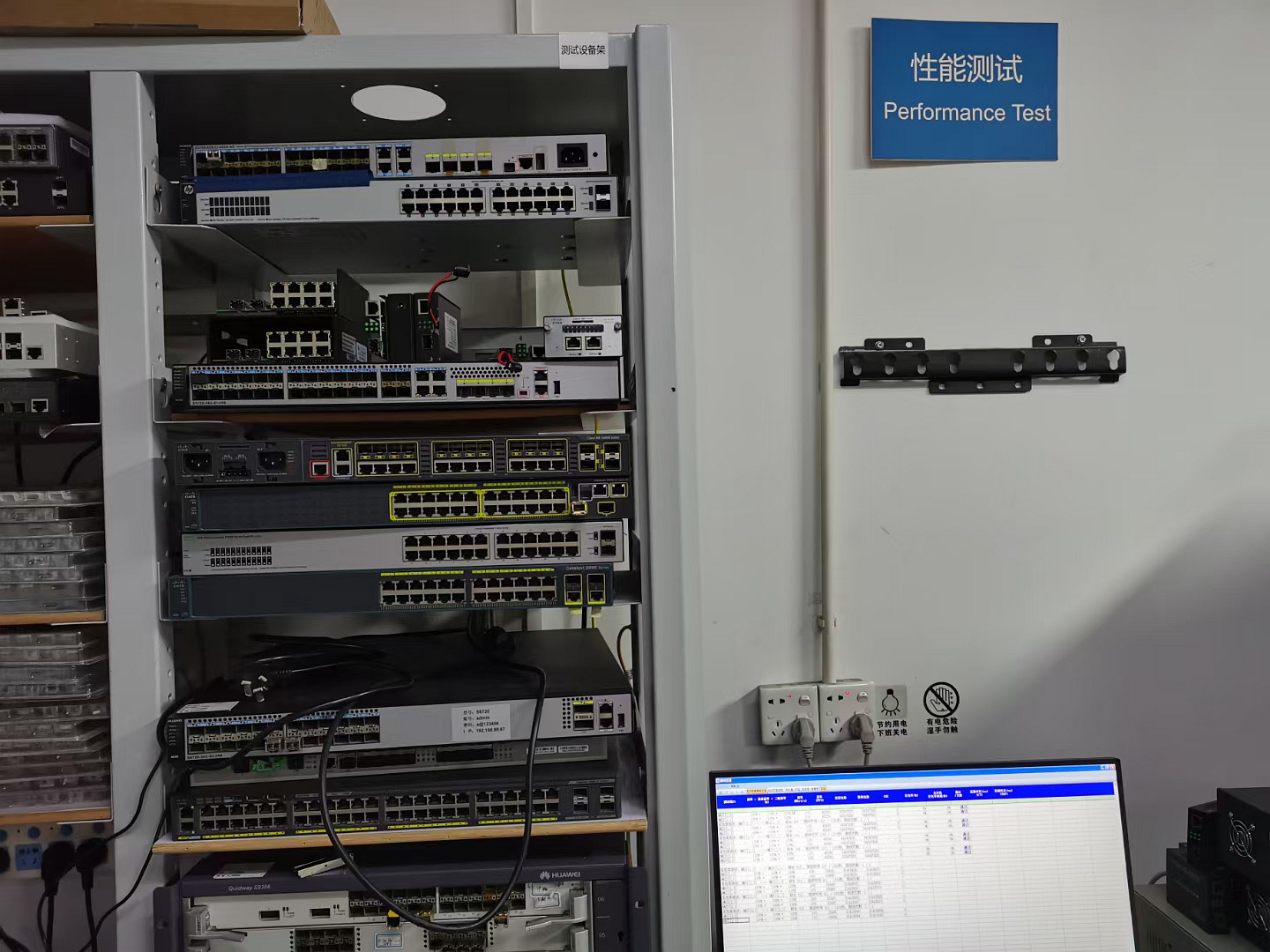
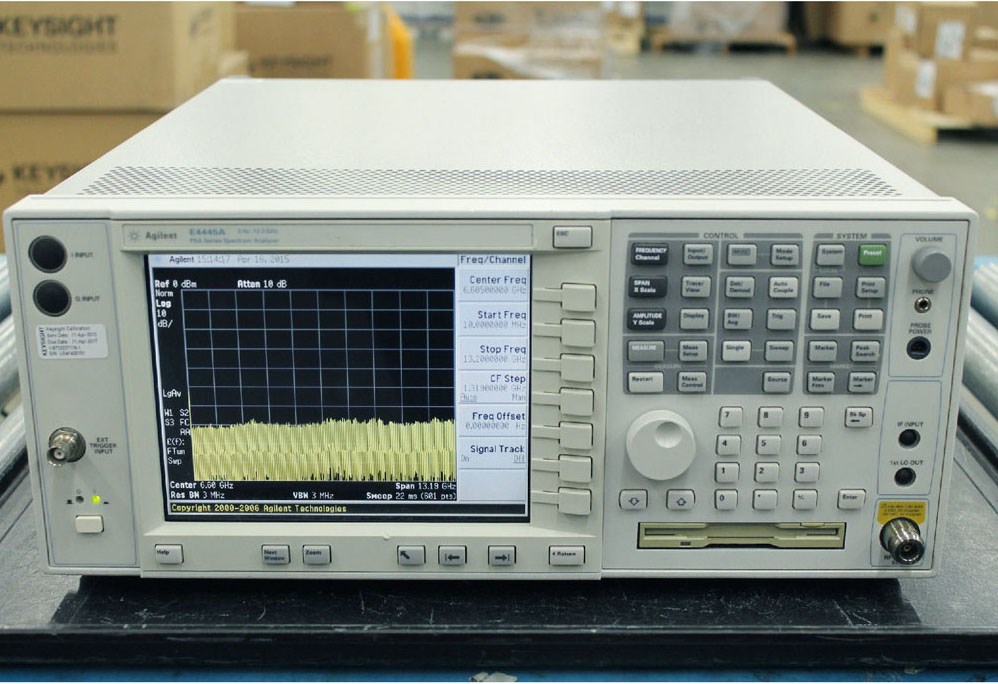
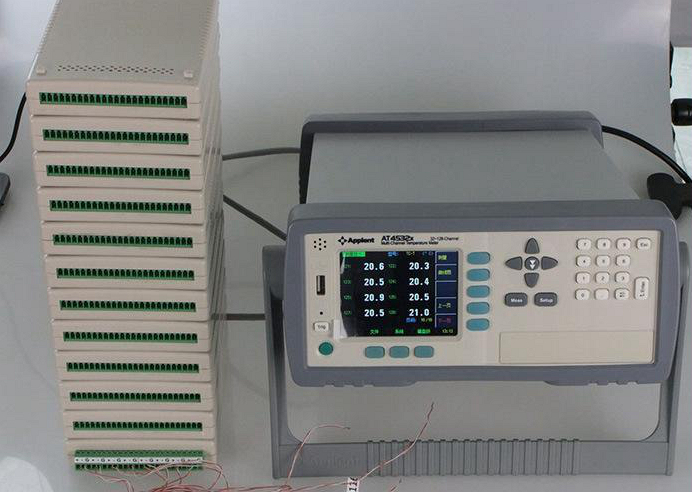
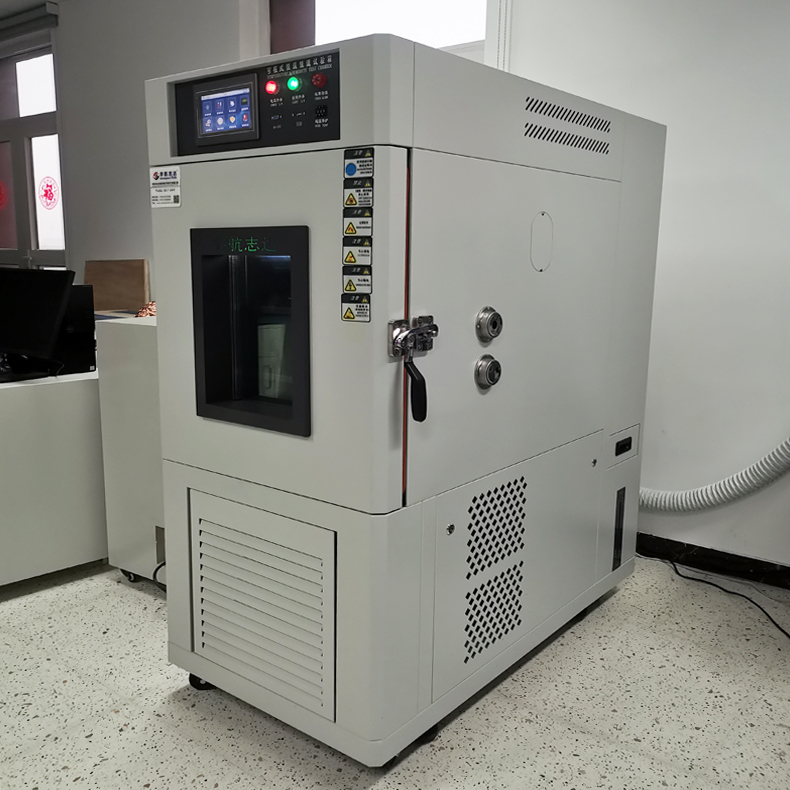
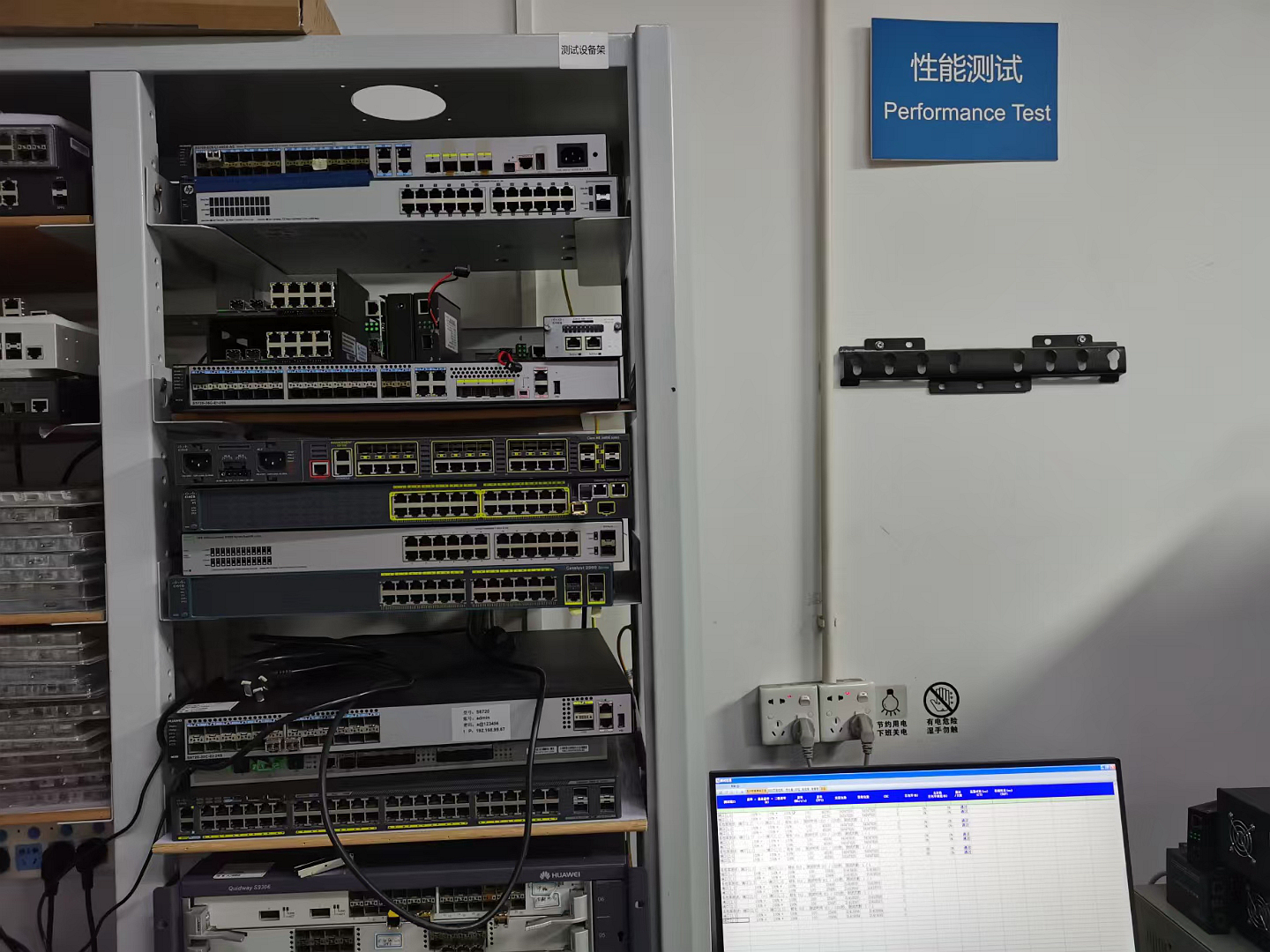
Each ONU model undergoes continuous verification, including High-Low Temperature cycling, precise Wi-Fi calibration, and long-term simulation testing to guarantee stable MTBF (Mean Time Between Failures) metrics under extreme network stress.
We provide complete software, firmware, and casing customizability. From localized English firmware installation and custom TR-069 ACS configurations to branding and housing redesigns, our engineers provide end-to-end integration support.






Navigating the convergence of fiber deployments, intelligent enterprise hubs, and standard residential FTTH gateways.
Global telecommunication frameworks are steadily transitioning from traditional GPON/EPON architectures toward symmetrical 10G-PON systems (XGS-PON). This paradigm shift requires highly capable ONU devices to eliminate processing bottlenecks on client premises. Dual-band WiFi5 and modern WiFi6 standard integrations allow wireless performance to scale in step with gigabit fiber inputs.
Historically, network operators faced severe vendor lock-in issues, where third-party ONUs were incompatible with primary OLTs. Today, standardized OMCI configurations, TR-069 WAN parameters, and OpenOMCI software layers enable seamless interoperability. Importers and networks can confidently mix equipment types, decreasing CAPEX and simplifying supply chains.
Energy efficiency regulations in regions like Europe mean that client-side terminals must support power conservation modes. Our ONU designs implement dynamic port-power control, low-power standby cycles, and efficient chipset topologies that lower operational costs while meeting eco-design regulations.
Key data and criteria to guide engineering decisions when procuring optical hardware at volume.
International procurement managers look for distinct technical parameters when vetting optical network manufacturers:
| Attribute | Shenzhen Soras Specification Details |
|---|---|
| Business Model | Original Equipment Manufacturer (OEM) & ODM Specialist |
| Factory Location | Guangdong, China (Global optical supply chain hub) |
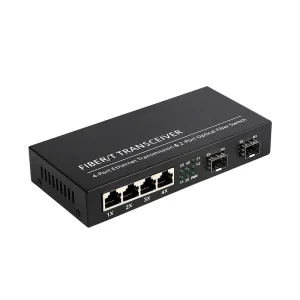
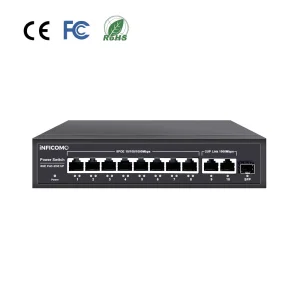
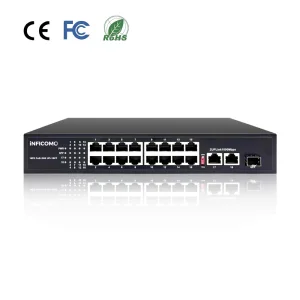
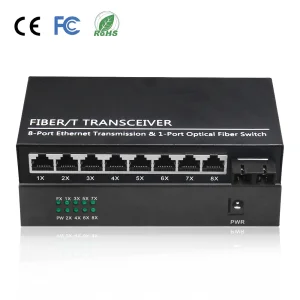
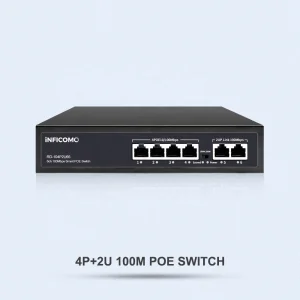
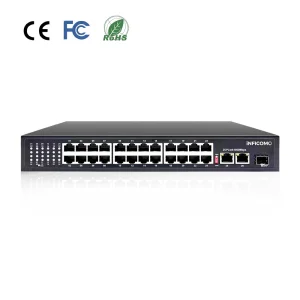
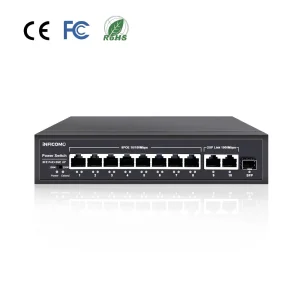
| Core Portfolio | GPON/XPON ONU & OLT, SFP Transceivers, POE Switches, Media Converters |
| Annual Revenue | US$5 Million - US$10 Million |
| Target Markets | South America, North America, Europe, East Asia, Domestic |
| Compliance Marks | CE, FCC, RoHS, UL, ISO 9001 Quality System Standard |
Answering the primary operational, compatibility, and compliance questions from global engineers.
GPON (Gigabit Passive Optical Network) operates specifically under ITU-T G.984 protocols, supporting 2.488 Gbps downstream and 1.244 Gbps upstream. XPON is a dual-mode hardware configuration that detects the OLT transmission protocol and auto-configures to either GPON or EPON (IEEE 802.3ah) systems. Implementing dual-mode XPON ONUs simplifies inventory management for ISPs.
CE Certification indicates compliance with European health, safety, and environmental protection standards. It ensures that the electronic design of the ONU, including its power supplies and transceiver modules, limits electromagnetic interference (EMI) and prevents electrical issues, ensuring a safe installation.
Our firmware implements standardized OMCI (ONT Management and Control Interface) signaling protocols. During manufacturing, we test our ONUs against mainstream OLT brands, ensuring correct registration, configuration, provisioning, and alarm reporting across different access networks.
Yes, our R&D team can construct firmware versions pre-configured with client-specific settings, including IPv4/IPv6 dual-stack support, default PPPoE settings, VLAN IDs, and customized TR-069 parameters for remote management.
We carry out a strict multi-tier quality assurance protocol. This includes SMT validation, High-Low temperature chamber tests to verify component survival under extreme environments (-10°C to 55°C), Wi-Fi output calibration, bit-error rate testing, and functional burn-in tests to catch any faults before boxing.
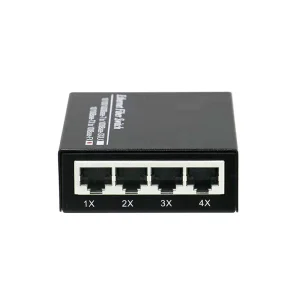
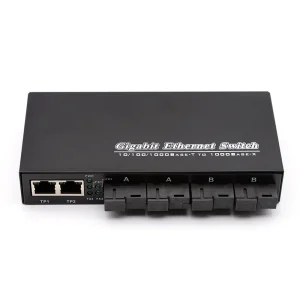
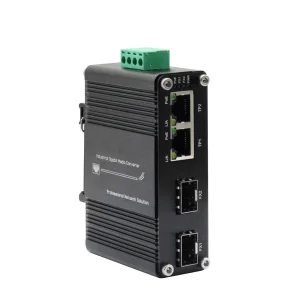
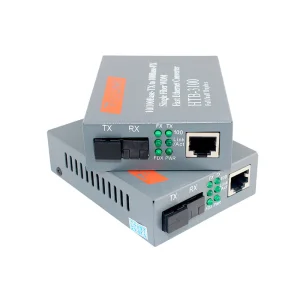
Media converters bridge optical fibers and traditional copper copper Ethernet cables. In enterprise scenarios, media converters extend connection loops up to 80km to connect distant remote offices or IP CCTV camera arrays back to a central network switch, bypassing standard 100m copper limits.
 Soras Tech