China Top Optical Power Meter Factories & Supplier

Precision Calibration, Industrial Grade Reliability, and Next-Generation Fiber Testing Solutions for Global Telecommunication Networks.

Innovative Fiber Transmission & Network Equipment

Explore our premium product line engineered to meet the highest precision standards for GPON, FTTx, and enterprise network deployments.
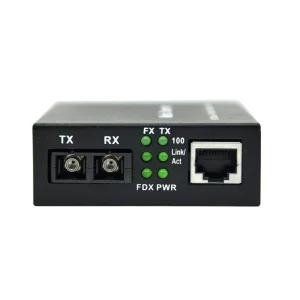
Plug-and-play 100Mbps SM Duplex SC 20km Single Mode Dual Fiber Media Converter
Plug-and-play 100Mbps SM Duplex SC 20km Single Mode Dual Fiber Media Converter Inficomo RD-GS2401-LX CE RoHS Certified 1 Year
View Product Details
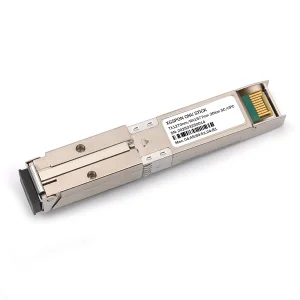
Hot Selling XGSPON 10G SFP+ 20km SC/APC Receptacle Web Management 10G/10G ONT/ONU Stick
Hot Selling XGSPON 10G SFP+ 1270/1577nm 20km SC/APC Receptacle Web Management 10G/10G ONT/ONU Stick
View Product Details
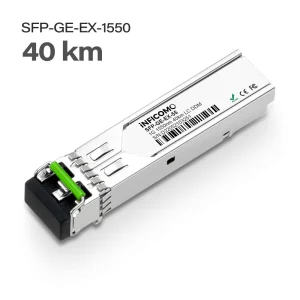
1.25G SFP 1550nm 40km DOM Duplex LC SMF Fiber Optic Transceiver Module
1.25G SFP 1550nm 40km DOM Duplex LC SMF Fiber Optic Transceiver Module SFP
View Product Details
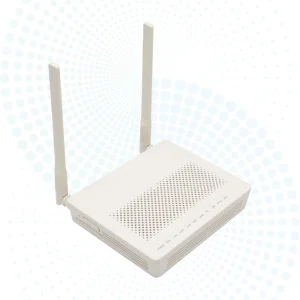
High Quality EG8141A5 HG8546M XPON ONU
High Quality EG8141A5 HG8546M XPON ONU 1GE+3FE+WiFi+POTS FTTH Fiber Optic Terminal With English Firmware
View Product Details
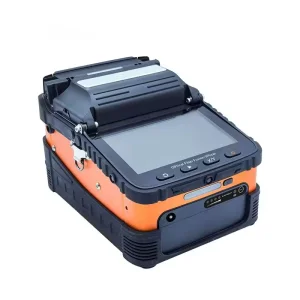
AI-5 Fiber Fusion Splicer
AI-5 Fiber Fusion Splicer 1260-1650nm Wavelength 6s Splicing Time 7800mAh Battery FTTH Optical Fiber Welding Machine
View Product Details
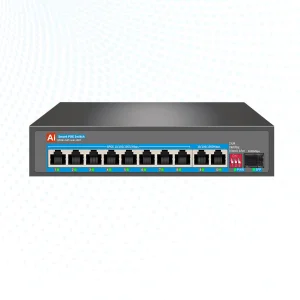
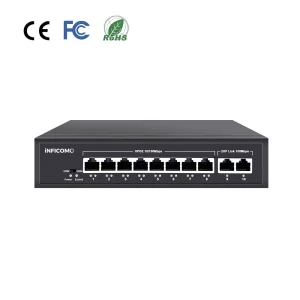
8 Port PoE Switch
8 Port PoE Switch with Dual Gigabit Uplink and SFP Port for Enterprise Security Systems
View Product Details
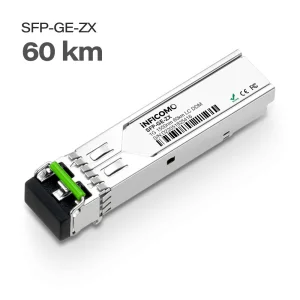
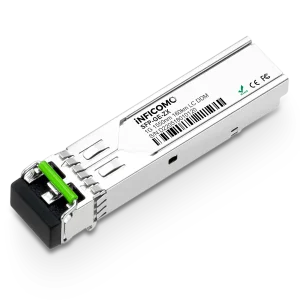
1000BASE-ZX 1.25G 60km Single Mode SFP
1000BASE-ZX 1.25G 60km Single Mode SFP 1550nm Duplex LC SMF Optical Transceiver Module
View Product Details
1.25G SFP Optical Transceiver 80km
1.25G SFP Optical Transceiver 80km | 1550nm DFB Laser | Duplex LC SMF | DOM Support | SFF-8472 MSA Compliant | for Gigabit
View Product Details
Shenzhen Soras Technology Co., Ltd. Manufacturing Facility

Shenzhen Soras Technology Co., Ltd.

We are a leading manufacturer of optical transmission and network equipment with over 10 years of R&D and production experience. Our core mission is delivering high-quality, cost-effective, and value-added hardware solutions to telecommunication authorities, internet service providers, and enterprise operations globally. Partnering with top-tier operators across more than 60 countries, we emphasize rigorous ISO 9001 standards, regulatory compliance (UL, CE, FCC, RoHS), and full OEM/ODM flexibility to meet critical hardware specifications.

Enterprise Profile Summary
Business Type Manufacturer / OEM / ODM Country / Region Guangdong, China
Main Products FTTH ONU & OLT, SFP Modules, Fiber Media Converters, PoE Switches, Optical Equipment Total Employees 11 - 50 People
Annual Revenue US$5 Million - US$10 Million Year Established 2021
Main Markets Domestic (24.00%), Eastern Asia (15.00%), North America (15.00%), South America, Europe Certifications ISO 9001, UL, CE, FCC, RoHS
10+
Years Industry Experience
60+
Countries Exported
100%
QC Testing and Inspection
ISO9001
Quality Management

Industrial Whitepaper: China's Optical Power Meter Ecosystem

A comprehensive analysis of design metrics, calibration standards, manufacturing systems, and procurement requirements for enterprise-grade fiber network deployment.

1. The Crucial Role of Optical Power Meters in Modern Optoelectronics

In the landscape of high-speed telecommunications, the Optical Power Meter (OPM) serves as the definitive reference instrument for measuring the absolute power of optical signals and calculating relative insertion loss across optical fiber links. As global architectures transition toward 10G-PON, XGSPON, and hyperscale 400G/800G optical interconnects, minor calibration drifts or sensitivity limitations in optical power measurement can jeopardize massive data streams. System engineers rely on high-precision optical power meters to verify that light paths satisfy the demanding optical power budgets required for error-free digital transmission.

Precision calibration requires tracking light signals down to picowatts (pW) or nanowatts (nW), translating these physical signals into decibel-milliwatts (dBm) or milliwatts (mW). Optical power meter factories in China have invested heavily in high-performance photodiode sensors, specifically Indium Gallium Arsenide (InGaAs) and Silicon (Si) detectors. InGaAs detectors dominate telco applications due to their exceptional linear response within the telecom spectral window (850nm to 1700nm, including the critical 1310nm, 1490nm, 1550nm, and 1625nm wavelengths), whereas Silicon sensors are utilized for shorter visible wavelengths and LAN networks.

Multi-Wavelength Accuracy

Advanced optical power meters support multiple standard wavelengths (850nm, 1300nm, 1310nm, 1490nm, 1550nm, 1625nm) to ensure broad compatibility with single-mode and multi-mode networks.

Wide Dynamic Range

With measuring capabilities ranging from +26 dBm to -70 dBm, industrial OPMs accurately detect both high-power CATV transmissions and highly attenuated long-distance fiber networks.

Sub-Decibel Resolution

Maintained linearity and a high resolution of 0.01 dB prevent readout variations, providing consistent performance for critical optical loss testing (OLTS) applications.

2. Global Competitive Advantages of Chinese Optical Power Meter Factories

The manufacturing cluster located in Guangdong, particularly Shenzhen, represents the world's most concentrated optical communications supply chain. Purchasing from leading Chinese factories offers substantial strategic advantages for global networks:


  • Unmatched Supply Chain Synergies: Optical components, photodiode detectors, PCB designs, high-performance microcontrollers, and precision plastic molds are all manufactured within a 50-kilometer radius. This enables rapid prototyping, fast design modifications, and rapid lead times.
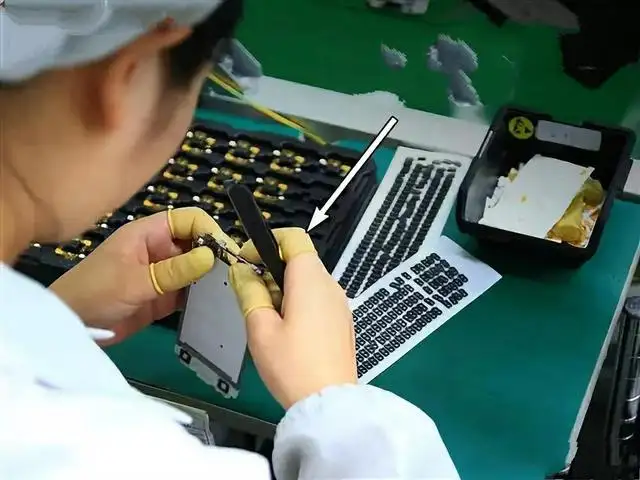
  • State-of-the-Art Surface Mount Technology (SMT): Advanced SMT lines process high-density PCBs with extreme precision, reducing solder defects and securing the long-term reliability of internal optical receiver circuitries.
  • Comprehensive Calibration Facilities: Shenzhen Soras Technology utilizes traceable reference standards and precision optical attenuators during calibration to align sensor responses with NIST-certified parameters, keeping measurement uncertainty below ±0.2 dB.
  • Excellent Cost-Performance Ratios: Scale efficiencies, optimized manufacturing pathways, and lower overheads allow Chinese factories to offer instrumentation-grade testing technology at fraction of the capital expenditure of traditional western vendors.

3. Macro-Level Deployment Scenarios and Solutions

Optical Power Meters are indispensable diagnostic tools used in conjunction with active transmission modules and passive components to solve network performance challenges:

  • FTTx / GPON / XGSPON Broadband Rollouts: Field technicians use specialized PON optical power meters to simultaneously test upstream (1310nm) and downstream (1490nm and 1550nm/1577nm) power levels through passive optical splitters. This ensures that the Optical Network Unit (ONU) or Optical Line Terminal (OLT) operates within safe optical receiver sensitivity thresholds, eliminating link errors and packet loss.
  • Hyperscale Cloud Data Centers: With the integration of QSFP28-100G-SR4 transceivers for high-speed AI computing clusters, multi-mode fiber ribbons must be analyzed. Technicians rely on multi-channel optical power meters and specialized patch cables to verify insertion loss across high-density MPO-12/MPO-24 connectors and OM4 fibers.
  • Metropolitan Area Network (MAN) & Long-Haul DWDM Links: For long-distance fiber networks utilizing 1550nm DFB lasers and EDFA amplifiers, optical power meters measure signal amplification and determine whether inline optical attenuators are required to prevent optical receiver saturation.
  • Industrial Enterprise and Video Surveillance Backhauls: Media converters and PoE switches convert local copper networks to single-mode fiber links spanning up to 20km or 80km. OPMs confirm that the launched power from SFP transceivers is sufficient to overcome path attenuation over these long distances.

4. Next-Gen Quality Assurance & Rigorous Testing Methodologies

To ensure long-term stability and reliability in harsh outdoor conditions, top Chinese optical manufacturers implement multi-stage quality control procedures:
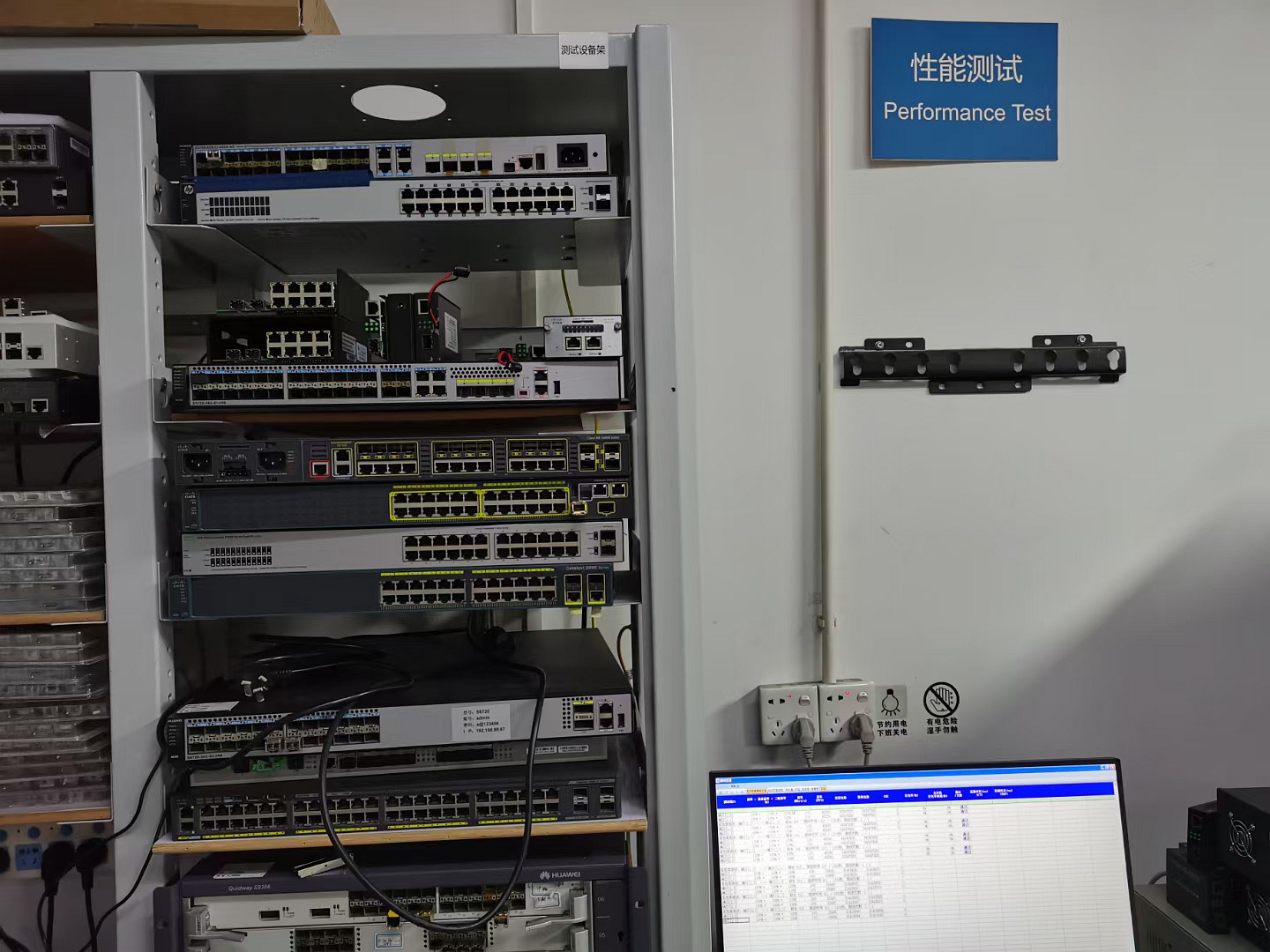
Simulation Test
Simulation Test
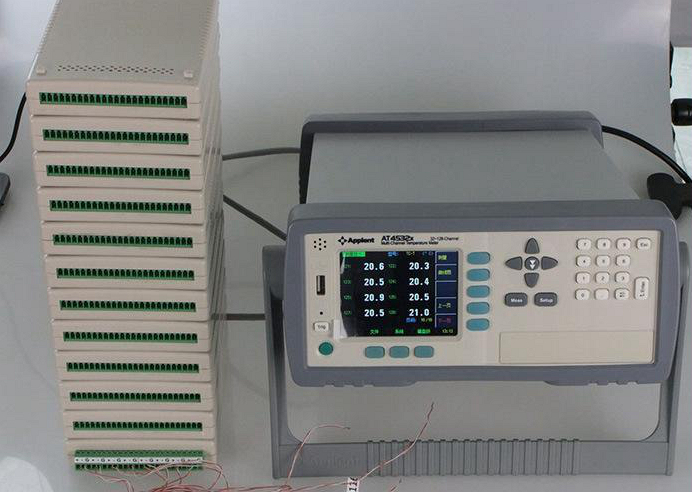
Error Test
Error Test
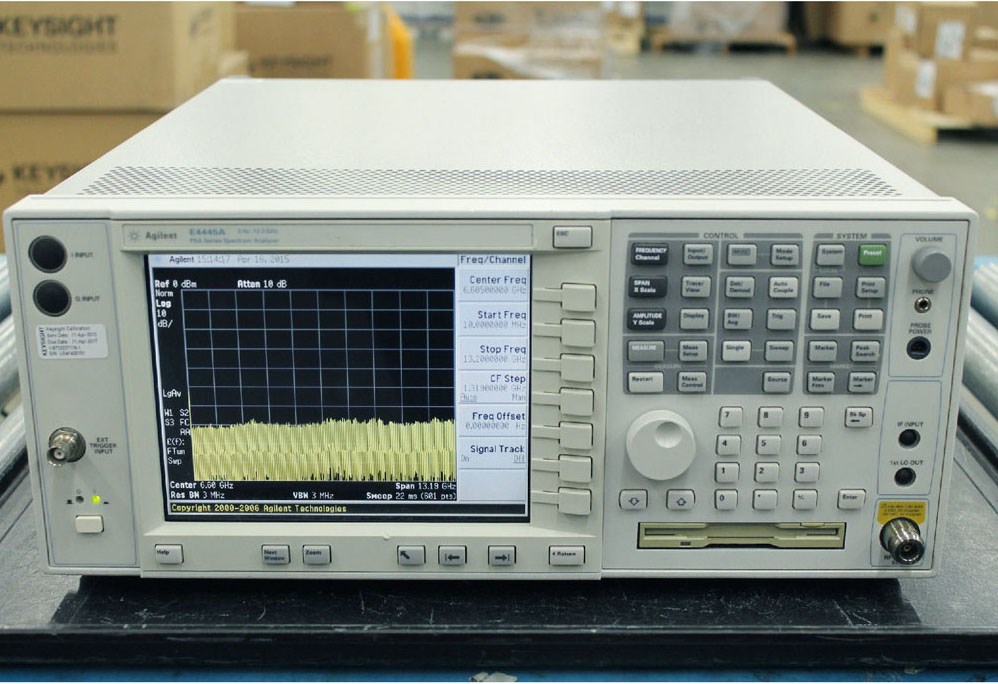
Wifi Calibration
RF/WiFi Calibration
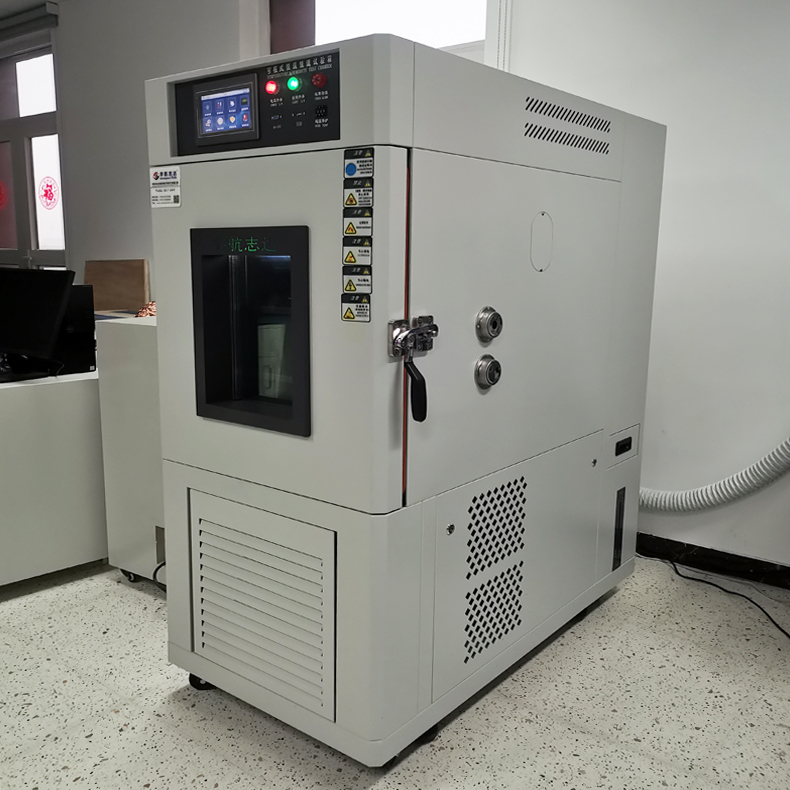
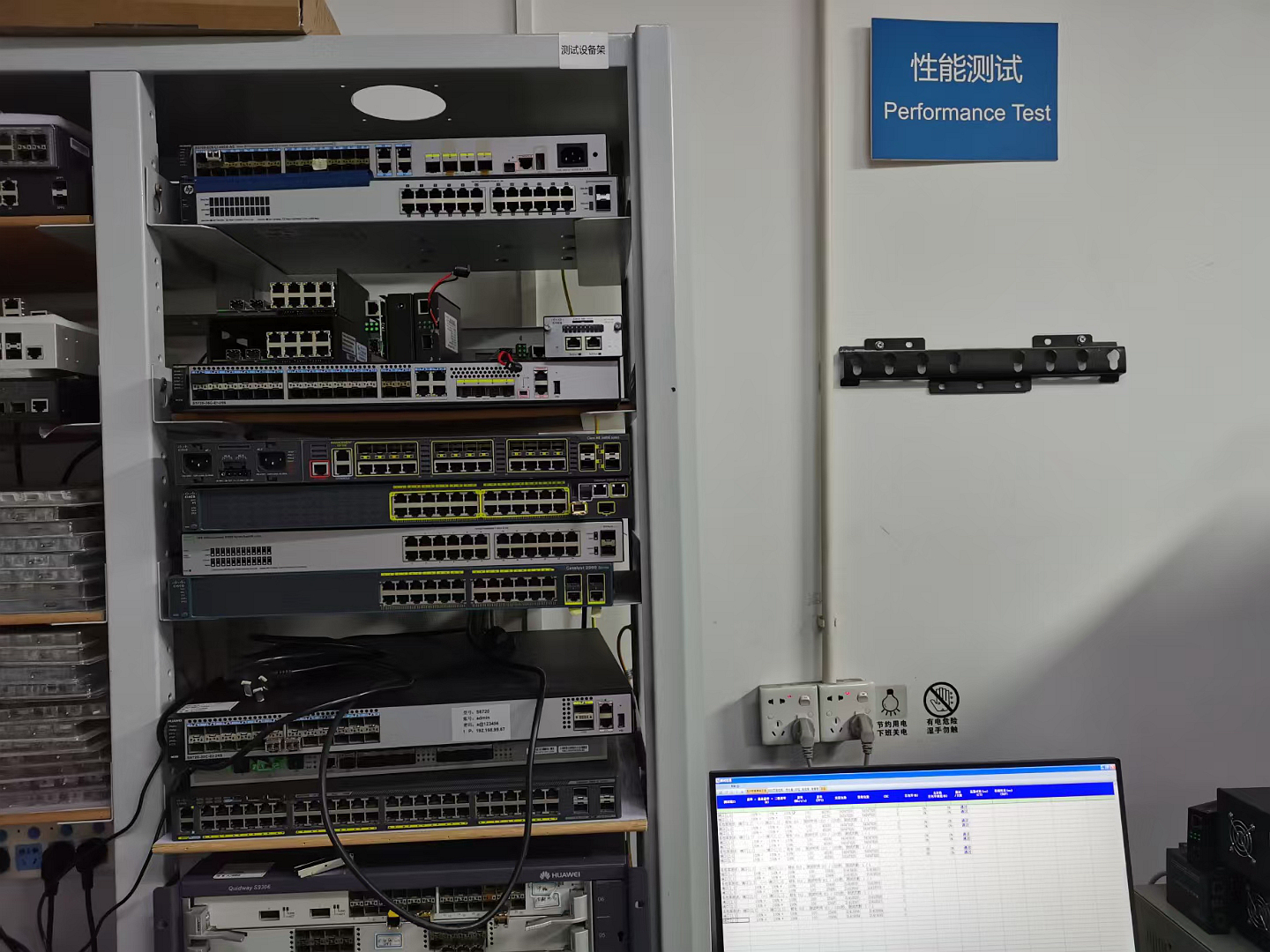
H-L Temperature
H-L Temp Chamber
Simulation Test
Full System Test

Our quality assurance workflow guarantees that every piece of optical gear survives real-world field stress:

  • High-Low Temperature Cycling: Equipment is exposed to extreme temperatures ranging from -40°C to +85°C. This verifies that optical alignments, sensor calibration values, and battery systems remain unaffected by freezing winters or blistering summer sun.
  • Bit Error Rate (BER) & Packet Loss Testing: Fiber media converters and SFP modules undergo continuous error-rate testing under full network loads, ensuring zero packet loss over distances up to 160km.
  • WiFi & RF Spectrum Calibration: For devices with wireless components, such as ONUs and routers, specialized testers verify that transmission power and receiver sensitivity comply with international standards (FCC, CE).
  • Vibration and Drop Simulation: Ensures that handheld optical power meters and fusion splicers retain calibration parameters even after accidental falls or transport vibration.

5. Global Procurement Requirements and Sourcing Strategies

When sourcing optical testing equipment and network hardware from China, global procurement teams must prioritize the following parameters to ensure optimal ROI and technical compliance:

  1. Traceable Standards: Verify that the factory's optical reference source is calibrated periodically against international metrology institutions. This ensures that the decibel readings in North America, Europe, or South America align perfectly with the values measured in China.
  2. Connector Compatibility & Adaptability: Handheld power meters should feature universal 2.5mm interfaces (for FC, SC, ST connectors) and optional 1.25mm adapters (for LC connectors used in high-density SFP transceivers).
  3. E-E-A-T Verified Manufacturer Status: Choose suppliers with proven engineering capabilities, comprehensive product documentation (specification datasheets, user manuals), and international certifications (ISO 9001, UL, CE, FCC, RoHS).
  4. OEM/ODM Support: Ensure that the supplier can customize hardware firmware (such as English interface options, localized wavelength presets, and custom logo printing) to facilitate integration into local workflows.

Expert Q&A: Frequently Asked Questions

In-depth technical answers addressing user intent, hardware specifications, calibration standards, and best practices in fiber testing.

What is the difference between InGaAs and Silicon photodiode detectors in Optical Power Meters?
The primary difference lies in their spectral response range. InGaAs (Indium Gallium Arsenide) detectors have a high sensitivity and linear response between 850nm and 1700nm, making them ideal for standard single-mode and multi-mode telecom networks (1310nm, 1490nm, 1550nm). Silicon (Si) detectors are optimized for shorter wavelengths (400nm to 1000nm), making them suitable for plastic optical fiber (POF) and visible light source applications.
How often should an industrial-grade Optical Power Meter be calibrated?
Under normal operating conditions, it is highly recommended to calibrate optical power meters every 12 months. This ensures that environmental factors like temperature variation and aging of the photodiode sensor do not introduce measurement drift. Calibration should be carried out using NIST-traceable light sources at specified wavelengths.
Why is DOM/DDM support crucial in SFP transceiver modules?
Digital Optical Monitoring (DOM) or Digital Diagnostics Monitoring (DDM) allows network switches to real-time track internal transceiver operating parameters. This includes optical transmit power, optical receive power (essentially acting as a mini built-in optical power meter), internal temperature, laser bias current, and transceiver voltage, allowing engineers to diagnose fiber degradation without interrupting service.
What role does a Fiber Fusion Splicer play in conjunction with an Optical Power Meter?
A fiber fusion splicer welds two optical fibers together using an electric arc. While the splicer estimates splice loss (typically aiming for <0.02 dB), an optical power meter and stabilized light source (or an OTDR) are required to measure the actual end-to-end insertion loss. This ensures the completed link conforms to the system's power budget design.
How do high-low temperature tests protect optical transmission equipment?
Optical transceivers, media converters, and switches are often installed in unconditioned enclosures, such as street cabinets. High-low temperature testing ensures that active electronics, laser diodes, and optical path components do not experience thermal drift, component mismatch, or mechanical cracking under temperature extremes from -40°C to +85°C.
What is the advantage of using a POE Switch with Gigabit Uplink for fiber security networks?
A PoE switch with SFP gigabit uplinks allows local security cameras or access points to receive power and data over copper RJ45 links, while simultaneously transmitting high-bandwidth, long-range aggregated data through the SFP fiber interface back to a central control room. This removes distance limitations and reduces cabling costs.
What parameters are checked during the "Error Test" stage in Soras Tech's production line?
The "Error Test" checks bit error rates (BER), frame drops, and latency profiles across fiber media converters and SFP modules. The equipment is subjected to simulated peak network traffic over extended periods to ensure zero packet loss and confirm that the transmission meets IEEE 802.3 and ITU-T telecommunication standards.
Can a single optical power meter measure both GPON and XGSPON networks?
Standard optical power meters cannot differentiate between overlaid signals. For multi-service networks, you must use a dedicated PON Power Meter. PON OPMs feature internal bandpass filters that isolate and measure the unique wavelengths used in GPON (1310/1490/1550nm) and XGSPON (1270/1577nm) simultaneously, preventing signal overlapping errors.
How does Shenzhen Soras Technology handle custom OEM/ODM requests?
Backed by a dedicated R&D team and a flexible manufacturing facility, we offer a comprehensive OEM/ODM service. This includes hardware design modifications, custom PCB layout routing, localized firmware translation, custom enclosure molding, and personalized product branding/packaging. All custom designs undergo rigorous quality testing prior to volume shipping.
What certifications should a global enterprise look for in fiber optic equipment?
Key certifications include ISO 9001 for quality management systems, CE (European conformity) and FCC (Federal Communications Commission) for electromagnetic compatibility and RF emission standards, and RoHS/Reach compliance for hazardous substance control. These certifications ensure that the equipment is safe, reliable, and legally compliant in major global markets.

High-Performance Optical & Network Products

Engineered for high performance and durability, our products support global telecom and enterprise requirements.
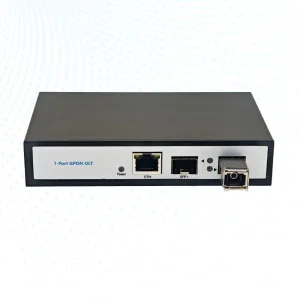
Mini GPON OLT with Gigabit Uplink
Mini GPON OLT with Gigabit Uplink for FTTH Broadband and Enterprise Fiber Access
View Product Details
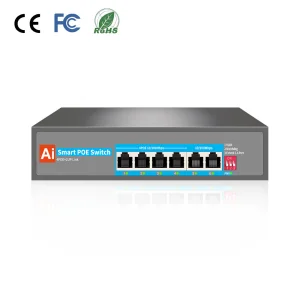
4CH PoE Switch 10/100Mbps
4CH PoE Switch 10/100Mbps + 2 Gigabit Uplink, AI Watchdog & VLAN, 65W PoE for IP Camera/AP
View Product Details
Zero-Packet-Loss SFP 1.25G 1550nm 160km
Zero-Packet-Loss SFP 1.25G 1550nm 160km Single Mode Duplex LC DOM Fiber Optical Transceiver
View Product Details
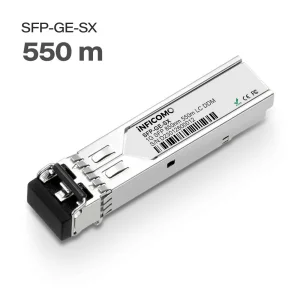
GLC-LH-SX 1.25G 850nm SFP Module
GLC-LH-SX 1.25G 850nm 550m Duplex Multi Mode LC DDM SFP Module
View Product Details
POE Switch 8 Port
POE Switch 8*10/100 POE Port + 2*100M UTP Port POE Network Switch with Factory Price
View Product Details
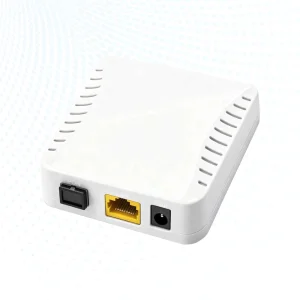
Gigabit Speed HG1001 XPON ONT
Gigabit Speed HG1001 XPON ONT 1GE Fiber ONU Modem for FTTH FTTX Broadband Solution
View Product Details
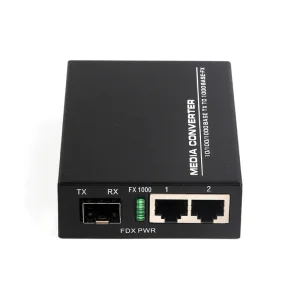
Gigabit 1 SFP Port 2 RJ45 Media Converter
Gigabit 1*SFP Port 2*RJ45 Ethernet 10/100/1000Mbps Fiber Media Converter 10-80Km Range RoHS CE Certified Inficomo RD-GW102-SFP
View Product Details
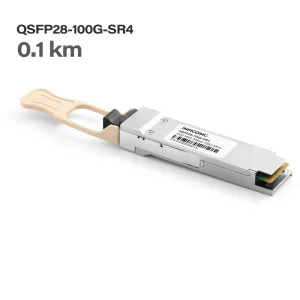
QSFP28-100G-SR4 Transceiver Module
QSFP28-100G-SR4 850nm 100m OM4 DOM MPO-12/UPC MMF 100G QSFP28 Fiber Optic Transceiver Module for AI Data Center
View Product Details