As a leading pioneer among China's specialized optic tools factories, Shenzhen Soras Technology Co., Ltd. (known globally as Soraslink) has dedicated over 10 years to engineering, manufacturing, and supplying carrier-grade optical transmission systems and robust FTTx equipment. Our core competence lies in bridging the gap between raw optical components and active broadband hardware, delivering end-to-end reliability for complex internet service provider (ISP) topologies and high-density enterprise communication systems.
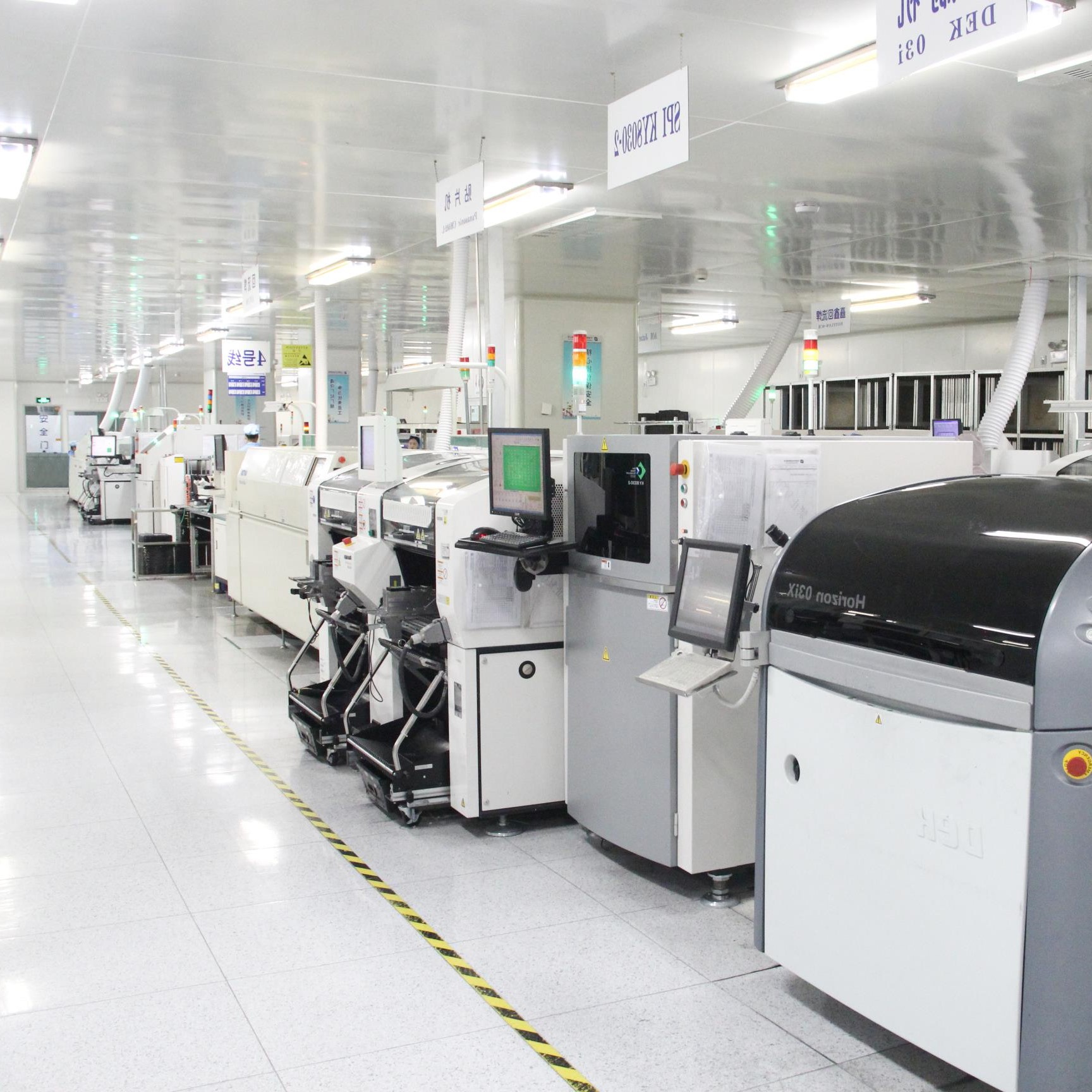
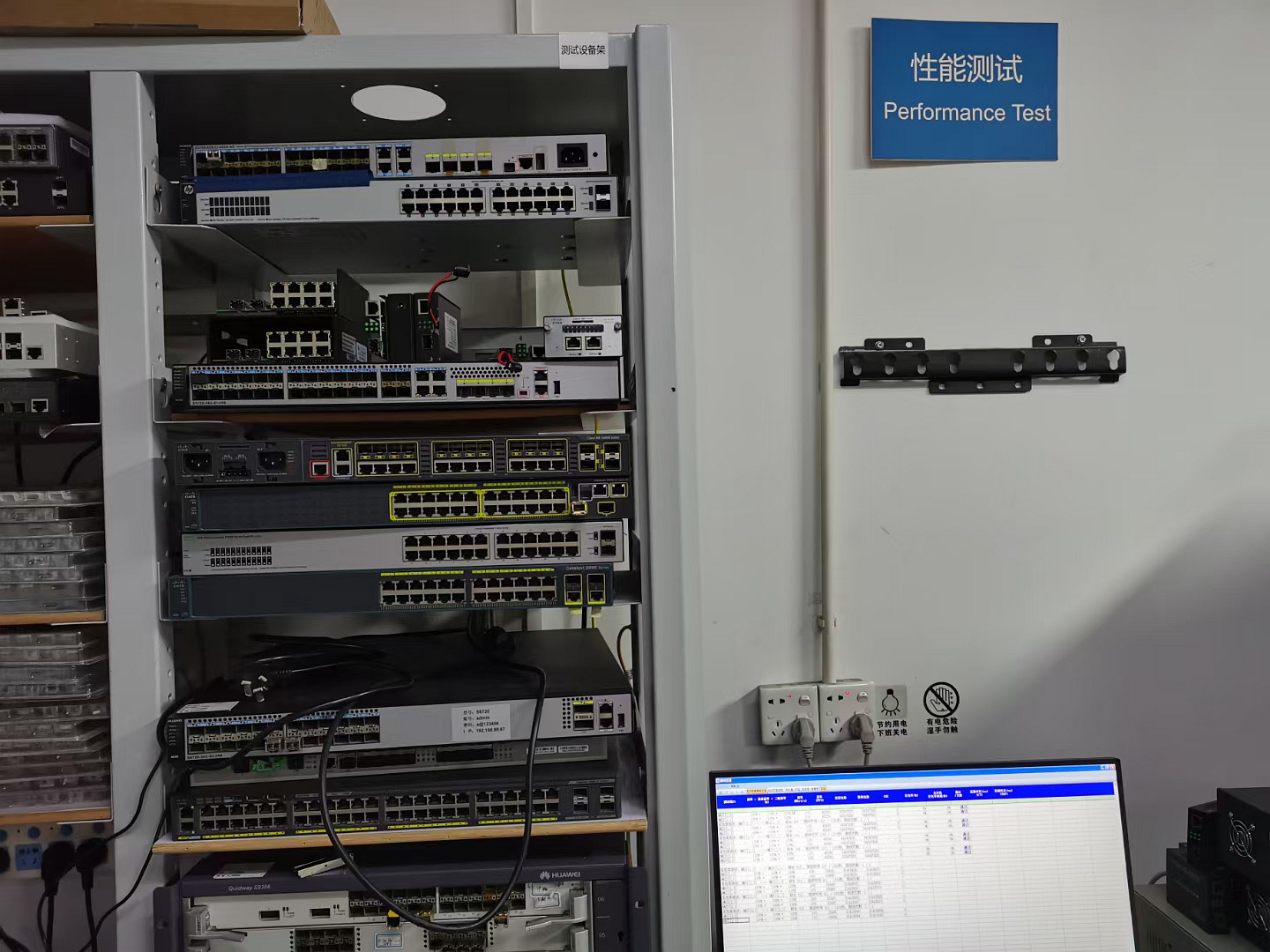
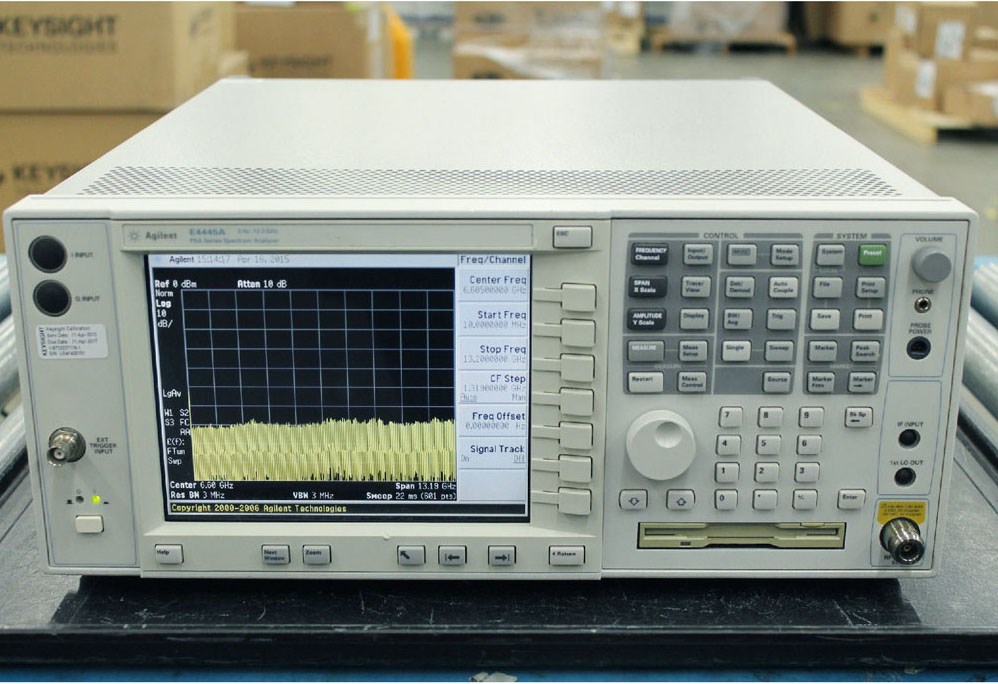
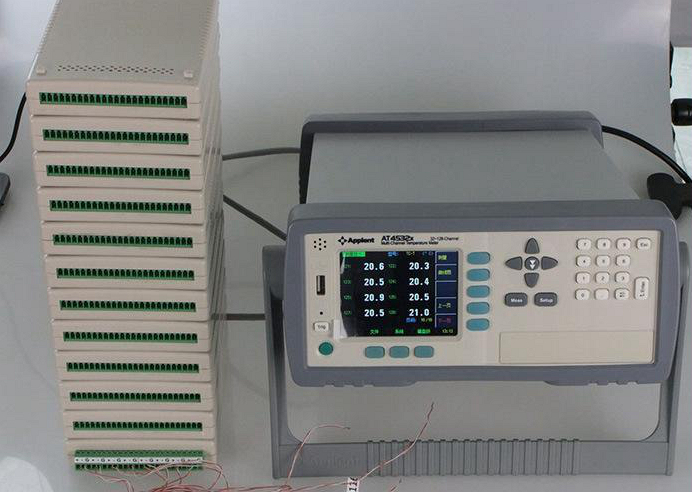
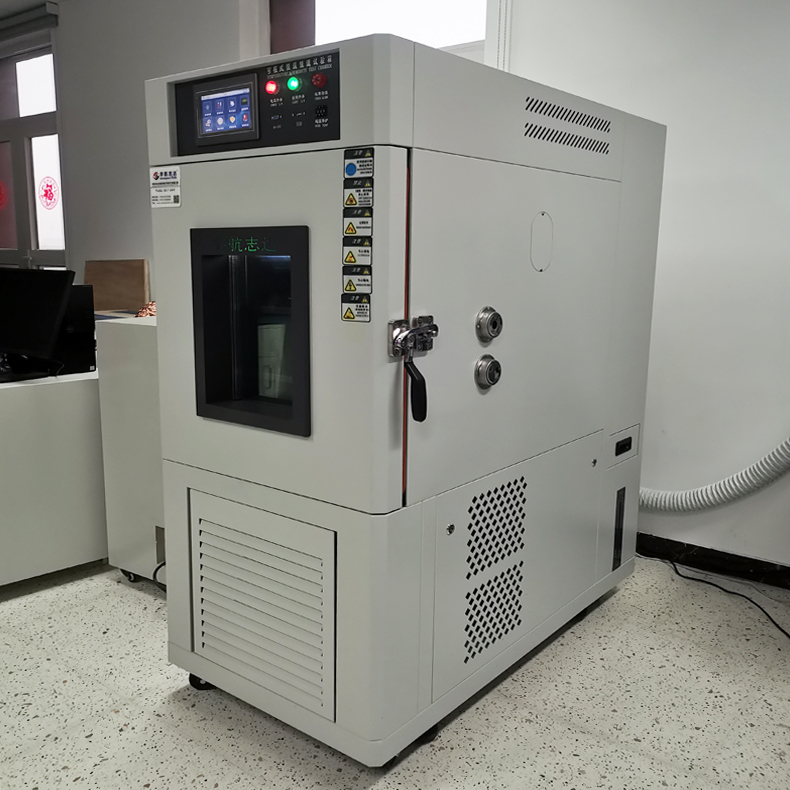
Our operation is built on structural quality management, steady supply chains, and consistent technological innovation. We serve as a strategic OEM/ODM partner for telecommunication operators, national utility entities, and wholesale networking distributors across Europe, South America, and North America. By continuously investing in advanced surface mount technology (SMT), automated assembly facilities, and rigorous environmental simulation chambers, Soraslink ensures that every device meets international standards including ISO 9001, UL, CE, FCC, and RoHS certifications.

| Business Type | Manufacturer / OEM / ODM | Country / Region | Guangdong, China (Shenzhen Hub) |
|---|---|---|---|
| Main Products | FTTH ONU & OLT, SFP Transceiver Modules, Fiber Media Converters, PoE Switches, Longitudinal Cable Sheath Strippers | Total Employees | 11 - 50 Highly Specialized Personnel |
| Total Annual Revenue | US$5 Million - US$10 Million | Year Established | 2021 (With 10+ years of pre-existing industry expertise) |
| Standard Certifications | ISO 9001, UL, CE, FCC, RoHS Compliant Systems | Main Target Markets | Domestic (24.00%), Eastern Asia (15.00%), North America (15.00%), Latin America, Western Europe |
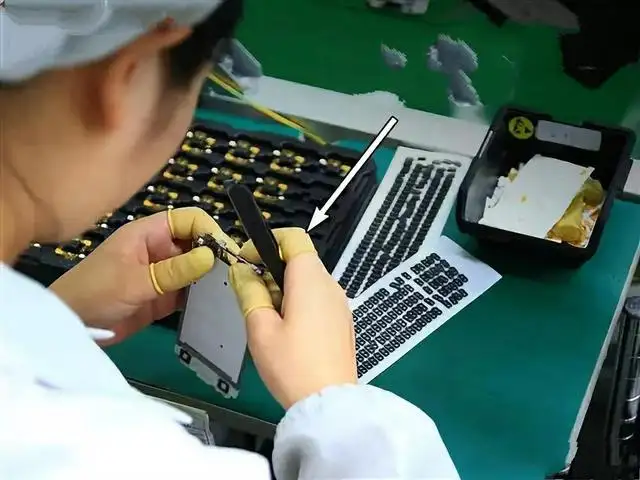
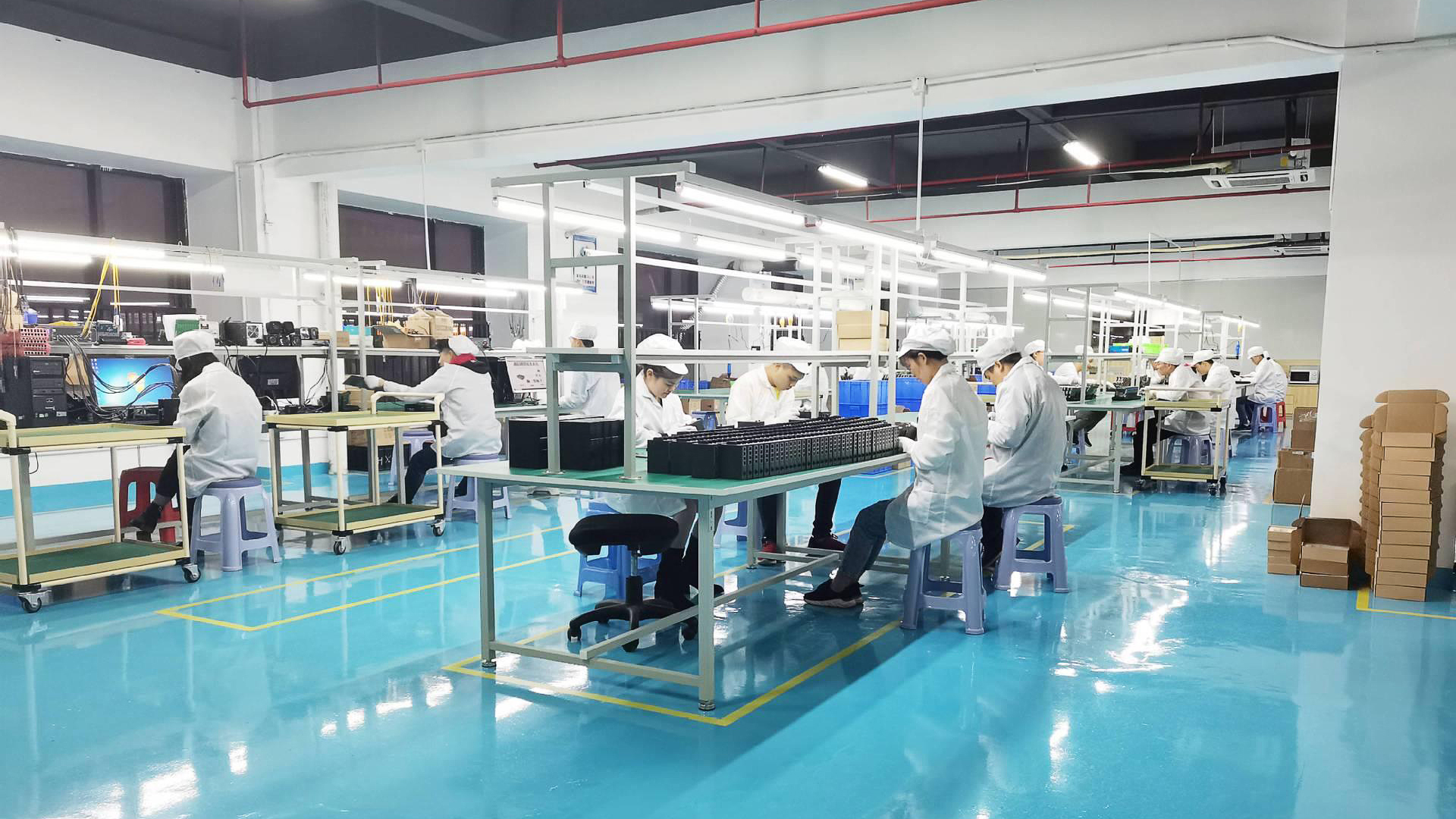
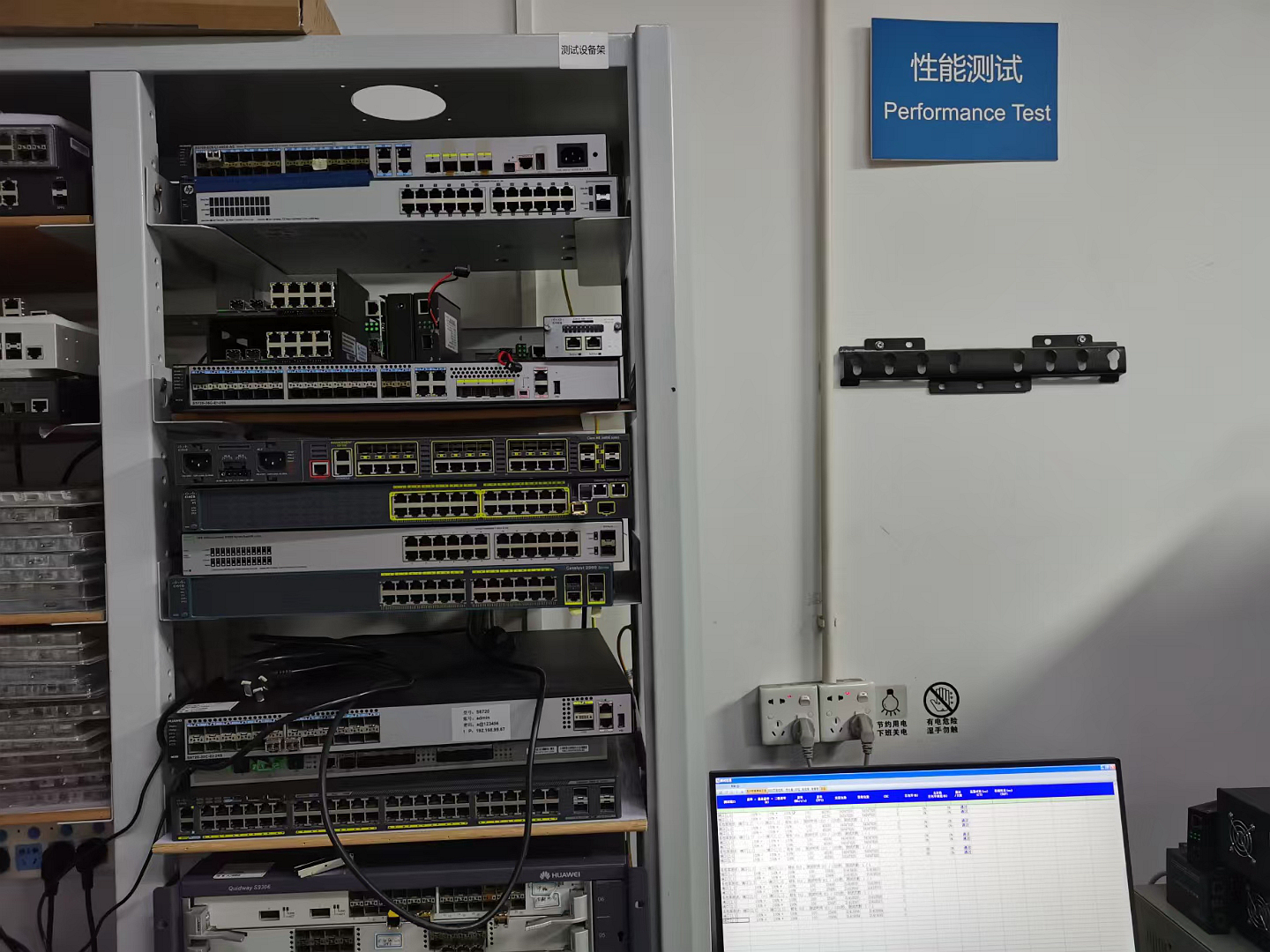
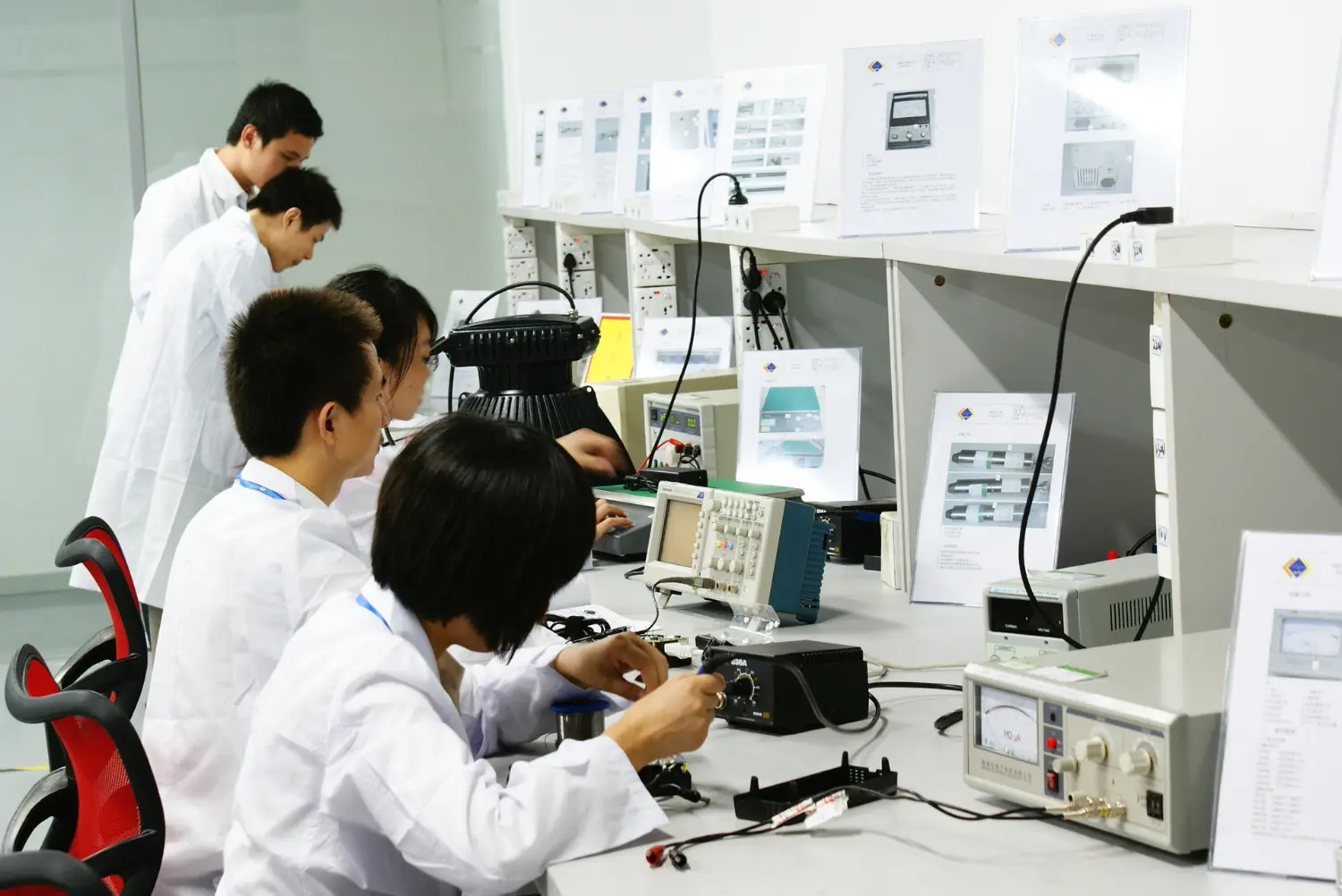
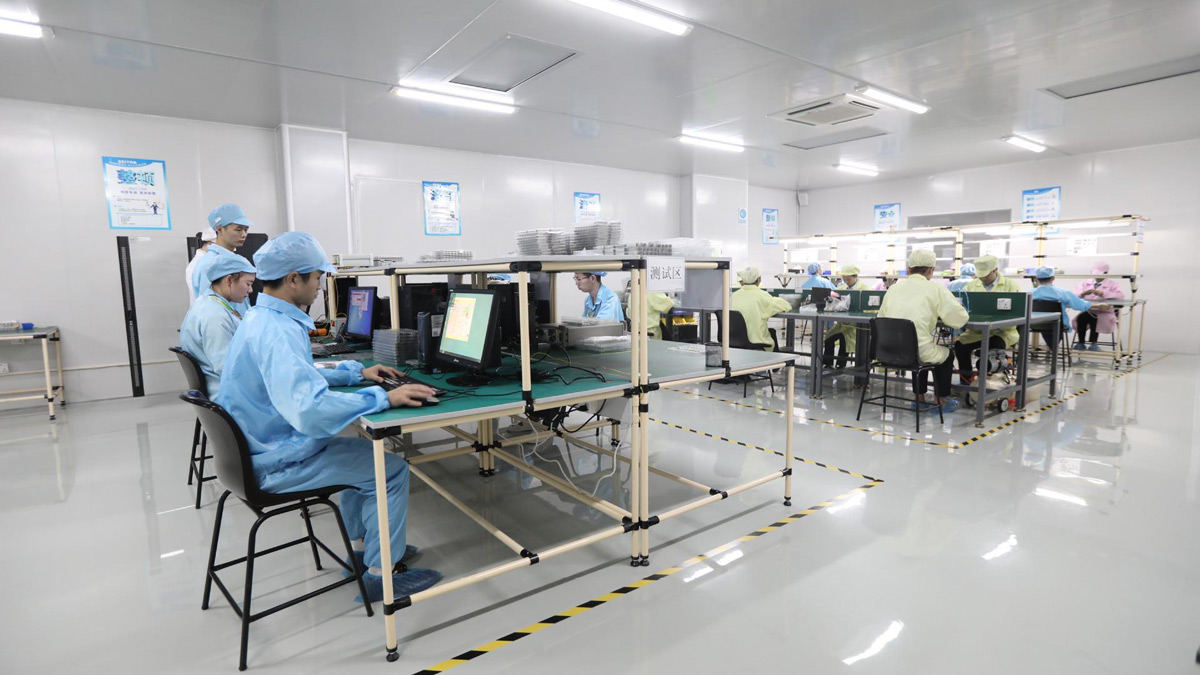
Our manufacturing operations integrate automated processing with strict manual quality assurance gates, creating a highly traceable path for every transceiver, switch, and ONT unit.
A comprehensive technical guide to selecting, importing, and validating carrier-grade active and passive hardware for modern telecom upgrades.
The global telecommunication landscape is undergoing a massive migration to Next-Generation PON (Passive Optical Network) standards. With global data traffic projected to increase by over 25% annually, telecommunications operators, regional ISPs, and utility organizations face the challenge of modernizing their distribution networks while keeping operational expenditures under control. China's manufacturing clusters in Shenzhen and Guangdong have evolved past simple assembly; they now serve as epicenters for optoelectronic R&D, offering substantial information gain and material cost-efficiency.
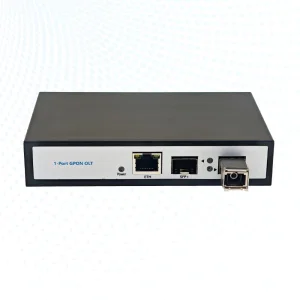
In the past, purchasing departments worked with generic export trading firms. Modern deployment strategies require direct interaction with specialized optic tools factories. This shift allows operators to access customizable optical network unit (ONU) firmware, custom wavelength allocations on SFP transceivers, and robust optical line terminal (OLT) architectures configured to regional spectrum allocations. Working directly with manufacturers like Soraslink helps ISPs bypass structural compatibility bottlenecks and ensures long-term hardware reliability in the field.
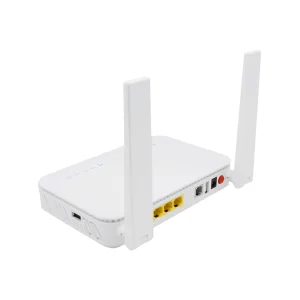
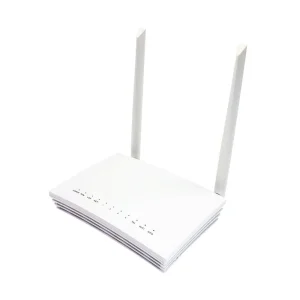
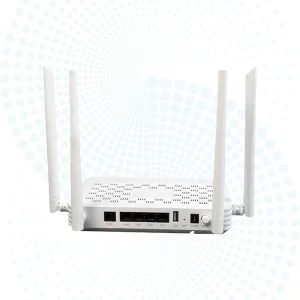
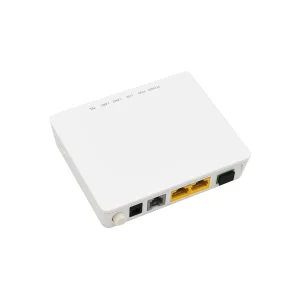
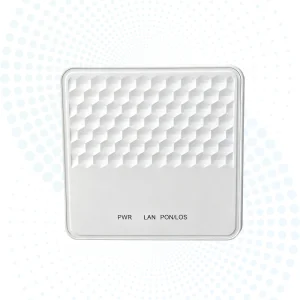
Within the Fiber-to-the-Home (FTTH) and Fiber-to-the-Building (FTTB) deployment cycles, the optical network unit (ONU) is the final link in the service chain. Legacy ONUs utilizing standard 2.4GHz WiFi protocols have become bandwidth bottlenecks, unable to deliver the gigabit speeds provided by single-mode fiber backbones. The implementation of high-performance XPON (supporting both GPON and EPON configurations auto-negotiated at the hardware level) integrated with dual-band WiFi 6 (such as the WIFI6 ONU F6610M) resolves this issue.
These advanced terminals incorporate Orthogonal Frequency Division Multiple Access (OFDMA), Multi-User MIMO (MU-MIMO), and BSS coloring. By resolving co-channel interference and local congestion, these units allow telecommunications providers to offer reliable gigabit plans. Furthermore, backward-compatible designs that share firmware configurations with established carrier models (such as the HS8546X6, HS8346X6, and HS8145X6 series) help field engineering teams integrate new hardware without needing to retrain staff or restructure their network management system (NMS).
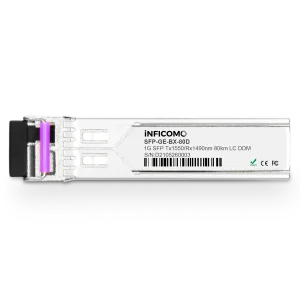
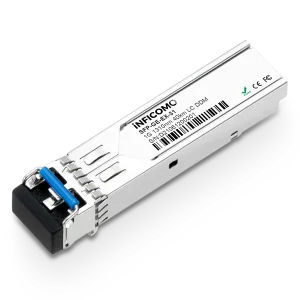
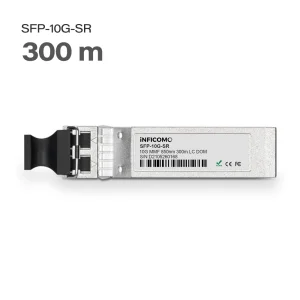
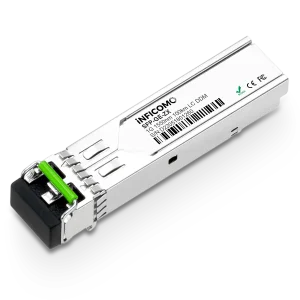
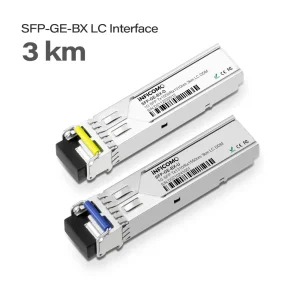
Optical transceiver modules represent the critical active component in fiber networks, responsible for translating electronic signals into high-frequency optical pulses. In long-distance setups (spanning 40km to 80km, like our 1.25G BIDI or 10G SR modules), signal attenuation and chromatic dispersion require precise physical tolerances and high-quality optical components.
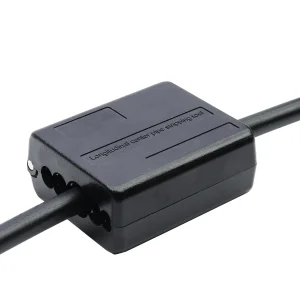
In high-speed fiber-optic deployments, the physical preparation of the glass fiber is just as critical as the performance of the active electronic components. Poor cable stripping, micro-bends, and jacket damage introduce high return loss and localized attenuation, which can degrade the overall optical budget of the link. Tools like the ZXKBQ2 Longitudinal Cable Sheath Stripper are essential for field technicians.
When working with armored or loose-tube multi-core fiber designs (common in FTTH drop cables and industrial FTTB trunk lines), stripping the outer sheath without damaging the internal buffer tubes or the glass cladding is a key technical requirement. High-quality stripper tools employ adjustable double-sided blades designed to score the jacket longitudinally, allowing technicians to peel away outer sheaths cleanly. Proper execution at this step minimizes the need for splicing rework and preserves structural link margins.
Our production output is defined by verified performance indicators, long-term testing methodologies, and international compliance framework approvals.
Exporting optical transmission hardware to highly regulated markets like North America and the European Union requires strict compliance with regional safety and environmental frameworks. Soraslink holds all critical international certifications, providing confidence for both wholesale importers and network engineers:

Case Study 1: Latin American ISP Expansion (FTTH Upgrade)
A tier-2 telecommunications provider in South America required a cost-effective, high-reliability upgrade path for their GPON network. By deploying Soraslink XPON ONUs with dual-band WiFi, they minimized subscriber churn caused by poor indoor WiFi coverage. Our direct factory support team provided custom English/Spanish firmware modifications, ensuring smooth integration with their existing OLT management systems.
Case Study 2: North American Municipal Network Deployment
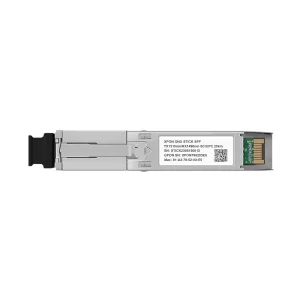
A local government network in the US required high-durability single-mode SFP transceivers for a municipal fiber network. Utilizing Soraslink's 1.25G BIDI 80km modules, they expanded their network reach without needing to lease additional dark fiber. The integrated DDM feature allowed their operations team to monitor transceivers remotely, reducing truck rolls and maintenance costs.
Case Study 3: European Smart City Backhaul Infrastructure
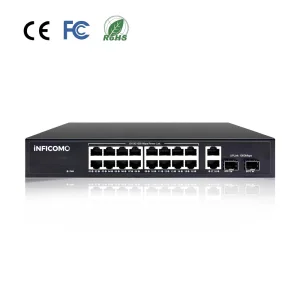
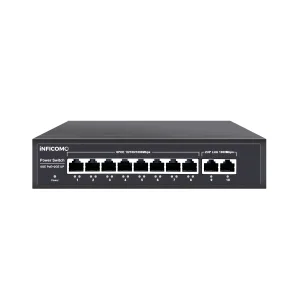
A central European integrator deployed our industrial-grade, interference-resistant PoE switches to power surveillance networks and environmental sensors. The switch's high surge protection and wide operating temperature range (-40°C to +75°C) ensured stable connections in harsh winter conditions, demonstrating the value of choosing specialized components.
The telecommunications industry is moving quickly toward next-generation access technologies. While GPON and EPON remain the global standards for current deployments, the migration to XG-PON, XGS-PON, and ultimately 50G-PON is already underway. At Soraslink, our design and development roadmap focuses on supporting this transition seamlessly:
Comprehensive answers to technical, logistical, and design inquiries from network architects and purchasing directors.
 Soras Tech