Industrial-grade network converters, PoE switches, and high-performance ONU devices engineered for heavy-duty telecom operations.
Manufacturing Expertise
Global Export Network
Multi-Vendor Compatibility
Certified Quality System
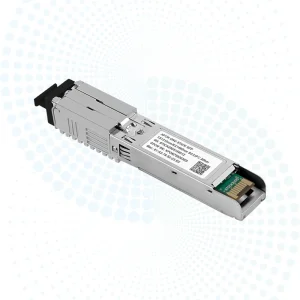
The global demand for high-speed, reliable transmission over optical networks is driving rapid changes in hardware procurement. Transceiver modules—especially SFP+ (Small Form-factor Pluggable Plus) form factors—are the backbone of modern enterprise data centers, carrier networks, and high-frequency trading arrays. Seeking out top China SFP+ module manufacturers is a strategic decision that offers substantial financial benefits, but it requires thorough knowledge of compliance standards, manufacturing procedures, and quality protocols.
A major concern when procuring optical modules is multi-vendor compatibility. Under the Multi-Source Agreement (MSA) standards (such as SFF-8431 and SFF-8472), transceivers must be designed to mechanical and electrical interfaces that ensure interoperability. However, many network switch OEMs implement vendor-lock strategies via EEPROM encryption.
Leading manufacturers like Shenzhen Soras Technology Co., Ltd. address this by utilizing advanced EEPROM programming rigs. By writing custom vendor code and checksum protocols onto the SFP+ controller chip, they guarantee seamless performance with switches from Cisco, Juniper, Arista, Huawei, and other major network systems without generating host errors.
Modern network managers rely on real-time telemetry to prevent system downtime. Digital Diagnostics Monitoring (DDM), also known as Digital Optical Monitoring (DOM), allows operators to track vital operational statistics: Optical TX Power, Optical RX Power, Laser Bias Current, Internal Temperature, and Transceiver Voltage.
When sourcing optical transceivers, confirming DDM implementation is critical. This feature allows network management systems to predict component failure and isolate physical layer faults, reducing Mean Time to Repair (MTTR) in optical links.
A trusted pioneer in optical transmission equipment, providing customizable OEM/ODM solutions to telecommunications companies worldwide.
Shenzhen Soras Technology Co., Ltd. is a premier manufacturer of high-end optical transmission systems and network hardware. Backed by over a decade of industry expertise, the company integrates advanced technology and manufacturing to deliver reliable, cost-effective, and value-rich components.
Today, Soras works closely with telecom operators, enterprise integrators, and distributors across more than 60 countries. They feature an experienced R&D department capable of taking products from design to final production according to precise client requirements.
| Business Type | Manufacturer, OEM/ODM Provider |
| Country / Region | Guangdong, China |
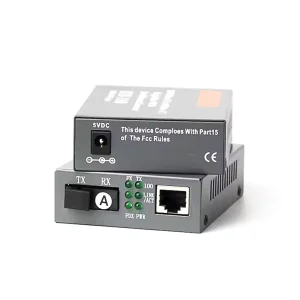
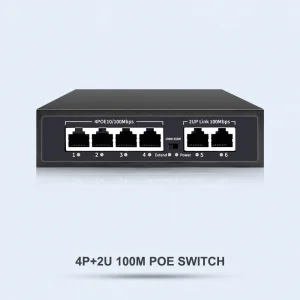
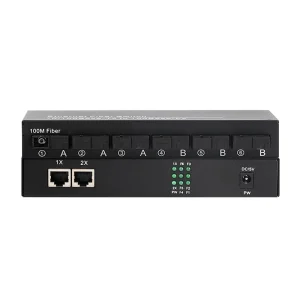
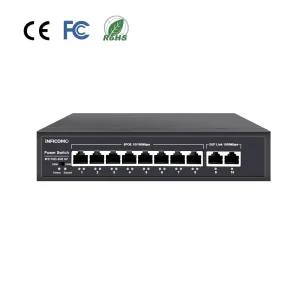
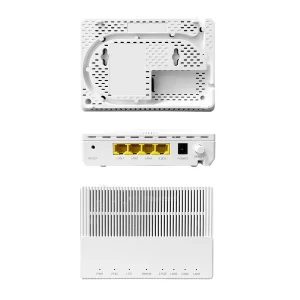
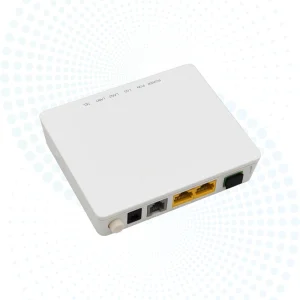
| Main Products | FTTH ONU & OLT, SFP Modules, Fiber Media Converters, PoE Switches |
| Established Year | 2021 |
| Annual Revenue | US$5 Million - US$10 Million |
| Compliance Certs | ISO 9001, UL, CE, FCC, RoHS |
| Primary Markets | Domestic (24%), East Asia (15%), North America (15%), Europe & South America |

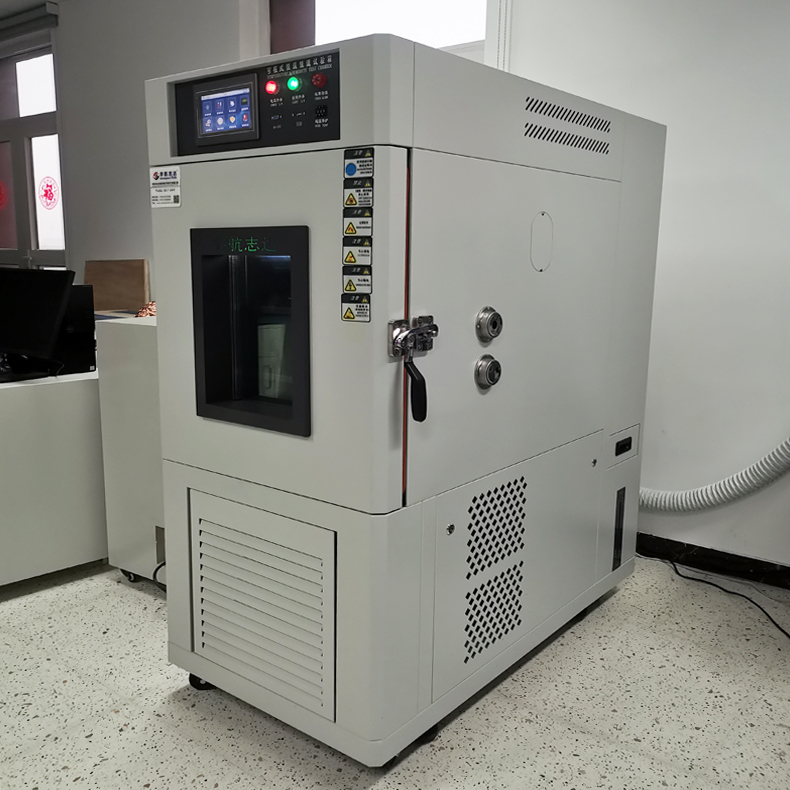
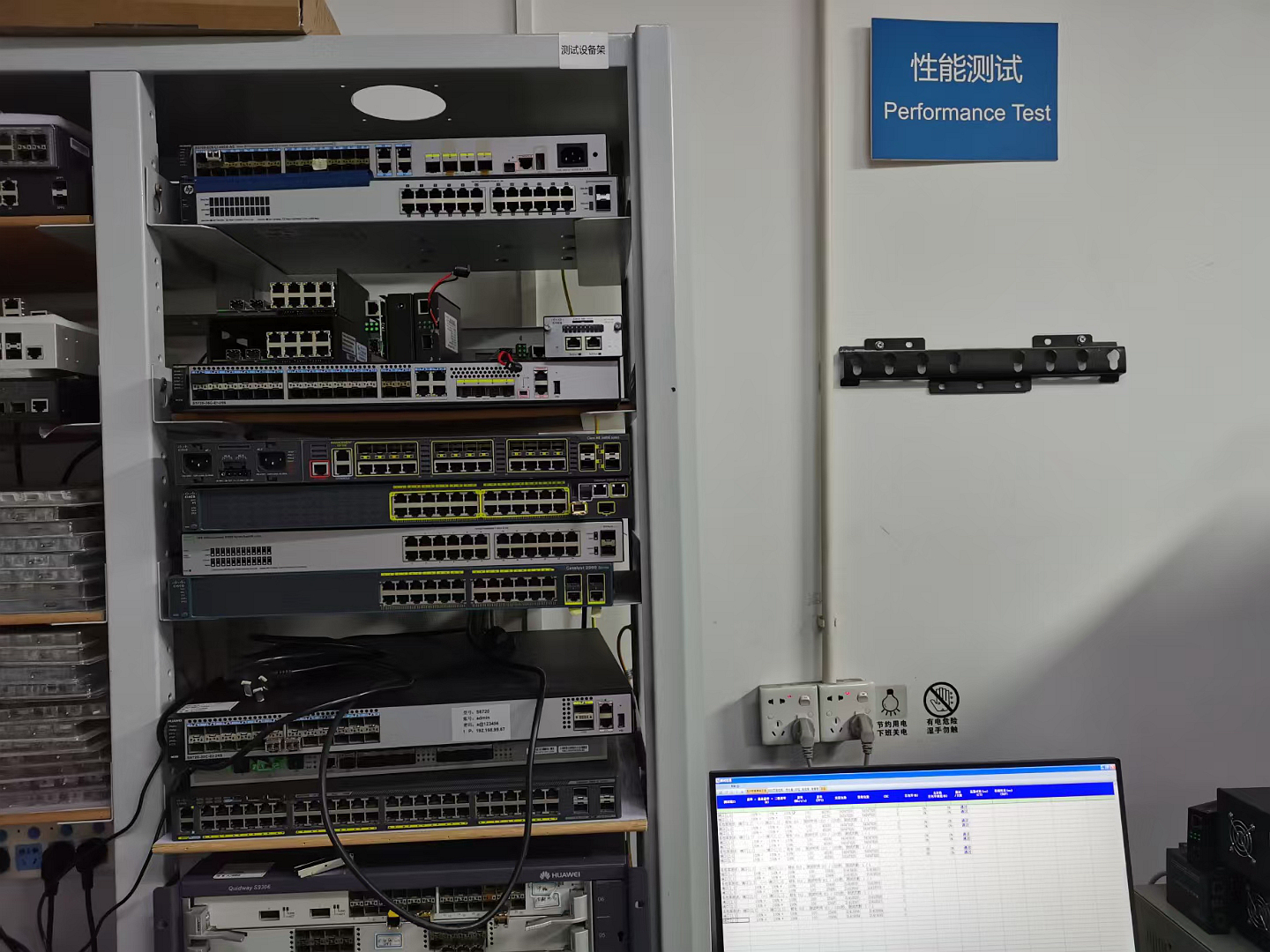
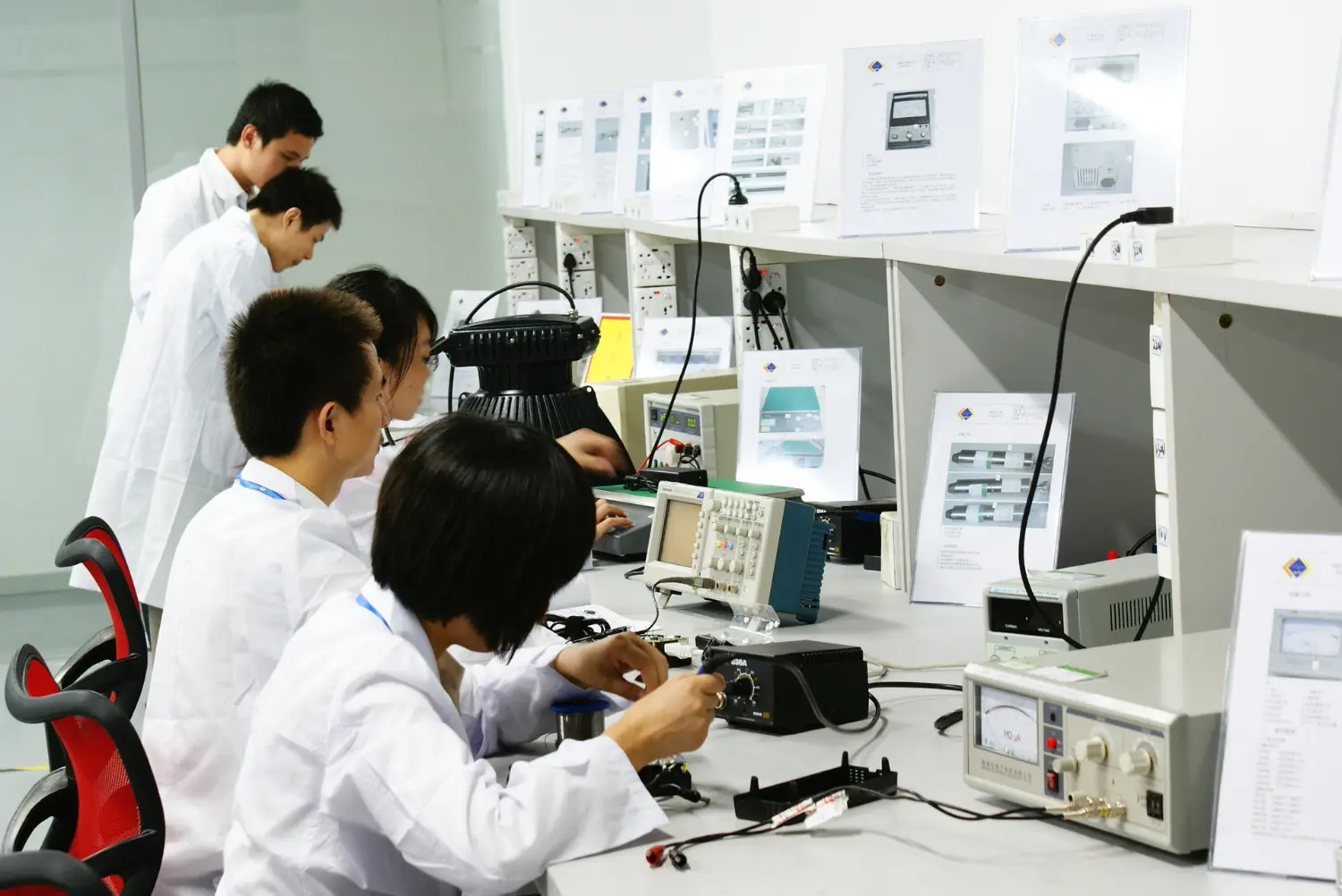
A behind-the-scenes look at the advanced SMT lines, assembly practices, and rigorous quality check procedures that ensure consistent transceiver reliability.



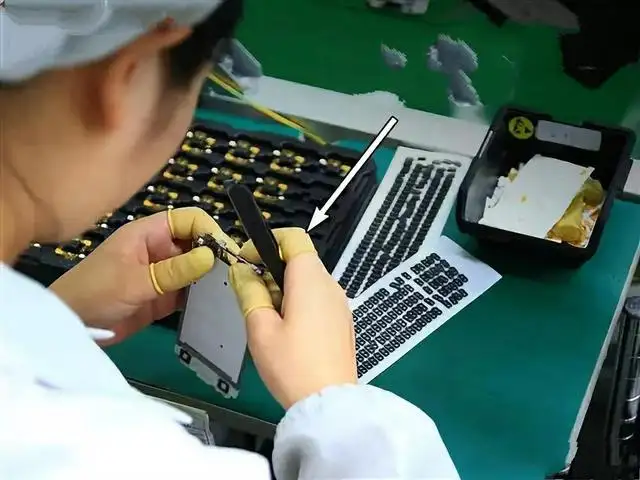


Every transceiver is subjected to high-stress validation protocols before packing and export, ensuring it meets strict operating life cycles.
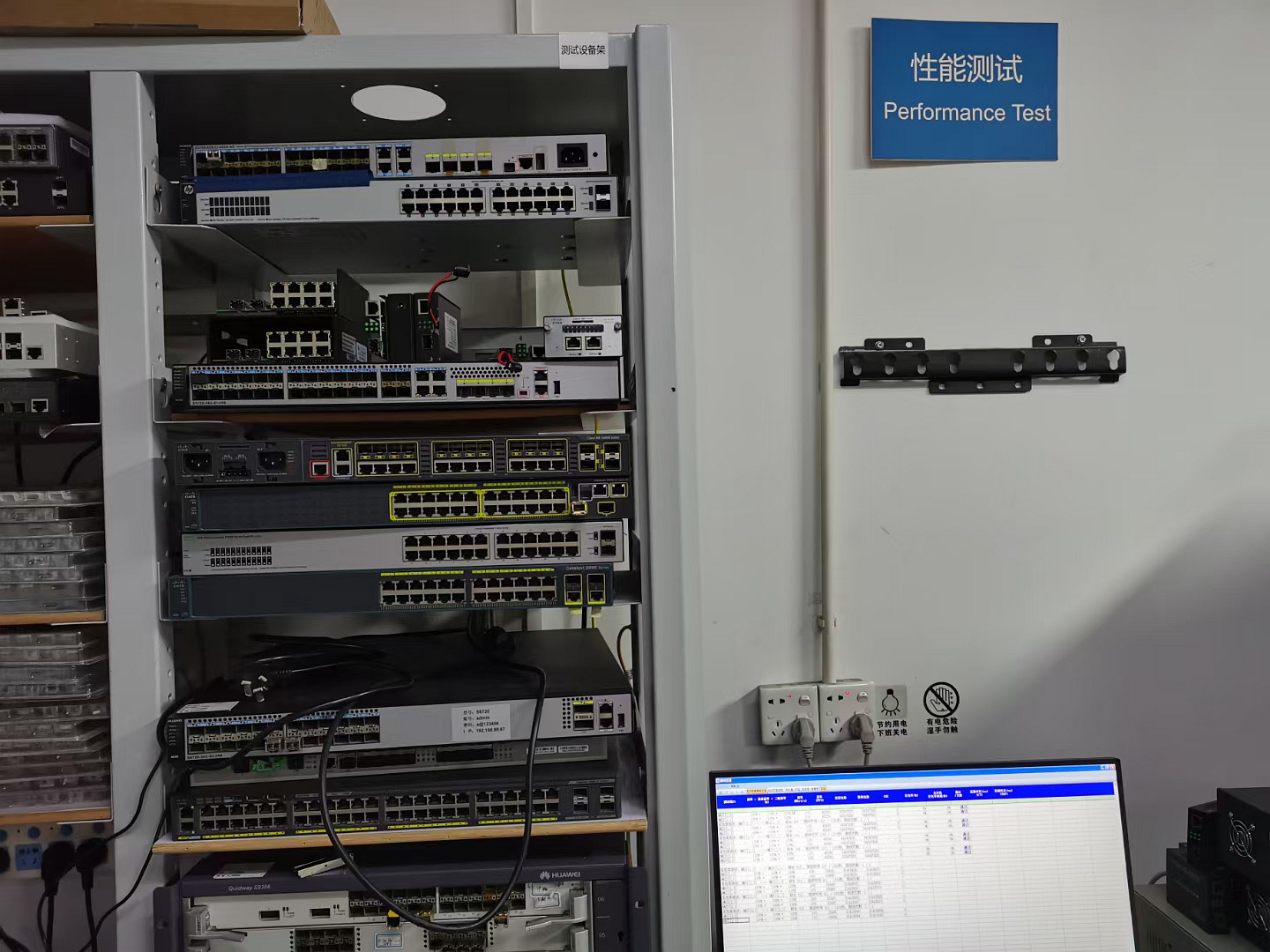
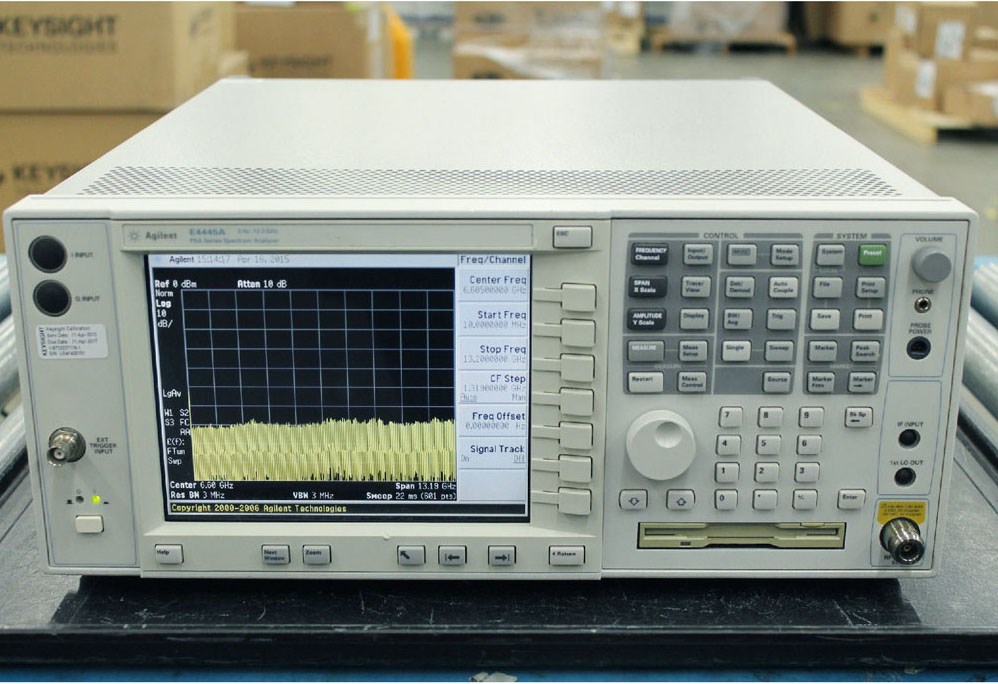
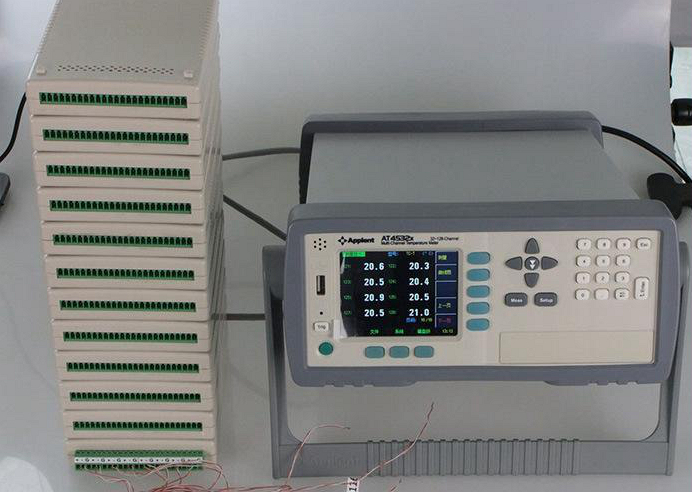
A breakdown of the cost structure, technology ecosystems, and logistics benefits that define China's leadership in high-frequency optical manufacturing.
Shenzhen hosts the world's most dense optical component supply chain. From laser diode sub-assemblies (TOSA/ROSA) to highly specialized IC chipsets and micro-optics, all critical materials are sourced locally. This proximity minimizes raw material lead times and enables faster design adjustments.
Top China SFP+ exporters comply with international environmental and trade regulations. Facilities operating under ISO 9001 quality management ensure that all products meet the stringent requirements of CE, FCC, RoHS, and UL, ensuring smooth customs clearances and legal compliance globally.
Partnering directly with manufacturers ensures direct access to Field Application Engineers (FAE). This allows for custom firmware builds, real-time debugging for unique host environments, and robust product lifecycle support that third-party distributors cannot match.
To capture high information gain, it is important to analyze how SFP+ modules are deployed within various vertical markets, and the key trends that will shape future fiber deployments.
Enterprise data centers use SFP+ 10G transceivers (such as the 10G-SR and 10G-LR formats) for Top-of-Rack (ToR) and End-of-Row (EoR) switch configurations. Selecting modules with high-grade vertical-cavity surface-emitting lasers (VCSEL) ensures reliable thermal performance in close-packed rack environments where operating temperatures frequently rise.
For long-distance municipal connections, single-mode transceivers running on 1310nm or 1550nm wavelengths (reaching up to 40km, 80km, or even 120km over SMF) are standard. These components are combined with media converters to bridge legacy copper infrastructures with incoming fiber backbones, bringing Gigabit speeds to business and residential areas alike.
While 10G SFP+ modules remain highly popular for general installations, the industry is transitioning to 25G SFP28, 100G QSFP28, and 400G/800G form factors. The adoption of Silicon Photonics and Co-Packaged Optics (CPO) is lowering cost-per-gigabit and power consumption, establishing a clear growth path for network upgrades.
Clear, direct answers to common questions about sourcing optical modules, compatibility testing, and B2B shipping.
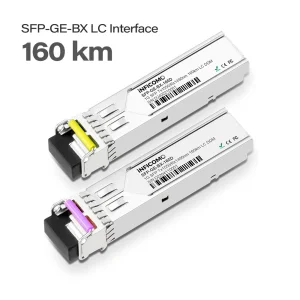
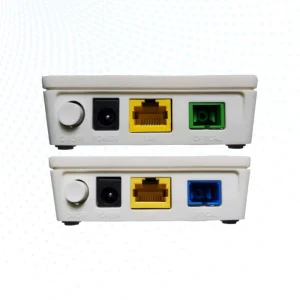
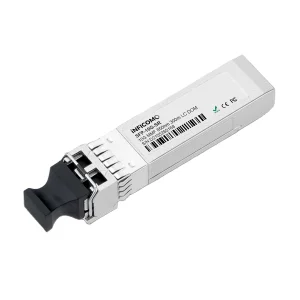
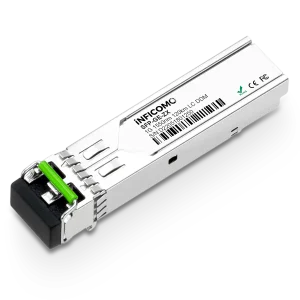
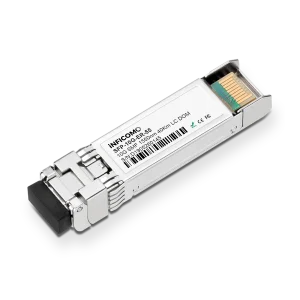
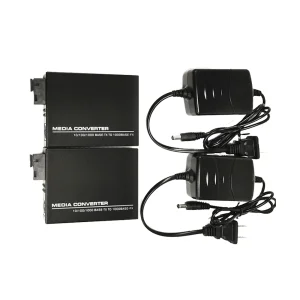
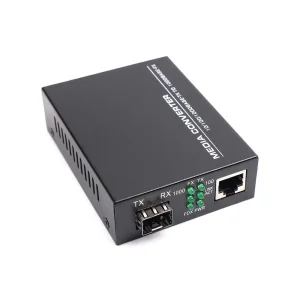
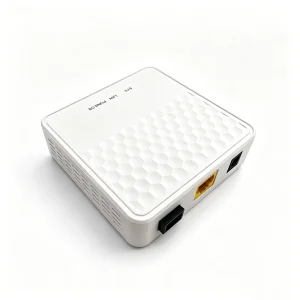
Robust fiber optic transceivers, GPON stick ONUs, and media converters engineered for high-performance networks.
 Soras Tech