Deploying high-reliability alignment and cleaving solutions compatible with major Iberian fiber network architectures.
An In-Depth Whitepaper on FTTH Market Penetration, Technical Requirements, and Splicing Efficiencies
Spain stands as one of the undisputed leaders in Fiber-to-the-Home (FTTH) penetration within the European Union. Supported by the Spanish government’s digital agenda (Agenda España Digital 2026) and substantial EU NextGeneration funds under the Plan Único (PEBA-NGA), Spain has successfully connected rural, sub-urban, and industrial sectors with high-capacity gigabit networks. Major operators such as Telefónica (Movistar), Orange Spain, MásMóvil, and Vodafone España require continuous fiber-optic installation and maintenance, meaning technicians are deploying millions of terminations annually.
In this high-density deployment scenario, the reliability of fiber installation tools is paramount. A single faulty cleave can lead to micro-bends, high insertion loss, and back-reflections that degrade GPON, XGS-PON, and future 50G-PON signals. Implementing a premium Fiber Optic Cleaver ensures that fiber ends are cut precisely at a 90-degree angle (ideally with a deviance of less than 0.5 degrees), preventing costly service calls and truck rolls for Spanish network contractors.
The global fiber optic cleaver market has undergone massive transformations. Historically, cleaving was a complex, multi-step process prone to human error. Today, modern deployment schedules demand automated, ergonomic, and long-life cleaving tools. Technicians operating in outdoor environments from the dry plains of Castilla-La Mancha to the humid coastal regions of Catalonia and Andalusia require tools that remain structurally stable under shifting temperatures and moisture levels. High-carbon steel bases, tungsten alloy blades, and automatic fiber scrap collectors have transitioned from premium features to absolute necessities.
Aligning with Spain's environmental targets by reducing fiber installation waste and optimizing field-technician transport through zero-defect initial splices.
XGS-PON operates on strict optical loss budgets. Accurate cleaving keeps attenuation within 0.1dB to 0.3dB per splice, safeguarding signal integrity.
Full support for localized labeling, co-branding, and custom packaging tailored for major Spanish telecom distributors and service providers.
How engineering tolerances translate to long-term optical network performance
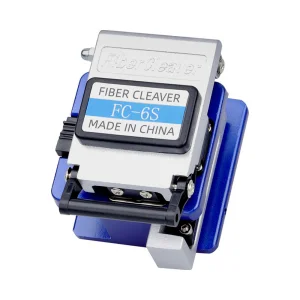
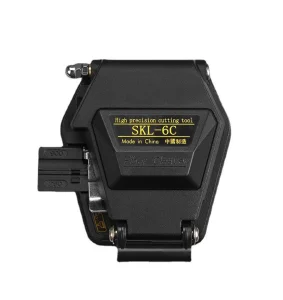
The standard benchmark for optical fiber fusion splicing is a cleave angle of less than 0.5 degrees. When a cleaver operates outside this boundary, the fusion splicer must work harder to melt and align the glass cores, often resulting in larger bubbles, high splice loss, or joint failure. Our FC-6S and SKL-6C models feature advanced automatic shock absorption and highly calibrated tungsten carbide blades that guarantee a typical cleave angle of 0.5 degrees across tens of thousands of cycles.
For Spanish engineering firms managing regional deployments in Madrid, Barcelona, Seville, and Bilbao, maintenance costs (OPEX) can escalate quickly if tools require frequent recalibration. By implementing a 16-position blade design with up to 48,000 cleaves per lifetime, our devices dramatically reduce the frequency of blade rotations. Technicians can execute adjustments directly in the field with a simple hex wrench, eliminating the need to send tools back to central service hubs.
Ensuring flawless core-to-core alignment in single-mode G.652.D and G.657.A2 fibers commonly deployed across Spain's municipal networks.
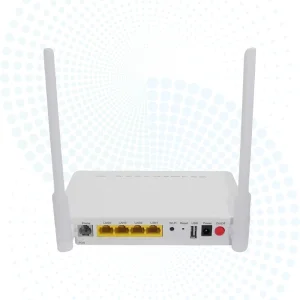
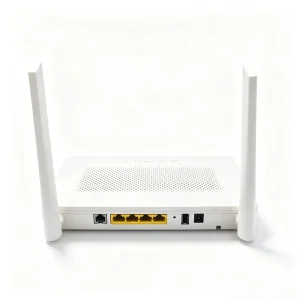
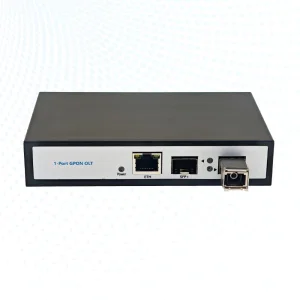
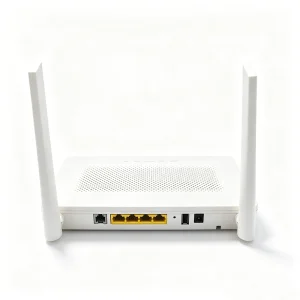
Supporting Spanish service providers with active and passive transmission equipment for end-to-end reliability.
ISO 9001 Certified Optical Transmission Equipment Manufacturer serving Europe & Global Markets
Shenzhen Soras Technology Co., Ltd. is a leading manufacturer of optical transmission equipment and network equipment with more than 10 years of experience. We rely on high-quality management and technological innovation, committed to providing customers with high quality, cost-effective, high value-added products and solutions.
Today, we work closely with telecommunications companies around the world. We have strong technical force and experienced R & D team, products can be developed according to customer requirements, we also accept your OEM and ODM orders. Now our products are exported to more than 60 countries, the main markets are South America, North America and Europe.
Our main products: Fiber Media Converter, SFP Module, POE Switch, ONU, OLT and supporting products. We have passed ISO 9001, UL, CE, FCC, ROHS Certification, our aim is "superior quality, professional service, competitive price, integrity-based". We believe this is not only our responsibility, but also the best way out for long-term development. Soraslink looks forward to working with you!
| Business type | Manufacturer | Country / Region | Guangdong, China |
|---|---|---|---|
| Main Products | FTTH ONU & OLT, SFP Module, Fiber Media Converter, Poe Switch, Fiber Optic Equipment | Total employees | 11 - 50 People |
| Total Annual Revenue | US$5 Million - US$10 Million | Year established | 2021 |
| Main Markets | Domestic Market 24.00%, Eastern Asia 15.00%, North America 15.00%, Europe & Spain Growth Sector | Certificates | ISO 9001, CE, FCC, RoHS, UL |
Visualizing our strict adherence to international hardware quality protocols.




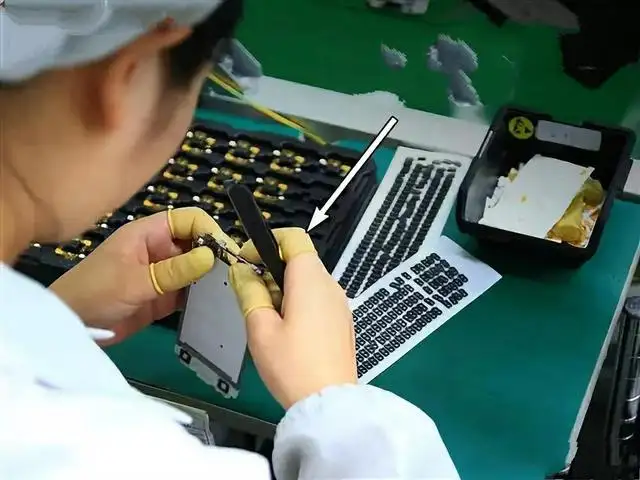
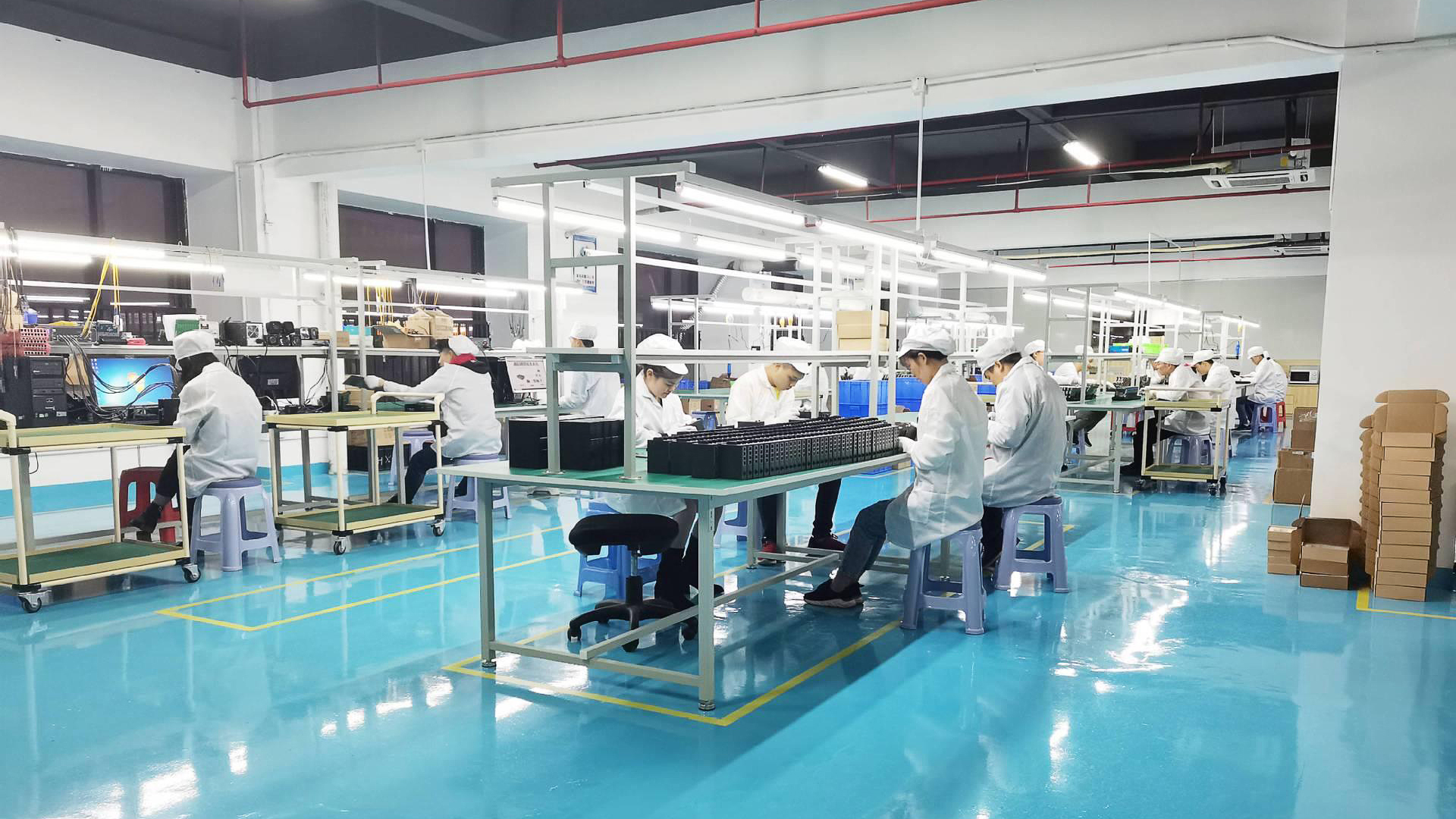
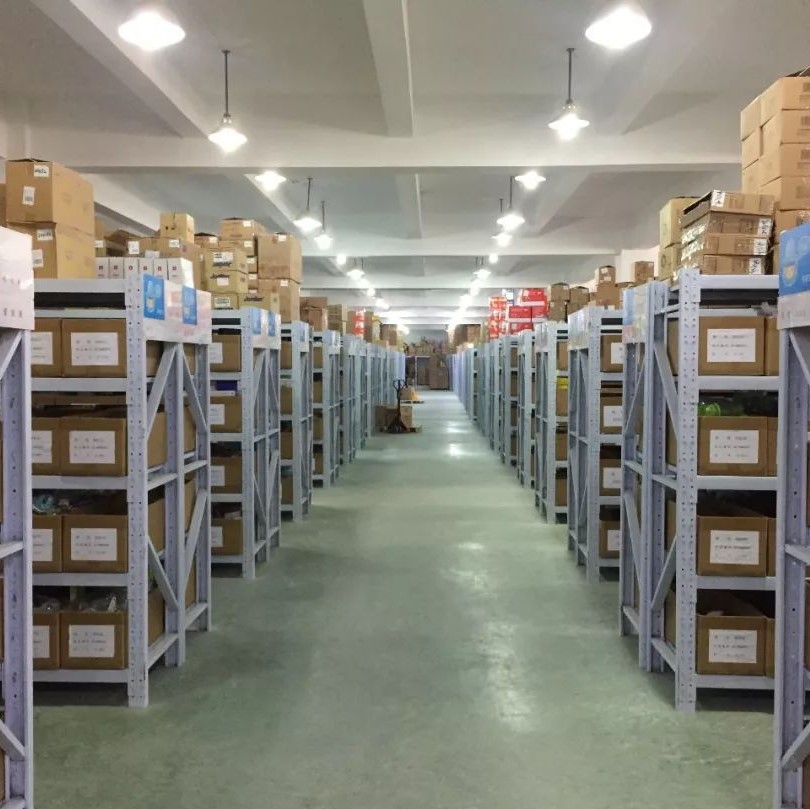
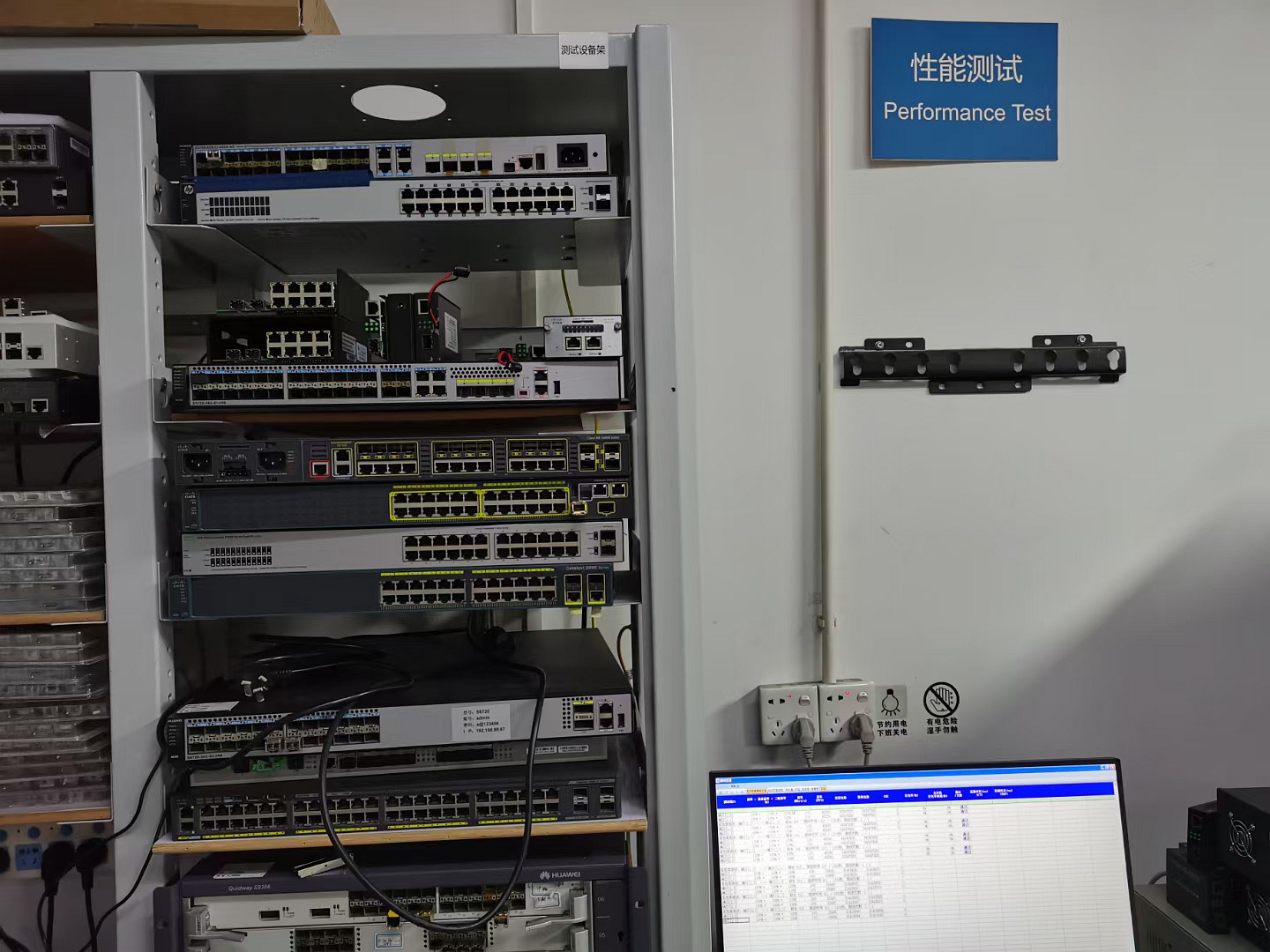
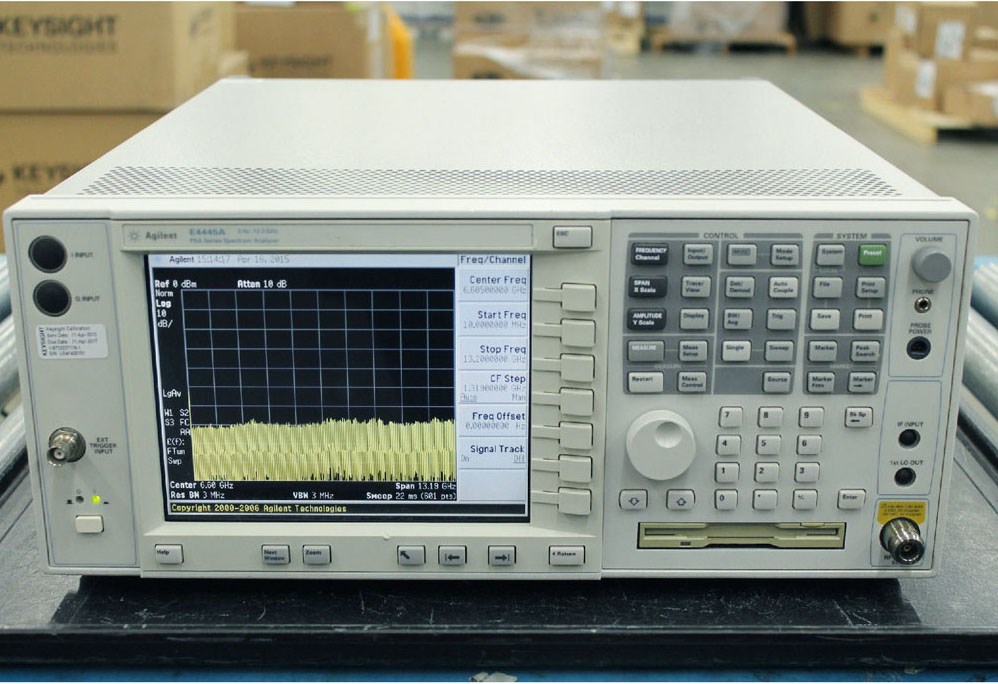
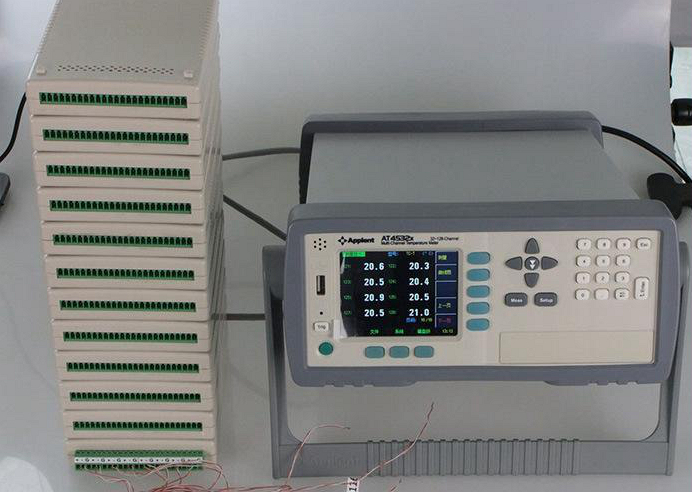
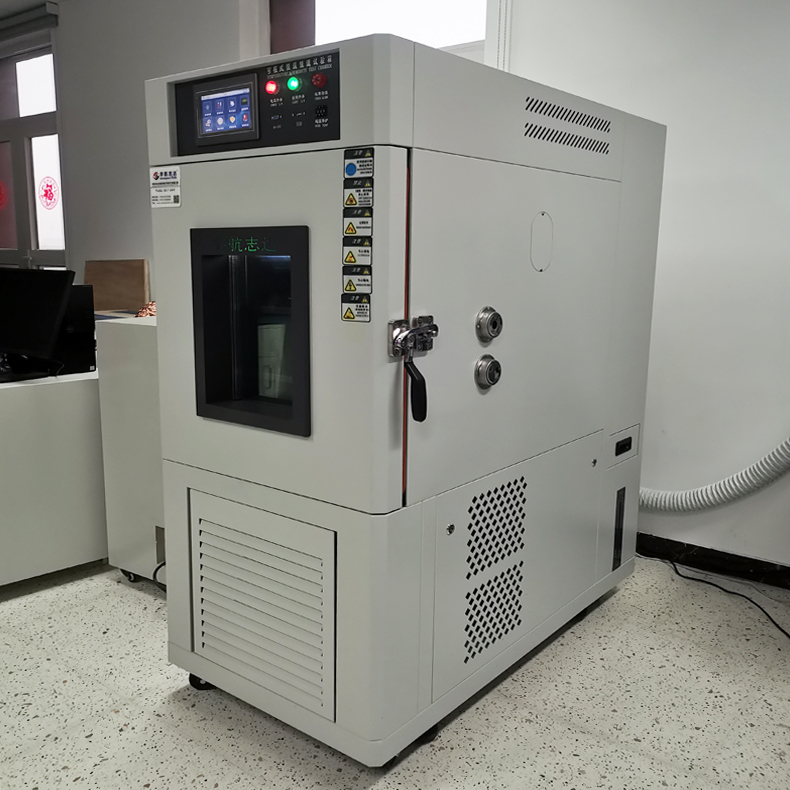
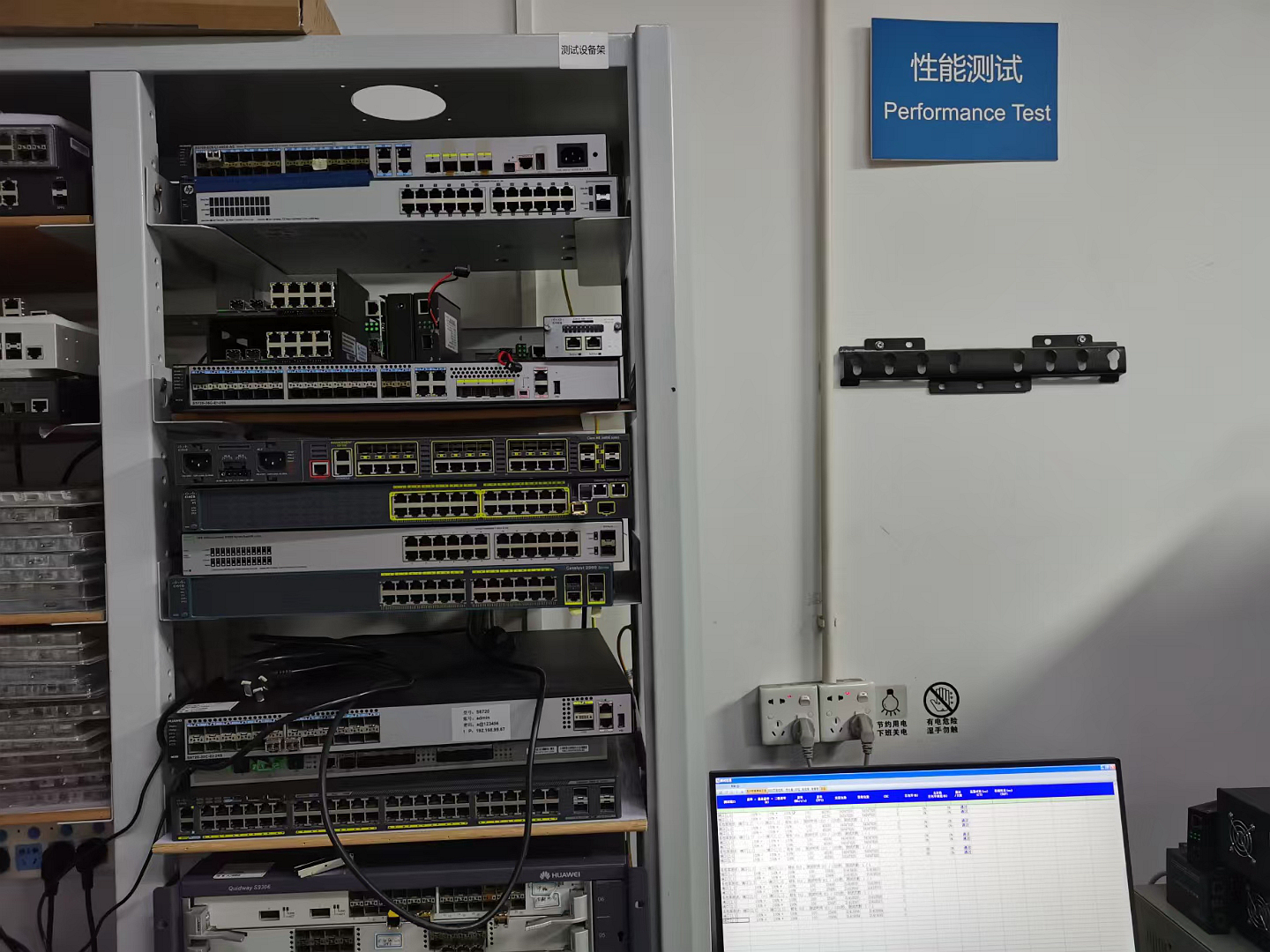
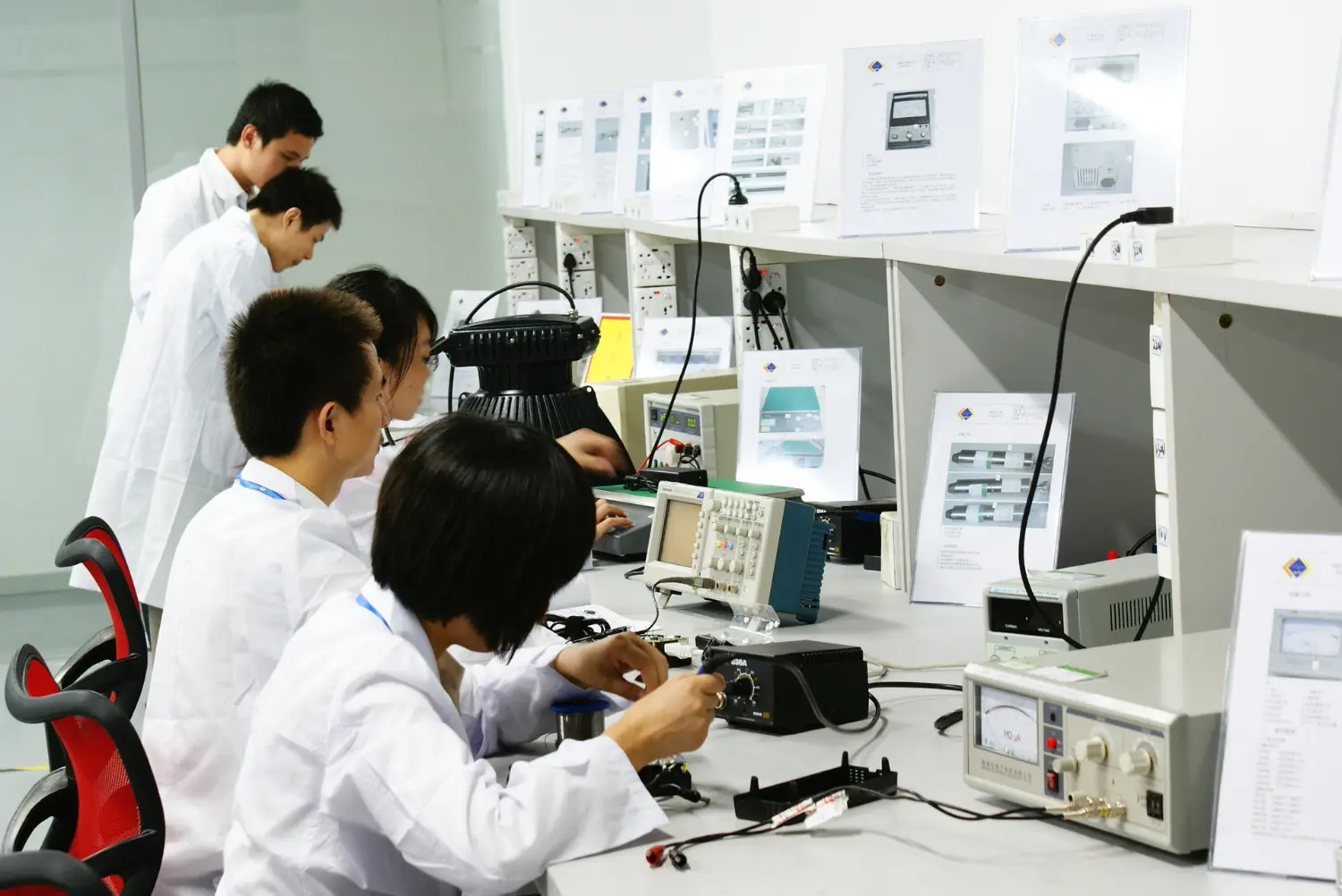
Functional Test Procedures for Finished Hardware batches
Answering vital questions from network engineering leads, procurement managers, and deployment contractors.
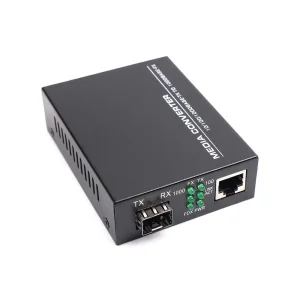
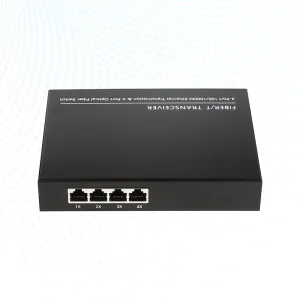
Providing Spain's ISPs with compatible singlemode transceivers, media converters, and distribution components.
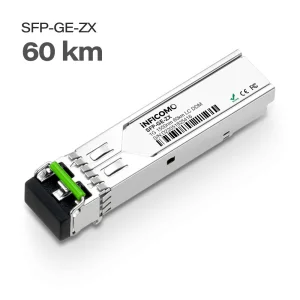
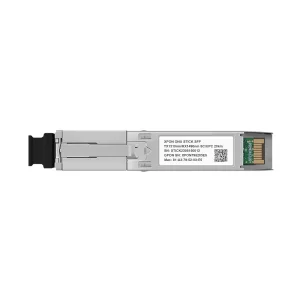
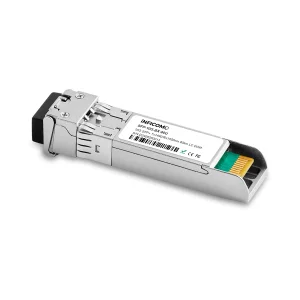

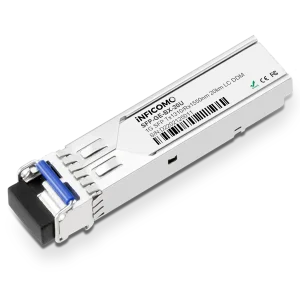
Get reliable, ISO 9001-certified hardware shipped directly to Spain. Whether you require custom ODM branding or immediate batch shipments, our engineering team is here to assist.
 Soras Tech