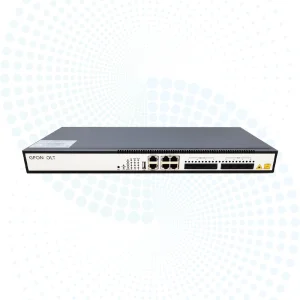
Engineered for dense optical aggregation and remote terminal deployments, our primary GPON OLT units provide maximum capacity and resilience.
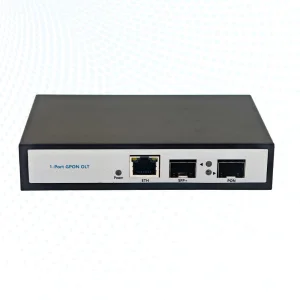
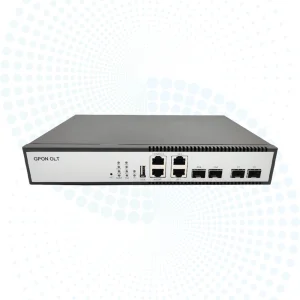
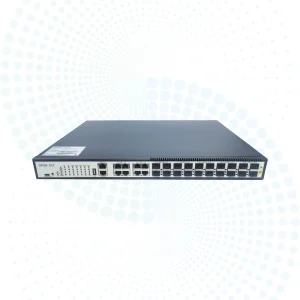
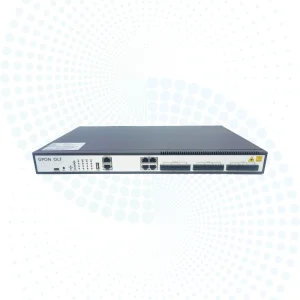
Houston, Texas, represents one of the fastest-growing industrial technology markets in the United States. Driven by the critical needs of the Energy Corridor, the expansive Texas Medical Center (TMC), and the Port of Houston, the demand for optical communication backbones has transitioned from standard copper-based architectures to high-capacity GPON (Gigabit Passive Optical Network) systems. Municipal developments, petrochemical refineries, and logistics hubs are systematically deploying FTTx solutions to guarantee latency control, high security, and massive data throughput.
On a global scale, the rollout of fiber-to-the-home (FTTH), fiber-to-the-building (FTTB), and fiber-to-the-office (FTTO) networks continues to accelerate. As internet service providers (ISPs) upgrade to handle 10G symmetric broadband, modern GPON OLTs act as the core distribution component, consolidating high-density upstream optical trunks into standard Ethernet transport. By leveraging Dynamic Bandwidth Allocation (DBA) and OMCI protocol structures, administrators can dynamically provision rates across thousands of client ONUs from a single centralized rack.
While local integrators in Houston maintain site deployment and testing hubs, global cost-efficiency and quality control are driven directly by China's advanced optical electronics manufacturing hubs. Shenzhen Soras Technology Co., Ltd. leverages a highly optimized supply chain that integrates high-precision Surface Mount Technology (SMT), automated optical inspection (AOI), and robust temperature-tolerance testing. By routing components and assembly through dedicated SMT and QC lines in Guangdong, China, Soras Technology can provide enterprise-grade GPON and EPON infrastructure at a fraction of the cost of legacy Western vendors, all while maintaining rigorous compliance certifications including ISO 9001, UL, CE, FCC, and RoHS.
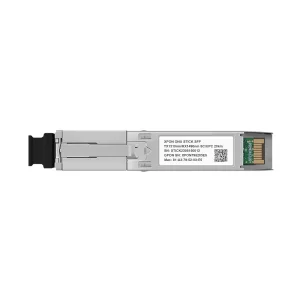
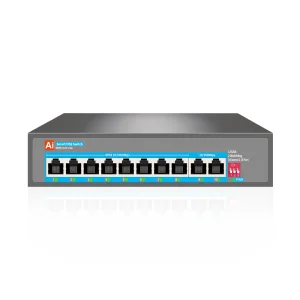
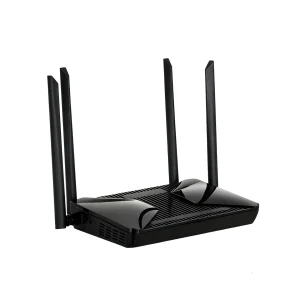
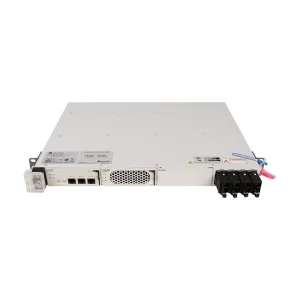
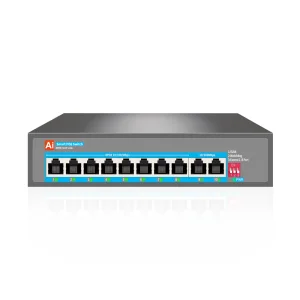
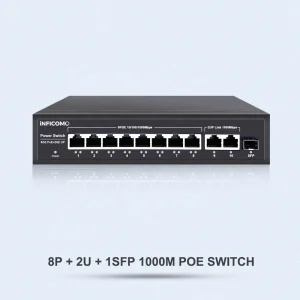
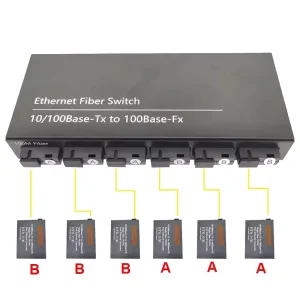
Explore supplementary switches, transceiver sticks, and low-port-density OLT terminals designed for localized network distribution.
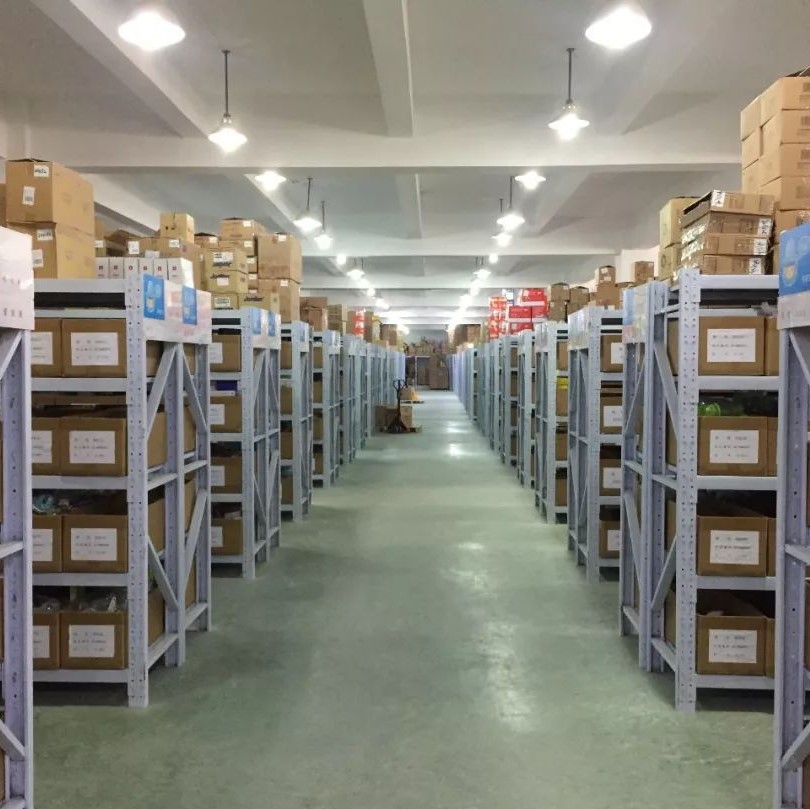
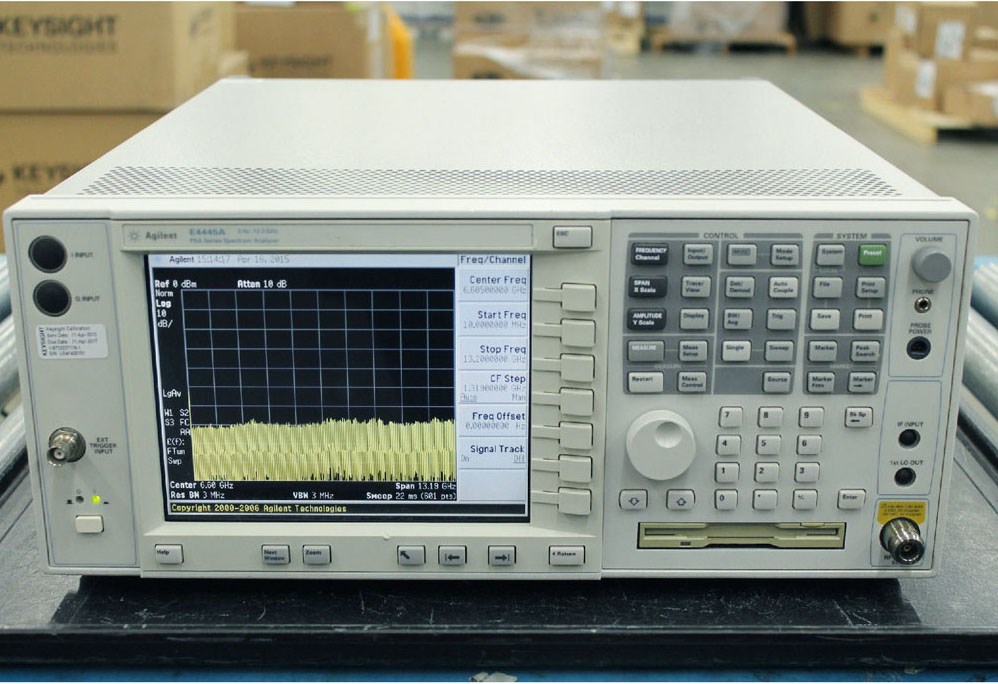
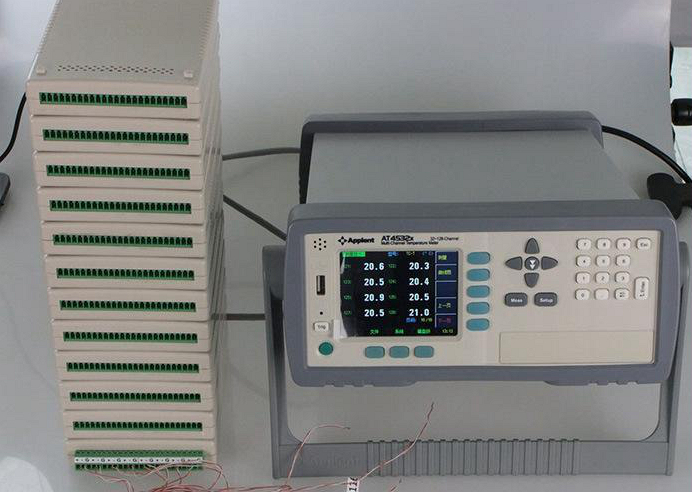
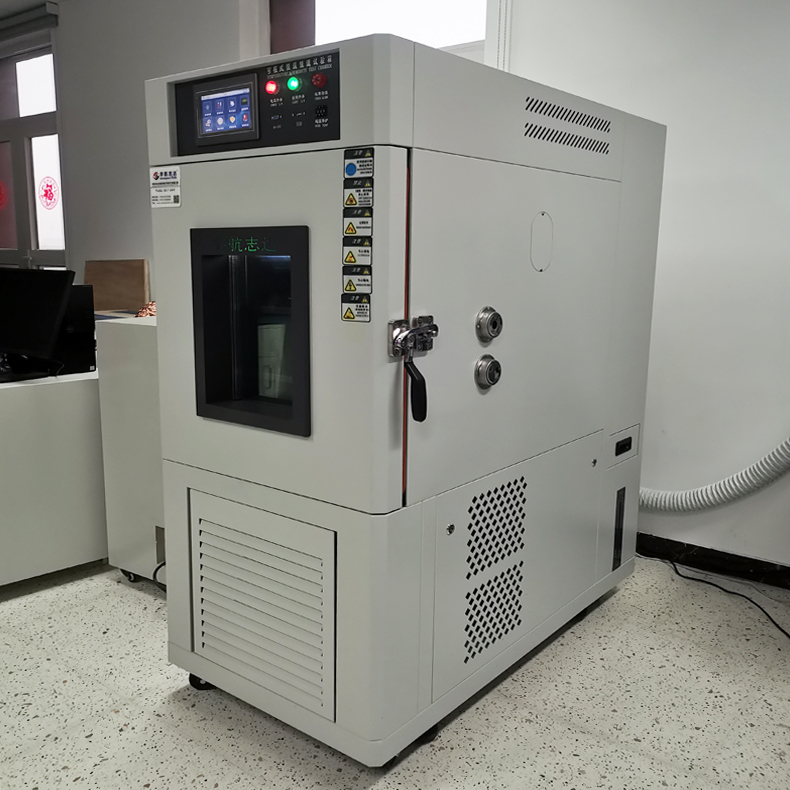
A deep look inside our Chinese production facilities, highlighting SMT placement, environmental verification chambers, and functional verification lines.



To ensure absolute stability, every device undergoes a battery of automated tests prior to packaging.

Houston’s industrial landscape—ranging from offshore petroleum rigs in the Gulf of Mexico to inland manufacturing plants—requires networking components that can survive harsh environmental stresses. Standard commercial-grade switches fail when subjected to fluctuating temperatures, high ambient dust, and voltage surges typical of industrial plants. For this reason, system designers must selectively deploy OLT frameworks that incorporate ruggedized electrical safeguards.
When selecting GPON hardware, calculating the optical link budget is imperative to prevent signal degradation. The maximum split ratio supported by standard OLT GPON modules is typically 1:128, but path attenuation limits the actual distance over which signals can travel without loss. In Houston deployments, where remote oil wells or massive logistics campuses demand runs of up to 20 kilometers, opting for Class C+ optical modules is recommended. These modules offer a higher launch power and receiver sensitivity, permitting reliable operations even across complex physical splices and patch panels.
| Specification Type | Class B+ Optical Budget | Class C+ Optical Budget | Industrial Application (Houston Area) |
|---|---|---|---|
| Mean Launch Power | +1.5 dBm to +5 dBm +3 dBm to +7 dBm Long-range fiber links between regional ports|||
| Receiver Sensitivity | -28 dBm -32 dBm Multi-story facility optical network splits|||
| Max Optical Loss Allowed | 28 dB 32 dB High-interference chemical processing hubs
In municipal networks and high-security enterprise projects, maintaining continuous operational status is critical. Modern 1U rackmount GPON OLT systems, such as the 16-port systems detailed below, leverage dual redundant DC/AC power supplies to ensure zero downtime. From a security standpoint, utilizing IPv6 stateful routing, port isolation, access control lists (ACLs), and MAC address binding prevents unauthorized access at the ONU nodes. These settings can be configured centrally using advanced OMCI terminal tools, minimizing the need for manual on-site troubleshooting.
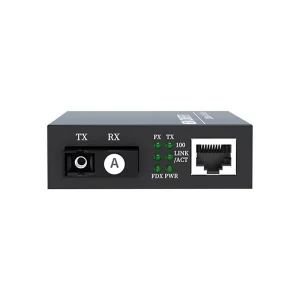
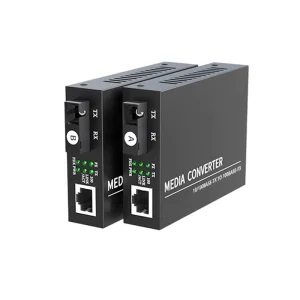
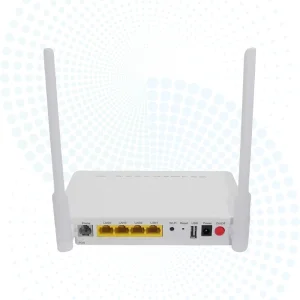
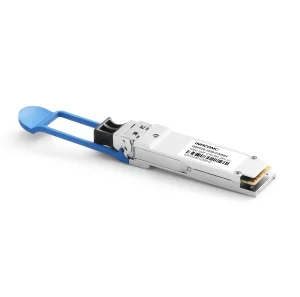
Our secondary inventory, containing core power supply modules, ethernet converters, and enterprise ONU transceivers.
Technical inquiries regarding our GPON OLT structures, delivery metrics, and network compatibility protocols.
Submit your custom specifications and link budget constraints to our engineering team today. Get a customized commercial proposal within 24 hours.
Send Inquiry Now Soras Tech