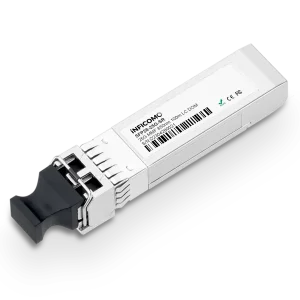
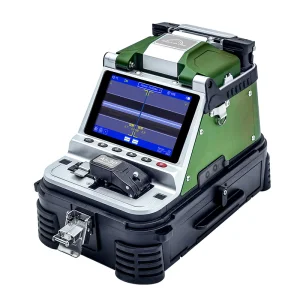
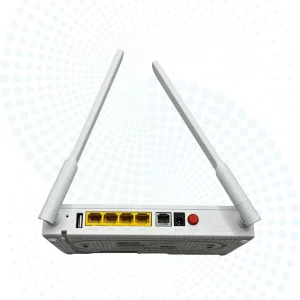
Selected core distribution and transmission hardware engineered for Czech municipal networks, WISPs, and industrial automation corridors.
An in-depth market analysis on the microeconomic drivers, deployment strategies, and technical integration of passive optical network hardware.
The Czech Republic telecommunications market is historically unique. Unlike other Central European countries that relied heavily on centralized state monopolistic deployments, the Czech market has thrived through decentralization. The landscape is characterized by hundreds of independent local wireless internet service providers (WISPs) that successfully deployed Wi-Fi and fixed wireless access (FWA) networks during the early 2000s. Today, as subscriber demands scale toward gigabit bandwidth, these local operators are actively upgrading their physical layers from wireless to GPON (Gigabit Passive Optical Networks) and XGS-PON.
National infrastructure companies like CETIN (Czech Telecommunications Infrastructure), alongside giants such as T-Mobile Czech Republic and Vodafone Czech Republic, are driving the deployment of high-capacity FTTH (Fiber to the Home) lines. However, regional ISPs in South Moravia, Central Bohemia, and Moravia-Silesia are carving out significant competitive footholds by installing custom GPON/EPON Optical Line Terminals (OLTs) in local hubs. The Czech government’s support, aligned with the EU Digital Decade targets (seeking 100% gigabit coverage for all households by 2030), has mobilized billions of CZK in funding for ultra-high-capacity networks (VHCN).
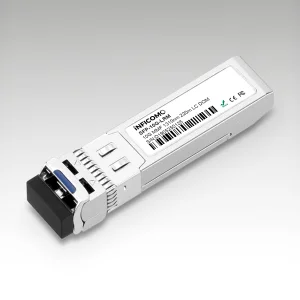
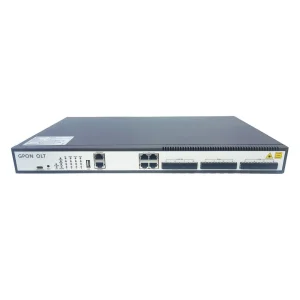
The physical transition in the Czech market involves systematically retiring DSL (VDSL2/VDSL3) cabinets. As CETIN and other providers expand their fiber reach, the demand for compact, high-efficiency OLTs has soared. Hardware like the 1U rack-mount 8-Port GPON OLT offers the optimal density for Czech rural populations where typical villages consist of 100 to 500 households. Deploying a large modular chassis in such scenarios is financially non-viable; therefore, pizza-box OLT systems with high-budget SFP+ C++ optics are preferred to overcome loss budgets introduced by high split ratios (up to 1:128) over distances extending to 20 kilometers.
Furthermore, coexistence is the current technical priority. As operators phase in 10G-PON systems, standard GPON wavelengths (1490nm downstream, 1310nm upstream) must coexist with XGS-PON (1577nm downstream, 1270nm upstream) over the same optical distribution network (ODN). Selecting OLTs with flexible WDM (Wavelength Division Multiplexing) integration options is crucial to ensure future-proof network architecture without ripping out existing passive splitters.
Essential components for complete physical layer installation, aggregation switching, and customer premises equipment.
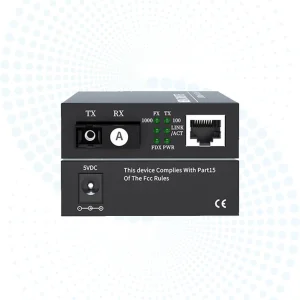
For European system integrators and distributors operating in Prague, Pilsen, and Brno, choosing an optical transmission hardware manufacturer is a critical balancing act of engineering quality, cost, and long-term reliability. Shenzhen Soras Technology Co., Ltd. has established itself as an authoritative manufacturer with a history spanning over a decade of technical innovation.
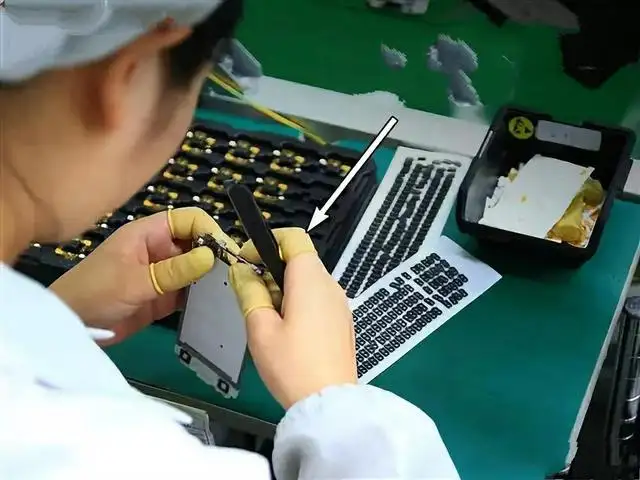
The company’s modern facility features a state-of-the-art SMT (Surface Mount Technology) assembly line, stringent automated optical inspection (AOI), and precise calibration systems specifically tailored for optical transceivers and GPON/EPON terminals. Understanding the extreme seasonal temperatures of Central Europe, Soras implements severe High-Low Temperature test cycles to guarantee physical component stability under deployment conditions ranging from -40°C to +85°C.
| Shenzhen Soras Technology Co., Ltd. - Corporate Registry & Specifications | |||
|---|---|---|---|
| Business Type | Manufacturer | Country / Region | Guangdong, China |
| Main Products | FTTH ONU & OLT, SFP Module, Fiber Media Converter, PoE Switch, Fiber Optic Equipment | Total Employees | 11 - 50 People |
| Total Annual Revenue | US$5 Million - US$10 Million | Year Established | 2021 |
| Key Certifications | ISO 9001, UL, CE, FCC, ROHS Certified | Key Markets | Europe, North America, South America, Domestic Market |
By maintaining a small, highly specialized engineering team, Soras provides flexible ODM/OEM adaptation. This is highly valued in the Czech Republic, where localized firmware versions, supporting specific TR-069 ACS (Auto Configuration Server) standards of Czech ISPs, are required to enable remote provisioning of ONUs/ONTs.
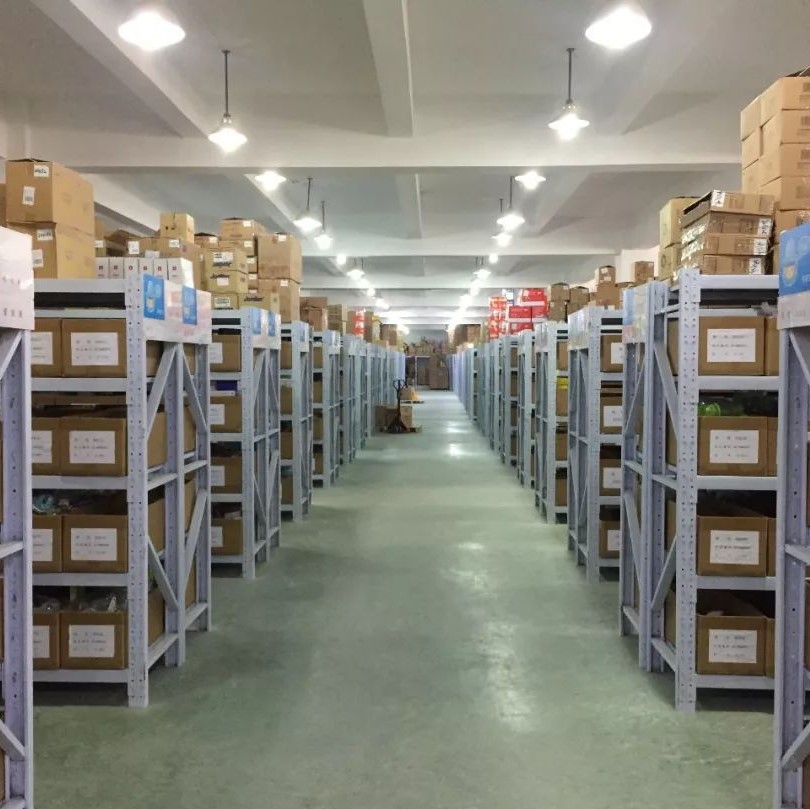
Below is a documented look into the Shenzhen-based manufacturing floor, assembly zones, and rigorous diagnostic rooms.

Modern Manufacturing Facility

High-Speed SMT Line

Cleanroom Component Assembly


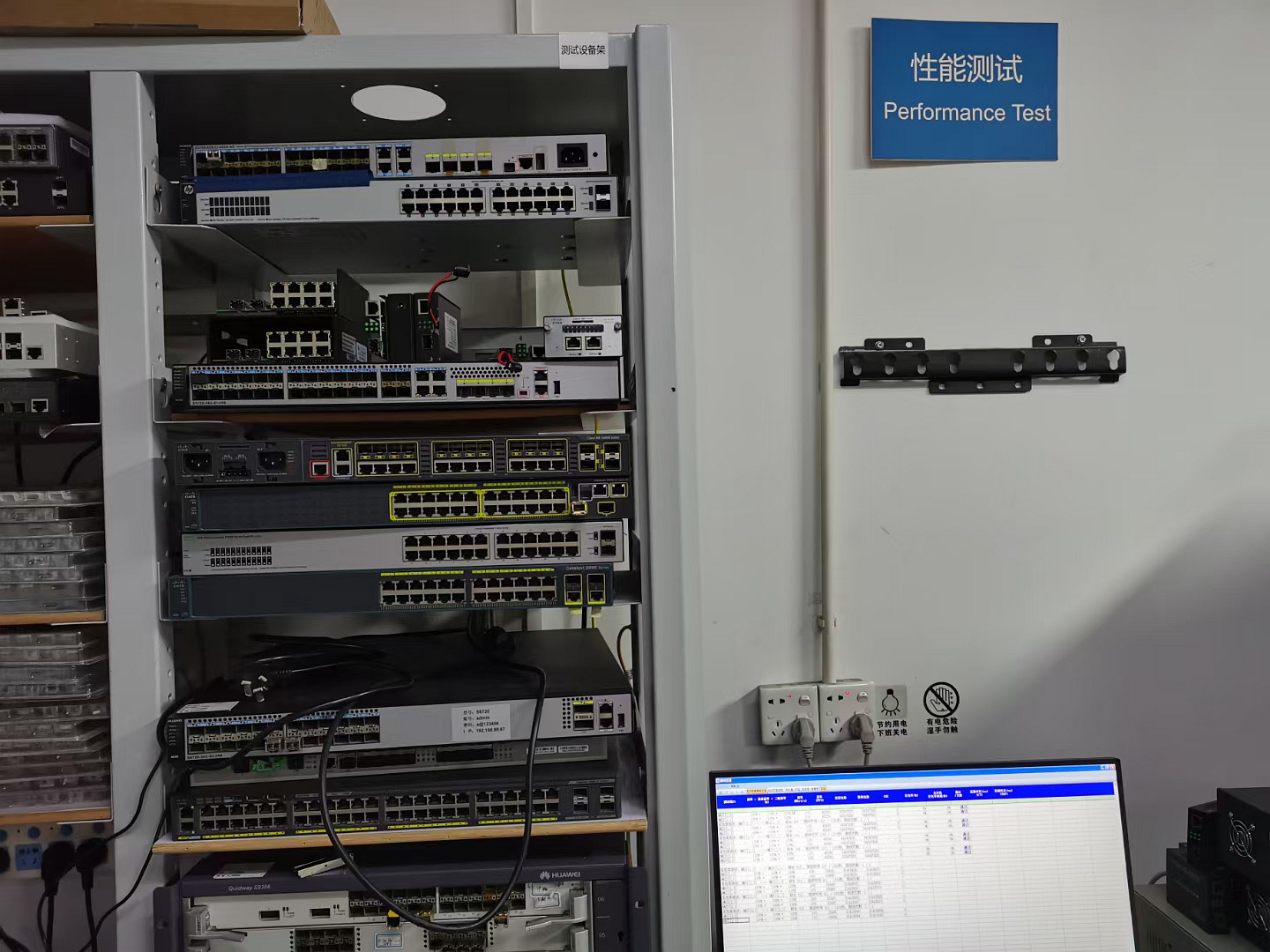
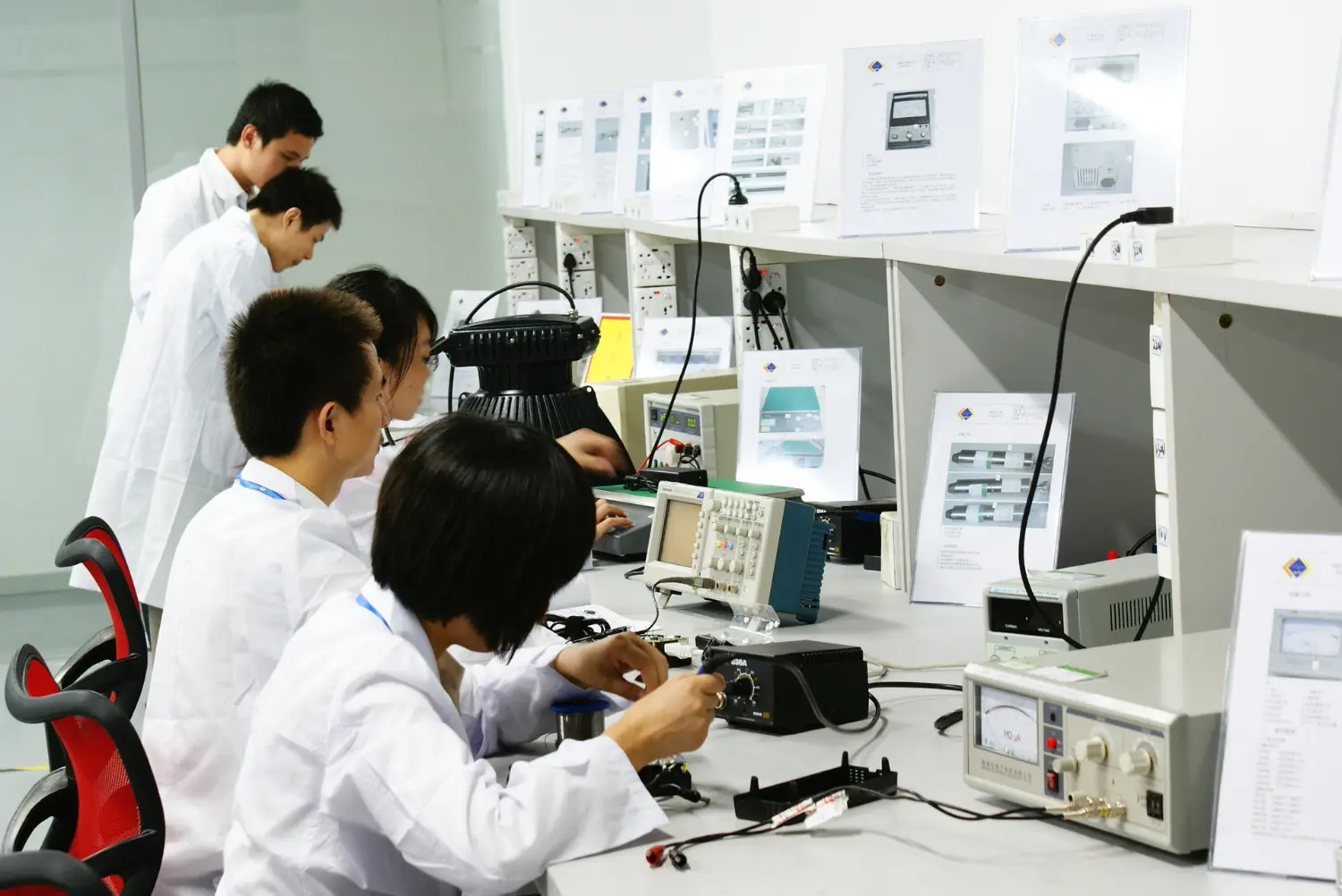
Prior to bulk shipping, all units pass through active simulation stations. Every single ONT and OLT module undergoes diagnostic tests verifying optical sensitivity, power limits, data link integrity, and high-load transmission reliability.
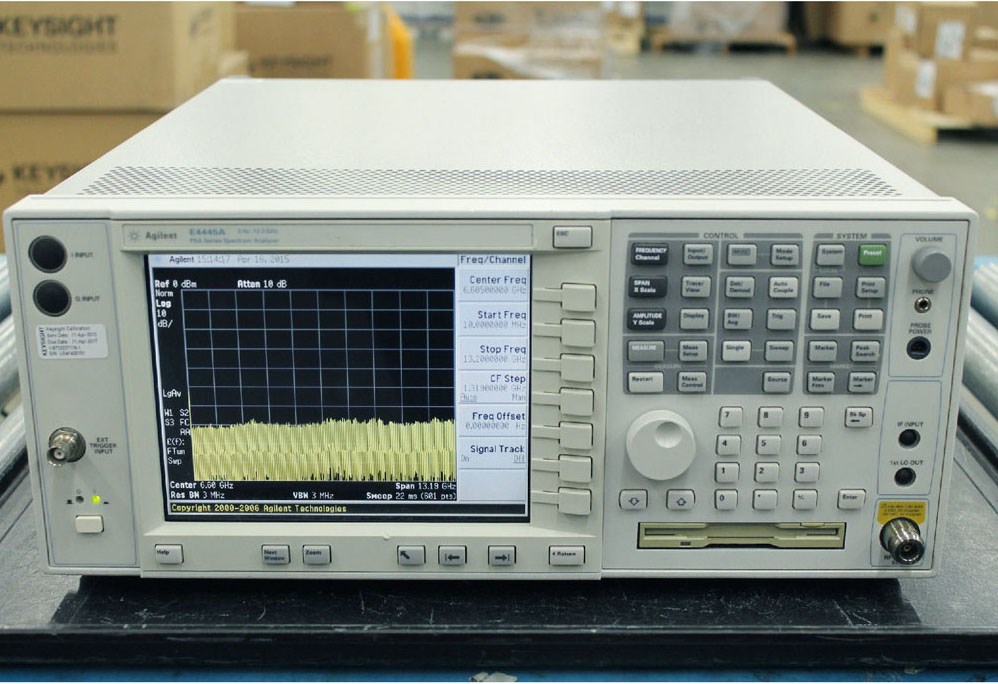
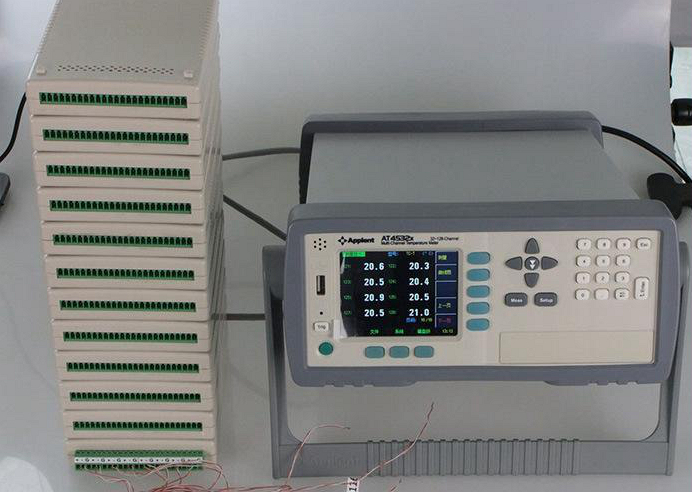
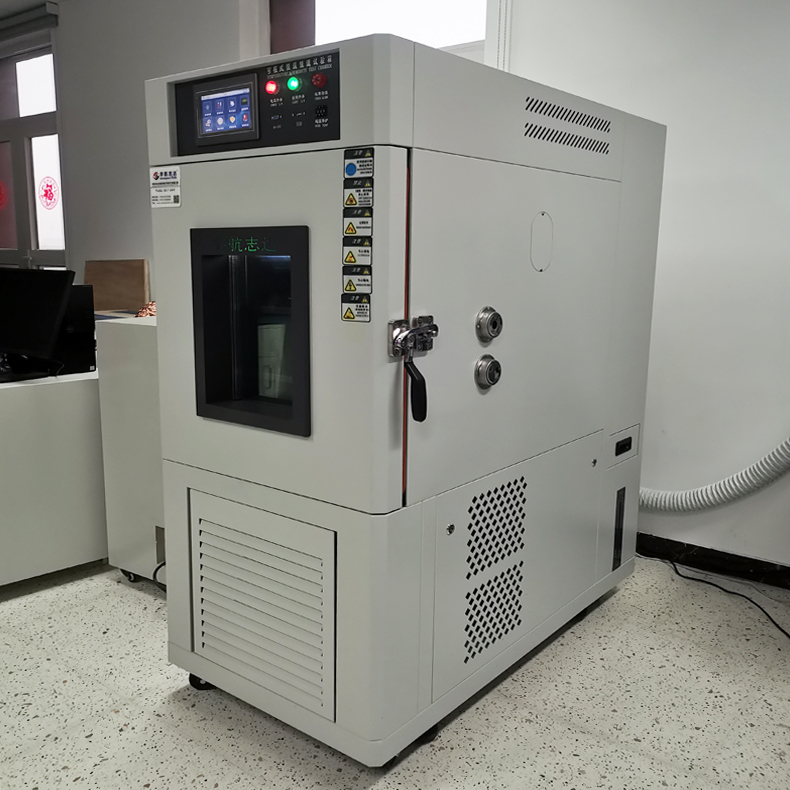
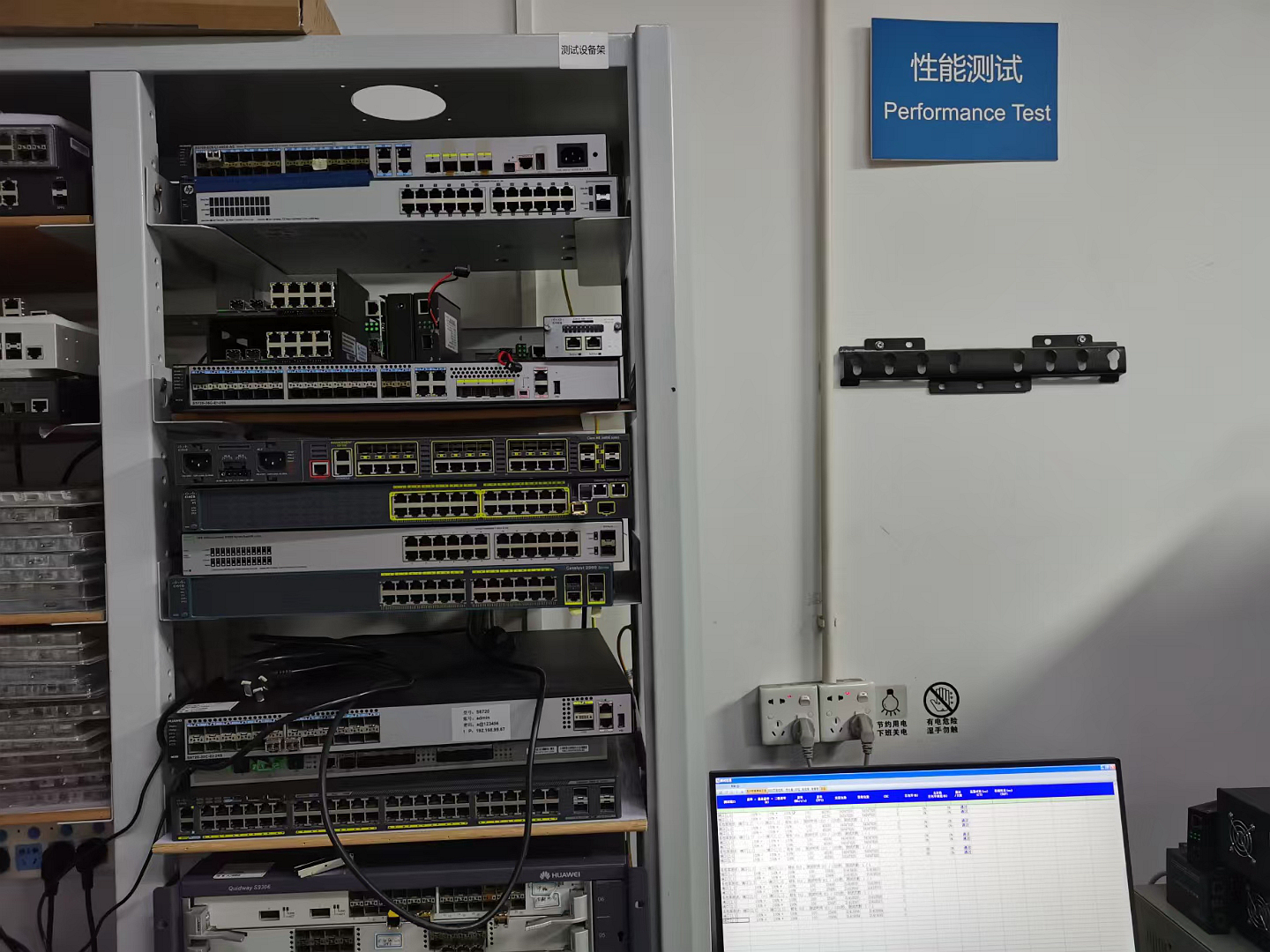
A comprehensive collection of XPON ONTs, SFP transceiver modules, POE switches, and optical-to-electrical media converters necessary for complete FTTx deployments.
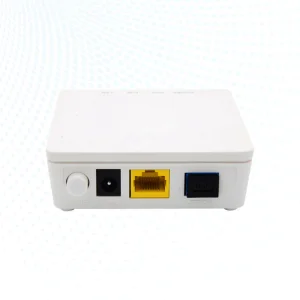
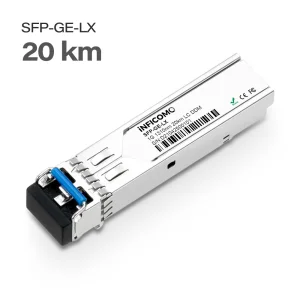
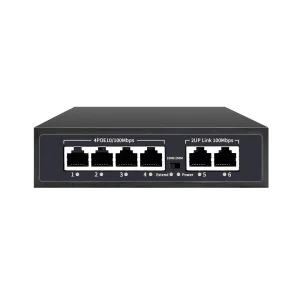
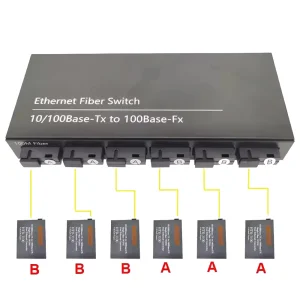
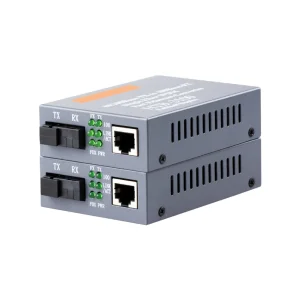
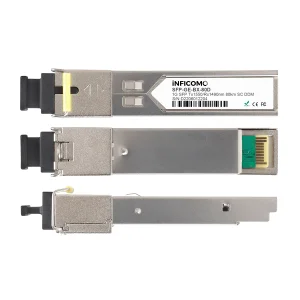
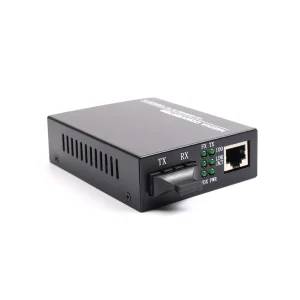
The Czech Republic is a powerhouse of automotive manufacturing, with Skoda Auto and extensive supplier ecosystems forming the core of the country's GDP. In modern industrial settings, traditional copper-based Ethernet is vulnerable to electromagnetic interference (EMI) generated by heavy machinery, welding robotic arms, and high-voltage distribution grids.
Polarized optical fibers using Passive Optical LAN (POLAN) architectures offer the ultimate solution. By deploying an industrial GPON OLT at the central manufacturing server room and extending passive fiber lines directly to individual assembly cells, manufacturers achieve complete immunity to electromagnetic noise. This structure replaces active, power-consuming distribution switches with small, passive optical splitters, reducing energy costs, cable weight, and structural fire loads across large facilities in Pilsen, Mlada Boleslav, and Liberec.
Deploying network hardware in the Czech Republic requires strict adherence to European Union directives. Any GPON/EPON OLT or ONU deployed within the EU must carry the CE Mark, verifying compliance with the Low Voltage Directive (LVD) 2014/35/EU, the Electromagnetic Compatibility (EMC) Directive 2014/30/EU, and the RoHS Directive 2011/65/EU. Soras Technology ensures all products shipped to the Czech market meet these standards, enabling hassle-free customs clearance and compliance under the Czech Telecommunication Office (ČTÚ) regulations.
 Soras Tech