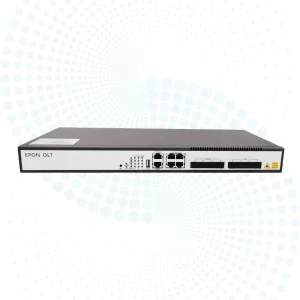
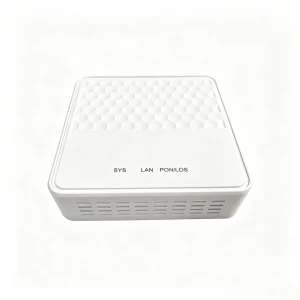
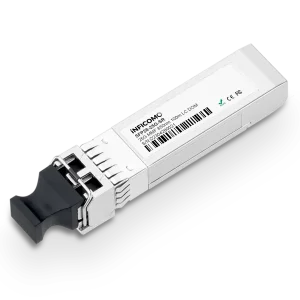
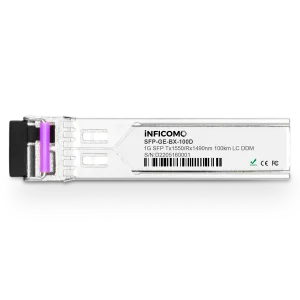
High-performance network edge solutions tailored for next-generation telecommunication rollouts and high-speed deployments across Serbia.
An analytical overview of the digital transition, regional telecommunications requirements, and deployment challenges in the Balkan region.
Serbia's telecommunications landscape is undergoing a massive paradigm shift. Driven by the Regulatory Agency for Electronic Communications and Postal Services (RATEL) and national digitalization initiatives, regional Internet Service Providers (ISPs) and municipal network developers are rapidly replacing legacy copper infrastructures with high-capacity Fiber-to-the-Home (FTTH) and Fiber-to-the-Building (FTTB) networks. The Serbian government's focus on bridging the digital divide in rural areas—such as Vojvodina, Central Serbia, and Southern regions—has accelerated the demand for scalable, cost-efficient GPON (Gigabit Passive Optical Network) and EPON (Ethernet Passive Optical Network) architectures.
Local deployment scenarios pose unique physical and technical hurdles. Urban centers like Belgrade, Novi Sad, and Niš require ultra-dense, multi-port optical line terminals (OLTs) to support high-density residential high-rises. In contrast, rural municipalities demand cost-effective, long-reach topologies where GPON's 1:128 split ratio allows operators to maximize their fiber asset investments over distances extending up to 20 kilometers.
On a global scale, the transition to high-speed optical access is shifting rapidly toward next-generation technologies like XGS-PON. However, for many emerging European economies, including Serbia, the combination of mature, highly reliable GPON and EPON technologies represents the optimal balance between capital expenditure (CAPEX) and operating expense (OPEX). Selecting an experienced manufacturing partner who understands both the local compliance landscape and global quality standards is critical.
As a leading developer, Shenzhen Soras Technology Co., Ltd. supplies the Serbian market with carrier-grade OLTs, high-speed optical transceivers, and robust customer premises equipment (CPE/ONU) that comply fully with European CE, FCC, and RoHS frameworks, minimizing integration friction for local telecommunication concessionaires.
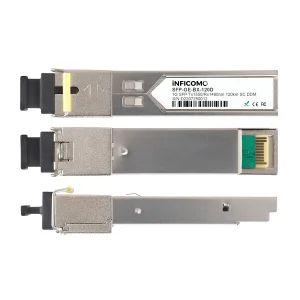
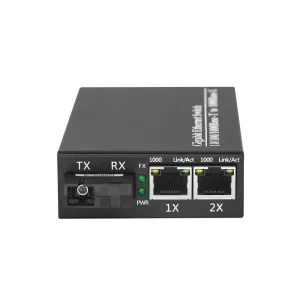
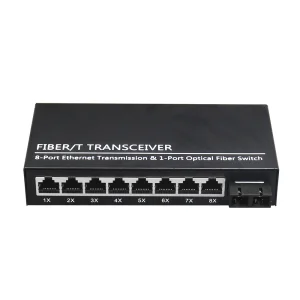
High-bandwidth transceivers and media converters optimized for local Serbian metro rings, backhaul networks, and enterprise connectivity.
Over a decade of manufacturing precision, R&D breakthroughs, and international certification compliance.
Shenzhen Soras Technology Co., Ltd. is a leading manufacturer of optical transmission and network equipment with more than 10 years of experience. We rely on high-quality management and technological innovation, committed to providing customers with high quality, cost-effective, high value-added products and solutions. Today, we work closely with telecommunications companies around the world. We have strong technical force and an experienced R&D team; products can be developed according to customer requirements, and we also accept OEM and ODM orders. Currently, our products are exported to more than 60 countries, with primary markets in South America, North America, and Europe.
| Corporate Profile & Capability Matrix | |||
|---|---|---|---|
| Business Type | Manufacturer, OEM/ODM Provider | Country / Region | Guangdong, China |
| Main Products | FTTH ONU & OLT, SFP Modules, Fiber Media Converters, PoE Switches | Total Employees | 11 - 50 People (Highly Skilled Core R&D) |
| Annual Revenue | US$5 Million - US$10 Million | Year Established | 2021 |
| Compliance | ISO 9001, UL, CE, FCC, ROHS Certification | Target Markets | Europe (Serbia, Balkans), North & South America |
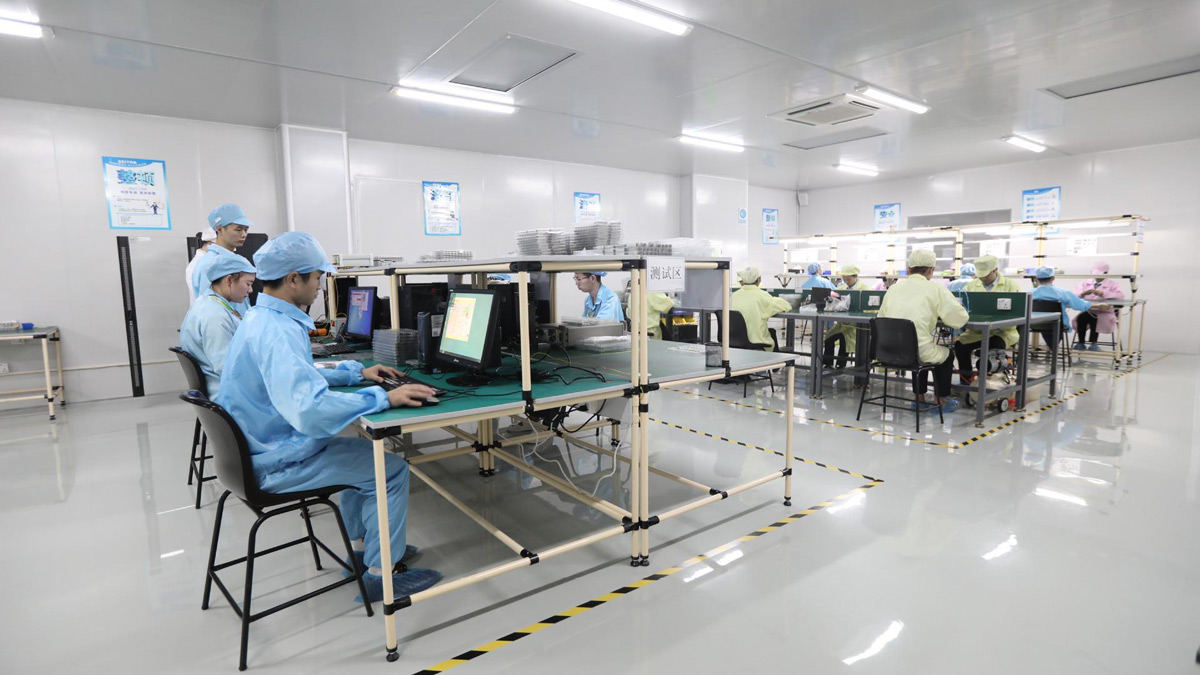
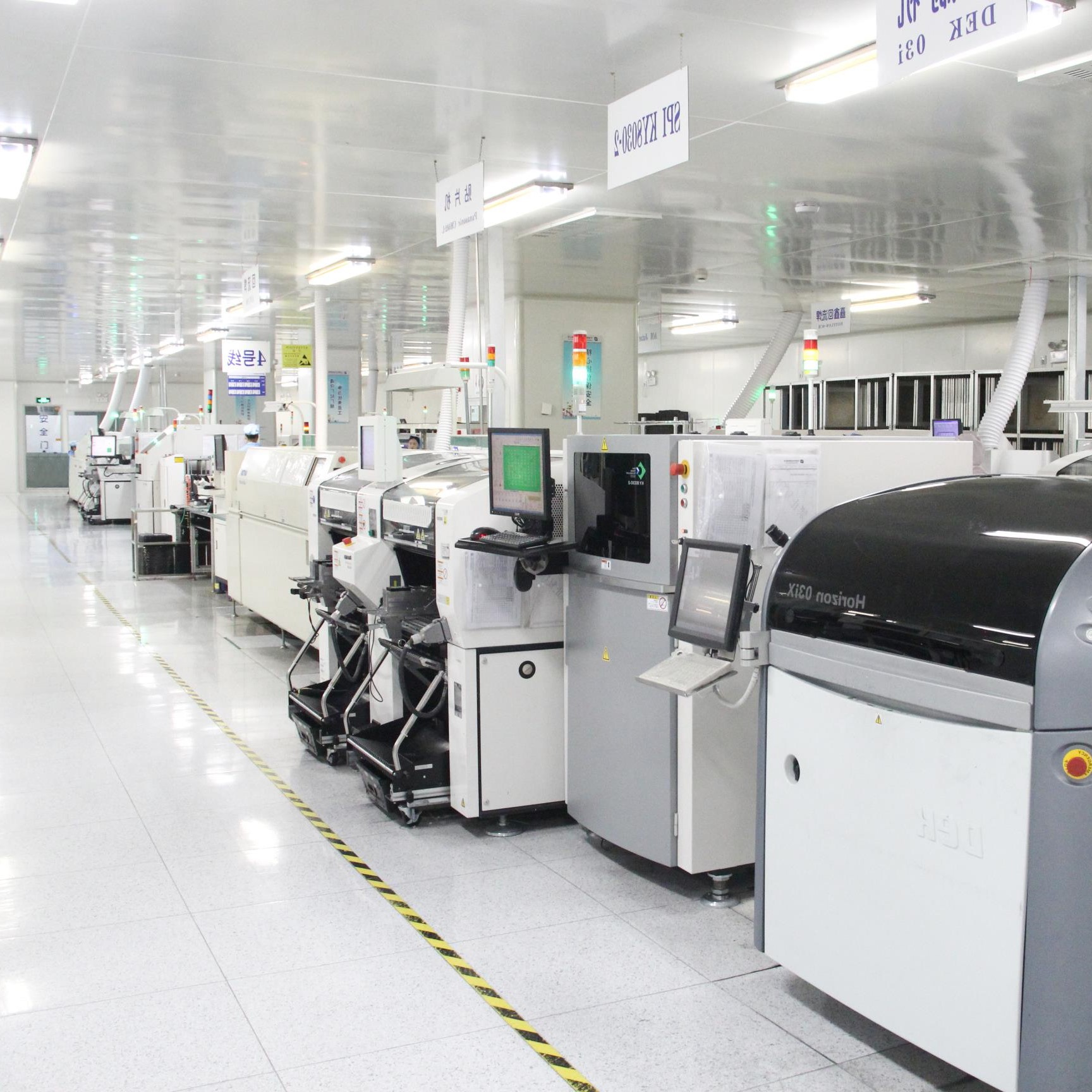
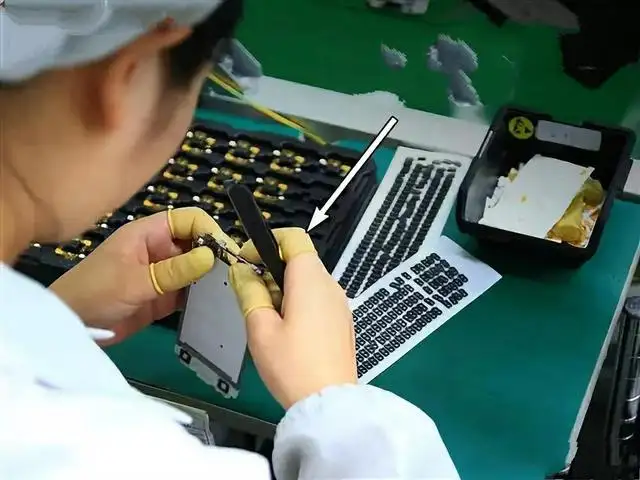
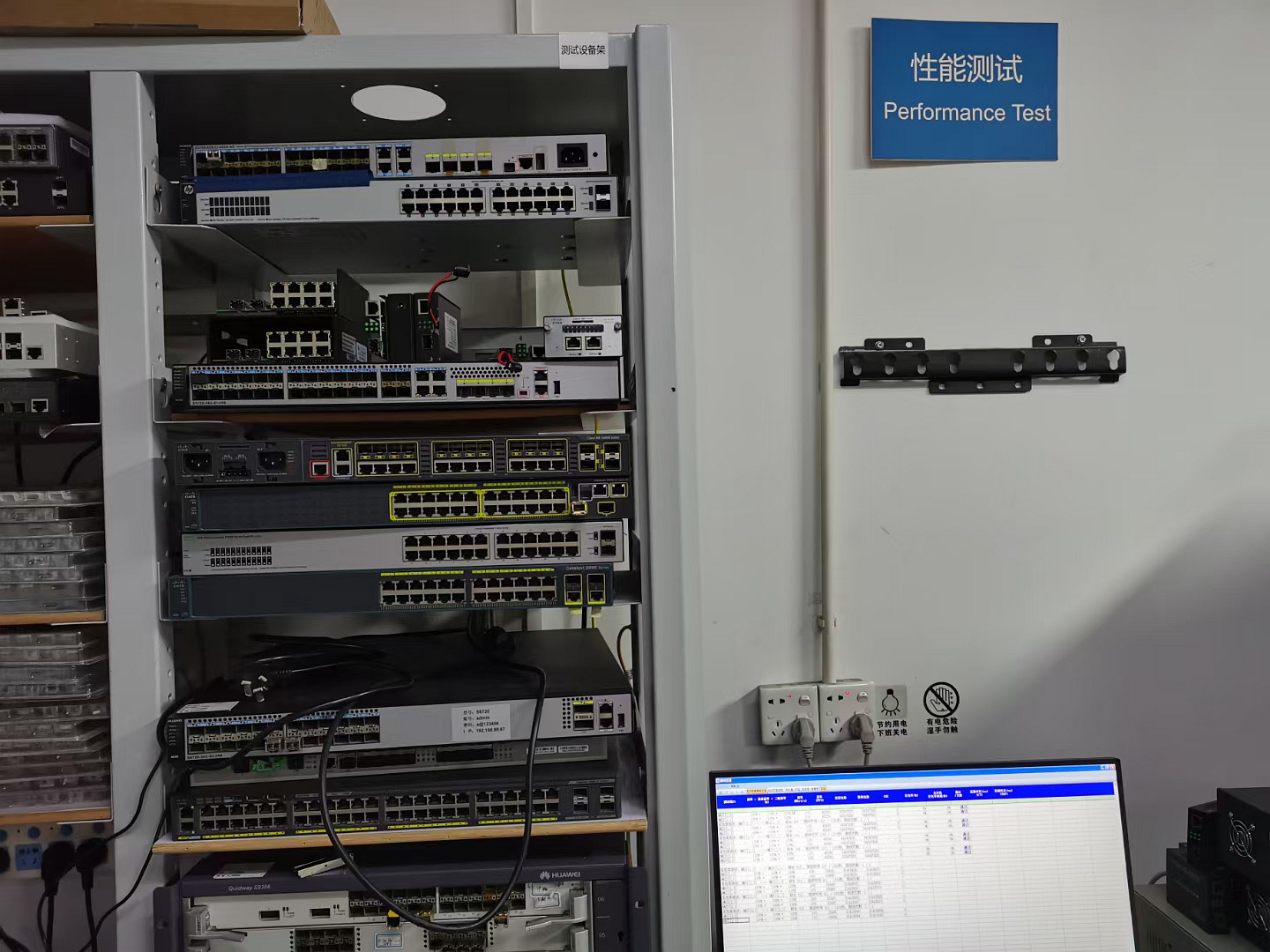
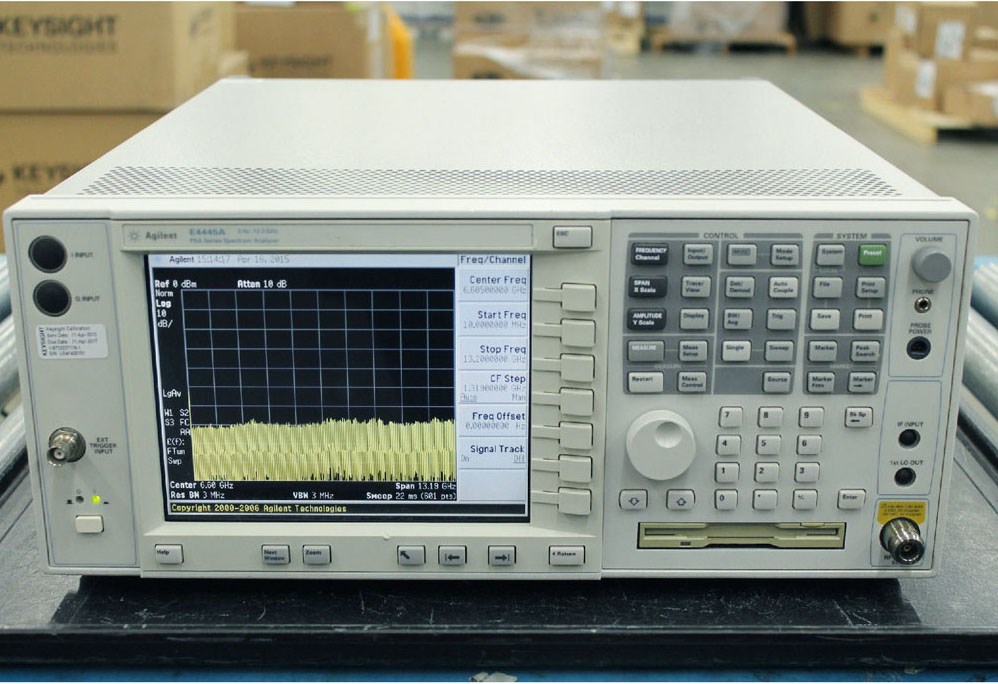
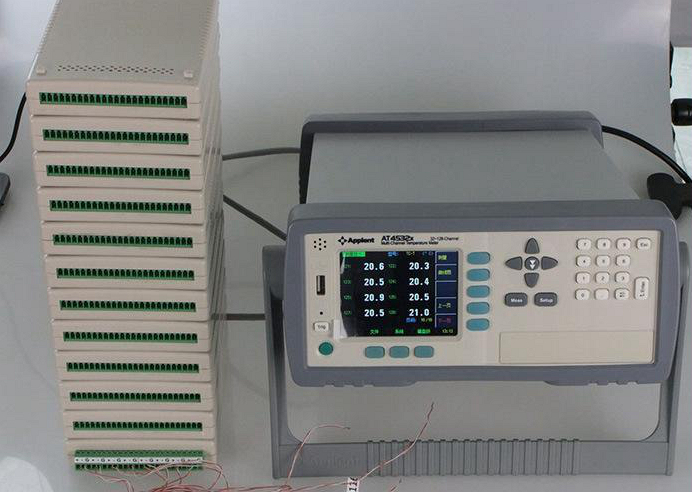
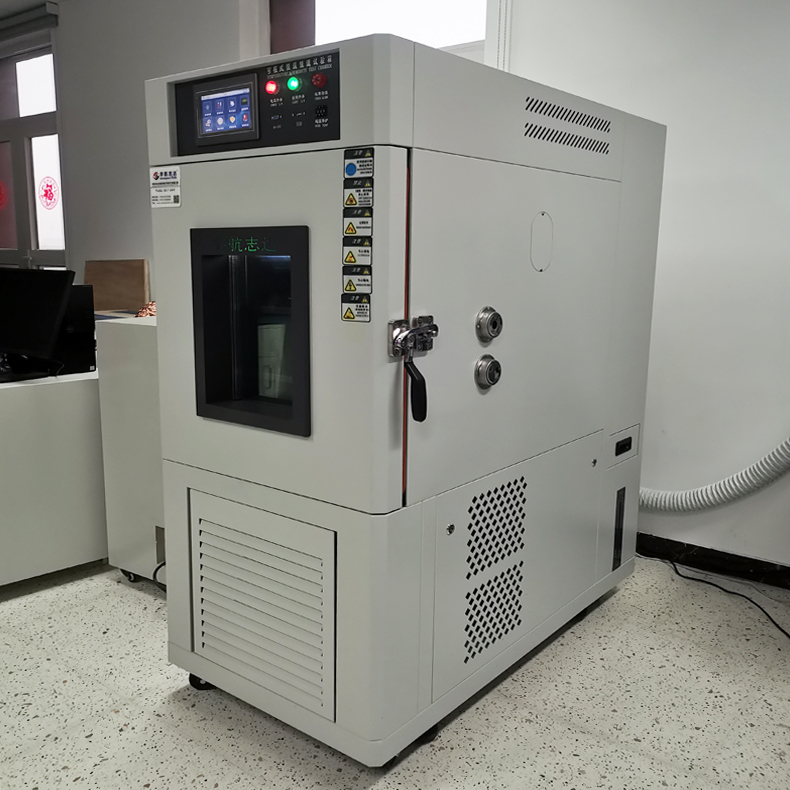
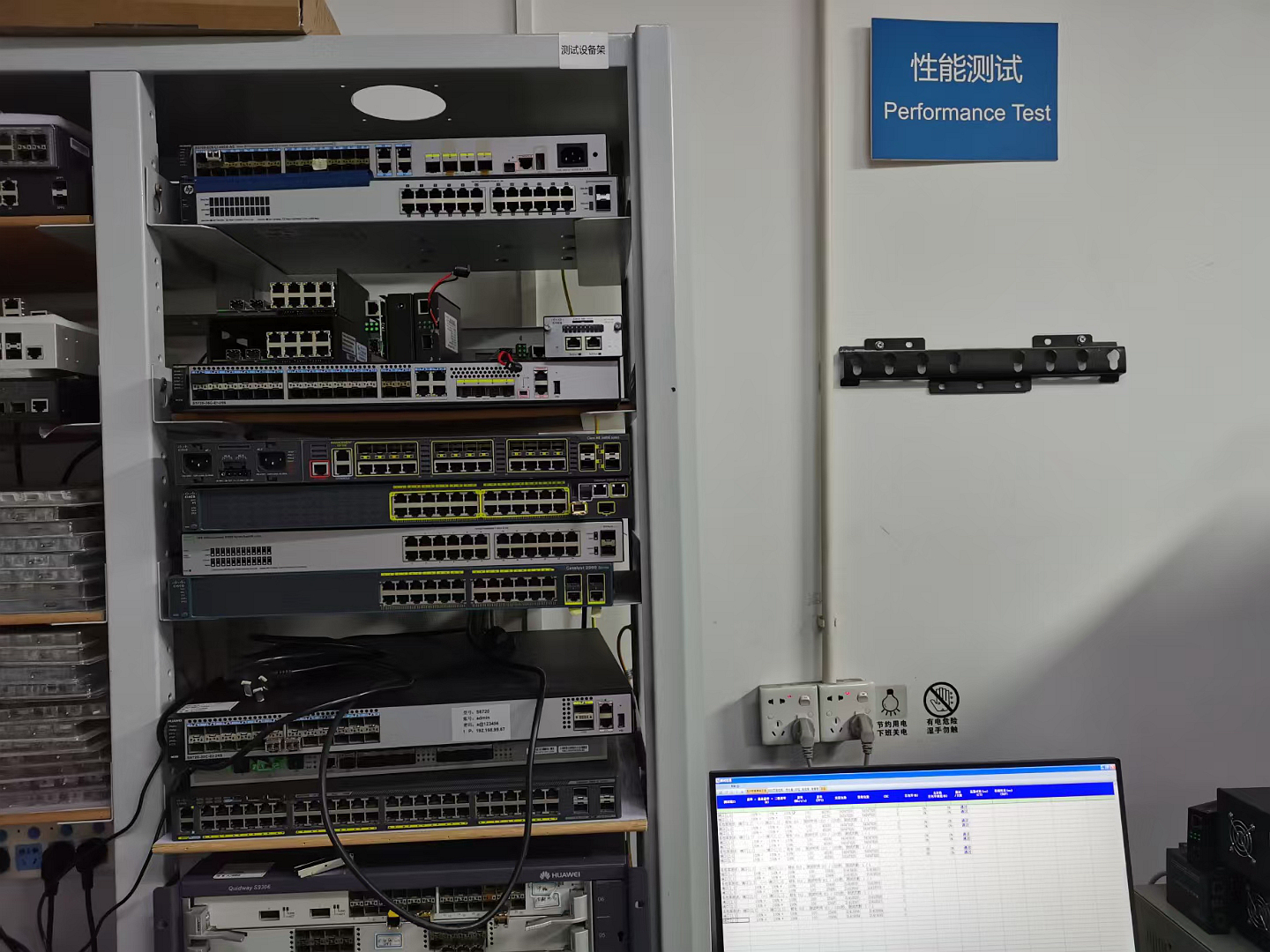
Our dedication to quality is backed by comprehensive in-house testing protocols and modern production environments. Each batch of GPON/EPON OLTs and transceivers undergoes rigorous optical testing, temperature simulation, and mechanical calibration to ensure flawless performance in tough environments.



How our GPON/EPON technology stack meets high carrier demands and modern network design standards.
Our Optical Line Terminals (OLTs) support flexible, dual-mode architectures. By integrating wavelength-division multiplexing (WDM) and optical filters, our systems enable seamless coexistence of EPON and GPON deployments on the same physical distribution network. This allows Serbian operators to migrate their legacy EPON infrastructures to high-capacity GPON or 10G-PON systems without needing a complete overhaul of the passive optical distribution network (ODN).
Equipped with layer-2 switching capabilities and advanced routing protocols (STP/RSTP/MSTP, ERPS ring protection, IGMP Snooping, and LACP link aggregation), our OLTs offer high uptime and strong protection for carrier networks. Security features, including Access Control Lists (ACL) and granular Quality of Service (QoS) bandwidth management, ensure that real-time traffic like IPTV, VoIP, and mission-critical enterprise systems remain stable even during traffic spikes.
A primary concern for regional ISPs in Serbia is interoperability. Our GPON and EPON ONUs and OLTs are engineered on open standards, ensuring compatibility with major global network vendors (such as Huawei, ZTE, Nokia, and Fiberhome). This cuts down equipment lock-in risk, allowing local network operators to build versatile networks using cost-efficient endpoints without sacrificing key management tools like OMCI (ONU Management and Control Interface).
Meeting the demands of metropolitan city infrastructures, regional enterprise hubs, and modern smart systems.
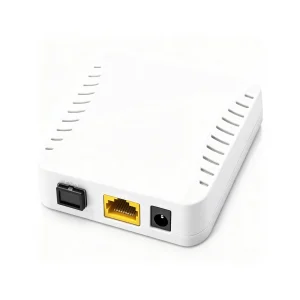
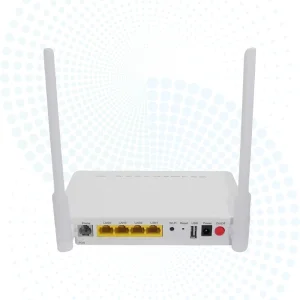
In municipal centers like Belgrade, Niš, and Novi Sad, our 8-port GPON OLTs are paired with dual-band WiFi6 XPON ONUs to deploy fiber access networks. With support for high optical split ratios, a single central office OLT can serve over 1,000 residential apartments, bringing high-speed broadband, online streaming, and home office capabilities to urban neighborhoods.
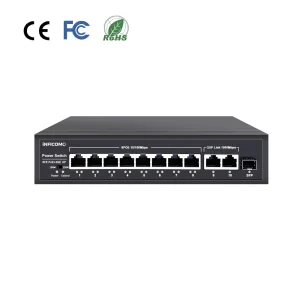
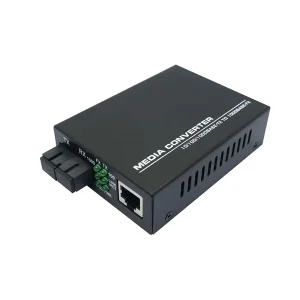
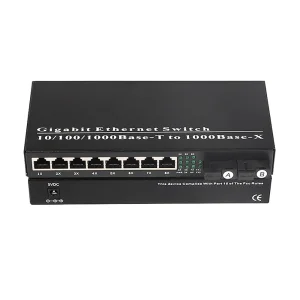
In industrial zones like Kragujevac and Vojvodina, manufacturing plants rely on our optical fibers and switches to link IoT sensors, industrial controllers, and administrative offices. Our Gigabit Media Converters and PoE switches keep high-speed data moving smoothly across large manufacturing areas, free from electromagnetic interference.
Safety systems along highways (such as Corridor X) and in major cities require reliable, long-distance video connections. Our rugged PoE switches and fiber transceivers link outdoor IP cameras to central monitoring facilities. These setups are built to operate reliably in the hot summers and freezing winters of the Balkan climate.
How our product design strategy aligns with upcoming network technologies and higher bandwidth needs.
Maximizing the efficiency of existing fiber optic layouts by using dual-mode XPON ONUs and highly integrated, energy-efficient OLT switches. This step focuses on offering cost-effective upgrades for ISPs, helping them boost bandwidth speeds without high capital investment.
Deploying symmetric 10 Gbps access technologies using WDM1r coexistence filters. This phase supports the rising bandwidth demands of corporate cloud services, ultra-high-definition video streaming, and the growing density of connected devices in smart cities.
Transitioning from hardware-locked setups to open, cloud-managed software-defined network management. This shift allows operators to deploy services faster, automate traffic control, and optimize routing dynamically using AI-powered diagnostic tools.
Answers to technical and commercial questions about deploying GPON/EPON equipment in Serbia.
A comprehensive selection of switches, media converters, and CPE devices designed to support stable fiber optic links across Serbia.
 Soras Tech