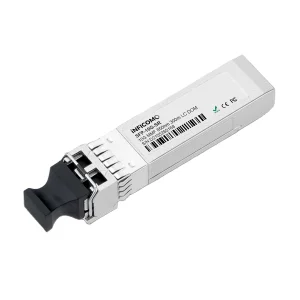
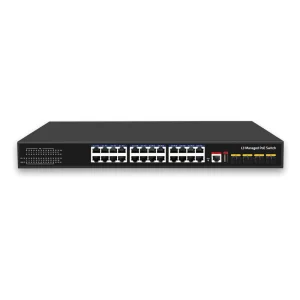
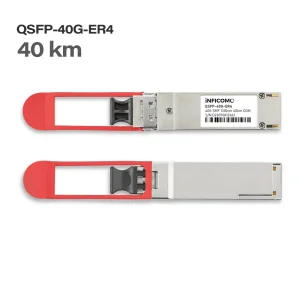
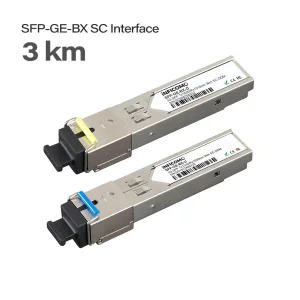
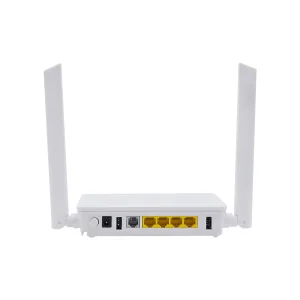
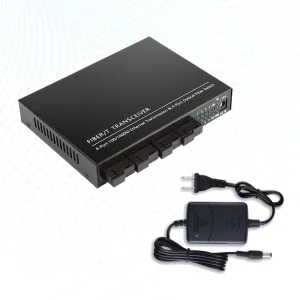
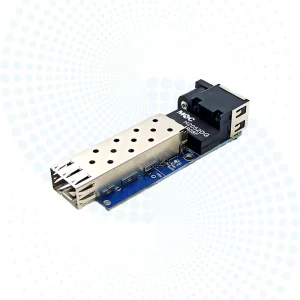
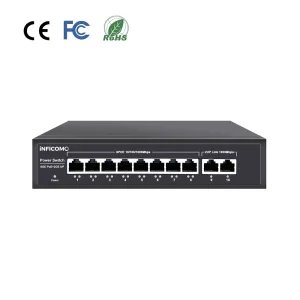
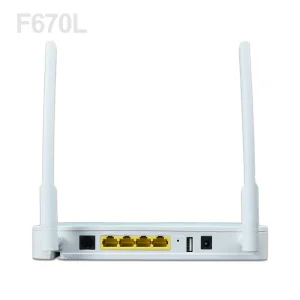
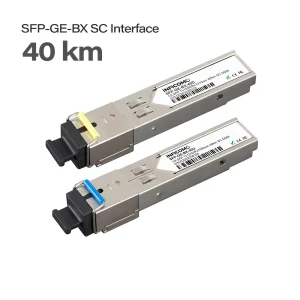
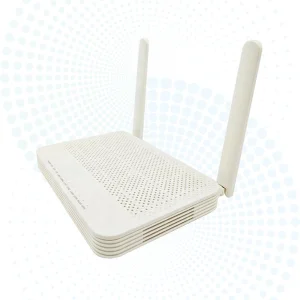
Explore our premium selection of optical transceivers, network extenders, layer-3 POE managed switches, and FTTH ONU modules designed to maximize data integrity and boost network signal ranges over physical infrastructure.
As internet bandwidth demands scale exponentially due to cloud computing, 5G rollouts, IoT integration, and enterprise virtualization, maintaining signal integrity over vast physical distances has become a core challenge for modern network architecture. The term "Network Signal Booster" has evolved past simple consumers' wireless repeaters. Today, in the B2B and enterprise space, signal boosting encompasses the dynamic regeneration, conversion, and amplification of data streams across copper, coaxial, and fiber-optic pathways.
Shenzhen Soras Technology Co., Ltd. stands at the forefront of this technological curve. By manufacturing high-grade active optical transceivers, intelligent Layer-3 PoE managed switches, low-latency fiber media converters, and robust GPON/EPON/XPON optical network units (ONUs), we provide the vital infrastructure necessary to defeat signal attenuation. Over a long transmission span, data packet degradation is prevented using optical regeneration (OEO conversion), noise filtration, and precise optical-electrical mapping, ensuring that the critical network link remains strong, secure, and uninterrupted.
Fiber optic and ethernet cables suffer signal loss (attenuation) due to physical resistance. Active network equipment acts as a relay station, boosting signal amplitude and maintaining performance levels.
Converting electrical copper signals (RJ45) to optical laser signals allows network expansion up to 80 kilometers without electromagnetic interference, utilizing advanced OEO systems.
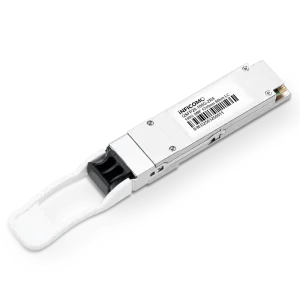
With modules supporting 10G, 40G, and up to 100G (QSFP28 ZR4), our telecommunication platforms ensure massive bandwidth pipelines remain optimized at zero package-drop levels.
Established under strict international standards, Shenzhen Soras Technology Co., Ltd. has developed into a premier global manufacturer of optical transmission and network devices. Backed by a R&D and engineering team boasting more than 10 years of field experience, we supply high-performance, cost-effective infrastructure solutions across the globe. Our strict compliance with international regulations ensures that our entire network portfolio meets the rigorous demands of modern networks.
| Profile Specification | Details & Capabilities | Geographical Demographics | Key Operational Focus |
|---|---|---|---|
| Business Type | ODM / OEM Manufacturer & Factory | Country / Region | Guangdong, Shenzhen, China |
| Main Product Catalog | FTTH ONU & OLT, SFP Transceivers, POE Switches, Media Converters | Total Workforce | 11 - 50 Technical Professionals |
| Year Established | 2021 (Engineering roots trace 10+ years back) | Key Markets | Domestic (24.00%), Eastern Asia (15.00%), North America (15.00%), South America, Europe |
| Quality Standards | ISO 9001, UL, CE, FCC, RoHS Compliance | Core Mission | Superior Quality, Professional Service, Competitive Price, Integrity-Based |
Shenzhen is globally recognized as the epicenter of the telecommunications manufacturing ecosystem. Direct placement in this region grants Shenzhen Soras Technology unprecedented access to advanced supply chains, reducing lead times and engineering design loops. The proximity to raw chip designers, laser component fabricators, and advanced casing factories enables us to deliver industry-certified signal boosting hardware at a fraction of Western production costs.
Moreover, our operations leverage highly automated production pipelines. From high-speed SMT placement to customized software firmware flashes for ONUs and switches, our factory floor operates under zero-defect manufacturing parameters. When global network providers, internet service providers (ISPs), and data center technicians source from Soras, they are acquiring advanced optoelectronic hardware directly from the industrial source, bypassing distributor markups and receiving certified warranty backing.

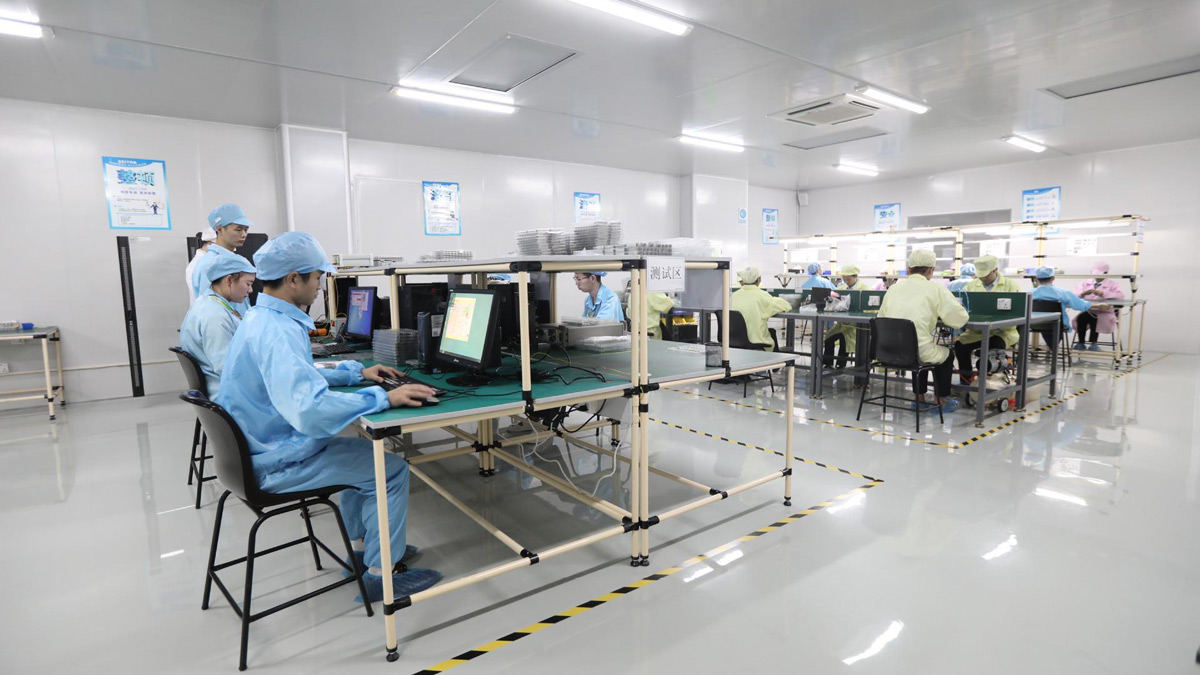

A network signal booster is only as reliable as its testing methodologies. To earn CE, FCC, and RoHS marks, our network switches, SFP transceivers, and ONUs must withstand rigorous performance stress tests. In fiber-optic communications, microscopic variances can lead to devastating packet loss or complete link downtime. That is why our facility enforces multi-stage hardware validation.

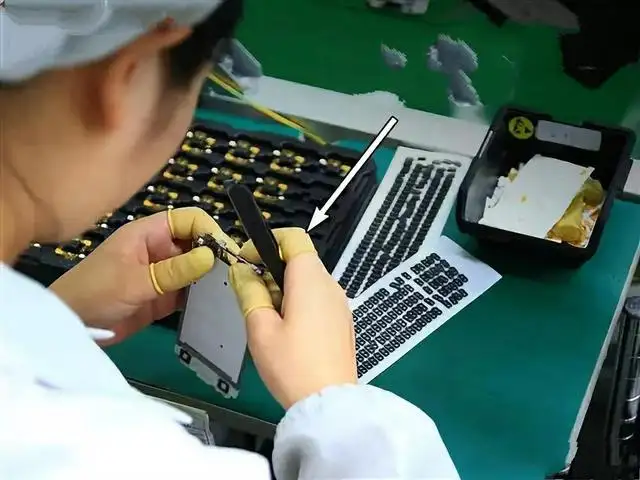
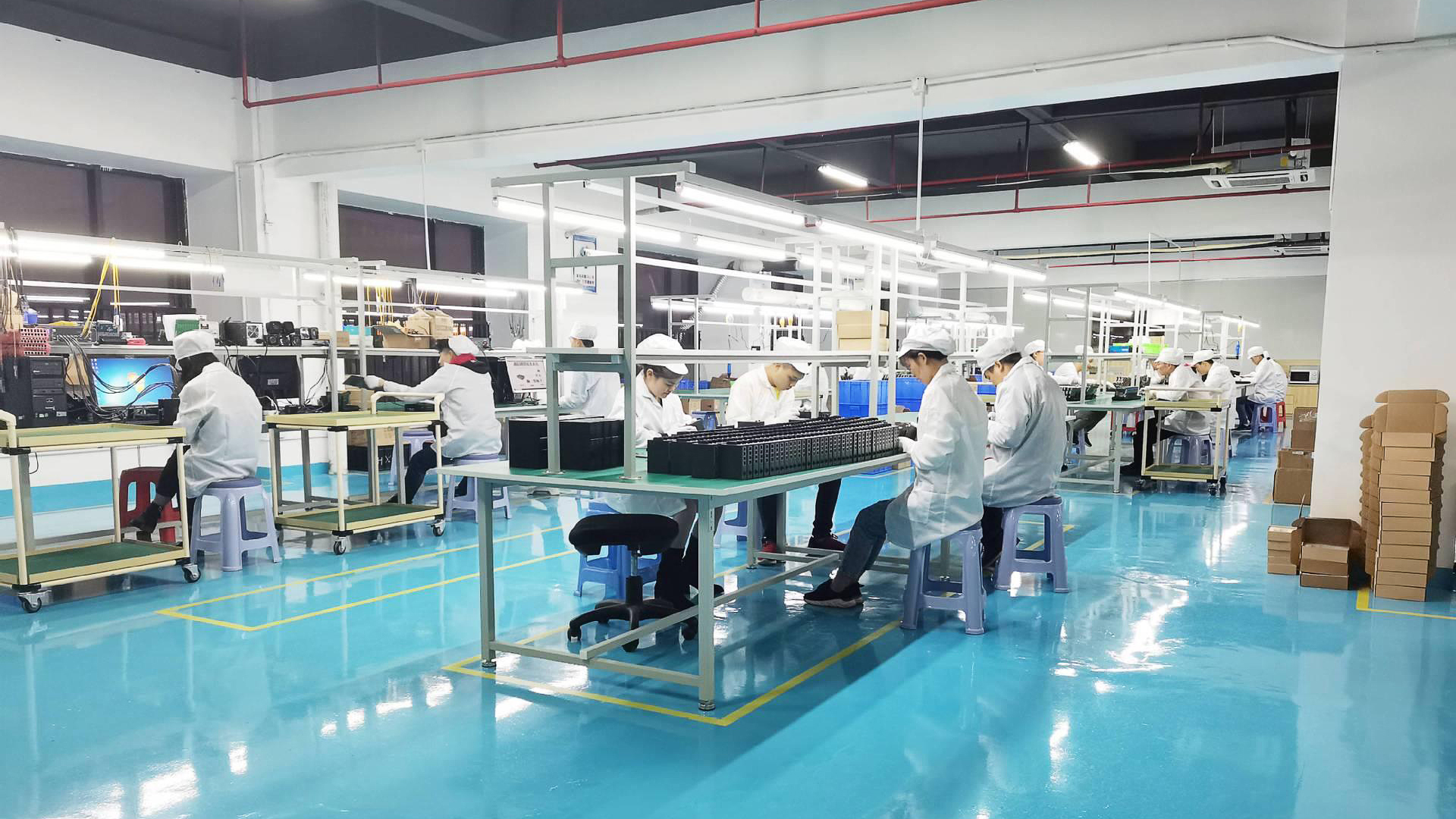
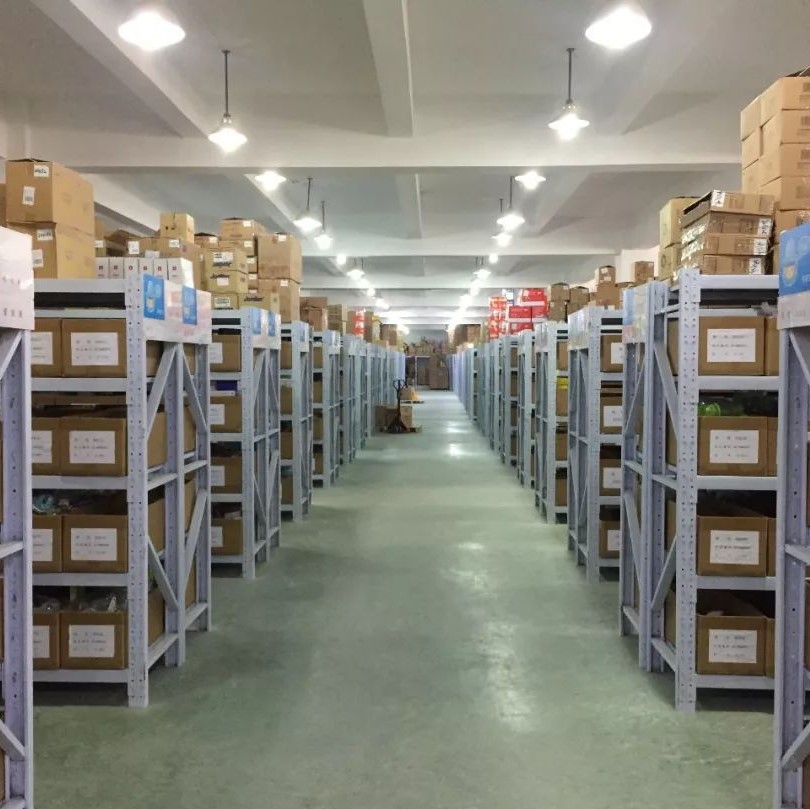
Our active testing process involves simulating real-world packet stress, high/low thermal shifts, wireless signals calibration, and operational limits analysis. Here is a breakdown of the specific testing blocks executed on our products daily:
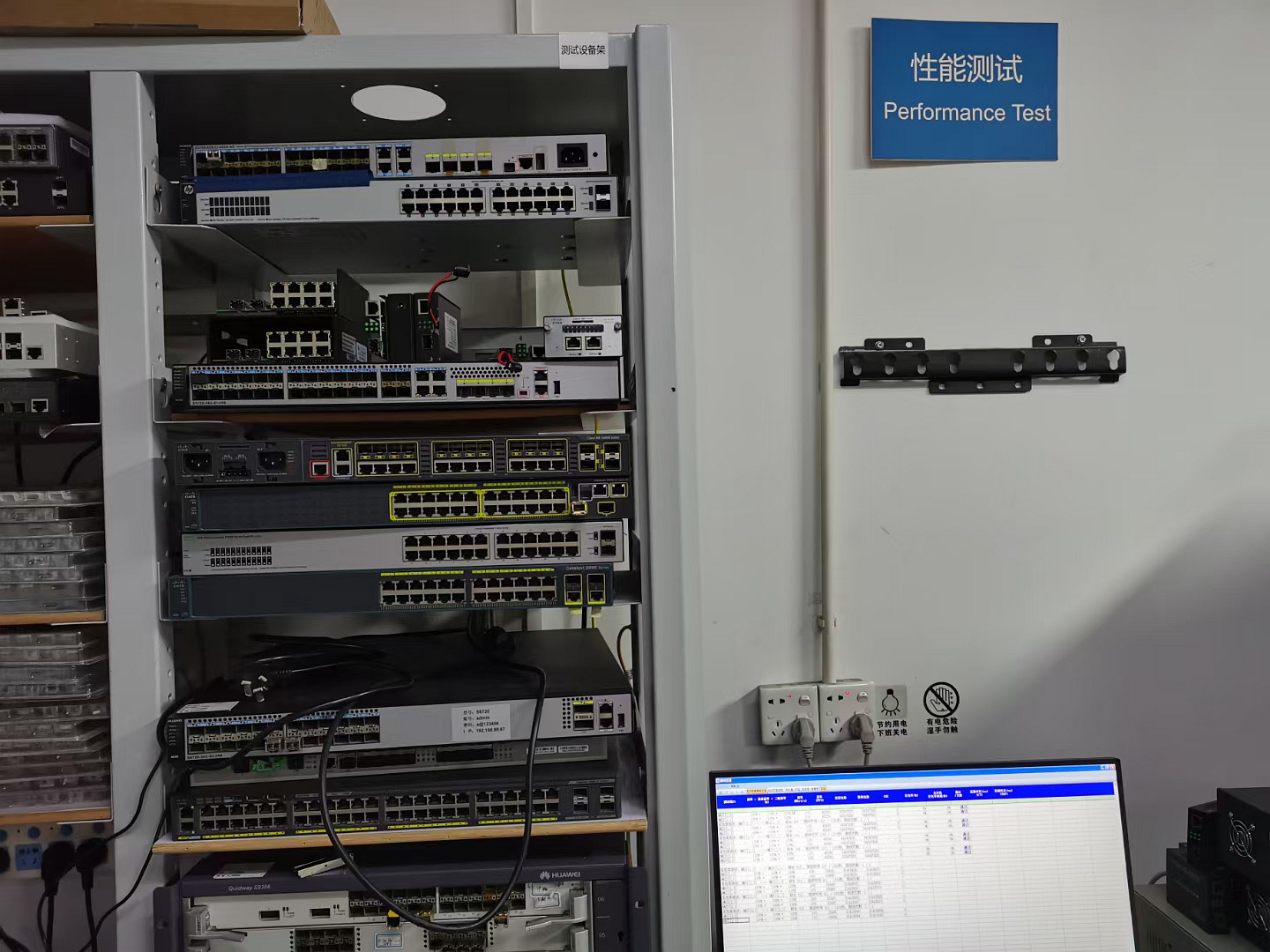
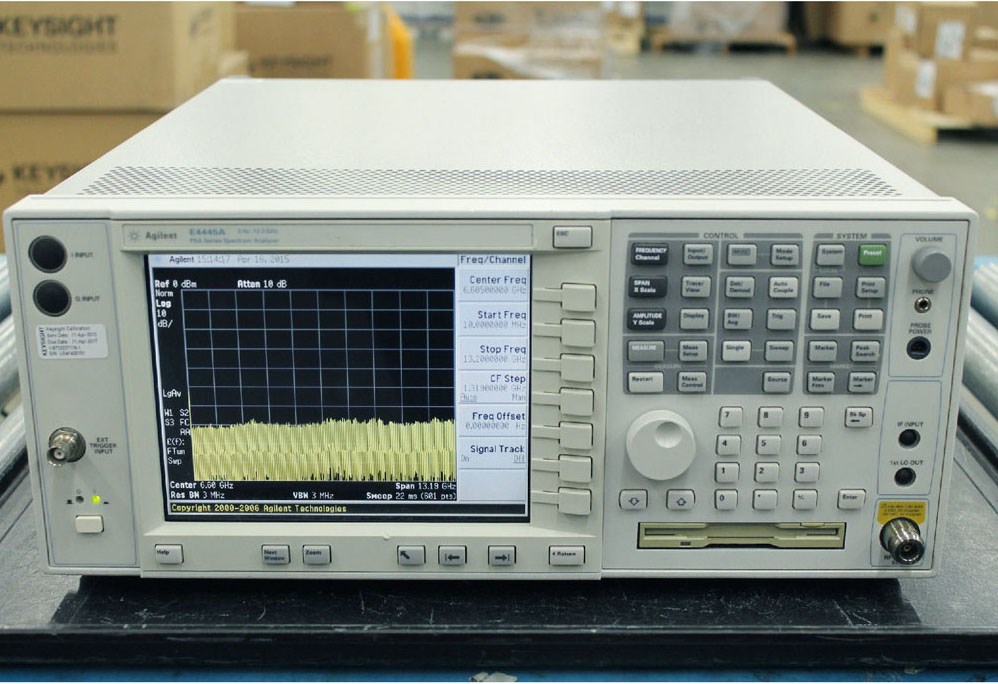
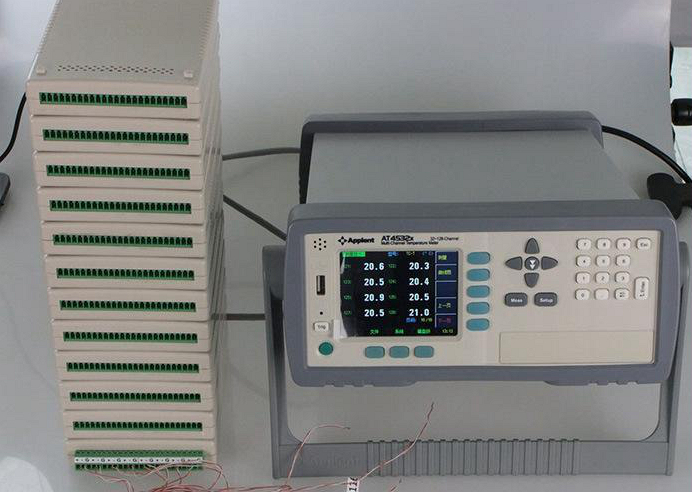
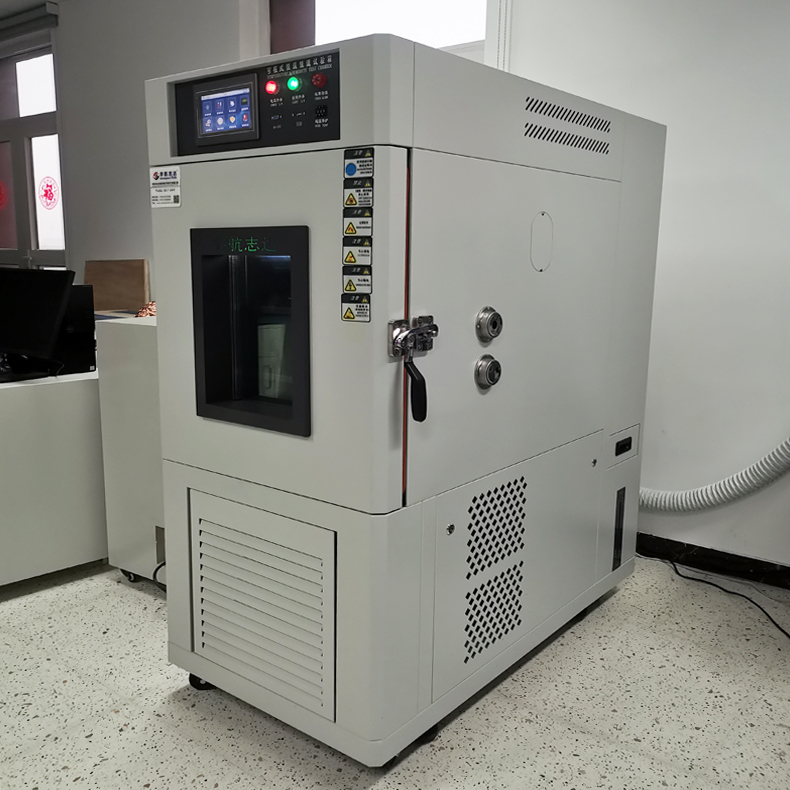
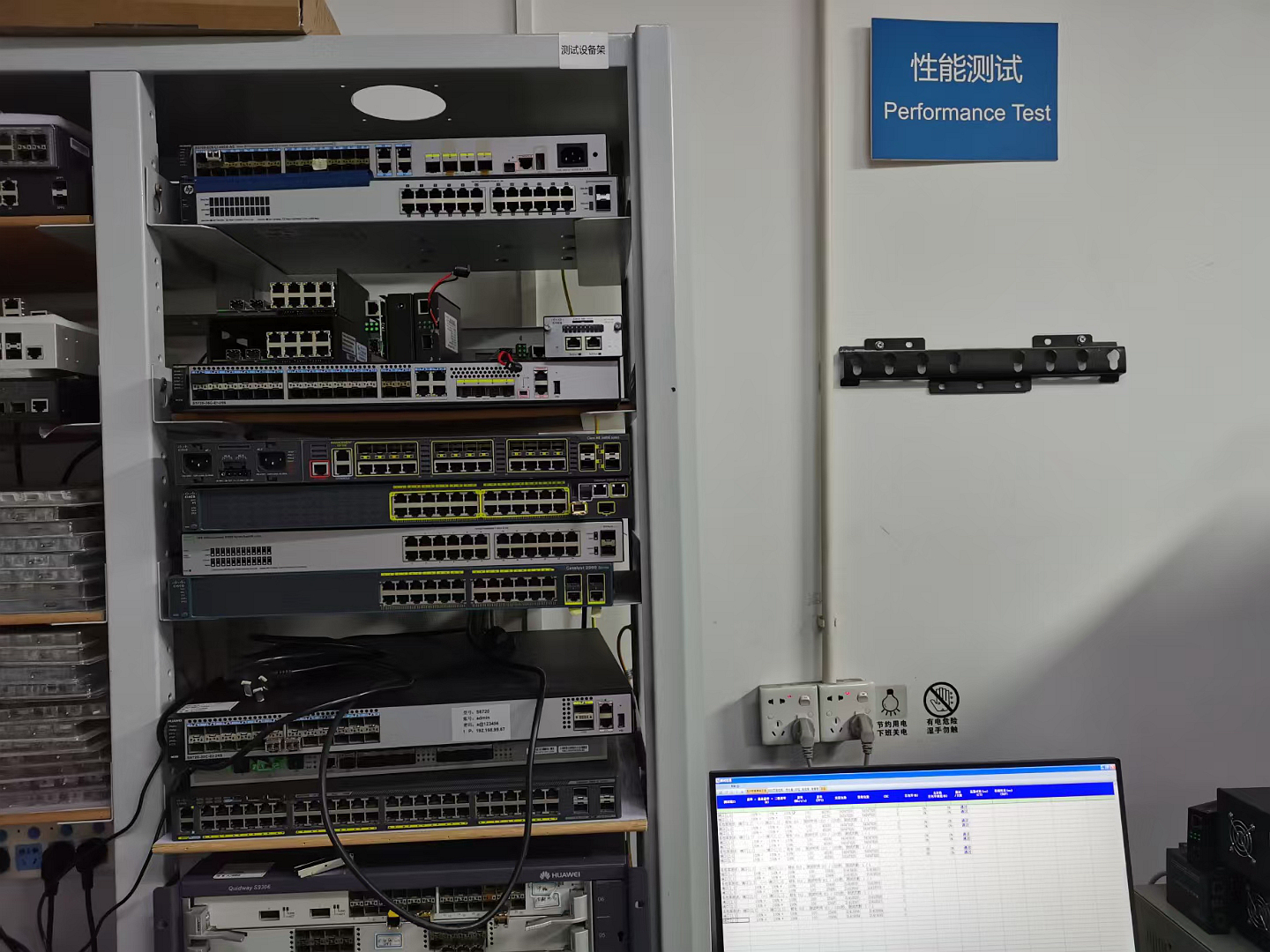
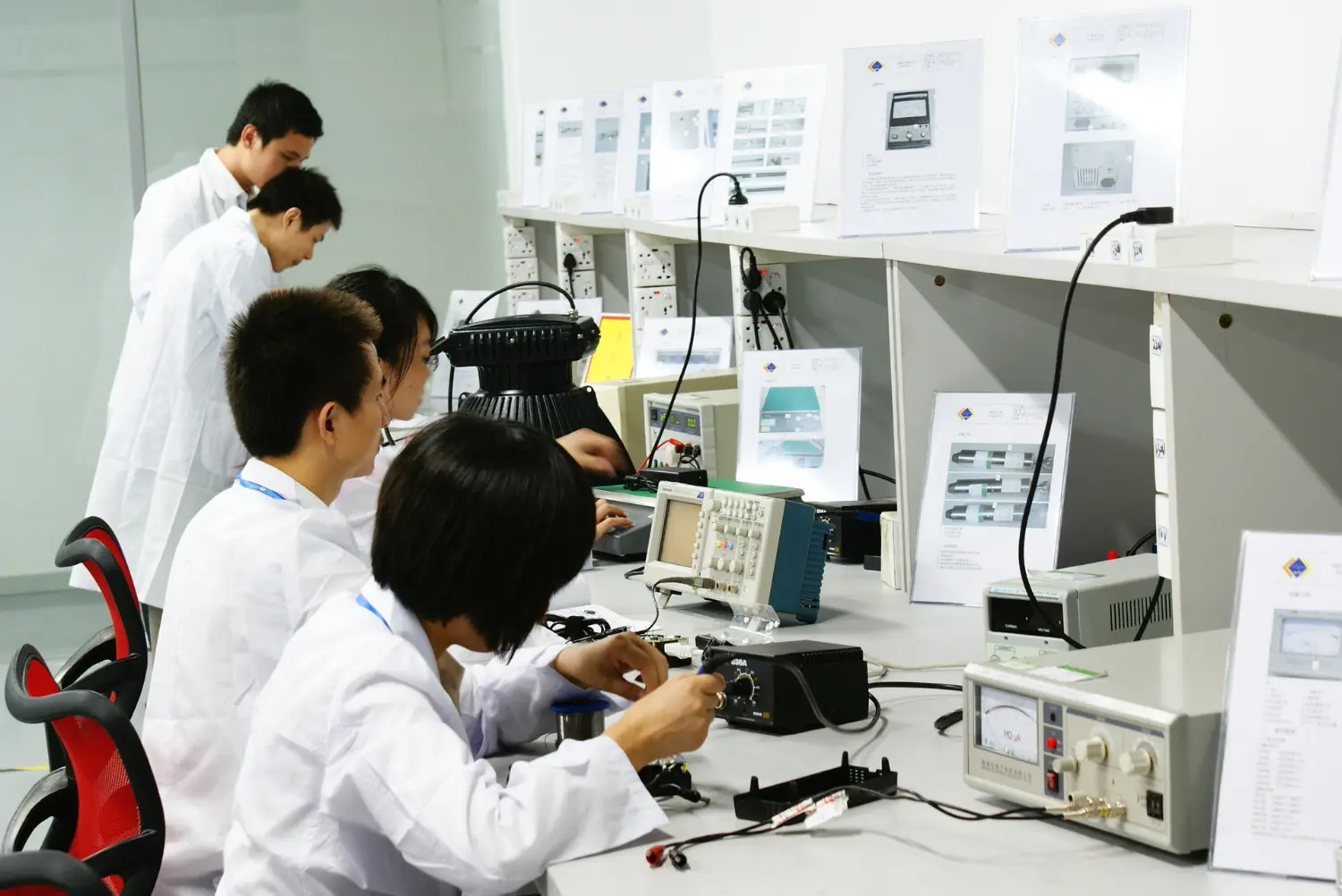
The global network signal booster market is shifting away from low-frequency analog relays toward digital, cloud-managed, and fiber-to-the-x (FTTx) network boosters. Modern networks rely on massive multi-point connectivity. Here are the core development paradigms our R&D unit is tackling to secure future-proof hardware arrays:
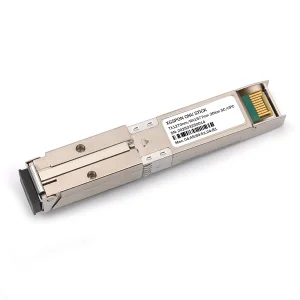
Legacy GPON connections are meeting their limits. As bandwidth demand spikes, service providers are deploying symmetrical 10G PON networks. Solutions like our XGSPON 10G SFP+ ONU Sticks allow ISPs to upgrade end-user routers to 10Gbps symmetrical throughput instantly, avoiding costly premises rewiring.
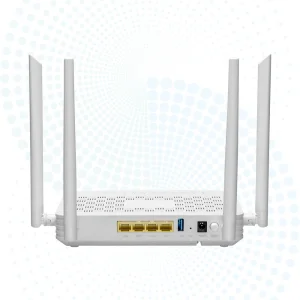
Extending raw optical signals to a local node is useless if wireless coverage creates local bottlenecks. Utilizing AX3000 WiFi 6 XPON ONUs ensures that local wireless access points can deliver gigabit speeds, high concurrency, and low latency to matching network clients.
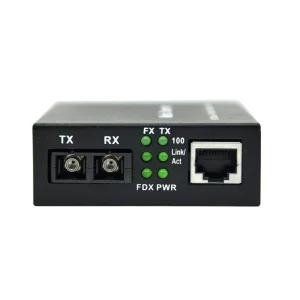
Metro networks extending over 80km encounter physical fiber loss. By deploying QSFP28 100G ZR4 and dual-fiber media converters, operators can reconstruct, filter, and boost optical signals dynamically without introducing packet jitter or protocol lag.
Our enterprise hardware portfolio acts as functional signal extenders across a wide range of deployment scenarios:
Review the essential questions global telecom procurement managers and system integrators ask during our product selection process.
Choose from our specialized industrial media converters, PoE switches, and advanced dual-band WiFi ONUs designed to extend and distribute network signals reliably across commercial properties.
 Soras Tech