CE Certified Wi-Fi 4 Manufacturers & Exporters

Industrial IoT Connectivity, Advanced FTTH Architectures, and CE-Compliant Telecom Engineering for Global Supply Chains

Featured Telecom Infrastructure Solutions

High-reliability optical transceivers, fusion splicers, media converters, and ONT modems supporting robust network backhauls.
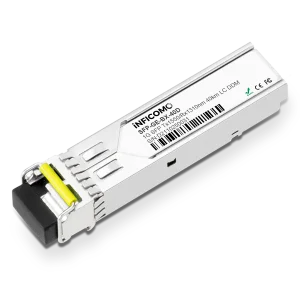
1310nm-TX/1550nm-RX Bidirectional 1.25G Bidi SFP Transceiver
1310nm-TX/1550nm-RX Bidirectional 1.25G Bidi SFP 40km SMF SC Optic Transceiver Module
View Details
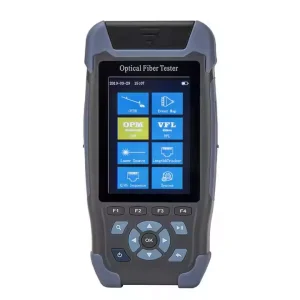
Mini NK3200 Hand-held Fiber Fusion Splicer OTDR
Mini NK3200 Hand-held Fiber Fusion Splicer OTDR DC12V 18-Month Warranty Multifunction Event Map Similar EXFO 24/22dB 1310/1550nm
View Details
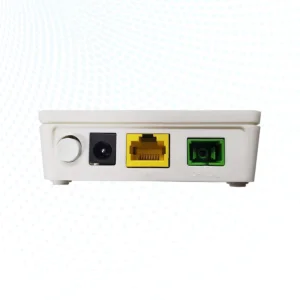
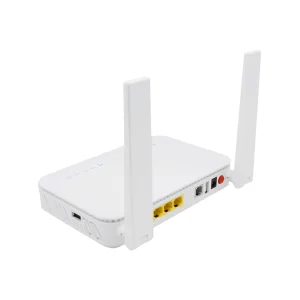
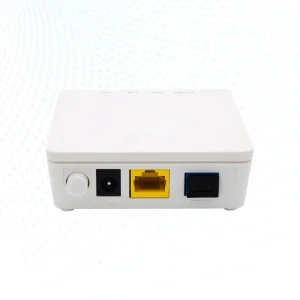
HG8310M HG8010 GPON ONU Modem
HG8310M HG8010 GPON ONU 1GE ONT Modem Compatible with Huawei OLT
View Details
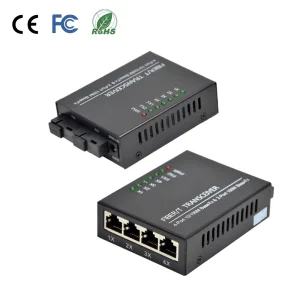
Durable 10/100Mbps Single Mode Fiber Media Converter
Durable 10/100Mbps Single Mode Fiber Media Converter 2*FX to 4*TX 20km SC for Industrial Network
View Details
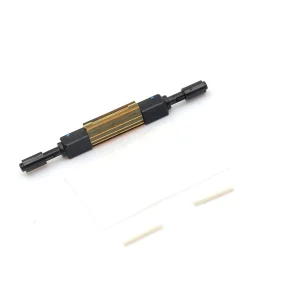
L925B Universal 0.9mm Mechanical Splice FTTH Fast Connector
L925B Universal 0.9mm Mechanical Splice FTTH Fiber Optic Fast Connector
View Details
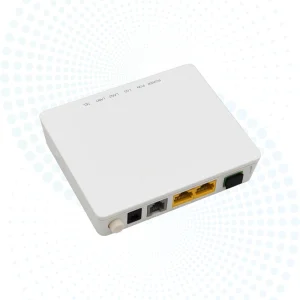
FTTH XPON ONU HG8120C Fiber ONT
FTTH XPON ONU HG8120C HG8321R EG8120L 1GE 1FE 1POTS Fiber ONT Support OEM
View Details
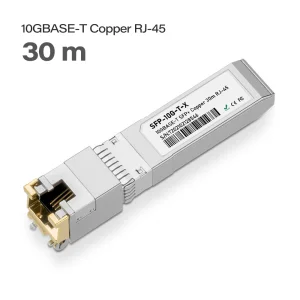
SFP-10G-T-X 10GBASE-T SFP+ RJ45 Copper Transceiver
SFP-10G-T-X 10GBASE-T SFP+ RJ45 Copper Transceiver Module 30m Cat6a/Cat7 Compatible Cisco
View Details
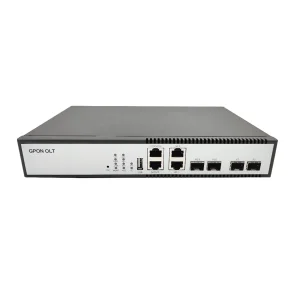
Smart MINI GPON OLT 1U 2 PON Port
Smart MINI GPON OLT 1U 2 PON Port GPON OLT
View Details

The Persistence of Wi-Fi 4 (802.11n) in Modern Industrial Ecosystems

Why Legacy Standard Reliability, Cost-Efficiency, and Long-Range Performance Dominate Global B2B Networks.

Optimized 2.4 GHz Propagation

While Wi-Fi 6/6E focus on 5 GHz and 6 GHz spectrums to maximize short-range throughput, industrial IoT endpoints demand coverage. Wi-Fi 4 (802.11n) operating on the 2.4 GHz frequency provides superior barrier penetration and wave diffraction, allowing networks to span complex industrial layouts without massive repeater overheads.

Drastic Cost Optimization

Integrating complex RF chipsets into billions of sensors, smart utility meters, and IP security terminals is economically challenging. Wi-Fi 4 offers an unmatched cost-to-performance ratio, allowing operators to deploy high-density sensor networks without over-specifying hardware budgets.

Universal Device Compatibility

Industrial systems operate on decades-long lifecycles. Backward compatibility is non-negotiable. Implementing CE-certified Wi-Fi 4 access modules guarantees error-free communication with legacy PLCs, microcontrollers, and localized telemetry hubs without requiring extensive driver or hardware updates.

>10 Years
Soras Field Experience
60+ Countries
Global Export Footprint
ISO 9001
Quality Assurance Certified
100% Tested
Calibration and Error Checks

The Critical Role of CE Certification in Global Networking Procurement

Navigating compliance, electromagnetic compatibility, and Radio Equipment Directives for European and international target markets.

For network operators, procurement managers, and systems integrators in Europe and the Americas, compliance with safety and emissions standards is not optional. The CE (Conformité Européenne) mark on Wi-Fi 4 enabled hardware, optical terminals (ONUs, OLTs), and transceivers signifies compliance with the Radio Equipment Directive (RED) 2014/53/EU. This directive dictates stringent parameters for spectrum utilization, electromagnetic compatibility (EMC), and electrical safety.

Shenzhen Soras Technology Co., Ltd. builds CE compliance directly into the product lifecycle. Our development processes incorporate detailed simulation tests, high-low temperature sweeps, and strict RF calibration to guarantee that every piece of hardware—from SFP modules to active XPON ONUs—meets the essential requirements of international directives, mitigating risk for importers and ensuring continuous uptime in critical applications.

Key Compliance Pillars for Soras Hardware:

  • Electromagnetic Compatibility (EMC): Ensures that our fiber optic switches, POE infrastructure, and wireless nodes operate within complex industrial environments without emitting disruptive electromagnetic noise or suffering from interference.
  • Low Voltage Directive (LVD) & Electrical Safety: Minimizes fire hazards, electrical shock, and thermal runaway risks in long-duration telecommunications operations.
  • Efficient Spectrum Usage: Assures that Wi-Fi 4 equipment respects channels, prevents overlapping frequency degradation, and optimizes power levels to remain within legal EIRP (Equivalent Isotropically Radiated Power) boundaries.

China Factory 4.0: Supply Chain Resilience & Manufacturing Superiority

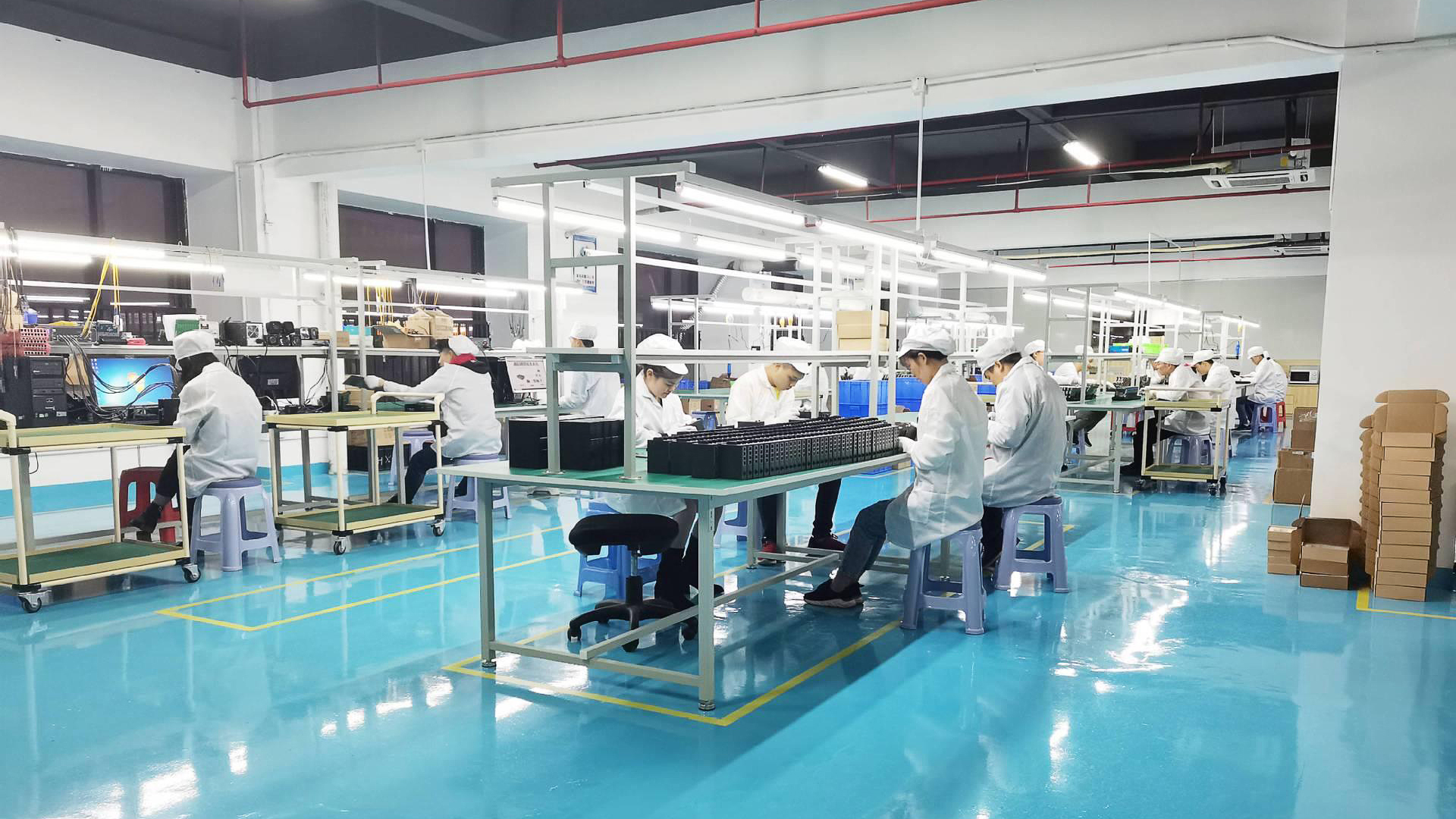
Inside Shenzhen Soras Technology's state-of-the-art production facility, where automation meets rigorous compliance control.

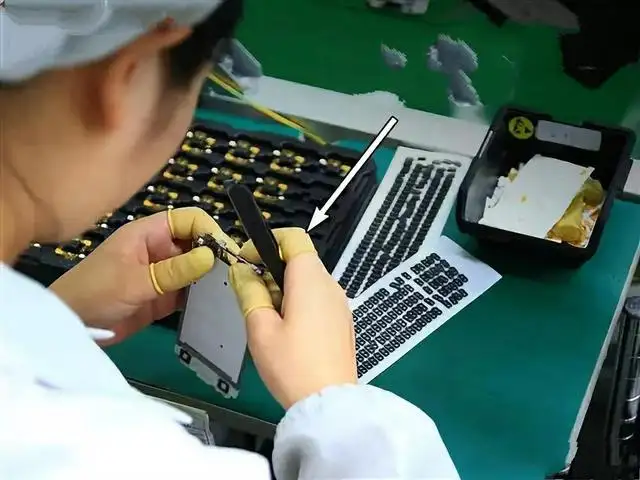
The global electronics supply chain demands both agility and flawless execution. Based in the electronics manufacturing capital of Guangdong, China, Shenzhen Soras Technology Co., Ltd. runs an integrated Factory 4.0 facility. Our operations integrate advanced Surface Mount Technology (SMT) lines, automated optical inspection, and multi-stage testing processes to eliminate manual errors and ensure high yield rates.

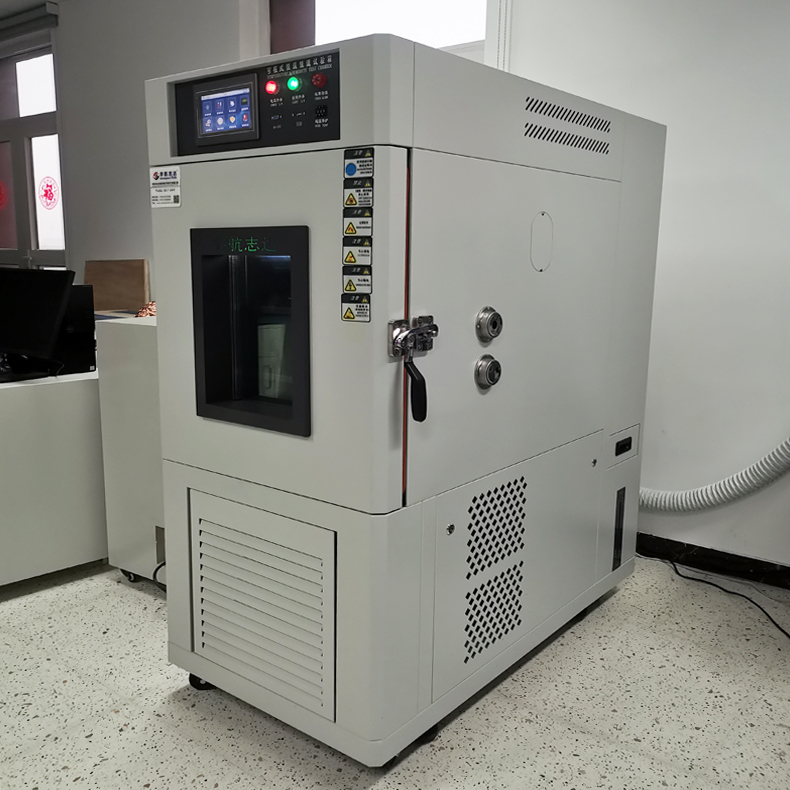
By controlling the entire process from circuit board SMT mounting, shell assembly, precision WiFi calibration, to high-low temperature endurance validation, we guarantee that our products remain stable even in extreme environments. This resilience is why global tier-1 telecom providers trust Soraslink with critical network infrastructure shipments.


Shenzhen Soras Technology Factory Overview

Manufacturing and Quality Control Workflow

SMT line
SMT line
QC line
QC line
Assembly line
Assembly line
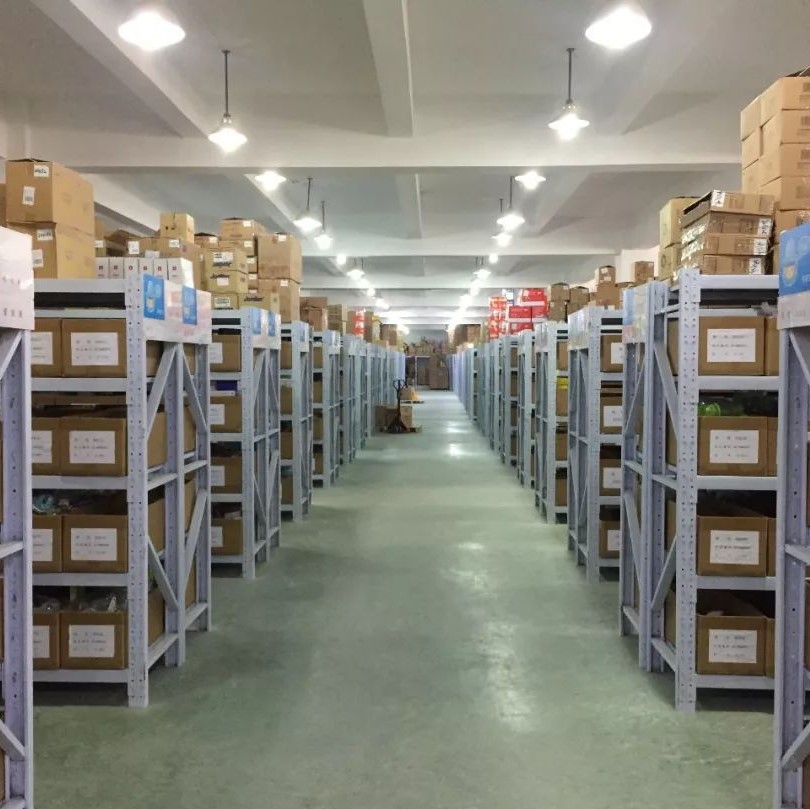
Warehouse
Warehouse
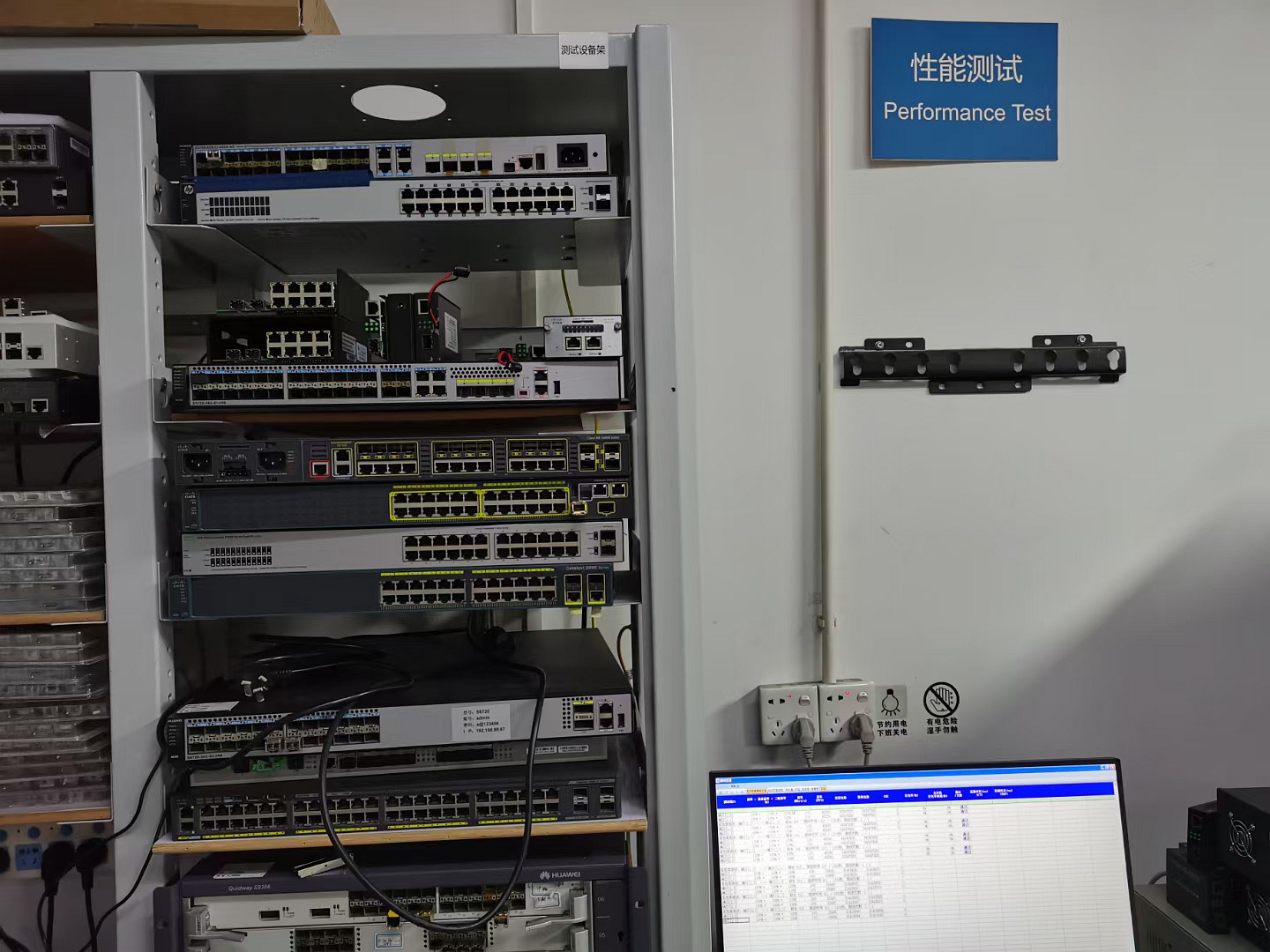
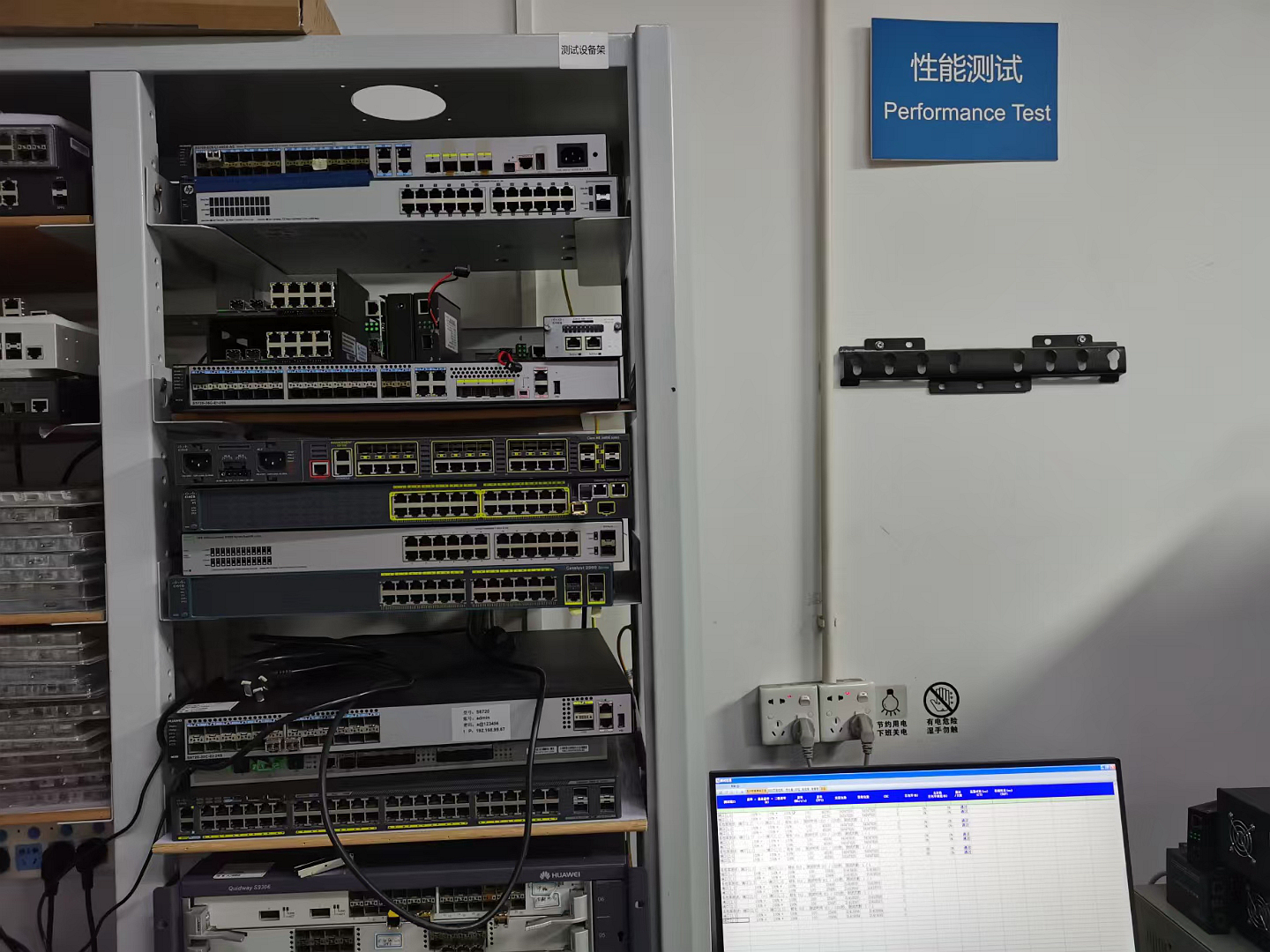
Simulation test
Simulation test
Error test
ERROR TEST
Wifi Calibration
Wifi CALIBRATION
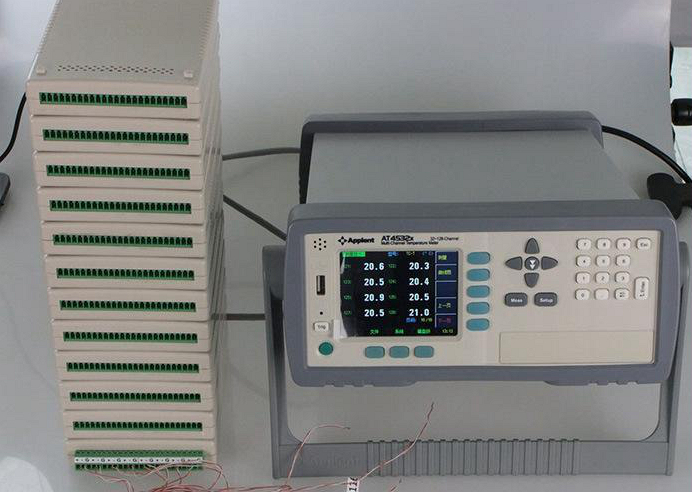
H-L Temperature
H-L TEMPERATURE
SIMULATION TEST
SIMULATION TEST
FUNCTIONAL TEST
FUNCTIONAL TEST

Shenzhen Soras Technology Co., Ltd. - Corporate Capability Profile

A decade of engineering excellence in fiber transmission, active switches, and customized OEM/ODM networks.

Established with a commitment to high-quality optical transmission, Shenzhen Soras Technology Co., Ltd. serves as a key node in the international telecommunication supply chain. Our cross-disciplinary engineering teams develop high-durability solutions tailored to the strict performance requirements of internet service providers (ISPs), system integrators, and industrial automation firms globally.
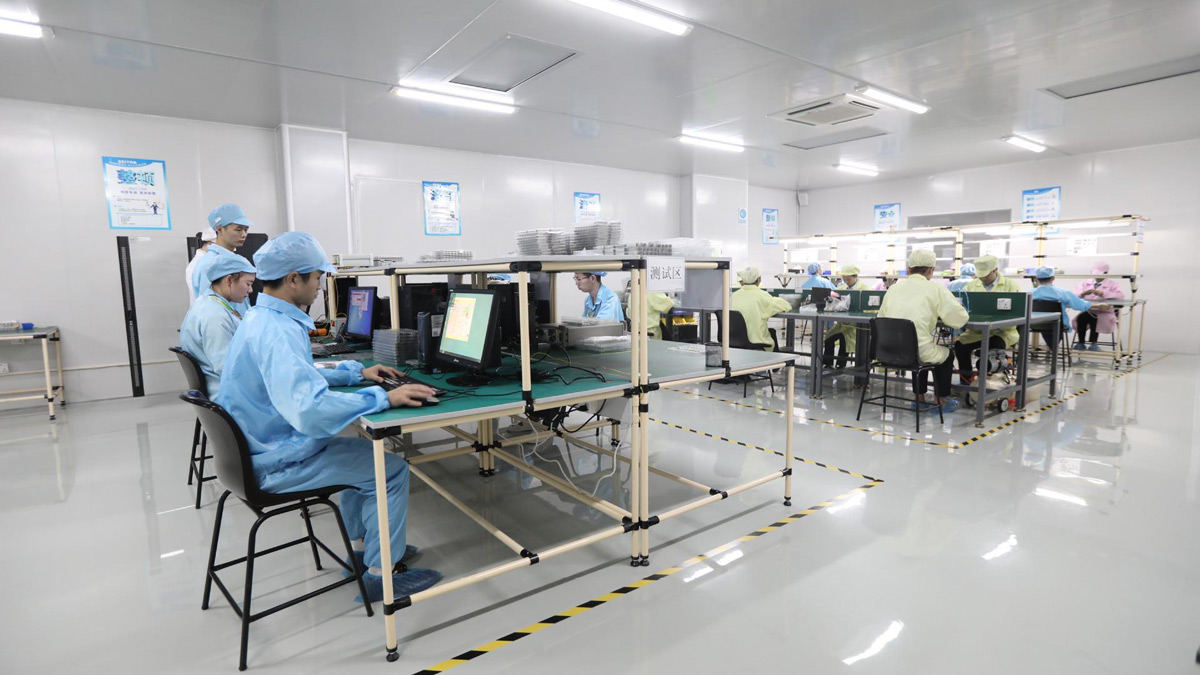

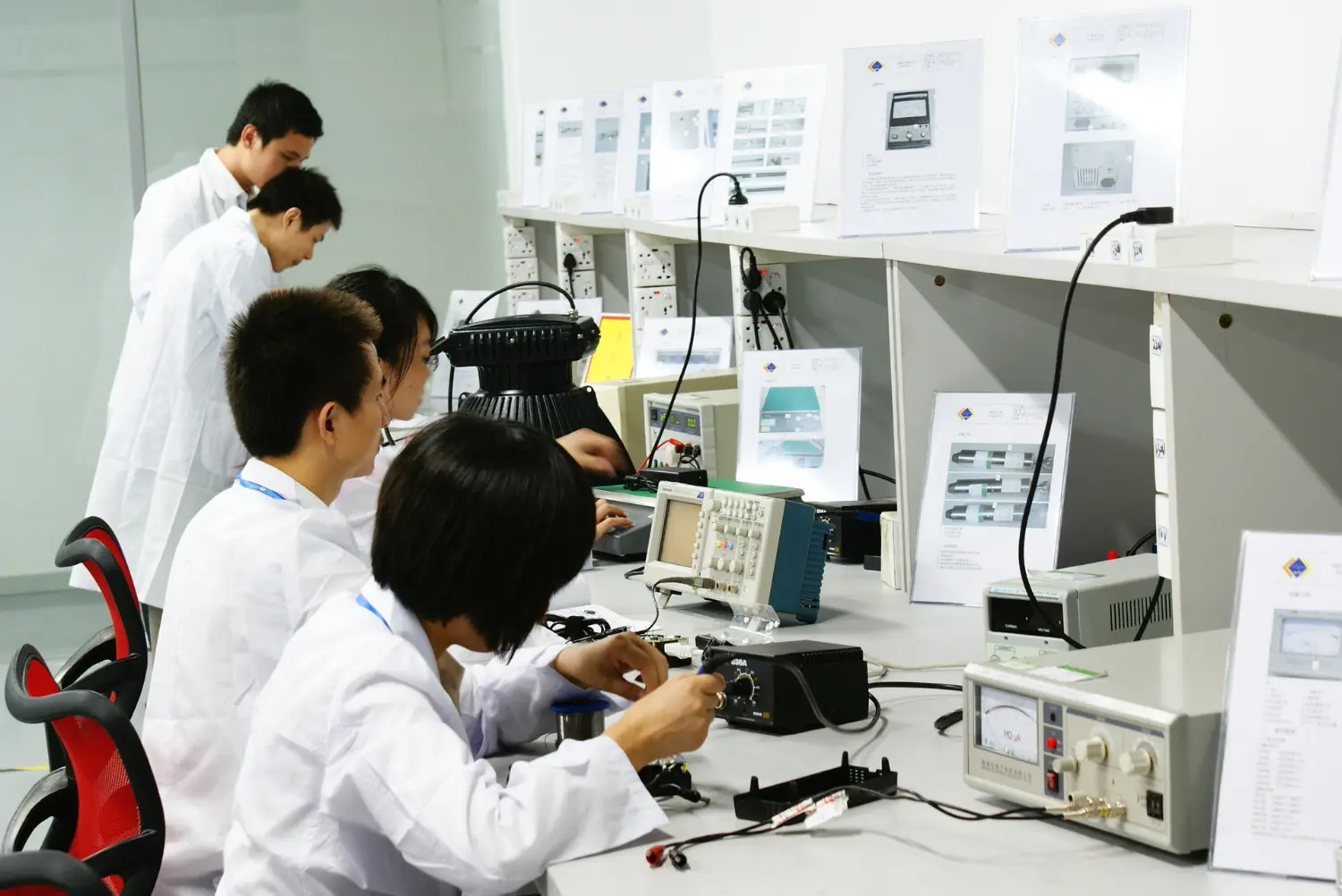
Soras Technology Facility Interior
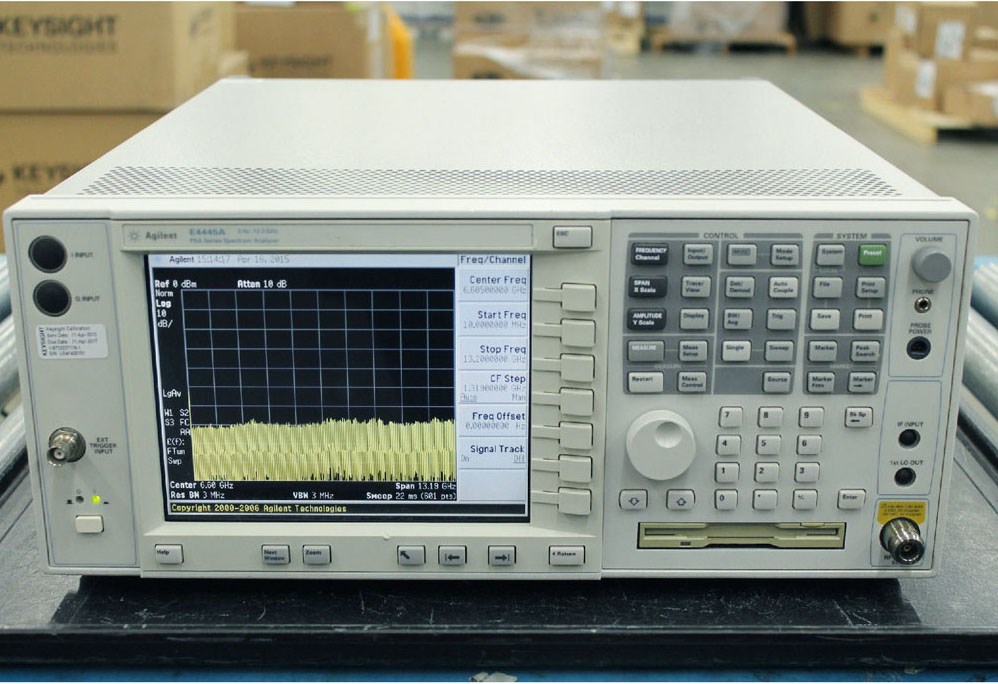
Soras Laboratory Equipment
Organizational Matrix & Market Dynamics
Business Type Manufacturer / OEM & ODM Exporter
HQ Location Guangdong, China
Established Year 2021
Total Workforce 11 - 50 People
Annual Revenue Scale US$5 Million - US$10 Million
Major Product Families FTTH ONU & OLT, SFP Transceivers, Fiber Media Converters, PoE Switches, and Industrial Network Equipment
Core Certificates ISO 9001, UL, CE, FCC, RoHS
Primary Markets Domestic (24.00%), Eastern Asia (15.00%), North America (15.00%), Europe, South America

Localized Application Scenarios: Where Fiber Meets Wi-Fi 4

From dense urban FTTH rollouts to remote industrial data capture platforms.

FTTH & Broadband Delivery

Fiber-to-the-home installations utilize XPON ONUs as the optical network terminal. Inside the residence, integrated Wi-Fi 4 handles essential consumer connections (smart speakers, legacy laptops, and utility meters) without the cost complexity of higher-generation chipsets, delivering stable broadband connectivity at optimal price points.

Industrial M2M Telemetry

On the factory floor, high-density machine-to-machine (M2M) communications rely on the 2.4 GHz spectrum for penetration through concrete and steel machinery. Media converters bridge optical backbones to physical copper ports, and localized Wi-Fi 4 routers gather sensor data from moving parts or hard-to-wire zones.

Smart Grid & Utility Monitoring

Municipal networks require secure, distributed nodes. Using Soras GPON OLT central units and outdoor transceivers, utility stations feed data back to municipal control rooms. Localized Wi-Fi 4 links smart meters over large urban zones, maintaining high reliability and a minimal infrastructure budget.

Technical Q&A: Understanding Wi-Fi 4 and Fiber Infrastructure

Clear, authoritative technical answers to common engineering and procurement queries.

Q1: Why choose Wi-Fi 4 (802.11n) over newer Wi-Fi 6 (802.11ax) standards in industrial setups?
Wi-Fi 4 (802.11n) remains the benchmark for industrial telemetry due to two main features: propagation performance and cost. The 2.4 GHz band utilized by Wi-Fi 4 offers longer wavelengths that penetrate industrial barriers (concrete walls, metal structures) more effectively than the 5 GHz or 6 GHz frequencies of modern standards. Additionally, the licensing and hardware costs of Wi-Fi 4 chipsets are significantly lower, allowing for cost-effective deployment across hundreds of telemetry endpoints.
Q2: What is the relevance of CE Certification for networking hardware exported from China?
CE certification indicates that the networking hardware satisfies European Union health, safety, and environmental protection standards (specifically the Radio Equipment Directive 2014/53/EU). Without it, equipment cannot be legally sold or installed within the European Economic Area. This certification guarantees electromagnetic compatibility (EMC), minimizing the risk of signal disruption in environments operating critical network hardware.
Q3: How do Soras fiber media converters integrate into a legacy Wi-Fi 4 network?
Soras fiber media converters bridge optical fiber backbones (which transfer data over long distances with minimal attenuation) and standard copper Ethernet interfaces (RJ45). This allows local Wi-Fi 4 access points to connect directly to single-mode fiber links, extending the local wireless footprint up to 20km or even 120km away from the central switch or OLT.
Q4: What testing protocols are used to ensure the reliability of Soras transceivers and ONUs?
Every product batch at Shenzhen Soras Technology undergoes a strict quality assurance sequence, including Automated SMT alignment checks, Wi-Fi calibration, High-Low Temperature cycle tests (ensuring performance under extreme thermal loads), simulation testing for continuous uptime, and bit error rate (BER) checks to guarantee data integrity across optical channels.
Q5: Can Soras customize ONU and OLT firmware for international telecommunication carriers?
Yes, through our dedicated OEM and ODM services. We offer custom firmware options—including multilingual user interfaces, specific TR-069 auto-configuration parameters, customized GPON/EPON compatibility, and branding adjustments—tailored to the technical specifications of global carriers and service providers.

Industrial Network Accessories & High-Power Optical Units

Complete your physical layer infrastructure with our high-power transceivers, ONUs, and optical media systems.
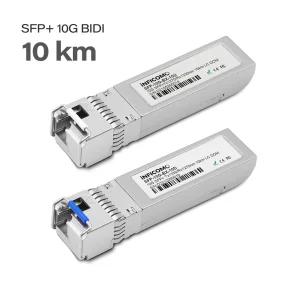
10G BiDi 10km SFP+ Transceiver Module
10G BiDi 10km SFP+ 1270nm/1330nm Simplex LC SMF Fiber Optic Transceiver Module
View Details
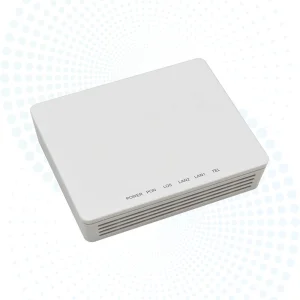
XPON ONU HG8120C EG8120L FTTH ONT
XPON ONU HG8120C EG8120L 1GE+1FE+1Voice Port FTTH ONT SC UPC Fiber Modem
View Details
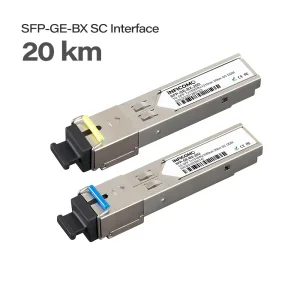
1.25G BIDI 20km SC Connector SFP Module
1.25G BIDI 20km SC Connector 1310nm/1550nm WDM SFP Module Fiber Transceiver for AI Databases
View Details
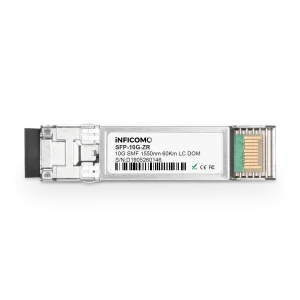
Low-power-consumption 10G SFP+ Module
Low-power-consumption 10G SFP+ Module Duplex SM 1550nm 60km LC DDM SFP Transceiver SFP-10G-ZR
View Details
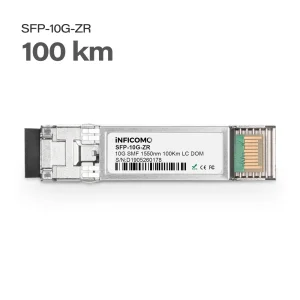
100km SFP-10G-ZR 10G SFP+ Transceiver
100km SFP-10G-ZR 10G SFP+ Transceiver Module with 1550nm LC Connector 10Gbps SMF Fiber Optic Transceivers
View Details
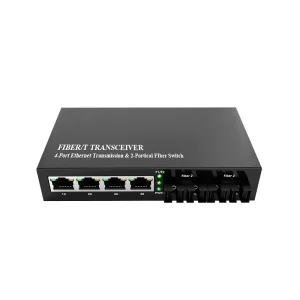
10/100/1000Mbps Media Converter
10/100/1000Mbps 4 RJ45 2 SC Single Mode Single Fiber Port Media Converter 0~120km FTTH CCTV
View Details
WIFI6 ONU F6610M 4GE XPON ONT
WIFI6 ONU F6610M 4GE XPON ONT Dual Band WIFI English Firmware the Same As HS8546X6/HS8346X6/HS8145X6
View Details
FTTH GPON ONU HG8310M Optical Network Terminal
FTTH GPON ONU HG8310M HG8010 1GE Optical Network Terminal SC/UPC
View Details