Explore our leading selection of 40G, 10G transceivers, media converters, and distribution components tailored for modern high-speed multimode and single-mode systems.
As enterprise storage area networks (SANs) and global data centers expand to support machine learning, artificial intelligence (AI), and high-performance computing (HPC), optical transmission speeds have transitioned from historical 10G standards to ultra-high-speed 40G, 100G, and 400G configurations. Multimode fiber (MMF) infrastructure remains the foundation for short-reach high-density transmission within these environments.
Compared to single-mode fiber systems, multimode setups utilize vertical-cavity surface-emitting lasers (VCSELs) operating at 850nm or 953nm. This optical coupling method dramatically lowers transceiver manufacturing costs. High-density MPO/MTP connector configurations, paired with OM3, OM4, or OM5 cabling, allow enterprises to maximize throughput over distances up to 150 meters, striking the ideal balance between initial investment (CapEx) and operational efficiency (OpEx).
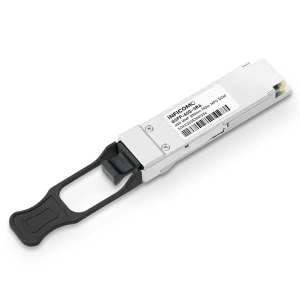
1. Reduced Component Cost: Transceivers like our MPO-compatible 40GBASE-SR4 use cost-efficient 850nm VCSEL arrays instead of expensive DFB or EML single-mode lasers.
2. Simplified Alignment: The larger core diameter of multimode fiber (50 microns vs. 9 microns in single-mode) eases connector mating, reducing installation labor and maintenance sensitivity to dust.

How OM5, SWDM, and Advanced Optical Alignment are Shaping Next-Generation Interconnects.
OM5, the newest standard in wideband multimode fiber (WBMMF), supports Shortwavelength Wavelength Division Multiplexing (SWDM). By multiplexing four distinct wavelengths (850nm, 880nm, 910nm, and 953nm) over a single core, OM5 delivers a fourfold capacity boost over OM4. This allows legacy dual-LC networks to achieve 100Gb/s speeds without shifting to MPO architectures.
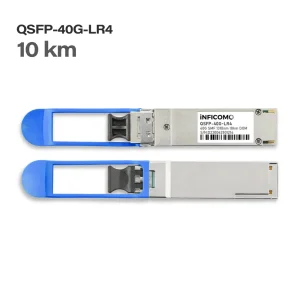
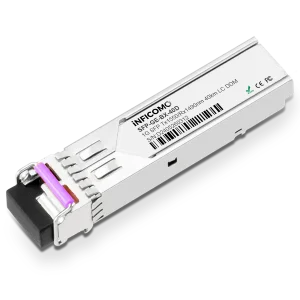
To support modern 400G and 800G optical engines, modern data centers rely on ultra-high-density MPO-12/APC and MPO-24 connectors. These arrays pair with active equipment (such as our QSFP-40G-PLRL4 and QSFP-40G-SR4 transceivers) to maximize link budgets and minimize signal degradation at high transmission rates.
High-speed data pathways demand low insertion loss and high return loss. Our transceivers and media converters incorporate high-reliability drivers that compensate for modal dispersion, maintaining zero packet loss even in harsh electromagnetic environments or over extended short-reach bounds.
Optimized deployment of multimode fiber networks and active equipment across industries.
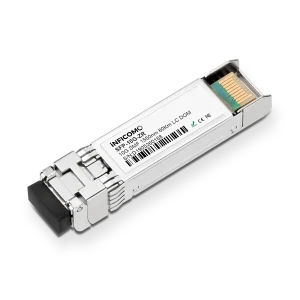
In modern Spine-Leaf topologies, multimode cabling serves as the backbone connection between Top-of-Rack (ToR) switches and core distribution layers. Using OM4 cables paired with 40G QSFP+ SR4 transceivers, network engineers build non-blocking fabric architectures that scale easily to 100G and 400G, keeping latency low for cloud computing workloads.
Within financial processing systems, every microsecond counts. Standardizing on high-grade OM4 multimode cables and ultra-low latency SFP+ modules ensures transactions clear instantly without transceiver-induced jitter. This configuration provides the high reliability required for mission-critical banking environments.
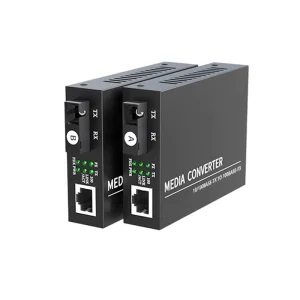
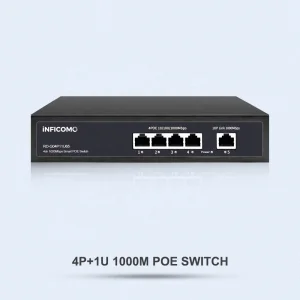
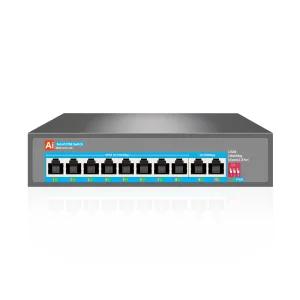
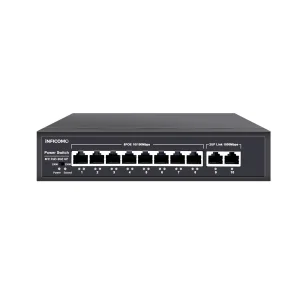
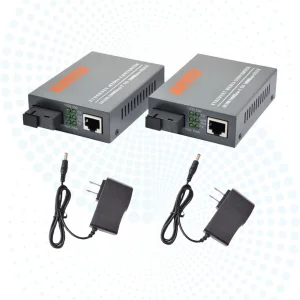
Industrial sites and campus environments use multimode cabling to link remote IP cameras with central command centers. By pairing fiber media converters with Gigabit PoE switches, facilities can extend network reach far beyond standard copper limits (100m) while delivering power to edge cameras, dome rigs, and access control terminals.
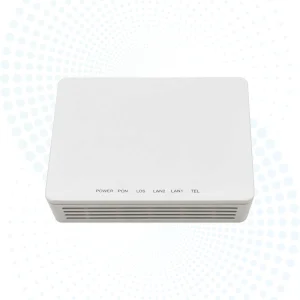
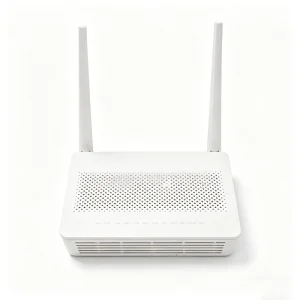
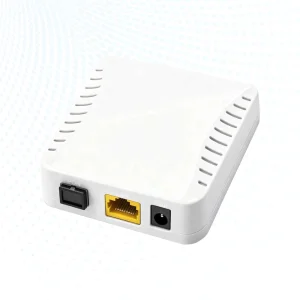
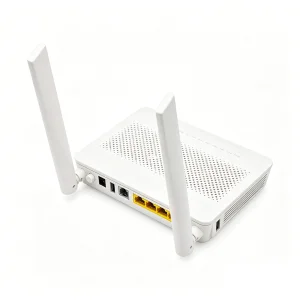
As gigabit broadband reaches residential areas, telecommunications companies rely on robust passive optical networks (PON). Systems built with high-quality GPON ONUs (like our HG8120C and EG8145V5) deliver voice, data, and HD video directly to end users, keeping packet loss at zero and connection speeds high.
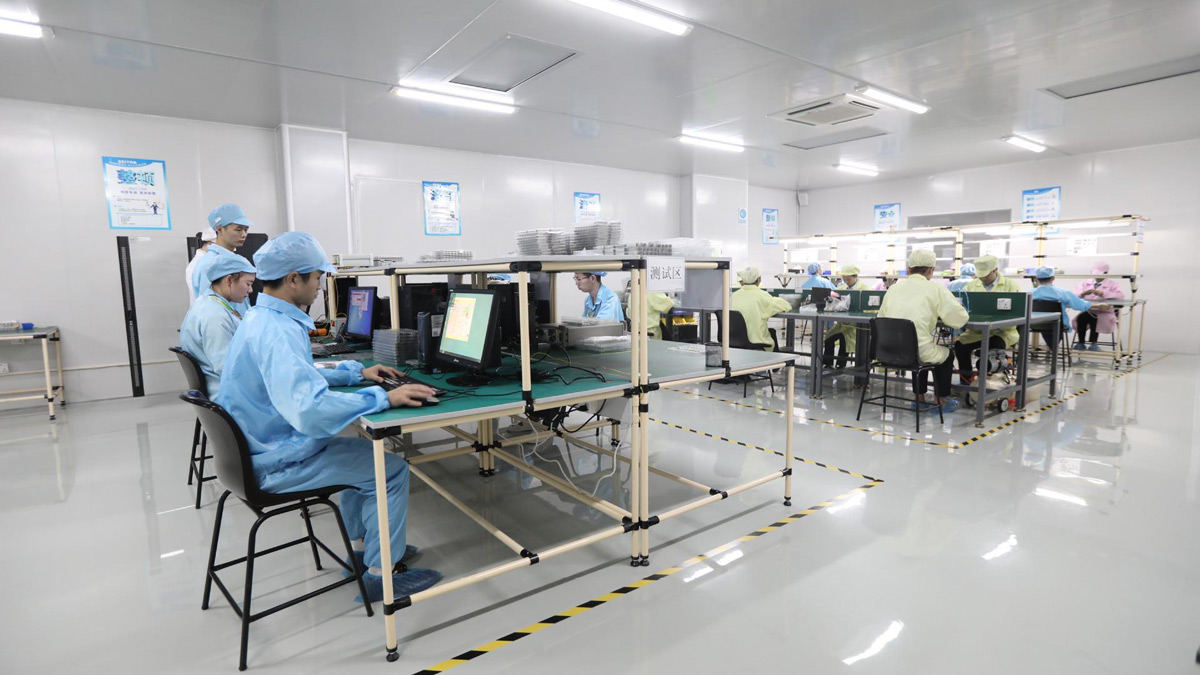
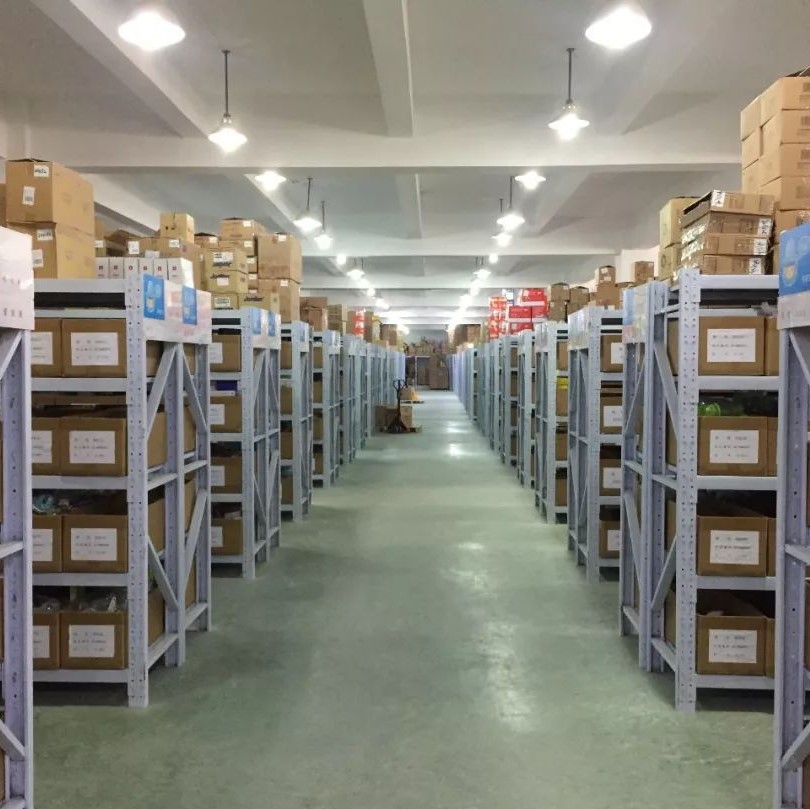
Shenzhen Soras Technology Co., Ltd. sits at the heart of the world’s most advanced electronics manufacturing cluster in Guangdong, China. This strategic location gives us direct access to high-quality optical component ecosystems, from raw silica preforms to sub-micron optical alignment machinery.
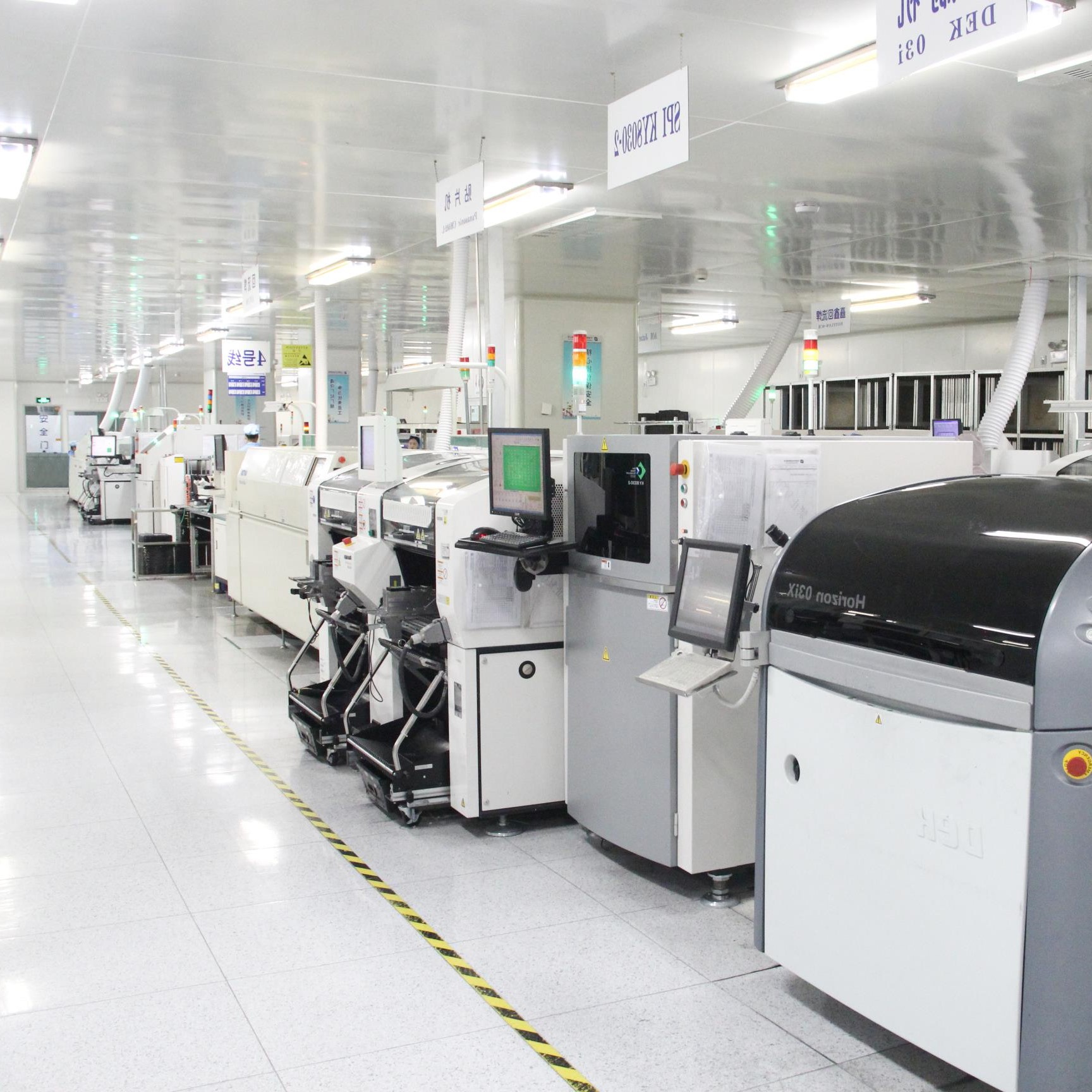
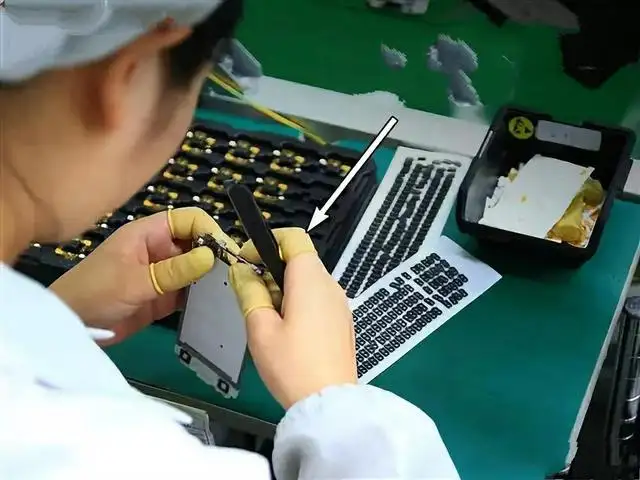
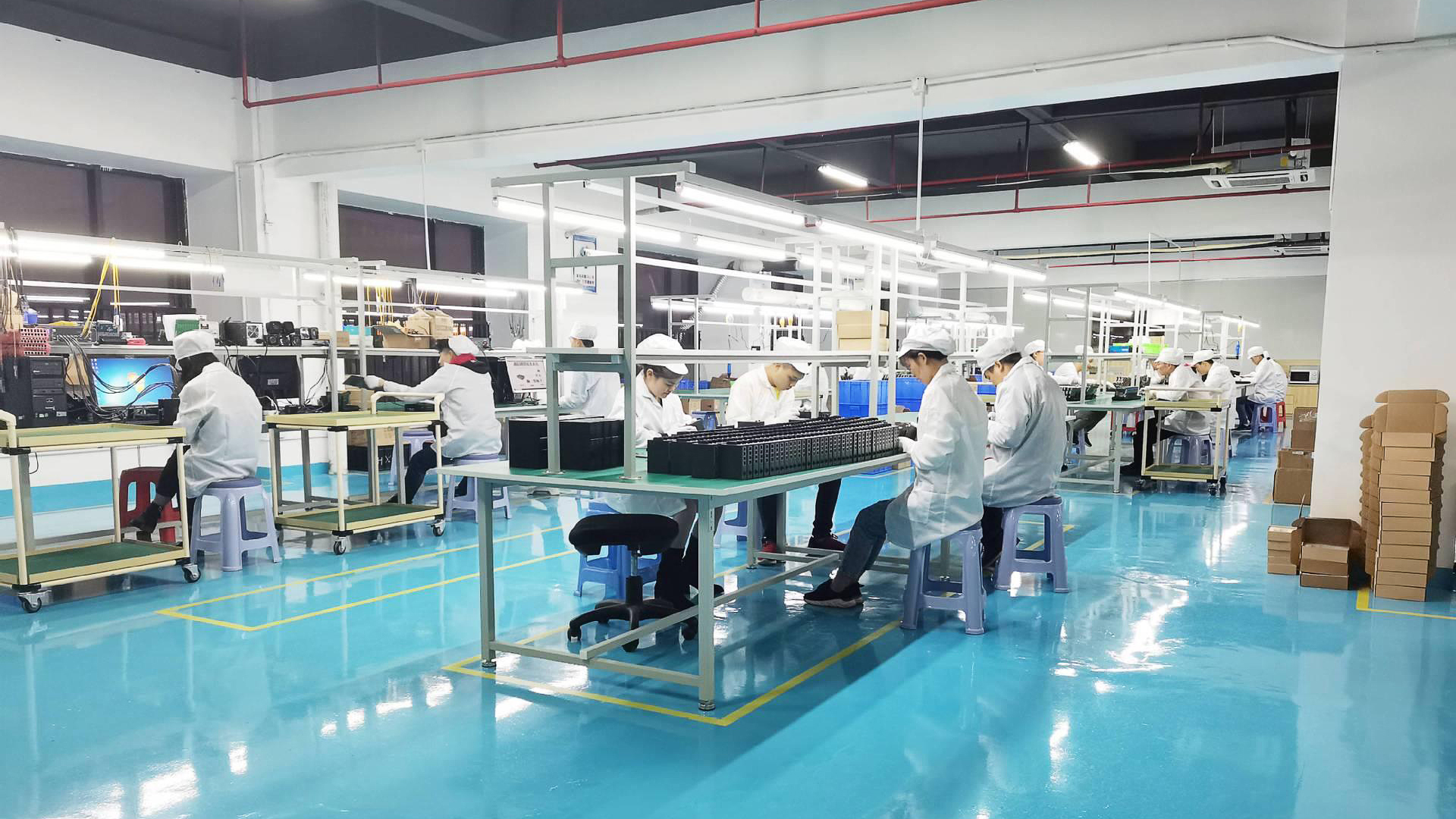
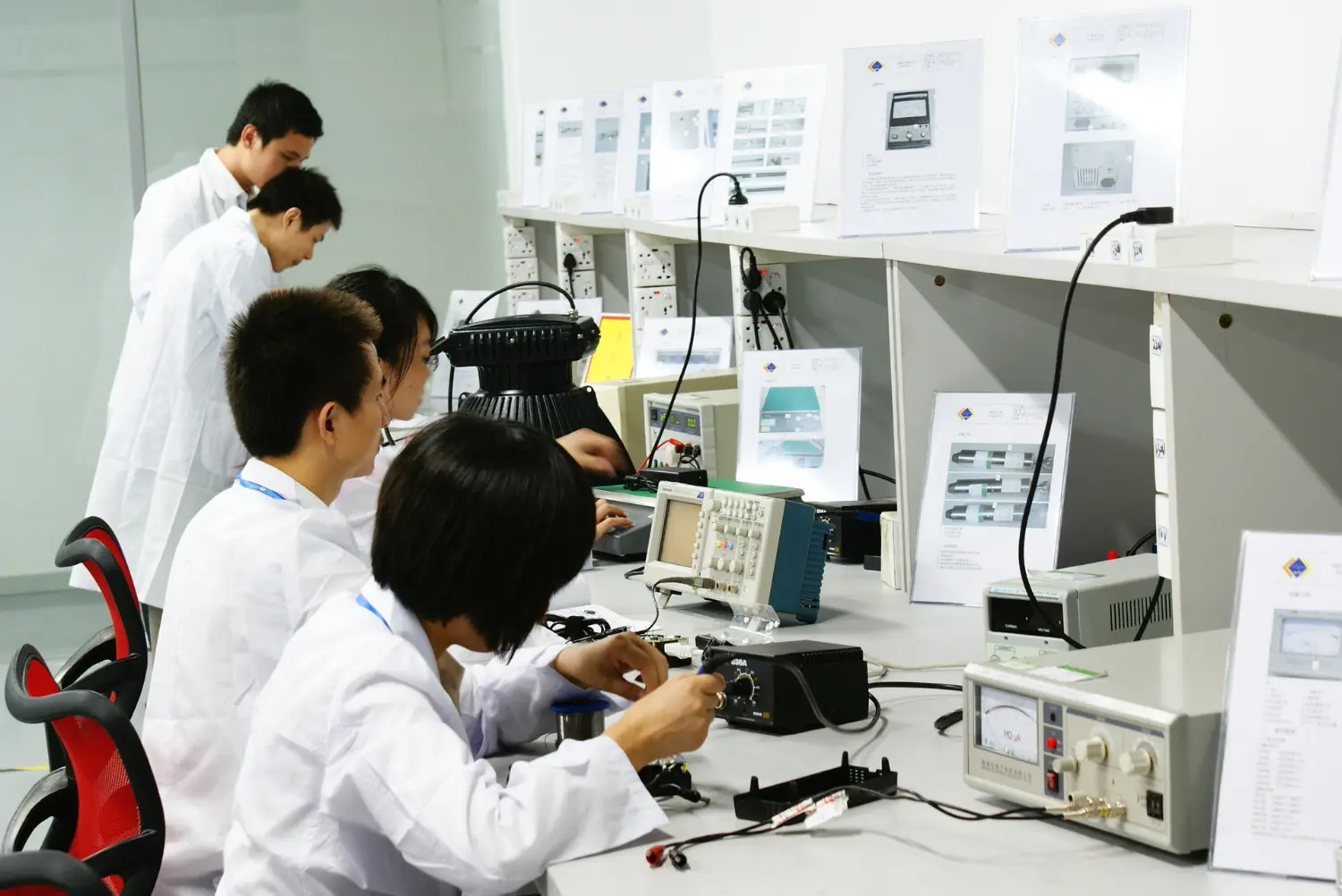
By integrating R&D, surface-mount technology (SMT) lines, precision assembly, and multi-stage testing within our facility, we control production costs while maintaining high quality. This tight integration allows us to offer shorter lead times and adapt quickly to custom OEM/ODM requests from telecommunications providers worldwide.
Our ISO 9001 certified workflow, supported by an experienced R&D team, ensures that every transceiver, media converter, and switch shipped to our partners in South America, North America, and Europe meets international performance standards.
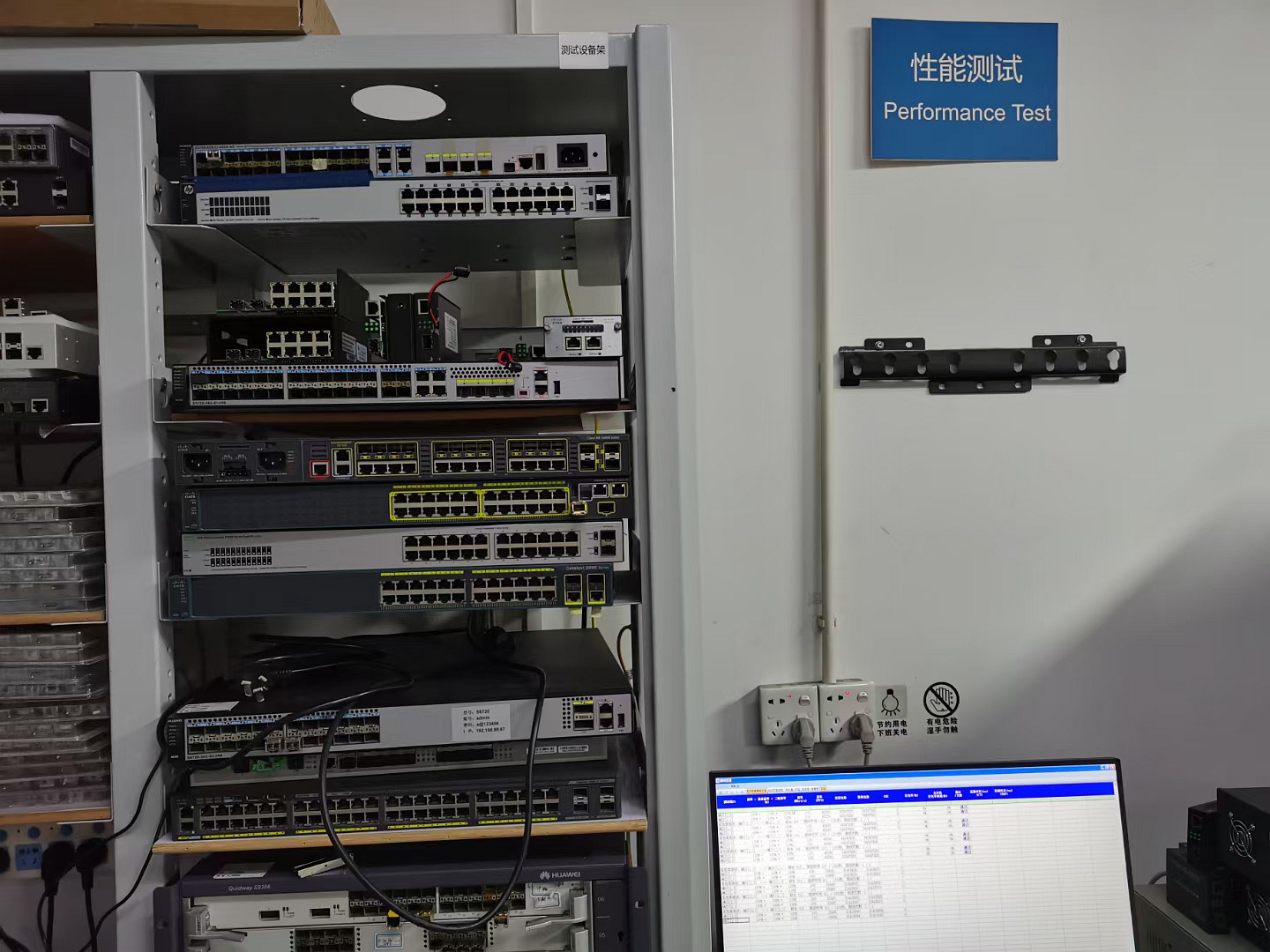
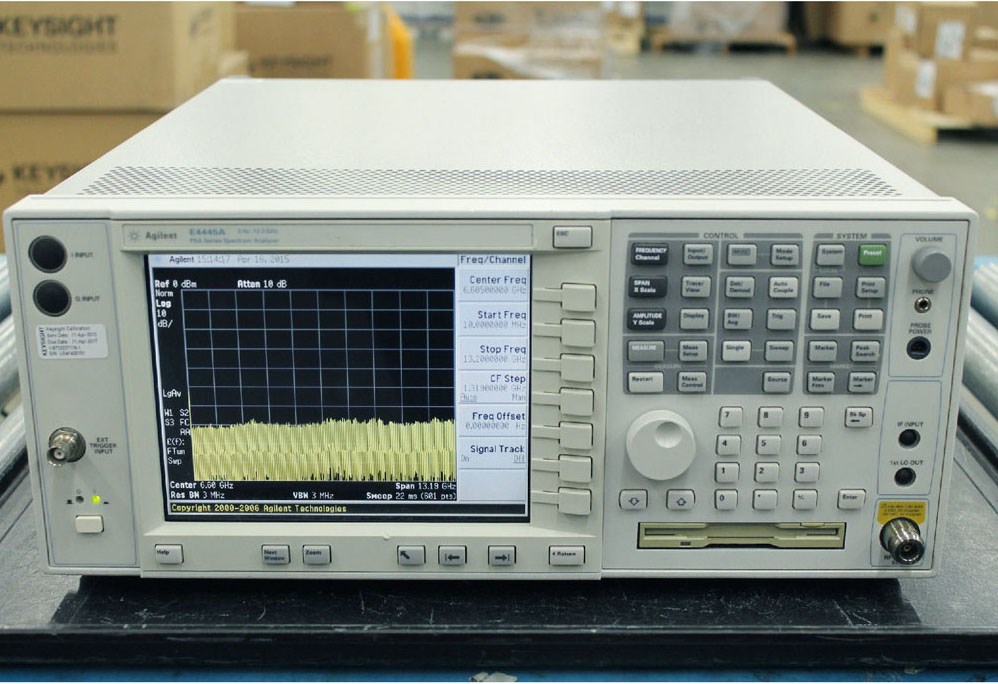
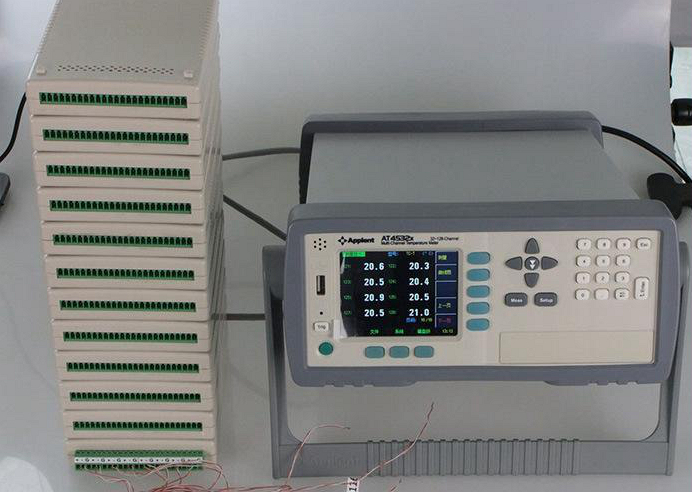
A deep dive into our manufacturing floor, testing labs, and strict quality control processes.
| Business Parameter | Detailed Specifications | Global Compliance & Standards |
|---|---|---|
| Company Entity | Shenzhen Soras Technology Co., Ltd. (Established 2021) | ISO 9001:2015 Quality Management System Certificate |
| Primary Product Line | FTTH ONU & OLT, SFP Transceivers, Fiber Media Converters, PoE Switches | CE, FCC, RoHS, UL Product Safety Certifications |
| Core Markets | South America, North America, Eastern Asia, Europe | Designed for telecom operator compatibility globally |
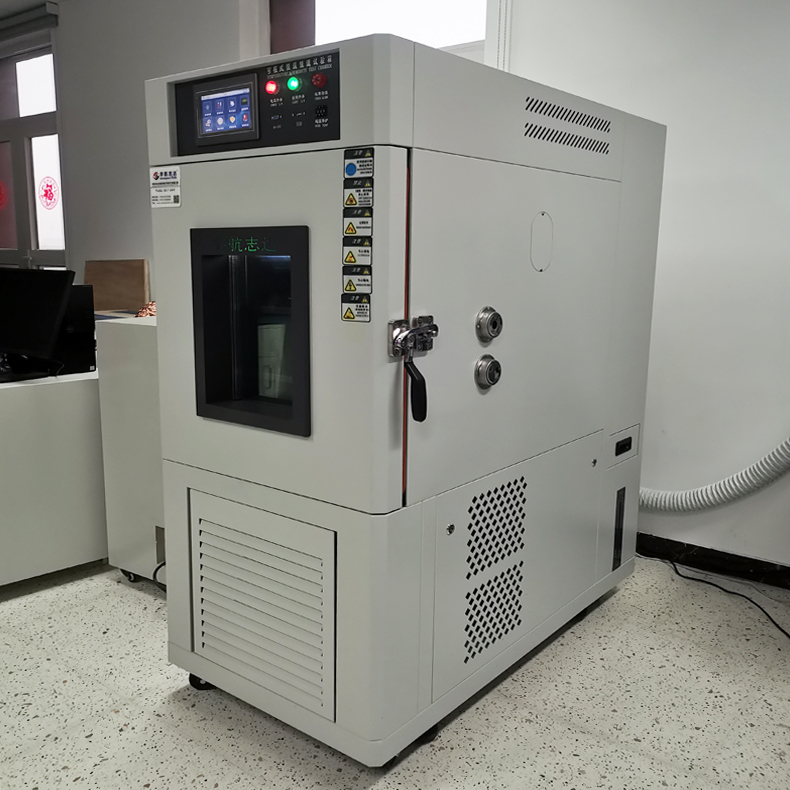
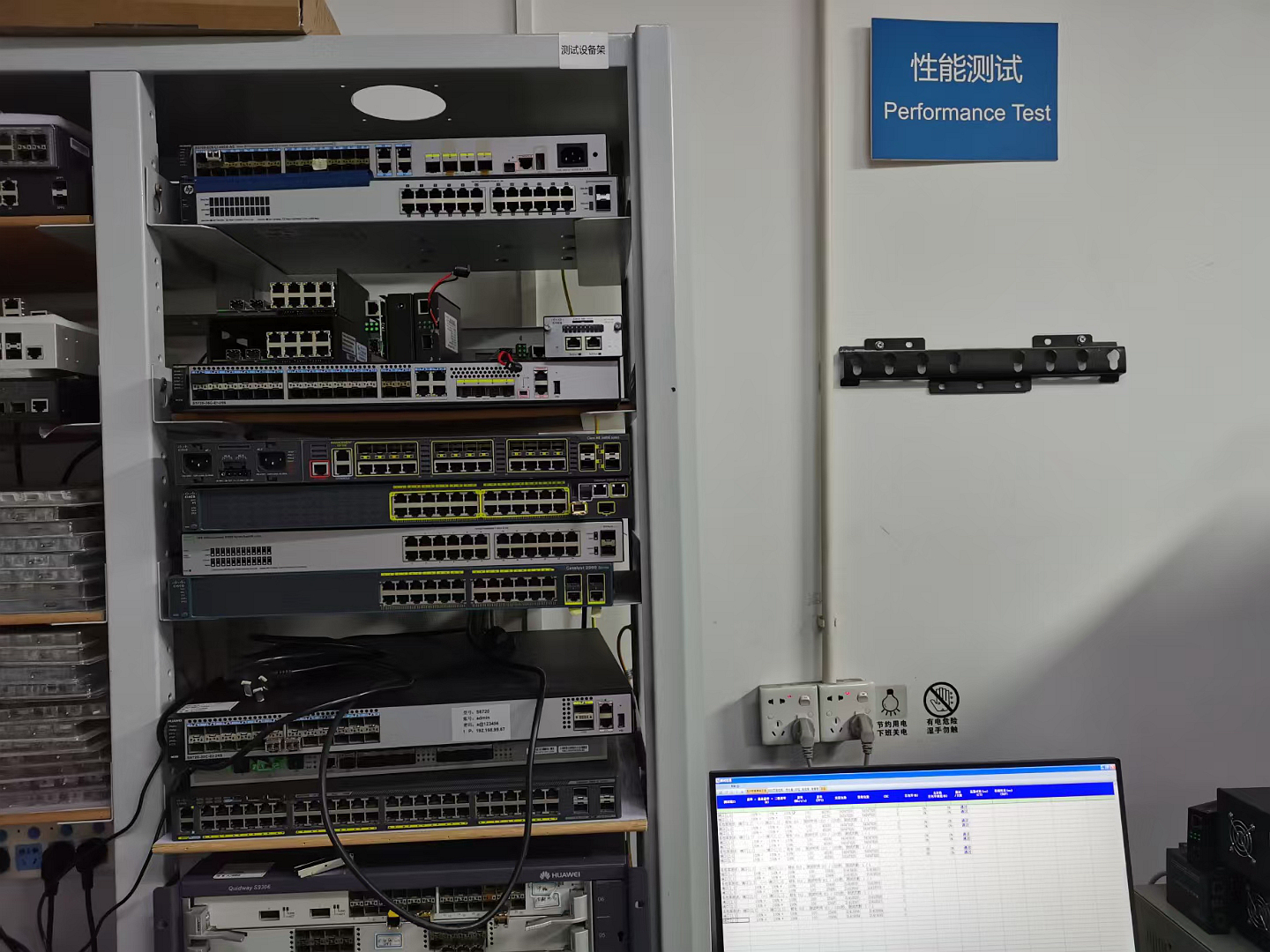
| Testing Capability | In-house SMT, High-Low Temp, Wifi Calibration, Error and Simulation Testing | 100% component testing before packaging and shipping |
Every transceiver module, media converter, and ONU undergoes rigorous testing. From incoming components to SMT assembly and final environment simulation, our quality control process ensures reliable performance in the field.

Expert answers to common engineering and sourcing questions about multimode systems.
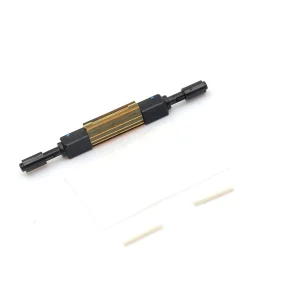
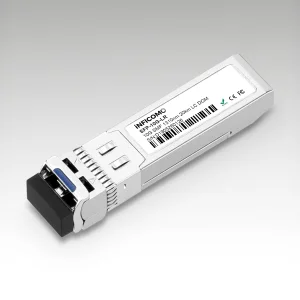
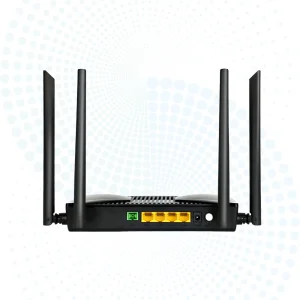
High-reliability optical accessories and terminal nodes engineered for deployment across enterprise networks.
 Soras Tech