High-reliability active and passive network hardware engineered for telecom networks, data centers, and FTTx deployments.
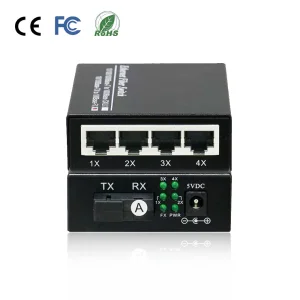
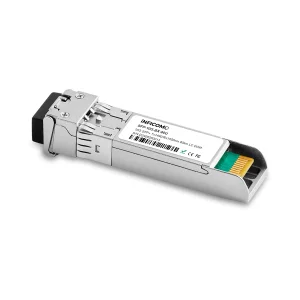
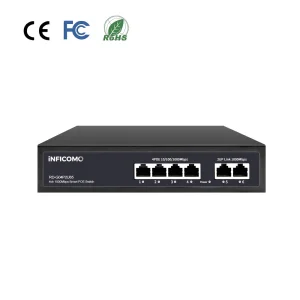
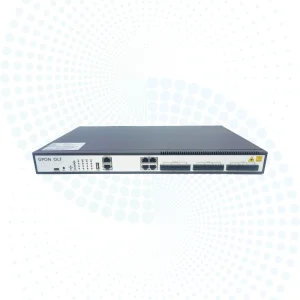
In the modern hyper-connected landscape, optical infrastructure serves as the fundamental bedrock of digital economies. While large-scale hardware such as active optical switches, core network transceivers, and gigabit switches dominate high-level design conversations, passive connectivity components like fiber optic adapters—often referred to as fiber couplers—are the unsung heroes. These high-precision mechanisms align tiny fiber cores (typically only 9 microns in single-mode fibers) to ensure uninterrupted, low-loss light transmission. As speeds scale from 10G to 400G and even 800G, the margin of error in component alignment narrows to zero.
This whitepaper explores the critical engineering paradigms, manufacturing rigorousness, and commercial considerations of selecting custom OEM fiber optic adapter partners. We details how professional production lines implement zero-defect strategies, why alignment sleeves impact long-term insertion loss, and how leading global suppliers guarantee performance across diverse network typologies.
The fundamental function of a fiber optic adapter is to mate two connectors securely while maintaining precise concentricity between their fiber cores. When dealing with single-mode fibers, even a sub-micron offset can lead to significant insertion loss (IL) and back reflection, known as return loss (RL). The choice of internal alignment sleeves—specifically Zirconia Ceramic versus Phosphor Bronze—defines the adapter's structural tolerance and environmental lifecycle.
"An alignment sleeve is the core components of the fiber optic adapter. Zirconia Ceramic sleeves provide optimal concentricity and thermal stability, achieving an average insertion loss of <0.2dB under continuous operational stress. Phosphor bronze is suitable for less critical applications but fails to match zirconia's durability in high-density data centers."
OEM manufacturers who specialize in high-performance adapters design custom housings using high-grade engineering polymers (such as polyetherimide or premium ABS/PC blends) to resist deformation under high lateral stress. Additionally, customization options include flanged or flangeless configurations, color-coding based on fiber types (LC APC green, LC UPC blue, OM3 aqua, OM4 violet), and integrated dust shutters to protect unmated adapters from particulate contamination.
As optical architectures evolve towards Co-Packaged Optics (CPO) and silicon photonics, the density requirements at the patch panel and transceiver interface are rising dramatically. The industry is moving beyond standard duplex LC connectors to high-density layouts such as VSFF (Very Small Form Factor) connectors, including MDC and SN, which allow up to three times the density of standard LC connectors.
Simultaneously, the deployment of multicore fibers (MCF) and hollow-core fibers requires adapters capable of precise rotational keying and sub-micron alignment. The roadmap also highlights smart optical adapters embedded with physical status monitors or RFID tags to enable automated infrastructure management (AIM). These intelligent ports dynamically alert network administrators to loose connections or physical tampering.
| Parameters | Standard Solutions | Advanced OEM Tier 1 | Next-Gen Optical Adaptations |
|---|---|---|---|
| Insertion Loss (IL) | < 0.30 dB | < 0.15 dB | < 0.10 dB (Ultra-low loss) |
| Return Loss (RL) | > 45 dB (UPC) / > 55 dB (APC) | > 50 dB (UPC) / > 65 dB (APC) | > 55 dB (UPC) / > 70 dB (APC) |
| Mating Durability | 500 cycles | 1,000 cycles | 2,500+ cycles (High-durability zirconia) |
| Temperature Operating Range | -20°C to +70°C | -40°C to +85°C | -55°C to +125°C (Military/Industrial grade) |
Optical adapters do not exist in isolation; they are deployed within complex systems designed for diverse environments. Customized OEM products are developed to resolve environmental and performance challenges in several key industries:
Adapters used in FTTH (Fiber-to-the-Home) must withstand outdoor conditions, including temperature swings and humidity. OEM SC/APC adapters with IP-rated weatherproofing and high return loss are standard for preventing reflection interference in GPON/EPON architectures.
In high-density environments, space is premium. Duplex/Quad LC and MTP/MPO adapters with flangeless housings are used to minimize horizontal space, allowing up to 144 fiber ports in a single 1RU patch panel.
CCTV cameras and traffic management systems rely on Ethernet media converters and PoE switches. Custom adapters integrated into hardened fiber boxes ensure stable data feeds in industrial environments.
10+ Years of Manufacturing Excellence in Optical Transmission & Network Equipment
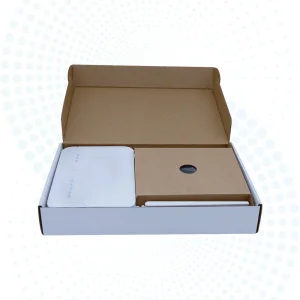
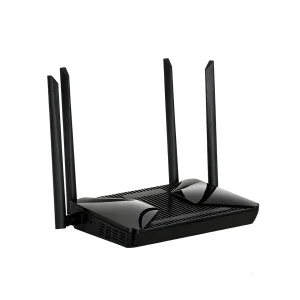
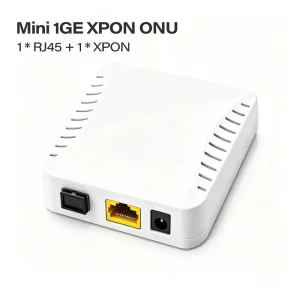
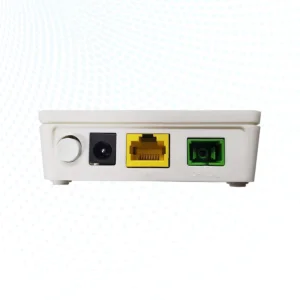
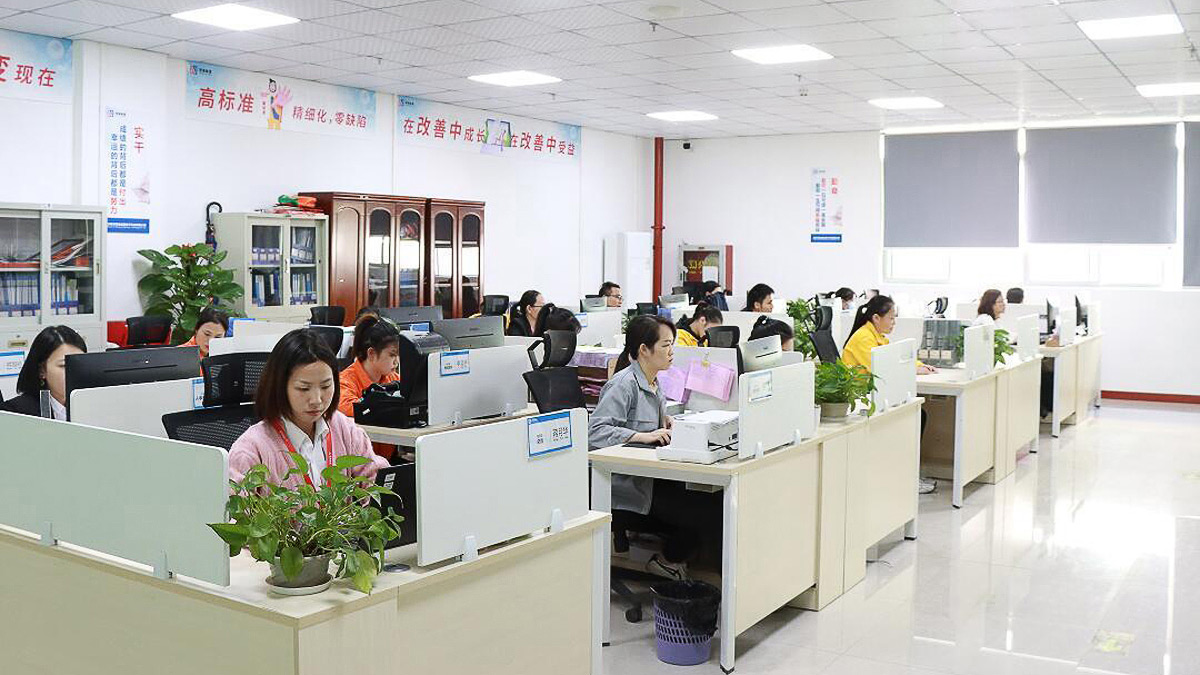
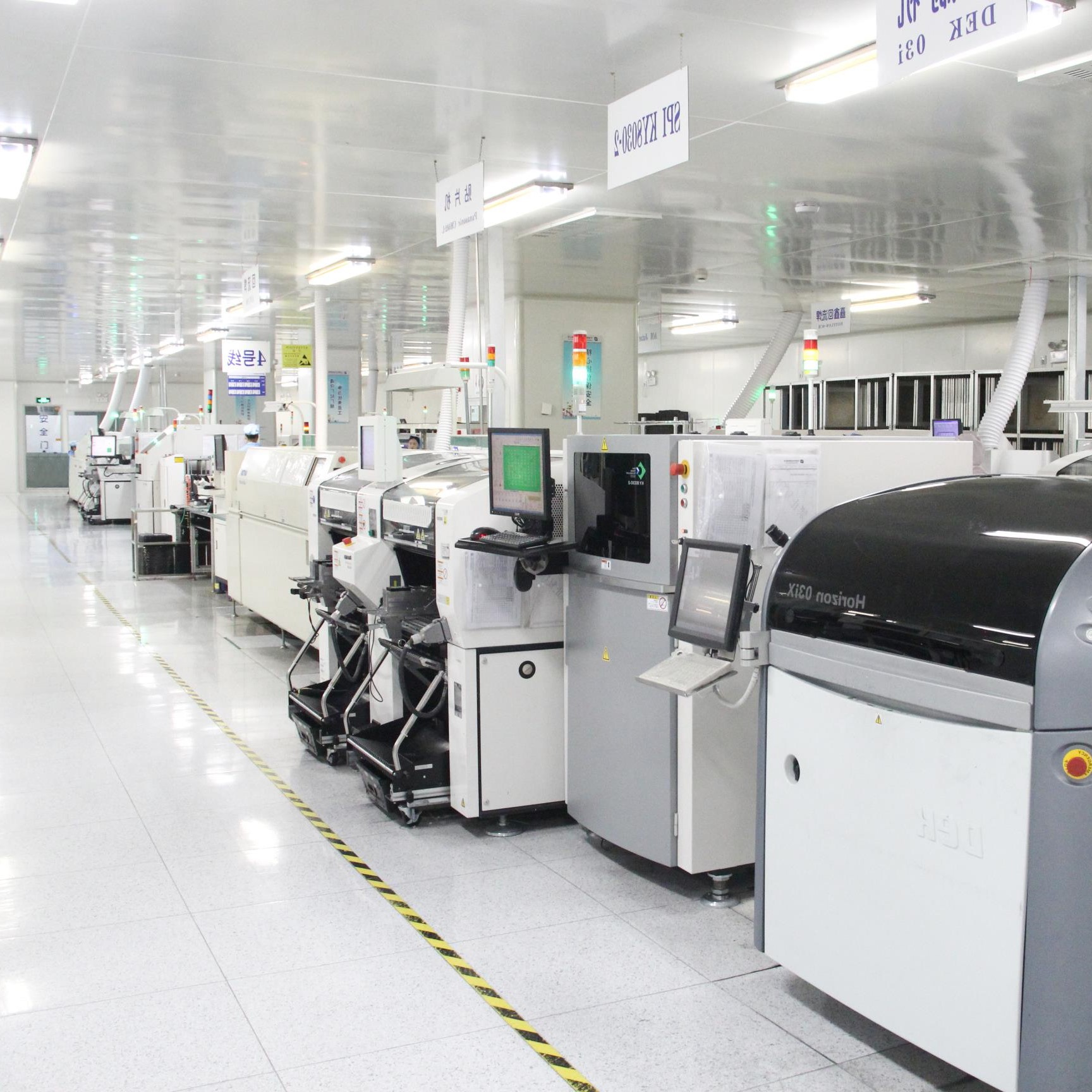
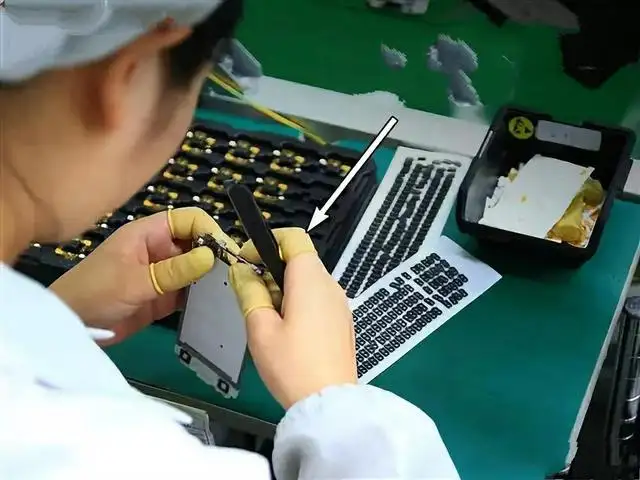
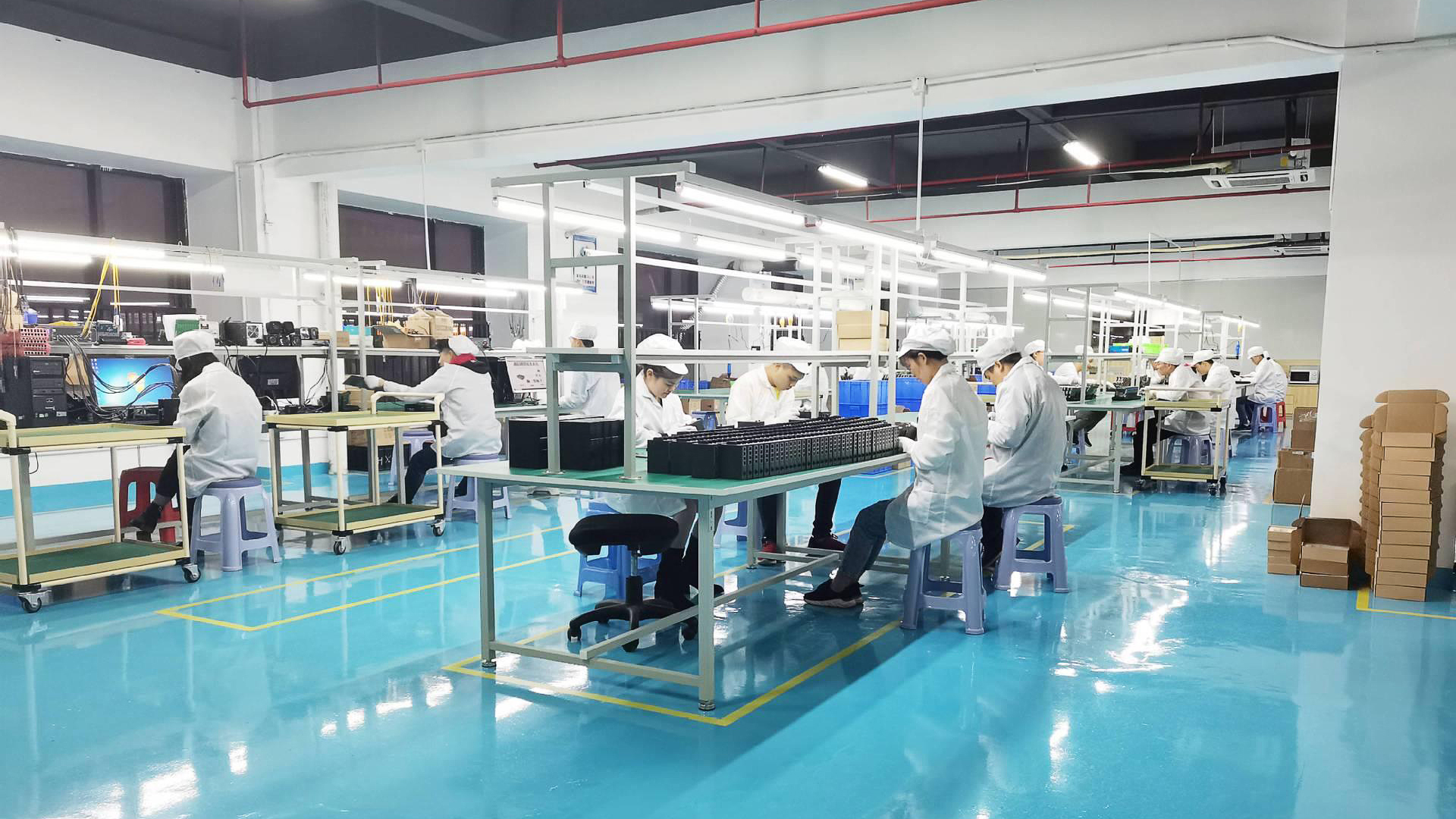
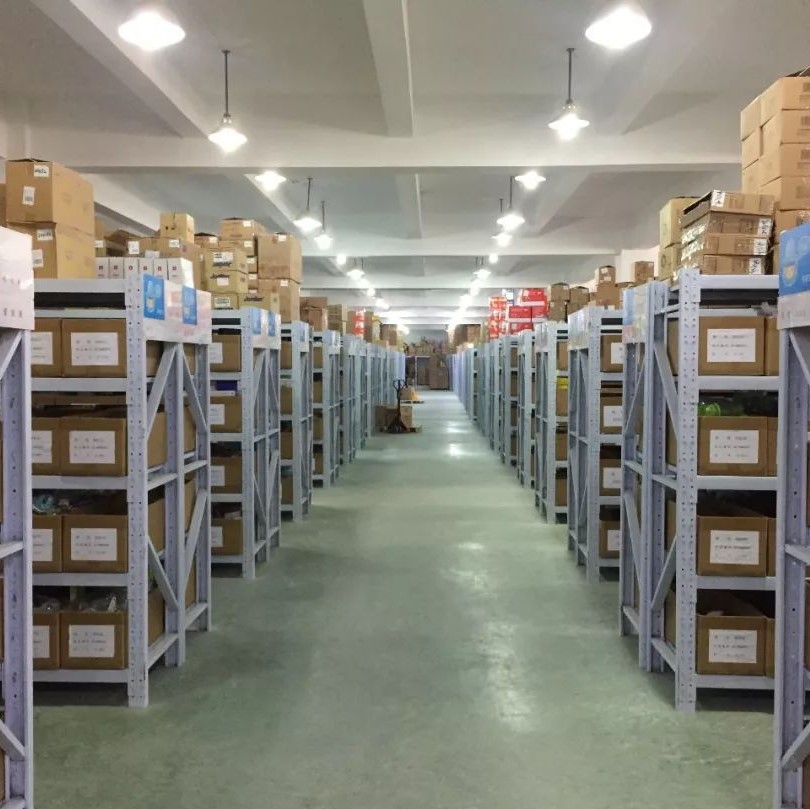
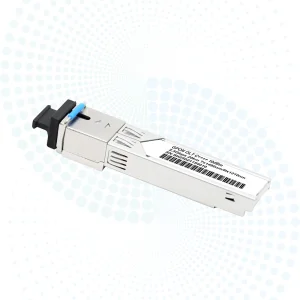
Operating from Guangdong, China, Shenzhen Soras Technology Co., Ltd. implements Factory 4.0 manufacturing processes to ensure high-capacity production, speed to market, and product quality. By combining automated assembly lines with advanced surface-mount technology (SMT), we produce high-performance optical network gear, including Fiber Media Converters, SFP Transceivers, POE Switches, GPON/EPON ONU modems, and OLT equipment.
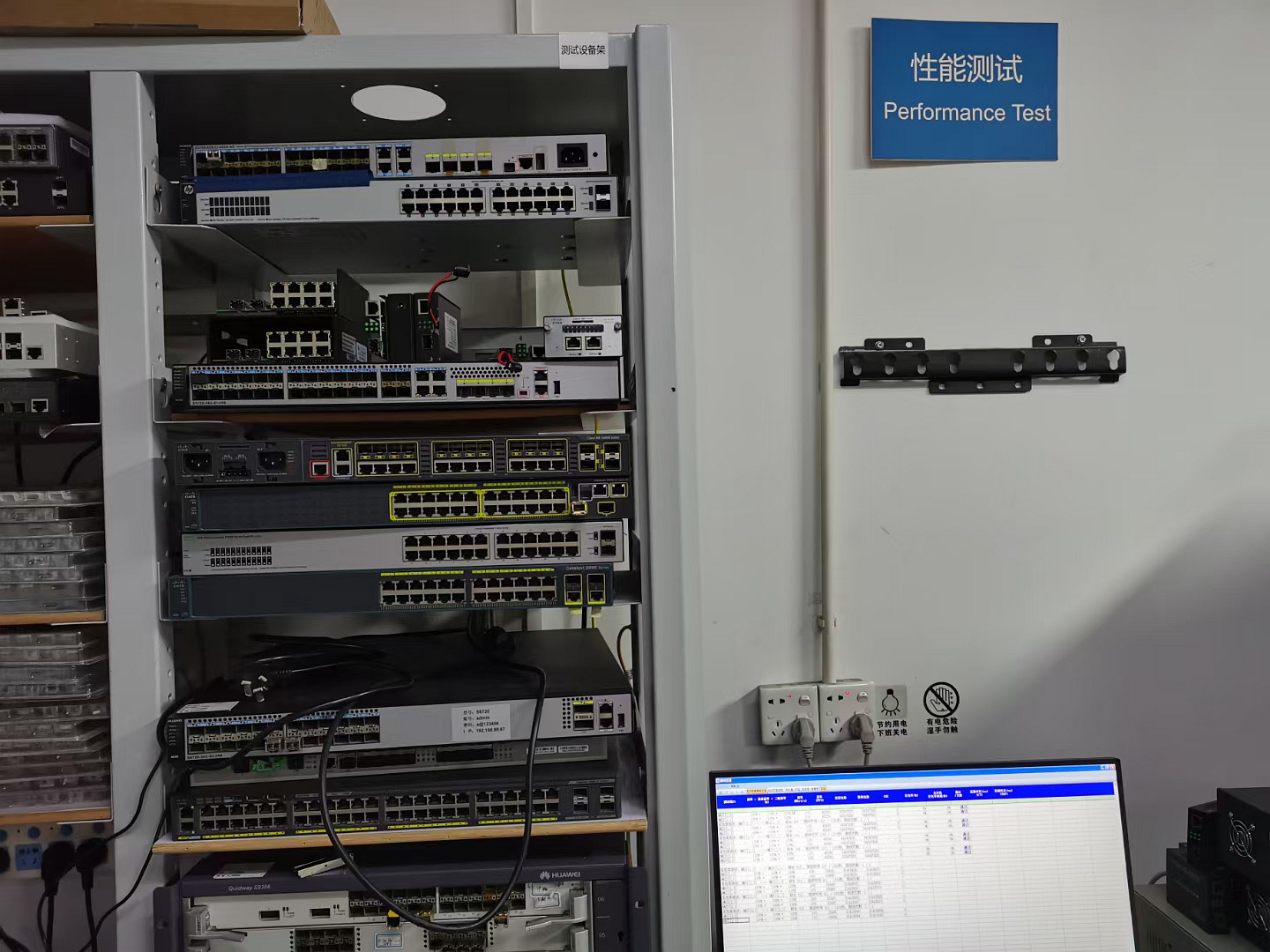
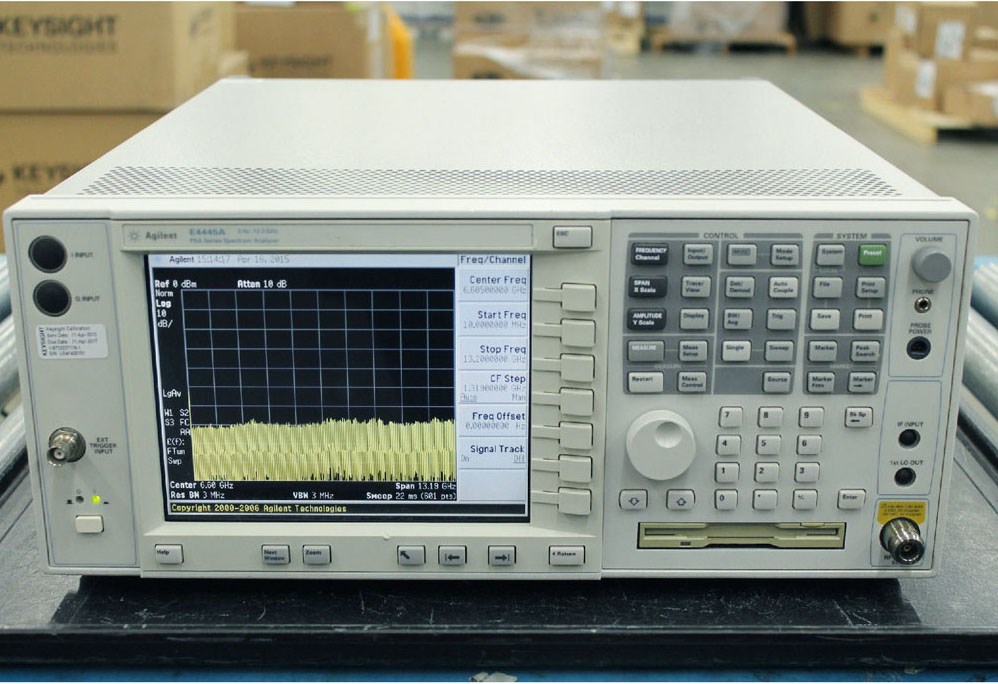
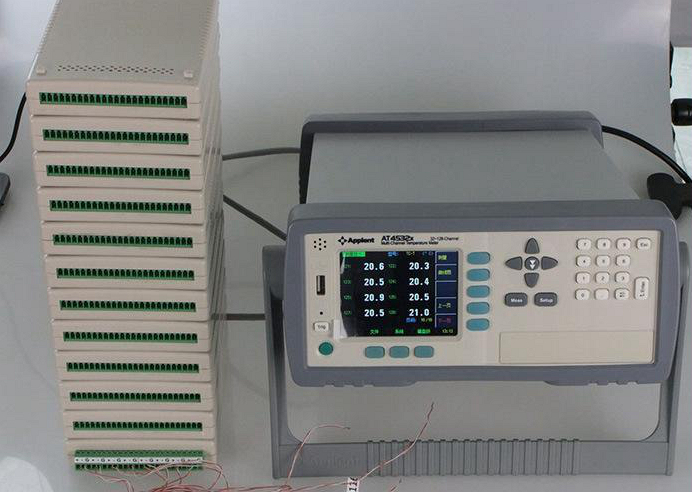
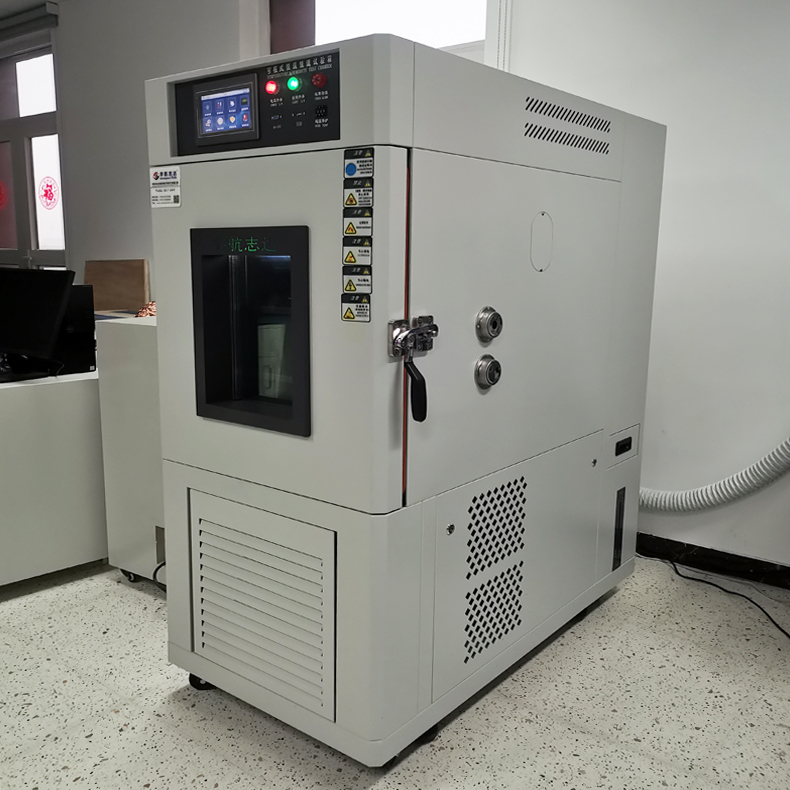
Our manufacturing capability is backed by a complete quality control system, featuring automated 3D optical interferometers to inspect adapter face geometry, digital insertion loss testers, and extreme high-low temperature simulation chambers. This testing ensures that every custom run of adapters, transceivers, and media converters can operate reliably in harsh industrial and outdoor environments.
| Shenzhen Soras Technology Co., Ltd. - Corporate Statistics | |||
|---|---|---|---|
| Business Type | Manufacturer & Exporter | Country / Region | Guangdong, China |
| Main Products | FTTH ONU & OLT, SFP Transceiver Modules, Fiber Media Converters, PoE Switches, Custom Adaptors | Total Employees | 11 - 50 People |
| Total Annual Revenue | US$5 Million - US$10 Million | Year Established | 2021 |
| Global Markets | South America, North America, East Asia, Domestic Market, Europe (Exports to 60+ countries) | Compliance Certs | ISO 9001, UL, CE, FCC, RoHS |
For international telecommunication companies and enterprise network integrators, procuring optical components from China requires more than just low unit pricing. It demands compliance with international standards, quality guarantees, and stable logistics.
Soras is committed to compliance, with products certified to meet CE, FCC, RoHS, and UL standards. This ensures compatibility and approval for deployment in strict regulatory markets, including North America and the European Union. Furthermore, in the Latin American market (LatAm), our ONU/ONT devices are optimized for compatibility with major third-party OLTs such as Huawei and ZTE. This reduces licensing barriers and configuration time for local Internet Service Providers (ISPs).
To mitigate global supply chain risks, Soras provides flexible OEM/ODM manufacturing. Whether you require custom brand labeling, customized packaging, or custom hardware modifications (such as specific fiber port directions or power supply parameters), our R&D team works to deliver high-quality, cost-effective solutions.
Zirconia ceramic sleeves feature high mechanical rigidity and thermal stability, allowing for precise alignment of single-mode fibers (core diameter ~9µm). This results in lower insertion loss (typically <0.2dB) and high durability over 1000+ matings. Phosphor bronze sleeves are more cost-effective and are suitable for multimode fibers (core diameter 50µm or 62.5µm) where alignment tolerances are wider.
APC connectors have an 8-degree angled ferrule end-face, which reflects back-reflected light out of the fiber core into the cladding. This achieves a return loss of >60dB, compared to >50dB for UPC. APC adapters (green color-coded) are crucial for high-bandwidth applications, analog CATV systems, and FTTx networks where back reflection can damage lasers or degrade signal quality.
Yes. We offer OEM customization that includes flanged or flangeless housings. Flangeless adapters are ideal for space-constrained high-density environments. This allows them to be stacked side-by-side in high-density panels, supporting up to 144 ports per 1RU.
Our active equipment, including SFP modules, GPON ONUs, and media converters, undergoes comprehensive functional compatibility tests. We verify compatibility with mainstream network equipment from manufacturers such as Huawei, ZTE, and Cisco. Additionally, we provide custom firmware configurations to match specific telecom provider configurations.
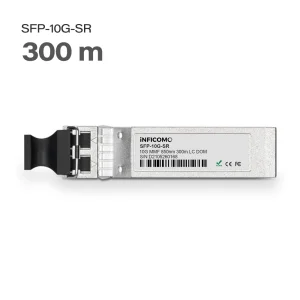
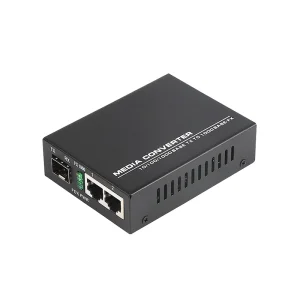
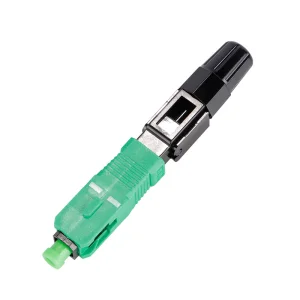
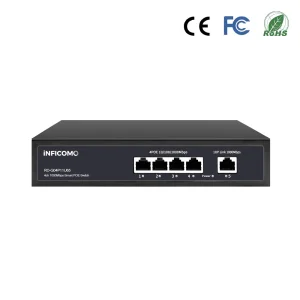
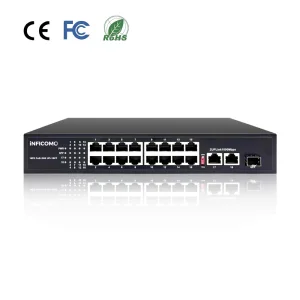
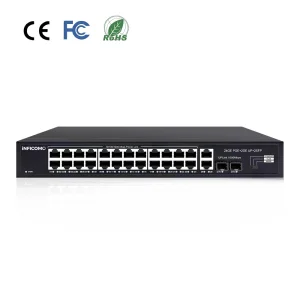
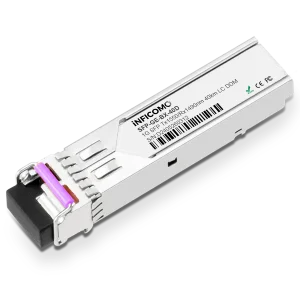
Explore our full line of active SFP transceivers, network switches, and passive connection components.
 Soras Tech