In modern telecommunications, optical splitters represent the foundational baseline of Passive Optical Networks (PON). As global bandwidth demand surges—fueled by hyper-scale cloud data centers, 5G mobile backhaul, and high-density fiber-to-the-home (FTTH) architectures—optical splitters act as the passive distribution point, dividing a single incoming optical stream into multiple downstream channels. For tier-1 network architects, selecting the right OEM/ODM Splitters Manufacturers & Factories is not merely a purchase decision; it is a critical strategy to secure optical power link budgets and long-term infrastructure reliability.
Optical splitters, primarily categorized into Planar Lightwave Circuit (PLC) Splitters and Fused Biconical Taper (FBT) Splitters, manage the distribution of lightwaves without active electrical components. This passive operation minimizes maintenance costs, increases system longevity, and prevents electrical failures at the distribution node. By utilizing advanced silica glass waveguide chips, modern PLC splitters achieve highly uniform splitting ratios from 1x2 up to 1x128 across wide operating wavelengths (1260nm to 1650nm), ensuring compatibility with GPON, EPON, and next-generation 10G-PON systems.
The global market for optical splitters is undergoing a rapid evolution. Industrial developments in Europe, North America, and parts of Asia are shifting away from traditional copper lines to universal FTTH/FTTR (Fiber to the Room) installations. Government mandates, such as the US Broadband Equity, Access, and Deployment (BEAD) program and the European Union’s Digital Decade goals, emphasize the necessity of deploying robust, long-lifespan optical passive devices. Consequently, procurement departments are seeking factory partnerships that deliver verified compliance with Telcordia reliability standards, guaranteeing over 25 years of service in diverse underground and aerial environmental conditions.
Understanding the core technical differences between Planar Lightwave Circuit (PLC) and Fused Biconical Taper (FBT) splitters is imperative for optimizing network transmission. While FBT splitters are manufactured using traditional thermal coupling techniques, PLC splitters rely on semiconductor-grade lithographic chip alignment.
| Parameters | PLC Splitter Technology | FBT Splitter Technology |
|---|---|---|
| Manufacturing Process | Semiconductor Photolithography & Waveguide Integration | Thermal Fusing & Tapering of Fiber Strands |
| Wavelength Range | Broadband (1260nm to 1650nm) | Specific (850nm, 1310nm, 1490nm, 1550nm) |
| Splitting Uniformity | High uniformity across all branches | Varies depending on split ratio configuration |
| Splitting Ratios | Up to 1x128 or 2x128 (Symmetrical splits) | Up to 1x4 or 2x4 (Symmetrical & Custom asymmetrical splits) |
| Temperature Stability | Excellent stability across -40°C to +85°C | Moderate stability, vulnerable to thermal expansion |
| Typical Packaging | Steel Tube, ABS Box, LGX Cassette, 1U Rackmount | Steel Tube, Compact Mini Package |
PLC splitters are best suited for high-density environments where consistent performance and wide spectral ranges are mandatory. FBT splitters, on the other hand, remain highly relevant for customized, asymmetrical power divisions (e.g., 90/10 or 70/30 split ratios in monitoring networks or optical line bypasses). Leveraging the correct technology reduces optical signal decay and prevents packet loss, particularly in high-frequency gigabit passive optical networks (GPON) operated by large-scale telecom companies.
The global dominance of Chinese optical factories is not only driven by labor costs, but by a highly advanced, localized supply chain ecosystem. Guangdong, particularly the Shenzhen technological cluster, serves as the global center for optical communication innovation. In this ecosystem, raw material sourcing, silica waveguide production, precision V-groove assembly, packaging, and high-level testing are geographically integrated. This proximity shortens production cycles and allows manufacturers to respond rapidly to massive global deployment orders.
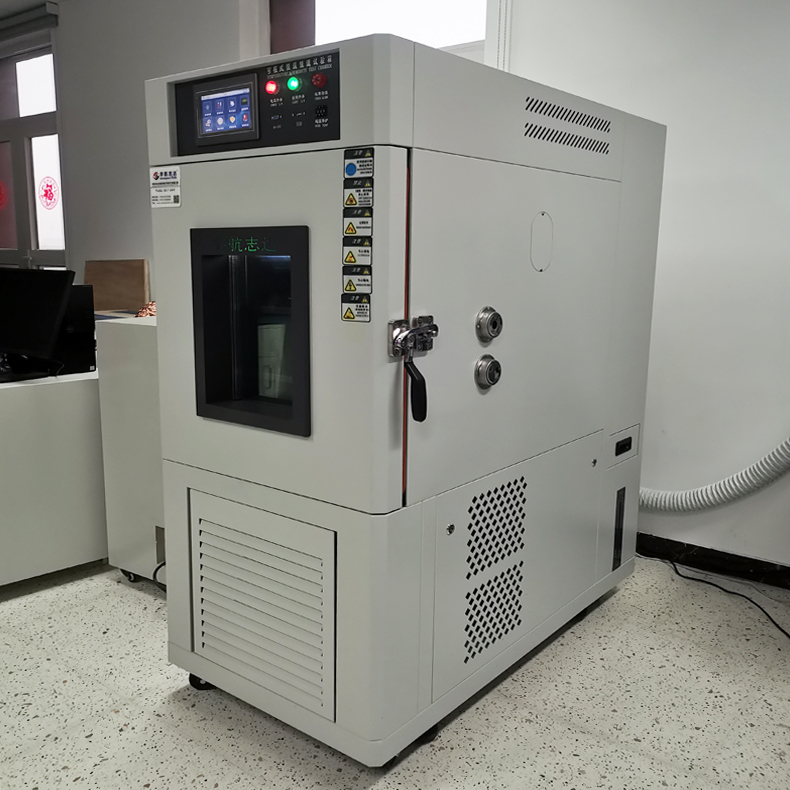
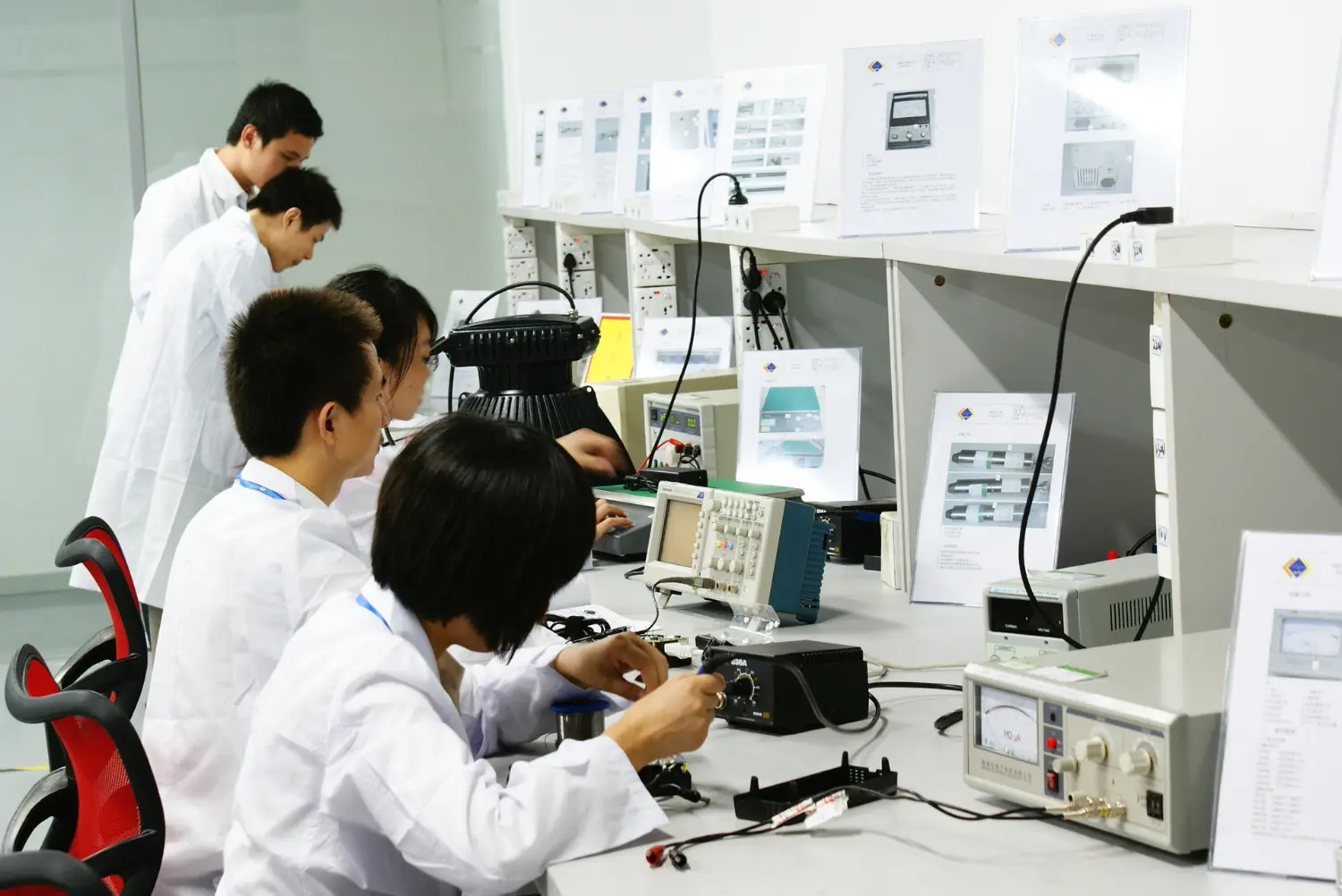
Furthermore, modern China-based OEM/ODM factories feature high automation rates. The introduction of high-speed Surface Mount Technology (SMT) lines, automated fiber alignment machines, and advanced robotic packaging systems significantly reduces human error, ensuring consistent alignment precision down to the sub-micron scale. The integration of high-level quality controls—such as environmental chamber cycling, error test systems, and fiber geometry analyzers—guarantees that optical parameters comply with standard international benchmarks before export.
Using advanced robotic auto-alignment systems to attach fiber arrays to PLC chips, reducing insertion loss below 0.1dB per port.
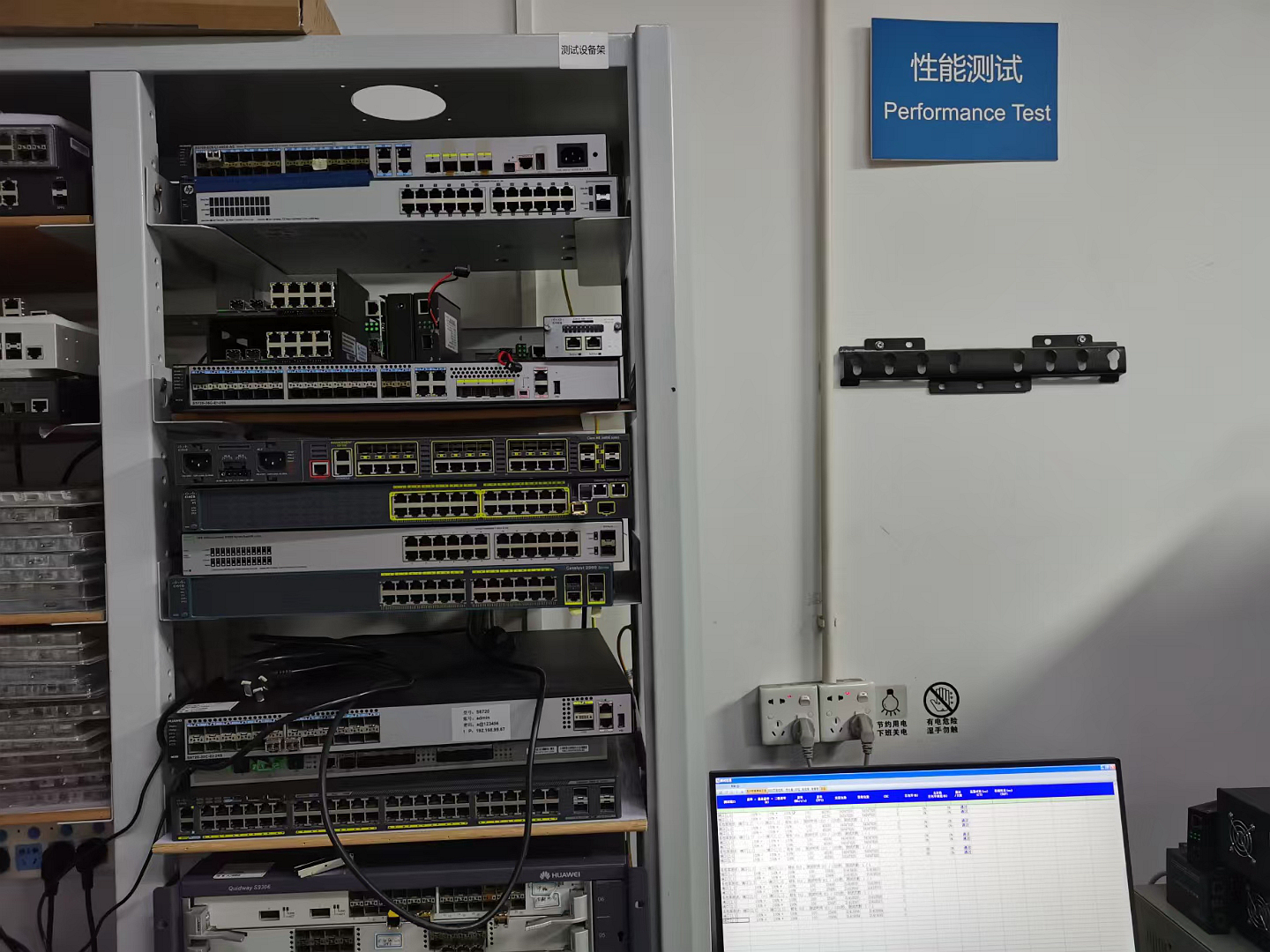
Every component undergoes dual wavelength testing (1310nm/1550nm) and OTDR validation to ensure compliance with strict return loss requirements.
Immediate access to specialized materials like premium silica glass, LSZH jacket compounds, and precision ceramic ferrules.
For international procurers, sourcing from a certified Chinese supplier like Shenzhen Soras Technology Co., Ltd. streamlines compliance verification. By working with a factory that manages its own SMT lines, assembly, and testing workflows, buyers can eliminate middleman markups and secure customizable, end-to-end solutions that meet critical project deadlines.
Optical splitters are highly adaptable components, engineered to address distinct environmental and structural requirements across diverse global scenarios:

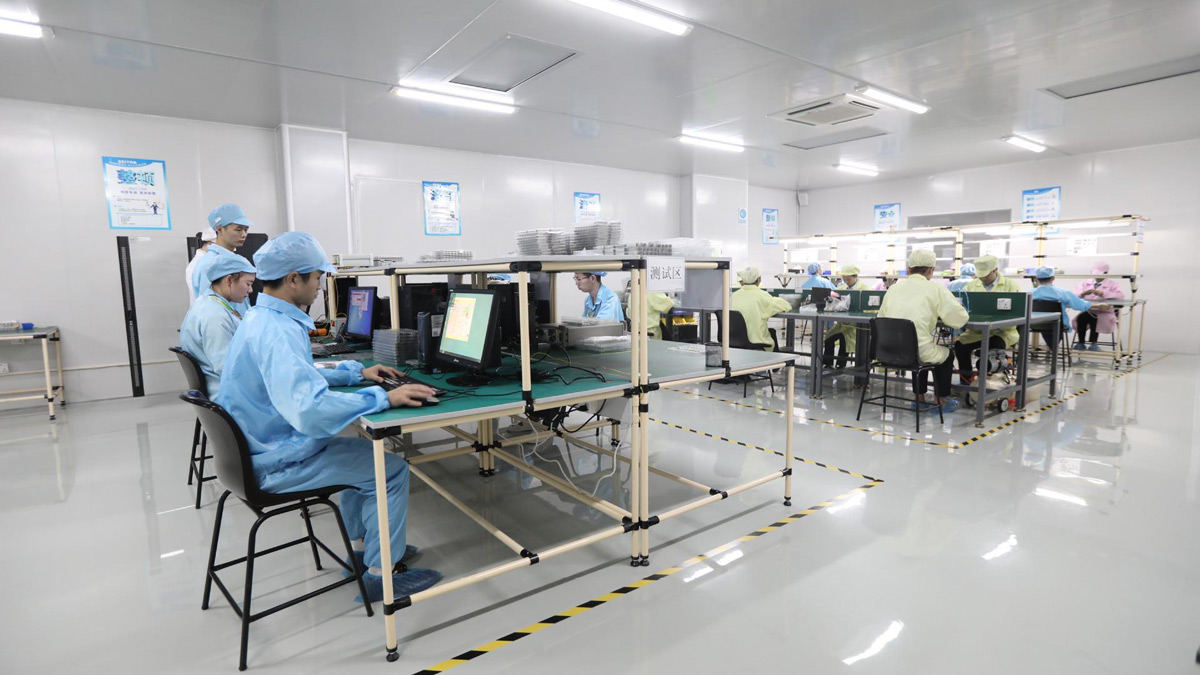
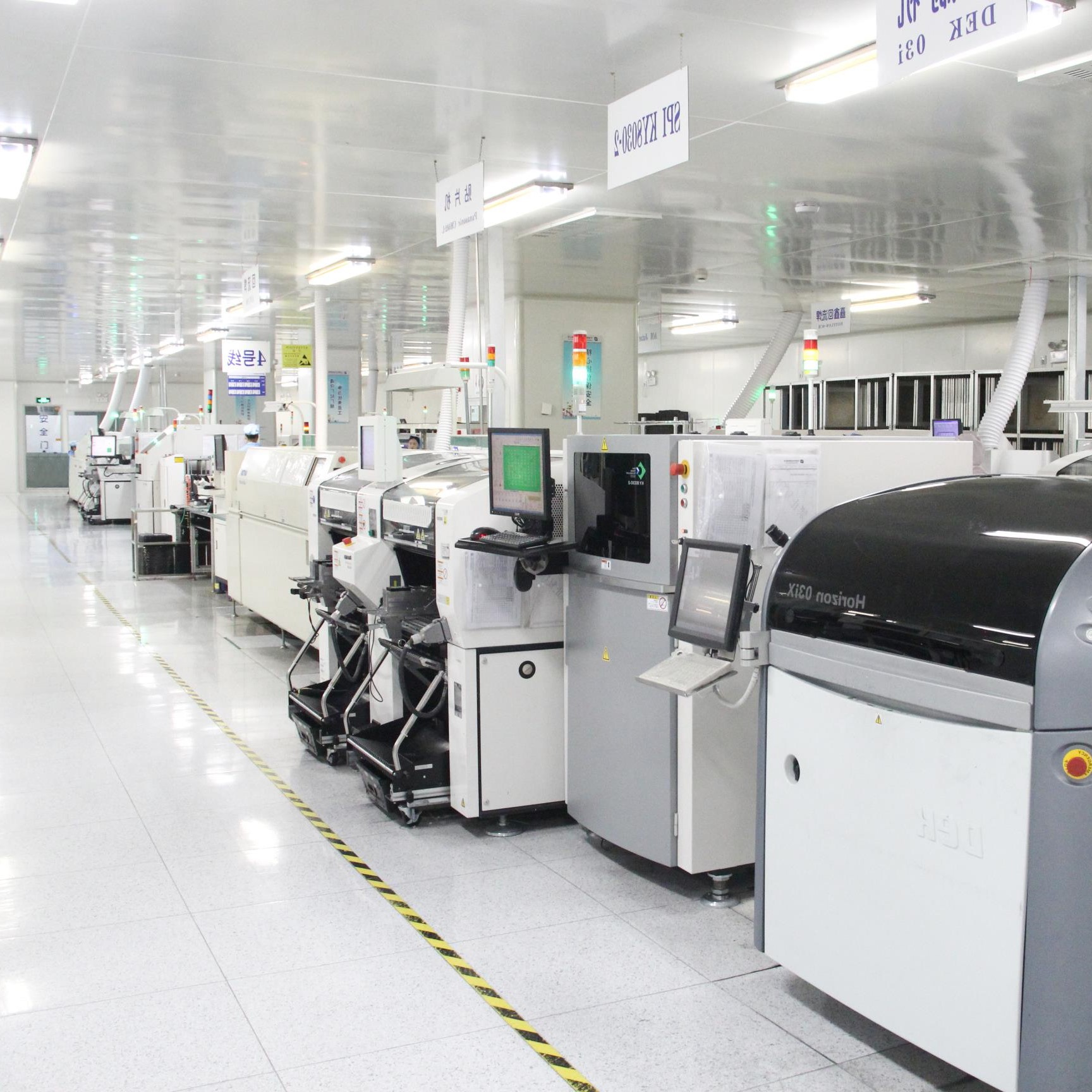
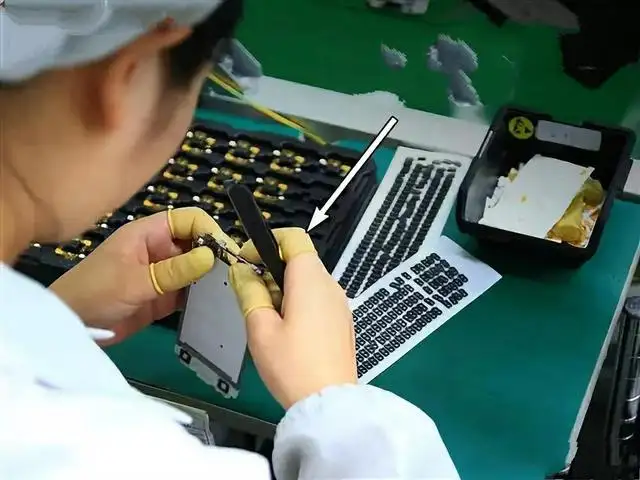
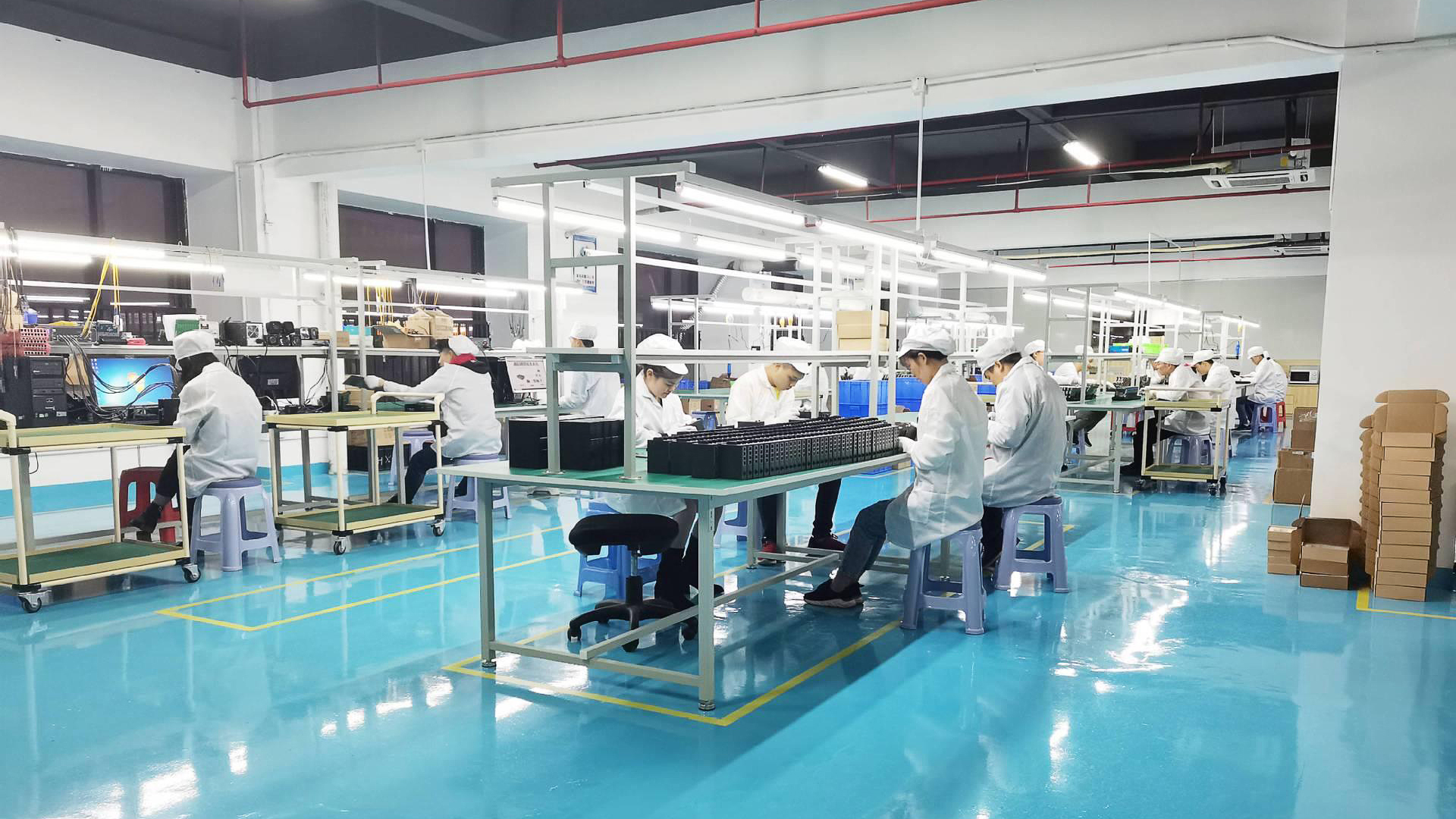
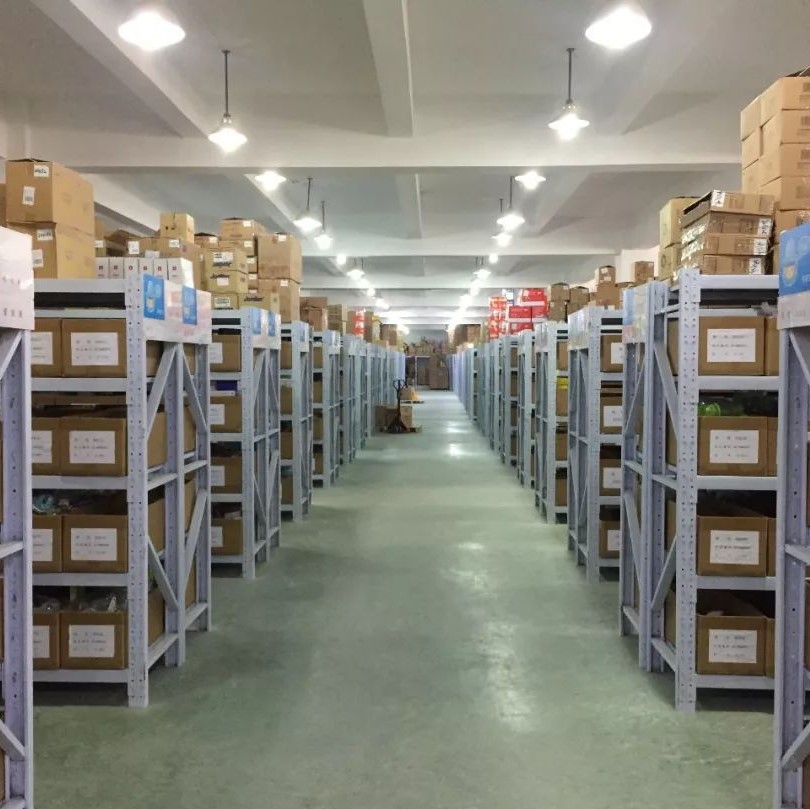
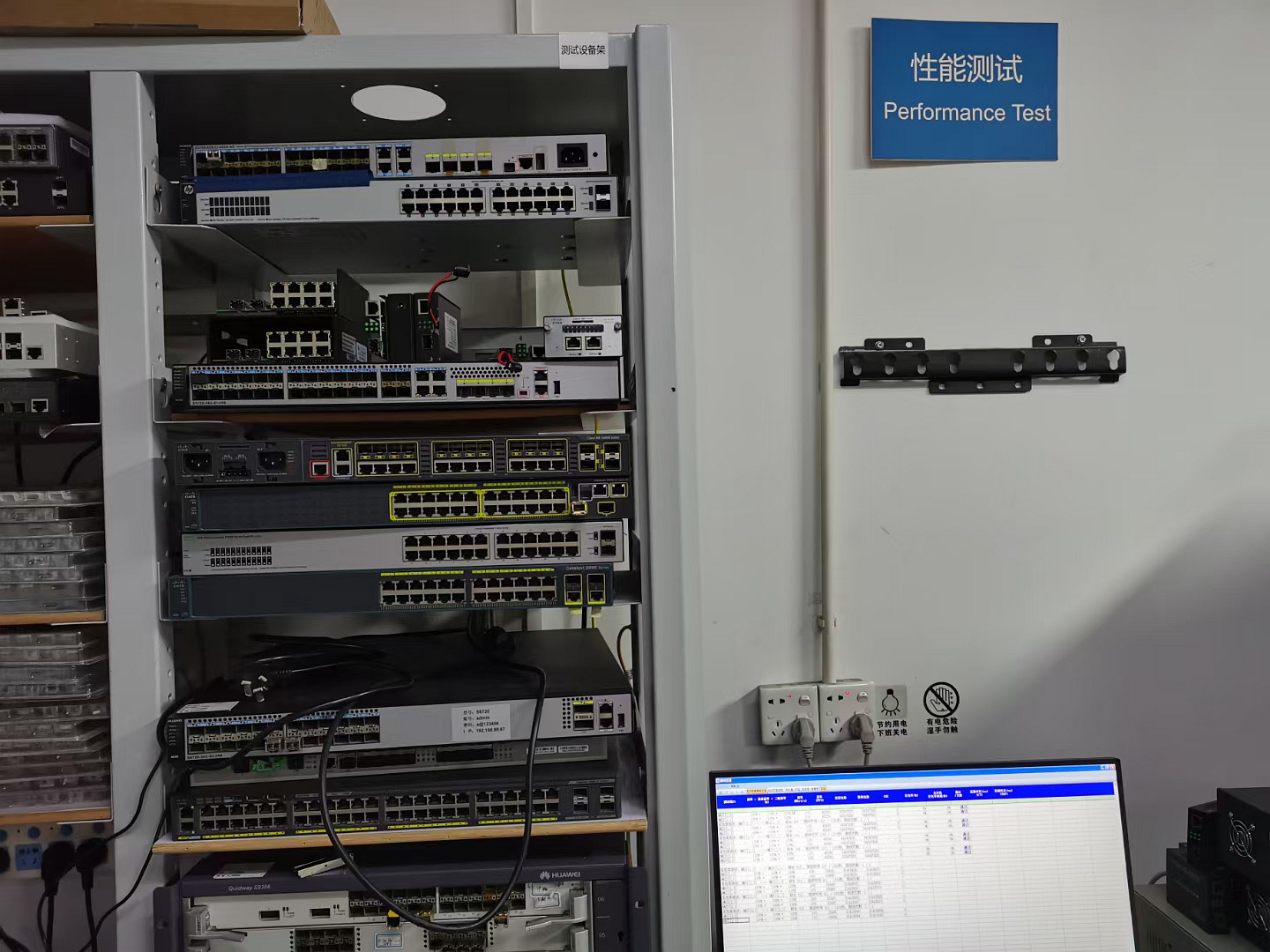
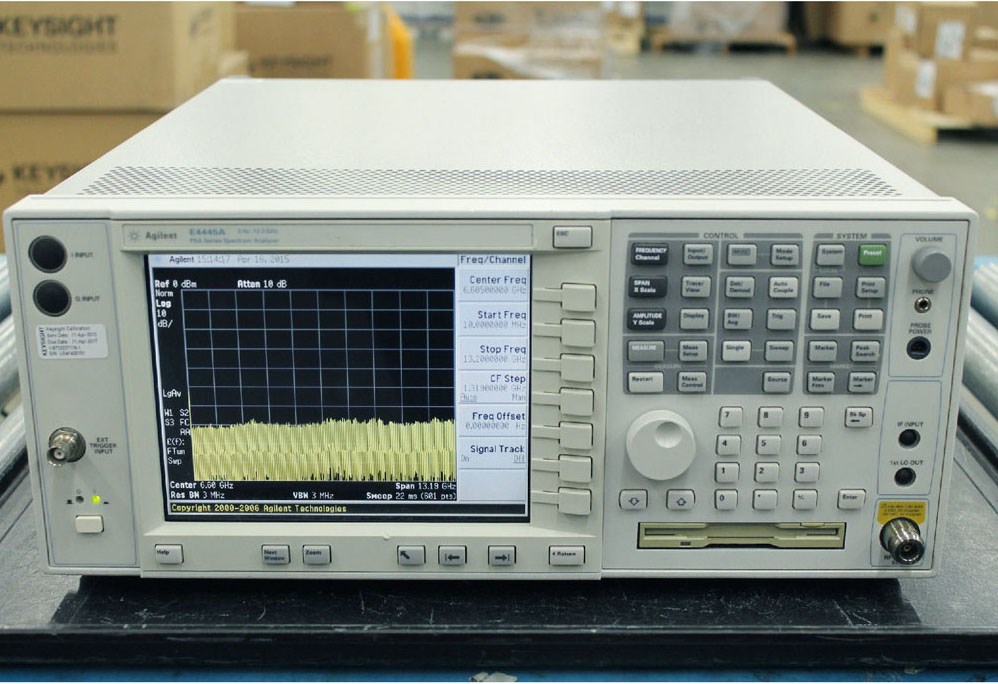
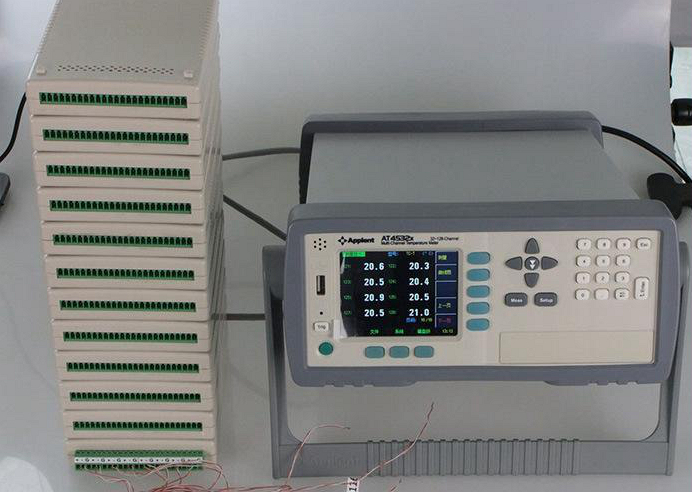
Established in 2021 and backed by a leadership team with over a decade of R&D experience in high-frequency optical communication devices, Shenzhen Soras Technology Co., Ltd. is a leading manufacturer of premium optical transmission equipment and high-performance network hardware. Headquartered in Guangdong, China, Soras Technology works closely with telecom operators, network integrators, and distributors across more than 60 countries, primarily serving key markets in South America, North America, Europe, and East Asia.
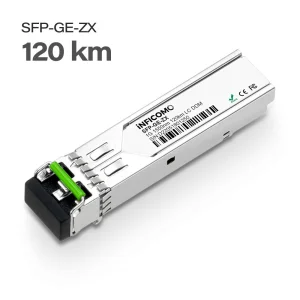
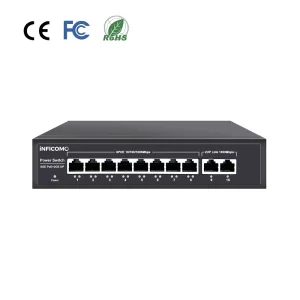
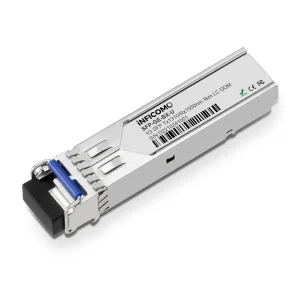
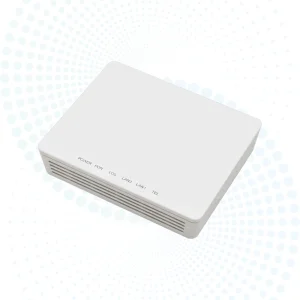
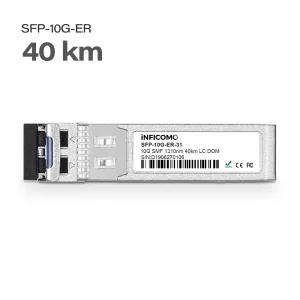
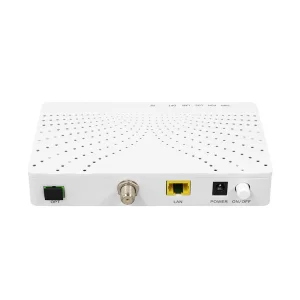
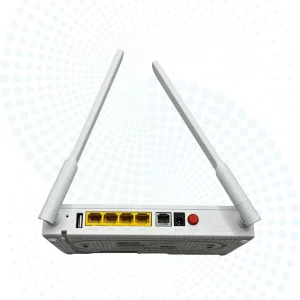
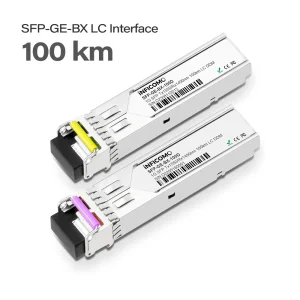
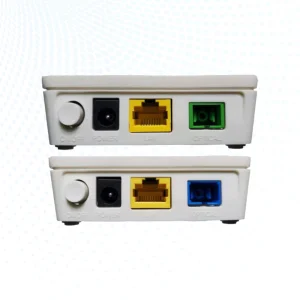
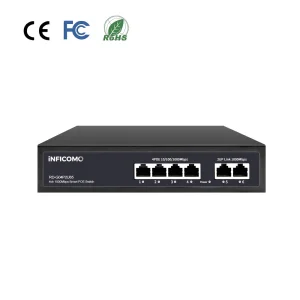
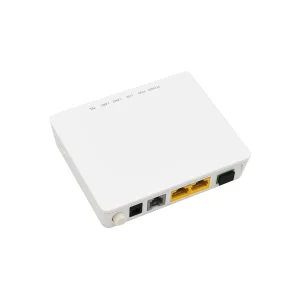
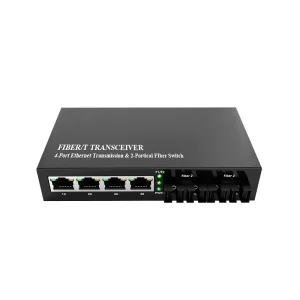
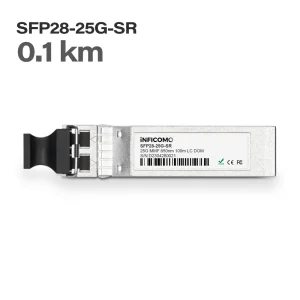
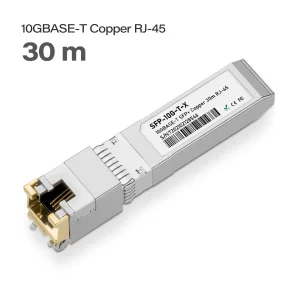
The company’s product line includes high-density Fiber Media Converters, SFP Transceiver Modules, POE Switches, GPON/EPON OLT units, and FTTH/FTTR ONUs. Operating under a strict ISO 9001 certified quality management framework, all products comply with UL, CE, FCC, and RoHS standards. Soras Technology offers comprehensive OEM and ODM support, tailoring optical properties, physical dimensions, fiber counts, and enclosure styles to meet the technical specifications of global procurement projects.
| Corporate Profile & Specifications Summary | |||
|---|---|---|---|
| Business Type | Manufacturer / OEM / ODM Partner | Country / Region | Guangdong, China |
| Main Products | FTTH ONU & OLT, SFP Module, Fiber Media Converter, Poe Switch, Fiber Optic Splitters & WDM | Total Employees | 11 - 50 People |
| Annual Revenue | US$5 Million - US$10 Million | Year Established | 2021 |
| Certifications | ISO 9001, UL, CE, FCC, RoHS Compliance | Primary Export Markets | Domestic Market (24.00%), Eastern Asia (15.00%), North America (15.00%), Europe, South America |
 Soras Tech