Explore our high-performance optical transceivers, network converters, and GPON terminals optimized for telecommunications backbones and ISP access networks.
An in-depth market analysis on the alignment of Voice over IP and broadband optical distribution systems.
In modern telecommunications, the boundary between pure voice networks and high-bandwidth fiber systems has dissolved. Telecom operators worldwide are moving away from traditional copper infrastructures, replacing them with high-density Fiber-to-the-Home (FTTH) architectures. As enterprise organizations transition to integrated unified communications (UC), legacy voice protocols are shifting onto IP infrastructures. Voice quality is now entirely dependent on packet delivery efficiency, low latency, and deterministic QoS (Quality of Service) routes provided by the underlying hardware. For global service providers, procuring reliable optical transceivers and customer premises equipment (CPE) is critical to maintaining network integrity.
Industrial environments and public utilities demand a resilient physical layer for VoIP. A single dropped packet in a command-and-control VoIP circuit can halt critical operations. This has elevated the demand for high-reliability network equipment, including PoE switches with built-in surge protections and optical media converters that isolate network links from electromagnetic interference (EMI). High-capacity XPON networks are now acting as the central nervous system for modern corporate parks, security facilities, and government structures, allowing voice, data, and real-time high-definition video to travel seamlessly across single-strand fibers.
Staying ahead of the curve with adaptive XPON, Wi-Fi 6 (AX3000), and multi-kilometer fiber distribution networks.
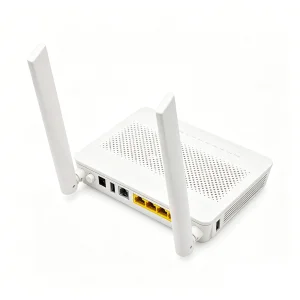
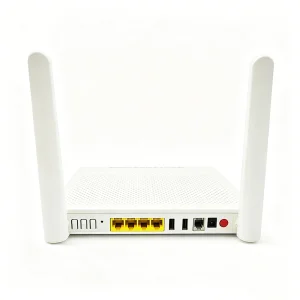
The industry has moved past the fragmentation of GPON and EPON. Modern network infrastructures require unified XPON terminal units (ONUs) that automatically detect and adapt to OLT port types, saving significant deployment and configuration costs for ISPs.
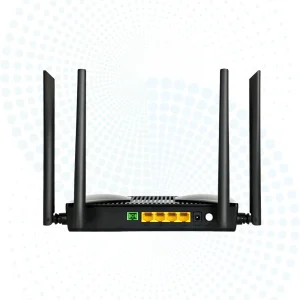
With standard gigabit speed limits now broken, clients expect multi-gigabit throughput from subscriber ONUs. Dual-band Wi-Fi 6 routers (AX3000) utilizing GPON or XPON backhauls ensure that voice packets receive dedicated high-priority wireless queues.
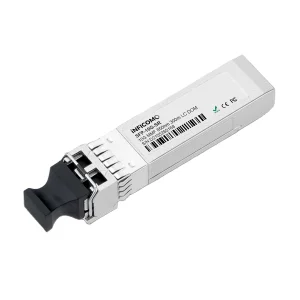
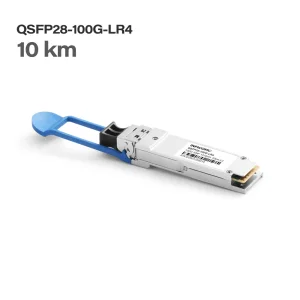
High-density data aggregation nodes demand robust 100G transceivers (QSFP28) with DOM (Digital Optical Monitoring) support to detect light level fluctuations over 10km ranges, preventing link failure prior to catastrophic voice signal dropouts.
A trusted global manufacturer of advanced optical transmission and networking equipment with a decade of expertise.
Shenzhen Soras Technology Co., Ltd. is a leading manufacturer of optical transmission equipment and network equipment with more than 10 years of experience. We rely on high-quality management and technological innovation, committed to providing customers with high quality, cost-effective, high value-added products and solutions. Today, we work closely with telecommunications companies around the world. We have a strong technical force and an experienced R&D team; products can be developed according to customer requirements, and we also accept your OEM and ODM orders. Now our products are exported to more than 60 countries, the main markets being South America, North America, and Europe. Our main products include: Fiber Media Converter, SFP Module, POE Switch, ONU, OLT, and supporting products. We have passed ISO 9001, UL, CE, FCC, and RoHS Certification. Our aim is "superior quality, professional service, competitive price, integrity-based". We believe this is not only our responsibility but also the best way forward for long-term development. Soraslink looks forward to working with you!
| Profile Detail | Soras Technology Capacity | Global Market Distribution | Regional Share |
|---|---|---|---|
| Business Type | OEM/ODM Manufacturer & Exporter | Domestic Market | 24.00% |
| Country / Region | Guangdong, China (Shenzhen Hub) | Eastern Asia | 15.00% |
| Main Products | FTTH ONU & OLT, SFP Module, Fiber Media Converter, PoE Switch | North America | 15.00% |
| Total Employees | 11 - 50 Professional Staff | South America & Europe | High Growth Segments |
| Total Annual Revenue | US$5 Million - US$10 Million | Year Established | 2021 |
| Certifications | ISO 9001, UL, CE, FCC, RoHS Compliant | Patents & Trademarks | Soraslink Proprietaries |
Inside our advanced production lines where every device undergoes high-low temperature tests, Wi-Fi calibration, and strict error checking.
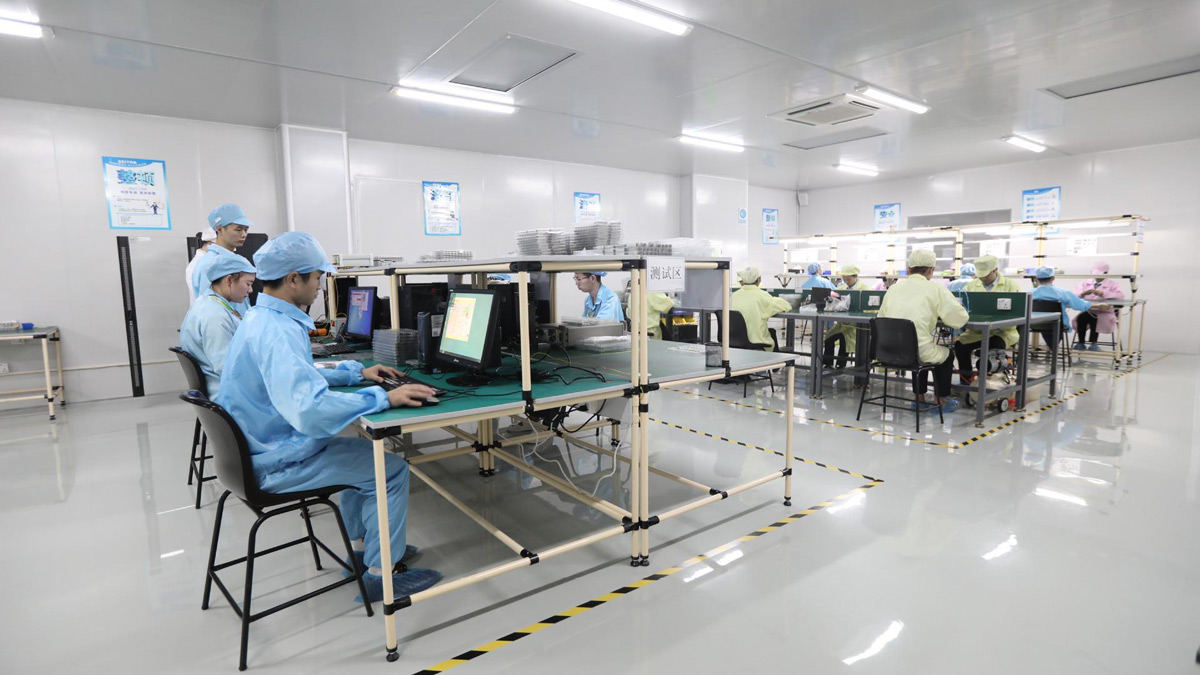

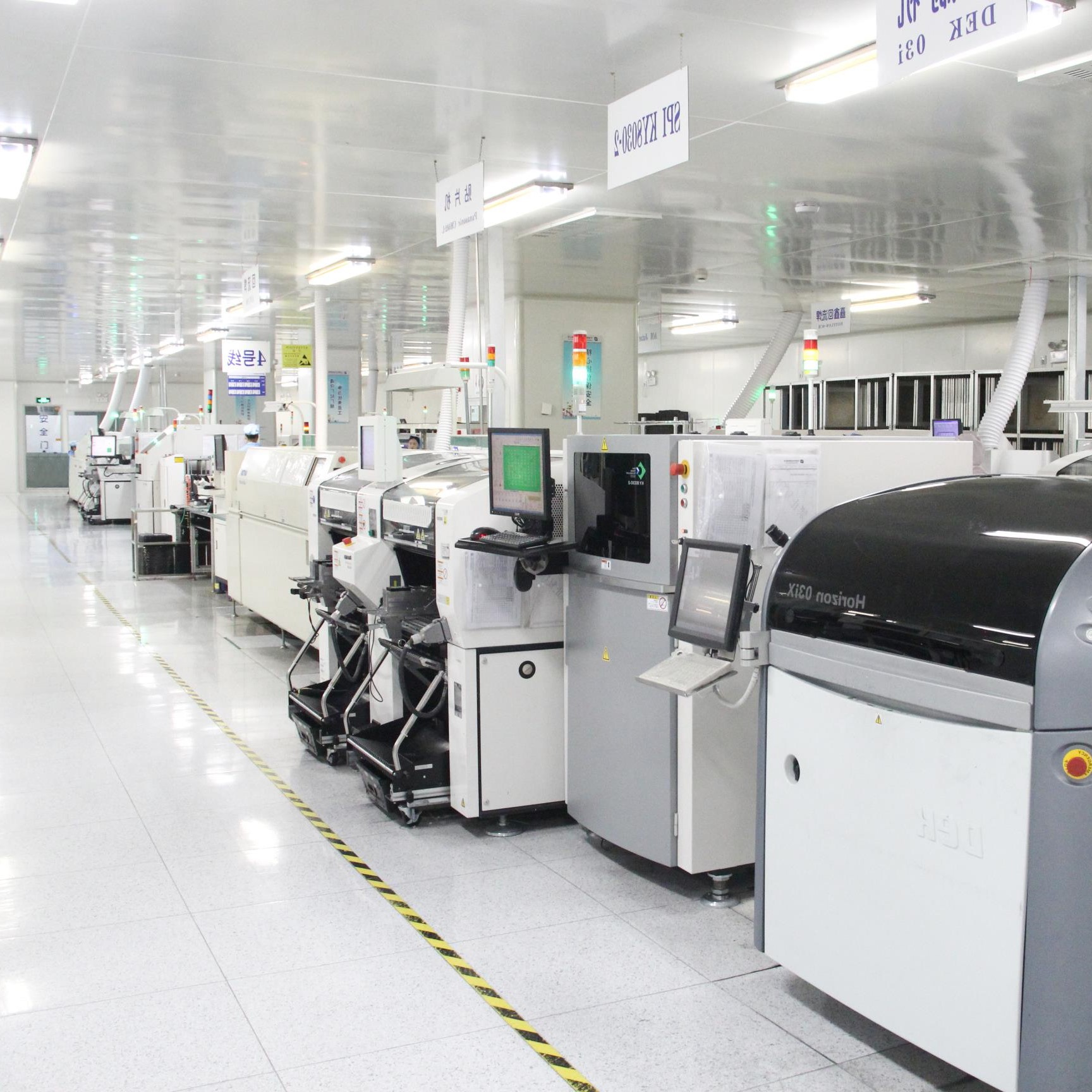
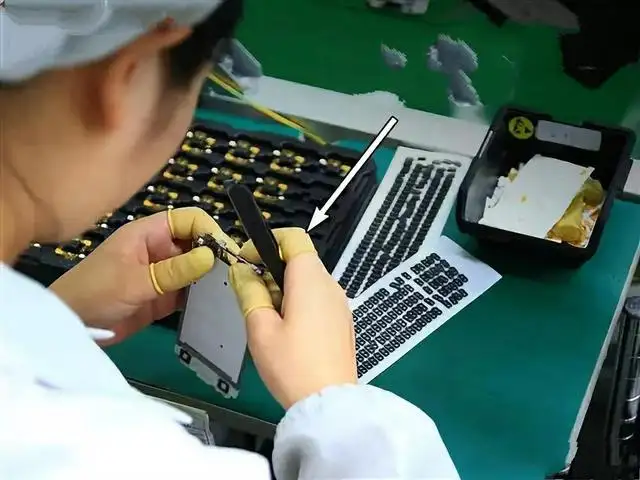
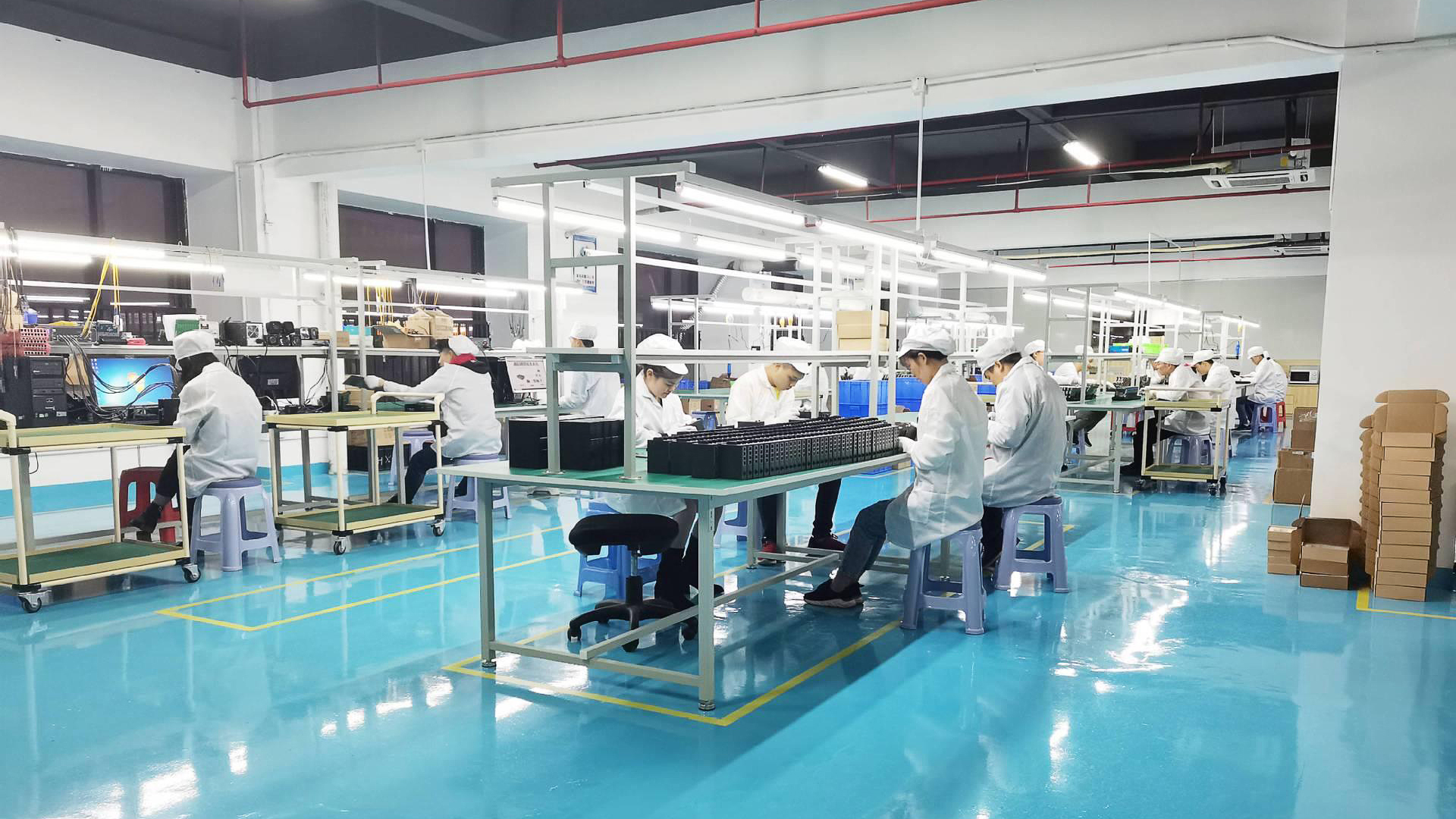
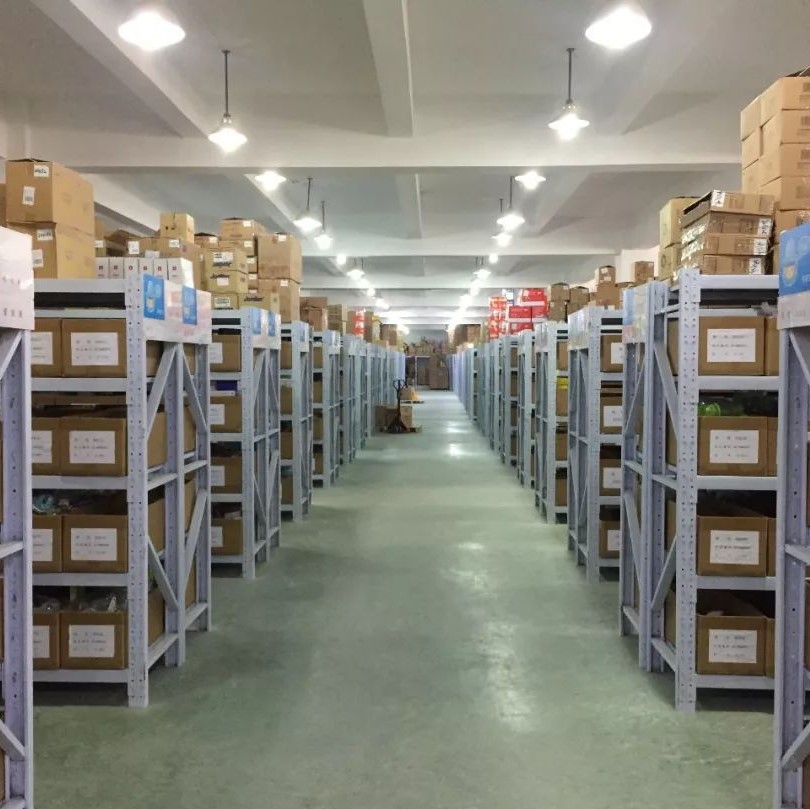
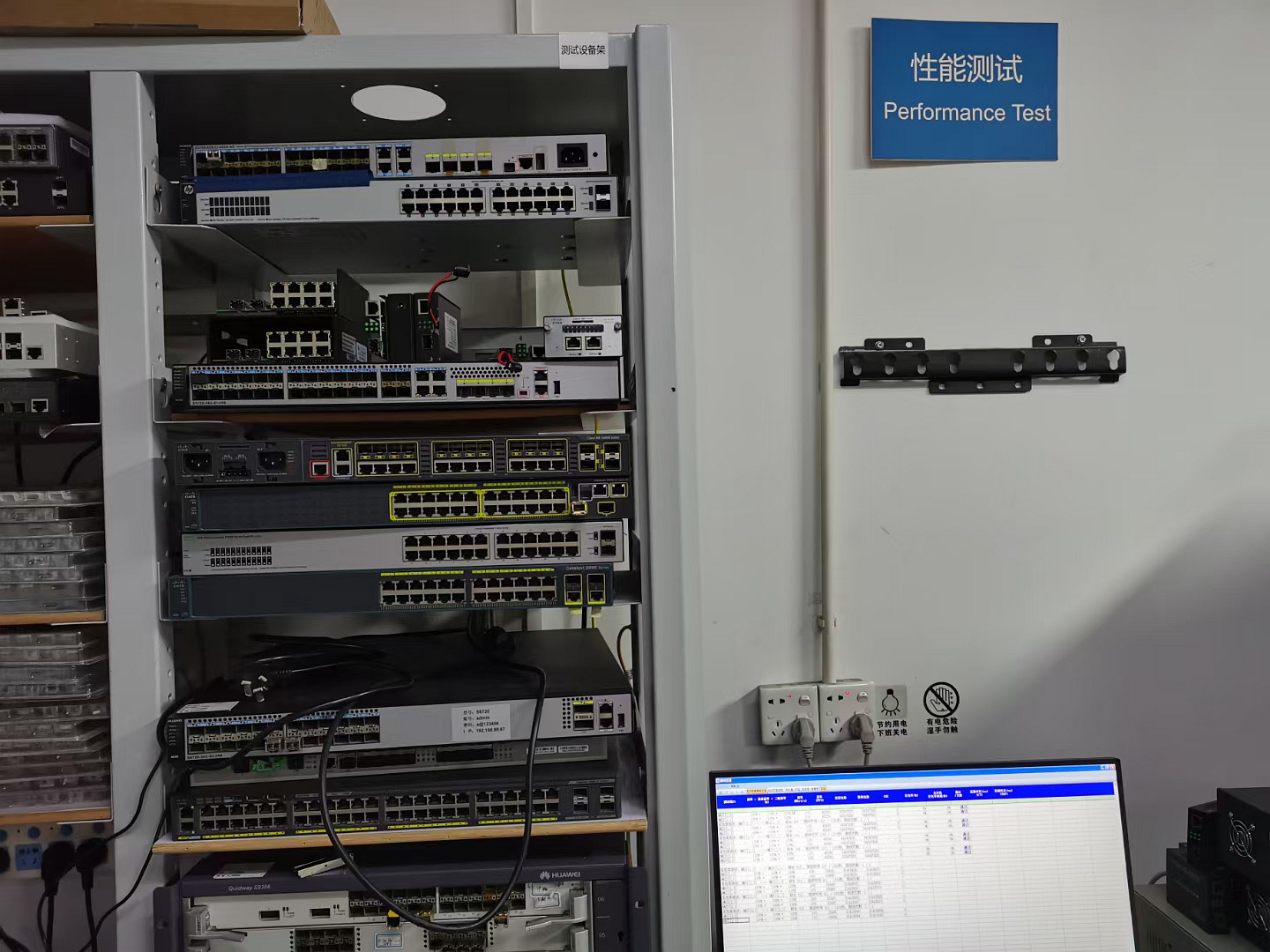
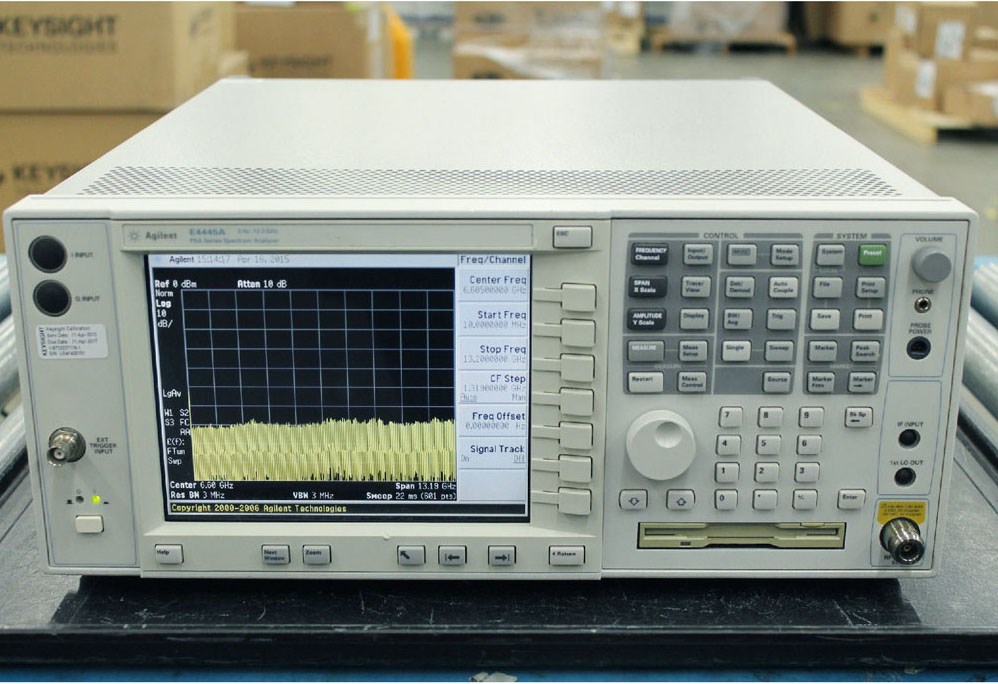
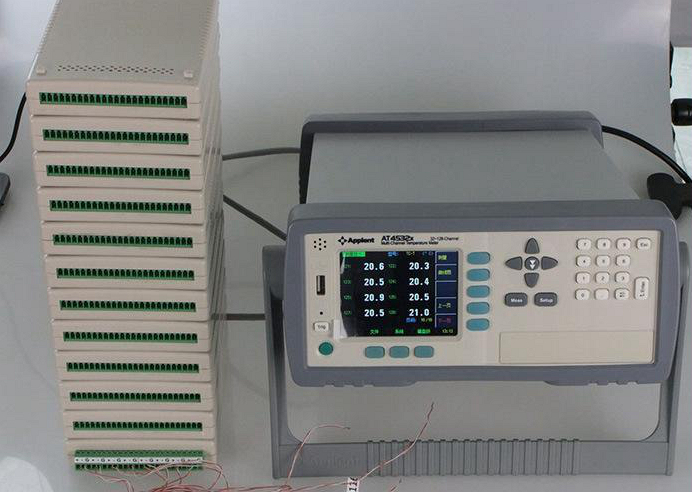
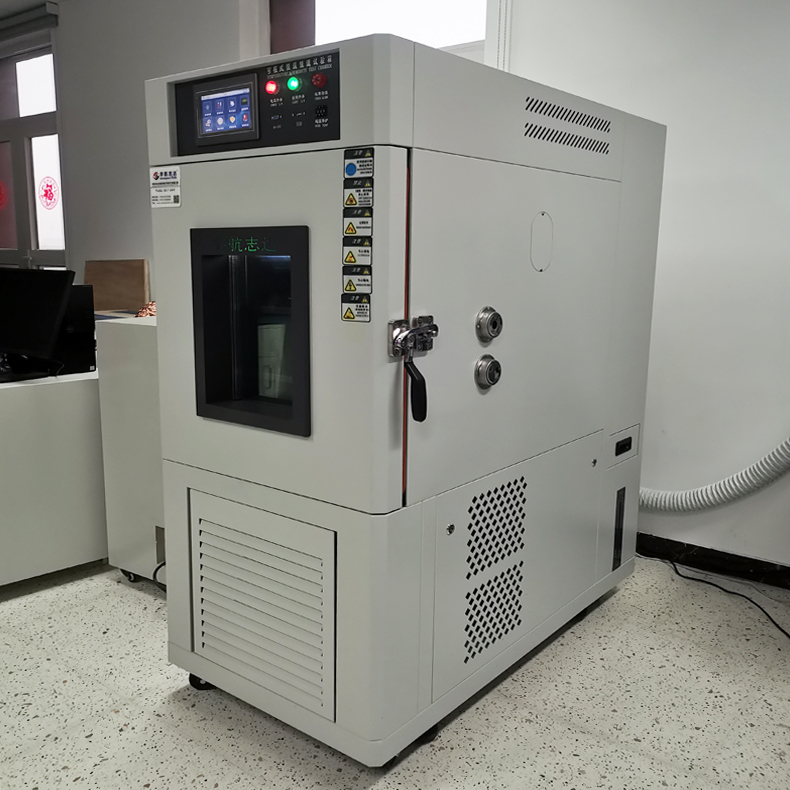
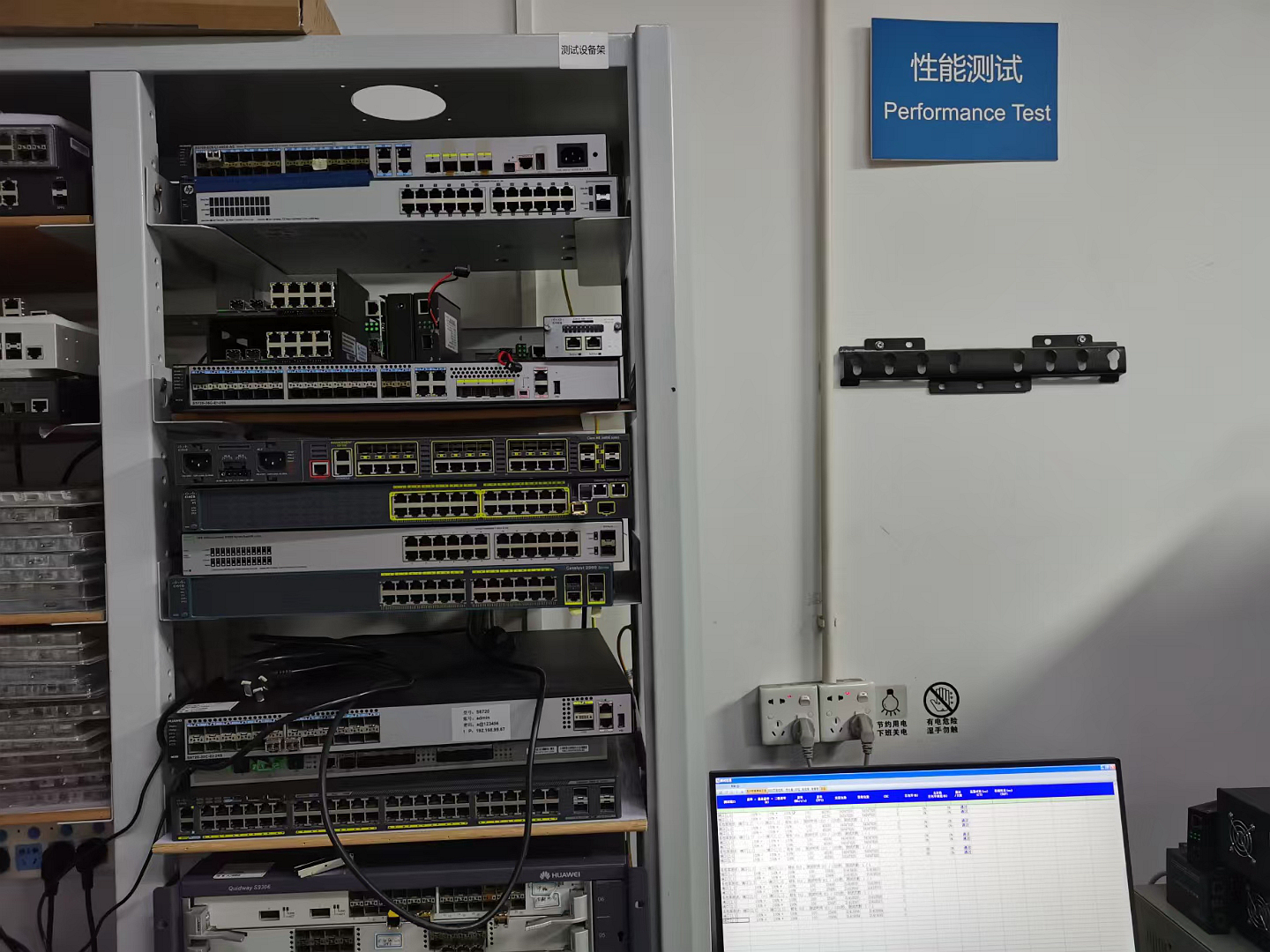
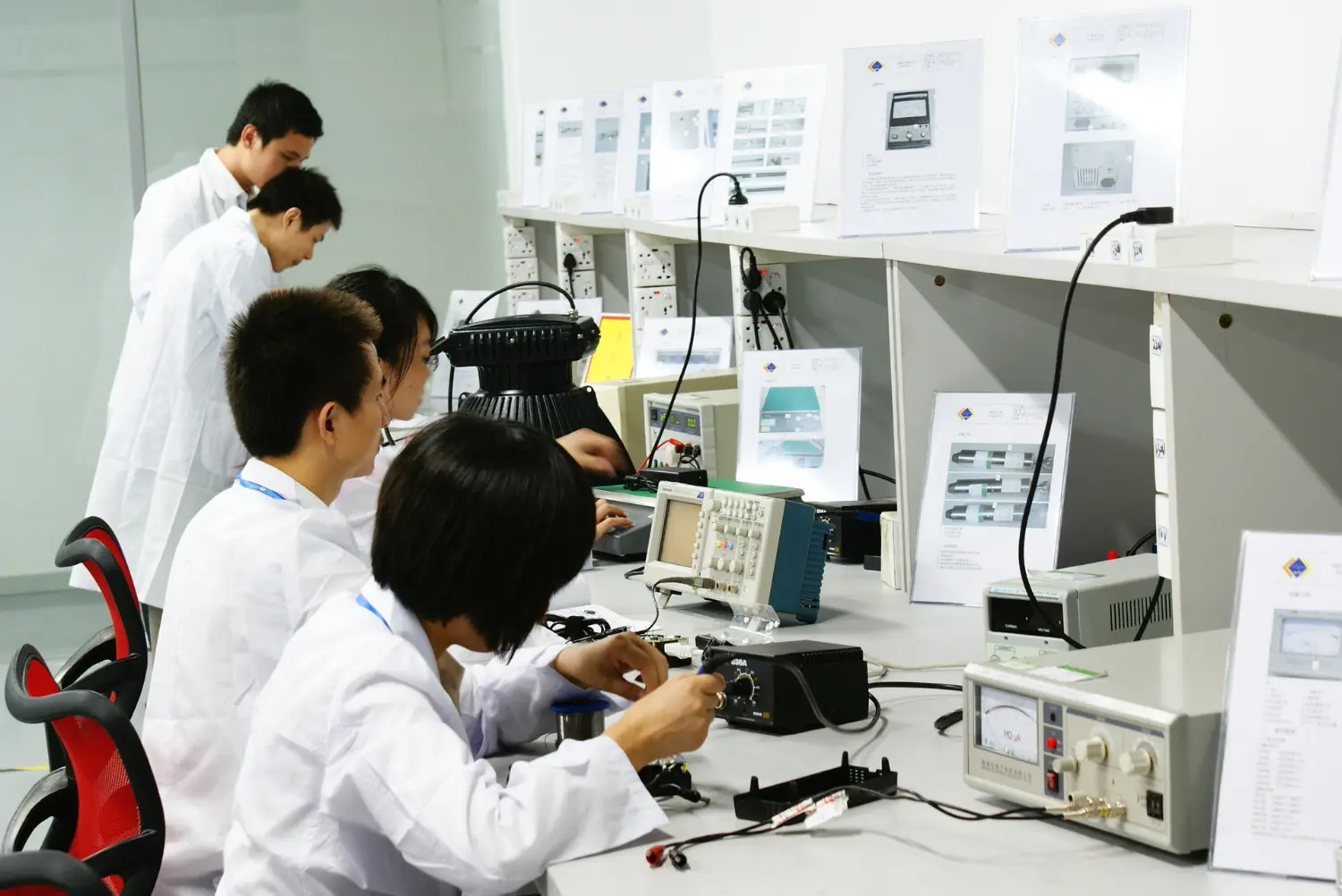
Strict validation verifies 100% throughput performance on all exported units.
A comprehensive architectural breakdown of modern connectivity, mapping device nodes to business value.
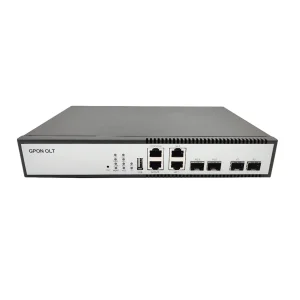
The standard network design features dual GPON/XPON OLTs located in central offices, serving thousands of subscriber premises. Passive optical splitters divide the single-mode optical trunk into paths feeding home or office ONUs like the **EG8145V5** or **HG6821M**.
The ONU separates the digital voice stream from standard internet data traffic, mapping it to local RJ11 ports (POTS) or prioritizing wireless VoIP streams through integrated Wi-Fi 6 engine chips.
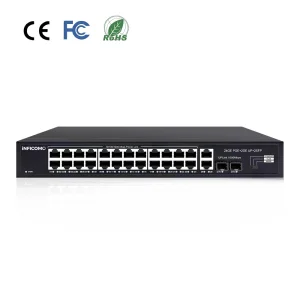
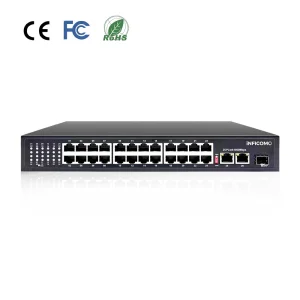
In corporate spaces, power and data converge over ethernet cables via multi-port PoE switches. A **28-Port Gigabit PoE Switch** serves as the central wiring hub for VoIP desk phones, intercom devices, and surveillance cameras.
This layout ensures consistent power delivery while utilizing optical transceivers on SFP uplinks to bridge data to the core network room without performance loss.
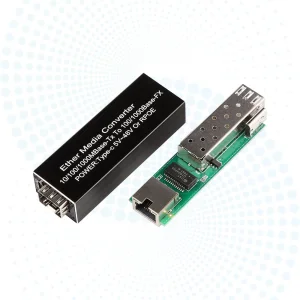
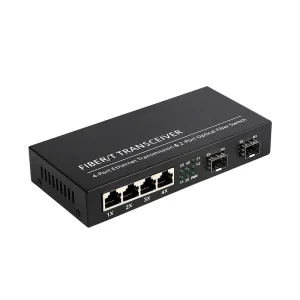
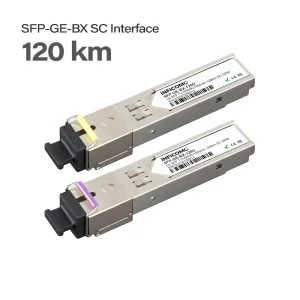
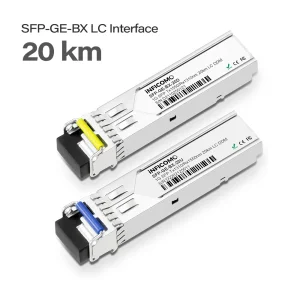
For long-haul links spanning 10km to 120km, standard copper ethernet connections fail due to physical limitations. By deploying specialized single-mode transceivers, such as the SFP 1.25G 1000BASE 20km BIDI Module or the 120km BIDI SC SFP Transceiver, operators can bridge networks across municipal boundaries using single-strand fiber cables. At each end-point, adaptive media converters instantly transform light pulses back into self-adaptive 10/100/1000Mbps electrical signals, providing zero-latency copper hand-offs for high-performance VoIP base stations and control consoles.
Detailed technical answers for network architects, system integrators, and procurement directors.
Explore more carrier-grade switches, long-distance SFP modules, and high-performance Wi-Fi 6 terminal equipment.
 Soras Tech