Explore our premium active components, optical transceivers, and terminal GPON devices engineered for seamless high-bandwidth deployments.
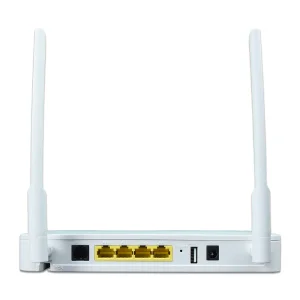
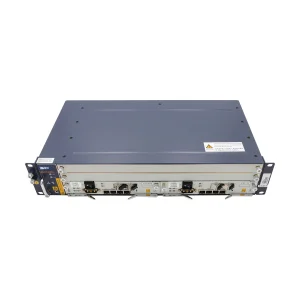
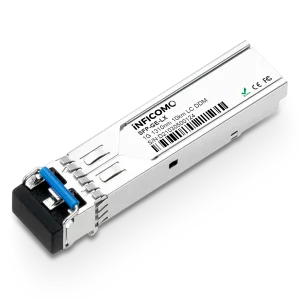
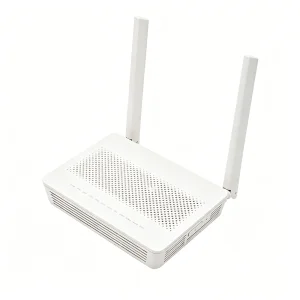
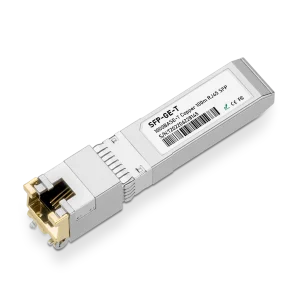
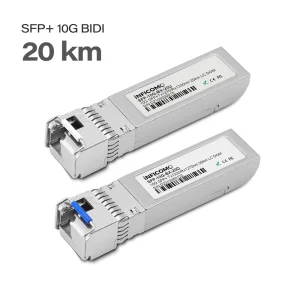
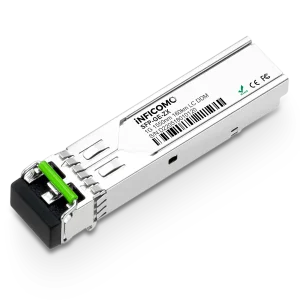
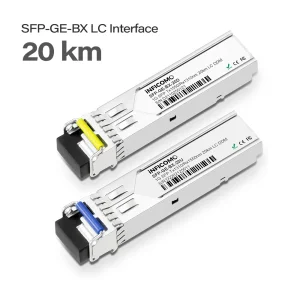
The modern telecommunication architecture is undergoing an unprecedented overhaul. Driven by cloud migration, intensive artificial intelligence (AI) compute clusters, and the rapid global expansion of 5G and FTTH, the demand for high-performance optical transceiver modules has shifted from a generic commodity focus to extreme engineering parameters. In high-frequency, multi-tenant network architectures, ultra-low latency, zero packet loss, and robust thermal durability represent the line between operational excellence and system failure.
As a global tier-1 manufacturer, Shenzhen Soras Technology Co., Ltd. (Soraslink) designs, calibrates, and fabricates active and passive optical communication infrastructure components. Operating under stringent compliance certifications including ISO 9001, UL, CE, FCC, and RoHS, we align our manufacturing with the search quality principles of reliability and engineering transparency. Whether configuring optical transceivers for dense data center interconnections (DCI) or high-density GPON/XGS-PON terminal equipment, our focus remains on providing superior structural integrity and signal fidelity.

How localized industrial ecosystems enable Shenzen Soras Technology to drive engineering breakthroughs and cost efficiency.
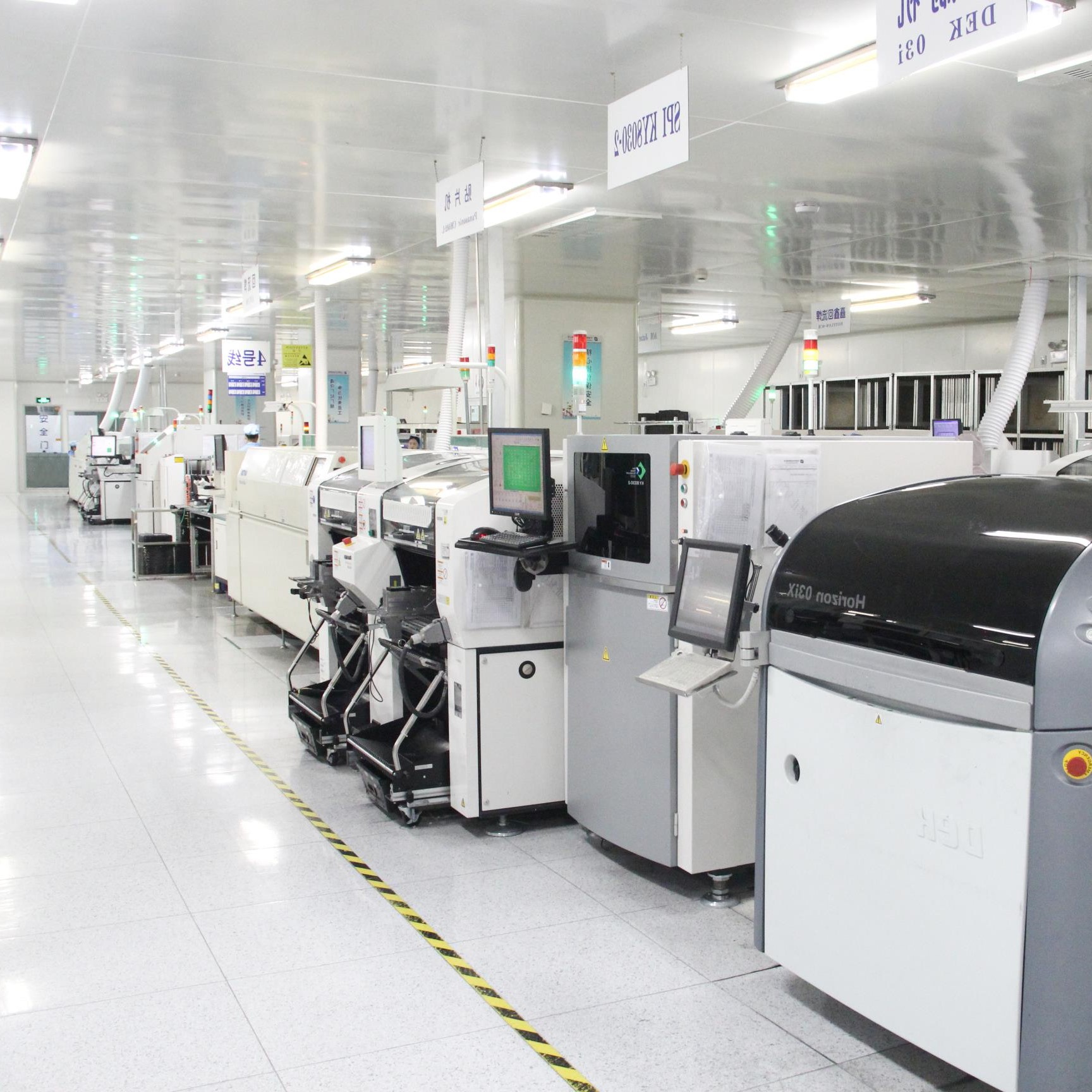
Located in Shenzhen, Guangdong, the world's most dense optoelectronic cluster, Soraslink leverages instant accessibility to high-grade opto-semiconductor materials, automated SMT components, and precise packaging equipment. This geographic integration minimizes raw component lag and secures lower baseline manufacturing costs without sacrificing tolerances.
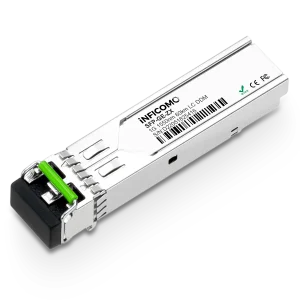
Standardized components rarely satisfy custom ISP networks or complex defense-grade field designs. We offer comprehensive tailoring of EEPROM compatibility codes, custom packaging, transmission distance limits (up to 160km), and customized laser emissions. Our engineering staff coordinates directly with international clients to customize hardware options quickly.
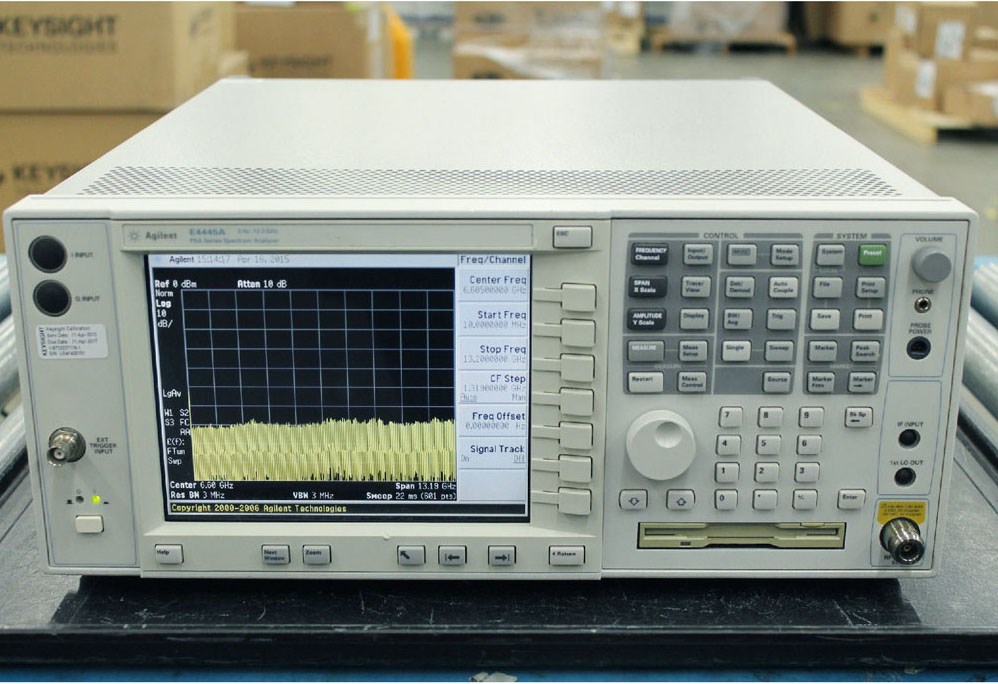
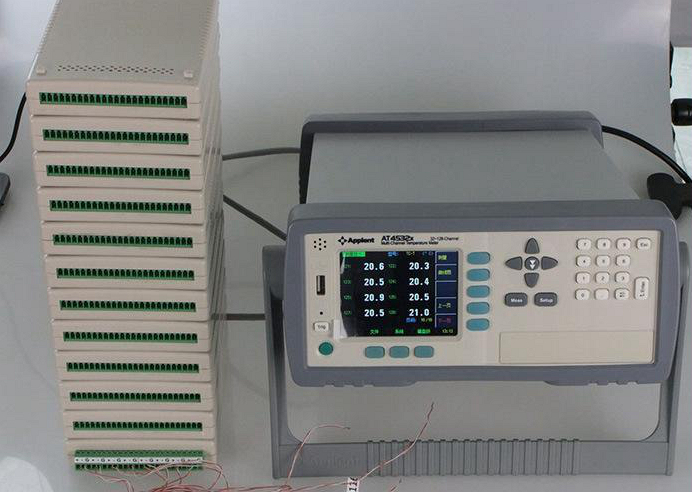
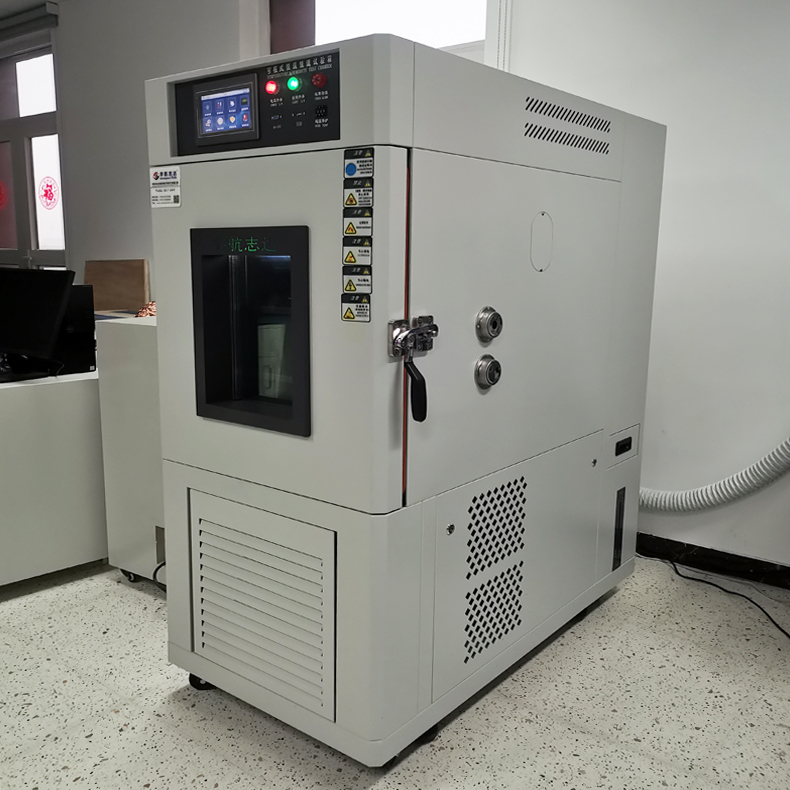
Optical modules must endure extreme operations without attenuation drift. Every module we release undergoes deep hardware tests, including high-accuracy Bit Error Rate (BER) analysis, dynamic fiber distance simulation, high-to-low thermal profiling, and real-time Digital Optical Monitoring (DOM) calibration.
Verified structural parameters confirming Soras Technology's manufacturing credibility and global presence.
| Corporate Parameter | Verified Operational Specification | Quality Standards & Compliance |
|---|---|---|
| Business Model | ODM / OEM Design & Volume Manufacturer | Certified ISO 9001:2015 Quality Systems |
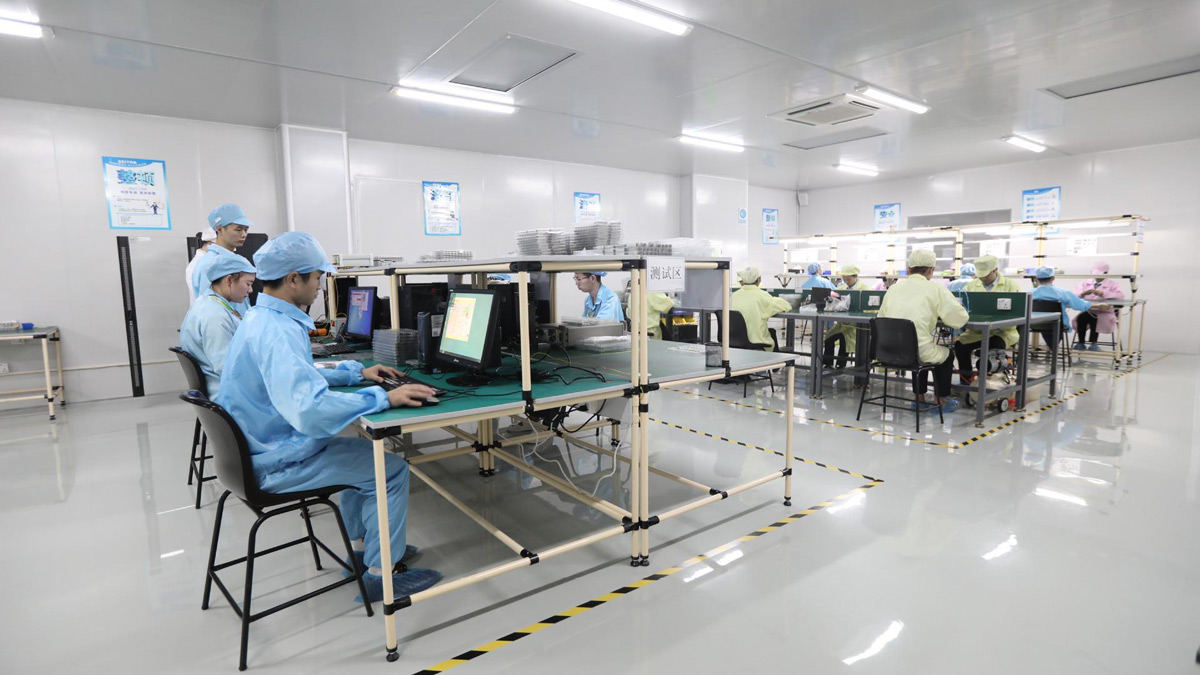
| Manufacturing Facilities | Guangdong, China (Complete SMT, QC & Assembly Ecosystem) | Dust-Free Cleanroom Standards |
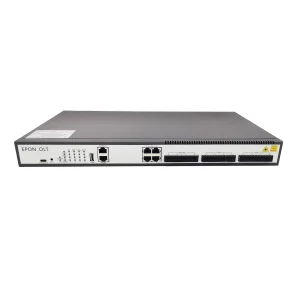
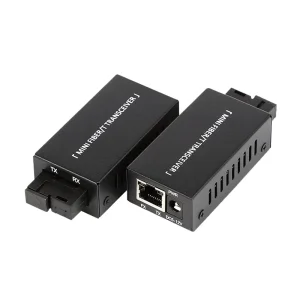
| Core Product Portfolio | SFP/SFP+ Modules, GPON/EPON/XGS-PON ONU & OLT, Fiber Converters | CE, FCC, UL, and RoHS System Compliant |
| Global Distribution Footprint | 60+ Nations (Key markets: North America, South America, Europe, East Asia) | Multi-Vendor EEPROM Interoperability Code Matrix |
| Annual Production Value | US$5 Million - US$10 Million Capacity limit | Continuous Automated Optical Calibration Inspections |
| Engineering Capabilities | Hardware development, Custom Firmware Programming, High-Frequency Layouts | Real-time Digital Diagnostics Monitoring (DDM / DOM) |
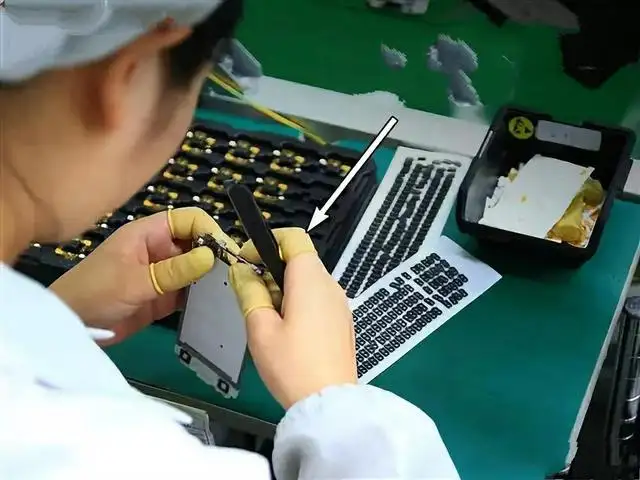
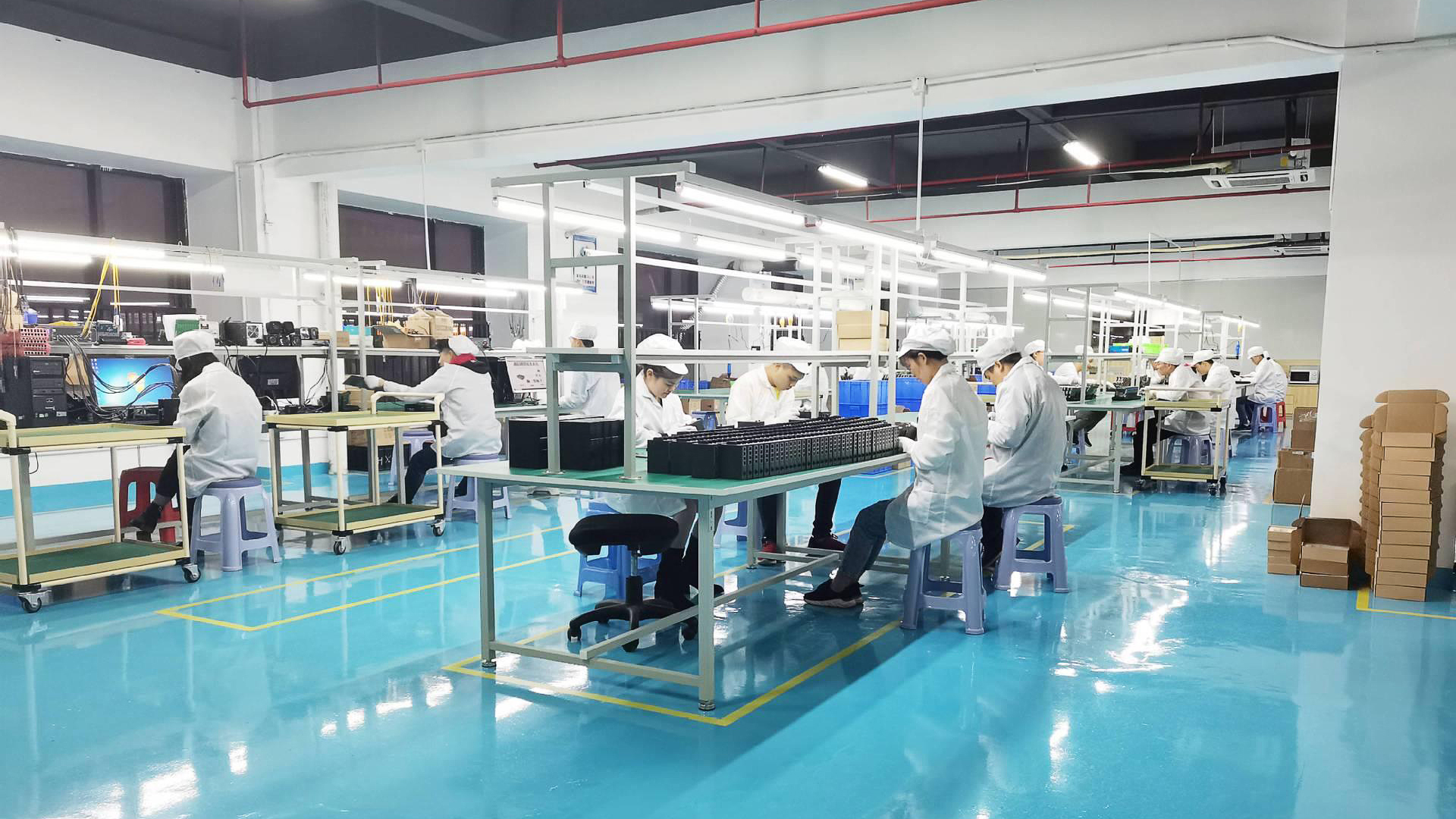
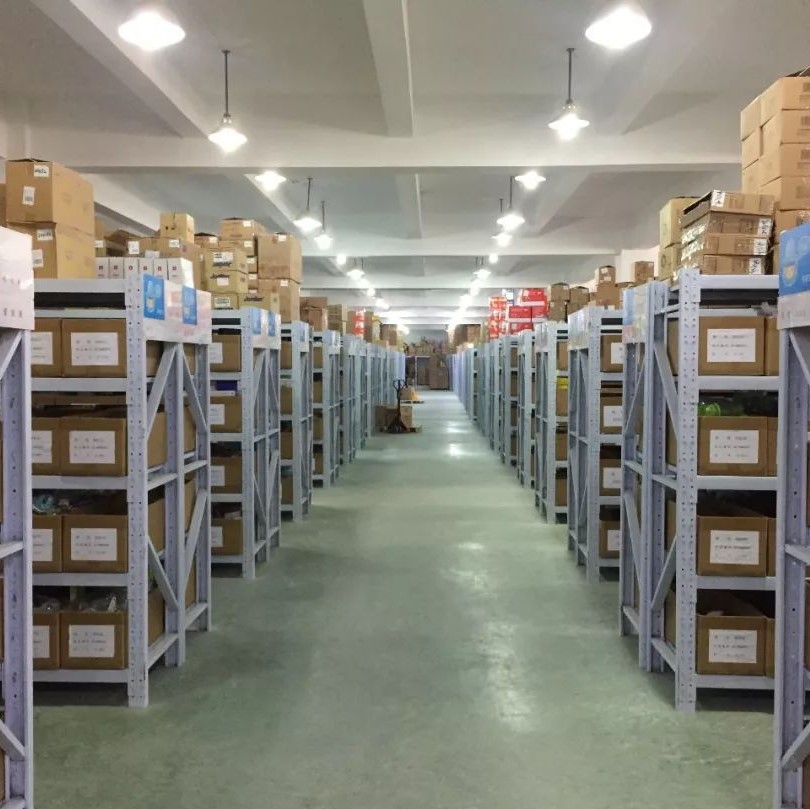
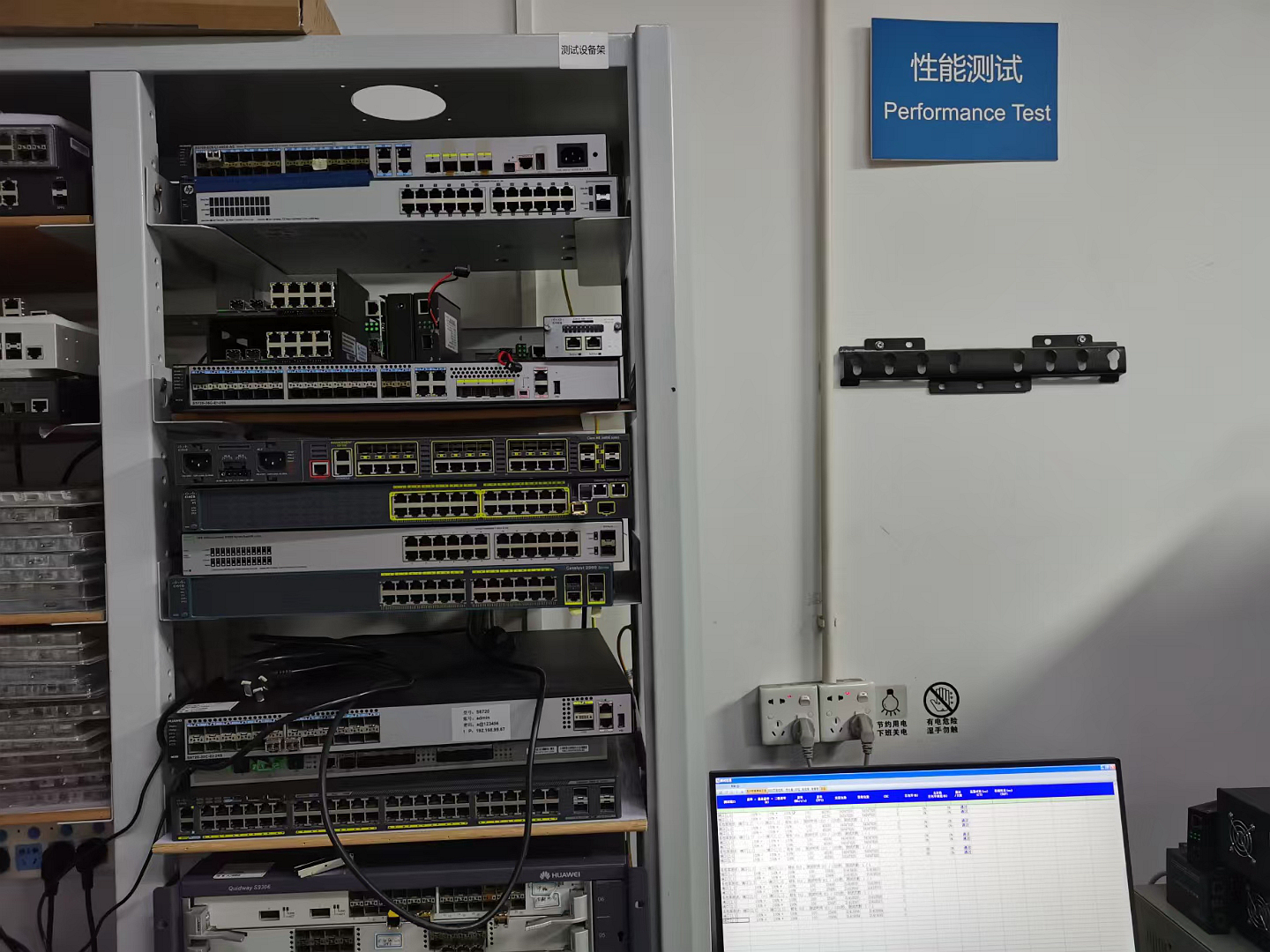
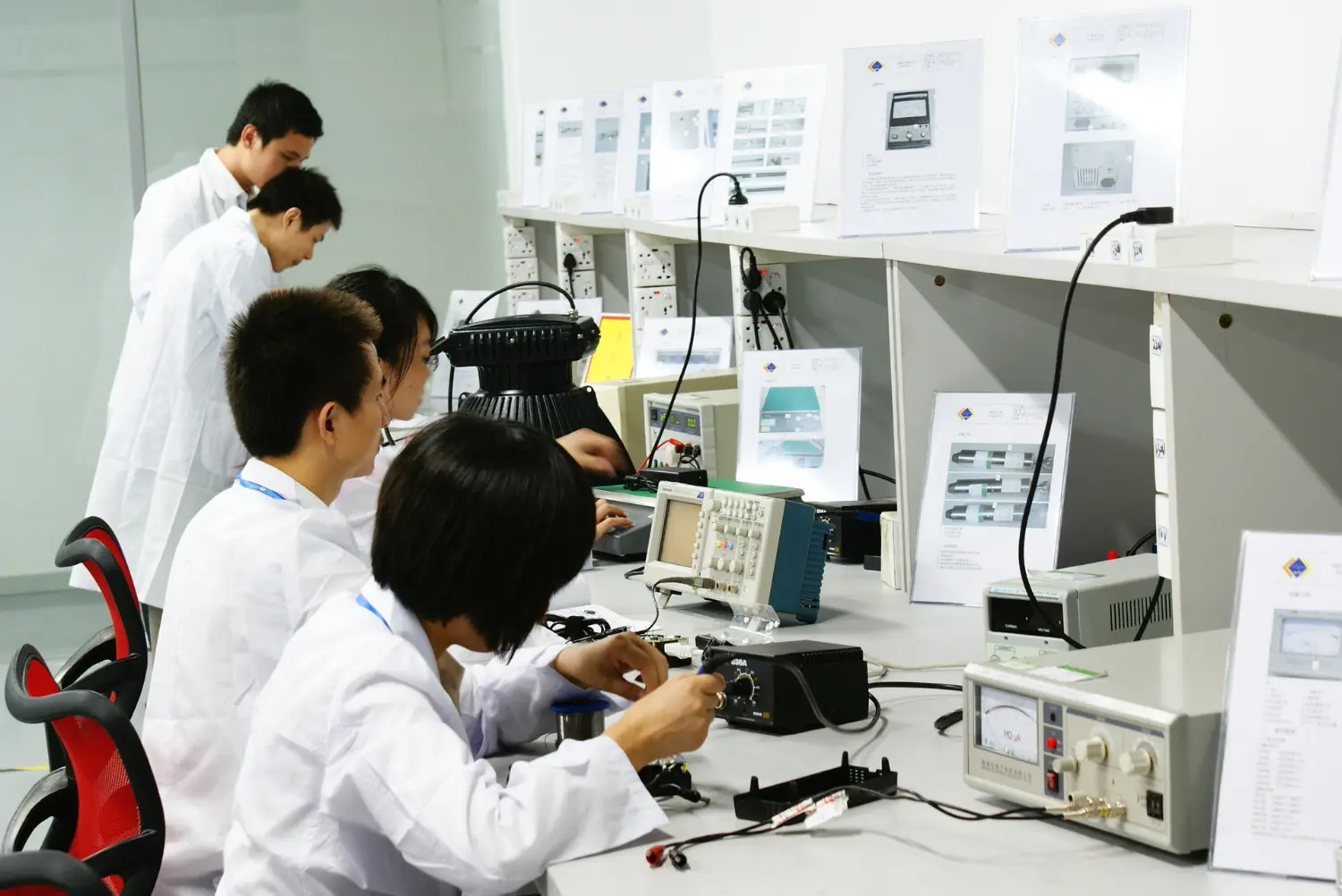
Direct insight into our facility operations, displaying the systematic assembly, calibration, and temperature verification stages.


Traditional discrete laser components hit power-dissipation and signal-attenuation barriers at ultra-high transmission speeds (such as 400G and 800G). Silicon Photonics integrates active optical components directly into silicon substrates. This technique reduces power consumption by up to 30%, minimizes thermal dissipation requirements, and maintains stable wavelength operations across complex multi-channel systems.
Traditional duplex networks require separate dedicated fibers for transmission (Tx) and reception (Rx). BiDi optical transceivers utilize Wavelength Division Multiplexing (WDM) to multiplex different wavelengths (e.g., 1270nm and 1330nm) on a single strand. This layout doubles fiber capacity instantly, minimizing structural infrastructure costs in dense Metropolitan Area Networks.
Maintaining active link diagnostics without disrupting operations is crucial. DDM protocols report internal parameter metrics, including Tx/Rx power ranges, internal laser diode temperature, bias current, and module supply voltage. By tracking deviations from default configurations, network administrators can locate structural fiber faults before link dropouts happen.
Commercial-grade modules operate reliably only within standard temperature parameters. Outside deployments, such as 5G remote radio heads or roadside transit enclosures, require industrial-grade components designed to handle extreme shifts. Using tailored laser subcomponents and custom metal alloy housings, our modules operate stably from -40°C to +85°C.
In-depth structural and architectural guidelines to assist network engineers and sourcing managers during evaluation.
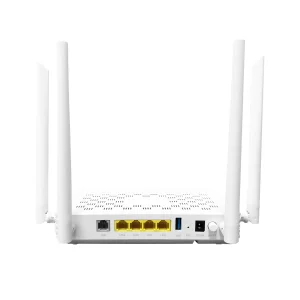
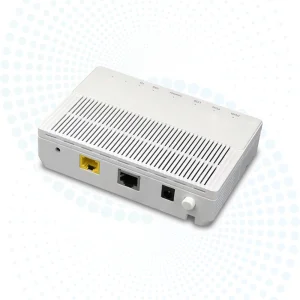
Complete your hardware link with our selection of industrial media converters, optical splitters, and rugged ONT terminals.
 Soras Tech