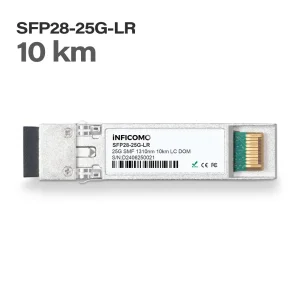
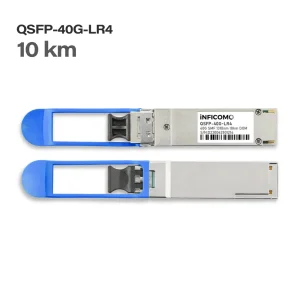
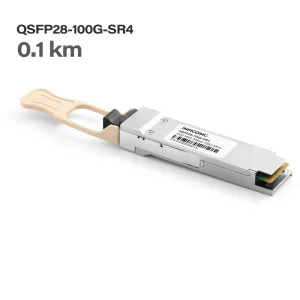
Deploy enterprise-grade optical connectivity engineered for low insertion loss, high thermal reliability, and full multi-vendor system interoperability.
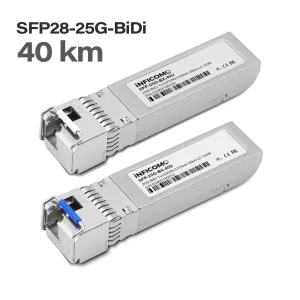
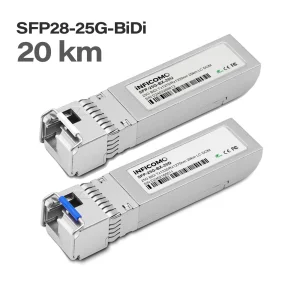
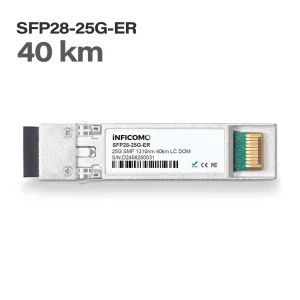
As the largest metropolitan economy in Eastern Europe, Moscow is undergoing a massive digital infrastructure upgrade. High-frequency trading systems, municipal smart-city projects, cloud service platforms, and local telecom giants such as Rostelecom and MTS are demanding higher density and speed in their optical networks. The transition from legacy 10G SFP+ systems to 25G SFP28 and 100G QSFP28 optical modules is no longer a luxury—it is an operational imperative to keep up with the data-intensive requirements of today’s AI, IoT, and high-performance computing (HPC) workflows.
Operating a metropolitan area network in Moscow presents unique environmental and operational challenges. Extreme temperature fluctuations throughout the Russian winter demand transceivers that possess robust thermal tolerance and reliable housing designs. Furthermore, strict requirements for electrical safety, electromagnetic compatibility, and energy efficiency call for highly engineered SFP and QSFP components that conform to international standards such as CE, FCC, and RoHS.
From an engineering perspective, migrating to a 25G system provides 2.5 times the bandwidth of 10G over existing single-mode or multimode fiber structures without escalating the footprint or energy consumption of physical ports. SFP28 modules utilize 25Gbps NRZ (Non-Return-to-Zero) technology, enabling network administrators to boost throughput while keeping physical hardware footprints identical. This is particularly crucial for data centers located in central Moscow, where space and cooling capacity are at a premium.
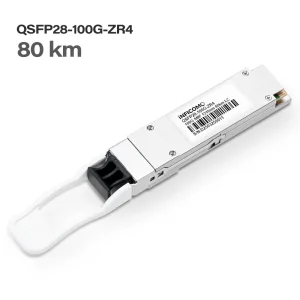
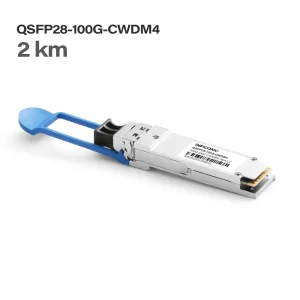
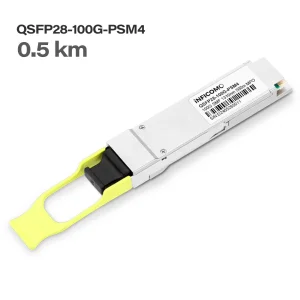
For trunk links, metropolitan core loops, and data center interconnects (DCI), 100G QSFP28 modules offer high-density aggregation. Through technologies such as CWDM4 (Coarse Wavelength Division Multiplexing) or PSM4 (Parallel Single Mode 4-channel), these interfaces group multiple independent wavelengths or parallel fibers to form a resilient 100Gbps channel. High-power optical engines like EML (Electro-absorption Modulated Laser) and APD (Avalanche Photodiode) receivers allow transceivers like the 100G ZR4 to span up to 80km, addressing long-distance inter-office routes across Moscow’s urban administrative rings.
Select from a range of OM4 Multimode and Single-Mode LC Duplex modules designed to support local Russian enterprise architectures and high-density SAN environments.
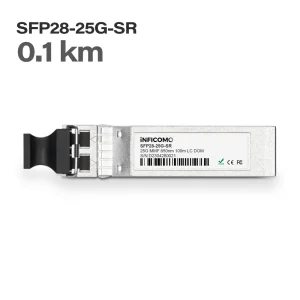
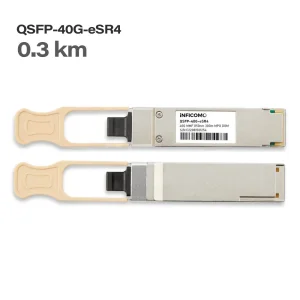
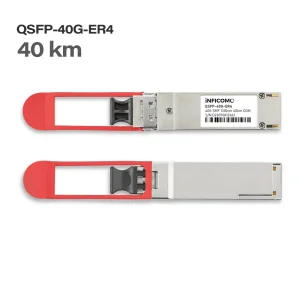
Shenzhen Soras Technology Co., Ltd. represents the absolute pinnacle of high-tech optical manufacturing out of Guangdong, China. Founded in 2021, the company leverages a robust, decade-long technical heritage in developing high-speed telecom transmission devices. Offering direct OEM/ODM customization paths, Soraslink bridges the gap between leading Chinese engineering innovations and high-performance requirements of local integrations in the Moscow market.
By owning the complete production pipeline—from SMT assembly to rigorous automated calibration—Soras guarantees extreme component longevity, full compliance with international safety laws, and competitive price structures. Below is an overview of our core corporate matrix:
| Business Characteristic | Specification Details / Capability Matrix | Operational Regions & Standards | Compliance Details |
|---|---|---|---|
| Business Type | Professional Manufacturer & OEM/ODM Solution Architect | Country / Region | Guangdong, China |
| Main Products | FTTH ONU & OLT, 25G-100G SFP/QSFP Modules, Fiber Media Converters, PoE Switches | Total Employees | 11 - 50 High-Skill Operators & R&D Engineers |
| Annual Revenue | US$5 Million - US$10 Million | Year Established | 2021 |
| Global Reach | Active shipments to over 60 countries across South America, North America, and Europe | Factory Standards | ISO 9001, UL, CE, FCC, RoHS Certified |
| Key Markets | Domestic (24.00%), Eastern Asia (15.00%), North America (15.00%), Eastern Europe (including Moscow region) | Quality Testing Gate | Full-cycle simulated stress test & multi-vendor switch compatibility validation |
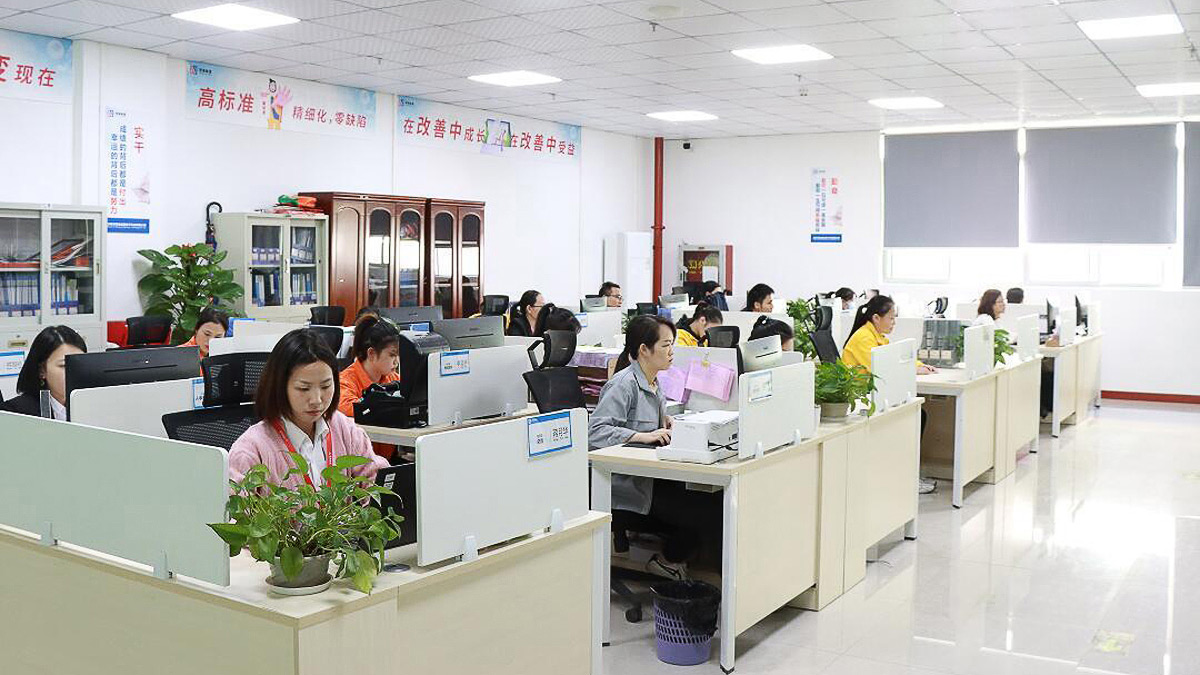
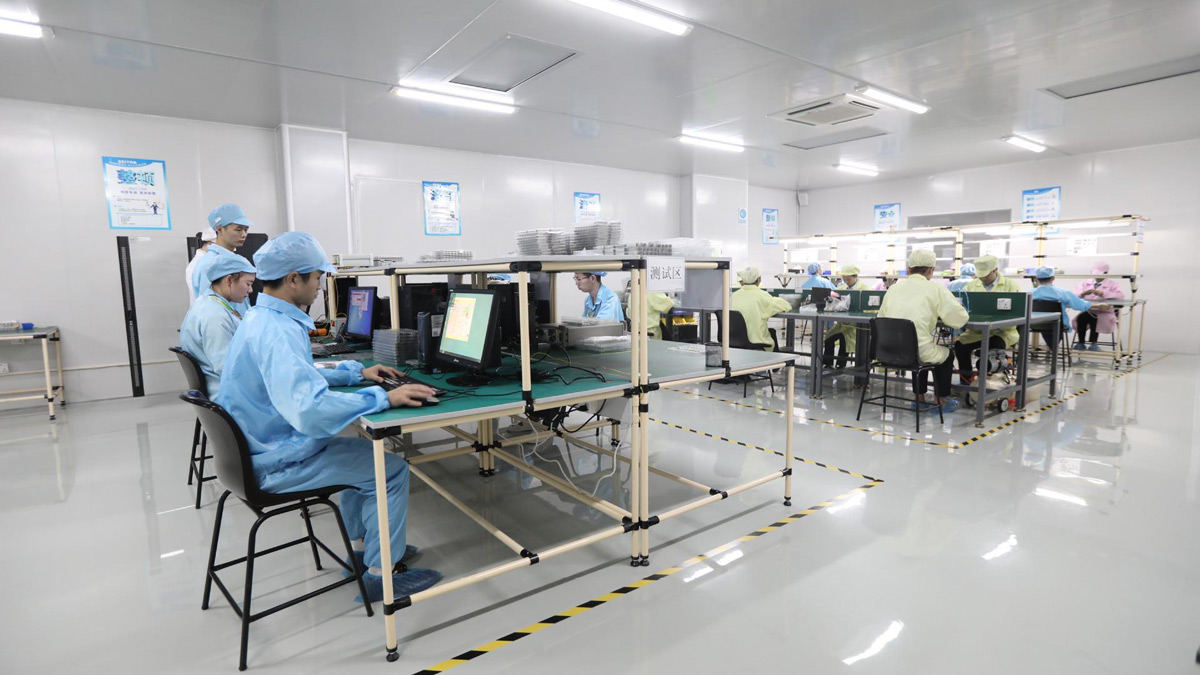
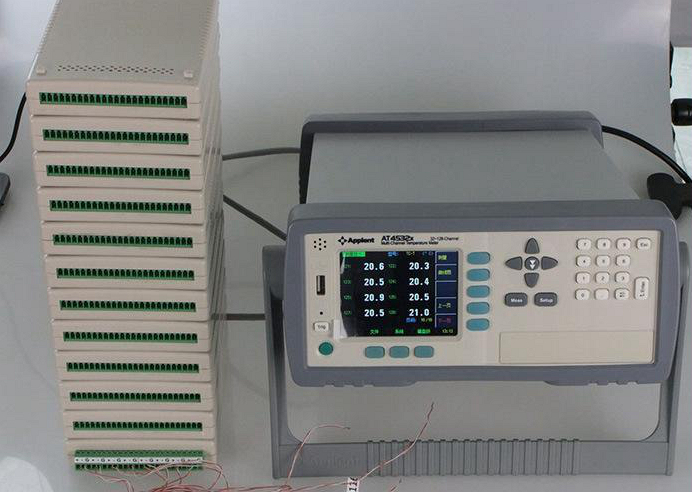
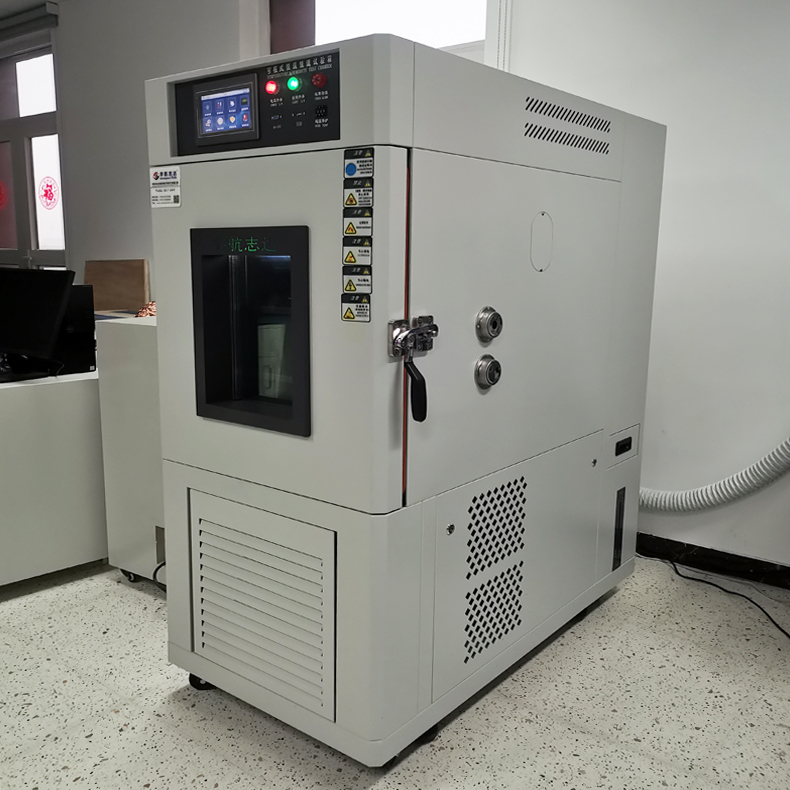
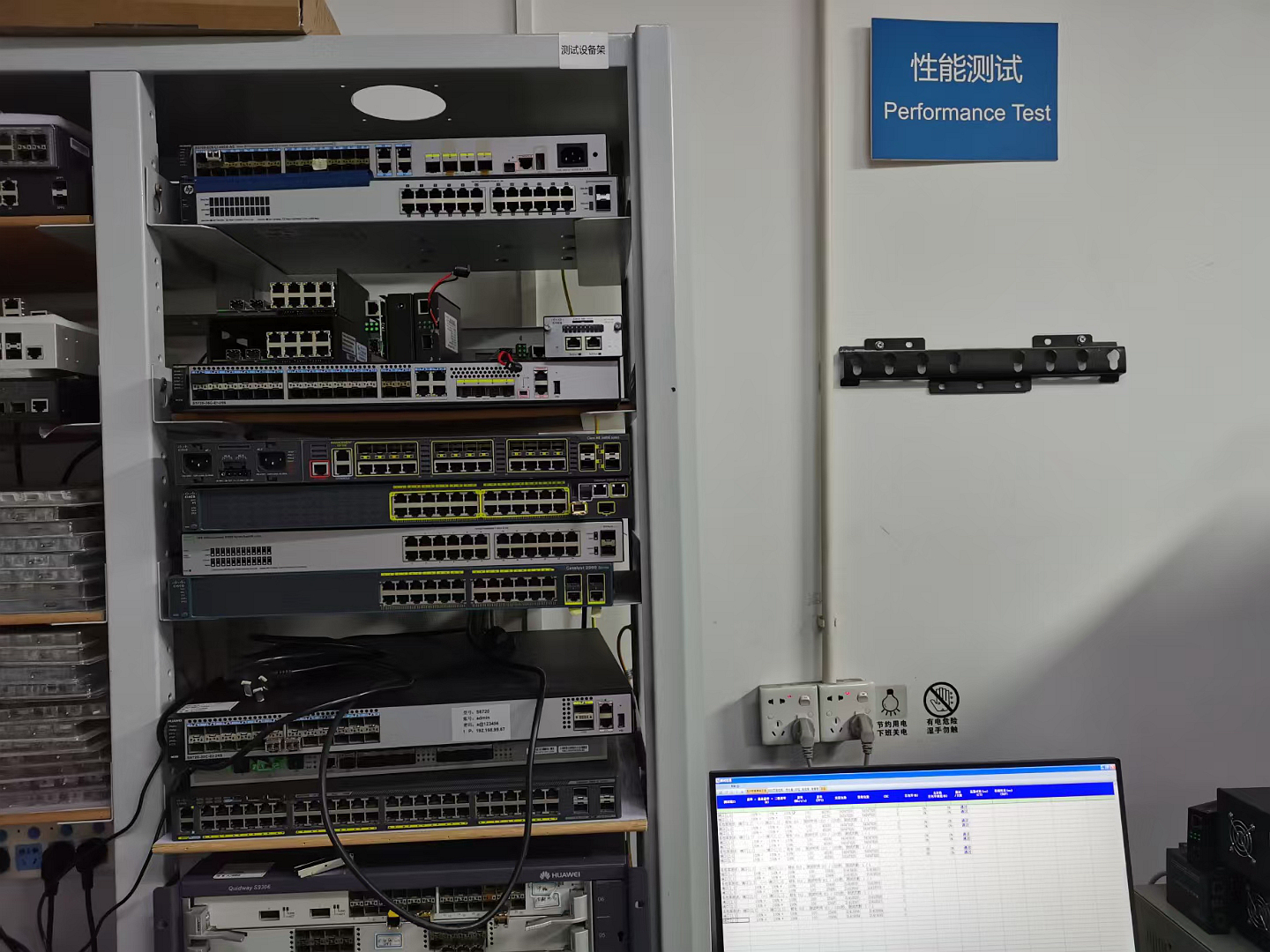
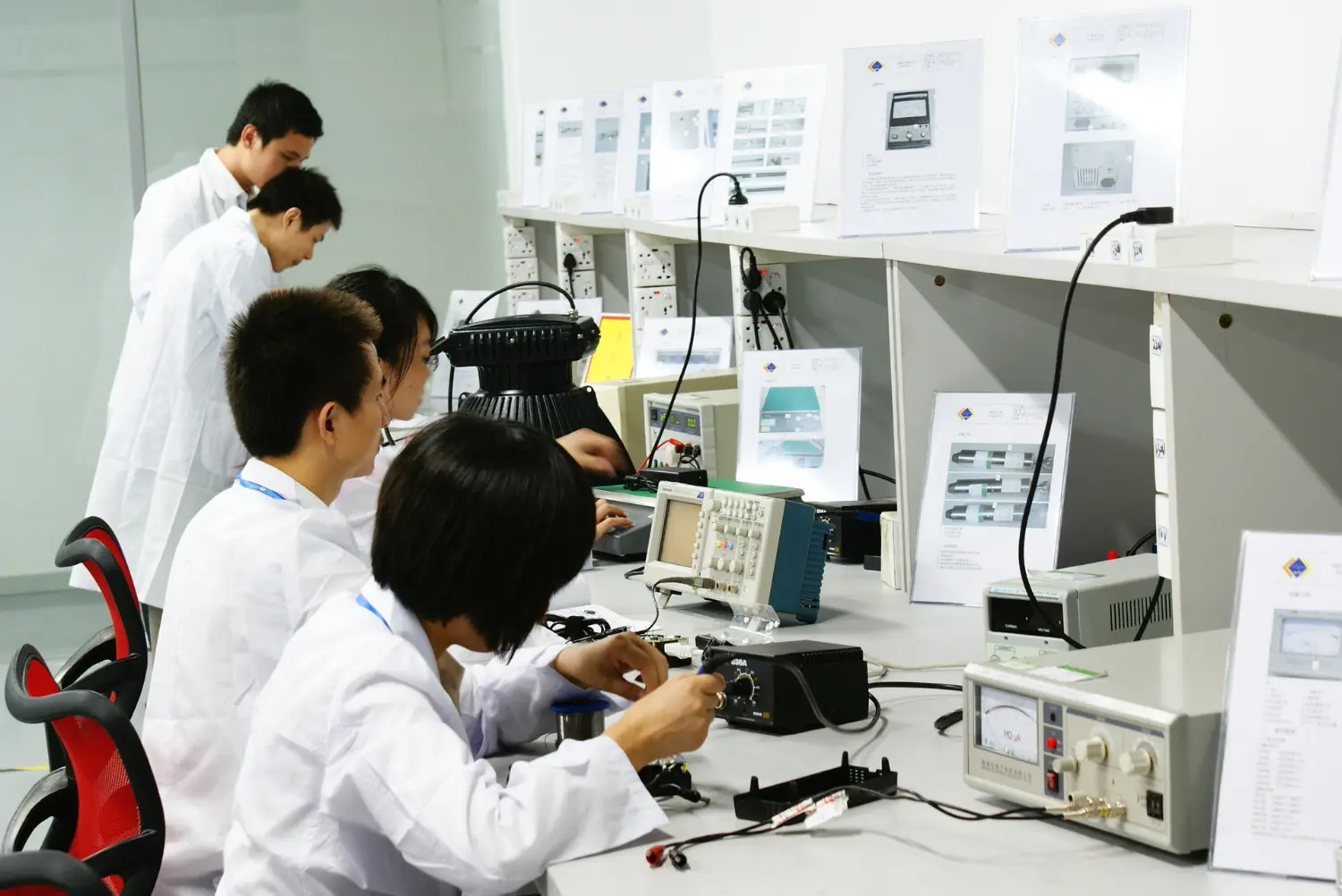
To supply high-speed 25G-100G transceivers to the strict Moscow market, Soras operates advanced, climate-controlled manufacturing floors and laboratories. Every stage of production is governed by strict ISO 9001 regulations, using automated optical diagnostics to eliminate manual testing defects. From high-frequency SMT lines placing microscopic laser components to environmental stress testing chambers, we optimize every detail of the transceivers' physical and optical architectures.
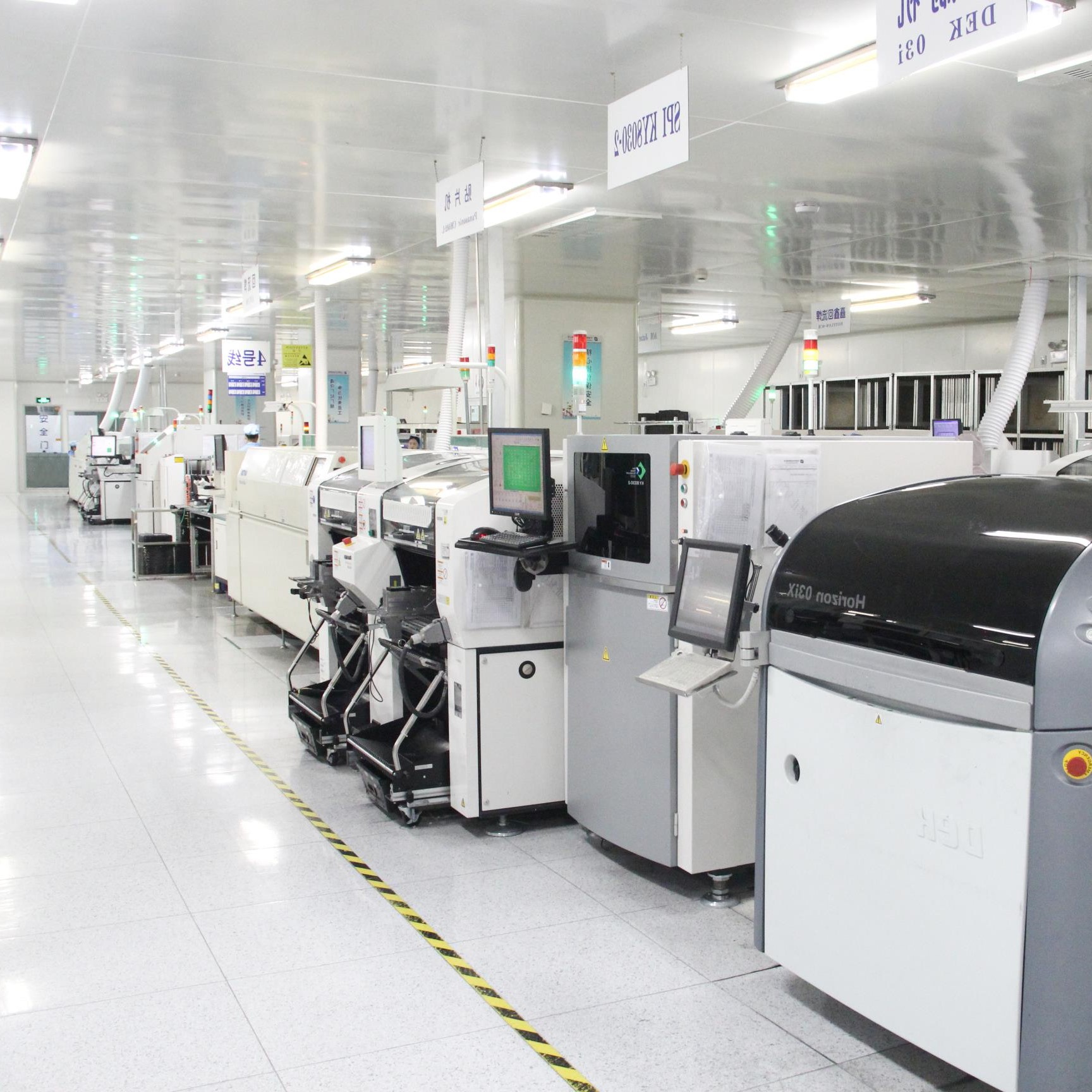
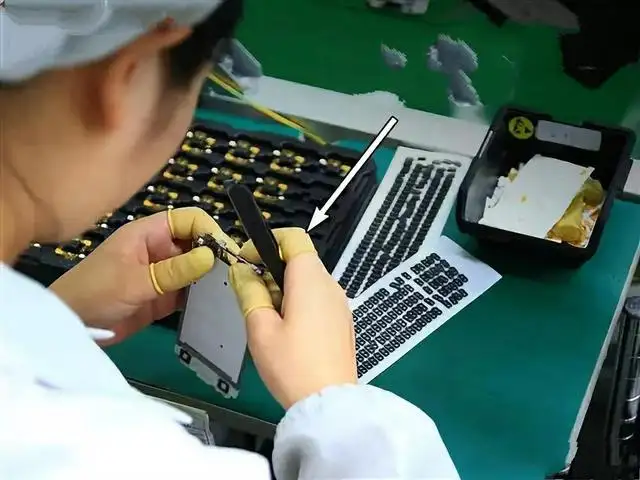
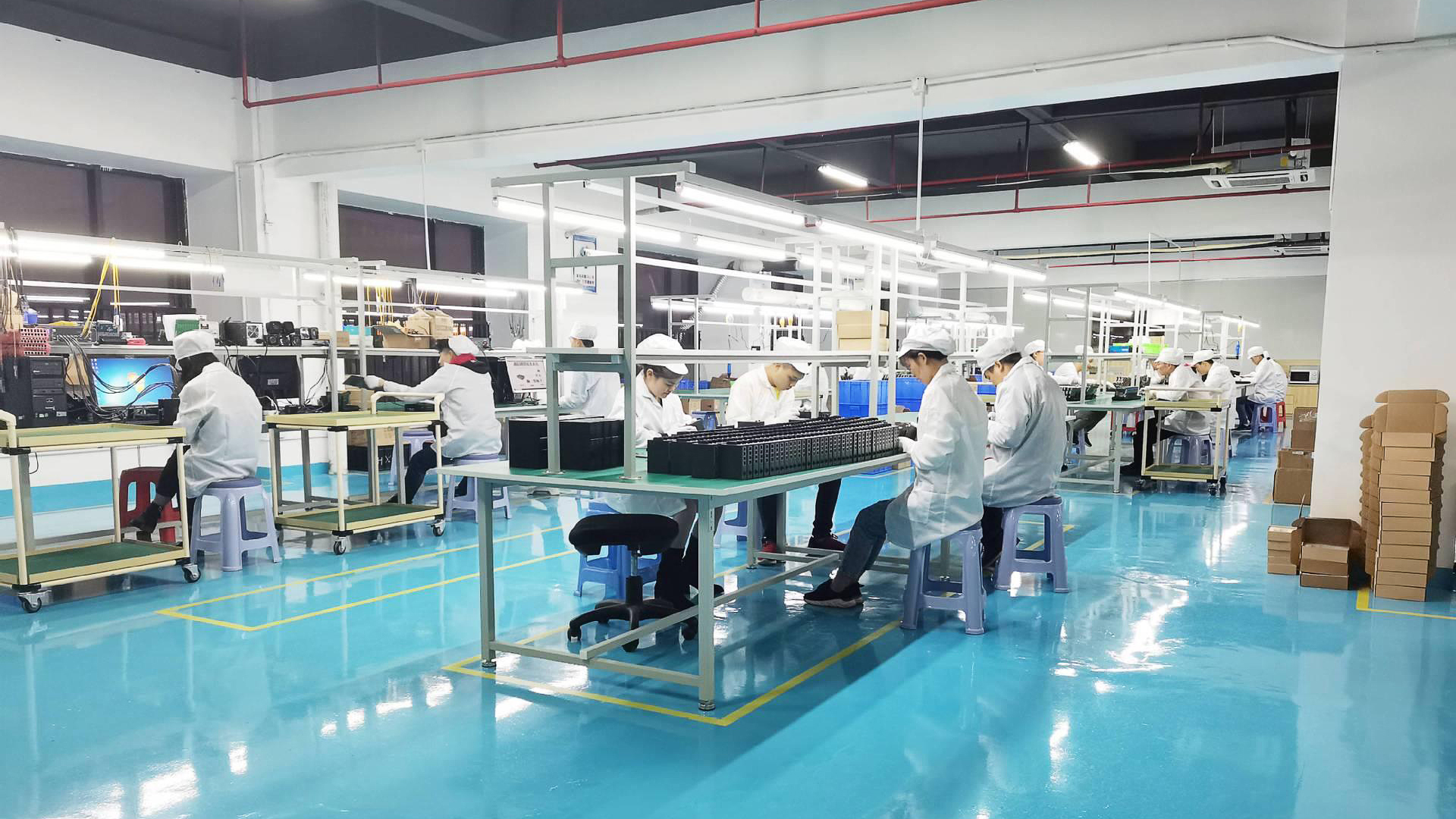
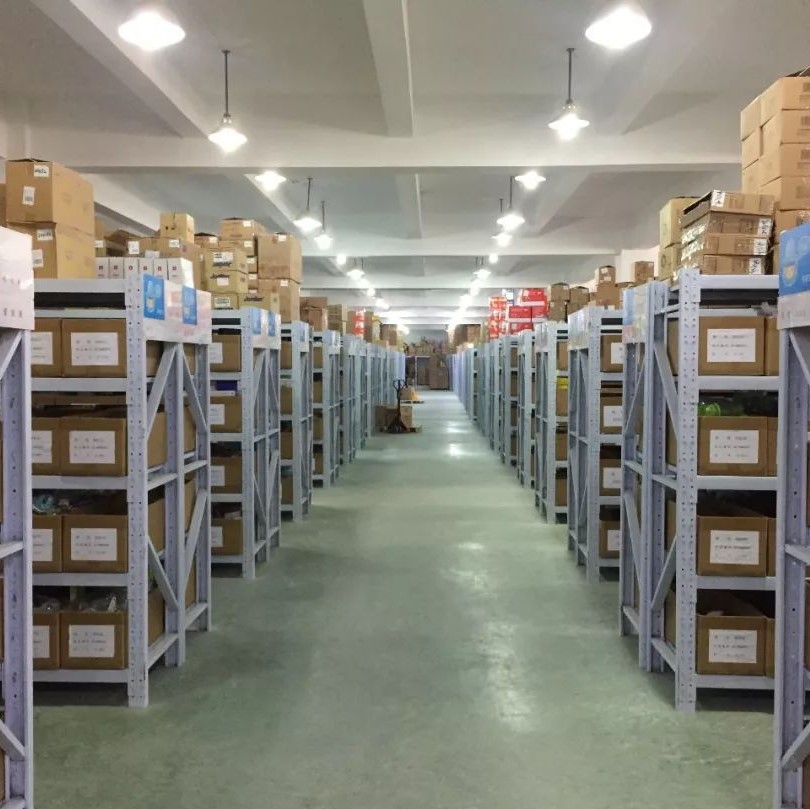
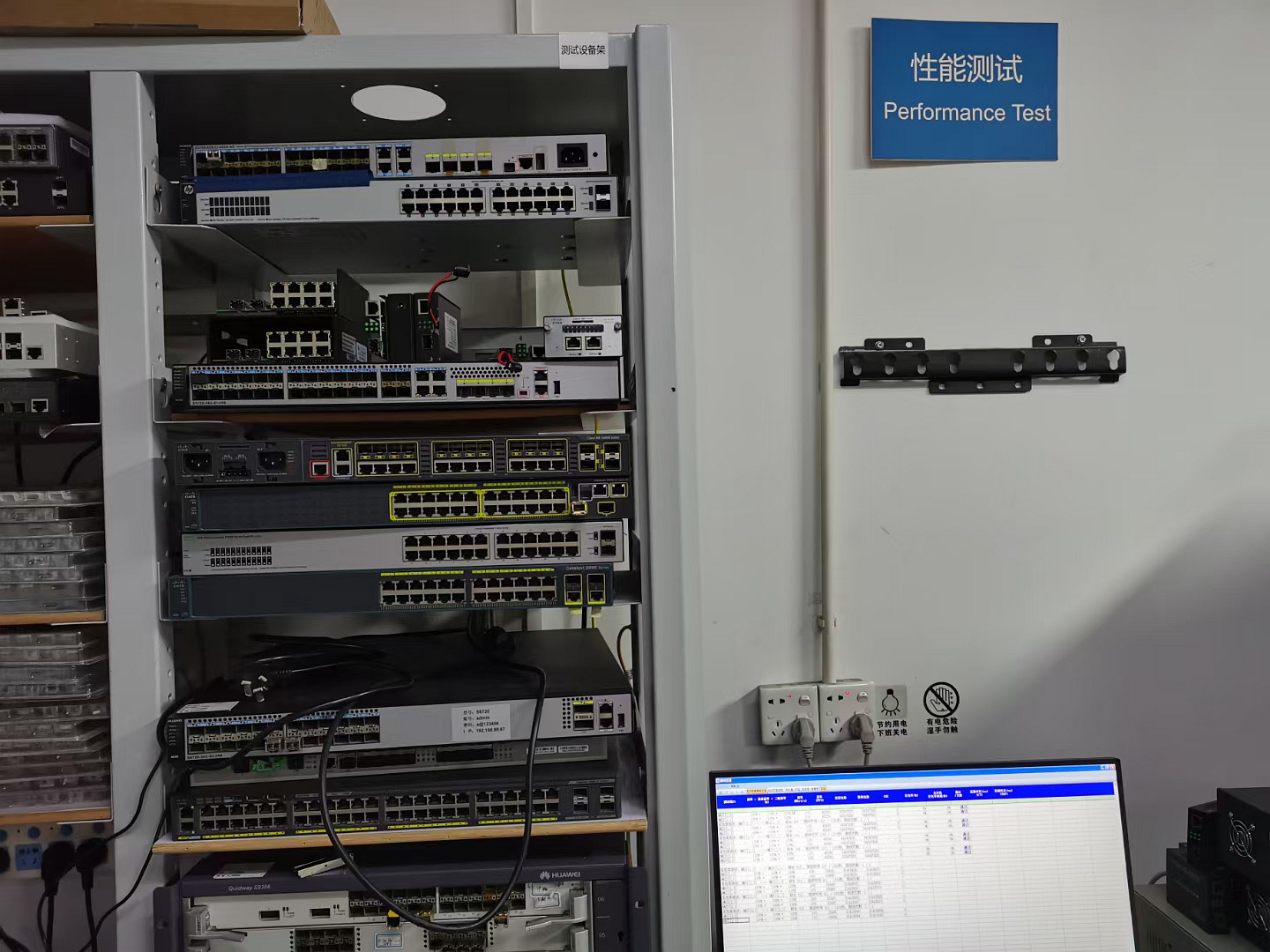
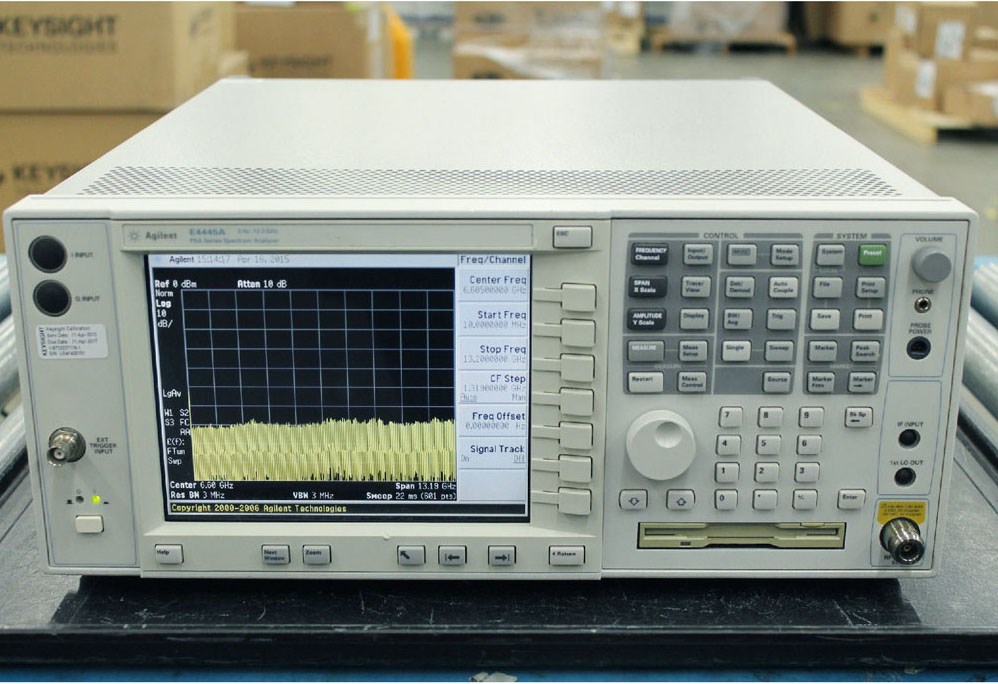
A critical stage for Moscow exports is the High-Low Temperature (H-L) Testing Process. Given the extreme winters in Moscow, transceivers deployed in outdoor cabinets (such as metropolitan transport sensors, base station feeds, or security control blocks) must perform flawlessly across a wide temperature spectrum. Our environmental chambers cycle modules through extreme heat and freezing cold to evaluate real-time wavelength shift, power output variations, and receiver sensitivity.
Get access to factory-direct bulk pricing, custom OEM EEPROM coding for multi-vendor compatibility, and fast, secure delivery to Moscow and surrounding business parks.
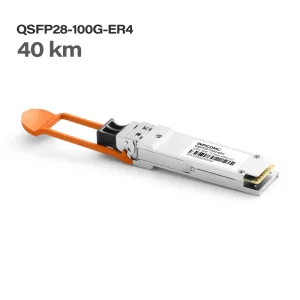
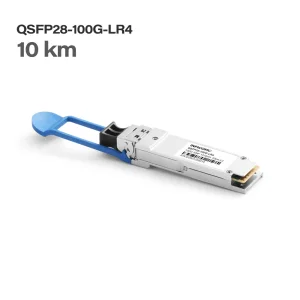
Send Inquiry NowData traffic in Moscow relies on high-speed ring topologies. Interconnecting facilities like Moscow Data Center parks requires robust 100G networks. Utilizing 100G QSFP28 LR4 and ER4 transceivers, data networks transmit traffic over 10km to 40km links without intermediate optical amplifiers. High-sensitivity APD receivers protect data integrity against attenuation caused by urban environmental stresses, keeping signal levels well within safe operating budgets.
As residential areas in Moscow expand, fiber networks must scale to support high-density subscriber lines. High-performance optical modules link local distribution nodes to municipal core networks. Combining Soras' ONU and OLT hardware with 25G backhaul links enables local ISPs to deploy FTTH architectures that resist peak-hour congestion, establishing a solid foundation for future 50G PON/100G PON upgrades.
For financial institutions and cloud platforms, latency is a critical performance metric. Selecting 25G SFP28 SR (Short Range) and LR (Long Range) transceivers reduces serialization delay compared to legacy 10G links. This improves database sync, disaster recovery systems, and virtual machine migrations. Fully functional DDM (Digital Diagnostics Monitoring) interfaces provide real-time metrics on laser current, optical power, and internal temperature, helping engineers resolve connectivity issues before they impact business operations.
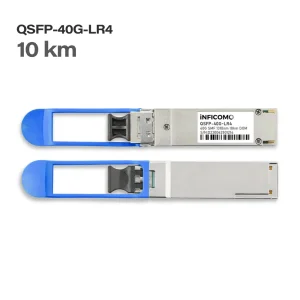
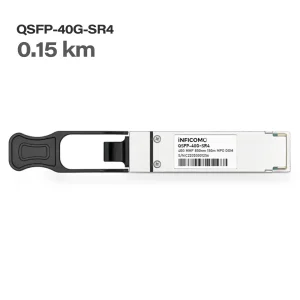
Explore high-capacity QSFP+ and QSFP28 modules built for multi-vendor compatibility, long-distance transmission, and low-latency data center architectures.
Making informed sourcing decisions requires high-level technical clarity. Below is our engineering guide to address compatibility, logistics, and performance questions frequently raised by Moscow enterprise buyers and system integrators.
Contact our sales team today to request compatibility reports, sample modules, or bulk pricing customized for your specific network upgrade project.
Send Inquiry Now Soras Tech