High-efficiency optical welding machinery optimized for the tropical climate and high-density urban deployment demands of Metro Manila's fiber networks.
Understanding the engineering demands, ambient conditions, and market requirements driving fiber deployments in the National Capital Region (NCR) of the Philippines.
Metro Manila, as the economic and technological heart of the Philippines, is undergoing an unprecedented digital transformation. Driven by the aggressive network modernization initiatives of major telecommunication giants such as PLDT, Globe Telecom, DITO Telecommunity, and Converge ICT, the region is transitioning from legacy copper lines to high-speed Fiber-to-the-Home (FTTH) and robust enterprise fiber backbones. This dense urban environment presents unique geographic and architectural challenges that require industrial-grade fiber optic construction equipment.
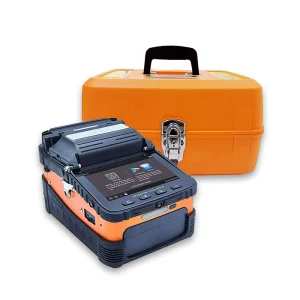
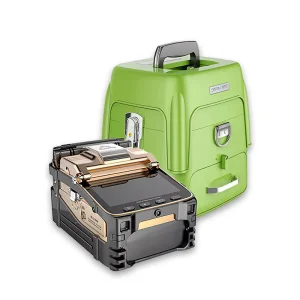
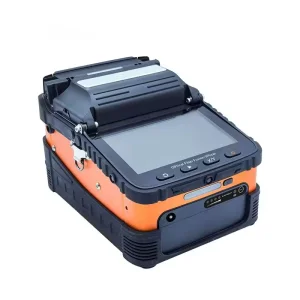
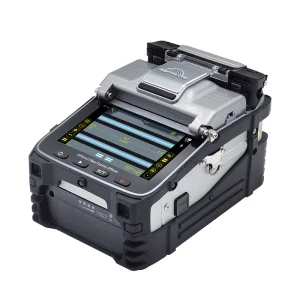
Deploying fiber optic networks in Metro Manila requires equipment capable of withstanding severe tropical conditions. With high levels of ambient humidity, consistent saline exposure from Manila Bay, and extreme heat during the summer months, optical fibers are vulnerable to environmental degradation and macro-bending losses. To ensure long-term network uptime, fiber optic technicians must achieve incredibly low-loss splices. Under these demanding field conditions, standard active cladding alignment splicers often struggle to maintain consistency. This is where advanced six-motor core-alignment fusion splicers become essential.
Precision core alignment technology adjusts the fiber position on three axes (X, Y, and Z), ensuring that the light-carrying cores of the single-mode fibers are perfectly aligned before discharge. This reduces average splice loss to under 0.01dB for standard G.652 fibers, securing reliable data transmission even over long distances and dense metropolitan networks.
Splicing technicians in the Philippines often operate in challenging outdoor environments, including aerial fiber configurations along utility poles and cramped subterranean utility vaults. Power accessibility in these scenarios is limited. The integration of 7800mAh high-capacity lithium-ion batteries ensures that a single charge can handle over 240 splice-and-heat cycles, minimizing field downtime and accelerating FTTH project completion rates.
Bridging the gap between high-speed enterprise hardware and modern transmission components.
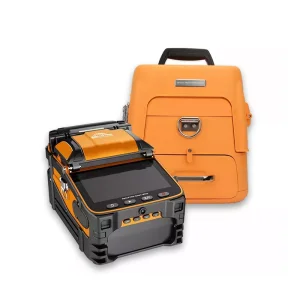
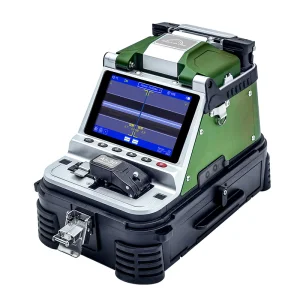
In modern fiber deployment, splicing speed and accuracy directly impact labor costs and project deadlines. Splicing units like the Signal Fire AI-9 and AI-20 leverage powerful multi-core processing chips and six-motor industrial alignment mechanisms. By employing autofocus systems that automatically detect dust, offset cores, and fiber defects, these units reduce optical losses at the splice point.
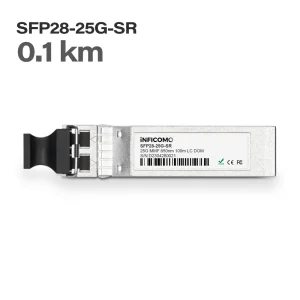
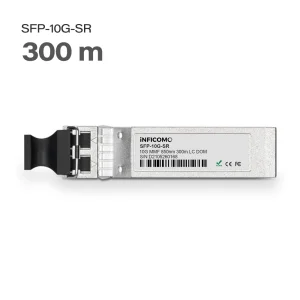
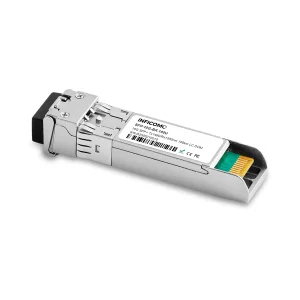
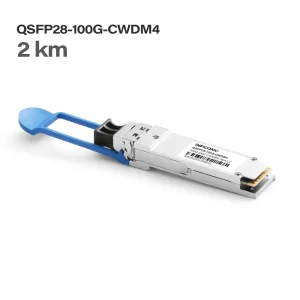
Additionally, modern optical transceivers—such as 10G SFP+ and 25G SFP28 modules—demand incredibly stable fiber physical connections. An imperfect splice line creates high back-reflection (measured as return loss). If the return loss drops below 60dB, it can cause transceiver laser degradation and bit error rate (BER) spikes in enterprise networks. Our devices guarantee return losses exceeding 60dB, protecting high-capacity networks throughout Metro Manila's growing enterprise sector.
How Shenzhen Soras Technology Co., Ltd. builds supply chain stability and premium hardware quality for telecom infrastructure.
Based in Guangdong, China, Shenzhen Soras Technology Co., Ltd. operates as a leading manufacturer of optical transmission equipment and high-speed network systems. Backed by over a decade of domain expertise, our facility integrates high-precision manufacturing, automated testing, and comprehensive supply chain management. This localized logistics chain enables quick delivery to the Port of Manila and air-cargo distribution via Ninoy Aquino International Airport (NAIA).
| Corporate and Factory Specifications | |||
|---|---|---|---|
| Business Type | Manufacturer | Country / Region | Guangdong, China |
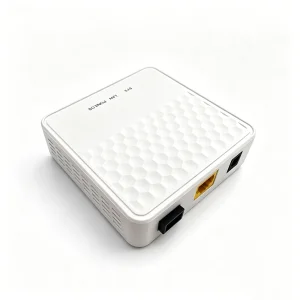
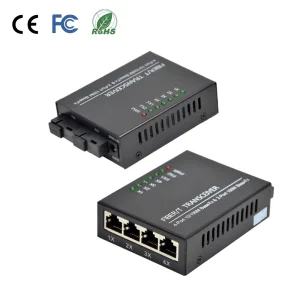
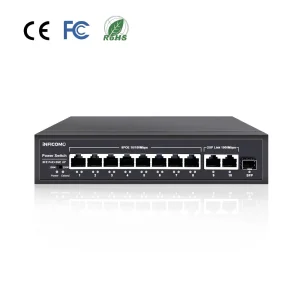
| Main Products | FTTH ONU & OLT, SFP Modules, Fiber Media Converters, PoE Switches, Fusion Splicers | Total Employees | 11 - 50 People |
| Annual Revenue | US$5 Million - US$10 Million | Year Established | 2021 |
| Certifications | ISO 9001, UL, CE, FCC, RoHS Compliance | Main Markets | Domestic (24.00%), Eastern Asia (15.00%), North America (15.00%), Southeast Asia |
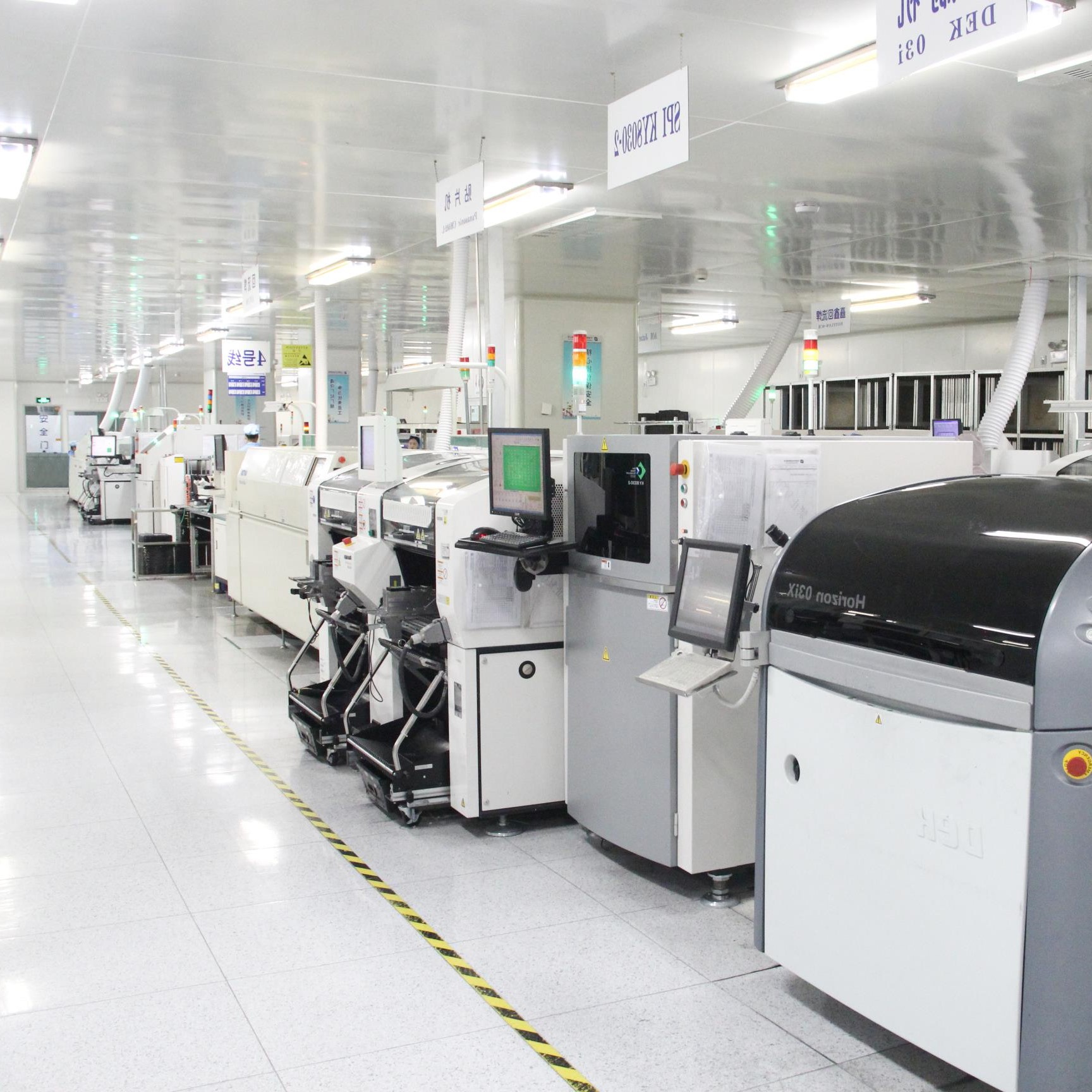
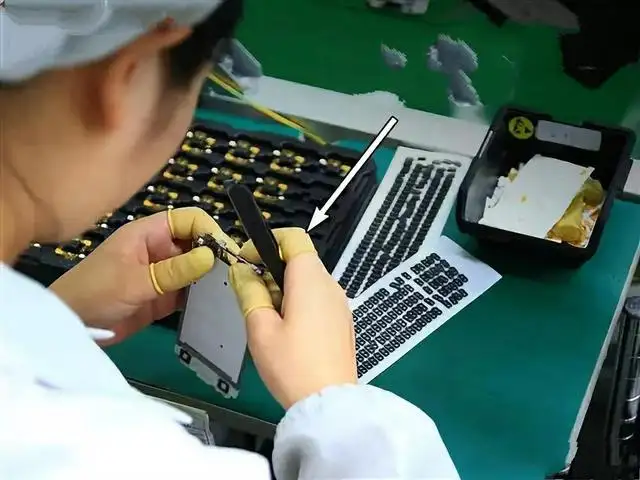
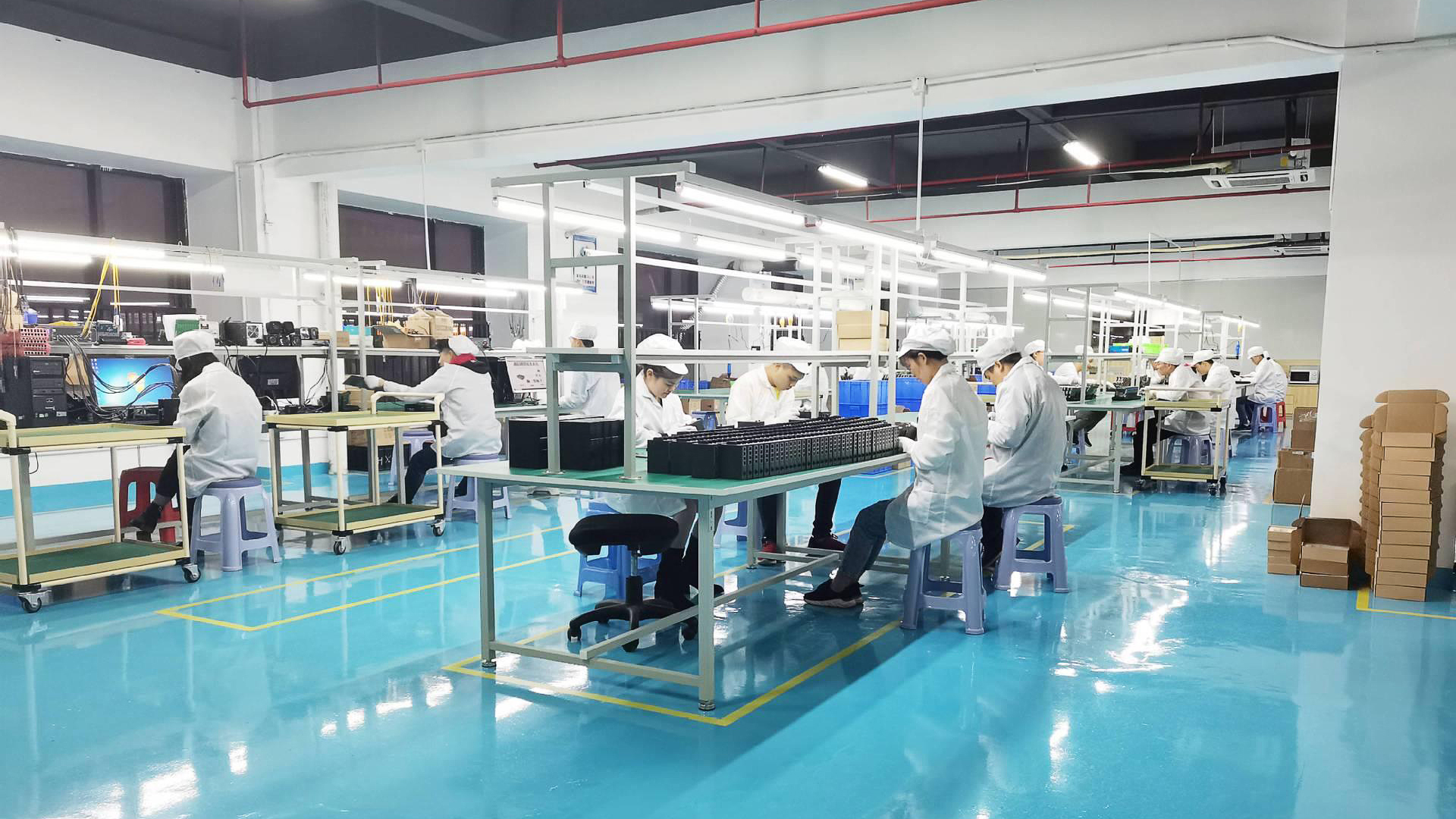
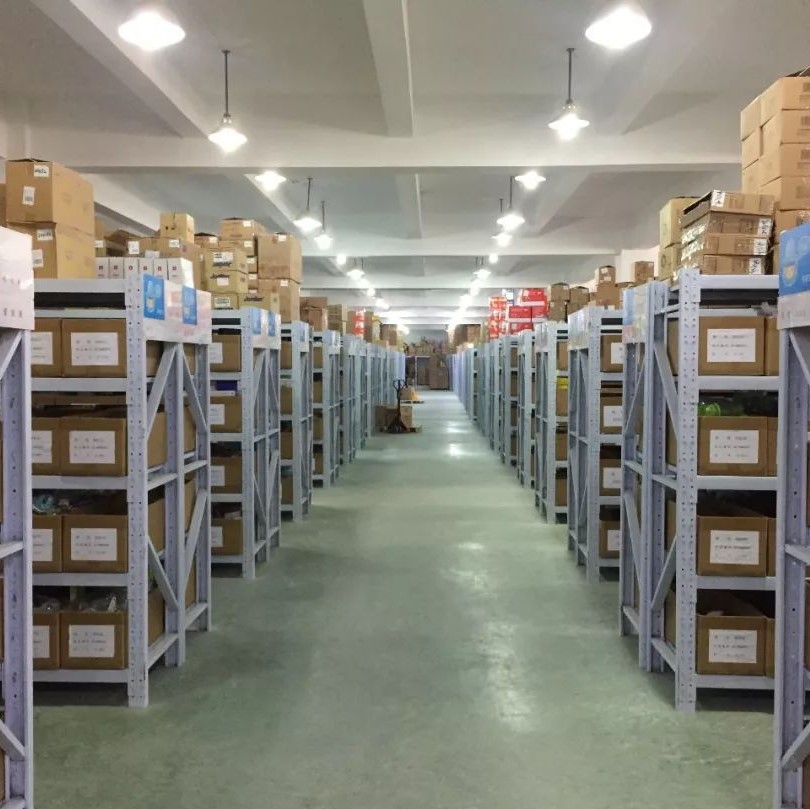
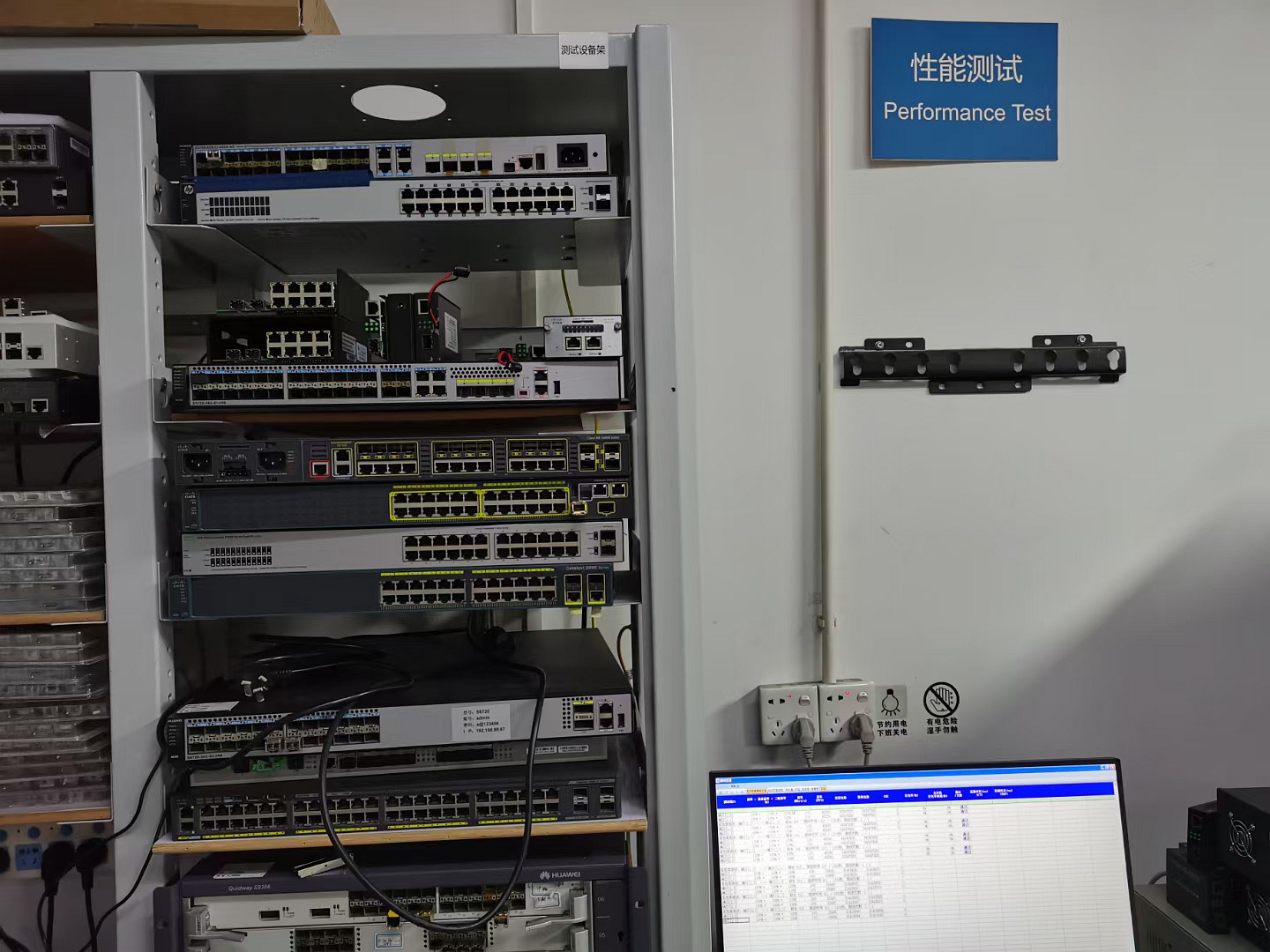
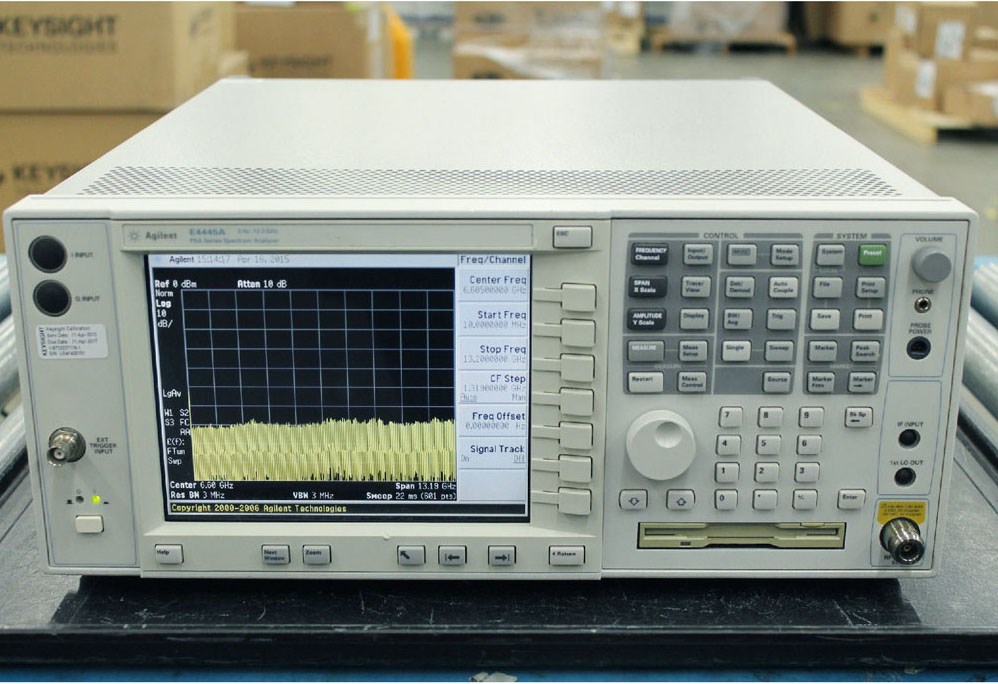
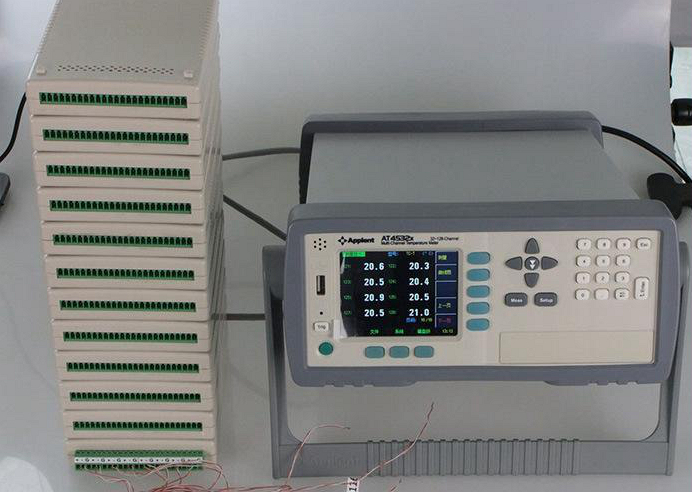
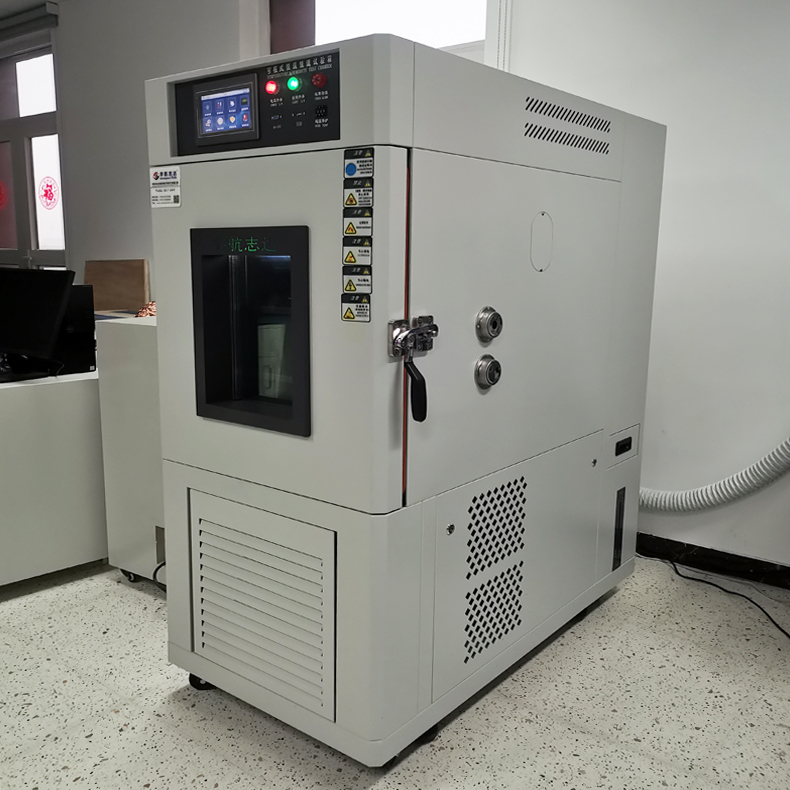
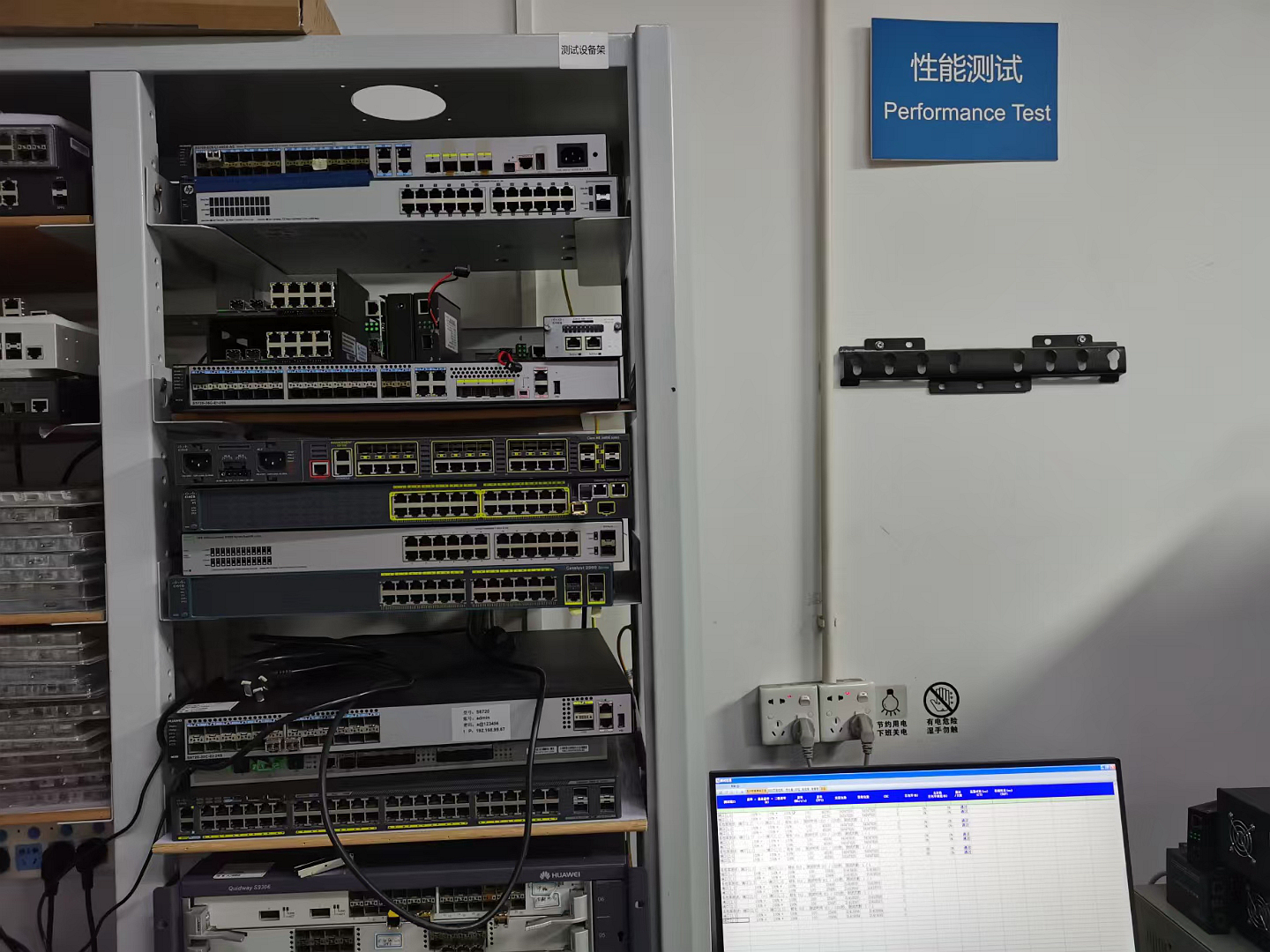
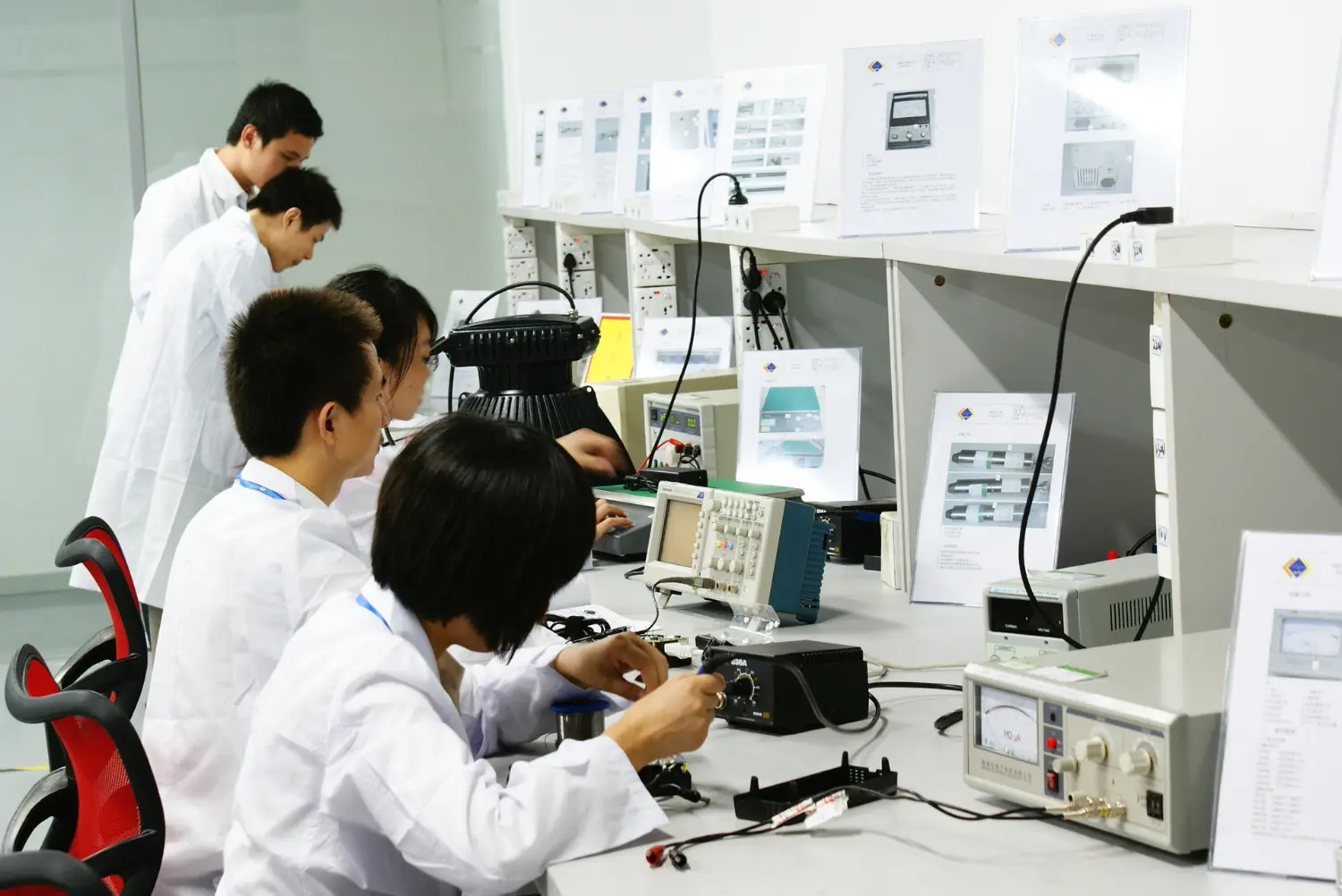
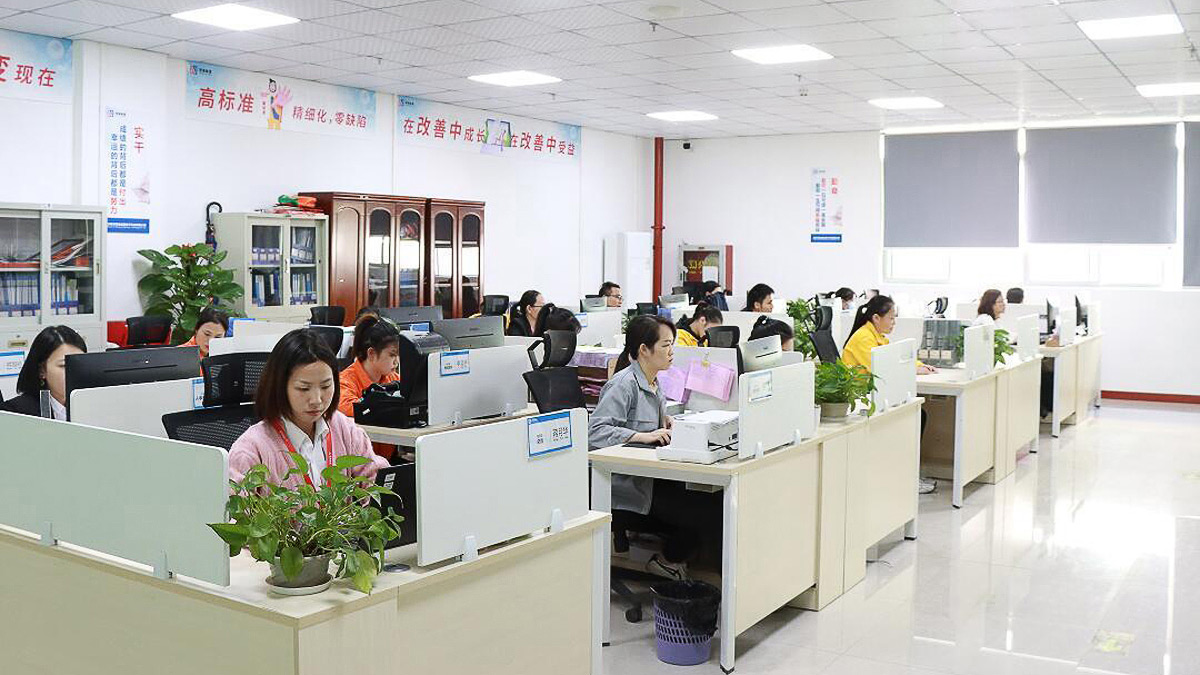
Every network device—whether a core-alignment fusion splicer, a passive optical network (PON) unit, or an optical transceiver module—undergoes an extensive quality control protocol before shipping. In our factory, SMT lines run alongside high-low thermal testing chambers, simulation software setups, and functional calibration rigs. This process ensures that every device meets the rigorous performance demands of fiber systems deployed in sub-optimal environments.
Empowering regional network rollouts with end-to-end technical backup, spare parts availability, and engineering training.
Sourcing fiber optic hardware for Philippine network systems requires more than just high-performance equipment; it demands dependable support. We address common industry challenges by providing technical training, warranty services, and spare parts supply lines directly to Metro Manila contractors. We understand that field delays can be costly, and our support infrastructure is designed to keep projects moving forward.
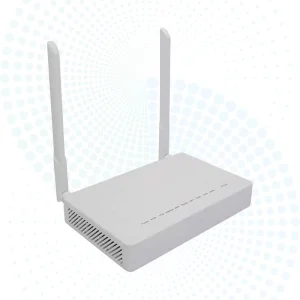
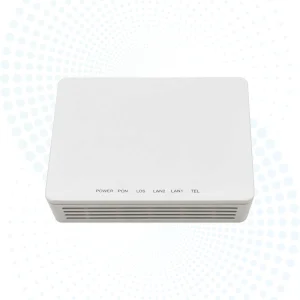
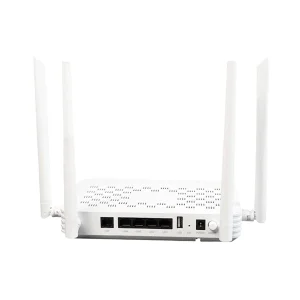
Our solutions span from central-office optical line terminals (OLTs) to the customer-premises optical network units (ONUs). Connecting these points requires robust active hardware, including industrial-grade media converters and PoE switches to power camera arrays and enterprise edge nodes. Integrating our core fusion splicers ensures low splice loss and reliable connections across the entire optical path, helping engineers build highly efficient networks.
Browse our selection of XPON ONUs, Media Converters, and high-performance PoE switches to complete your fiber infrastructure.
Technical answers to key procurement and installation questions about fiber optic systems in the Philippines.
Get in touch with our engineering and sales teams to request detailed specifications, bulk pricing tiers, and customized solutions for your optical network projects in Manila.
Send Inquiry Now Soras Tech