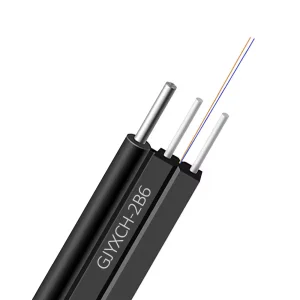
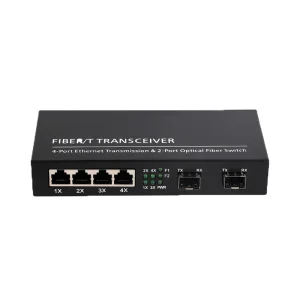
Engineered for high-density FTTH rollouts, metropolitan backbone networks, and industrial communication lines across Northern Germany.
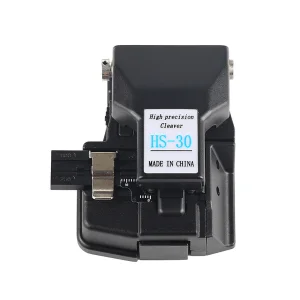
As Germany accelerates its nationwide gigabit strategy, the city-state of Hamburg sits at the focal point of the European digital trade corridor. With the Port of Hamburg acting as a central logistics hub and the metropolitan area housing massive data complexes, aeronautical assembly lines, and technological research clusters, the demand for stable, ultra-low-latency fiber networks has reached unprecedented heights. Achieving the reliability required for Hamburg's complex topologies demands splicing precision of the highest caliber. At the heart of this deployment lies the high-precision fiber optic cleaver.
Precise cleaving minimizes reflection anomalies, ensuring high-speed packets transit without dispersion across long-haul marine or rail fiber paths.
Our diamond-alloy blades retain structural integrity through tens of thousands of cycles, cutting downtime and operational cost in the field.
Full CE, RoHS, and FCC alignment ensures that municipal network operators in Hamburg face zero deployment red tape.
The digitalization of Northern Germany is not merely a residential upgrade; it is a critical industrial transition. The Hamburg Senate's Digital Strategy targets comprehensive FTTB/FTTH coverage to enable IoT integration throughout the maritime terminals and automated manufacturing hubs. When connecting modern smart factories or configuring high-speed networks, engineers require tools that prevent signal degradation. Every single fusion splice is only as reliable as the cleave that preceded it. An imperfect cleave angle leads to attenuation spikes, compromising the structural limits of high-frequency data transmission.
Importing equipment into Germany requires strategic supply chains. Local network engineering companies demand quick delivery through Hamburg's harbor or major air cargo channels. Partnering directly with experienced manufacturers like Shenzhen Soras Technology ensures that quality standards, logistical paths, and component warranties are fully aligned with the strict German standards.
"For telecom operators in the metropolitan area of Hamburg, a splicing failure rate of even 1% is unacceptable. High-precision cleavers maintaining cleave angles under 0.5 degrees are the primary safeguard against deployment delays and high maintenance overhead."
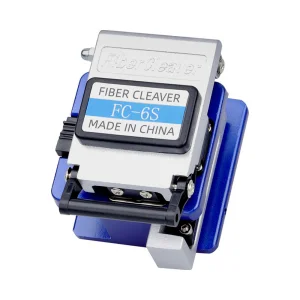
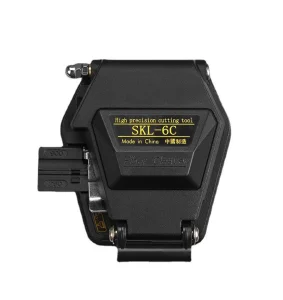
Silica optical fibers possess a minute core of 9 micrometers for single-mode networks. Cleaving this glass cleanly requires an engineered stress concentration. By micro-scoring the cladding (125μm) with a finely tuned tungsten steel or diamond blade, and applying calculated tension, the fiber fractures perfectly perpendicular to its axis. Standard cleavers might yield inconsistent results under variable environmental conditions, but specialized models like the SKL-6C and FC-6S stabilize the fiber clamping mechanism, ensuring repeatable performance even in North Germany's humid, salty maritime environment.
A trusted manufacturer of optical transmission and network equipment with over a decade of excellence.
Shenzhen Soras Technology Co., Ltd. is a leading manufacturer of optical transmission equipment and network equipment with more than 10 years of experience. We rely on high-quality management and technological innovation, committed to providing customers with high-quality, cost-effective, and high-value-added products and solutions.
Today, we work closely with telecommunications companies around the world. We have a strong technical force and an experienced R&D team; products can be developed according to customer requirements, and we also accept your OEM and ODM orders. Now our products are exported to more than 60 countries, and our main markets include South America, North America, and Europe.
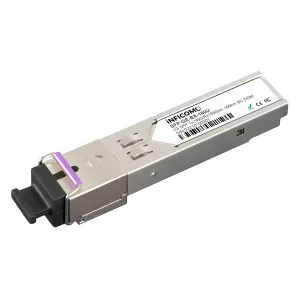
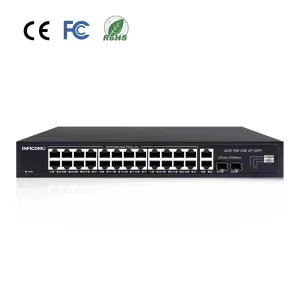
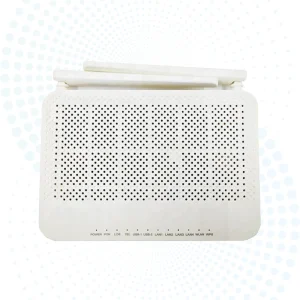
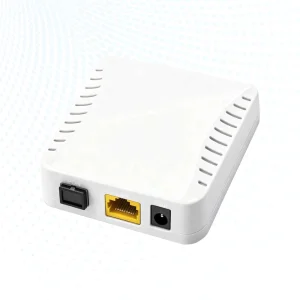
Our main products range from Fiber Media Converters, SFP Modules, POE Switches, to ONU, OLT, and supporting products. Having passed ISO 9001, UL, CE, FCC, and ROHS Certification, our aim remains: "superior quality, professional service, competitive price, integrity-based". We believe this is not only our responsibility, but also the best way out for long-term development. Soraslink looks forward to working with you!
| Business type | Manufacturer |
| Country / Region | Guangdong, China |
| Main Products | FTTH ONU & OLT, SFP Module, Fiber Media Converter, Poe Switch, Fiber Optic Equipment |
| Total employees | 11 - 50 People |
| Total Annual Revenue | US$5 Million - US$10 Million |
| Year established | 2021 |
| Main Markets | Domestic Market 24.00%, Eastern Asia 15.00%, North America 15.00%, Europe & South America |
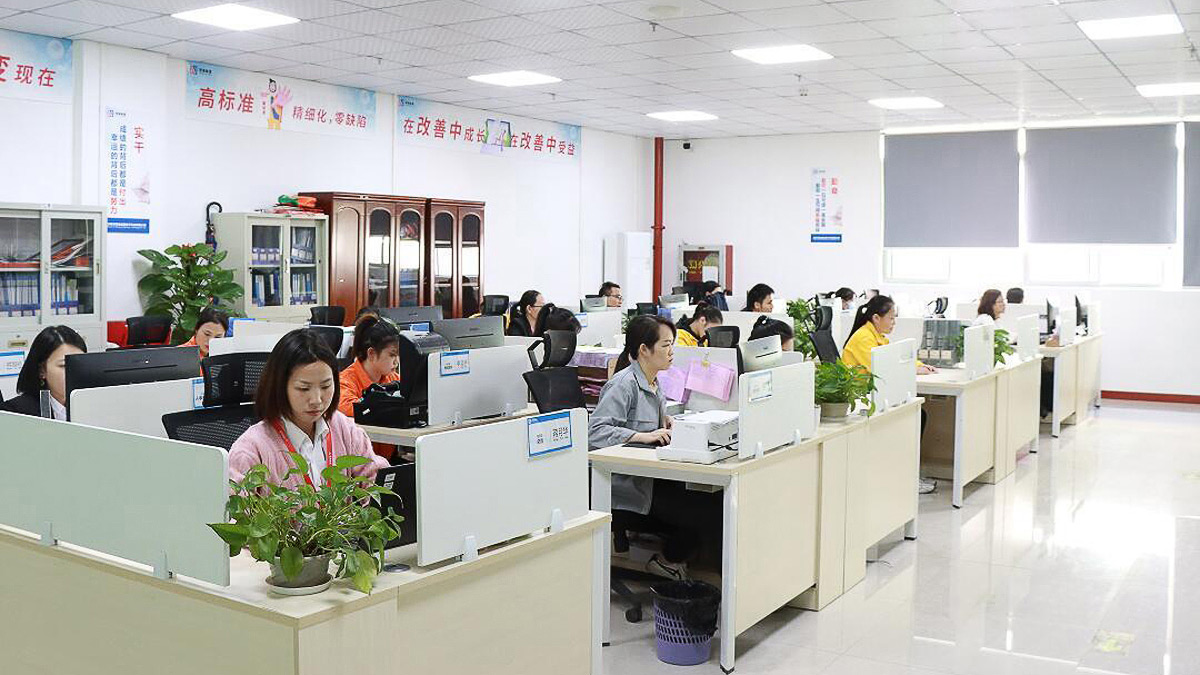
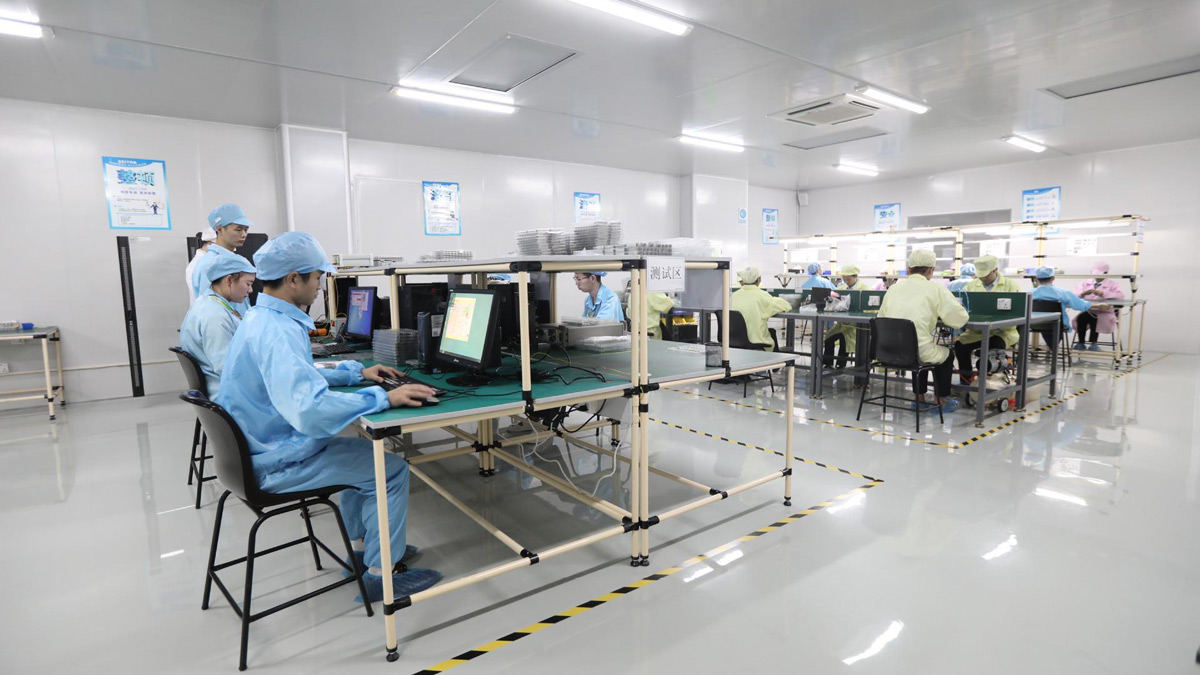
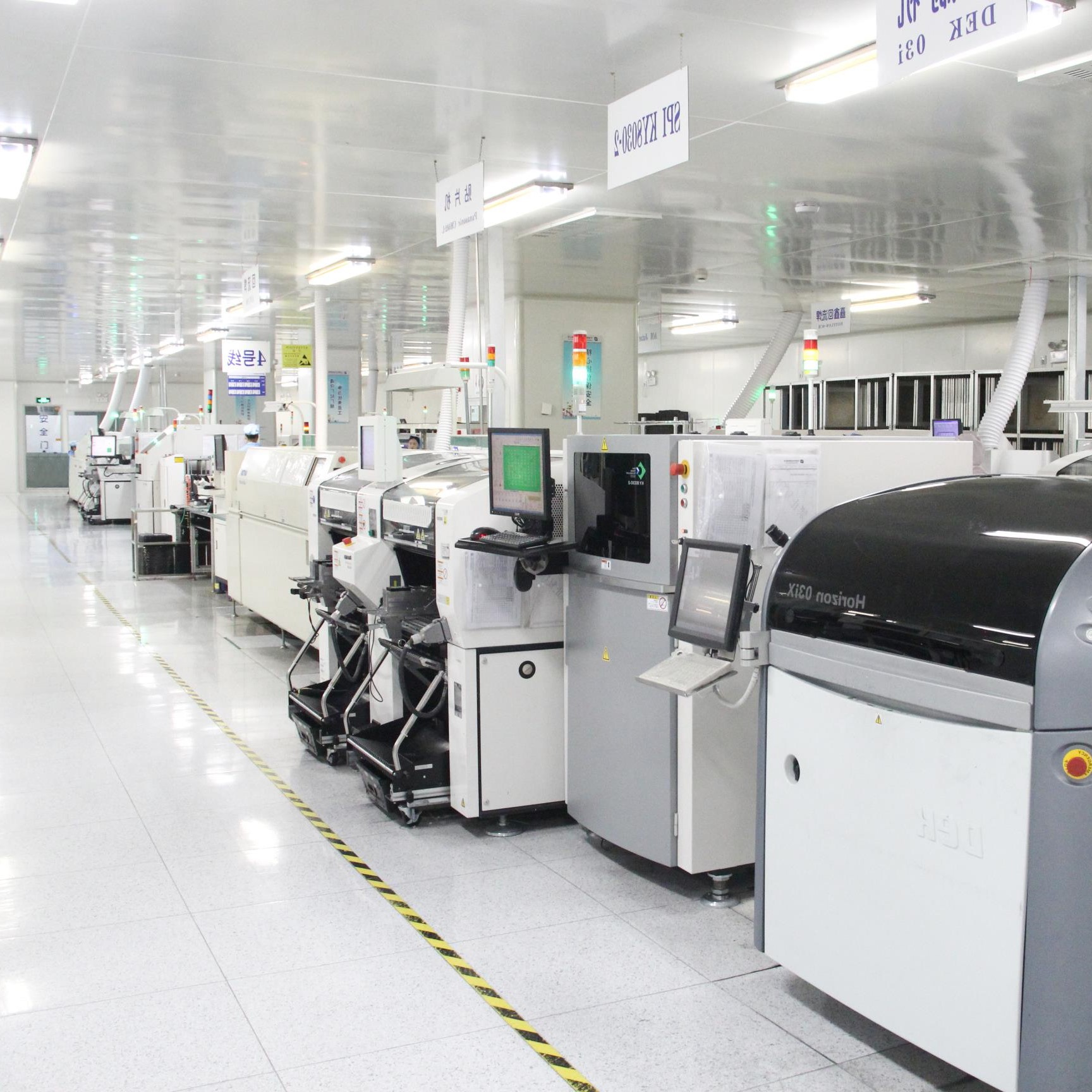
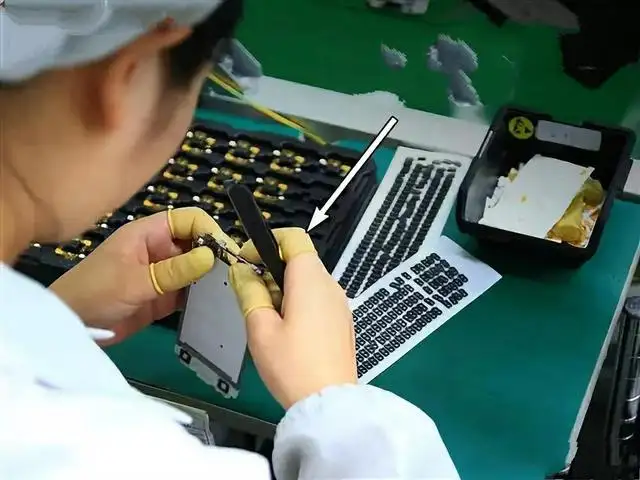
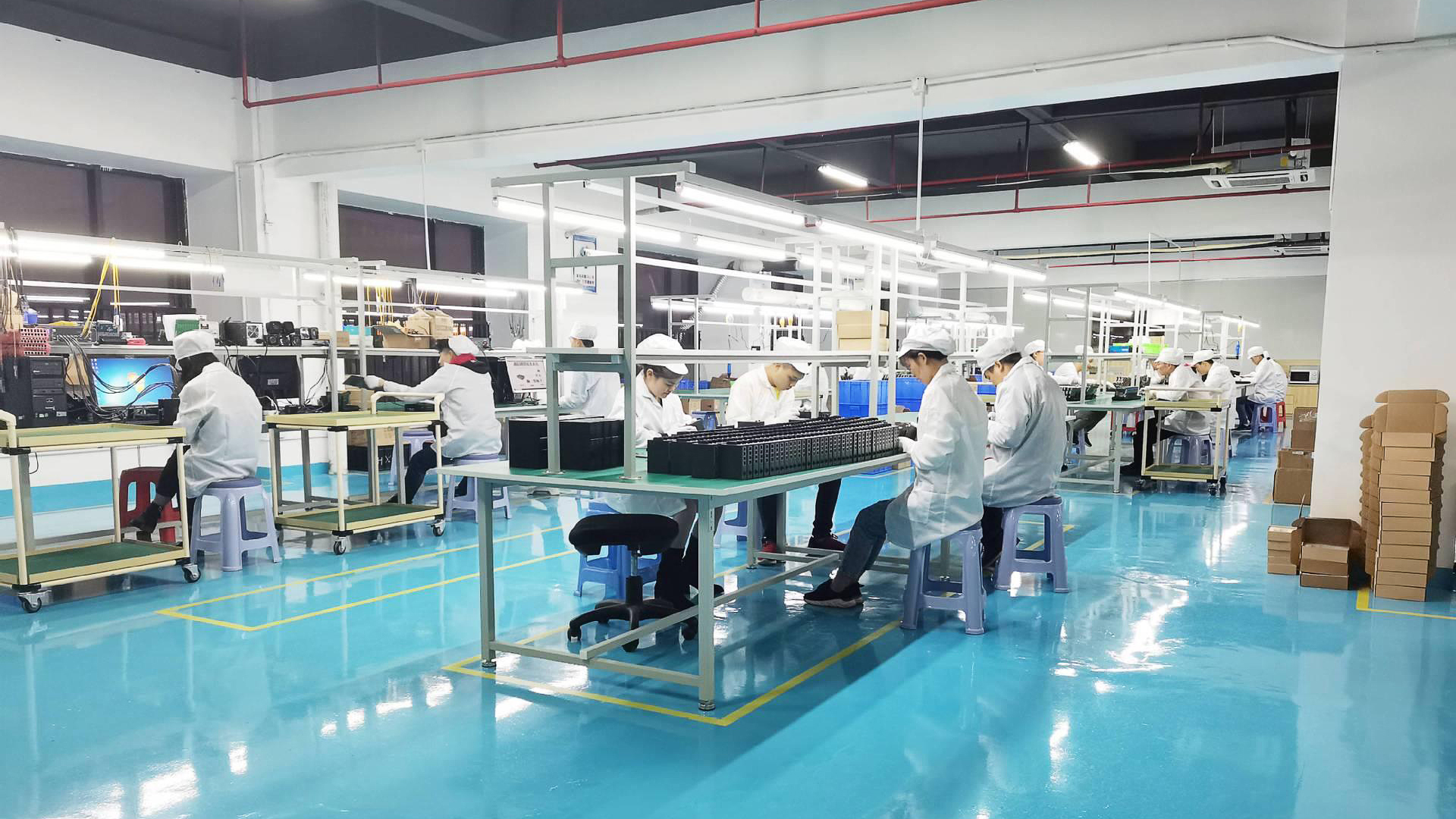
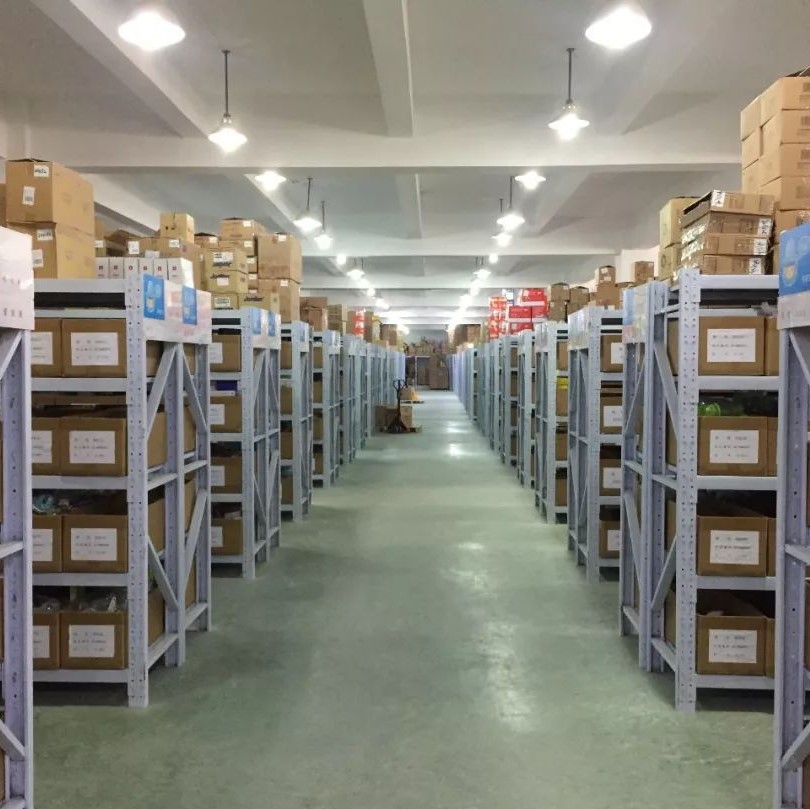
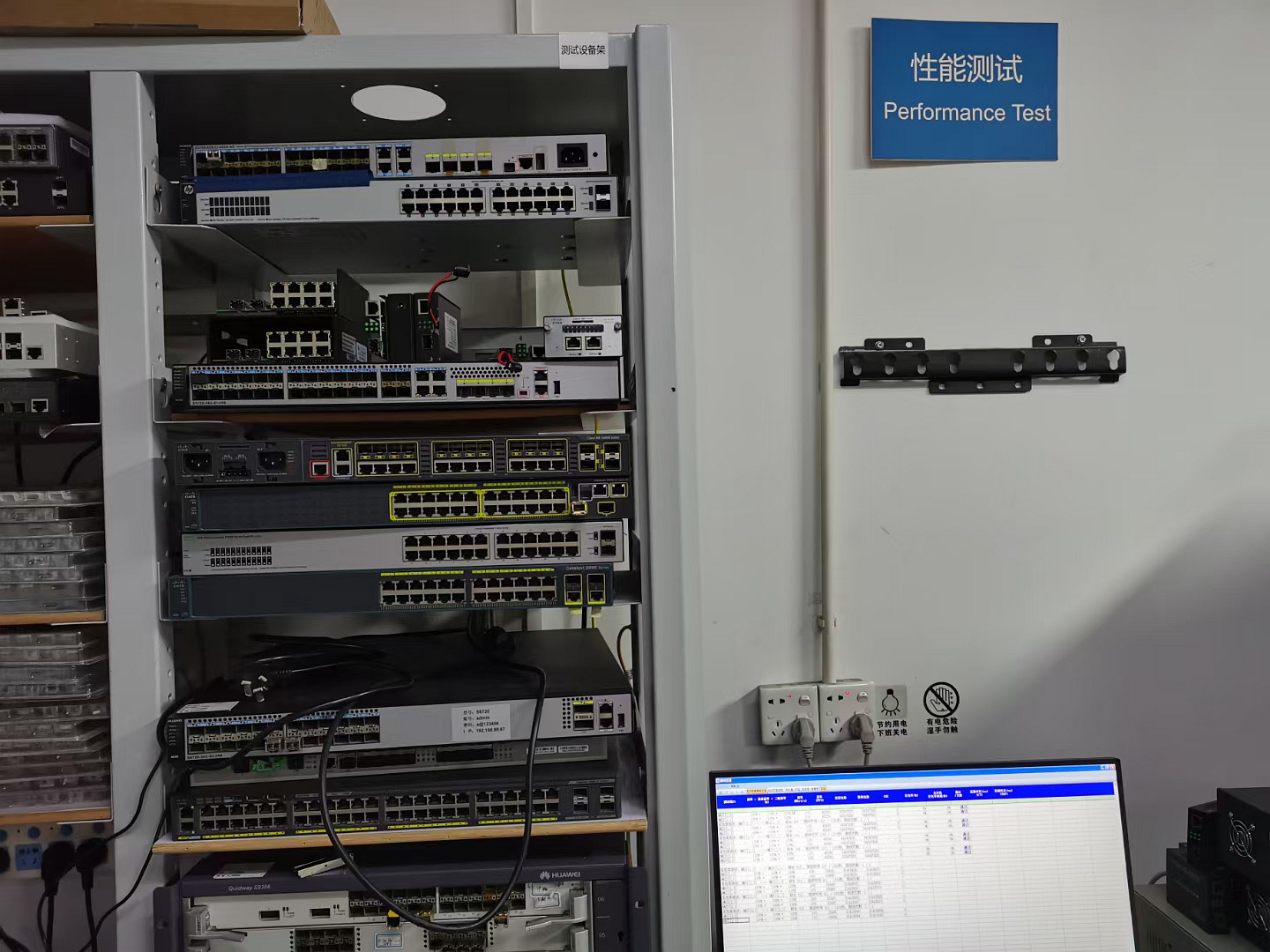
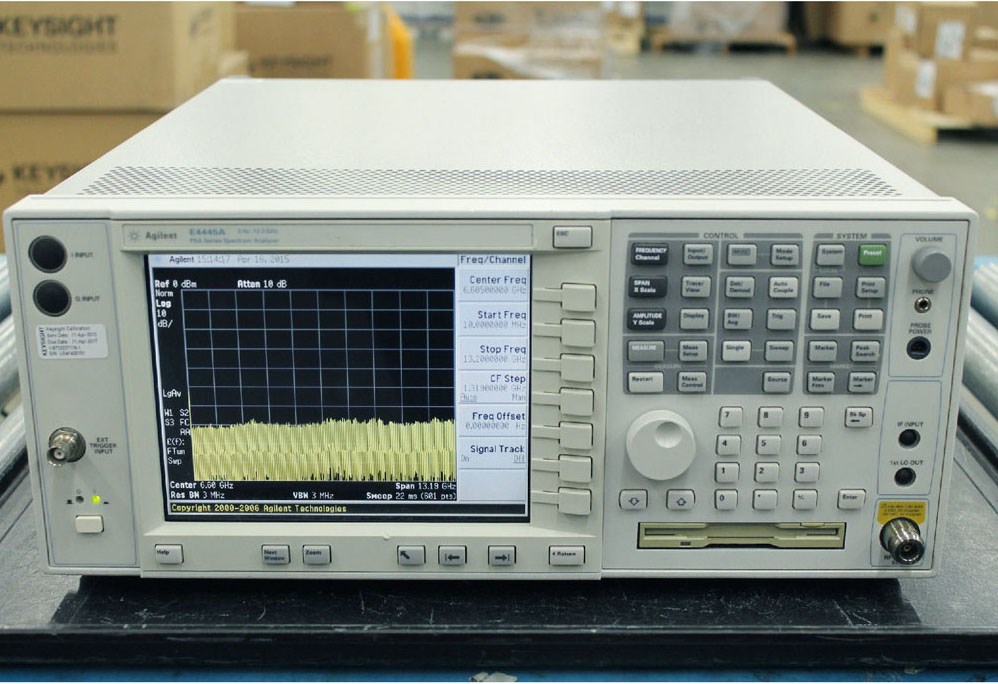
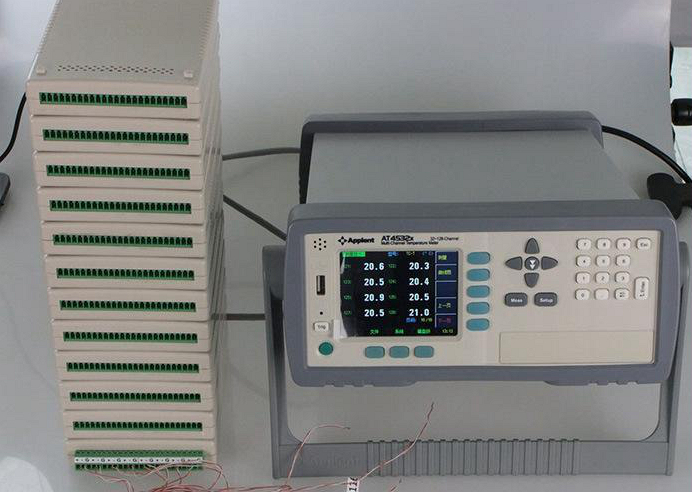
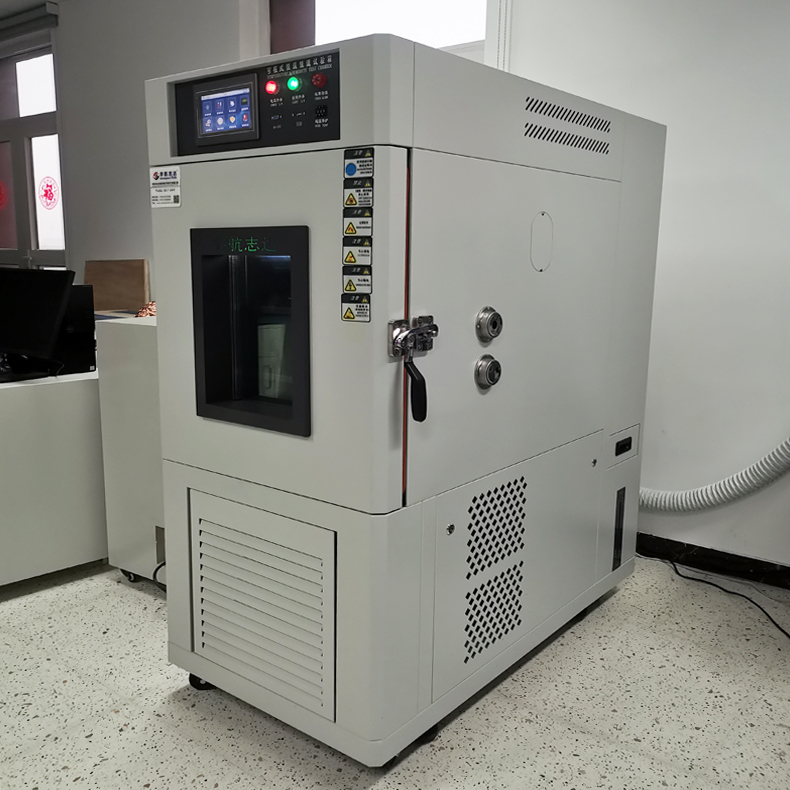
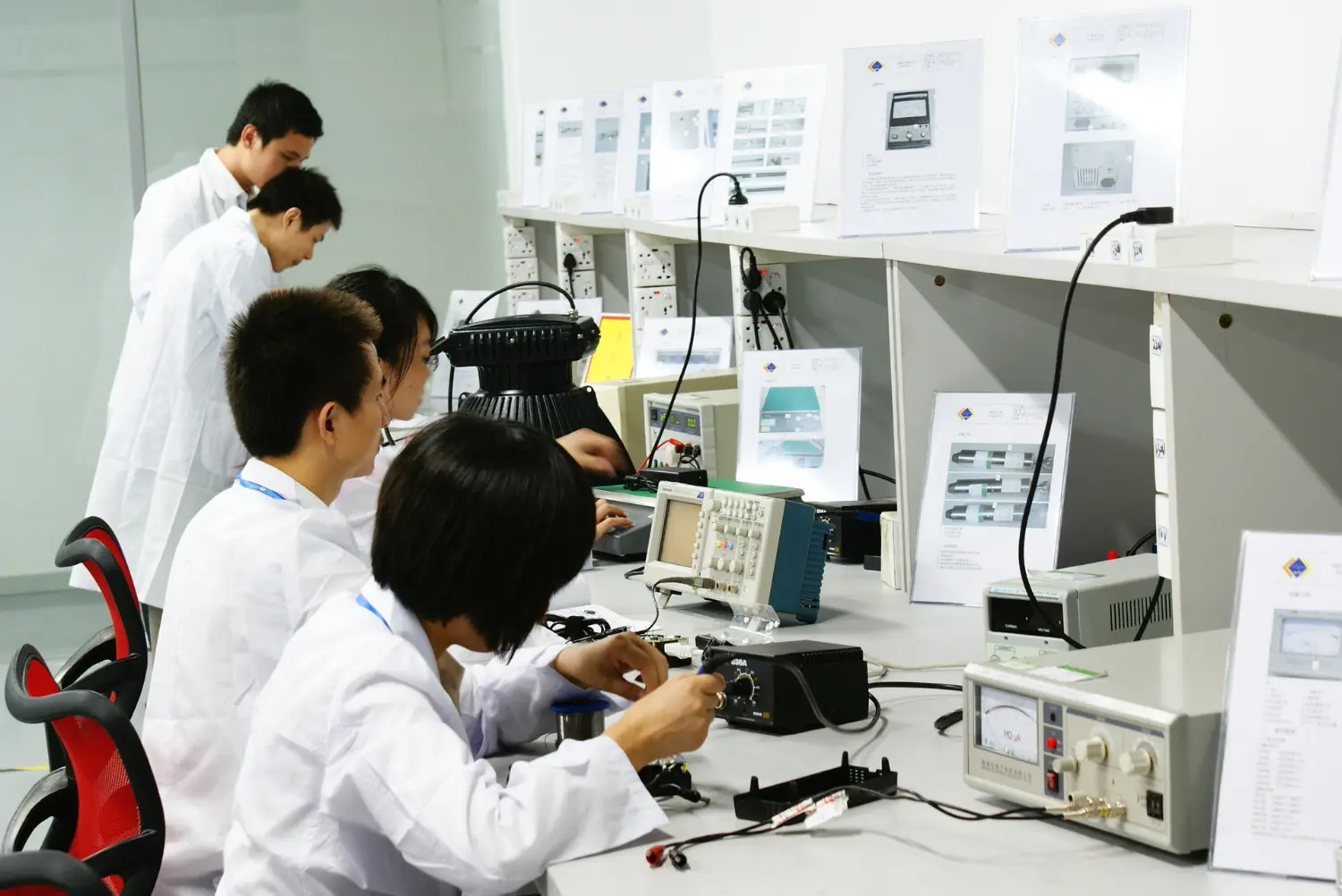
Take a look inside our high-tech facility where each component is assembled, calibrated, and subjected to rigorous testing procedures prior to European dispatch.
Technical answers to the most common sourcing, deployment, and performance questions faced by systems integrators in Hamburg.
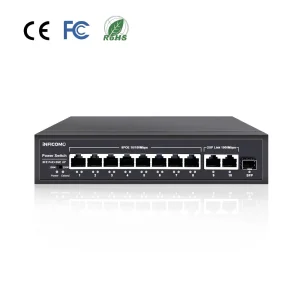
Explore our full range of certified hardware, designed for seamless compatibility and end-to-end reliability.
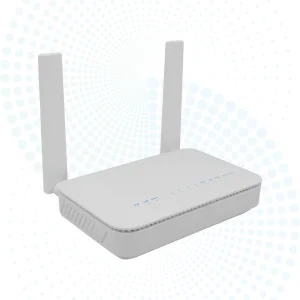
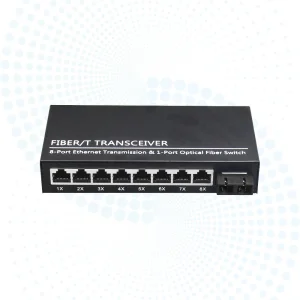
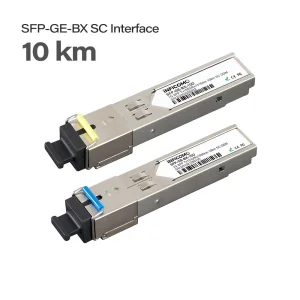
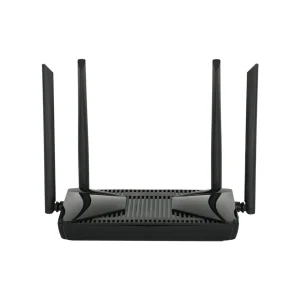
Consult with our engineering team today to receive detailed technical specifications, custom OEM/ODM solutions, and priority freight estimates to Germany.
Send Inquiry Now Soras Tech