Fiber Optic Tester Manufacturer & Suppliers Serving the Pakistan Market

Empowering Pakistan's Digital Infrastructure Evolution under CPEC. Industrial-Grade Test Instruments, High-Performance Active Transceivers & GPON/EPON Hardware Built for Hot climates & Heavy-duty Networks.

Send Inquiry Now

Essential Calibration & Test Instruments for Pakistan

Precision OPM, Fault Locators, and long-range SFP Transceivers engineered to perform in the harsh environmental conditions of Pakistan's local installations.
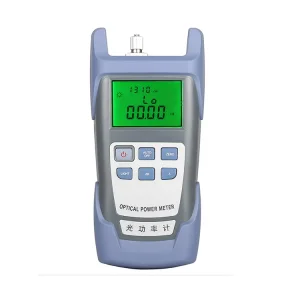
Pakistan FTTH Optical Power Meter

Pakistan FTTH Fiber Optic Cable Tester SC/LC/ST/FC Connections Optical Power Meter OPM -50 ~+26dBm Portable Fiber Optical Power Meter

View Product Details
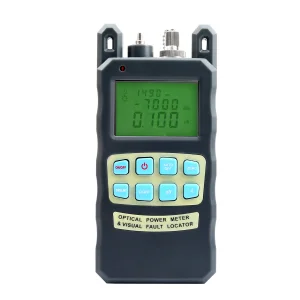
All-in-one Pakistan Telecom Cable Tester

All-in-one Pakistan Telecom Grade Optical Fiber Cable Tester 1mw/10mw Optical Power Meter -70 to +10dbm Visual Fault Locator Gray

View Product Details
Kevlar Scissors & Cutter Model WL-9011Z

Kevlar Scissors & Cutter Model WL-9011Z for Pakistan FTTH Drop Cable Termination

View Product Details
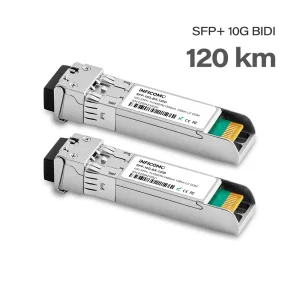
10G SFP+ BIDI 120km LC Transceiver

10G SFP+ BIDI 120km LC Connector Fiber Optic Transceiver Module with 5-Year Warranty

View Product Details

Pakistan Fiber Optic Deployment Landscape: Whitepaper

A professional audit of Pakistan’s high-growth digital spine, analyzing CPEC, urban GPON penetration, and specialized testing methodologies.

1. Pakistan's Telecommunication Infrastructure Transition

Pakistan is undergoing an unprecedented digital shift. Historically dependent on legacy copper networks and wireless microwave links, the country’s telecom ecosystem is rapidly migrating to robust fiber-optic architectures. A major catalyst for this transformation is the China-Pakistan Economic Corridor (CPEC) optical highway project, which forms a strategic backbone connection from Khunjerab to Rawalpindi. This infrastructure corridor enables high-capacity transit pathways, laying the groundwork for widespread local broadband penetration.

Tier-1 carriers, including Pakistan Telecommunication Company Limited (PTCL), Nayatel, Transworld Home, and StormFiber, are investing heavily in FTTH (Fiber-to-the-Home) systems across metropolitan hubs such as Karachi, Lahore, Islamabad, and Faisalabad. However, the localized deployment of optical networks in Pakistan faces distinct challenges. The physical environment ranges from the dusty, arid climates of Sindh and Punjab to the mountainous, extreme terrains of Gilgit-Baltistan and Khyber Pakhtunkhwa. These conditions demand high-quality, durable test equipment that can maintain accuracy under shifting thermal states and high particulate density. Without precise testing, local WISPs (Wireless Internet Service Providers) and major operators face severe insertion loss, fiber macrobending, and dirty connector faces that degrade performance.

80M+
Potential Broadband Users
<0.05dB
Splicing Loss Target
50°C+
Tested Operating Temp

2. Localized Application Scenarios for Optical Fiber Testing in Pakistan

To ensure reliability, fiber installations must survive the physical conditions of the local environment. Key challenges include:

  • Dust and Sand Ingress in Karachi and Multan: Fine sand and dust common in these regions can settle inside connector sleeves. This blocks the light path, causing severe reflection and high attenuation. Testing must include video inspection and cleaning, verified by OPM (Optical Power Meter) scans.
  • Thermal Shifts in the Indus Basin: Wide temperature shifts, where summer temperatures can exceed 50°C, can alter the physical characteristics of glass cores and cladding. This causes slight microbending losses inside terminal boxes. Accurate OTDR (Optical Time Domain Reflectometer) and OPM testing are essential to isolate these stress-induced losses.
  • Rapid, Low-Cost Rural FTTH Deployments: Sub-urban WISPs require compact, easy-to-use instruments that combine an OPM and a Visual Fault Locator (VFL) in one unit. This allows technicians to quickly verify continuity and link loss without carrying multiple delicate instruments.

Information Gain Perspective: For deployments in Pakistan, choosing a tester with a broad dynamic range (e.g., -50 to +26dBm) is vital. This capability allows technicians to test high-power CATV signals and weak downstream FTTH GPON signals using the same handheld instrument.

3. Technical Deep Dive: Selection & Testing Parameter Matrix

Fiber testing relies on selecting correct optical wavelengths and matching interfaces. For common single-mode installations (G.652.D and G.657.A1/A2), testing at both 1310nm and 1550nm wavelengths is essential. Testing at 1310nm highlights splicing and connection issues, while 1550nm highlights bending stress along the path.

Testing Parameter Recommended Standard Impact of Deficiencies (Pakistan Network Context)
Wavelength Calibration Range 850nm, 1300nm, 1310nm, 1490nm, 1550nm, 1625nm Incorrect calibration causes false power readings, leading to packet loss on 1490nm downlink channels.
OPM Measurement Range -50 to +26 dBm (High Power) / -70 to +10 dBm (Standard) Insufficient range fails to test high-power CATV loops or low-power edge connections in remote areas.
Connector Interface Options Universal 2.5mm sleeve (SC/FC/ST) + LC Adapter Poor connector fit causes air gaps, high reflection, and back-reflection that can damage SFP transceivers.
Visual Fault Locator (VFL) Output 1mW (up to 5km) / 10mW (up to 10km) / 30mW (up to 20km) Weak VFL outputs cannot illuminate macrobends through thick, weather-shielded outdoor drop cables.

Optical Active Transceivers & High-Speed Modules

Extend network boundaries with reliable copper modules and long-distance single-mode fiber links.
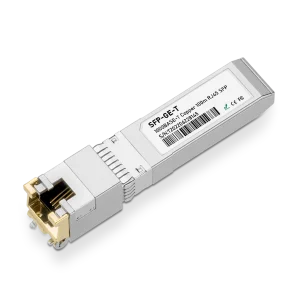
100m RJ45 SFP-T Copper-T Module for Pakistan WISP Networks

Unbeatable Pricing 100m RJ45 SFP-T Copper-T Module for Pakistan WISP Networks

View Product Details
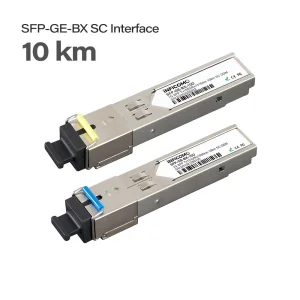
1.25G Simplex SC BIDI SFP Transceiver for Pakistan FTTH Projects

1G BIDI SFP 1550/1310 10km 20km 40km 60km 80km 100km 120km 160km SMF Simplex SC Connector 1.25G Fiber Optic Module

View Product Details
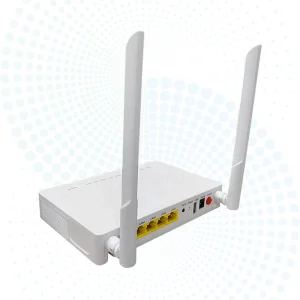
FTTH XPON ONU F660 V8 WiFi ONT Modem

FTTH XPON ONU F660 V8 WiFi 1GE+3FE+1POTS+USB ONT Modem with 5dBi Antenna for Pakistan Broadband Providers

View Product Details
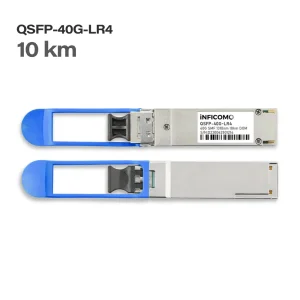
40GBASE-LR4 QSFP+ 1310nm 10km DOM Duplex LC Transceiver

40GBASE-LR4 QSFP+ Compatible Optical Transceiver Module 1310nm 10km DOM Duplex LC/UPC SMF for Juniper Cisco

View Product Details

Shenzhen Soras Technology Co., Ltd.

A top manufacturing partner for network equipment with a 10-year record of quality and delivery across global fiber projects.

Shenzhen Soras Technology Co., Ltd. (Soraslink) is a leading manufacturer of optical transmission and network equipment. We focus on high-quality management and technical innovation to provide cost-effective, high-value products and systems. We work closely with major telecommunications companies globally, drawing on our experienced R&D team to support OEM/ODM designs tailored to customer specifications.

Soraslink's products are exported to over 60 countries across South America, North America, Europe, and Southern Asia. Our primary products include Fiber Media Converters, SFP Modules, PoE Switches, ONUs, OLTs, and supporting installation equipment.

Soraslink is ISO 9001 certified, and our products meet UL, CE, FCC, and RoHS standards. We focus on quality, professional support, competitive pricing, and integrity to build long-term international partnerships.

Business Profile Details Operations Metric Details
Business Type Manufacturer & OEM Provider Country / Region Guangdong, China
Main Products FTTH ONU & OLT, SFP Transceivers, PoE Switches, Testers Total Employees 11 - 50 People
Annual Revenue US$5 Million - US$10 Million Year Established 2021
Certifications ISO 9001, UL, CE, FCC, RoHS Compliant Main Markets Domestic (24%), East Asia (15%), North America (15%), South Asia (Pakistan, etc.)

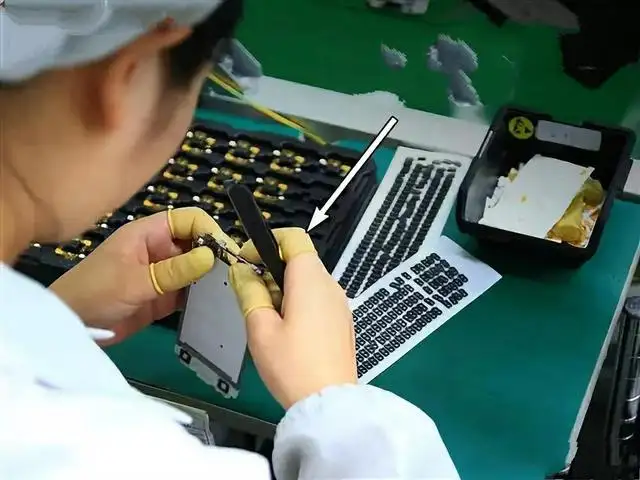
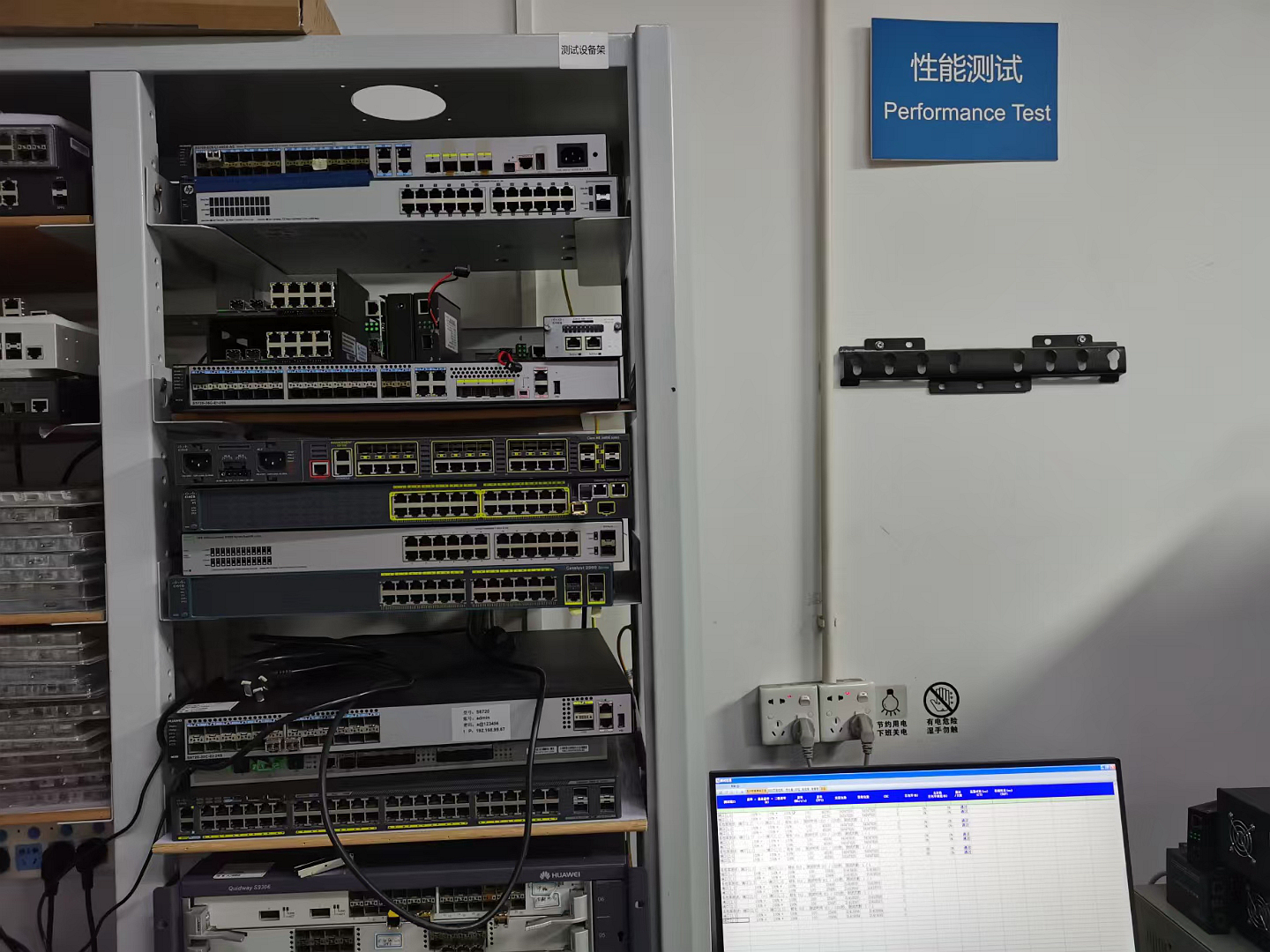
Soraslink SMT Production & Quality Control Systems

4. China-Pakistan Optical Corridor & Supply Chain Resilience

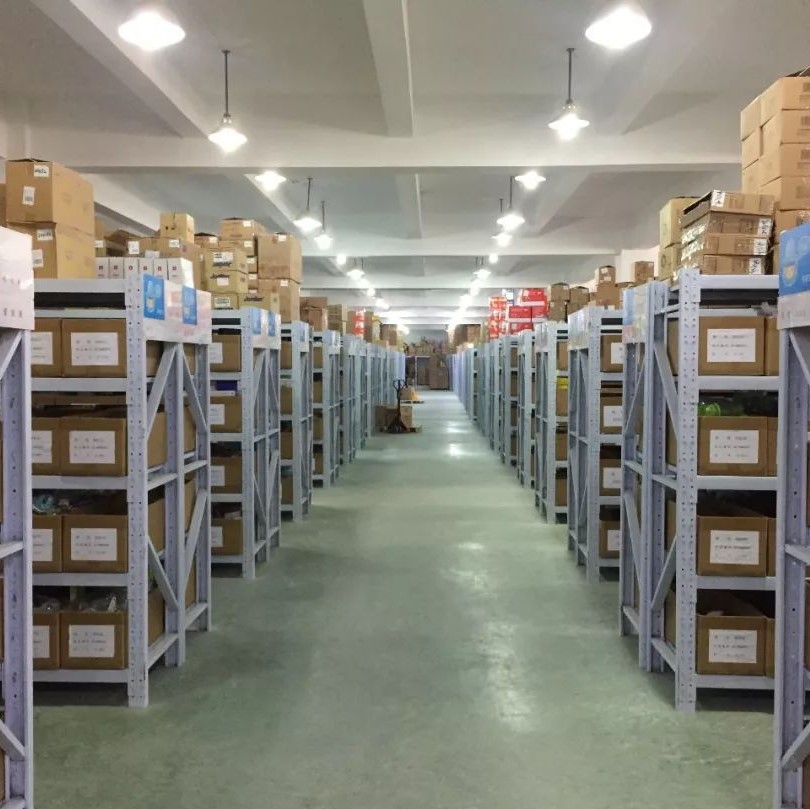
Establishing a reliable supply chain between Chinese manufacturing hubs and Pakistan’s telecom installations is vital for smooth project execution. Soraslink manages this through our direct presence in Shenzhen, the global capital of electronic component production.

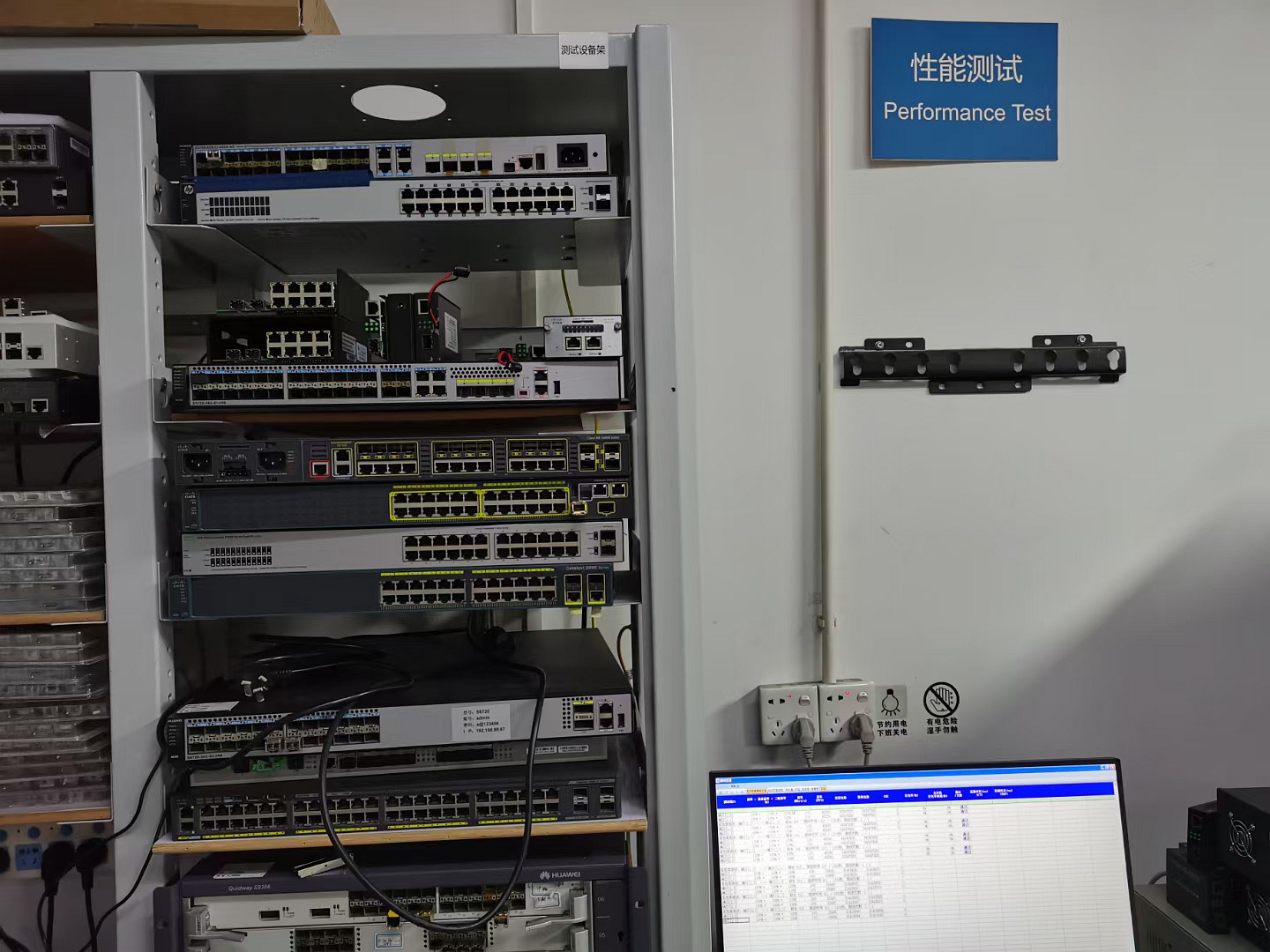
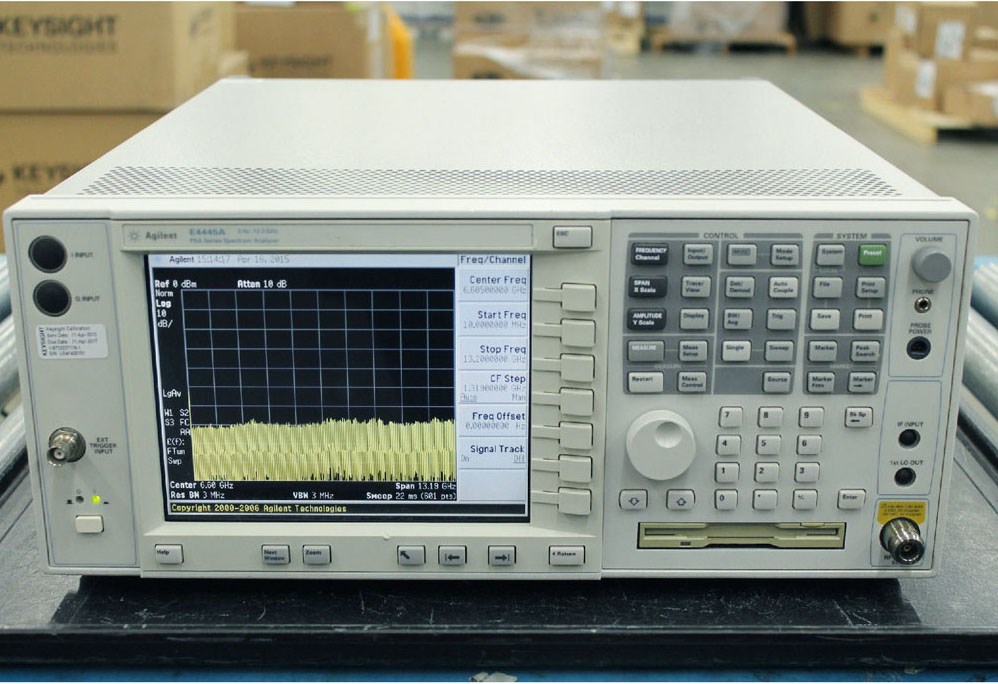
By integrating in-house SMT placement with automated component testing, Soraslink controls production quality from raw PCBA to finished units. To support the Pakistan market, we offer:

  • Direct Logistics Channels: Direct ocean freight routes from Shenzhen port to Karachi port, along with overland transport through the Karakoram Highway for urgent component needs, ensuring stable lead times.
  • Raw Material Stocking: We maintain reserves of optical sensor components, laser diodes, and SFP transceivers to mitigate global component shortages and ensure consistent production.
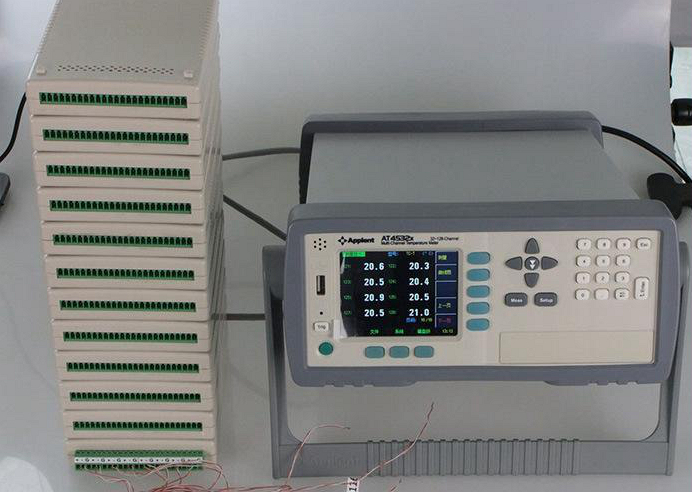
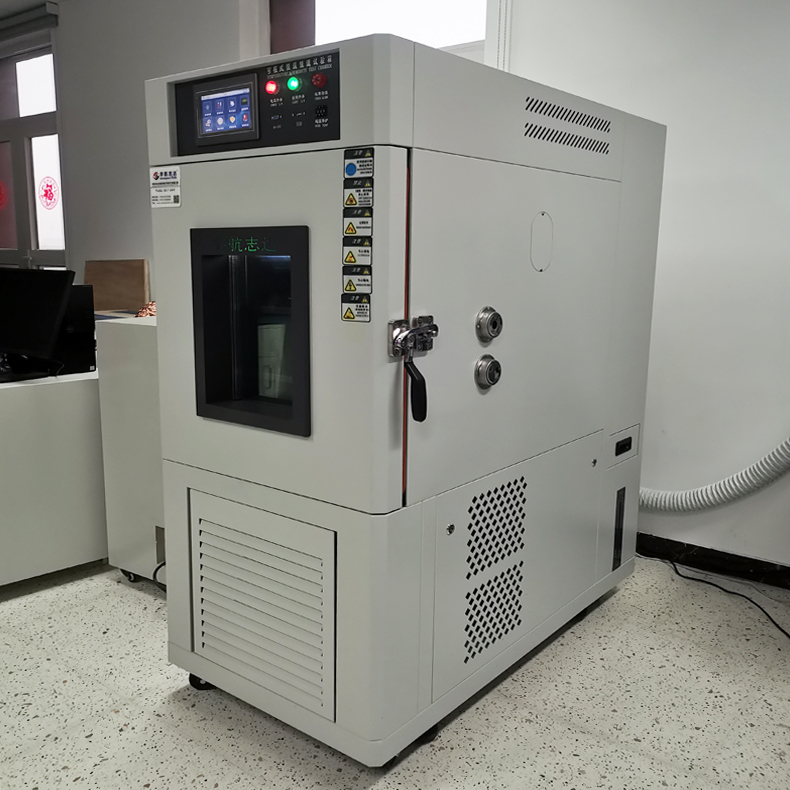
  • Quality-Assured Testing: Every unit undergoes temperature cycle tests (-40°C to +85°C) to ensure performance under Pakistan's diverse climate conditions.

5. Future Technology Roadmaps (2025-2030)

As telecommunications demands grow, network architectures in Pakistan are shifting from GPON (Gigabit Passive Optical Network) to 10G-PON (XG-PON/XGS-PON) systems. This shift increases downstream speeds to 10 Gbps and uses different wavelengths (e.g., 1577nm downstream, 1270nm upstream) compared to standard GPON.

To support this transition, network engineers require compatible test equipment. Standard optical power meters cannot accurately isolate these signals without specific wavelength filtering. Soraslink is design-ready for these changes, developing dual-band and tri-band PON power meters that measure multiple wavelengths simultaneously. Our active transceivers and ONU systems are built to meet these future specifications.

Optical Active Transceivers & GPON/EPON Hardware

High-performance network switches, robust OLT terminals, and multi-band customer premise ONUs for reliable last-mile broadband distribution.
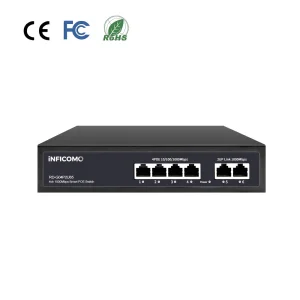
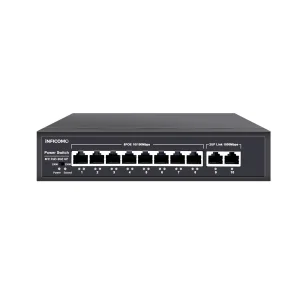
Gigabit 4 Port POE Switch for Karachi IP Surveillance

Gigabit 4 Port POE Switch 4 Port Poe Switch Popular 1000mbps 2 Uplink Port 802.3AF/AT Vlan Support

View Product Details
Pakistan Market Smart 8 Port Gigabit POE Network Switch

Factory Supply 8 Port POE Network Switch 10/100/1000Mbps Fast Smart VLAN RJ45 LAN Switch

View Product Details
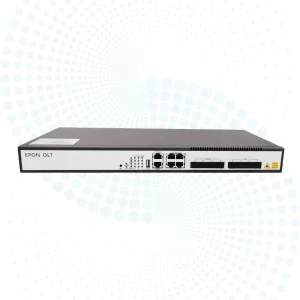
4 Ports EPON OLT with 10G SFP Uplinks

4 Ports EPON OLT 4*EPON+4*1G RJ45+4 10G SFP EPON OLT Support STP RSTP MSTP ERPS LACP ACL QoS

View Product Details
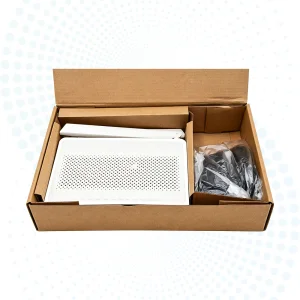
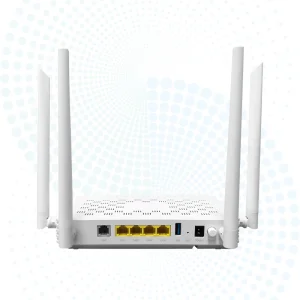
GPON ONT EG8145V5 Dual Band WiFi ONU

GPON ONT EG8145V5 4GE Dual Band WiFi 2.4G/5G Fiber ONU for Broadband

View Product Details
AX3000 WiFi6 XGPON ONU for High-Speed FTTX

High Quality INFICOMO X3124 AX3000 XGPON 2.5G/10G Dual Band WiFi6 ONU with USB3.0 and RJ45 Ports for FTTH/FTTB/FTTR

View Product Details
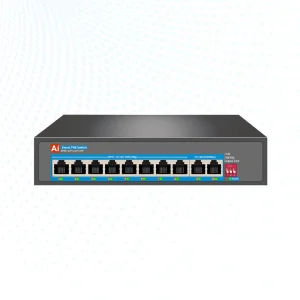
Smart Gigabit AI PoE Switch for CCTV & Networks

Smart Gigabit AI PoE Switch with Dual Uplink Ports for CCTV & Enterprise Networks

View Product Details
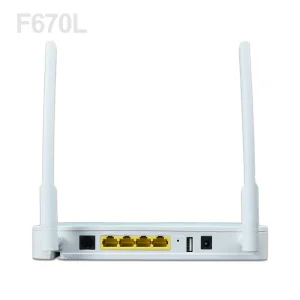
Pakistan Standard FTTH Dual Band WiFi F670L ONU

FTTH RJ45 Dual Band WiFi F670L GPON EPON XPON ONU ONT with 4GE + VOIP Ports

View Product Details
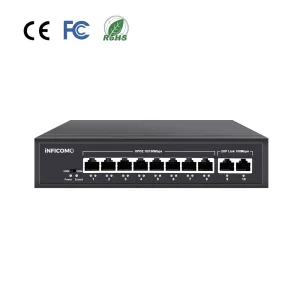
10/100M Unmanaged RJ45 POE Switch 8 Port

Factory Directly 10/100M Unmanage Ethernet RJ45 POE Switch 8 POE+2 Uplink for Camera TV PC

View Product Details

Frequently Asked Questions

Technical answers for engineers and sourcing managers deploying optical networks in Pakistan.

What is the standard optical power range for testing FTTH lines in Pakistan?
For typical GPON networks, downstream signals at 1490nm should range between -8 dBm and -25 dBm at the ONU receiver interface. If the power drops below -27 dBm, the link will likely drop packets or lose connection entirely. Testing with a calibrated optical power meter at the subscriber site is essential to confirm light levels.
How does dust and heat in central/southern Pakistan affect optical transceivers?
High ambient temperatures can cause internal laser diodes in transceivers to run hot, increasing current requirements and potentially accelerating degradation. Dust inside optical interfaces scatters light, leading to high return losses. We recommend keeping transceivers capped until connected and verifying clean interfaces using digital microscopes and precision power meters.
Why is BIDI (Bidirectional) SFP transmission preferred for rural networks in Pakistan?
BIDI SFP modules transmit and receive signals over a single optical fiber by using two different wavelengths (e.g., 1310nm and 1550nm). This configuration cuts the required physical fiber cores in half, reducing deployment and cable material costs for long rural links across remote regions.
Are Shenzhen Soras Technology products compatible with Cisco or Huawei systems used by PTCL?
Yes. Our SFP modules and active transceivers are configured and programmed to match compatibility requirements for major hardware brands, including Cisco, Huawei, Juniper, and ZTE. This ensures direct compatibility when integrated into existing infrastructure networks.

Ready to Optimize Your Network Deployments?

Contact Soraslink's engineering and supply team for technical recommendations, custom programming, and direct wholesale pricing for the Pakistan market.

Send Inquiry Now