As the administrative capital and a critical industrial nerve center of Vietnam, Hanoi is witnessing a profound digital metamorphosis. Under the guidance of Vietnam’s National Digital Transformation Plan, the municipal government has mandated comprehensive upgrades to regional optical fiber backbones. Leading Vietnamese telecommunications carriers—including Viettel Group, VNPT, and FPT Telecom—are aggressively expanding their Fiber-To-The-Home (FTTH) and municipal metropolitan area networks (MAN). This structural shift from legacy copper networks to Passive Optical Networks (PON) has triggered an unprecedented surge in demand for reliable optical transceivers, specifically high-power GPON, EPON, and 10G BiDi SFP modules.
Suppliers and engineers operating in Hanoi must contend with unique environmental factors. Hanoi’s tropical monsoon climate delivers extreme humidity levels exceeding 90% during the summer and spring (crachin) months, coupled with ambient temperature swings from 10°C to over 40°C. Standard commercial-grade SFP modules frequently suffer from laser diode degradation, optical misalignment, and premature receiver failure when exposed to these conditions inside outdoor optical distribution cabinets (ODCs). Therefore, sourcing modules equipped with robust Digital Diagnostics Monitoring (DDM) and extended temperature components from certified manufacturers is not merely an option—it is a critical requirement for maintaining network uptime.
To successfully integrate transceivers into networks deployed by local system integrators in Hanoi, a comprehensive understanding of the technical specifications of optical modules is essential. Below, we compare the key optical standards utilized in the region, showcasing how Soras Technology's components fulfill the requirements of high-capacity carrier networks.
| Module Type | Standard Protocol | Wavelength (Tx/Rx) | Optical Budget / Transmit Power | Max Reach | Typical Hanoi Network Application |
|---|---|---|---|---|---|
| GPON OLT Class C++++ | ITU-T G.984.2 | 1490nm Tx / 1310nm Rx | >35dB / +8 to +10 dBm | 20km - 40km | High-density metropolitan residential GPON splitters (up to 1:128) |
| EPON OLT PX20+++ | IEEE 802.3ah | 1490nm Tx / 1310nm Rx | >32dB / +7 to +9 dBm | 20km | Industrial park automation networks and legacy suburban FTTB links |
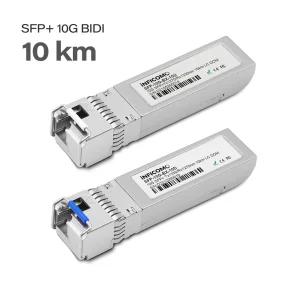
| 10G BiDi SFP+ | SFF-8431 / MSA | 1270nm Tx / 1330nm Rx | >15dB / -5 to +0.5 dBm | 10km - 40km | Mobile backhaul (4G/5G RRU-BBU) and enterprise metro rings |
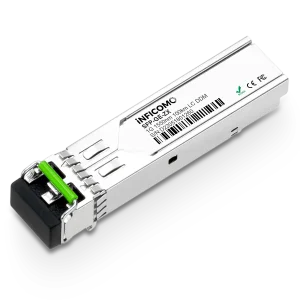
| 1.25G BiDi SFP | IEEE 802.3z | 1550nm Tx / 1310nm Rx | >20dB / -9 to -3 dBm | 3km - 100km | CCTV monitoring backhaul, municipal traffic control infrastructure |
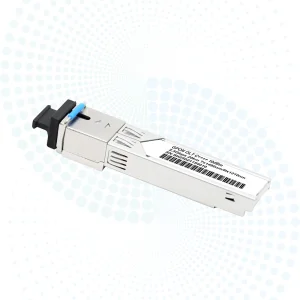
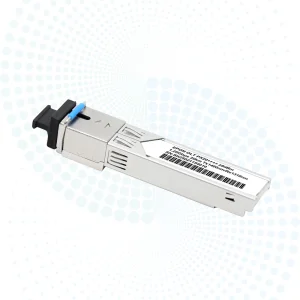
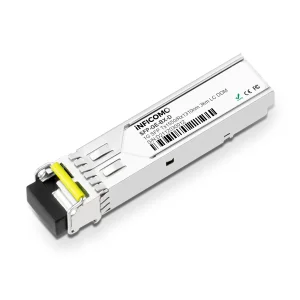
Due to the historical and organic expansion of fiber cabling in Hanoi's core districts, optical paths are frequently plagued by high insertion loss resulting from frequent fiber splices, patch panels, and optical distribution frames (ODF). Where standard Class C+ modules fail due to insufficient power margins, our OLT C++++ GPON PON Module with 20KM Range and 10dBm Transmit Power ensures reliable packet delivery. By utilizing an upgraded Distributed Feedback (DFB) laser and an ultra-sensitive Avalanche Photodiode (APD) receiver, this transceiver maintains error-free transmission across complex paths with up to 35dB of optical loss.
Over 10 Years of Manufacturing Excellence in Optical Transmission Equipment and SFP Module Production
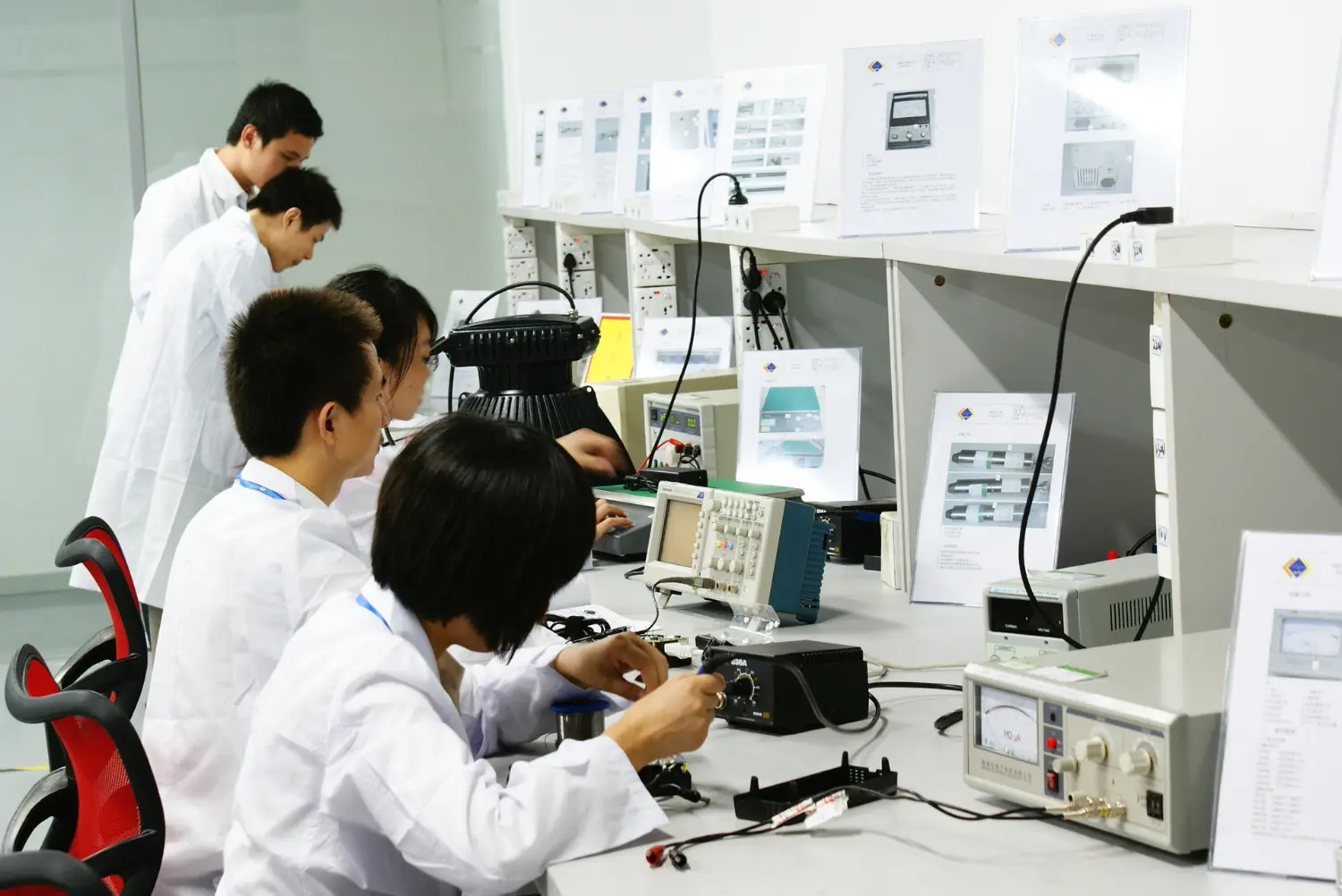
Founded with a commitment to technological innovation and rigorous quality control, Shenzhen Soras Technology Co., Ltd. (Soraslink) has established itself as a premier manufacturer of optical transmission devices, POE switches, and FTTH accessories. We cater to global telecommunications providers, municipal developers, and local system integrators. By operating state-of-the-art Surface Mount Technology (SMT) lines and implementing end-to-end quality control testing, we ensure that every PON SFP module and ONU router shipped meets international standards including ISO 9001, CE, FCC, and RoHS.
Our company leverages its central production hub in Guangdong, China, to maintain direct, high-capacity material pipelines. This geographic advantage translates into excellent supply chain resilience, allowing us to deliver orders to clients in Hanoi, Vietnam, in as little as 3 to 5 days via optimized land-border logistics. We support full OEM and ODM customization, matching the specific EEPROM compatibility codes required by systems from Cisco, Huawei, ZTE, HP, and Juniper.

Equipped with advanced high-speed SMT placement machines, reflow soldering ovens, and automated optical alignment systems for precise sub-micron assembly.
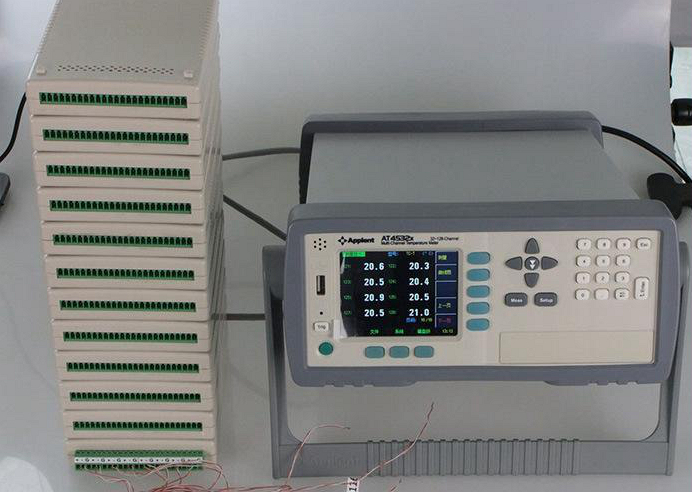
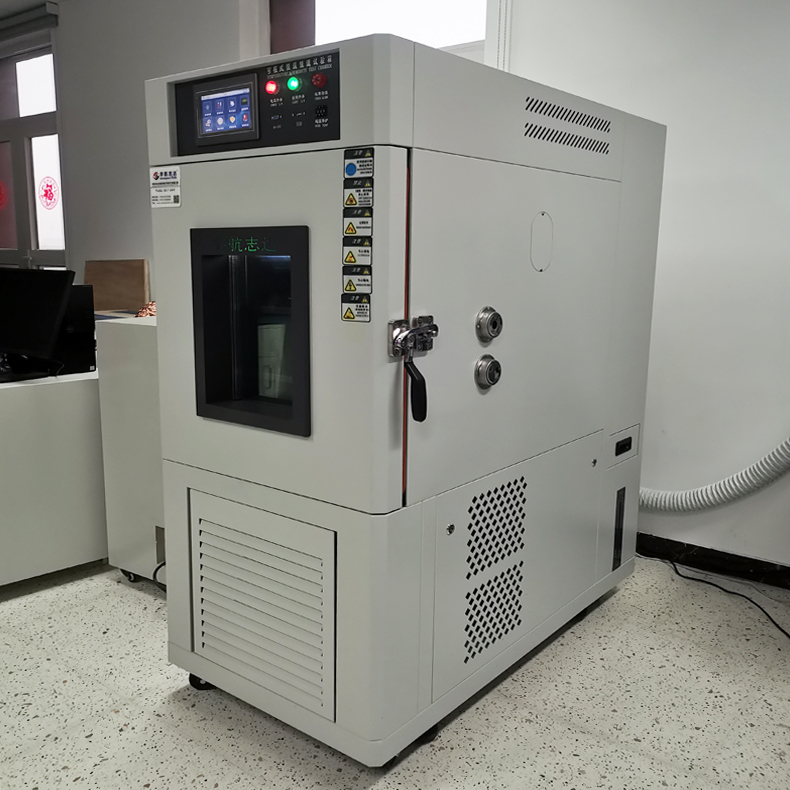
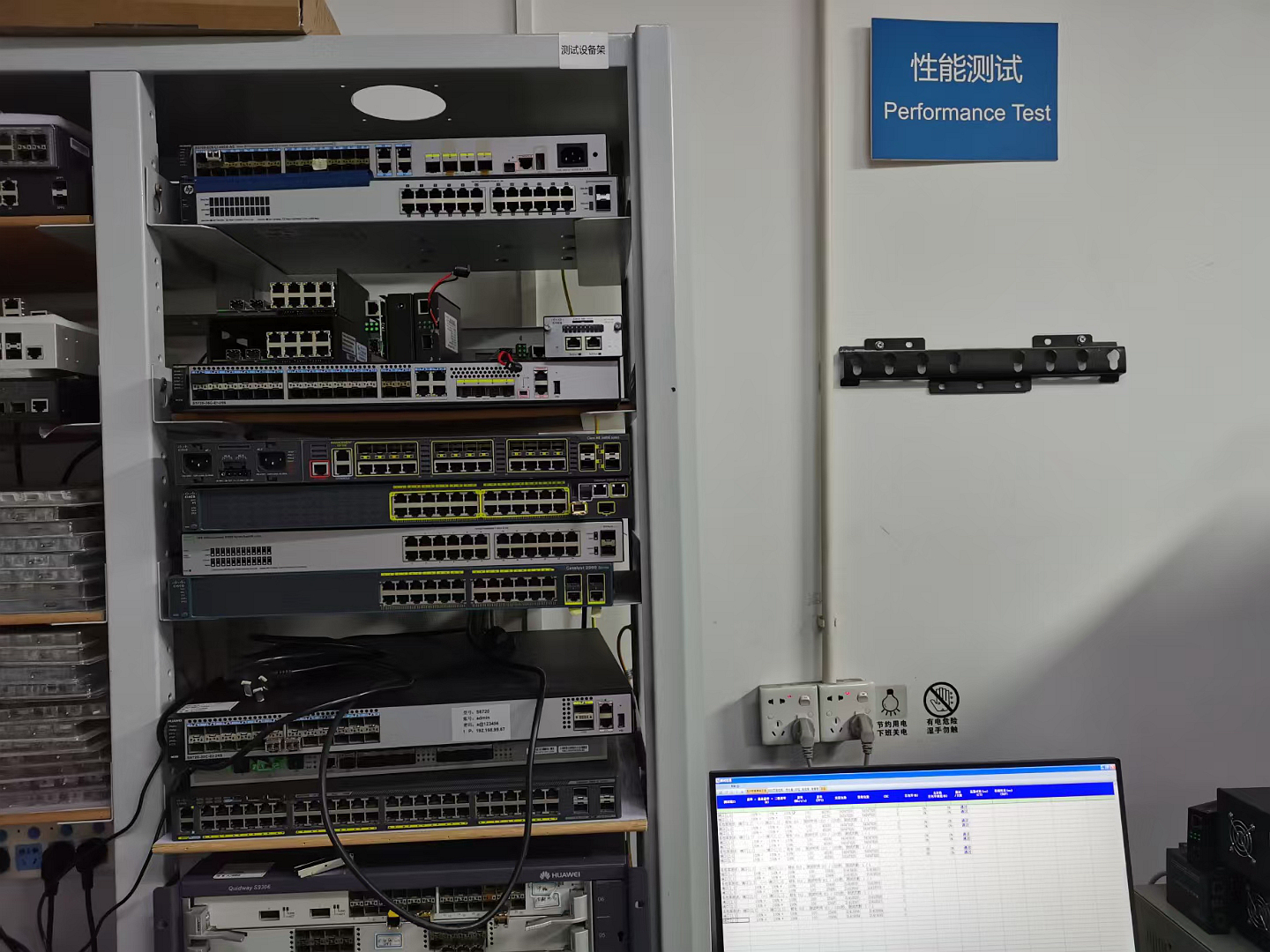
Every single module undergoes high-low temperature chamber aging, Bit Error Rate (BER) analysis, and specific switch/OLT brand compatibility validation.
Direct overland transit routes from Shenzhen via the Lang Son / Pingxiang border gate directly into Hanoi logistics hubs, avoiding shipping delays.

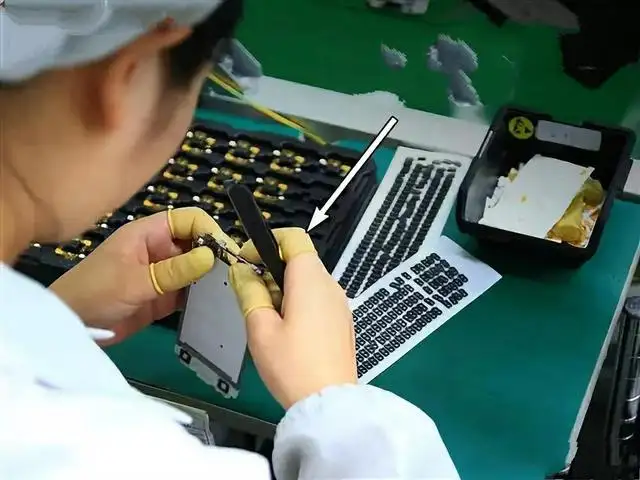

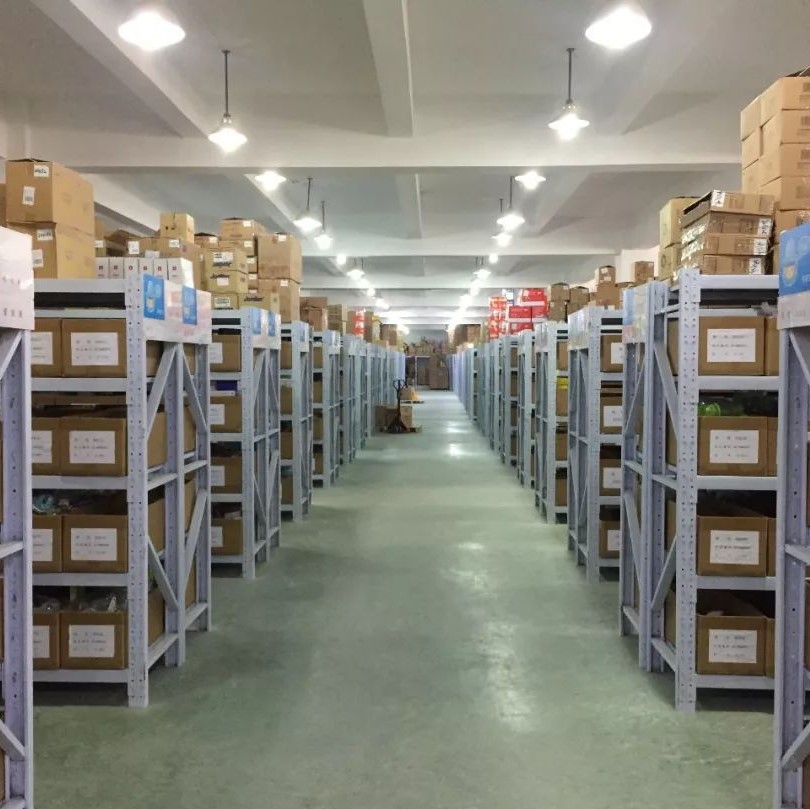
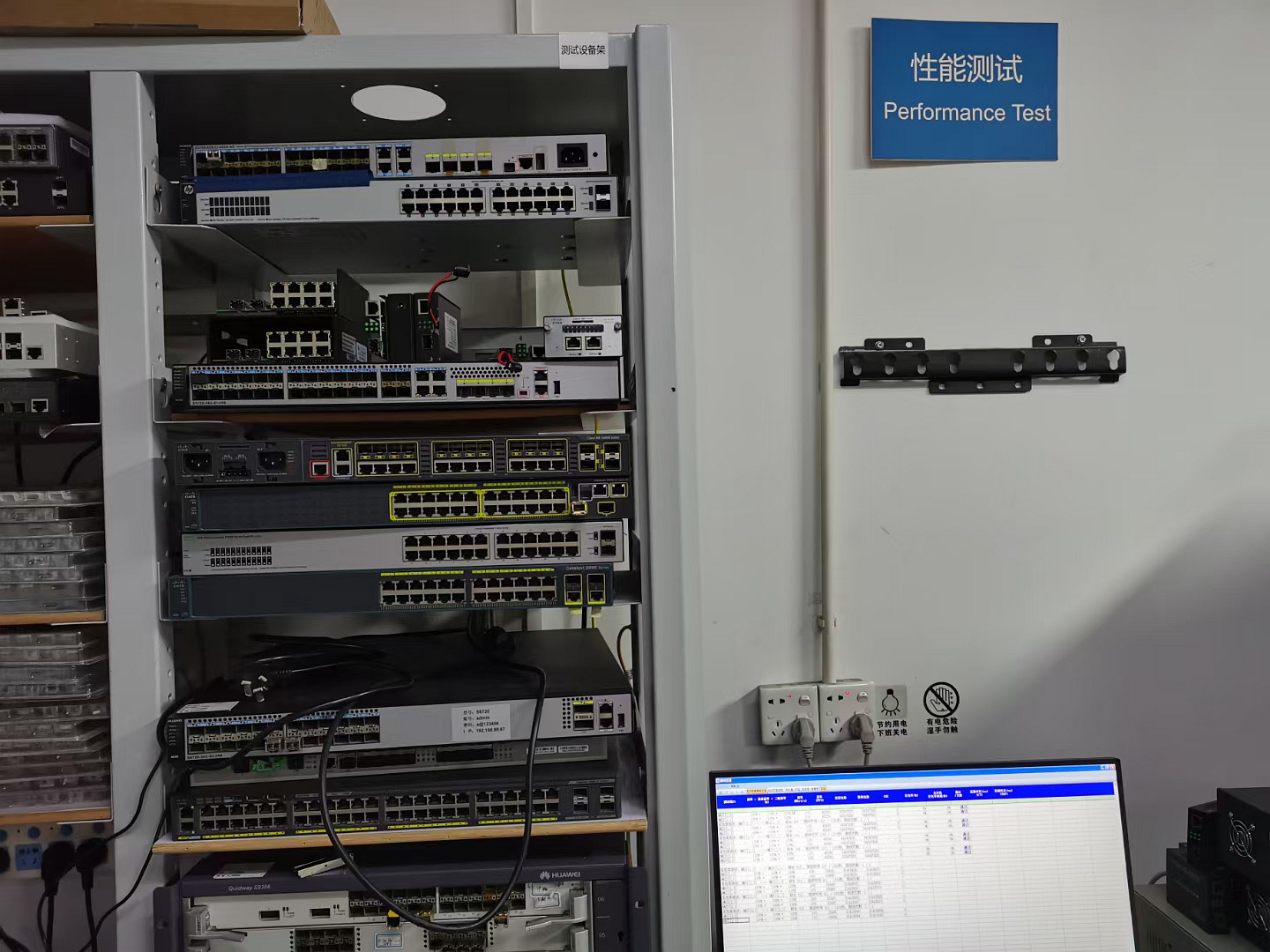
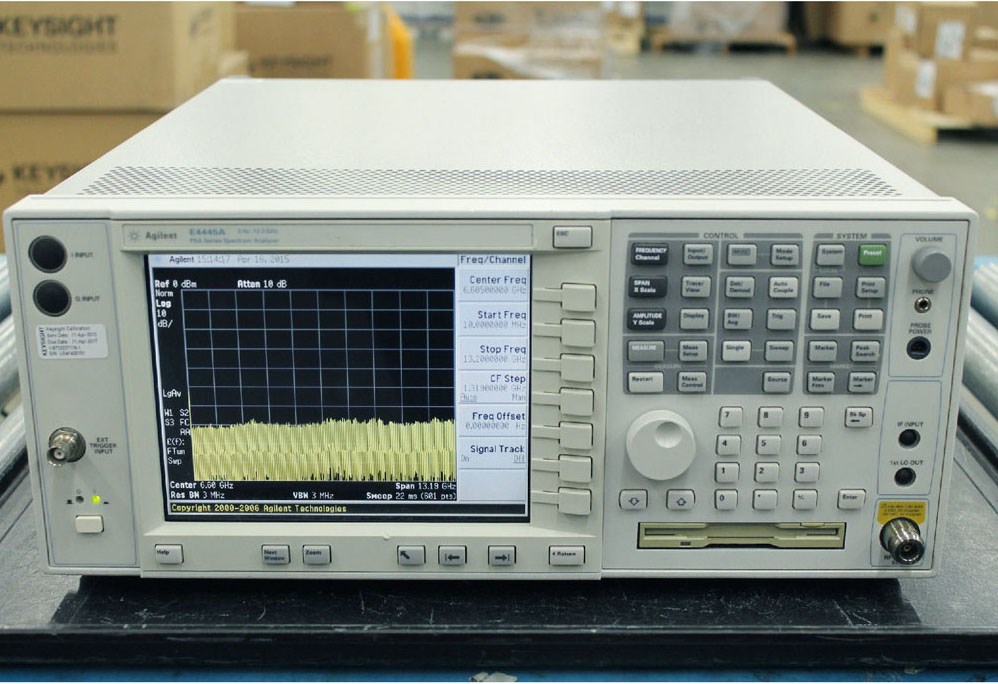
For network engineers and procurement managers based in Hanoi, source location plays a decisive role in lead times and project pricing. Rather than dealing with third-party trading agencies in local industrial hubs that carry limited stock and apply steep markups, purchasing directly from Shenzhen-based manufacturers like Soras Technology offers significant commercial and structural advantages.
The geographical closeness of Shenzhen to Hanoi enables a highly integrated supply chain. Shipments do not need to rely on unpredictable ocean freight schedules. Instead, they are routed overland through the Pingxiang border gate in Guangxi province to Lang Son, arriving at Hanoi warehouse terminals in less than 5 days. This rapid logistical link allows systems integrators in Hanoi to maintain lean on-site inventory levels while retaining the ability to quickly order additional modules during large-scale network rollouts.
We understand that telecommunication links represent critical national infrastructure. Soras Technology holds certified compliance marks, including ISO 9001, CE, FCC, and RoHS. Our modules incorporate high-reliability components, such as Japanese-engineered laser diodes and Macom transimpedance amplifiers, designed to prevent thermal runaway and maintain consistent optical power output under the humid conditions characteristic of Northern Vietnam.
A frequent challenge reported by engineering teams in Hanoi is optical interoperability. The local access network infrastructure incorporates optical line terminals (OLT) from multiple different tier-1 equipment vendors, such as Huawei, ZTE, and Nokia. When upgrading or extending networks, field engineers must verify that optical network units (ONU) and SFP transceivers can negotiate link parameters and read diagnostics without issues across these varying platforms.
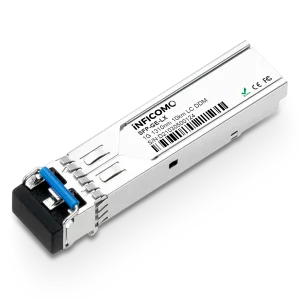
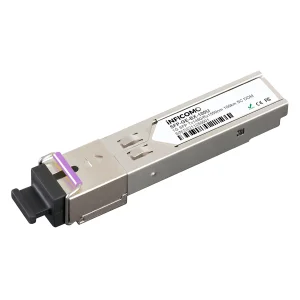
At Soras Technology, we address this issue through intensive software customization. Our optical modules feature customizable EEPROM coding, allowing them to emulate native vendor transceivers. This emulation helps prevent software locks, optical power mismatch alarms, and configuration errors on host switches and OLTs. Whether integrating our 10G BiDi SFP+ modules or our PX20+++ 10dB EPON transceivers, our equipment integrates cleanly into your existing hardware footprint.
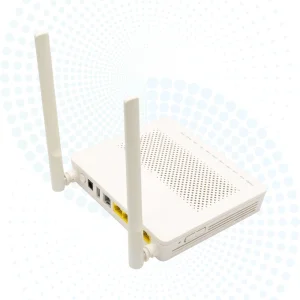
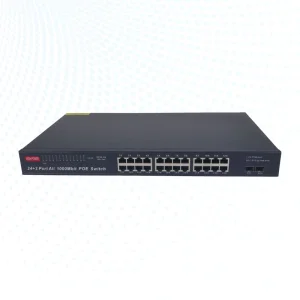
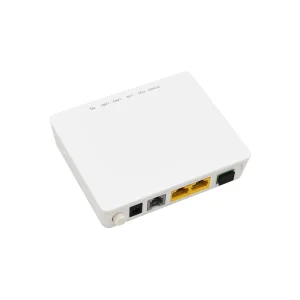
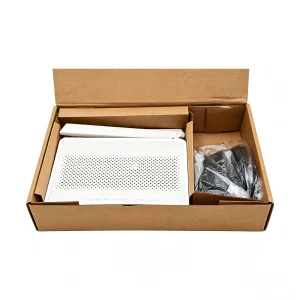
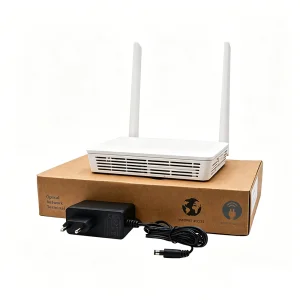
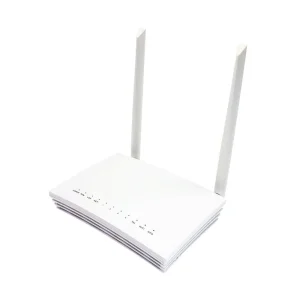
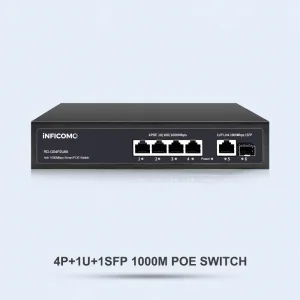
Highly reliable GPON ONUs, SFP transceivers, and gigabit switching hardware designed for residential and business customer deployments.
Technical and logistical insights for systems integrators, telecom purchasing departments, and network engineers in Hanoi.
Partner with Shenzhen Soras Technology for high-performance PON SFP transceivers, GPON ONUs, and industrial network switches. Get a factory-direct quote with custom compatibility profiles for your Hanoi projects today.
Send Inquiry Now Soras Tech