Engineered for high performance, standard optical budgets, and seamless integration with existing central office OLTs deployed across Addis Ababa and regional hubs.
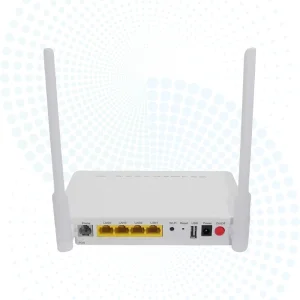
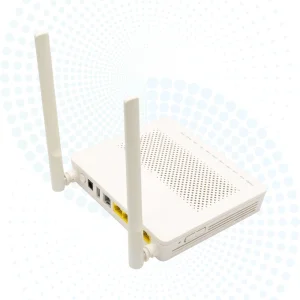
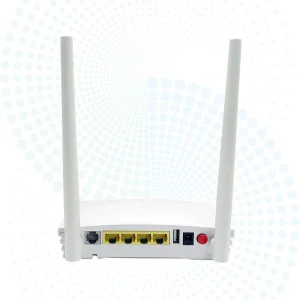

An in-depth analysis of optical network penetration, hardware sustainability, and cost-to-performance optimization in the East African broadband landscape.
Ethiopia is witnessing an unprecedented digital transformation. Led by the liberalization of the telecommunications sector and the aggressive expansion of the state-backed Ethio Telecom alongside the rapid infrastructure rollout of Safaricom Ethiopia, broadband internet is transitioning from a premium corporate service to a fundamental household utility.
In this rapidly evolving digital landscape, FTTH (Fiber-to-the-Home) has emerged as the technology of choice for high-speed connectivity. However, the capital expenditure (CAPEX) associated with deploying optical line terminals (OLTs) and running miles of drop cables presents a significant challenge for internet service providers (ISPs). This is where the choice of customer premises equipment (CPE)—specifically the Optical Network Unit (ONU)—becomes critical.
Wi-Fi 4 ONUs (802.11n standard operating at 2.4 GHz) remain the cornerstone of mass-market consumer broadband in Ethiopia. While newer standards like Wi-Fi 6 are entering metropolitan pockets of Addis Ababa, Wi-Fi 4 remains highly favored due to its balance of affordability, adequate bandwidth (up to 300 Mbps), and superior structural wall penetration at 2.4 GHz, making it perfect for standard residential layouts.
From a technical standpoint, the choice between GPON (Gigabit Passive Optical Network) and EPON (Ethernet Passive Optical Network) is governed by the network OLT architecture. Shenzhen Soras Technology designs and manufactures XPON ONUs, which feature auto-detect and dual-mode compatibility. This allows the unit to seamlessly connect to both GPON and EPON network systems, drastically reducing the inventory complexity for local Ethiopian distributors and network operators.
Key features that ensure our hardware excels under local operating conditions include:
A trusted global manufacturer of optical transmission equipment. Certified quality, end-to-end supply chain control, and bespoke hardware customization.
Established in 2021 and rooted in the global tech capital of Shenzhen, China, Shenzhen Soras Technology Co., Ltd. (Soraslink) brings over a decade of domain expertise in network gear manufacturing. Operating a state-of-the-art production facility equipped with high-speed SMT assembly lines, automated optical inspection systems, and advanced environmental chamber testing, we supply telecommunication giants across South America, North America, Europe, and Africa.
| Business Parameter | Company Capability Details | Operational Focus | Standards & Markets |
|---|---|---|---|
| Business Type | Original Equipment Manufacturer (OEM) / ODM | Factory Location | Guangdong, China (Global Hub) |
| Core Offerings | FTTH ONU & OLT, SFP Transceivers, PoE Switches, Media Converters | Workforce | 11 - 50 Highly Specialized Engineers & Operators |
| Annual Revenue | US$5 Million - US$10 Million | Quality Certs | ISO 9001, UL, CE, FCC, RoHS Compliance |
| Primary Geographies | Africa, South America, North America, East Asia | Global Target | Telecommunications & ISP Providers |

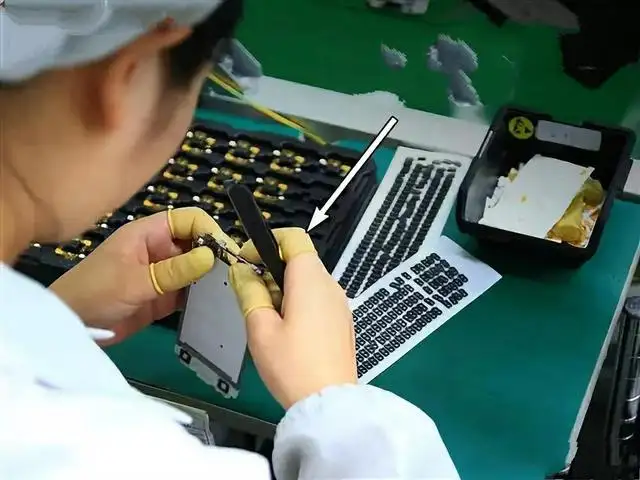
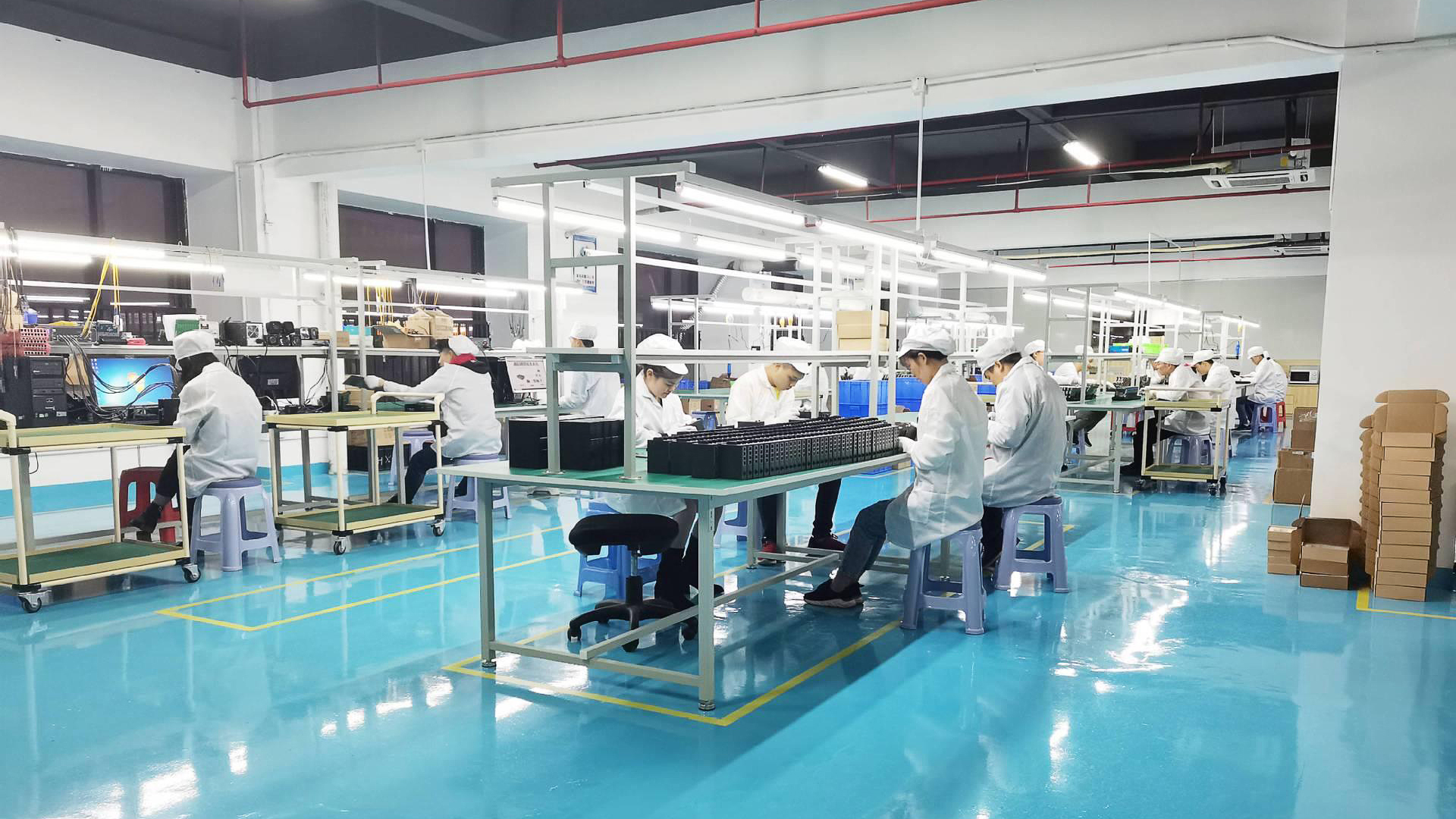
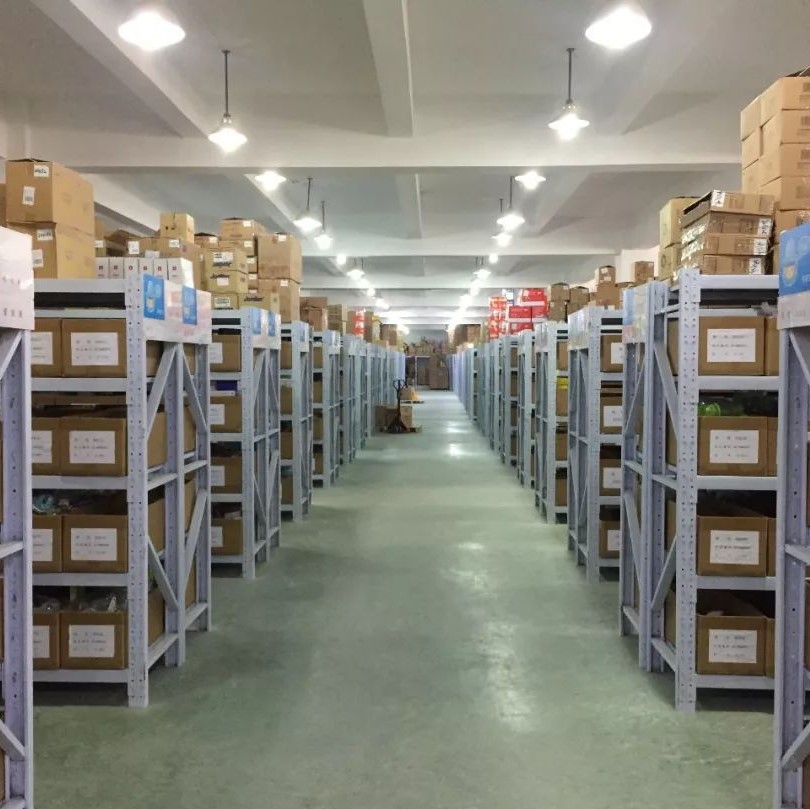
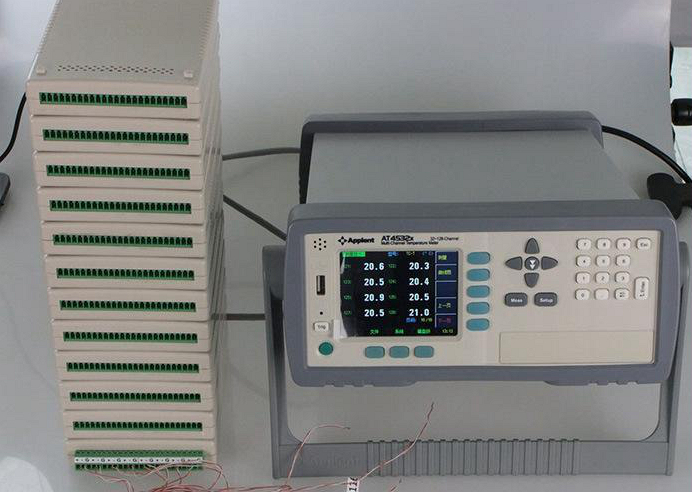
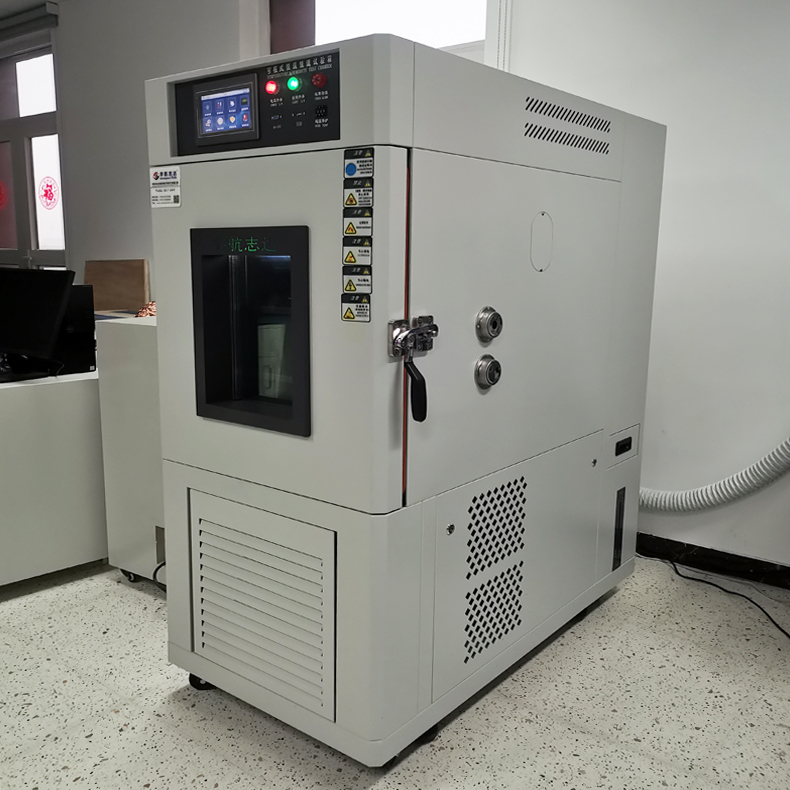

Soras Tech Office
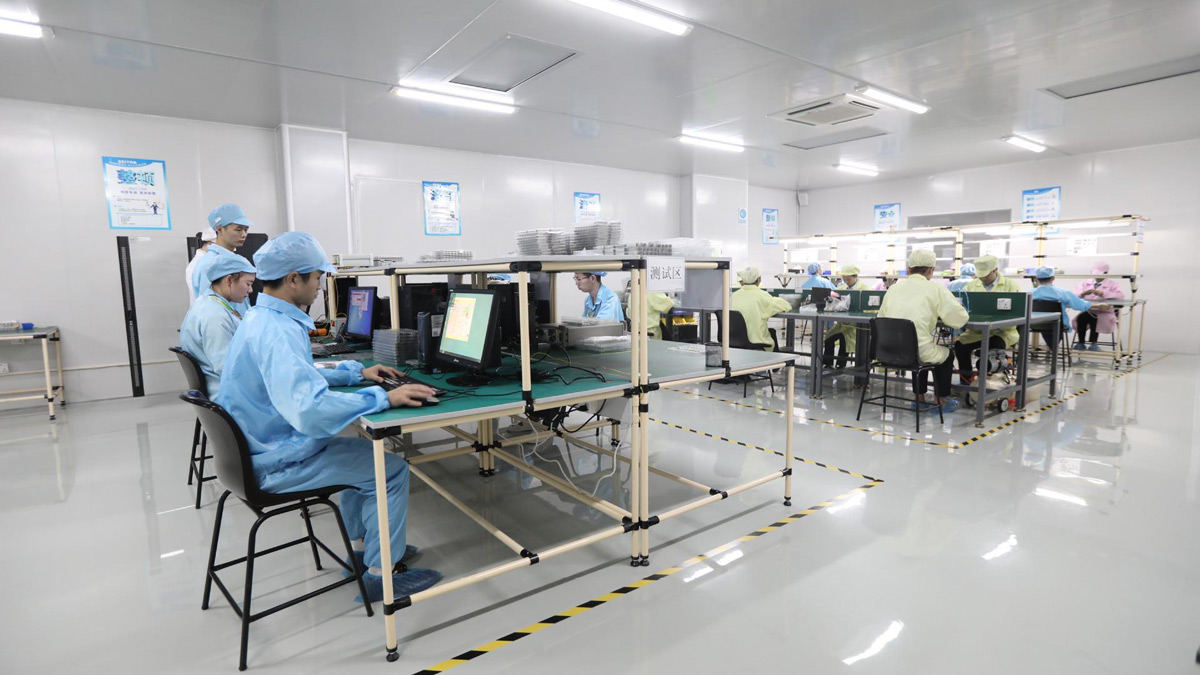
Exhibition Center
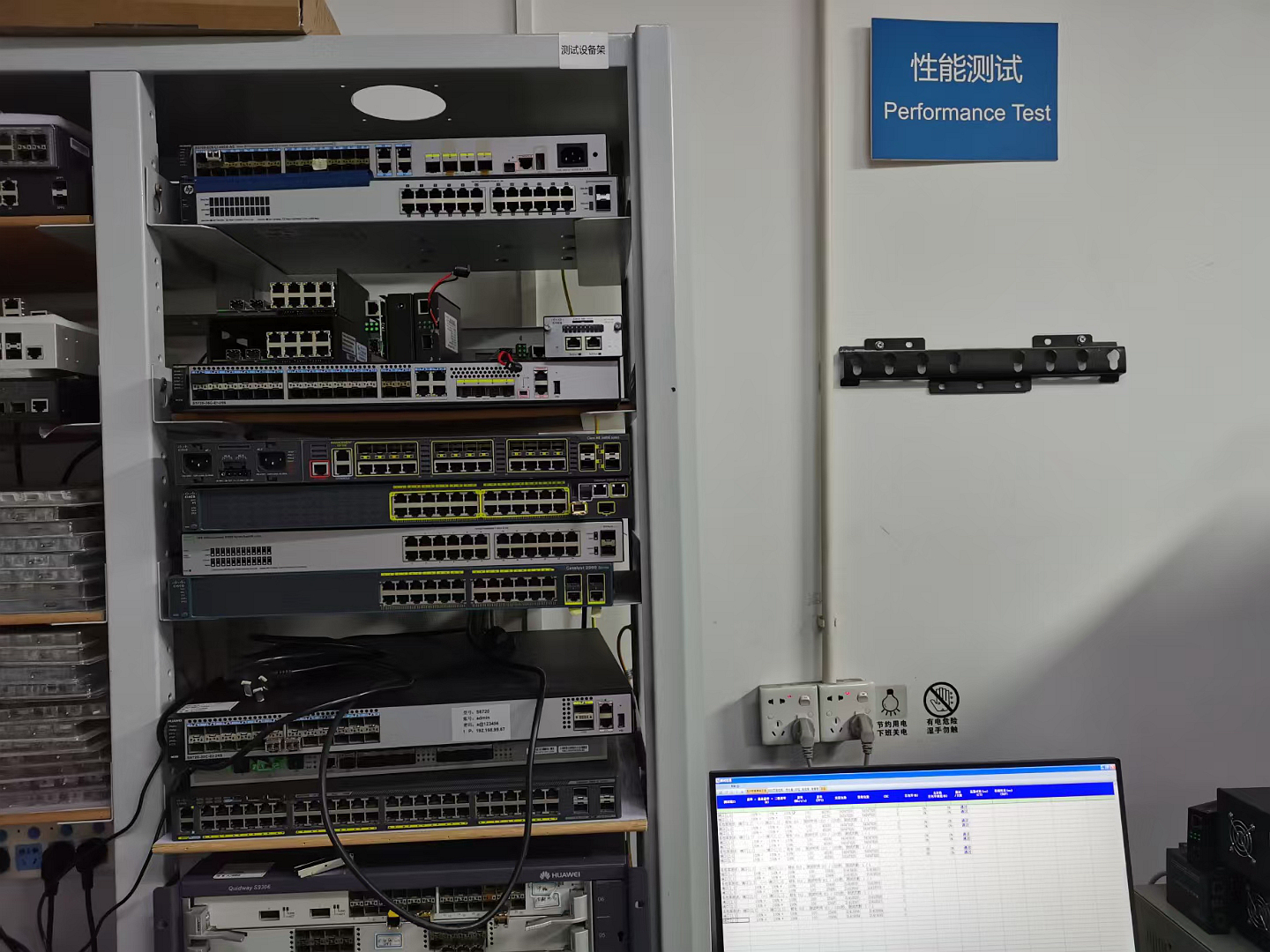
Hardware Simulation Room
Developing a standard network architecture across regions like Tigray, Oromia, and Amhara requires adaptation to local parameters. Issues such as dust, ambient heat, power outages, and lack of localized technician training require specialized terminal equipment properties.
Shenzhen Soras Technology addresses these unique hurdles with custom configurations:
Partnering with Shenzhen Soras Technology connects Ethiopian procurement leads directly with a Tier-1 manufacturing infrastructure in Guangdong. Working directly with the OEM bypasses intermediary trading markups, ensuring access to competitive pricing essential for bid submissions.
Our Quality Control workflow relies on three core principles:
While Wi-Fi 4 remains the most economical standard for contemporary consumer connections, urban infrastructure upgrades require a path toward next-generation technologies. As multi-gigabit speeds deploy, our hardware roadmap supports an evolution path:
Explore our wide array of high-quality transceivers, switches, routers, and tools supporting African telecom infrastructures.
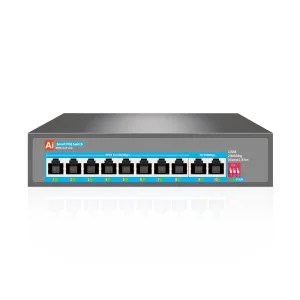

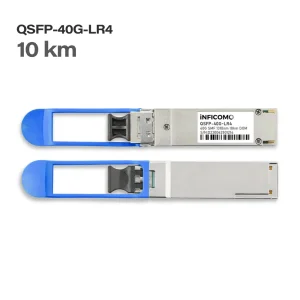
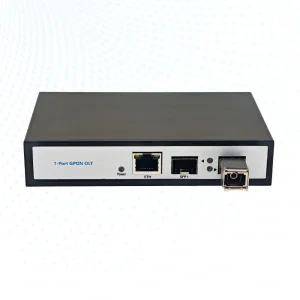
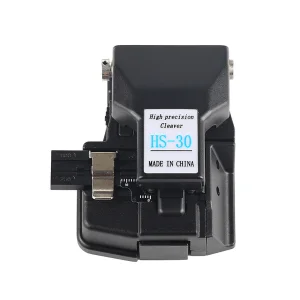


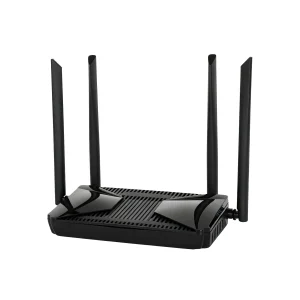
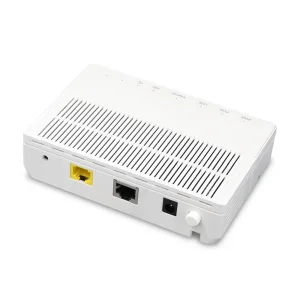

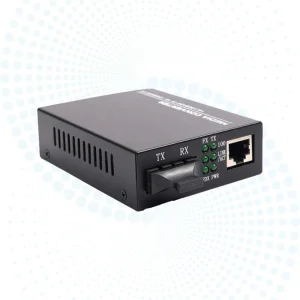
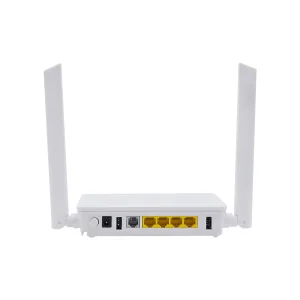
Essential guidance on custom compliance, technical specifications, and hardware interoperability for local telecommunication projects.
Get in touch with our engineering and commercial sales teams to request detailed product pricing, custom firmware possibilities, and samples for network testing.
Send Inquiry Now Soras Tech