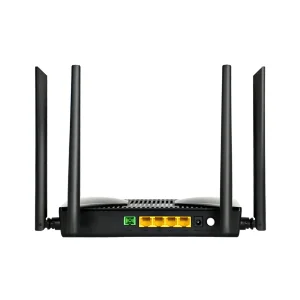
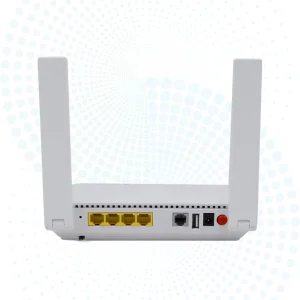
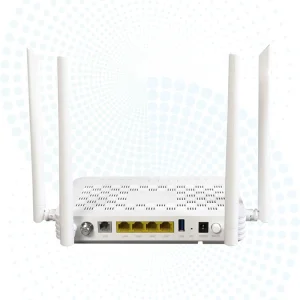
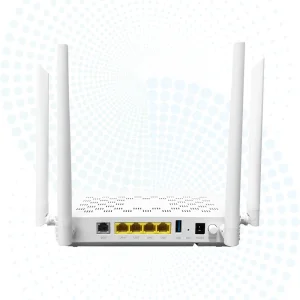
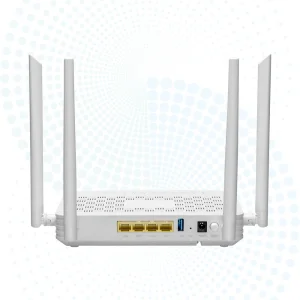
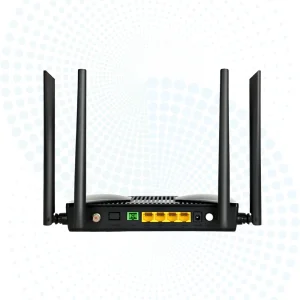
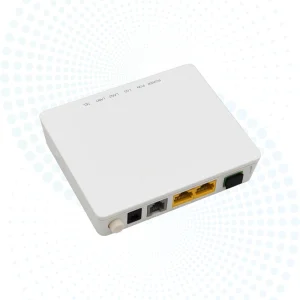
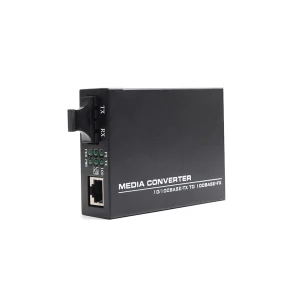
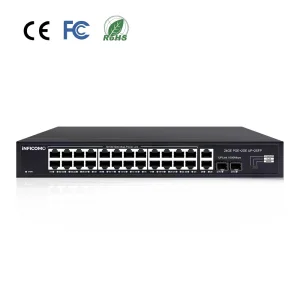
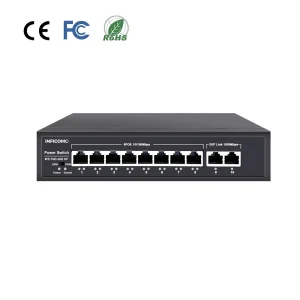
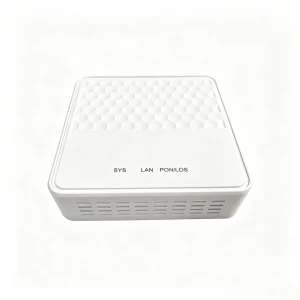
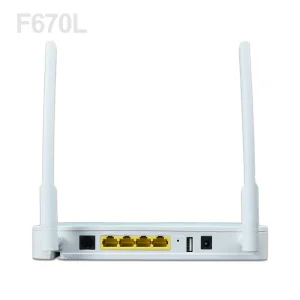
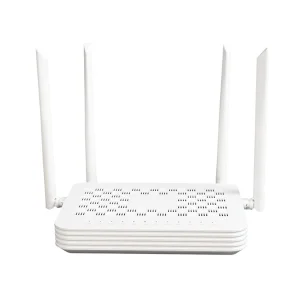
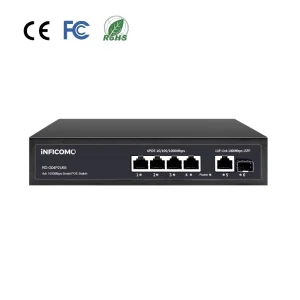
Enterprise-grade subscriber terminals supporting high-density, multi-user deployments across Baku, Sumgait, and Ganja networks.
The digital connectivity landscape in Azerbaijan is experiencing a dramatic structural revolution. Guided by the State Strategy for Information Society Development and propelled by the Ministry of Digital Development and Transport’s ambitious "Online Azerbaijan" project, the country is actively migrating its legacy copper infrastructure (ADSL/VDSL) to high-capacity Fiber-to-the-Home (FTTH) networks. The ultimate national target is to provide all households and businesses across Azerbaijan—ranging from metropolitan Baku to remote locations in the Guba-Khachmaz and Lankaran-Astara economic zones—with high-speed, reliable gigabit broadband services. This transition is not merely about pulling fiber lines; it relies heavily on installing efficient, high-performance customer premises equipment (CPE) to manage the delivery of these new gigabit capabilities.
Historically, broadband access in Azerbaijan was limited by high latency, limited bandwidth, and congestion in high-density urban areas. With major telecom operators like Aztelekom and Baktelecom leading massive optical buildouts, the demand for next-generation subscriber terminals has grown. Specifically, the rollout of GPON (Gigabit Passive Optical Network) and EPON (Ethernet Passive Optical Network) technologies requires modern Wi-Fi 6 (802.11ax) ONUs to prevent terminal bottlenecks. While legacy Wi-Fi 5 (802.11ac) equipment struggles with signal attenuation in thick concrete apartment complexes typical of Soviet and modern Baku architecture, Wi-Fi 6 leverages advanced signal processing to provide reliable coverage.
Azerbaijani internet service providers (ISPs) and corporate system integrators are realizing that investing in high-quality Wi-Fi 6 ONUs is key to reducing subscriber churn. Soras Technology's Wi-Fi 6 ONT series features dual-band capability (up to 3000 Mbps PHY rate), integrated voice (VoIP via POTS), cable television (CATV) receivers, and gigabit ethernet connections. These units serve as a future-proof, multi-service gateway for modern households and enterprise networks.
To succeed in Azerbaijan’s competitive ISP landscape, local network operators need versatile hardware. Soras Technology designs and manufactures dual-mode XPON (GPON and EPON auto-sensing) ONUs that fit into existing optical line terminal (OLT) infrastructures. Whether an ISP runs Huawei, ZTE, Fiberhome, or Nokia OLTs in their central offices, our ONUs automatically switch between GPON (ITU-T G.984) and EPON (IEEE 802.3ah) protocols, streamlining inventory management and installation workflows.
Technical Advantage (AX3000 Wi-Fi 6): Incorporating OFDMA (Orthogonal Frequency Division Multiple Access), 1024-QAM, and MU-MIMO technologies, our AX3000 ONUs support up to 128 concurrent active devices. They operate on a 160MHz channel bandwidth, doubling the channel width of standard Wi-Fi 5 models, which translates to high-speed data transmission for 4K streaming, online gaming, and industrial IoT applications.
Our ONUs are designed to handle complex home networking scenarios. The integration of BSS Coloring (Base Service Station Coloring) minimizes co-channel interference in Baku's densely populated high-rise apartments by distinguishing between neighboring Wi-Fi signals. Furthermore, with built-in Target Wake Time (TWT), our ONT platforms optimize scheduling to reduce power consumption for connected mobile and IoT devices throughout Azerbaijan.
| Feature Parameter | Soras XPON Wi-Fi 6 ONT (AX3000 Standard) | Legacy Wi-Fi 5 GPON ONU (AC1200) | Strategic Advantage for Azerbaijani Operators |
|---|---|---|---|
| Maximum PHY Rate | Up to 2976 Mbps (2.4GHz: 574 Mbps + 5GHz: 2402 Mbps) | Up to 1167 Mbps (2.4GHz: 300 Mbps + 5GHz: 867 Mbps) | Enables true Gigabit tariff plans without wireless bottlenecking. |
| Channel Width | Up to 160 MHz | Maximum 80 MHz | Doubles bandwidth capacity for demanding wireless applications. |
| Multi-User Efficiency | OFDMA + MU-MIMO (Downlink & Uplink) | MU-MIMO (Downlink Only), No OFDMA | Maintains low-latency performance even with high device density. |
| Optical Interface | Class B+ GPON / EPON Auto-sensing, SC/APC or SC/UPC | Fixed GPON or EPON, SC/UPC | Provides maximum deployment flexibility across mixed OLT networks. |
| Management Protocol | TR-069 (CWMP), OMCI, OAM, Web GUI, Telnet | Basic OMCI / Web UI Only | Supports remote auto-provisioning, firmware updates, and troubleshooting. |
Soras Technology does not just supply hardware; we design end-to-end network terminal solutions tailored to Azerbaijan's key economic sectors.
For large-scale deployments by Azerbaijani operators (such as Aztelekom, Baktelecom, and private ISPs like Azeronline and Katv1), our ONUs integrate high-speed data, VoIP services, and analog/digital CATV over a single fiber strand. Using WDM (Wavelength Division Multiplexing) filters, downstream CATV signals at 1550nm are processed alongside GPON downstream data at 1490nm and upstream at 1310nm. This eliminates the need for separate coax cabling in modern apartments, lowering installation overhead.
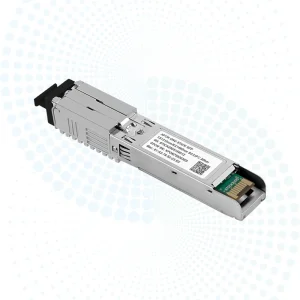
Azerbaijan’s industrial parks, such as the Sumgait Technologies Park (STP) and the Alat Free Economic Zone (AFEZ), require robust campus networking. In these environments, deploying large fiber switch units can be space- and cost-prohibitive. Our Intelligent PON SFP Stick (EPON/GPON/XPON) fits directly into existing enterprise firewall routers, security cameras, or managed switches. This converts any standard SFP port into a PON terminal, reducing power consumption and saving cabinet space.
Reliable backhaul is critical for urban monitoring projects, such as Baku’s Safe City initiative. We offer industrial-grade PoE switches (including 24-port Gigabit PoE switches and waterproof enterprise switches) that connect directly to our ONUs. This configuration supports reliable, high-resolution IP camera streams under demanding thermal conditions.
Case Study Highlight: In partnerships with localized system integrators in Baku, Soras Technology successfully optimized GPON ONT firmware to maintain stability under fluctuations in optical link loss (dB), ensuring uninterrupted performance for urban surveillance systems.
Entering the Azerbaijani telecom space requires compliance with regional regulatory frameworks. At Soras Technology, we build our products to meet global standards (CE, FCC, RoHS, UL) while ensuring they comply with local telecommunication guidelines overseen by the Ministry of Digital Development and Transport (MDDT) and the State Administration of Radio Frequencies.
Key areas of focus include:
Our Wi-Fi 6 ONUs are configured to comply with the 2.4 GHz and 5 GHz frequency band limits mandated by Azerbaijani regulators. Channel availability and transmit power levels (EIRP) are pre-calibrated in our firmware to prevent interference with local public defense and aeronautical radar systems.
We supply English-localized firmware out of the box, with options to customize the user interface with local ISP branding, specific configuration presets, and TR-069 parameters. This enables plug-and-play installation for technicians on-site.
Baku's coastal climate features hot summers and high humidity. Our ONUs utilize high-grade internal heat sinks, ventilated enclosures, and components rated for wide operating temperatures (0°C to +50°C), protecting against premature component failure.
Shenzhen Soras Technology Co., Ltd. operates a modern production facility in Guangdong, China. We combine advanced machinery with strict quality management system protocols (ISO 9001:2015) to produce cost-effective, high-reliability products.
Corporate Background: Shenzhen Soras Technology Co., Ltd. is a leading manufacturer of optical transmission equipment and network equipment with more than 10 years of experience. We rely on high-quality management and technological innovation, committed to providing customers with high quality, cost-effective, high value-added products and solutions. Today, we work closely with telecommunications companies around the world. We have strong technical force and experienced R & D team, products can be developed according to customer requirements, we also accept your OEM and ODM orders. Now our products are exported to more than 60 countries, the main markets are South America, North America and Europe. Our main products: Fiber Media Converter, SFP Module, POE Switch, ONU, OLT and supporting products. We have passed ISO 9001, UL, CE, FCC, ROHS Certification, our aim is "superior quality, professional service, competitive price, integrity-based". We believe this is not only our responsibility, but also the best way out for long-term development. Soraslink looks forward to working with you!






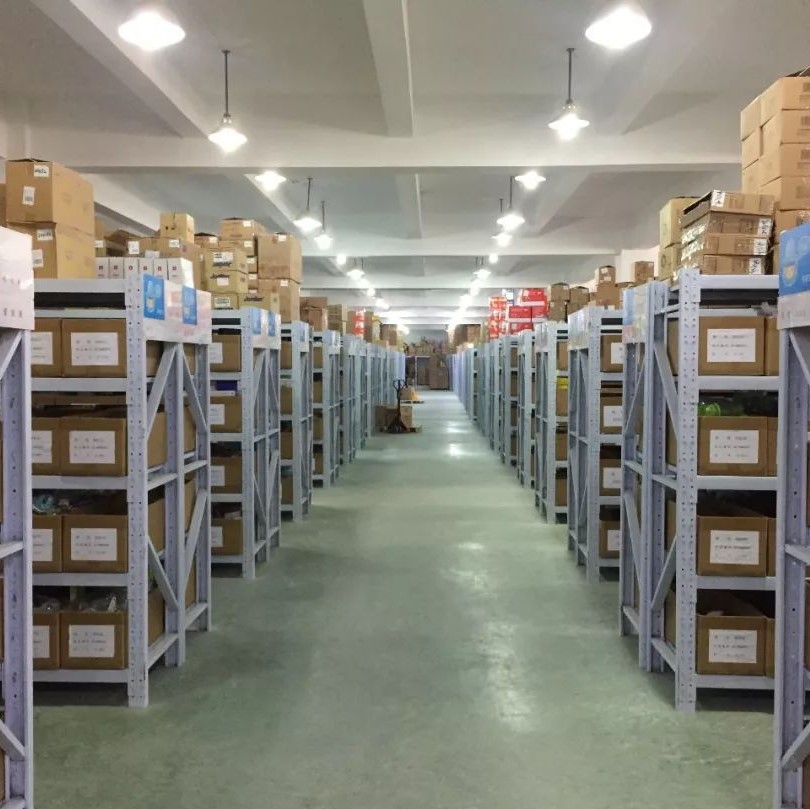
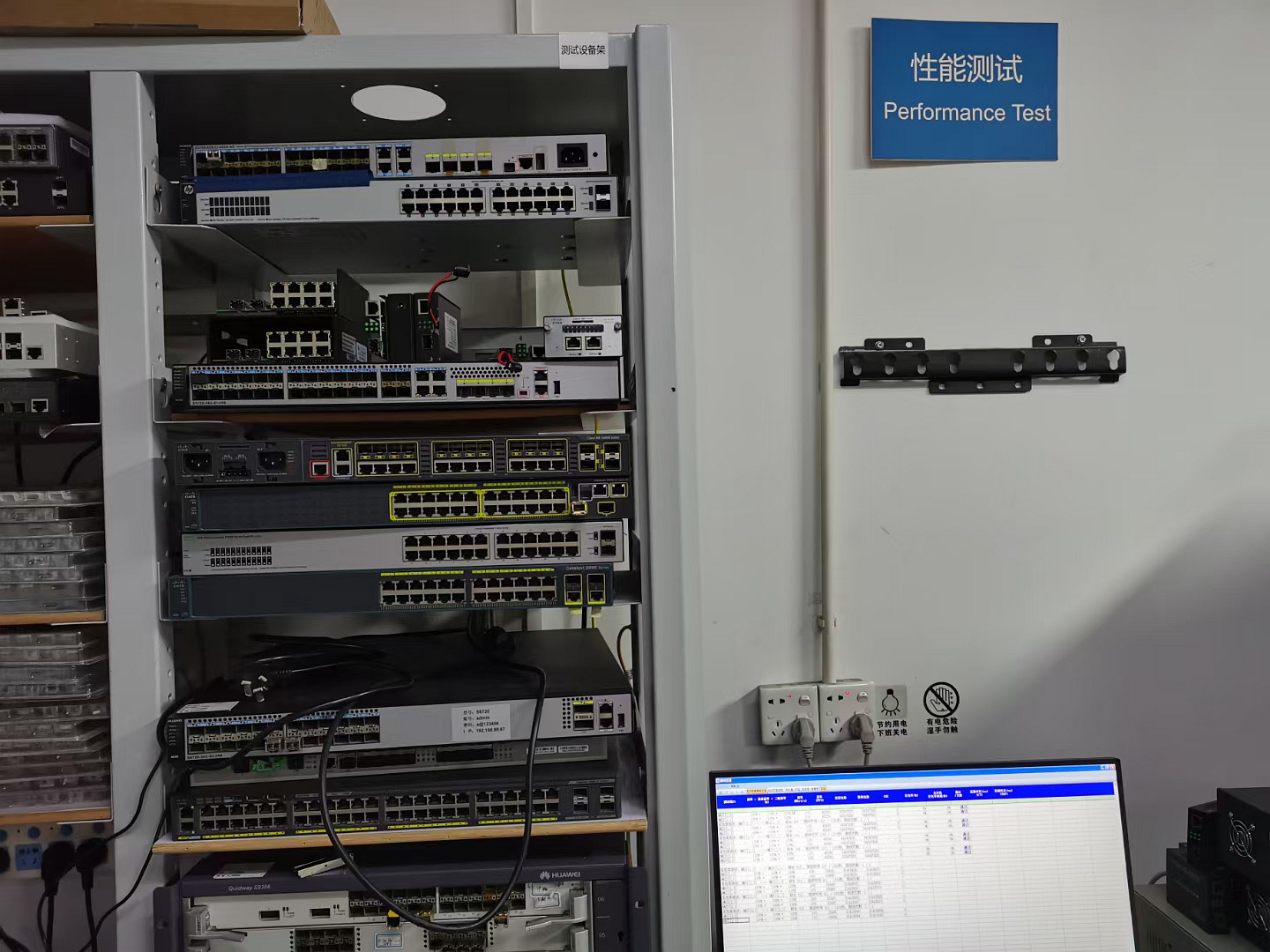
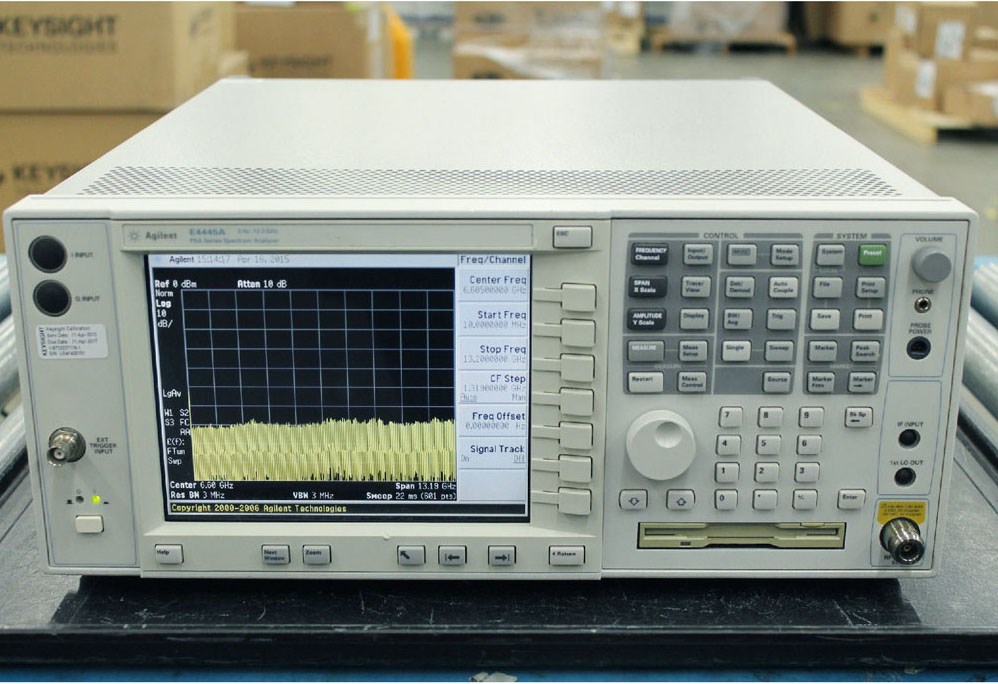
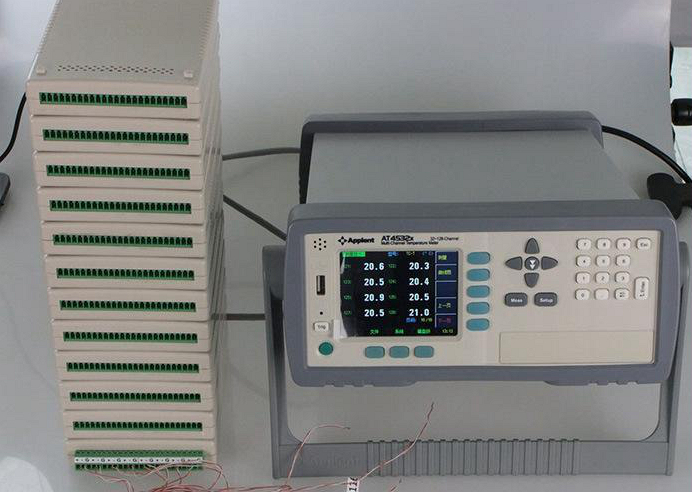
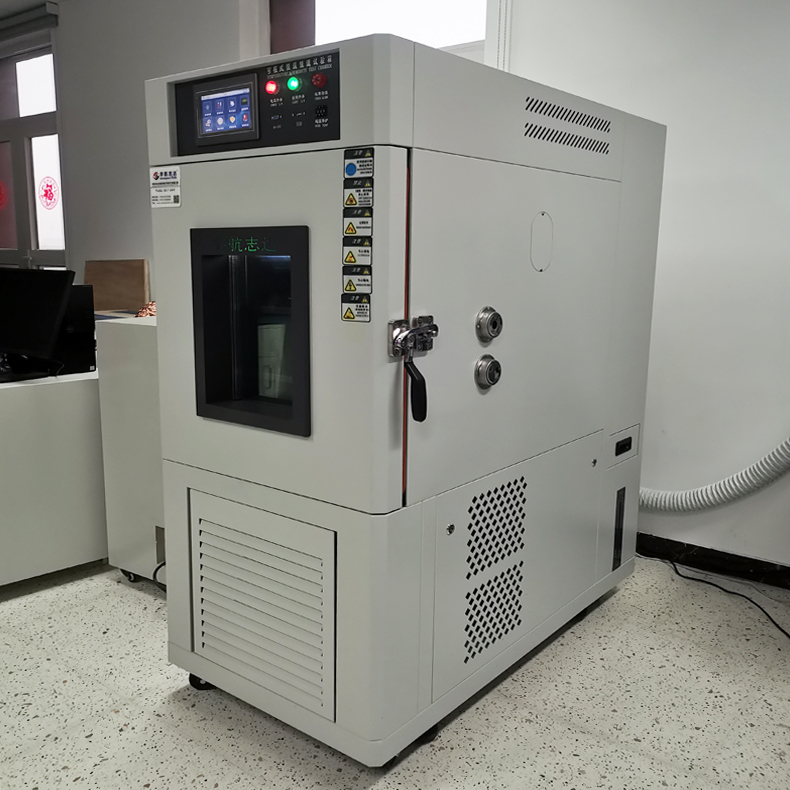
Soras Technology uses automated manufacturing processes to ensure product reliability:
| Soras Technology Factory Profile | |||
|---|---|---|---|
| Business type | Manufacturer | Country / Region | Guangdong, China |
| Main Products | FTTH ONU & OLT, SFP Module, Fiber Media Converter, PoE Switch, Fiber Optic Equipment | Total employees | 11 - 50 People |
| Total Annual Revenue | US$5 Million - US$10 Million | Year established | 2021 |
| Main Markets | Domestic Market (24%), Eastern Asia (15%), North America (15%), South America, Europe, Central Asia | ||
Global logistics and sourcing requirements have become increasingly complex. For operators and distributors in Azerbaijan, ensuring supply chain continuity is as important as technical performance. Soras Technology offers flexible logistics routes, with access to maritime shipping, air freight, and rail-based continental transport (such as the Trans-Caspian International Transport Route/Middle Corridor) connecting Shenzhen directly to Baku.
By keeping core semiconductor components and optical transceivers in stock, we protect our clients against global component shortages. Our OEM and ODM services allow customers to customize hardware labels, chassis designs, and packaging. We provide long-term warranties, direct technical support from our engineering teams, and complete SDK access for integration with custom operations support systems (OSS) and business support systems (BSS).
Explore our full range of optical network terminals, PoE switches, SFP adapters, and media converters designed for high-performance networks.
Get authoritative answers on technical compatibility, ordering procedures, and operational details for importing optical devices to Azerbaijan.
Yes. Our Wi-Fi 6 (AX3000) XPON ONUs are fully compatible with industry-standard OLT platforms, including Huawei (MA5608T/MA5800 series), ZTE (C300/C320 series), Nokia/Alcatel-Lucent, and Fiberhome. The device's integrated firmware supports automatic discovery and registration via standard OMCI (ITU-T G.988) or OAM protocols, enabling auto-provisioning through TR-069.
Yes. Our ONUs are calibrated to operate within the 2.4 GHz and 5 GHz frequency bands in compliance with Azerbaijani radio frequency standards overseen by the State Administration of Radio Frequencies. Transmit power (EIRP) is limited to regulatory margins, and the dynamic frequency selection (DFS) feature works automatically to prevent interference with radar systems.
We offer multiple transport options to Baku. Air freight takes approximately 7 to 12 business days for urgent consignments. For larger cargo shipments, we utilize the Trans-Caspian International Transport Route (Middle Corridor rail network), which typically delivers from China to Azerbaijan within 20 to 30 days, providing a reliable alternative to sea freight.
We provide full customization options for telecommunications providers and distributors. This includes localized English/Russian/Azerbaijani firmware interfaces, custom housing designs, specific product colors, customized packaging, and pre-configured default settings (such as SSID prefix, TR-069 management server addresses, and VLAN IDs) to simplify field installation.
Our ONUs feature a dedicated passive cooling layout with strategically placed ventilation slots and oversized internal heat sinks. The interior electronics use components rated for wide temperature ranges to prevent signal drops or hardware degradation during hot summer conditions.
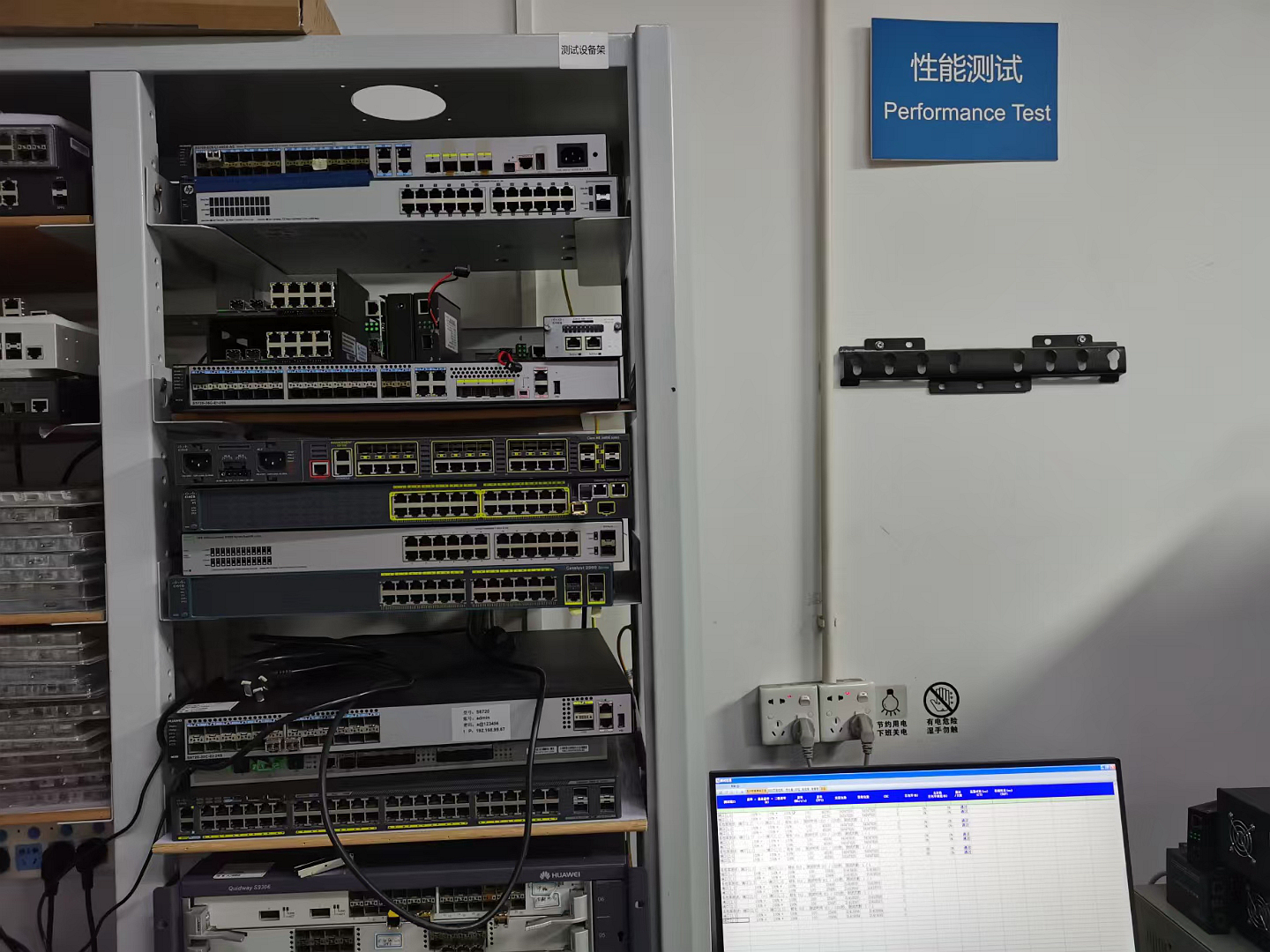
Every ONU we produce goes through a multi-stage testing process. This includes automated optical inspection (AOI) after SMT mounting, automated RF calibration to verify Wi-Fi transmit power and receiver sensitivity, high-low temperature cycling in environmental chambers, packet error rate testing under high traffic loads, and final functional verification against multiple OLT brands.
We provide technical support, custom hardware modifications, and stable supply lines to help you expand your network footprint in Baku and across Central Asia.
Submit Inquiry & Request Product Samples Soras Tech