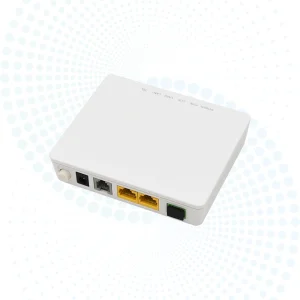
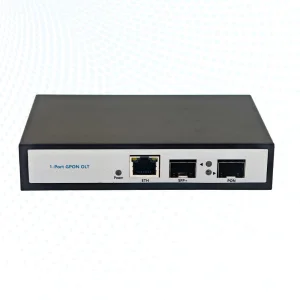
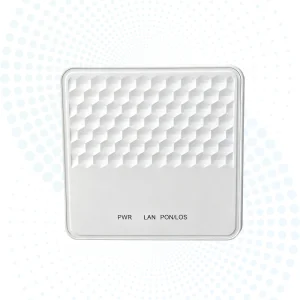
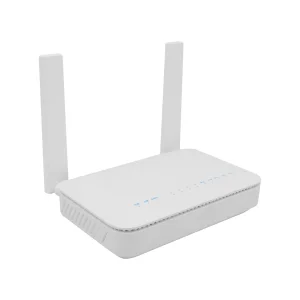
Explore our flagship telecom-grade components engineered for high-density FTTH architectures and ISP core routing demands.
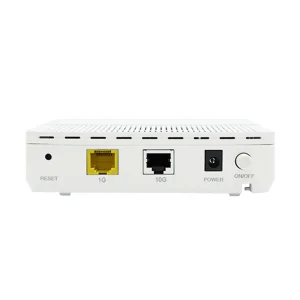
The global telecommunication sector is undergoing an unprecedented structural transition. As modern enterprises rapidly migrate toward hyper-scale cloud computing, decentralized Edge AI, and next-generation 5G RAN deployments, traditional copper-based network topologies have rendered themselves obsolete. Today, optical fiber technology functions as the backbone of modern global data centers, metropolitan area networks (MANs), and fiber-to-the-home (FTTH) connections.
Industrial deployments require extremely low signal attenuation, robust electromagnetic interference (EMI) immunity, and massive physical bandwidth capacities. The transition from legacy GPON to ultra-fast XG-PON and XGS-PON (10 Gigabit Symmetric PON) is no longer a luxury—it is a critical infrastructural requirement. To meet this paradigm shift, purchasing departments and global network engineers demand hardware that guarantees sustained line-rate throughput under variable environmental conditions.
Shenzhen Soras Technology Co., Ltd. represents the absolute state of the art in high-capacity manufacturing, research & development, and rigorous quality control for global telecommunication nodes.
Established in 2021 in Guangdong, China—the world's most dense technology hub—Shenzhen Soras Technology Co., Ltd. (also known globally as Soraslink) has established itself as an authoritative leader in manufacturing optical transmission devices and high-performance network equipment. With over 10 years of foundational expertise, we integrate high-end engineering, industrial automation, and custom design schemes.
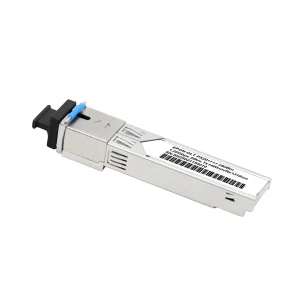
Our core mission revolves around "superior quality, professional service, competitive price, integrity-based". We maintain a global footprint, exporting custom solutions to over 60 countries across South America, North America, and Europe. Our comprehensive product portfolio—comprising Fiber Media Converters, SFP Modules, PoE Switches, ONUs, and OLT systems—conforms to international safety and network protocol frameworks, as validated by our certifications.

| Soras Technology Factory & Corporate Specifications | |||
|---|---|---|---|
| Business Type | Manufacturer |
Country / Region | Guangdong, China (Shenzhen Hub) |
| Main Product Lines | FTTH ONU & OLT, SFP Transceivers, Fiber Media Converters, PoE Switches | Established Year | 2021 (R&D origins date back 10+ years) |
| Annual Revenue Scale | US$5 Million - US$10 Million |
Engineering Force | 11 - 50 Active R&D and QA Specialists |
| Regulatory Standards | ISO 9001, CE, FCC, RoHS, UL Certified Production Lines | Target Demographics | Domestic (24%), East Asia (15%), North America (15%), Europe & South America (46%) |
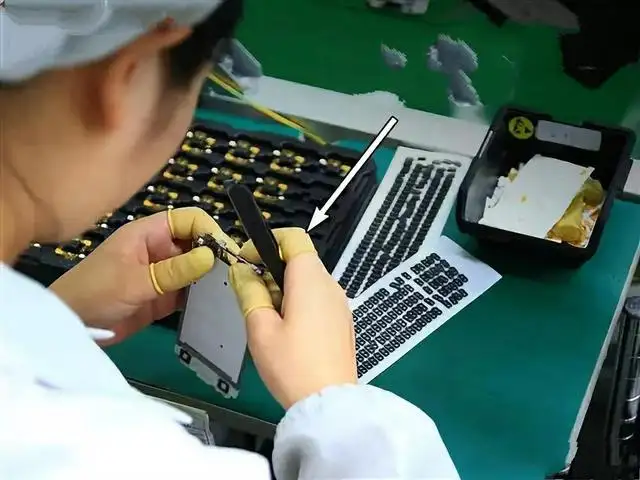
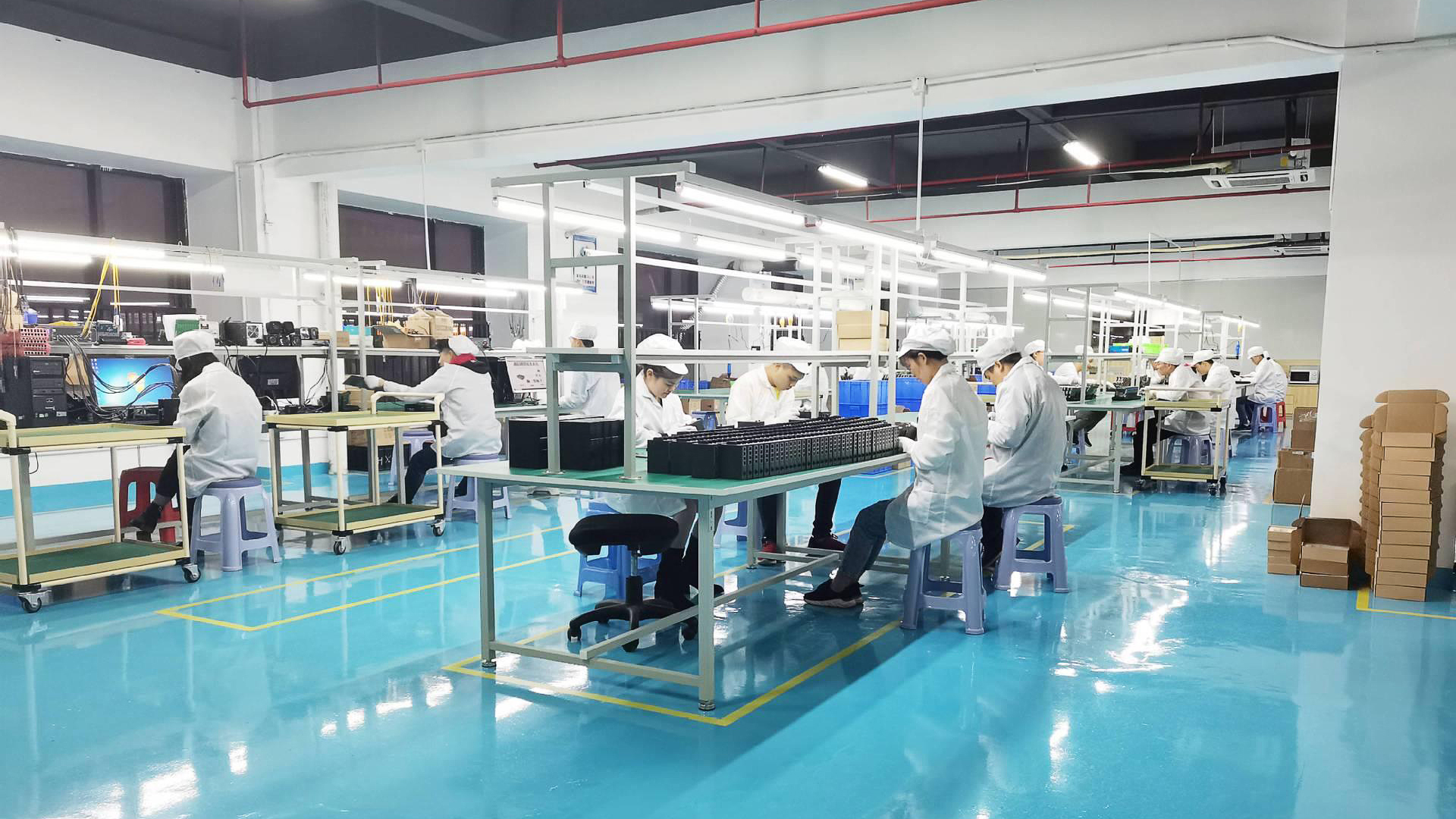
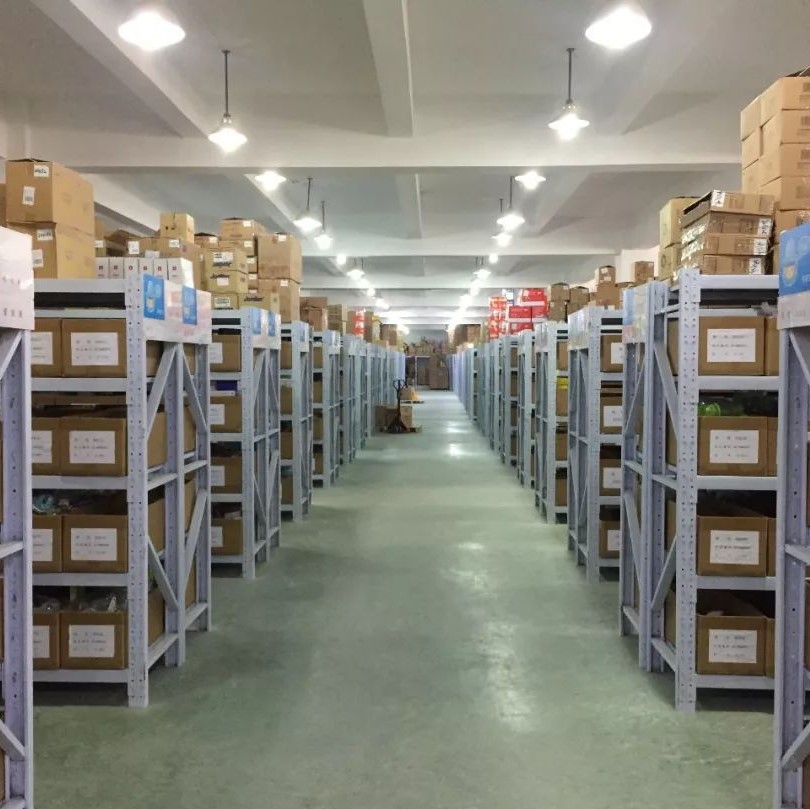
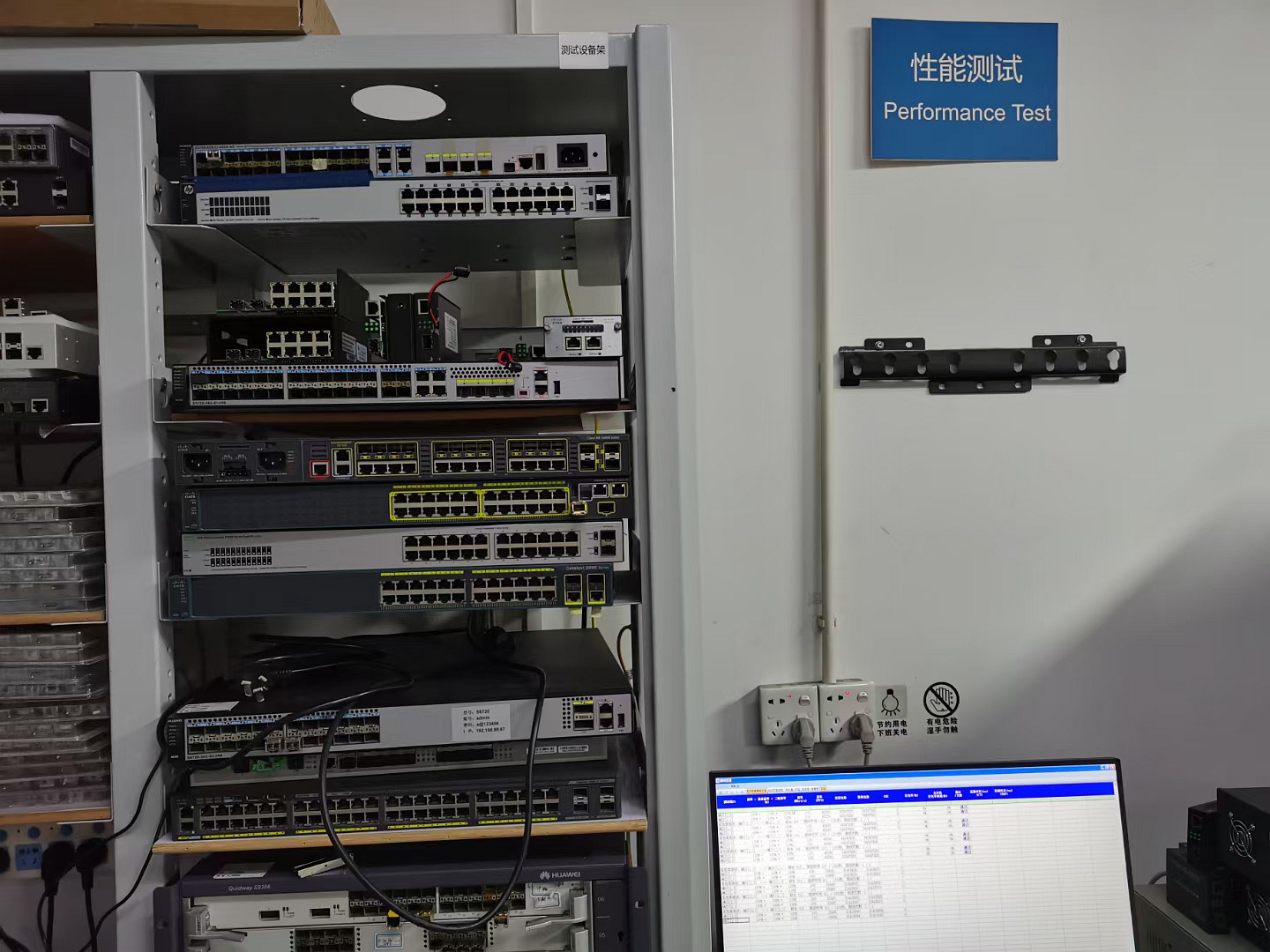
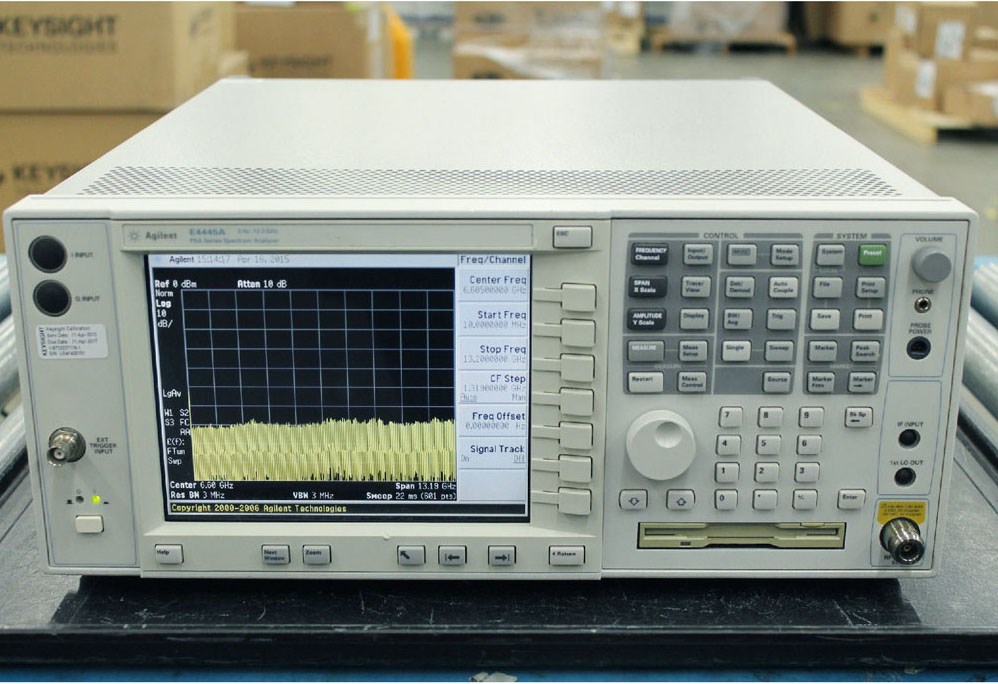
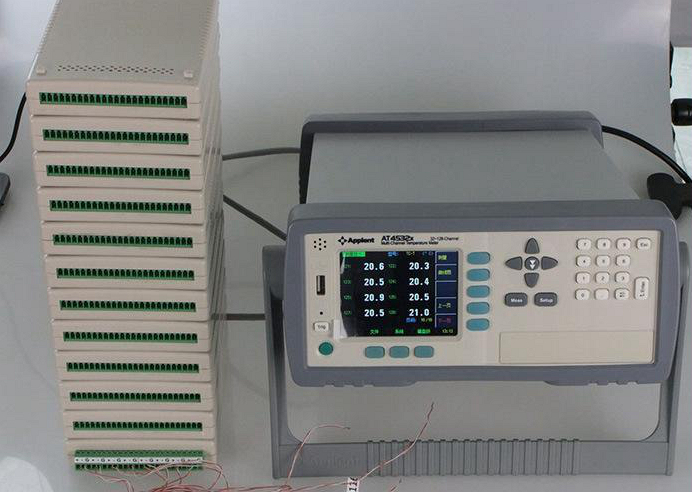
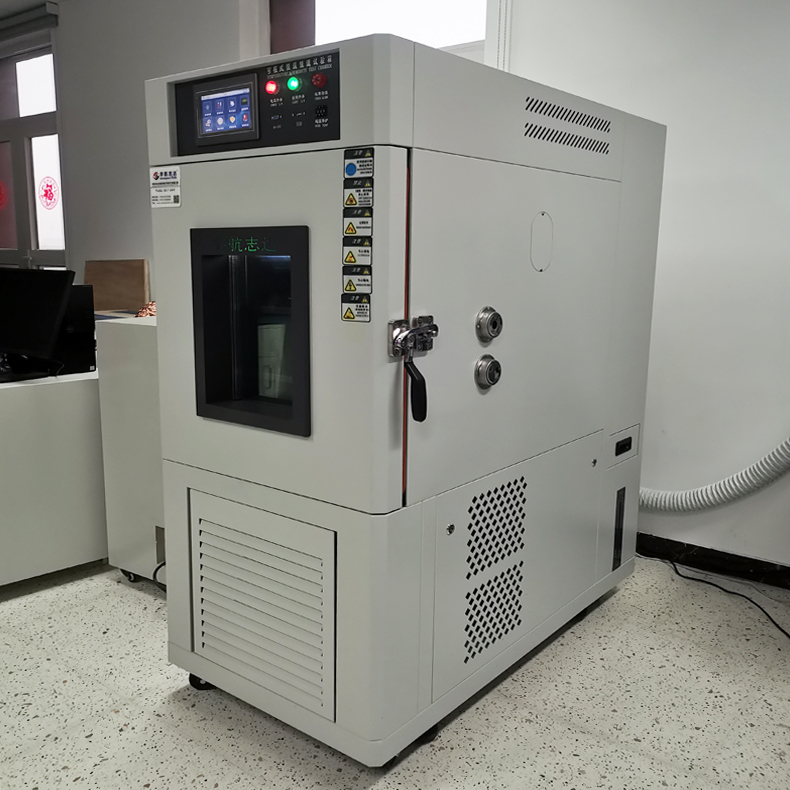
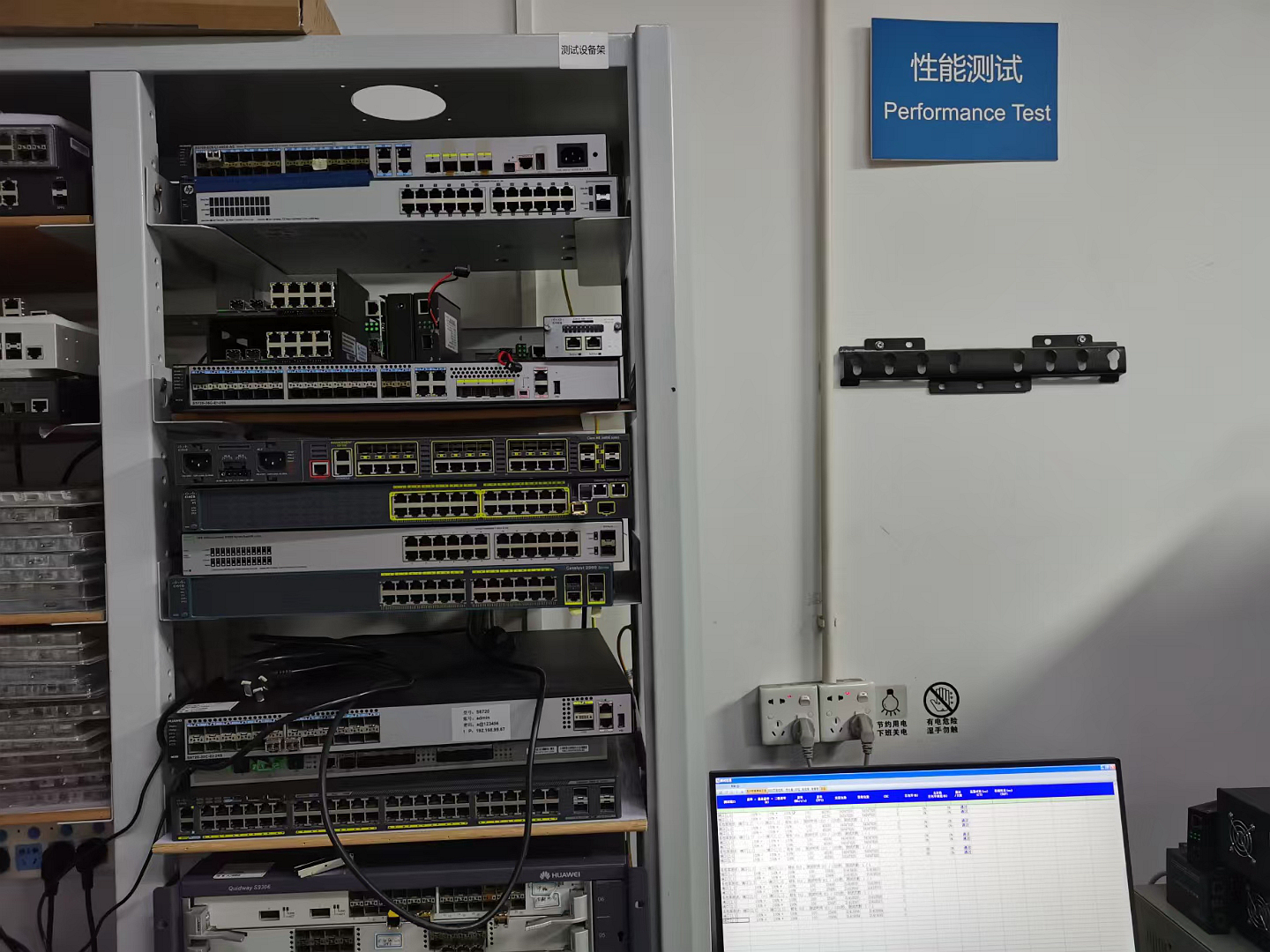
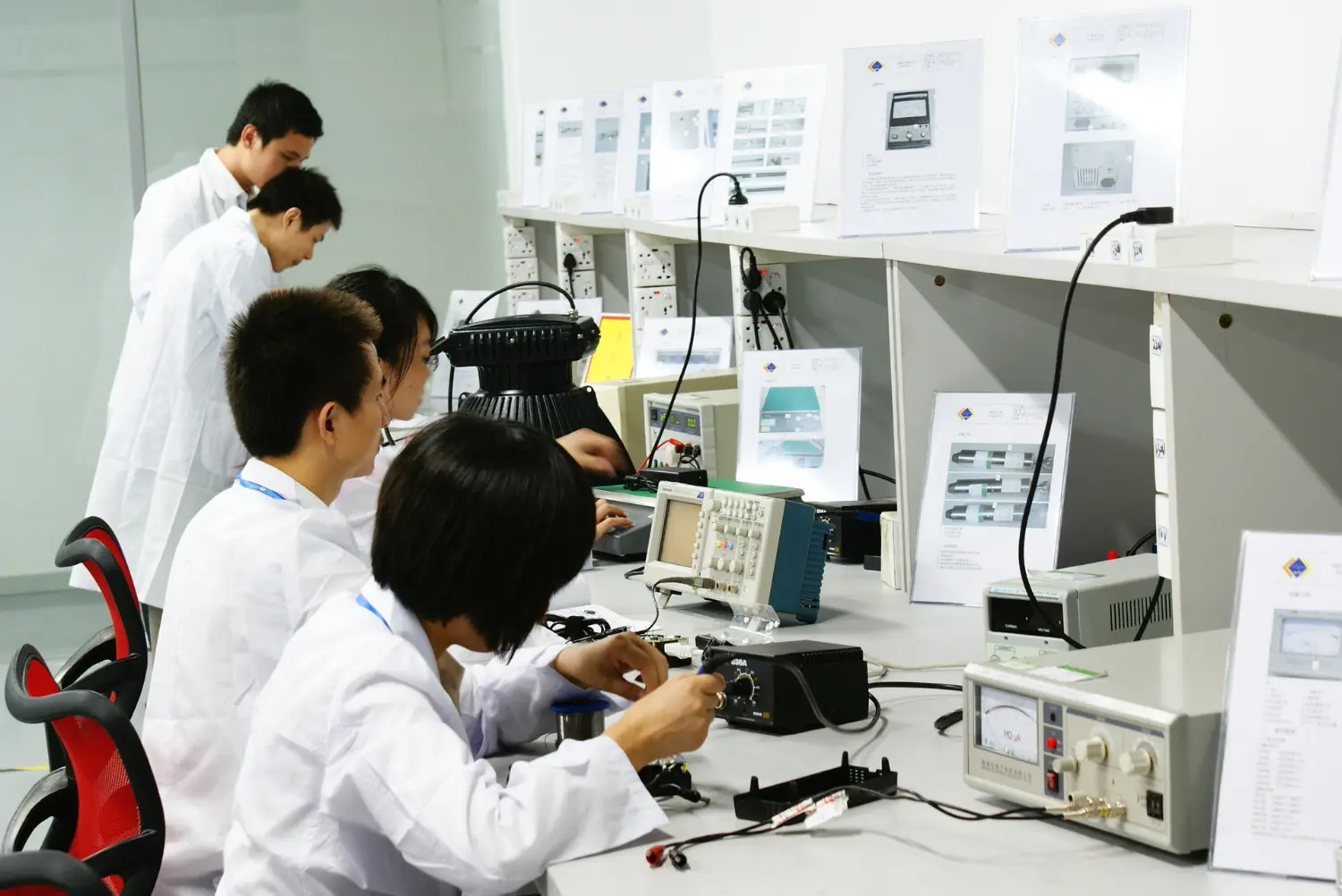
Take an inside look at our highly automated Shenzhen facility, where electronic design meets military-grade testing protocols.
The pricing and technical competitive advantage of China's optical fiber hardware manufacturers stems from a highly integrated component supply chain, automation at scale, and precise manufacturing processes. At Soras Technology, we utilize state-of-the-art surface-mount technology (SMT lines) to assemble PCB layers with absolute precision, avoiding the human errors common in manual soldering.
Furthermore, our production floor is divided into distinct QA sectors. Devices pass from the SMT Line directly to the Assembly Line and then undergo strict functional validation. Unlike typical mass-production plants, our test beds are equipped for simulated real-world conditions. This includes high-low temperature chamber calibration (H-L Temperature validation) to guarantee physical durability in extreme environments, alongside error analysis testing and WiFi spectrum calibration to ensure seamless signal output.
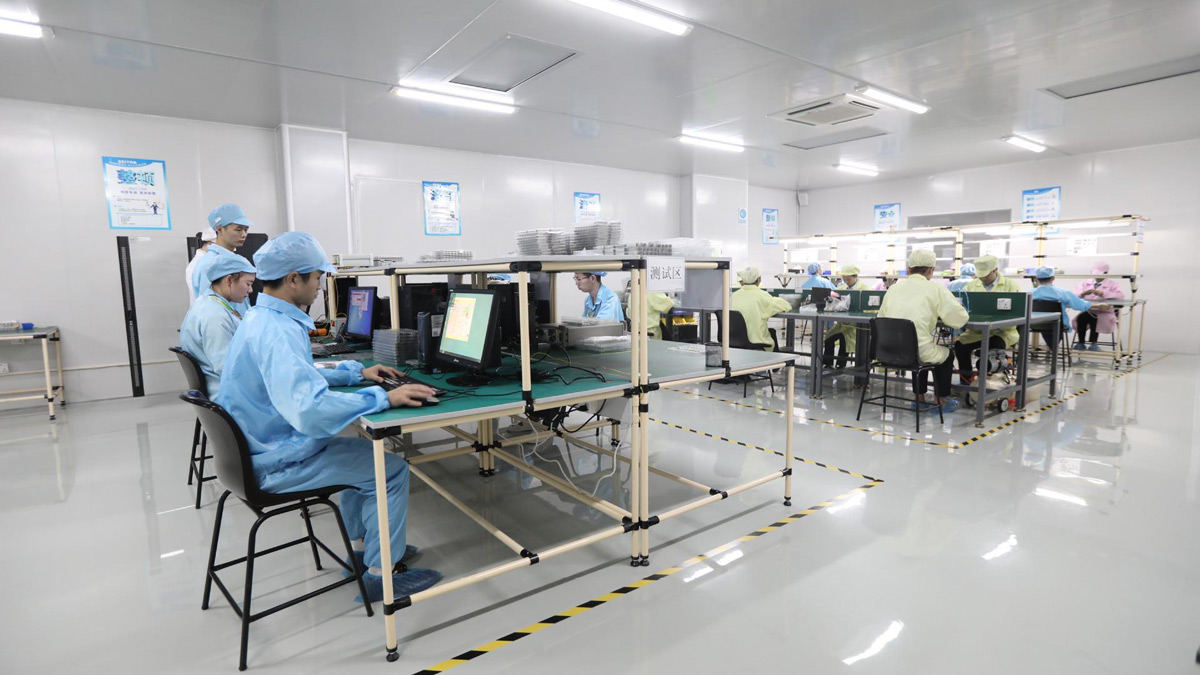
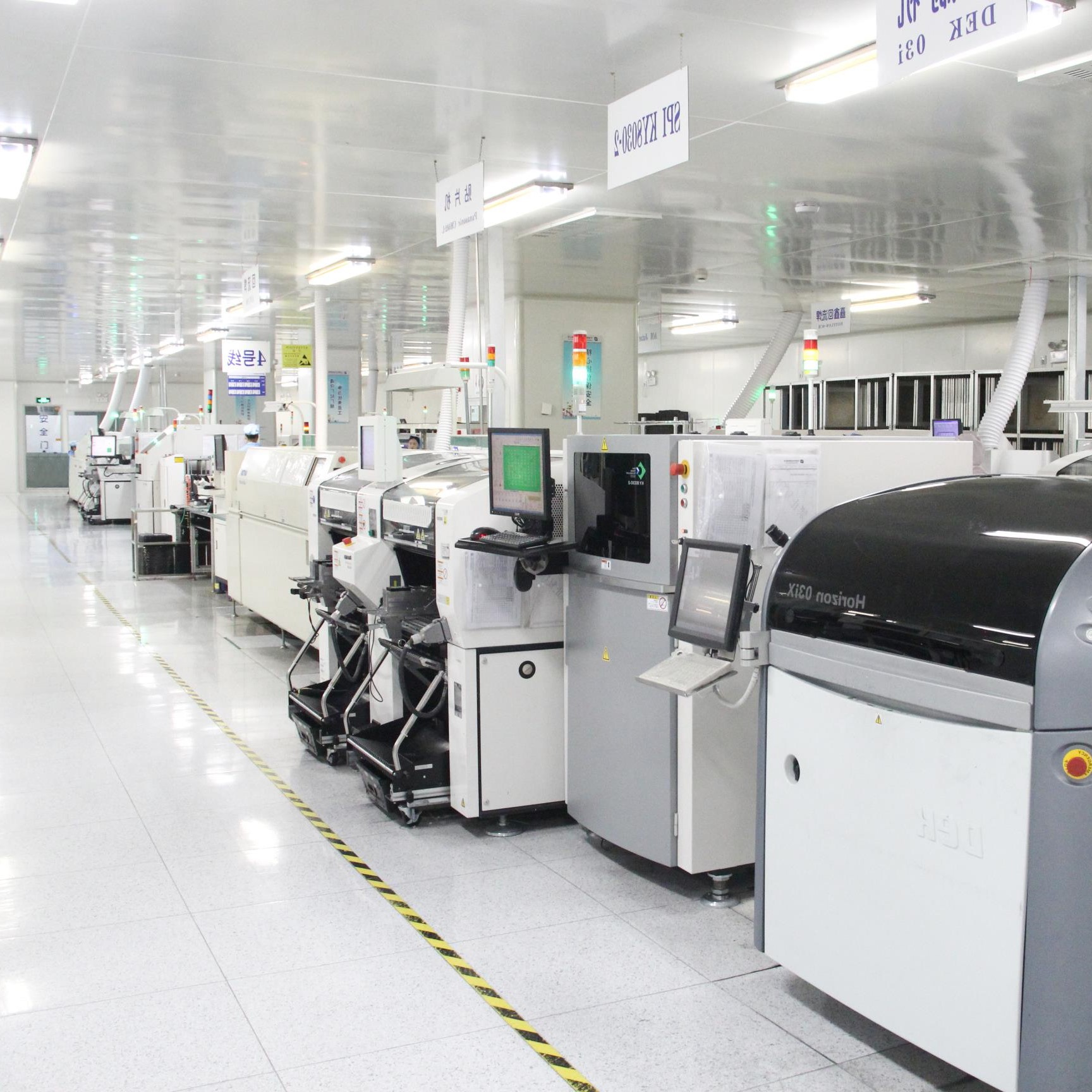
From residential fiber installations to municipal-level surveillance, our hardware portfolio delivers stability across diverse deployment environments.
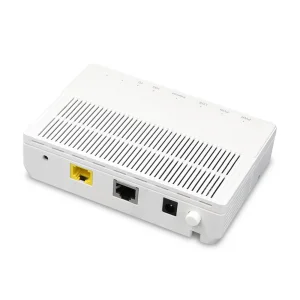
For regional ISPs and municipal networks, maintaining high customer retention requires stable fiber-to-the-home configurations. By pairing our Mini GPON OLT systems with high-speed XPON/XGS-PON ONUs, operators can support symmetrical gigabit profiles. These deployments support ultra-stable 4K/8K IPTV streaming, low-latency online gaming, and comprehensive smart home devices.
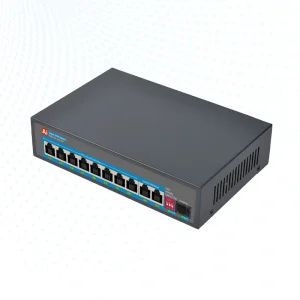
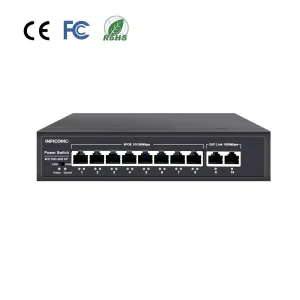
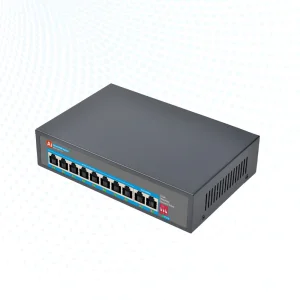
Real-time security surveillance requires high bandwidth and reliable power over ethernet. Our Smart PoE Switches with SFP Uplinks feature built-in AI Watchdog technology. If an IP camera becomes unresponsive, the switch automatically detects the drop and power-cycles the port, eliminating the need for expensive manual service calls.
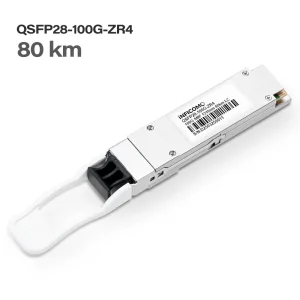
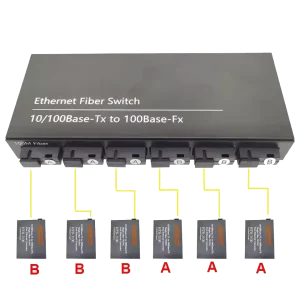
For organizations operating across distributed campuses, our QSFP28 100G 1310nm 80km Transceivers enable high-speed data transmission across single-mode fiber infrastructure without needing inline amplification. Combined with our industrial Gigabit Media Converters, they ensure lag-free transmission for high-workload storage area networks (SAN).
When international sourcing directors and telecommunication procurement agents source fiber hardware, evaluating the supplier's technical compliance and manufacturing capacity is critical. High-performance optical networks demand strict adherence to international standards to prevent network instability and high operational costs.
Key evaluation metrics should include:
Get professional, detailed answers to critical questions about optical networking hardware integration, deployment, and sourcing.
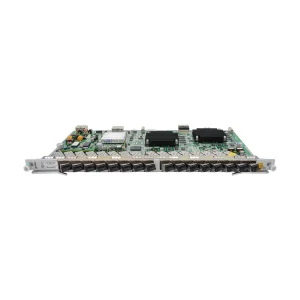
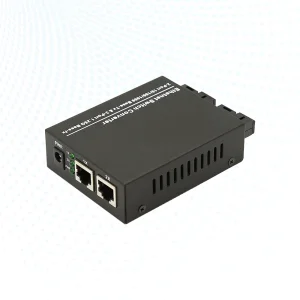
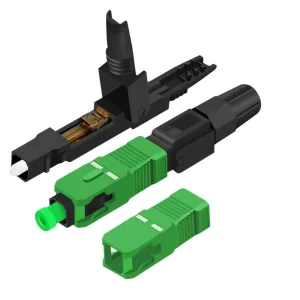
Complete your deployment architecture with our certified GPON OLT systems, media converters, and fast-connection fiber adapters.
 Soras Tech