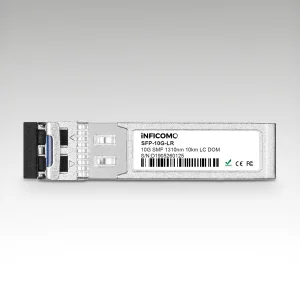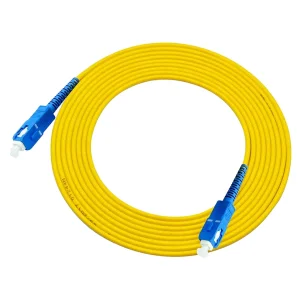
In the era of hyper-scale cloud computing, artificial intelligence (AI) training clusters, and big data processing, data transmission demands have risen exponentially. Modern infrastructures require connections that not only support enormous bandwidth but also maintain near-zero latency, low power consumption, and maximum reliability. This is where Direct Attach Copper (DAC) Cables and Active Optical Cables (AOC) serve as the indispensable vascular system of global data centers.
As networks migrate from traditional gigabit topologies to 100G, 400G, and next-generation 800G/1.6T structures, understanding the nuances of these physical interconnect methods is essential for optical network architects, infrastructure procurement directors, and telecommunications companies. Deciding between copper and fiber pathways impacts not only direct hardware costs but also operational expenses (OPEX), thermal management, and layout scalability.
Direct Attach Copper cables utilize twinaxial copper wires directly terminated at both ends with transceiver-style housing (e.g., SFP+, SFP28, QSFP28, QSFP56-DD). Because they transfer electrical signals directly without converting them to optical signals, DAC cables offer two massive advantages: zero signal conversion latency and extremely low power consumption (often under 0.1W per link). However, because high-speed copper lines are subject to physical attenuation and skin effects, passive DACs are restricted to shorter distances—typically between 1 to 5 meters. They are best suited for intra-rack connections linking servers to top-of-rack (ToR) switches.
For distances beyond 5 meters, active optical cables become essential. AOCs integrate active optical components (VCSEL lasers and photodetectors) within the transceiver modules at each end, converting electrical signals to optical signals for propagation over high-bandwidth multimode or single-mode optical fibers. AOCs support transmission lengths up to 100 meters and more. Because they transmit data via light, AOCs are immune to electromagnetic interference (EMI) and radio frequency interference (RFI). This property is highly valuable in high-density enterprise data centers with thousands of overlapping cables, where electrical crosstalk can lead to packet loss and signal degradation.
Selecting the appropriate cable assembly involves analyzing multiple factors. Below is a structured comparison to help network engineers evaluate performance criteria based on real-world deployments.
| Performance Parameter | Direct Attach Copper (DAC) | Active Optical Cable (AOC) | Discrete Transceiver + Fiber Patch Cord |
|---|---|---|---|
| Transmission Distance | Short range (0.5m – 7m max) | Mid to long range (up to 100m+) | Very long range (up to 10km - 40km+) |
| Power Consumption | Ultra-low (0.1W to 0.5W) | Moderate (1W to 2.5W per end) | High (2W to 5W per transceiver) |
| Bending Radius | Stiff, thicker copper limits bend flexibility | Flexible optical fibers, small bend radius | Highly flexible, requires fiber management |
| EMI Resistance | Susceptible to EMI in dense environments | 100% immune to electromagnetic fields | 100% immune to electromagnetic fields |
| Latency | Zero conversion latency (direct copper wire) | Nanosecond-level E-O/O-E conversion latency | Nanosecond-level conversion latency |
| Total Cost of Ownership | Lowest acquisition & maintenance costs | Moderate; balances cost with flexibility | Highest cost due to separate transceiver units |
The choice between DAC and AOC is dictated by the specific topology and application environments of different industries. Here are the core scenarios where these interconnect assemblies are deployed worldwide:
In hyperscale cloud environments operated by telecom carriers and web-scale enterprises, thousands of server nodes are packed into high-density racks. DAC cables are used for short server-to-switch links within a single rack, keeping overall energy draw and heat generation low. AOCs are used for spine-leaf switch architectures, switch-to-switch aggregation, and inter-row optical cabling.
For financial institutions operating algorithmic trading systems, every microsecond determines trading success. Direct Attach Copper (DAC) cables are preferred in these environments because they skip the optoelectronic conversion process. Eliminating this step removes physical latency, making DAC the optimal choice for high-frequency trading applications.
In telecommunications central offices, carrier-grade edge distribution networks, and optical line terminals (OLT) interacting with fiber-to-the-home (FTTH) networks, high-density patch cables are required. The light weight of AOCs reduces mechanical strain on cable trays and cabinet structures, preventing airflow blockages and overheating.
Over 80% of the world's high-speed optical transceivers and interconnect cables are manufactured or assembled in China's high-tech industrial hubs, primarily in Shenzhen, Guangdong. This concentration is driven by extensive vertical integration. Everything from raw optical sub-assemblies (OSA), laser chips, and printed circuit board assembly (PCBA) to high-precision SMT (Surface Mount Technology) lines is situated within a 50-mile manufacturing radius. This proximity provides global buyers with unparalleled supply chain resilience, flexible OEM/ODM options, and rapid turnarounds.
Shenzhen Soras Technology Co., Ltd. is a leading manufacturer of optical transmission and network equipment with over 10 years of industry experience. Grounded in technological innovation and standardized quality control, Soraslink delivers high-value, cost-effective interconnect assemblies and solutions to customers worldwide. We collaborate closely with top-tier telecommunications companies, operating a specialized R&D team capable of handling complex OEM/ODM designs. Currently, our products are exported to more than 60 countries across South America, North America, and Europe.

Soraslink operates under the guiding principle of "superior quality, professional service, competitive price, and integrity-based development." We believe that maintaining rigorous design standards and testing verification is the best pathway for long-term customer success and corporate development.
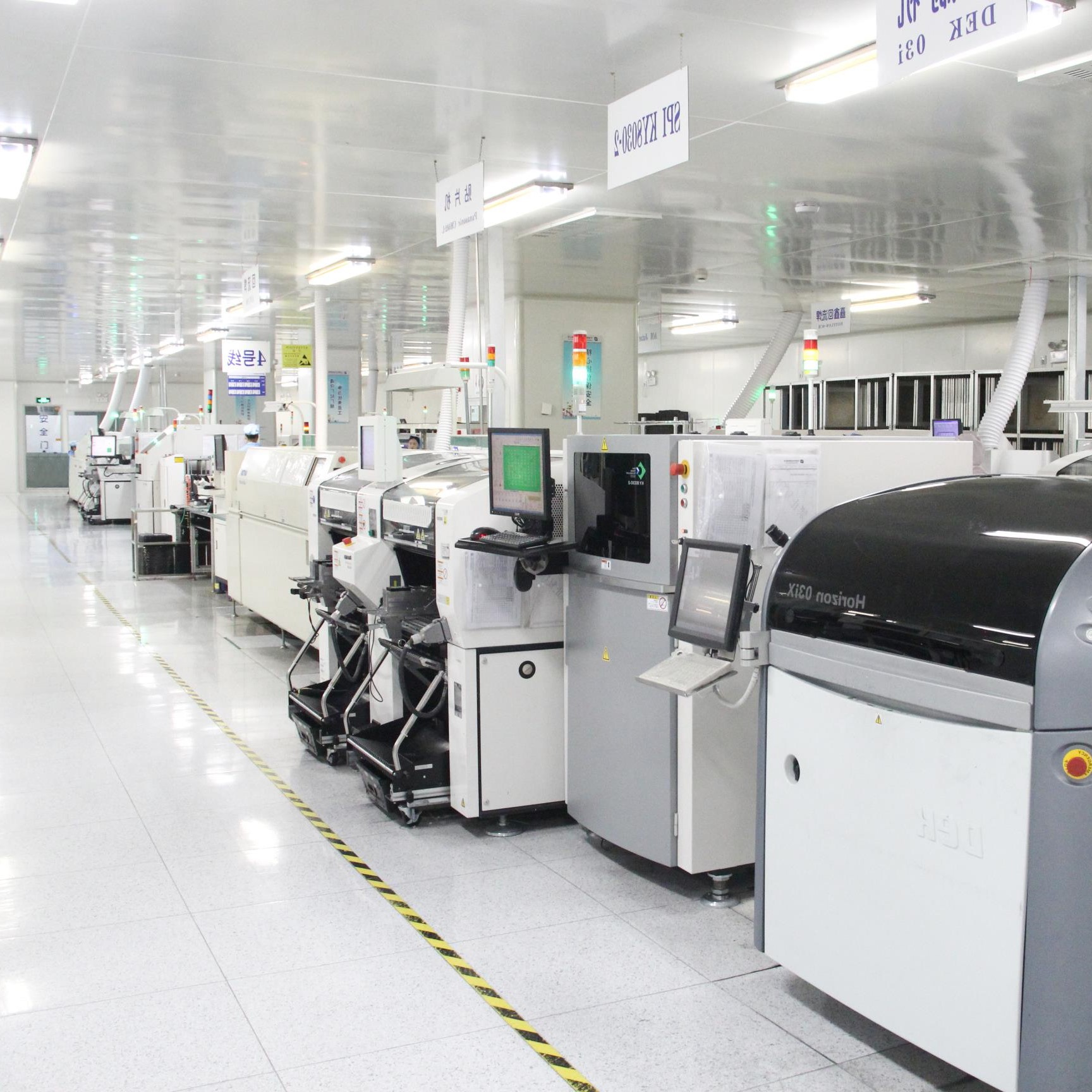
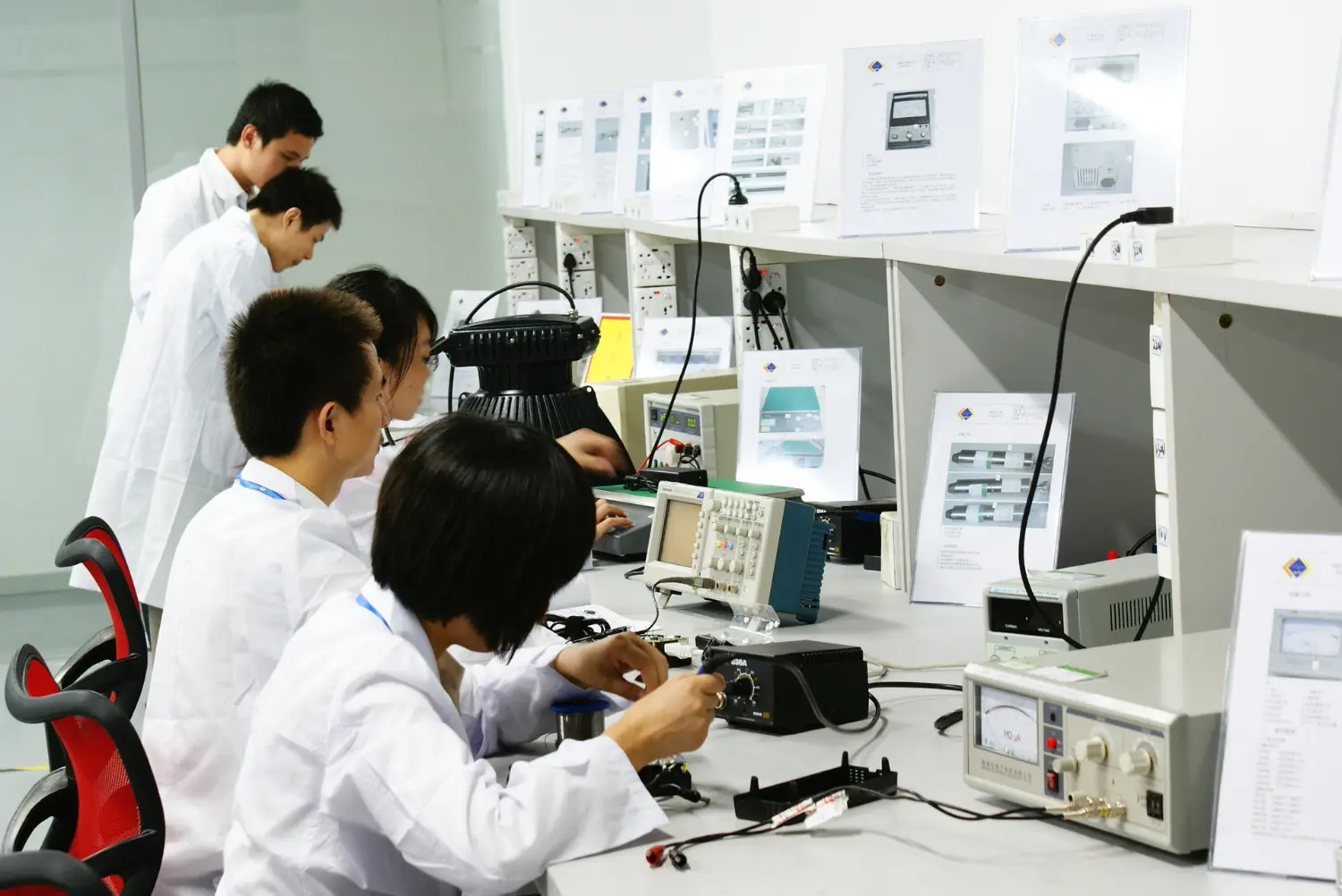
Reliability in high-speed optical networking is built on manufacturing precision. A single particle of dust on an optical core can degrade signal integrity, while minor PCB defects can cause high-speed jitter. Soraslink operates state-of-the-art production environments to ensure consistent quality.
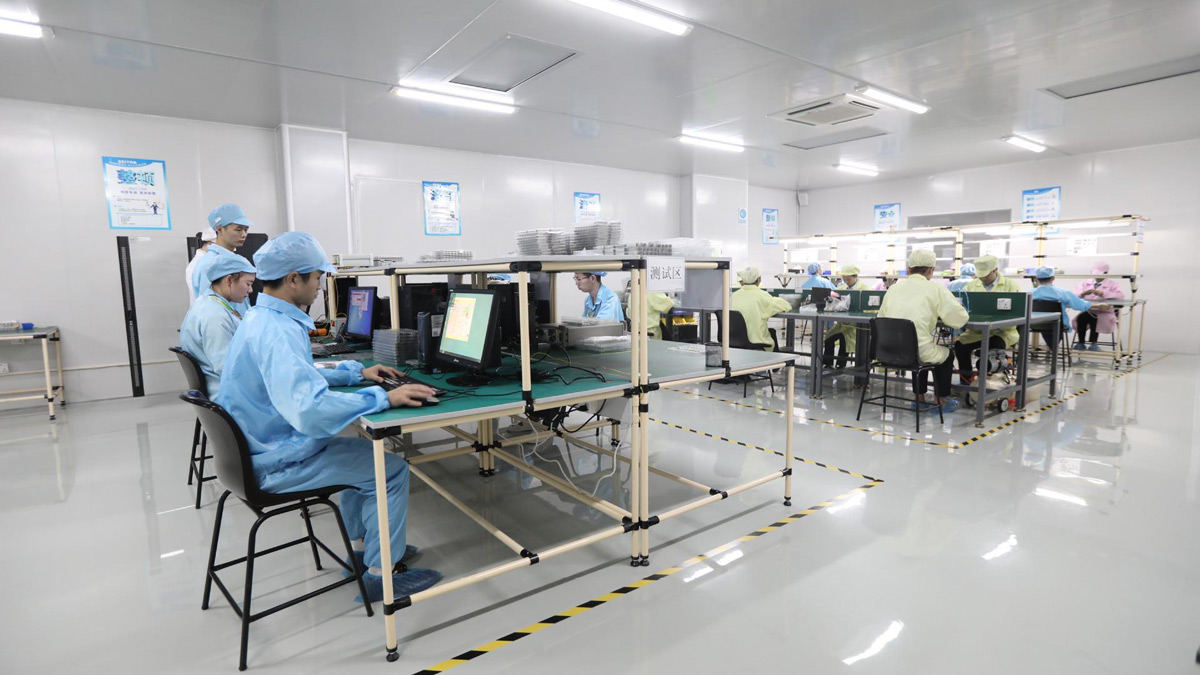
Every high-speed cable and transceiver module undergoes a multi-stage production and quality-assurance cycle. Below is the workflow map illustrating our factory operations:
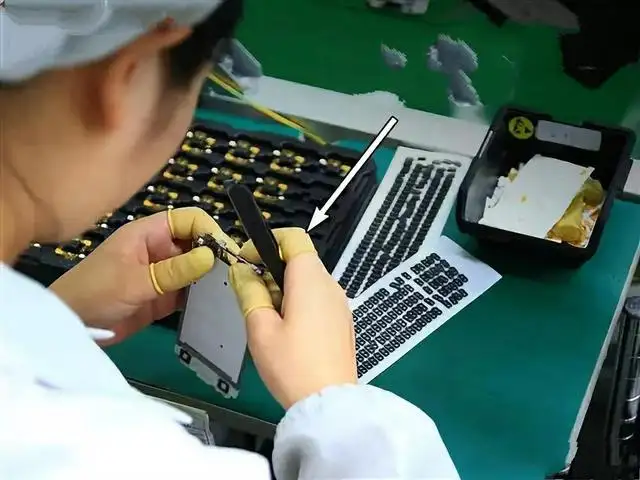
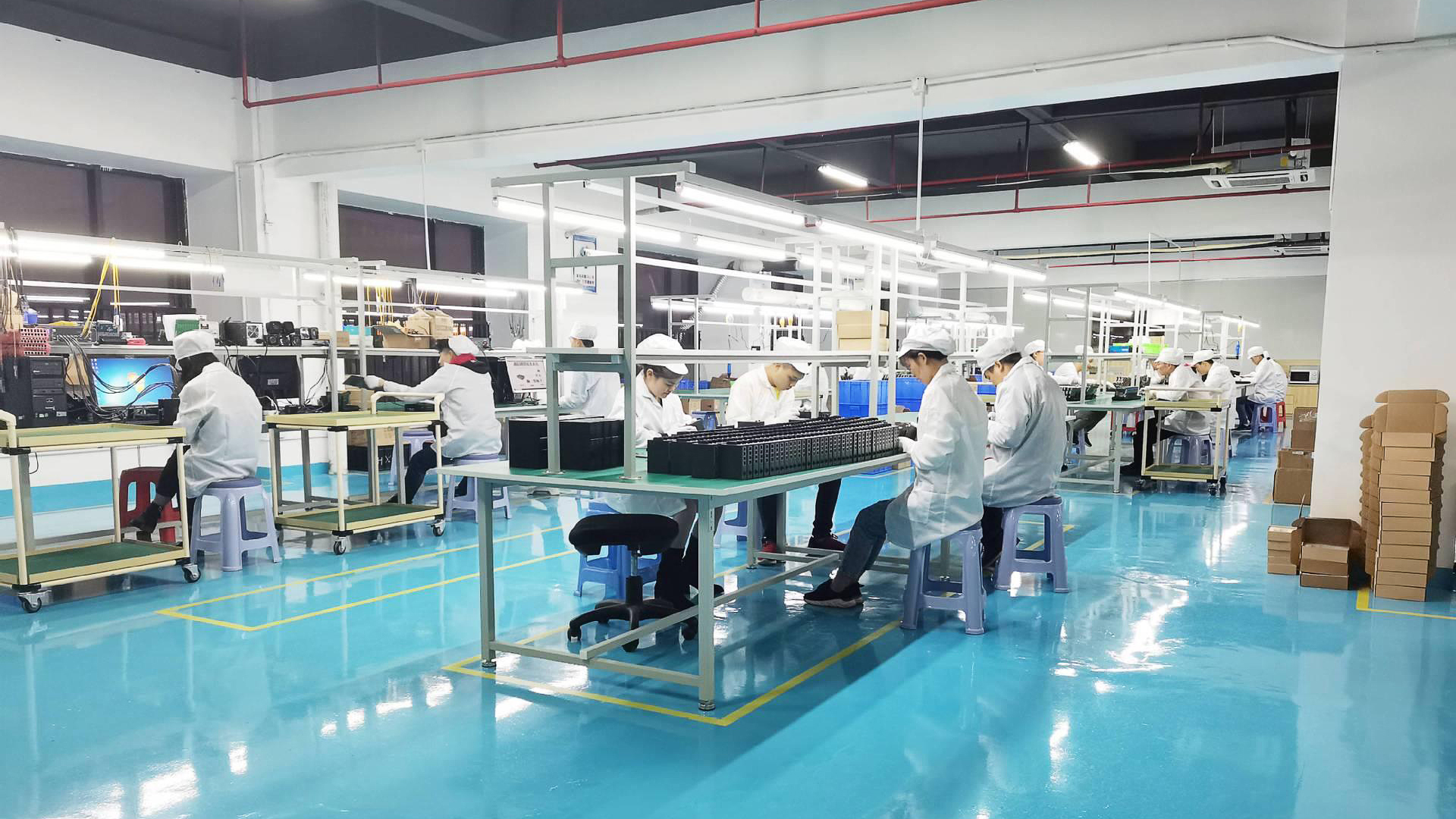
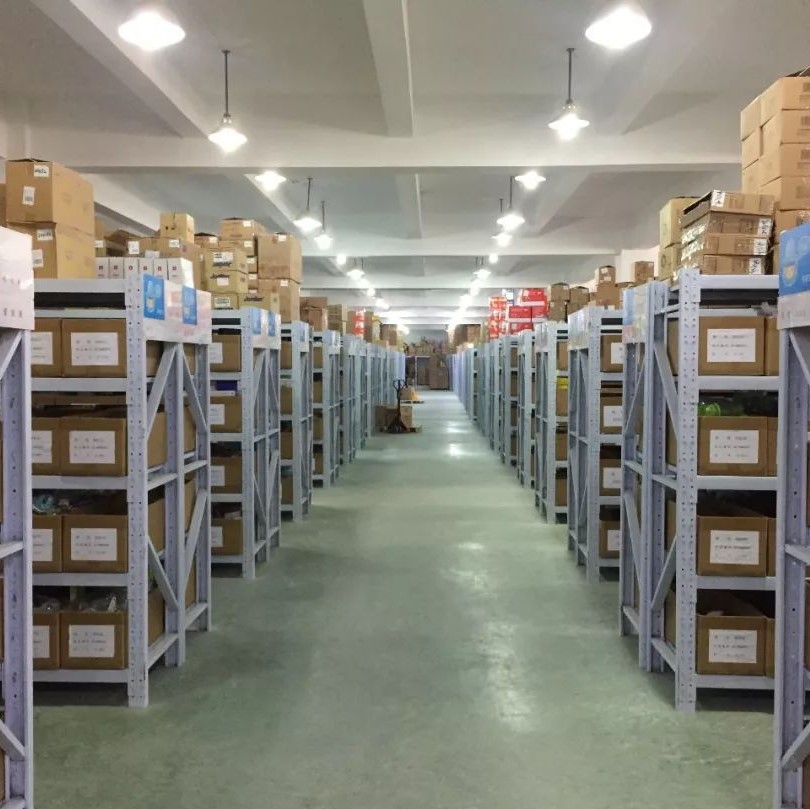
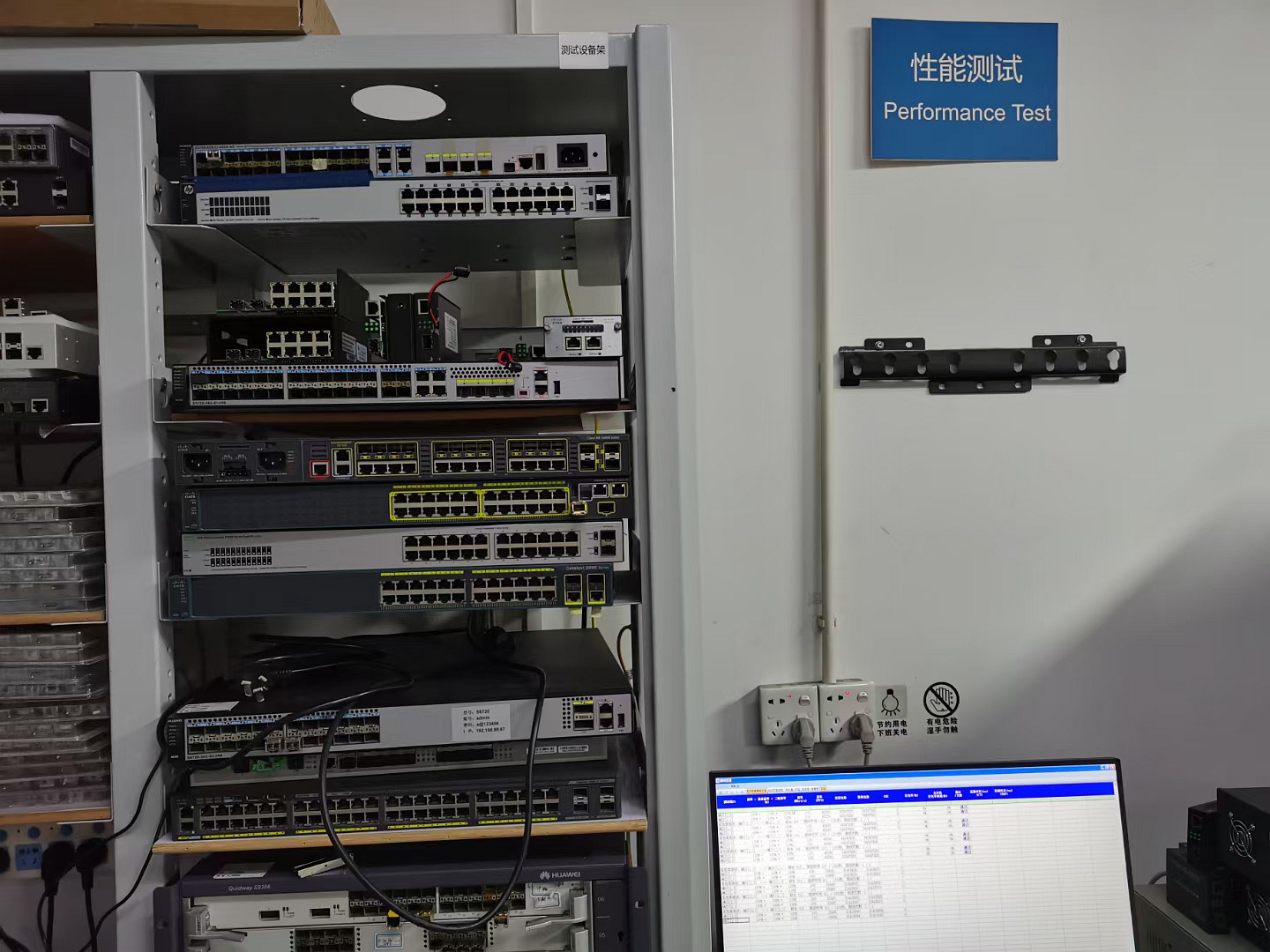
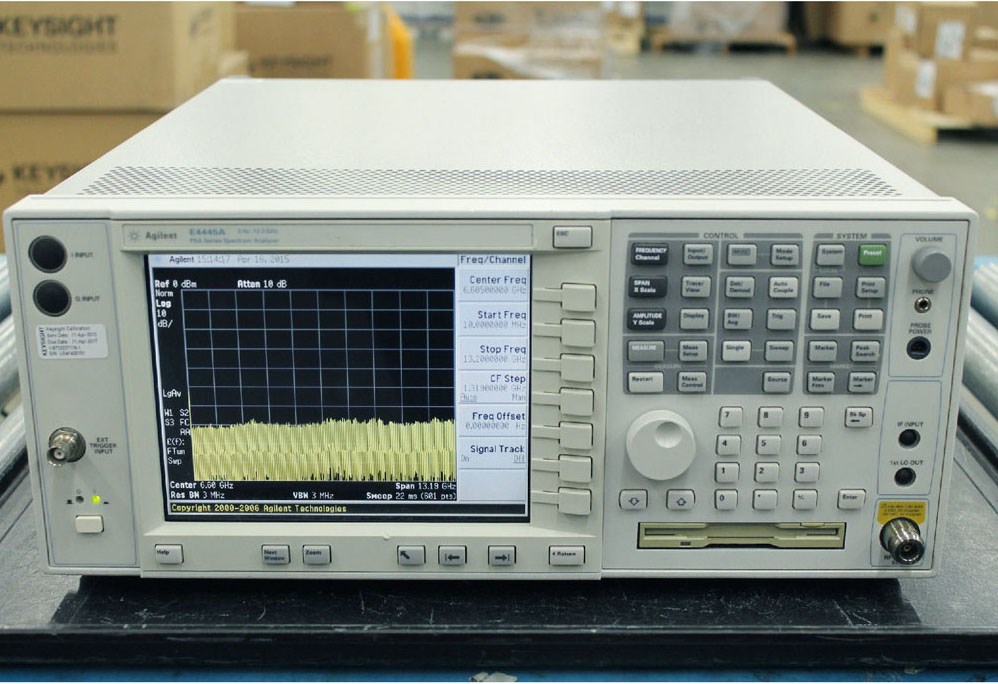
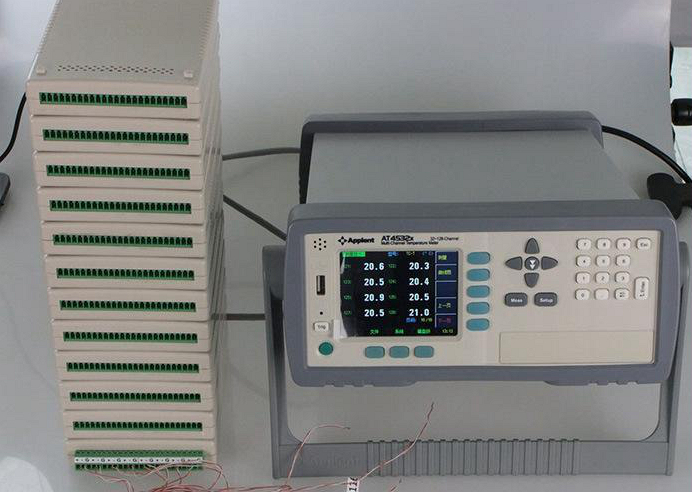
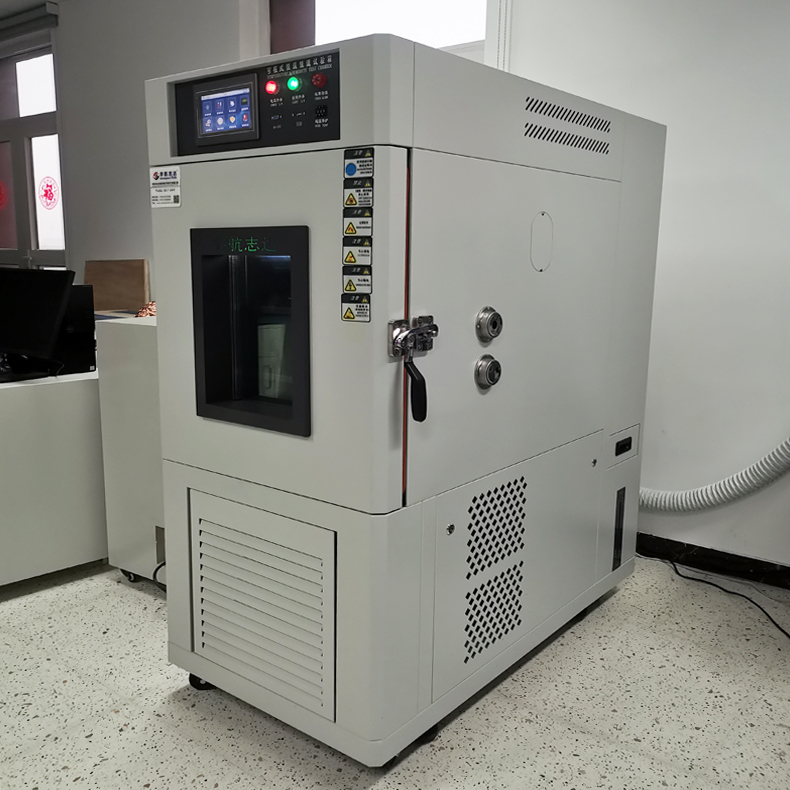
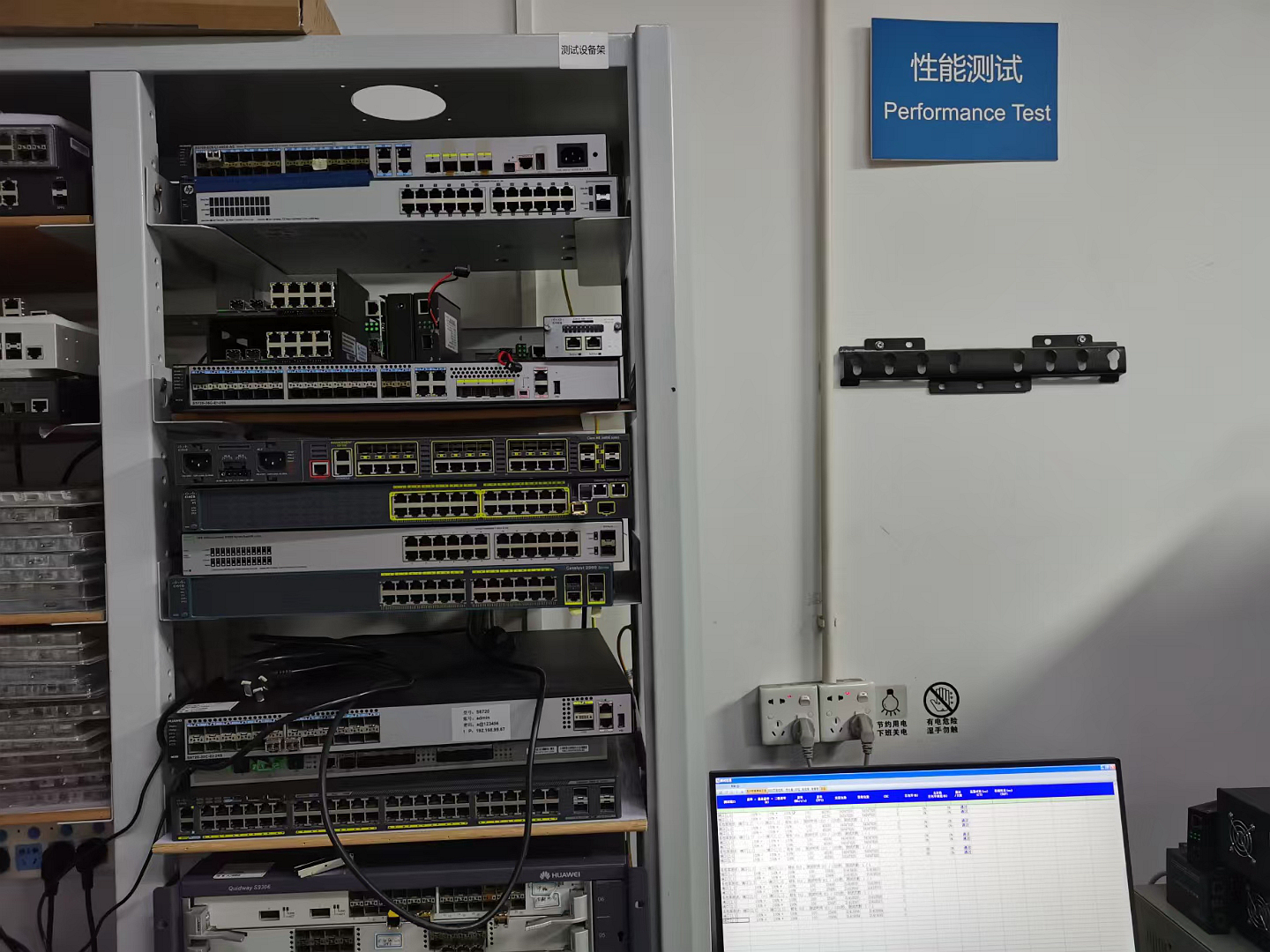
To achieve carrier-grade reliability, our testing facilities replicate demanding field conditions, checking for thermal tolerance, hardware compatibility, and signal error rates.
The rapid adoption of artificial intelligence and machine learning architectures, such as NVIDIA's H100/H200/B200 platform configurations, has accelerated bandwidth transition timelines. While 100G was the enterprise standard for several years, we are now seeing high demand for 400G and 800G optical and copper links.
Based on NRZ (Non-Return-to-Zero) modulation. SFP28 and QSFP28 form factors remain the cost-performance standard for corporate network infrastructure, edge switches, and FTTH networks.
Adopts PAM4 (Pulse Amplitude Modulation 4-Level) signal processing. DAC designs require thicker copper conductors (up to 26AWG) and advanced shielding to mitigate signal attenuation. Active Copper Cables (ACC) and Active Electrical Cables (AEC) with built-in retimers are introduced to extend copper ranges. At the same time, Silicon Photonics (SiPh) and VCSEL technology drive down the cost of 400G/800G AOCs.
As transceiver density reaches physical limits, Co-Packaged Optics (CPO) and Linear Drive Pluggable Optics (LPO) will redefine network layouts. LPO removes the DSP (Digital Signal Processing) component, lowering AOC power consumption and latency to match DAC levels, while extending transmission ranges over optical fiber.
Buying telecom-grade equipment from overseas factories requires strict adherence to international standards. At Soraslink, we support global procurement needs by verifying that our products comply with local regulatory frameworks:
Our cables are available with different outer jackets depending on installation requirements: Plenum (OFNP) for air spaces, Riser (OFNR) for vertical shafts, and Low Smoke Zero Halogen (LSZH) for public safety zones in compliance with European building regulations.
All hardware components undergo tests for electromagnetic emissions (FCC class B and CE approvals) and restriction of hazardous substances (RoHS directives), ensuring seamless compliance for installations in EU and US markets.
To prevent system warnings, our engineers program transceivers with custom firmware matching major network equipment brands. This ensures compatibility with platforms like Cisco, Juniper, Arista, Huawei, HP, and Dell right out of the box.
 Soras Tech