High-performance transceivers, network modems, converters, and modular switching systems for telecommunication networks.
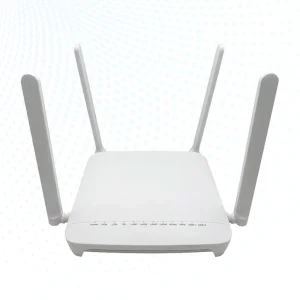
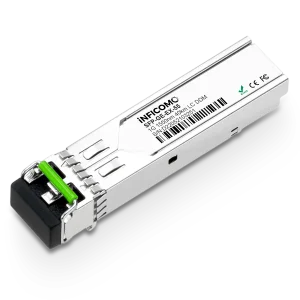
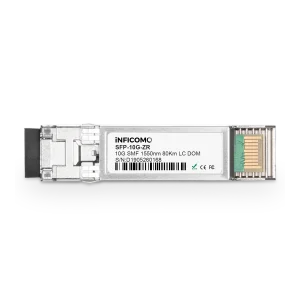
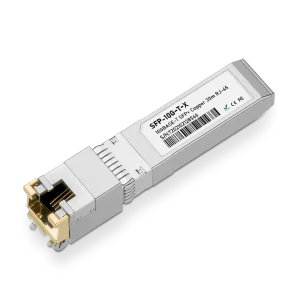
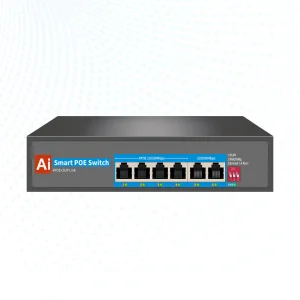
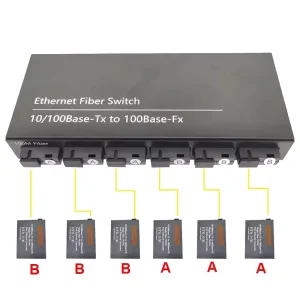
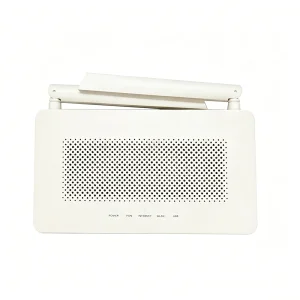
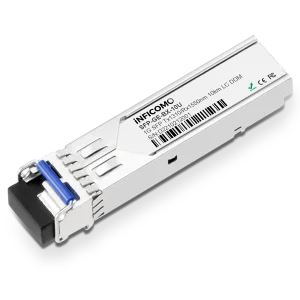
Decoupling density limits, optical path insertion loss, and structural optimization parameters in next-gen hyperscale layouts.
Traditional setups support 24 copper ports or 48-72 fiber strands per 1U. Modern HD patch panels drive up to 48 Category 6A Shielded RJ45 ports or 144 LC-terminated fiber terminations in the same rack space. This minimizes rack foot-print and maximizes air-flow paths.
Deploying ultra-high density setups increases connection points. Low-loss and ultra-low-loss LC/MPO cassettes (typical Insertion Loss ≤0.35dB) are critical for preserving signal margin in 100G/400G multimode (OM4/OM5) and single-mode (OS2) links.
Increased density limits space for airflow. Incorporating structural angle panels, rear cable management bars, and bend-insensitive single-mode fiber (G.657.A2) protects against macrobending losses while facilitating cooling in hot-aisle/cold-aisle architectures.
Sourcing high-density patch panels, fiber cassettes, and optical distribution frames (ODF) directly from top manufacturers in China provides significant competitive advantages to global system integrators and telecommunications companies. This advantage stems from the concentration of raw material providers, advanced processing technology, and engineering agility.
Guangdong's industrial network enables rapid development cycles. When transitioning from copper to high-speed optical systems, manufacturers can swiftly customize patch panel configurations. Cold-rolled steel (SPCC) stamping, electrophoretic powder coating, and specialized plastic injection molding (conforming to UL 94V-0 self-extinguishing ratings) occur in localized clusters, compressing standard lead times.
Additionally, modern Chinese manufacturing plants have transitioned from simple assembly units to advanced R&D hubs. By investing in automatic terminal crimping, robotic polishing for optical fiber connectors, and digital high-low temperature chamber tests, local suppliers ensure that physical layer components meet or exceed international standards (such as TIA-568.3-D, ISO/IEC 11801, and Telcordia GR-326-CORE).
A premier manufacturer with over 10 years of R&D experience in optical transmission equipment and high-performance network components.
Shenzhen Soras Technology Co., Ltd. is a leading manufacturer of optical transmission equipment and network equipment with more than 10 years of experience. We rely on high-quality management and technological innovation, committed to providing customers with high quality, cost-effective, high value-added products and solutions. Today, we work closely with telecommunications companies around the world. We have strong technical force and experienced R & D team, products can be developed according to customer requirements, we also accept your OEM and ODM orders. Now our products are exported to more than 60 countries, the main markets are South America, North America and Europe. Our main products: Fiber Media Converter, SFP Module, POE Switch, ONU, OLT and supporting products. We have passed ISO 9001, UL, CE, FCC, ROHS Certification, our aim is "superior quality, professional service, competitive price, integrity-based". We believe this is not only our responsibility, but also the best way out for long-term development. Soraslink looks forward to working with you!
| Business type | Manufacturer | Country / Region | Guangdong, China |
| Main Products | FTTH ONU & OLT, SFP Module, Fiber Media Converter, Poe Switch, Fiber Optic Equipment | Total employees | 11 - 50 People |
| Total Annual Revenue | US$5 Million - US$10 Million | Year established | 2021 |
| Company Certificates | ISO 9001, UL, CE, FCC, ROHS | Product Standards | Telcordia Compliance, IEEE, TIA/EIA |
| Main Markets | Domestic Market 24.00%, Eastern Asia 15.00%, North America 15.00%, Europe & South America | ODM / OEM | Supported (Custom Port Mapping & Color coding) |
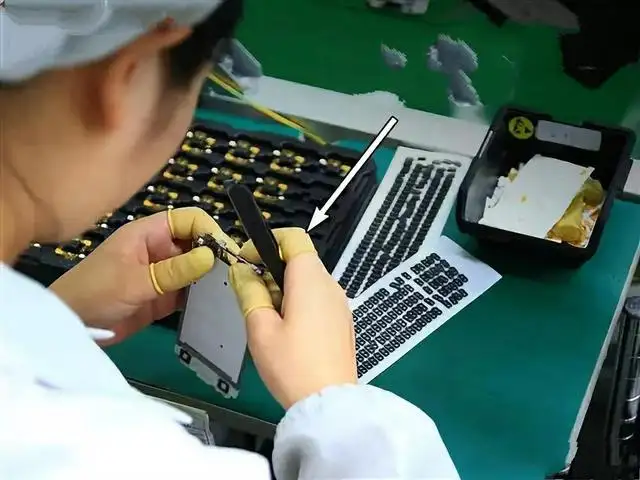
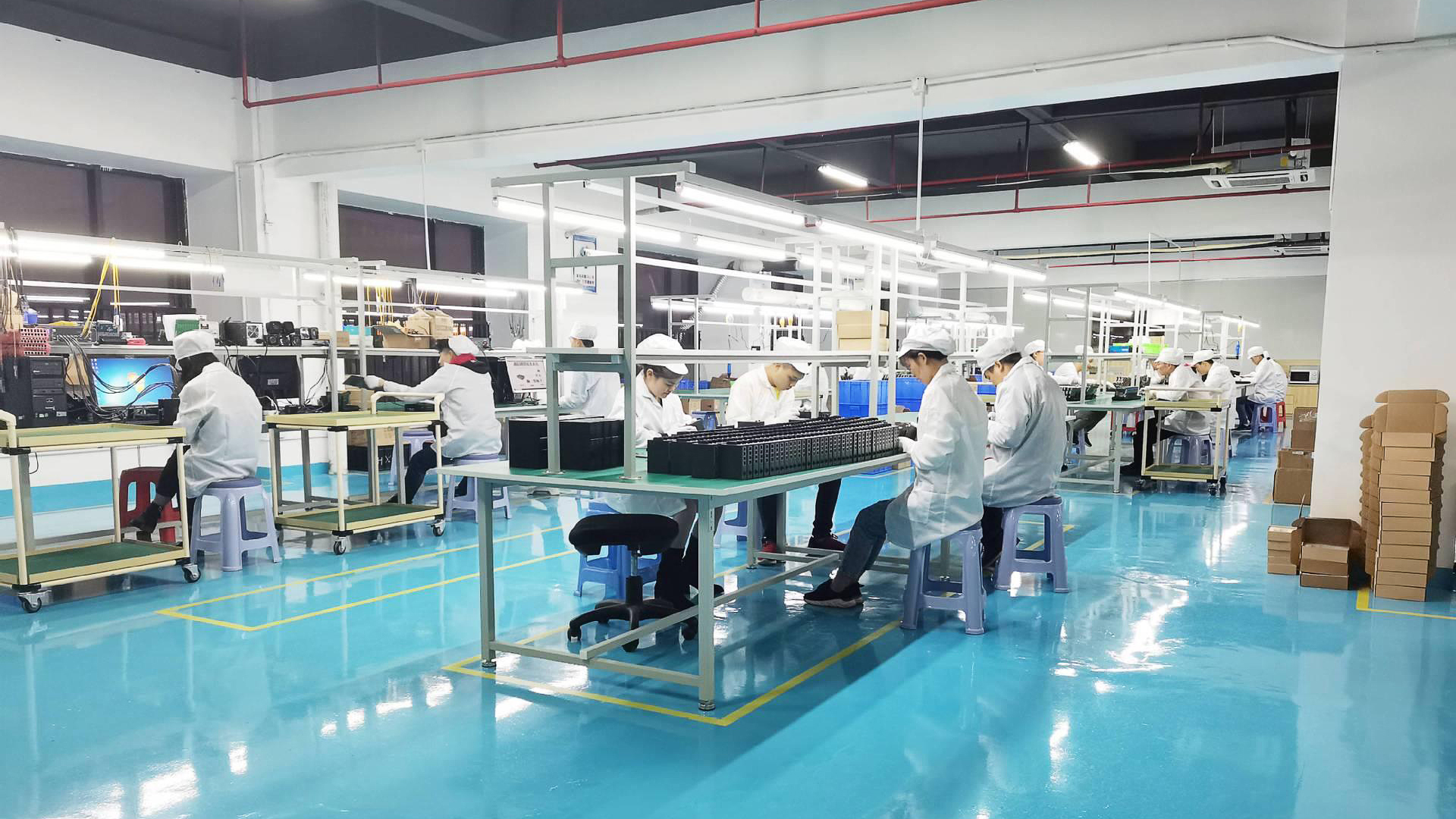
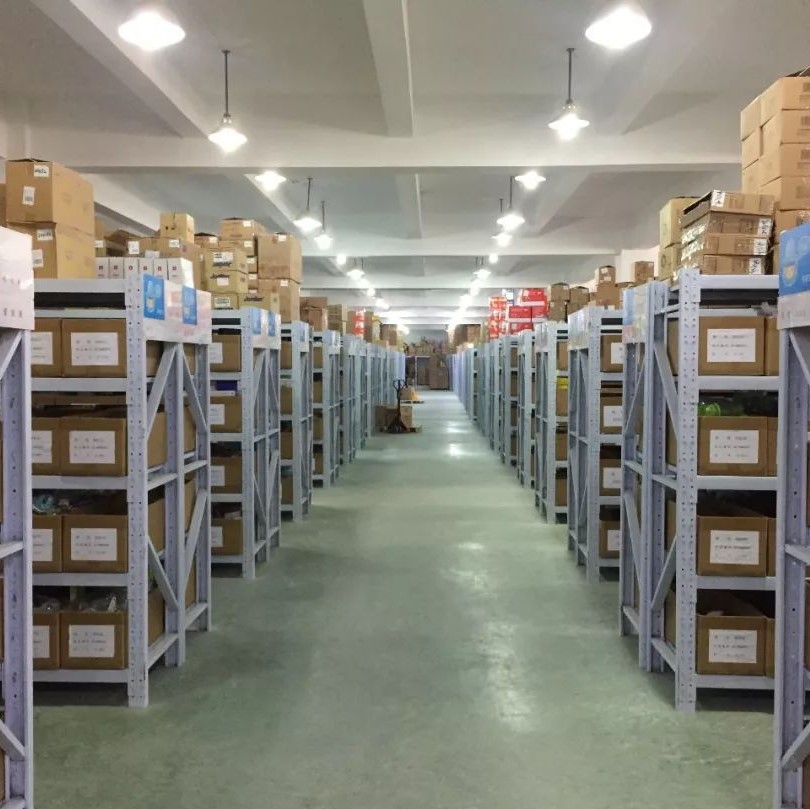
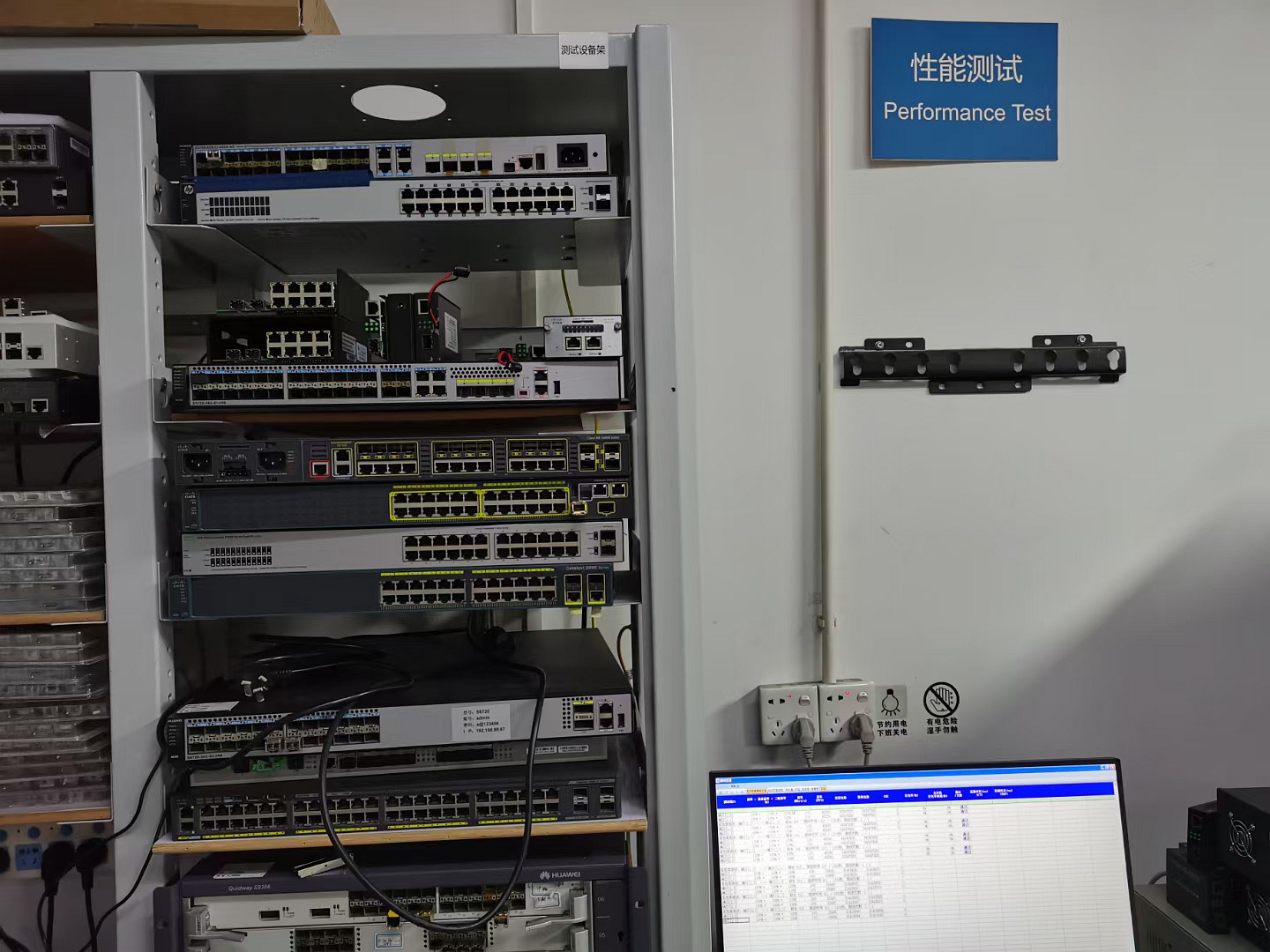
Underpinning reliability: From high-precision SMT lines to comprehensive environmental testing chambers.
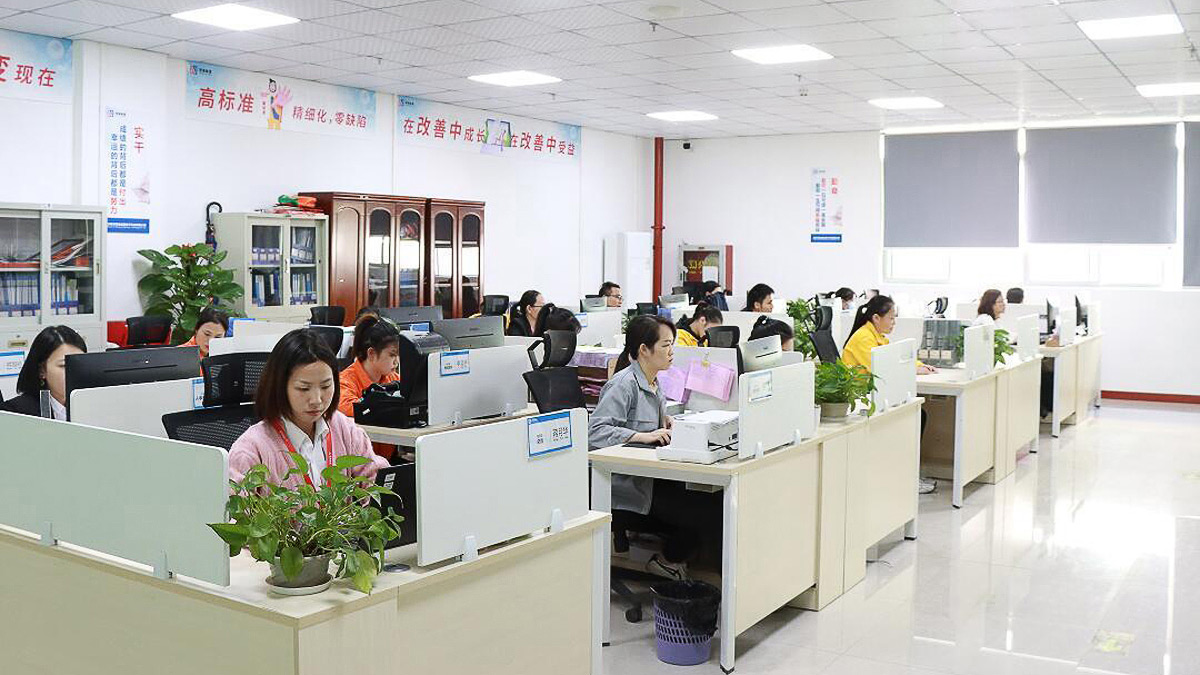
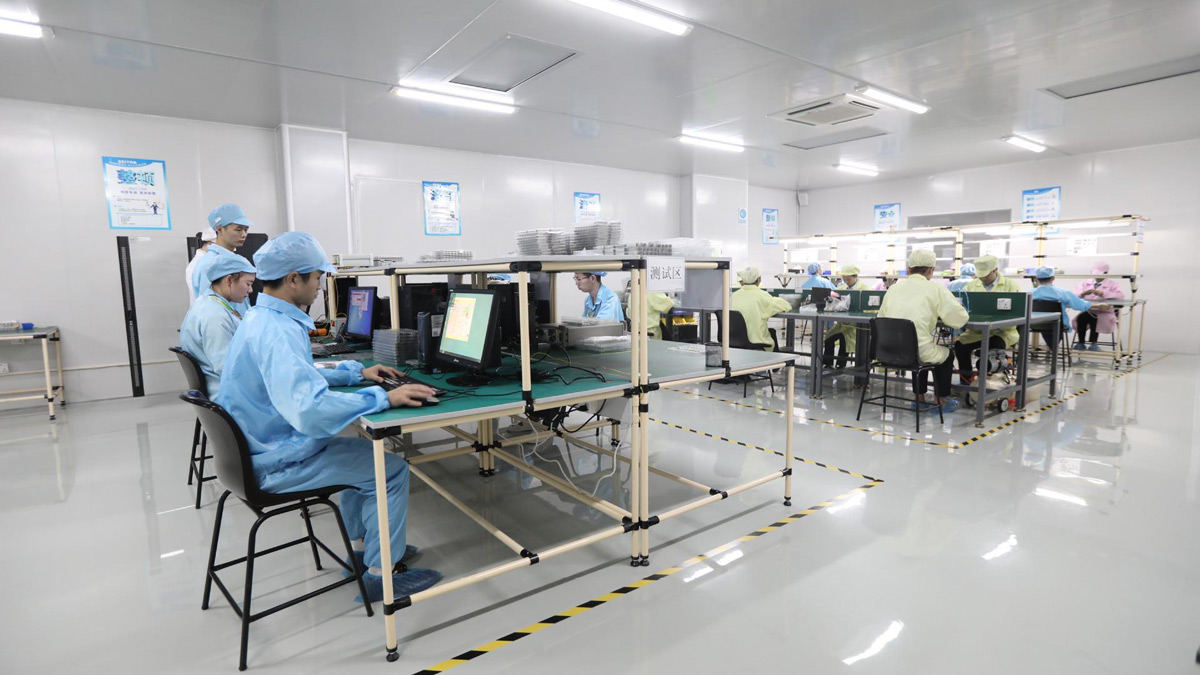
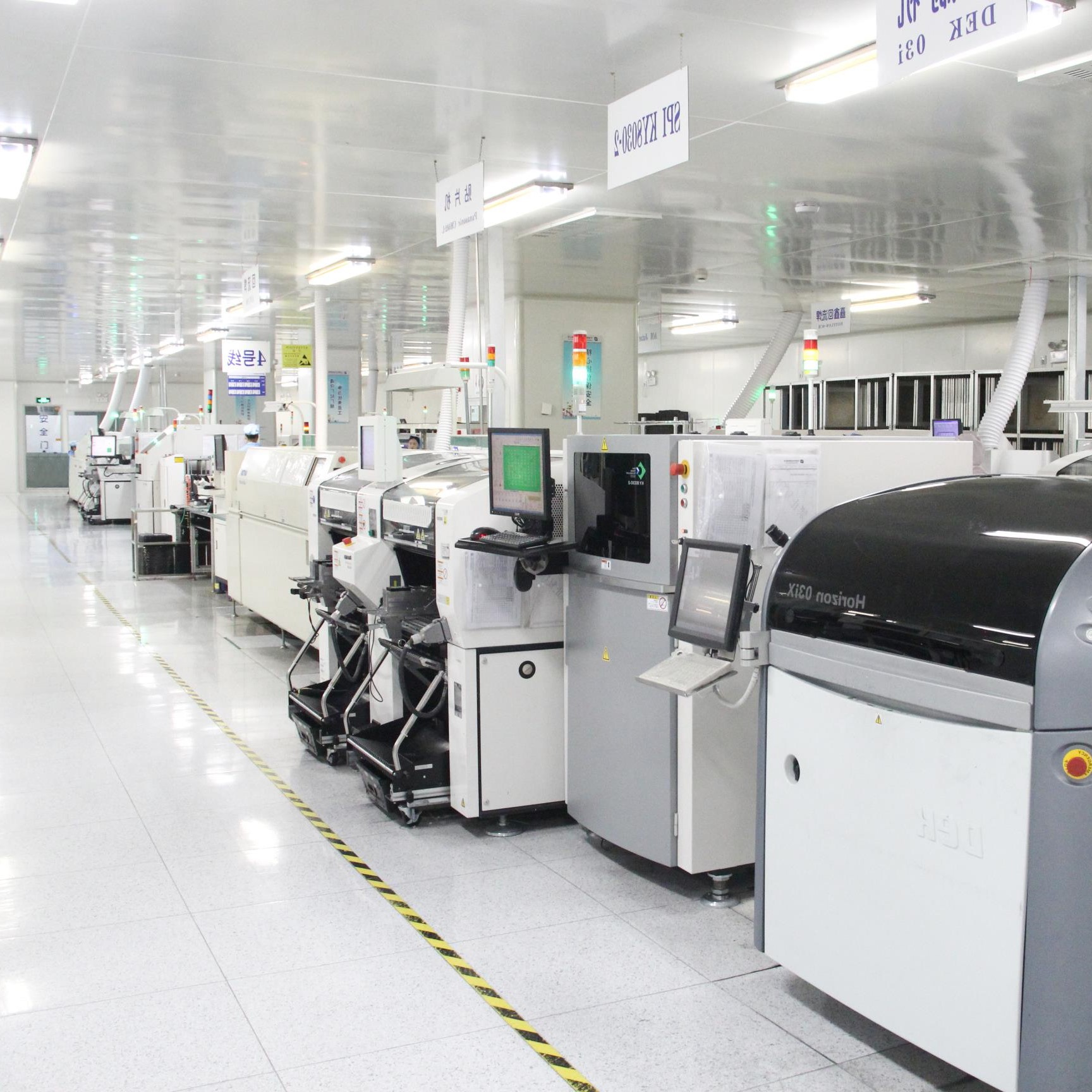


Corporate procurement managers sourcing structural cabling products must prioritize long-term reliability and compliance over initial purchase costs. Selecting components that fail to meet strict physical layer requirements can lead to signal degradation, system downtime, and increased maintenance expenses.
Key technical criteria include:
Soras Technology develops and delivers specialized hardware configurations designed to meet specific deployment requirements:
The global structural cabling market is shifting from manual management toward automated, modular, and green-certified architectures. The adoption of high-density patch panels is driven by three primary industry developments:
1. Automated Infrastructure Management (AIM): Modern high-density patch panels increasingly integrate LED indicators and sensor pins. These features connect with centralized AIM systems, providing network administrators with real-time port status, automated work orders, and immediate security alerts for unauthorized physical link changes.
2. Micro-Optical Connectors (MDC & SN): While LC duplex remains the industry standard, the demand for increased bandwidth density has led to the adoption of micro-optical connectors like Senko's MDC and US Conec's SN. These connectors double or triple the density of standard LC patch panels, enabling up to 432 fibers per 1U of rack space.
3. Prefabricated Cabling (Pre-Terminated Solutions): To minimize installation times and reduce on-site dust contamination in cleanroom data centers, enterprise customers are shifting toward pre-terminated cabling. Pre-engineered assemblies run between pre-tested patch panels, avoiding the need for manual termination and splicing on the production floor.
Technical insight, architectural suggestions, and procurement answers from industry professionals.
Standard patch panels support 24 ports per 1U of rack space. High-density patch panels double this capacity, providing up to 48 ports (for copper RJ45) or up to 144 fibers (utilizing LC duplex connectors) within the same 1U footprint. This density helps optimize data center floor space and improves overall cable routing efficiency.
High-density networks feature multiple connection points, including patch panels, cassettes, and splices. Each interface introduces insertion loss. In high-speed 100G, 400G, and 800G optical links, the total optical power budget is very tight (often under 1.5dB to 2.0dB). Utilizing ultra-low-loss cassettes (≤0.35dB) is essential to preserve signal integrity and prevent packet loss.
Soras Technology operates in compliance with ISO 9001 and international standards. Quality control procedures include SMT automated optical inspection, high-low temperature chamber cycle testing (-40°C to +85°C), comprehensive error testing, and RF/Wi-Fi calibration for wireless models. These tests ensure high reliability in challenging industrial environments.
Yes. Soras Technology provides full OEM and ODM services. This includes custom port-mapping, silk-screened logos, specialized colors (matching network identification systems), and custom configuration of internal fiber modules or passive components, supporting specific system integration requirements.
Our manufacturing plant and products are certified under ISO 9001, UL, CE, FCC, and RoHS. This ensures compliance with safety, health, and environmental standards for distribution in markets across North America, Europe, South America, and Asia.
In high-density installations, closely bundled cables can restrict airflow and trap heat. This is especially true for shielded copper systems running PoE++ (up to 90W per port), where heat buildup can degrade signal performance. Selecting patch panels with integrated cable management bars, venting holes, and angled profiles helps maintain proper airflow and cable bend radiuses.
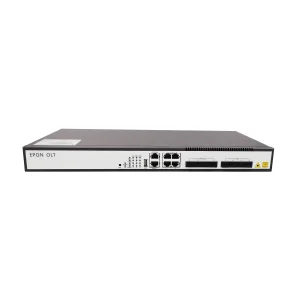
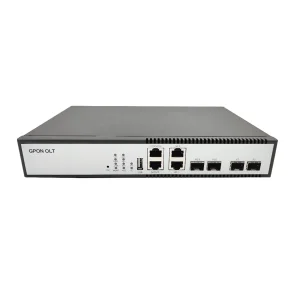
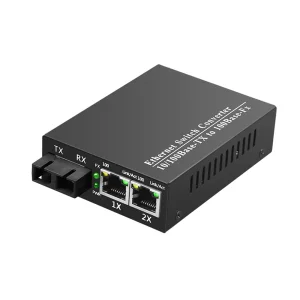
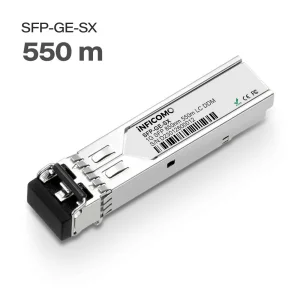
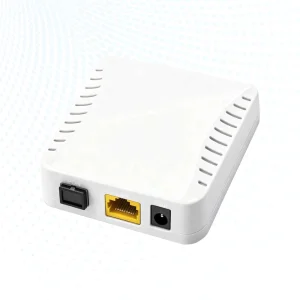
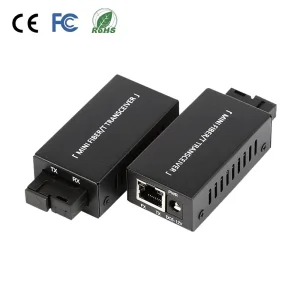
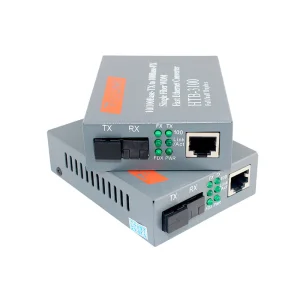
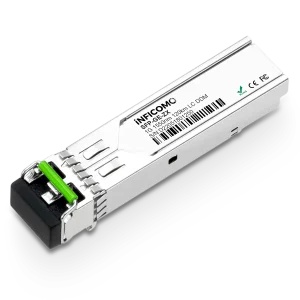
Deploy high-performance transceivers, unmanaged switches, and media converters to support your network infrastructure.
 Soras Tech