Explore our high-performance optical transmission routers, enterprise switches, and fiber terminal components designed for massive scale.
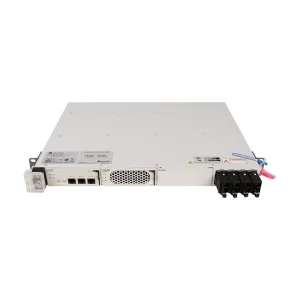
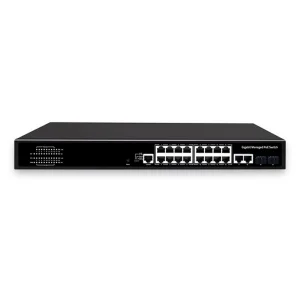
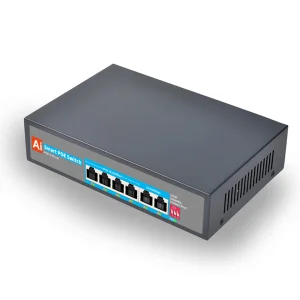
Shenzhen Soras Technology Co., Ltd. (known globally as Soraslink) stands at the intersection of these dynamics. Established in 2021 and inheriting over a decade of foundational engineering and R&D expertise in optical transmission, we design, manufacture, and distribute enterprise-grade equipment that forms the backbone of modern networks. From dense Wavelength Division Multiplexing (WDM) transceivers to highly integrated GPON/XPON ONUs and managed Layer 2/3 PoE switches, our production pathways are aligned to international quality frameworks, ensuring that international buyers receive hardware designed for uninterrupted operational lifespans.
Understanding the technological paradigm shift driving next-generation telecommunication procurement.
As end-user bandwidth requirements transition from Megabits to multi-Gigabits, ISPs are rapidly phasing out legacy GPON networks. The standard is shifting toward XG-PON & XGS-PON (10-Gigabit Capable PON). This evolution enables ISPs to deliver symmetrical downstream and upstream rates using their existing optical fiber networks. Router manufacturers must deliver terminal equipment (ONTs/ONUs) equipped with Wi-Fi 6 (802.11ax) or Wi-Fi 7 to avoid creating local bottleneck points inside commercial or residential structures.
Modern edge switches are no longer silent packet forwarders. Integration of AI Watchdog functionality dynamically monitors connected appliances (such as IP cameras, VoIP infrastructure, and industrial sensors). If a connected node experiences firmware locks or hangs, the switch automatically power-cycles the specific port using PoE interruption, resolving local IT failures without dispatching field engineering units.
With cyber threats targeting critical infrastructure, routing hardware must implement advanced firmware configurations. Support for SNMP v3, IPv6 management, QoS traffic prioritization, 802.1X Network Access Control, and hardware-level isolation mechanisms is mandatory. Global buyers look for manufacturers that keep firmware regularly patched and fully compliant with global export requirements.
What global procurement departments require in terms of regulatory certifications and component stability.
Hardware must comply with global regulatory frameworks. Shenzhen Soras Technology maintains ISO 9001, UL, CE, FCC, and RoHS certifications. This guarantees that imported hardware passes stringent environmental, electrical safety, and radio interference testing in the USA, Europe, and Latin America.
Network devices operate within multi-vendor ecosystems. Our GPON ONUs/ONTs support Broadcom, Cortina, and Realtek chipsets, ensuring full protocol handshake capability with OLT devices from brands like Huawei, ZTE, Fiberhome, and Nokia.
Components operating in outdoor utility cabinets face high thermal stress. Enterprise switches and fiber transceivers must deploy structural aluminum heatsinks, high-grade capacitors, and optimized thermal dissipation channels to prevent data packet loss.
A look inside Soraslink’s modern manufacturing lines, quality control workflows, and advanced testing setups.

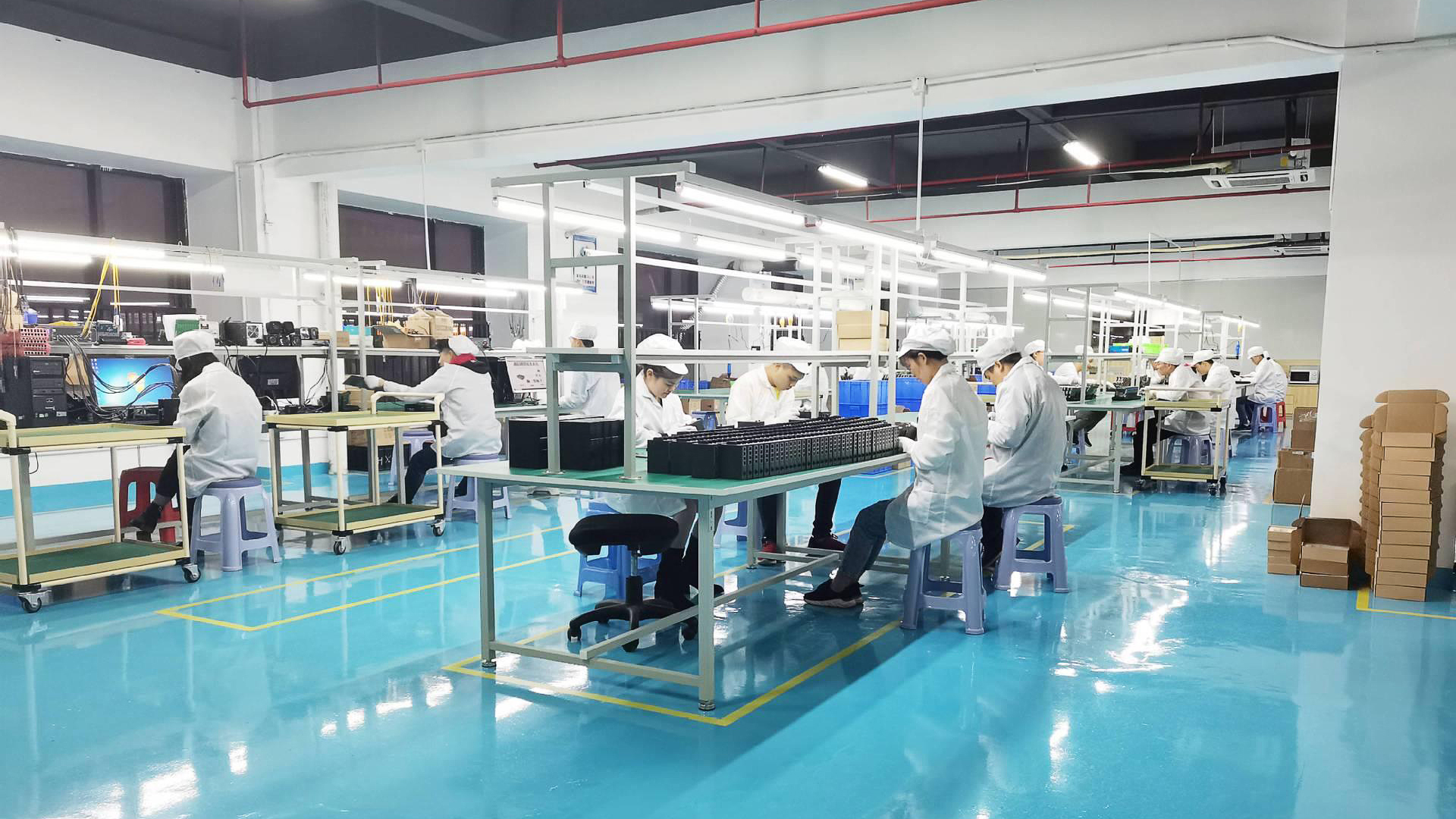
The Shenzhen electronic ecosystem provides unique advantages in component sourcing and engineering turnaround times. At Soras Technology, we utilize a highly responsive supply network, enabling us to go from hardware design to functional prototyping quickly.
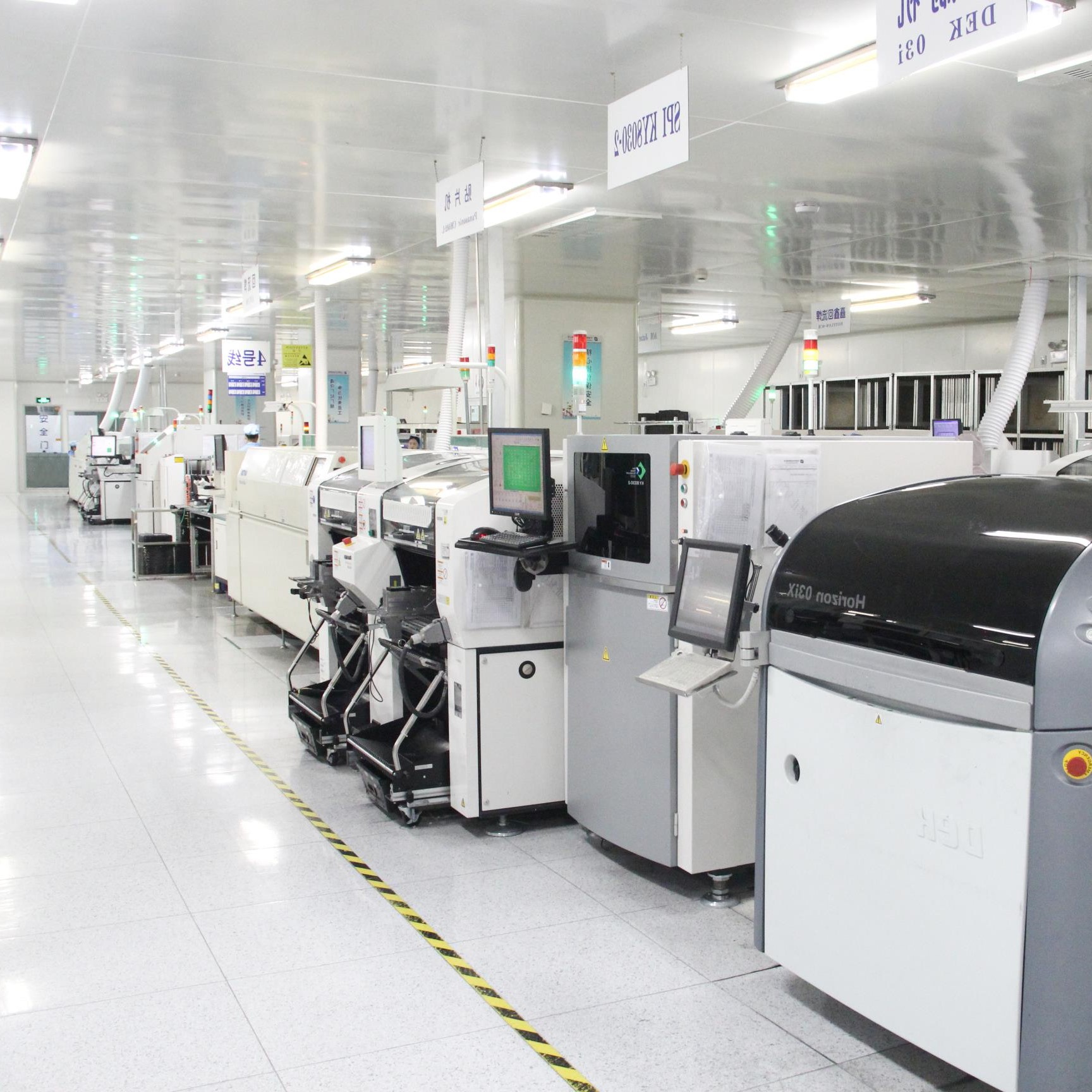
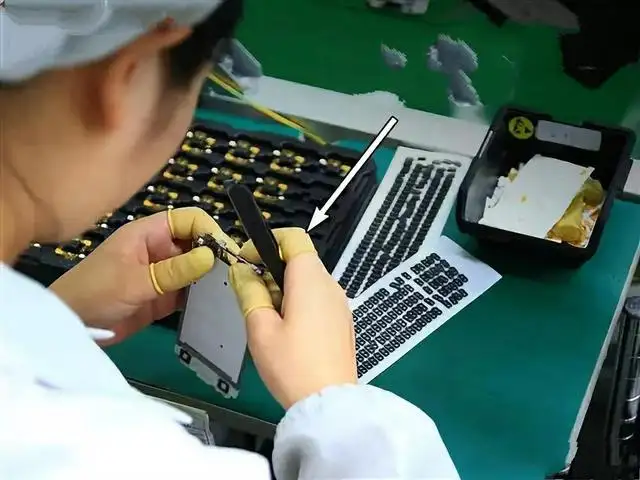
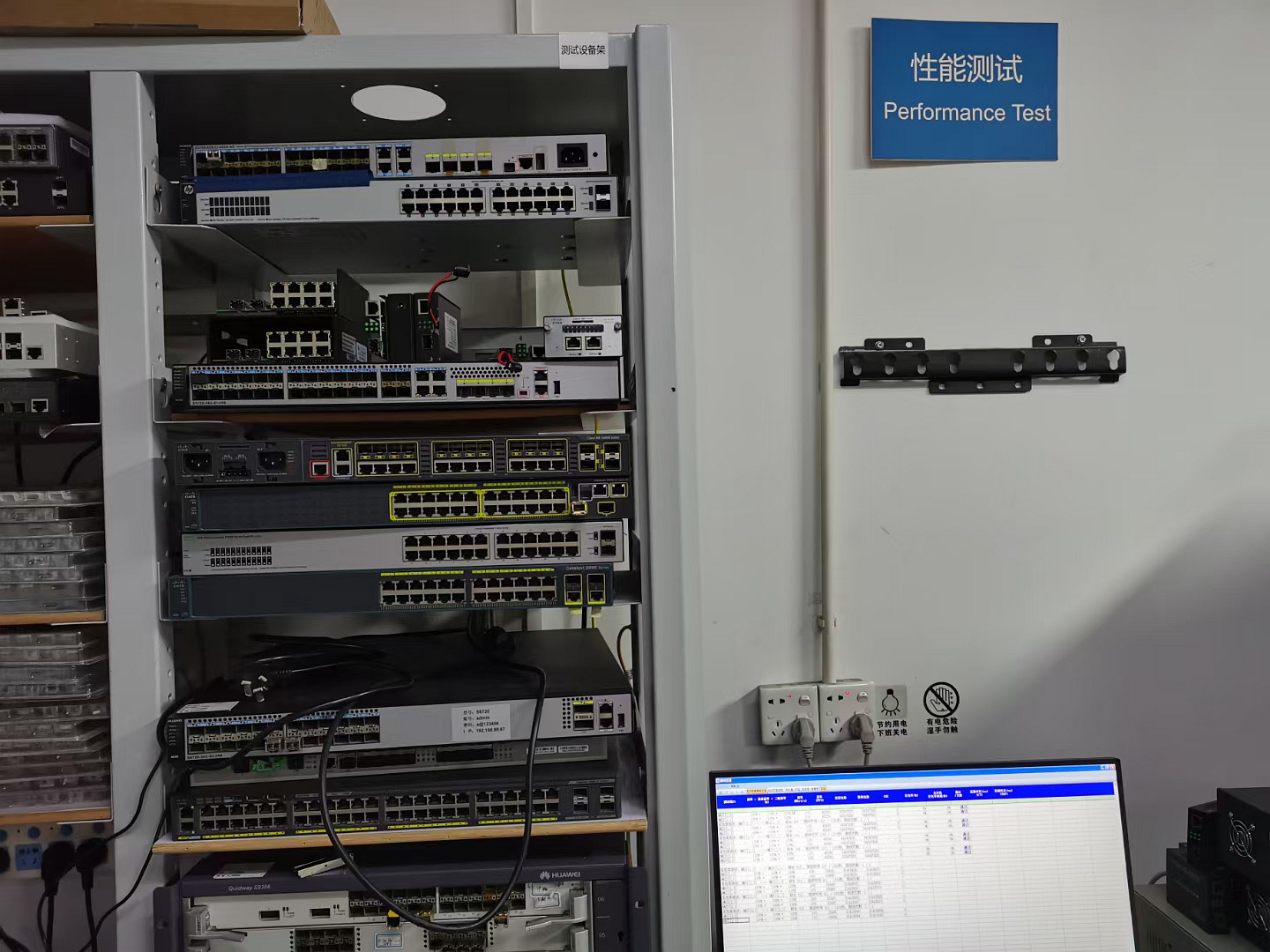
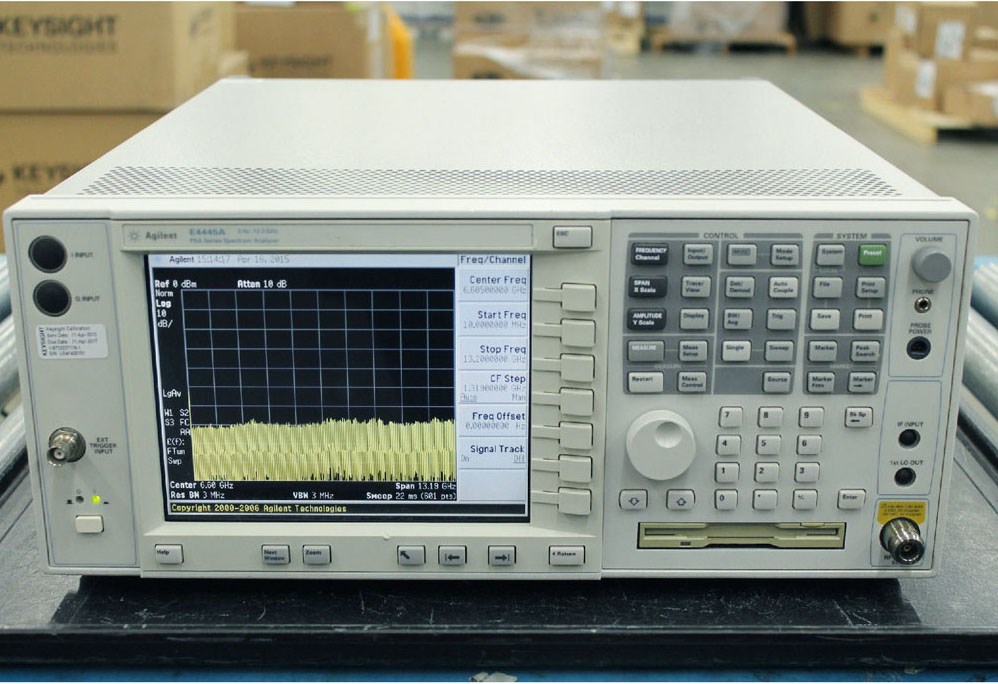
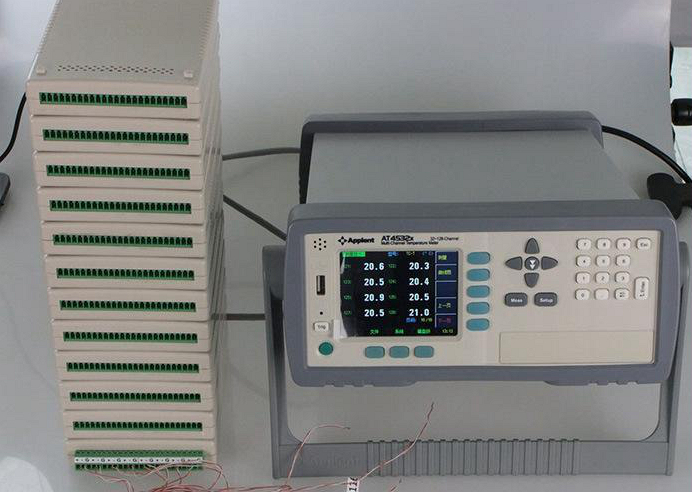
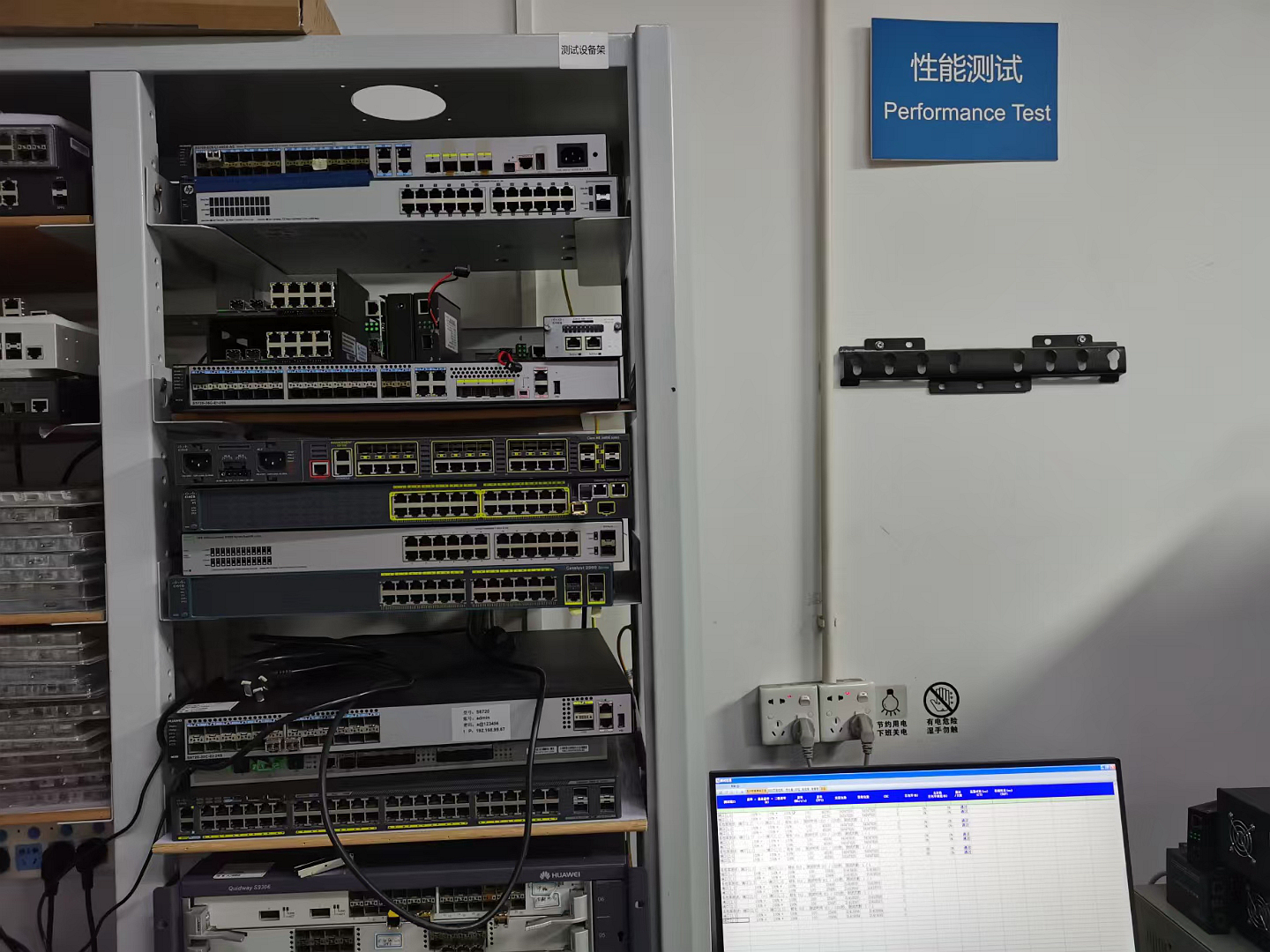
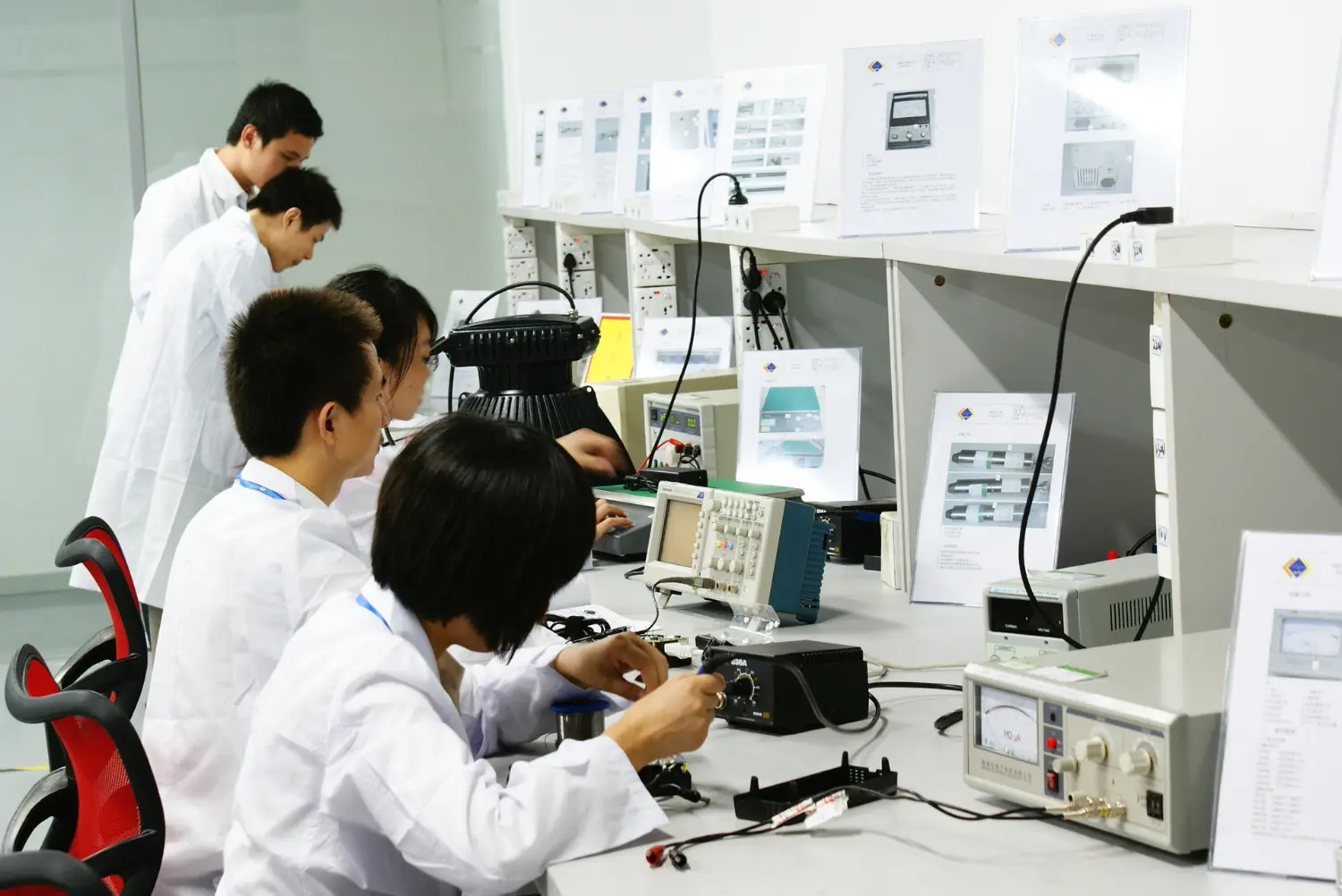
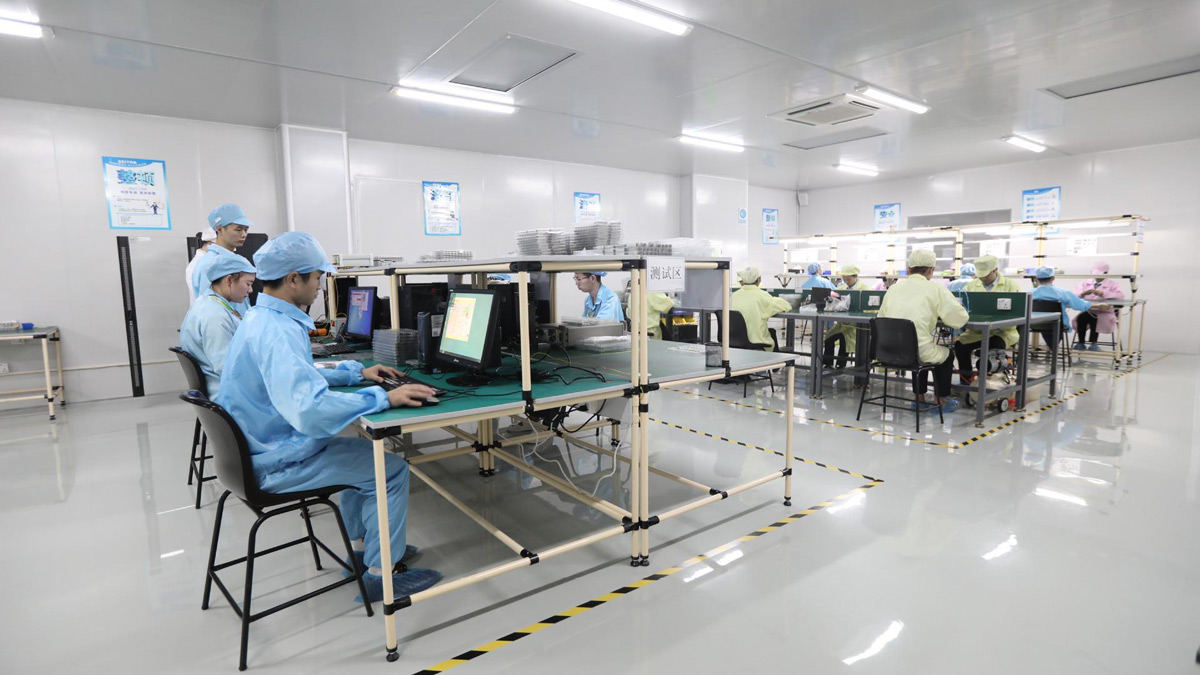
Our facility features high-speed SMT (Surface Mount Technology) assembly systems, automated optical inspection systems (AOI), and multi-stage testing setups to verify high solder integrity on multi-layer PCBs. This high level of process control ensures consistent yields and reliable performance under continuous workloads.
Verified manufacturing metrics and export capacity profiles.
| Organizational Framework Metric | Operations & Geographical Footprint | ||
|---|---|---|---|
| Business Type | Manufacturer, OEM/ODM Provider | Origin Location | Guangdong, China |
| Primary Product Line | FTTH ONU & OLT, SFP Transceiver Modules, Managed PoE Switches, Optical Converters | Personnel Size | 11 - 50 Skilled Hardware Specialists & Engineers |
| Annual Revenue Scale | US$5 Million - US$10 Million | Founding Year | 2021 (Engineering roots spanning 10+ years) |
| Global Target Markets | South America, North America, Europe, Domestic Market (24%), East Asia (15%) | Regulatory Standards | ISO 9001, UL, CE, FCC, RoHS Compliant |
Soras Facility Front Entrance

Precision Engineering Lab
Error rate and simulation hardware bank
How network planners deploy our technology from deep-sea transceivers to complex factory floors.
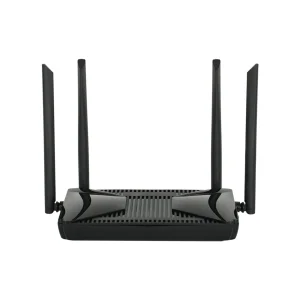
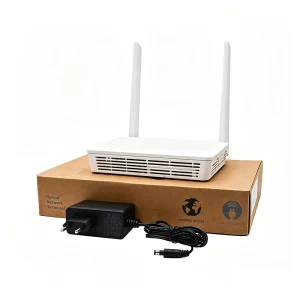
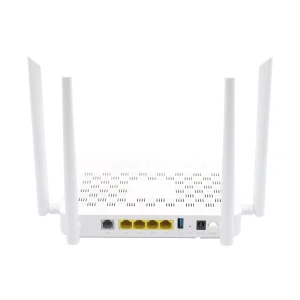
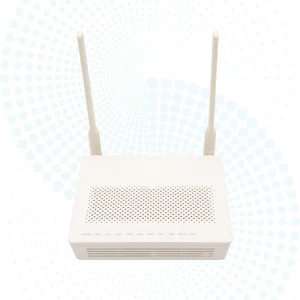
For telecom operators scaling suburban fiber coverage across Latin America, South America, and Eastern Asia, deployment density is critical. Our GPON XPON ONUs (like the EG8145V5 and Wifi6 AX3000 series) provide long-distance connectivity options (exceeding 20km). They bridge central office optical infrastructure with home networks, supporting VoIP services, high-speed routing, and dual-band Wi-Fi signals.
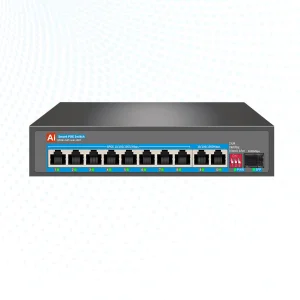
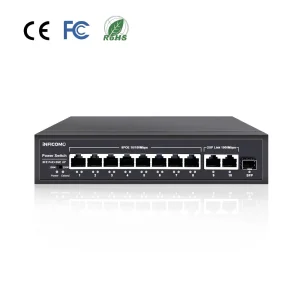
High-definition, zero-latency IP video monitoring requires stable, localized PoE power distribution. Our L2 managed 16-Port and 8-Port Gigabit PoE Switches deliver continuous wattage (supporting IEEE 802.3af/at up to 30W per port) to power high-definition security cameras, while integrated SFP uplink configurations enable direct connection back to municipal control centers.
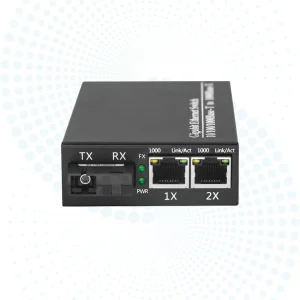
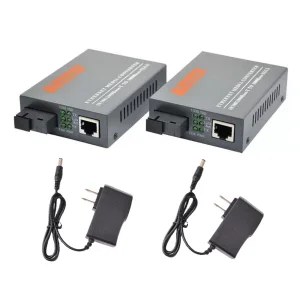
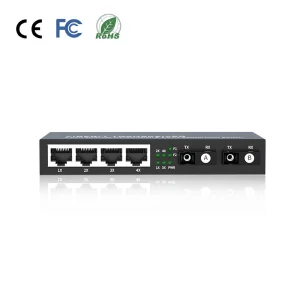
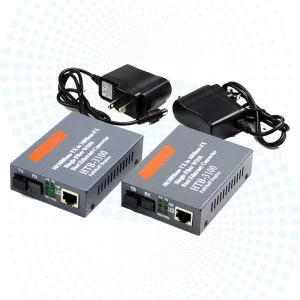
Industrial sites produce significant electromagnetic interference (EMI). Under these conditions, standard copper cabling degrades rapidly over short distances. Our ruggedized Fiber Media Converters (HTB-3100 Netlink series) convert electrical Ethernet signals to lightwaves, enabling reliable transmission up to 25km over single-mode fibers without interference.
Years Engineering Experience
Export Countries & Regions
Maximum Annual Capacity
Fully Simulated Testing Rate
In-depth technical answers addressing hardware compatibility, deployment logistics, and OEM configurations.
Our GPON and XPON ONUs (including Wifi-5 and Wifi-6 dual-band terminals) run flexible firmware layers compatible with the TR-069 management standard. We test our devices on-site against industry-standard OLT platforms, including Huawei's MA5600/MA5800 series and ZTE's C300/C600 platforms, ensuring registration, VLAN provisioning, and OMCI handshakes function without custom scripting.
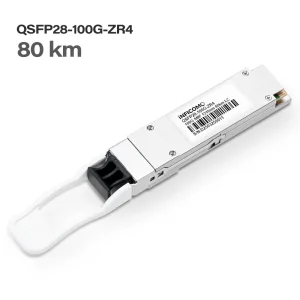
Our QSFP28 100G transceiver is designed for high-density 100-Gigabit Ethernet applications. Leveraging a 1310nm optical configuration and ZR4 duplex architecture, the module supports fiber links up to 80 kilometers over Single-Mode Fiber (SMF), making it suitable for backhaul links and metropolitan area networks.
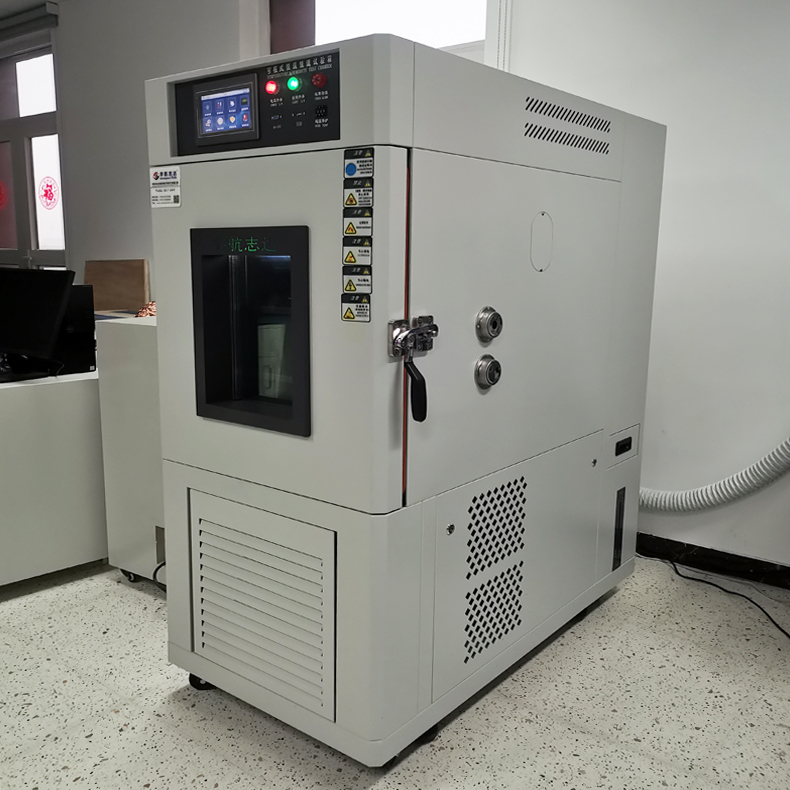
We use high-grade internal power converters (integrated 65W, 120W, and 300W designs) alongside thermal layout patterns on the motherboard. During production, every switch is tested in environmental chambers under high-low temperature sweeps (-20°C to +60°C) to confirm performance under structural thermal stress.
We support hardware personalization, including custom silk-screen logos, custom enclosure molds, custom firmware default settings (such as specialized WAN management VLANs and PPPoE authentication modes), and customized language interfaces for localized regions.
Our product lines comply with ISO 9001 quality system management, CE declarations of conformity, FCC electromagnetic emission regulations, UL electrical safety guidelines, and RoHS environment directives, facilitating imports into European, North American, and Latin American markets.
Complete your deployment specifications with our GPON receivers, fiber switches, and terminal units.
 Soras Tech