Explore our certified fiber optic transmission solutions built to support high-density GPON/EPON/XGS-PON transitions and edge network operations.
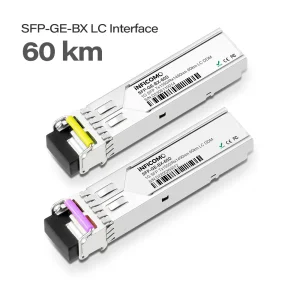
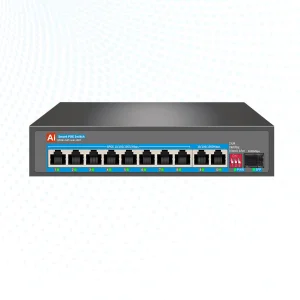
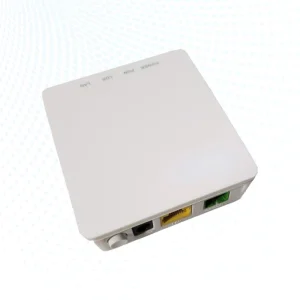
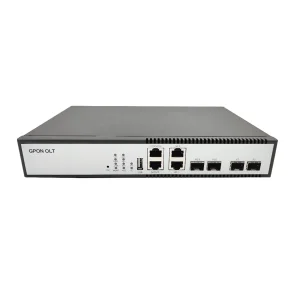
As global networks undergo transformation to support immersive workloads, cloud-native storage, and real-time edge intelligence, conventional asynchronous optical access infrastructures run into bottlenecks. GPON networks (operating at 2.5 Gbps downstream and 1.25 Gbps upstream) are unable to handle symmetric high-throughput requirements. XGS-PON (10-Gigabit Symmetrical Passive Optical Network), codified under ITU-T G.9807.1, solves this challenge by delivering a symmetrical 10 Gbps capacity.
This leap in upstream capabilities is crucial for modern applications, including continuous multi-site video conferencing, massive industrial sensory streams, high-definition security camera arrays, and large-scale cloud synchronization. By adopting a symmetrical architecture, telecommunication networks eliminate the uplink congestion that often impacts multi-tenant offices and residential subdivisions during peak utilization times.
The letter "S" stands for Symmetrical. XG-PON offers asymmetric speeds with 10G downstream but only 2.5G upstream. XGS-PON upgrades the link to 10G bidirectional, using wavelength division multiplexing (WDM) to operate alongside GPON networks on the same fiber distribution tree (ODN).
Telecommunication carriers across North America, the European Union, and East Asia are shifting resources from legacy copper DSL or Hybrid Fiber-Coaxial (HFC) systems directly to high-capacity Passive Optical Networks. According to network analyst benchmarks, the migration from GPON to XGS-PON is expected to maintain a robust compound annual growth rate (CAGR) of over 25% through 2030.
This migration is driven by broadband funding initiatives such as the US Broadband Equity, Access, and Deployment (BEAD) program, alongside the EU's Digital Decade objectives, which aim to deliver gigabit connectivity to all populated regions. Leading optical hardware designers in China, like Shenzhen Soras Technology Co., Ltd., are at the center of this transition, delivering cost-effective, high-performance OLT line cards, optical transceivers, and customer premises equipment (ONUs/ONTs) to service providers globally.
XGS-PON runs on distinct wavelengths (1577nm downstream / 1270nm upstream) that do not conflict with traditional GPON (1490nm/1310nm) or RF overlay video networks. This allows telecommunication operators to upgrade subscribers gradually without re-cabling or disabling legacy GPON units, optimizing ROI on their existing passive fiber plant.
Established in 2021, Shenzhen Soras Technology Co., Ltd. is a leading manufacturer of optical transmission and network equipment with over 10 years of combined industry expertise. We focus on providing high-quality, cost-effective, and value-added solutions for carriers, system integrators, and distributors worldwide. Working closely with telecommunication companies across South America, North America, East Asia, and Europe, our R&D teams support extensive customization through OEM and ODM contracts.
| Corporate Overview & Specifications | |||
|---|---|---|---|
| Business Type | Manufacturer | Country / Region | Guangdong, China |
| Main Products | FTTH ONU & OLT, SFP Module, Fiber Media Converter, PoE Switch, Fiber Optic Equipment | Total Employees | 11 - 50 People |
| Total Annual Revenue | US$5 Million - US$10 Million | Year Established | 2021 |
| Quality Frameworks | ISO 9001 System Standards | Certificates Summary | CE, FCC, RoHS, UL Compliant |
| Main Markets | Domestic Market (24.00%), Eastern Asia (15.00%), North America (15.00%), South America, Europe | Soraslink Brand Vision | Superior quality, professional service, competitive price, integrity-based |
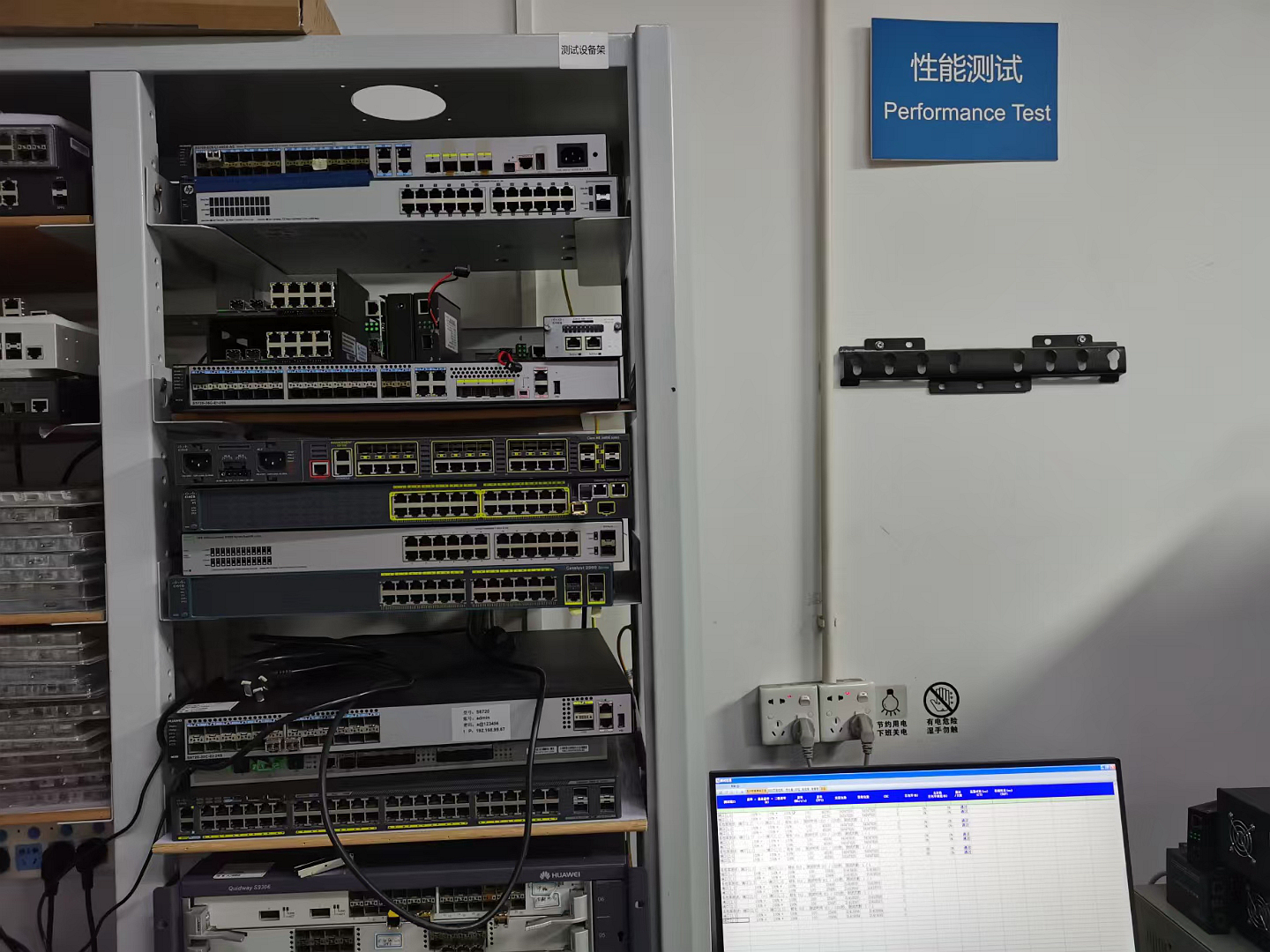
We maintain an advanced production floor featuring automated surface mount lines, rigorous environmental chambers, and high-precision optical alignment tools.







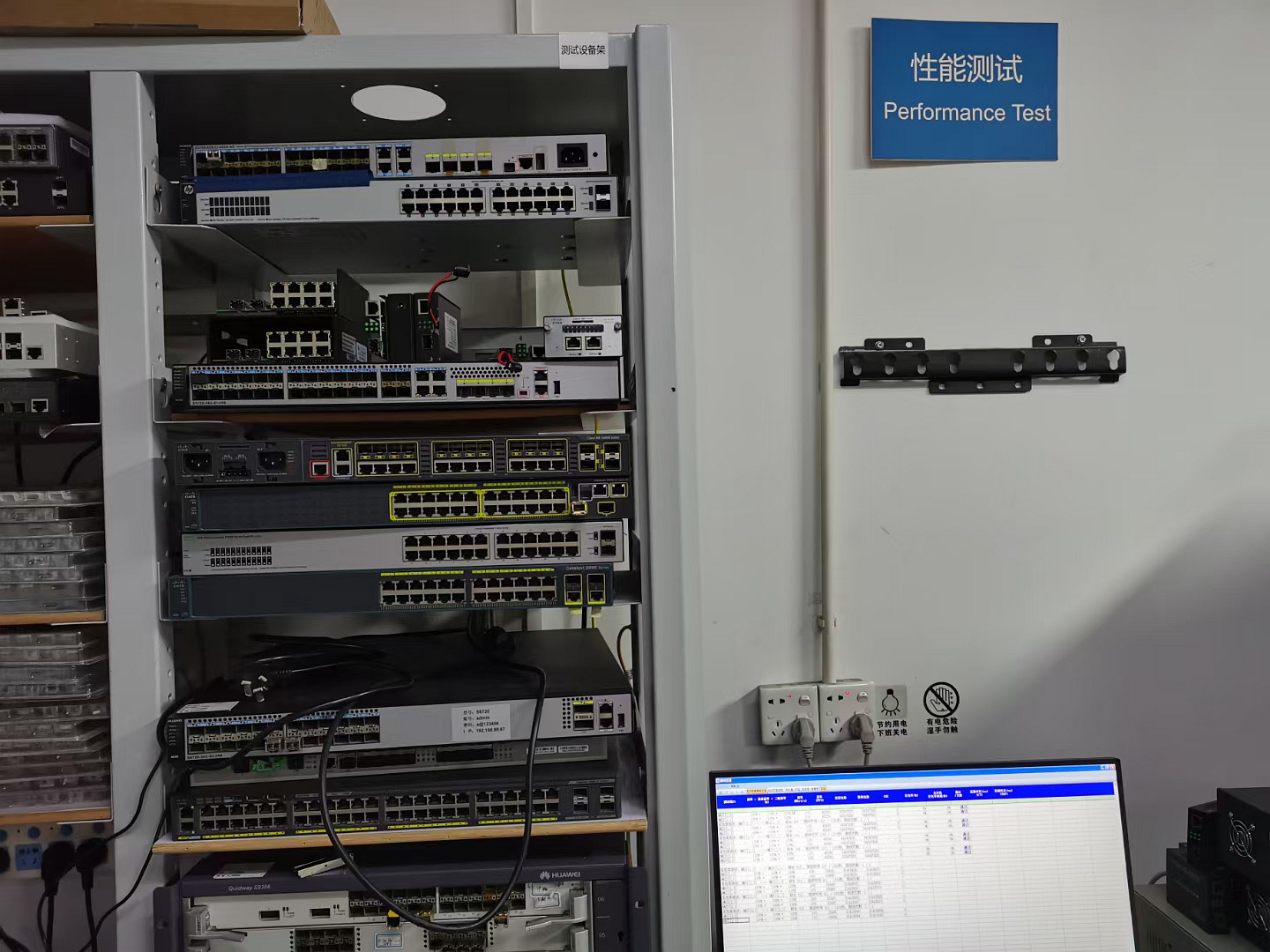
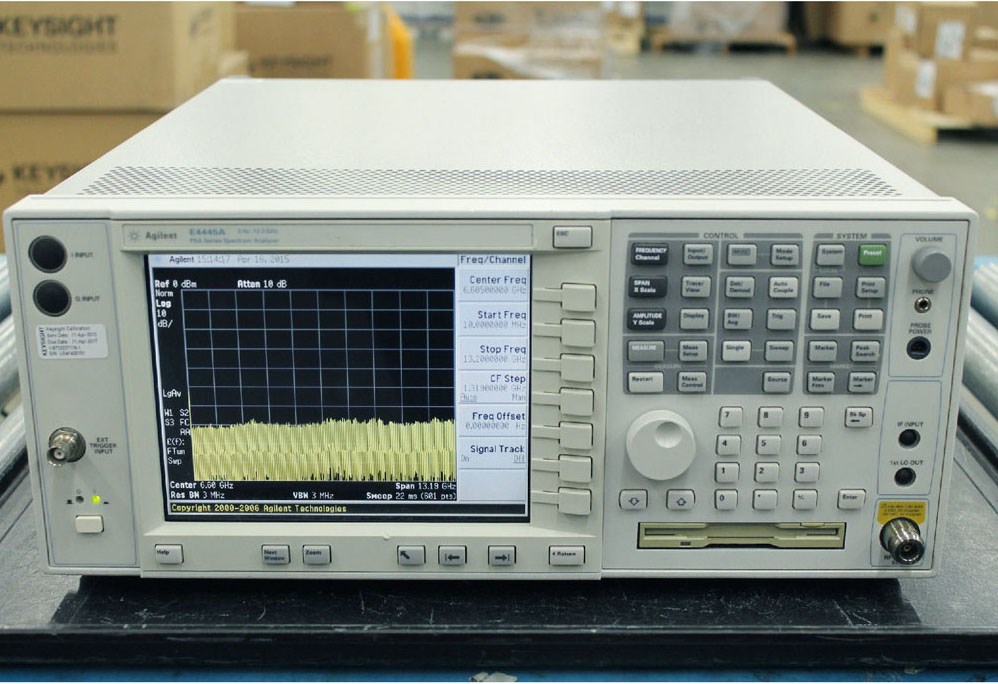
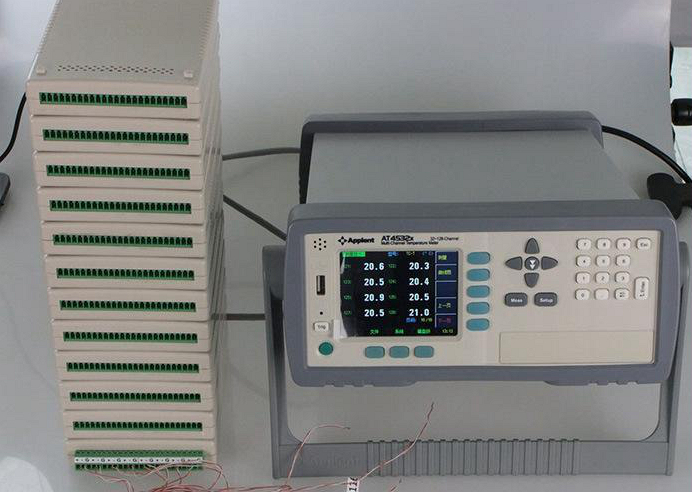
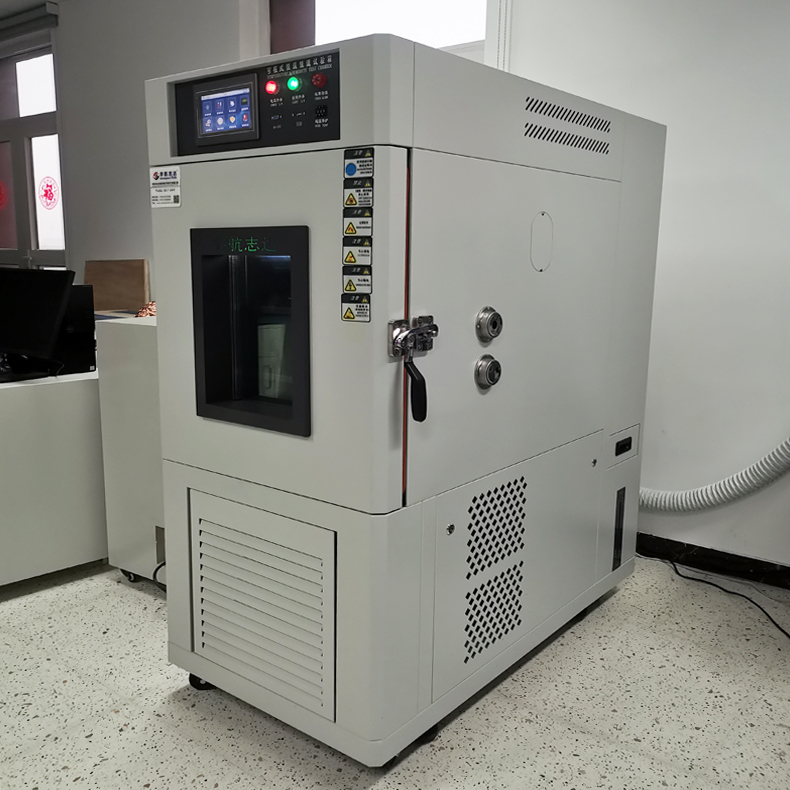

Modern optical transmission architectures are highly specialized. Designing networks for a single-family home, a high-density multi-dwelling unit (MDU), or an industrial campus requires specific technologies. Below, we review three main scenarios where our products provide crucial integration capabilities:
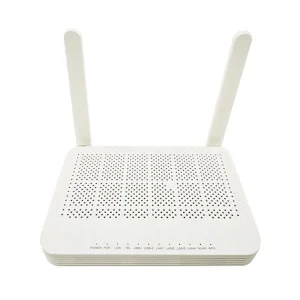
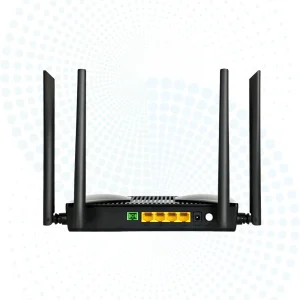
As home systems demand more bandwidth for 8K streaming, VR devices, and remote work, standard GPON splits can face congestion. By routing fiber directly into individual apartments or rooms (FTTR) using GPON/XPON dual-band ONUs (such as our HG6821M or AX3000 Wi-Fi 6 ONU), operators can deliver reliable gigabit speeds. Using these ONUs with centralized optical line terminals (OLTs) helps maintain consistent performance across highly populated residential developments.
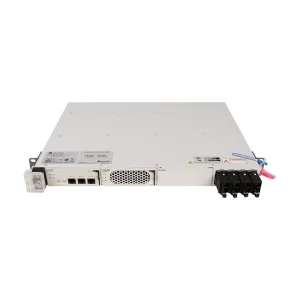
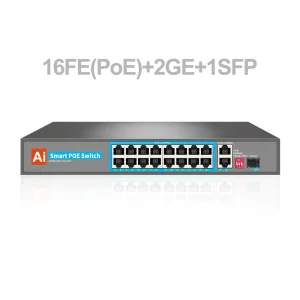
Traditional multi-level enterprise buildings require localized switch closets on every floor, leading to high power, cooling, and space costs. A Passive Optical LAN replaces these components with optical splitters and centralized OLT equipment, like the Smart MINI GPON OLT 2-Port. Enterprise security systems, IoT endpoints, and desktop connections link directly via compact ONUs and 8-port PoE switches, minimizing maintenance points and saving physical office space.
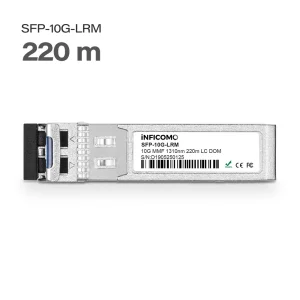
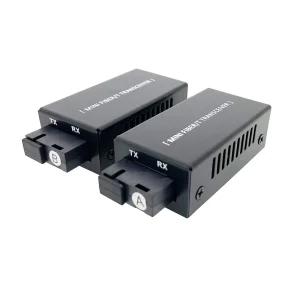
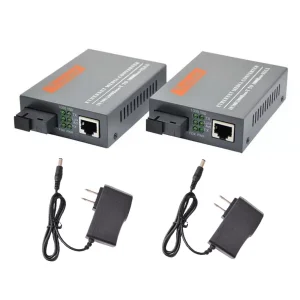
Smart factories and ports require real-time transmission of massive video and sensor data back to control systems. Over distances exceeding standard copper limits (100m), industrial-grade media converters (such as our Gigabit Bidi Fiber Media Converter and POE Switches) extend the reach of Ethernet lines over single-mode fibers up to 80km. SFP+ transceivers (like the SFP-10G-LRM) ensure that critical command-and-control interfaces operate with minimal latency.
As networks evolve, planning is already underway for technologies beyond 10G. System planners must evaluate where their deployments are headed. Understanding the migration options for fiber distribution nodes helps protect investments in optical networks.
| PON Technology Standard | Downlink Capacity | Uplink Capacity | Nominal Wavelength (Down / Up) | Ideal Application Scenario |
|---|---|---|---|---|
| GPON (ITU-T G.984) | 2.488 Gbps | 1.244 Gbps | 1490 nm / 1310 nm | Residential Internet access and voice lines (FTTH). |
| XG-PON (ITU-T G.987) | 9.953 Gbps | 2.488 Gbps | 1577 nm / 1270 nm | Basic asynchronous multi-user corporate and MDU links. |
| XGS-PON (ITU-T G.9807.1) | 9.953 Gbps | 9.953 Gbps | 1577 nm / 1270 nm | High-speed business connections, 5G backhaul, and high-density FTTH. |
| 50G-PON (ITU-T G.9804) | 49.766 Gbps | 12.5G / 25G / 50G | 1342 nm / 1260 nm-1300 nm | Future smart cities, heavy industrial networks, and edge cloud setups. |
By utilizing wavelength division multiplexing (WDM) coexistence filters, GPON and XGS-PON signals can run concurrently on the same fiber. This enables operators to migrate customers to higher speeds step-by-step. Upgrading to XGS-PON now provides a clear path forward, as the physical infrastructure remains compatible with upcoming 25G and 50G standards.
To ensure reliability in demanding environment operations, our products undergo rigorous staging and validation phases. Below are the standard procedures used in our facilities to verify performance before shipping:
Optical modules are placed in environmental chambers, cycling through temperatures from -40°C to +85°C to confirm wavelength stability and transceiver durability.
We test transceivers under simulated high traffic volumes to confirm error-free performance and prevent data loss at maximum transmission speeds.
Our dual-band ONUs undergo automated RF tuning to check wireless signal strength and ensure clean data transmission on 2.4GHz and 5GHz bands.
Find answers to common technical questions about GPON and XGS-PON network deployment.
Yes. Because GPON uses 1490nm (downstream) / 1310nm (upstream) and XGS-PON uses 1577nm (downstream) / 1270nm (upstream), they run on separate wavelengths. By adding a Wavelength Division Multiplexing (WDM) coexistence filter at the central office, you can send both signals down the same fiber. This allows you to upgrade individual users without disrupting existing GPON services.
XGS-PON supports optical split ratios up to 1:128. However, actual split choices depend on your path loss budget (often using Class N1/N2 or C+ optics) and required bandwidth per user. Many network operators use a 1:32 or 1:64 split ratio to ensure consistent high-speed performance.
The 10G-LRM transceiver allows you to run 10 Gbps speeds over older multi-mode fiber (MMF) cabling up to 220 meters. It uses Electronic Dispersion Compensation (EDC) to manage modal dispersion, helping network operators upgrade speeds without replacing older legacy fiber lines.
Yes, our equipment is built to meet ITU-T standard protocols. Our ONUs and OLTs are designed for compatibility with major third-party platforms. We also offer OEM firmware customization to match the configuration and management systems (OMCI) of your existing setup.
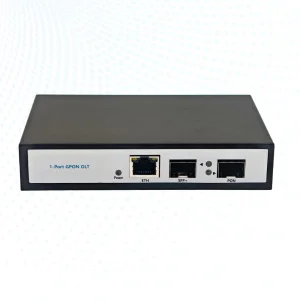
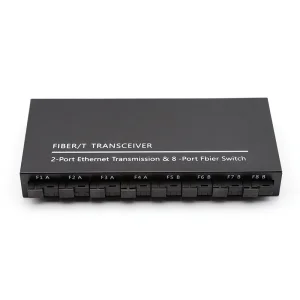
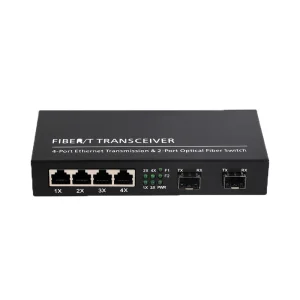
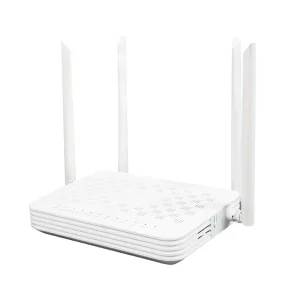
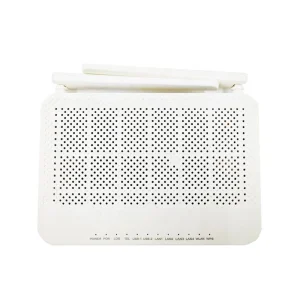
Our comprehensive range of media converters, PoE switches, and high-performance ONU routers designed to support modern network topologies.
 Soras Tech