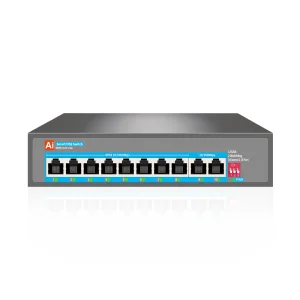
Analyzing the Paradigm Shift to IEEE 802.3bt and the Global Proliferation of Intelligent Edge Networks
Power over Ethernet (PoE) has transcended its origins as a convenient power source for VoIP phones and entry-level security cameras. Today, the global industrial and commercial network sectors are undergoing a massive transition. High Power PoE, defined broadly under the IEEE 802.3bt standards (Type 3 and Type 4) and specialized proprietary protocols, now delivers up to 90W to 100W of continuous power over standard copper Ethernet cabling. This capability is fundamentally reshaping the design of smart factories, enterprise campus networks, and municipality-scale IoT deployments.
Historically, the limitations of IEEE 802.3af (15.4W) and IEEE 802.3at (30W) restricted PoE applications to low-power endpoints. As modern security infrastructures demand advanced Pan-Tilt-Zoom (PTZ) cameras with built-in heaters and blowers, and enterprise workspaces deploy high-throughput multi-gigabit Wi-Fi 6, Wi-Fi 6E, and Wi-Fi 7 access points, the demand for stable, high-wattage power delivery has skyrocketed. High Power PoE eliminates the need for separate electrical conduit installations, radically lowering capital expenditures (CAPEX) and operating expenditures (OPEX) for global developers.
"According to recent market research, the global Power over Ethernet market is projected to reach over USD 2.5 Billion by 2028, growing at a CAGR of 13.5%. The primary driver is the rapid uptake of High Power PoE switch architectures in industrial automation, IoT gateway deployment, and smart building LED lighting systems."
From a geographical perspective, the transition is highly pronounced. In North America and Europe, stringent energy efficiency standards and high labor costs associated with manual electrical wiring are forcing enterprises to adopt integrated PoE distribution networks. In Latin America and Eastern Asia, massive urban development and smart city initiatives require robust, wide-temperature PoE hardware capable of running constantly in extreme outdoor environments without degradation in data integrity or power distribution efficiency.
Uncompromising Standards, International Certifications, and Global Market Coverage
Shenzhen Soras Technology Co., Ltd. stands at the forefront of this industrial revolution. With more than 10 years of pioneering R&D and manufacturing experience, Soras Technology has established itself as a premier global OEM/ODM partner for optical transmission and high-performance network equipment.
Operating from our advanced manufacturing facility in Guangdong, China, we operate on a core foundation of technological innovation and robust quality assurance systems. Our dedicated R&D team consists of veteran hardware and software engineers who continuously push the boundaries of power efficiency, thermal design, and system-level reliability.
Our export footprint spans more than 60 countries across South America, North America, Europe, and Asia. As a reliable manufacturing partner, we maintain strict compliance with global certifications including ISO 9001, UL, CE, FCC, and RoHS, ensuring our devices seamlessly integrate into regulated industrial environments worldwide.
| Business Type | Manufacturer (OEM & ODM) |
| Country / Region | Guangdong, China |
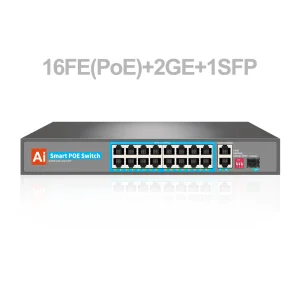
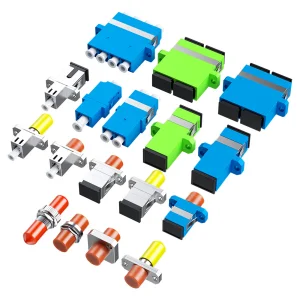
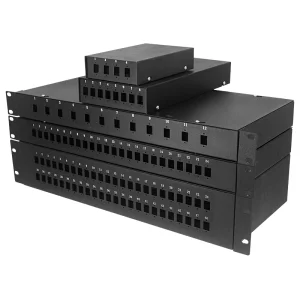
| Main Products | High Power PoE Switches, SFP Modules, Fiber Media Converters, FTTH ONU & OLT, Fiber Distribution Systems |
| Total Employees | 11 - 50 Professional Staff |
| Annual Revenue | US$5 Million - US$10 Million |
| Year Established | 2021 |
| Main Markets | Domestic (24.00%), Eastern Asia (15.00%), North America (15.00%), Europe, South America |
Years of R&D Experience
Export Countries
Operational Reliability
Certified Facility
Exploring Power Density, Intelligent Auto-Healing Protocols, and Fiber-Copper Convergence
Dynamically monitors PD power requirements, allowing switches to adjust power distribution dynamically to avoid system overload while maximizing energy efficiency.
Our proprietary smart hardware watchdog continuously pings connected PDs. Upon detecting frozen devices, it automatically power-cycles the port to restore operations.
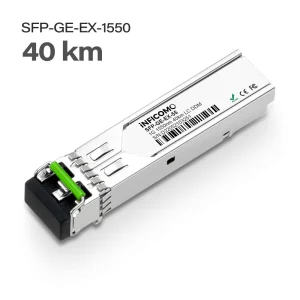
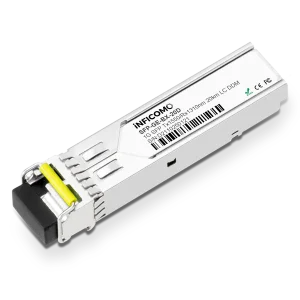
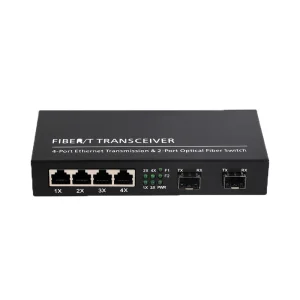
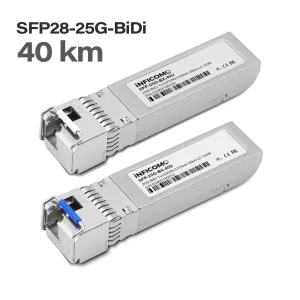
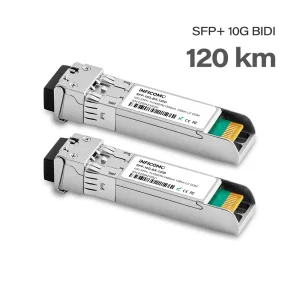
By pairing high-power PoE with dual SFP optical interfaces, Soras hardware achieves ultra-long distance backhaul while supporting high-power distribution at the terminal.
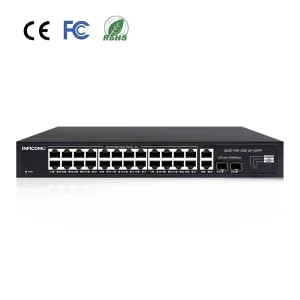
As power delivery approaches 90W to 100W per port, thermal management becomes the primary bottleneck in system design. High currents running through small RJ45 connectors and internally across printed circuit boards (PCBs) generate considerable heat. At Soras, our engineering teams deploy high-conductivity thermal pads, advanced aluminum alloy heatsinks, and optimized airflow enclosures. This ensures our managed and unmanaged PoE switches operate reliably under high ambient temperature conditions without experiencing thermal throttling or catastrophic hardware failure.
Modern edge applications require both raw power and massive data bandwidth. Transitioning from standard Fast Ethernet (100Mbps) to Gigabit and Multi-Gigabit (2.5G/5G/10G) speeds is critical to prevent data bottlenecking. By implementing high-frequency transformer configurations and advanced physical layer (PHY) chips, our PoE switches guarantee zero packet loss even when running concurrently at peak power output and maximum data transmission rates.
Engineered Architectures Supporting Smart Infrastructure, Industrial IoT, and Telecommunication Expansion
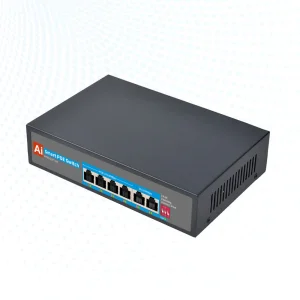
Municipal surveillance operations require heavy-duty PTZ speed dome cameras, external infrared illuminators, and optical transmitters to protect public zones. These devices are frequently subjected to sub-zero temperatures or high humidity. In partnerships with major city integrators across South America, Soras has deployed Wide Temperature Range PoE Switches. These switches deliver up to 30W-60W per port while supporting optical backhaul via SFP transceivers, ensuring latency-free video transmission back to the central security operation center.
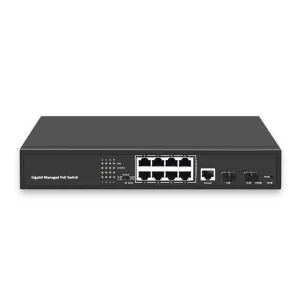
As organizations adopt hybrid workspaces, enterprise Wi-Fi networks must handle thousands of simultaneous connections. Wi-Fi 6 and Wi-Fi 7 access points require high bandwidth and power budgets that standard 802.3af switches cannot provide. Using Soras L2 Managed Ethernet PoE+ Switches, IT directors can remotely configure QoS (Quality of Service), segment traffic using VLANs, and assign dedicated PoE budgets per port, eliminating the need to install separate power outlets at high ceiling drop-points.
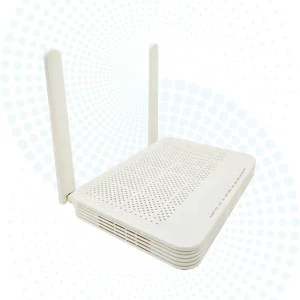
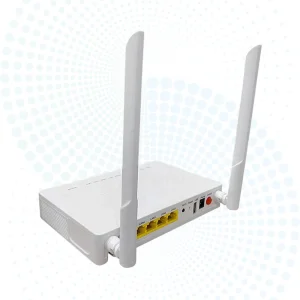
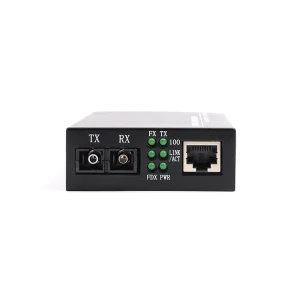
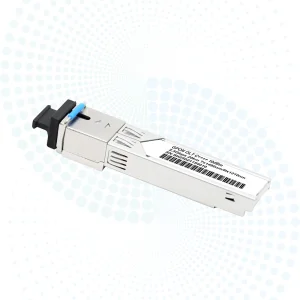
As global ISPs extend fiber networks directly to residential and commercial customers, the integration of XPON ONU and OLT terminal hardware is critical. Soras links high-speed fiber backbones to local copper distribution interfaces through our complete line of GPON SFP Modules, single-mode media converters, and distribution boxes, creating a highly resilient bridge between deep-sea fiber optical cables and localized copper networks.
A Visual Tour of our Advanced SMT Line, Assembly Operations, and Scientific Simulation Testing

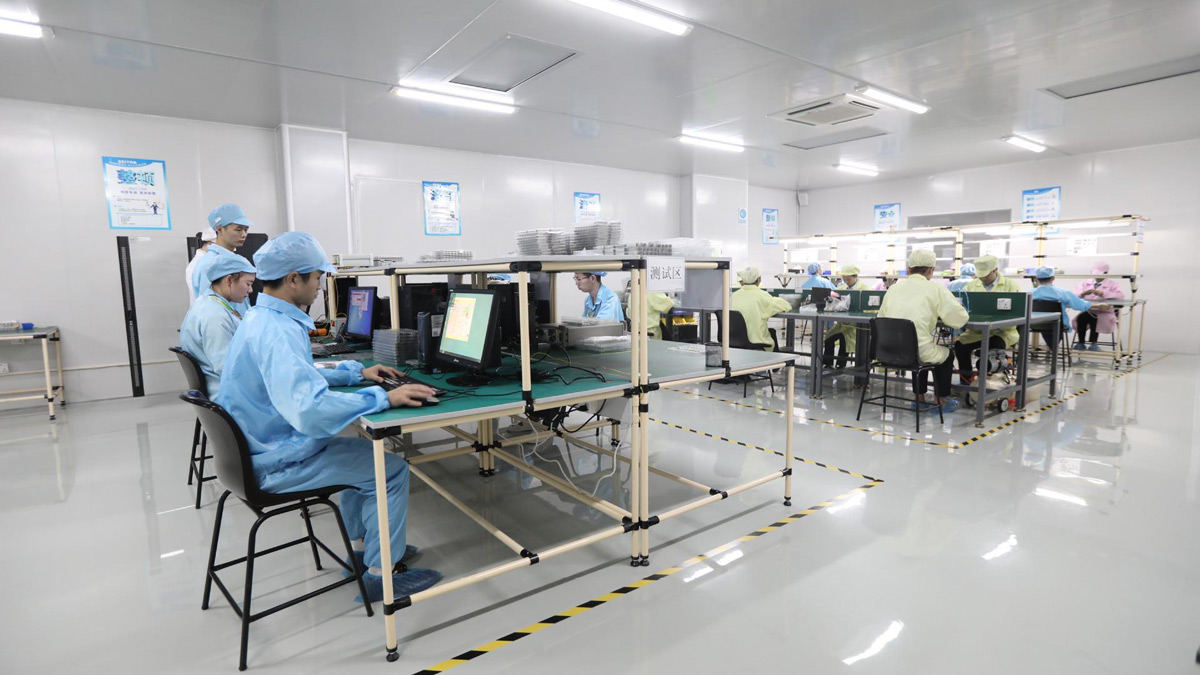

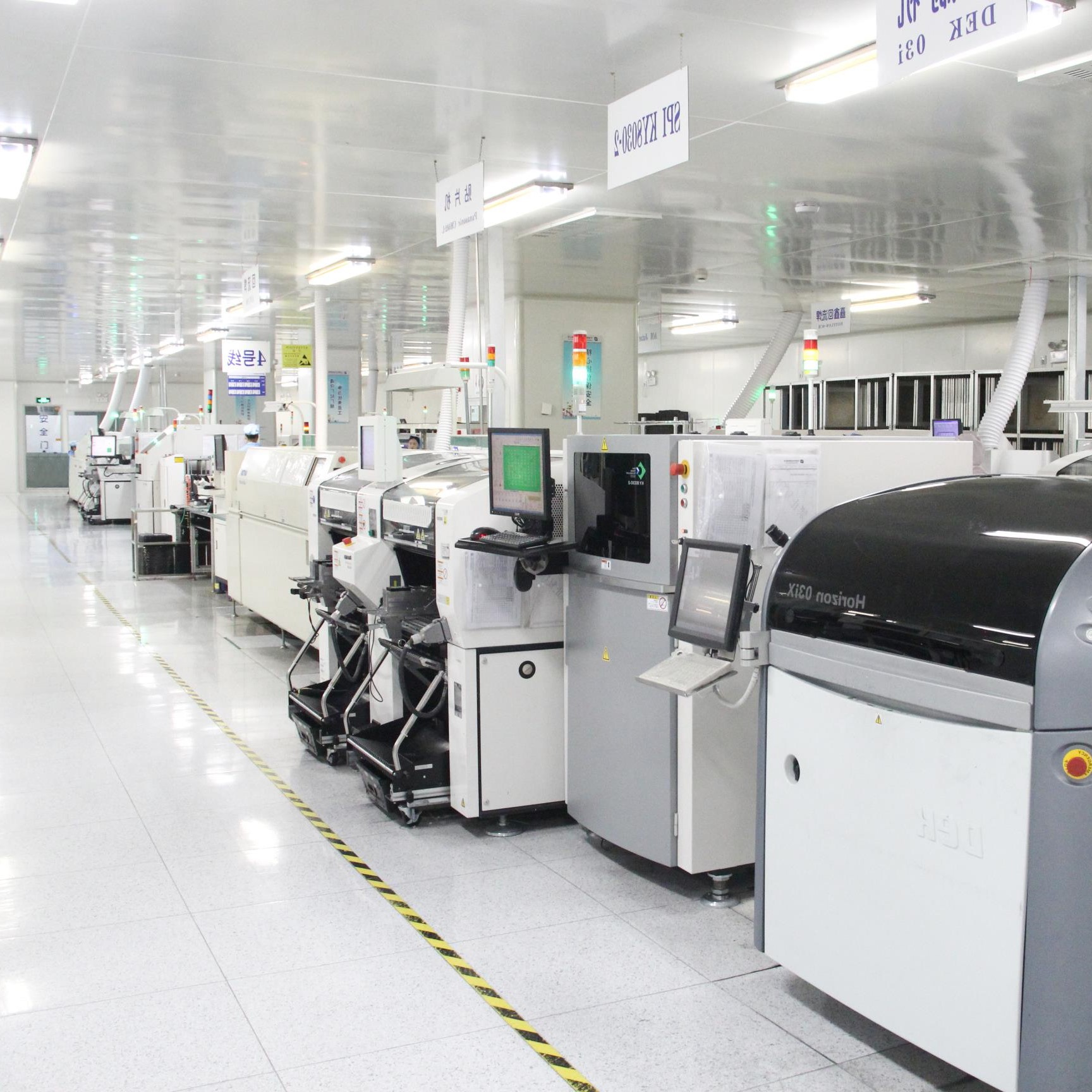
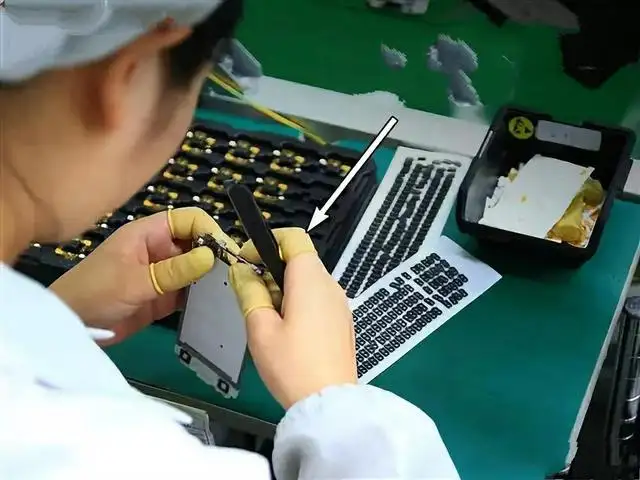
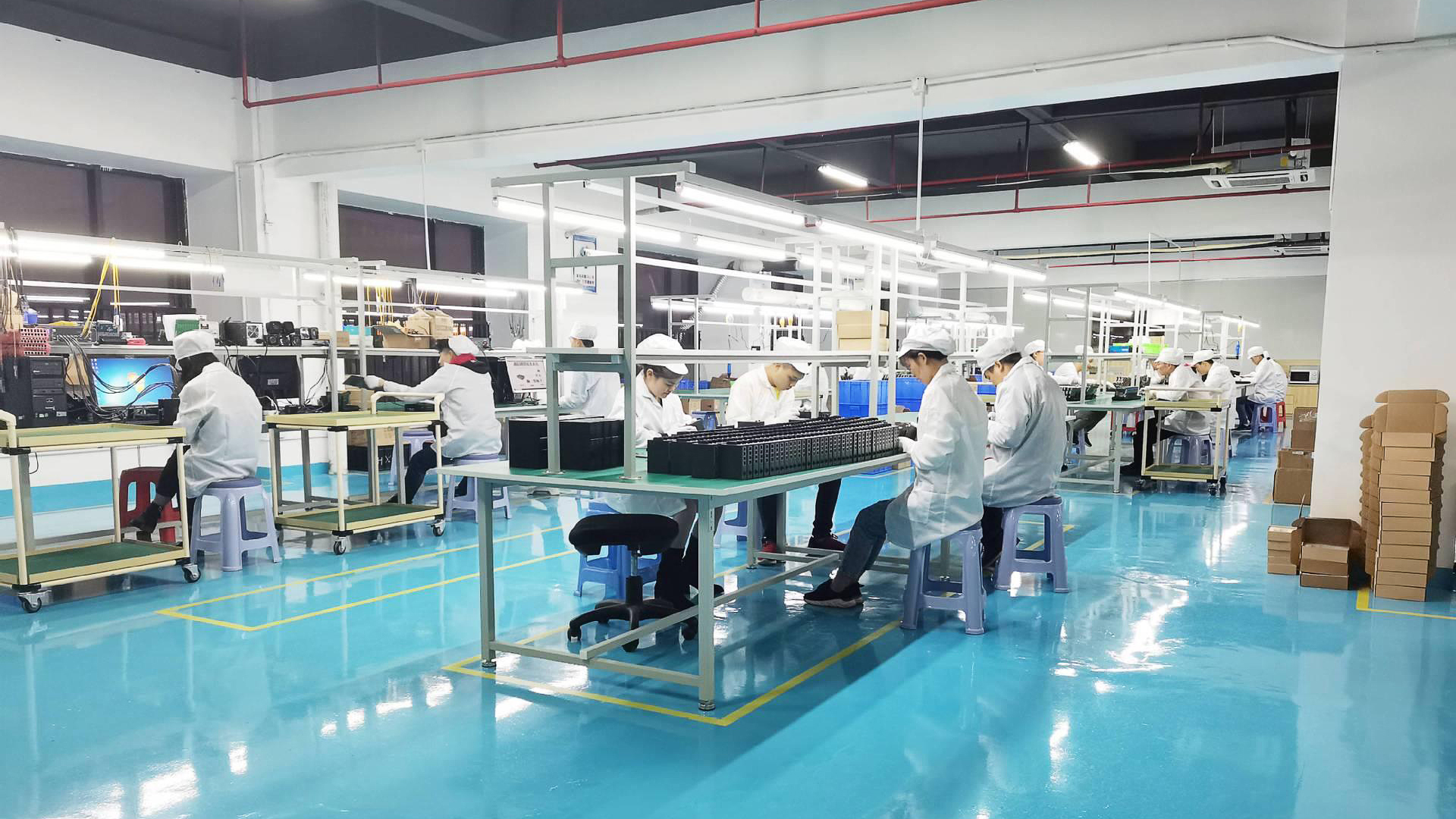
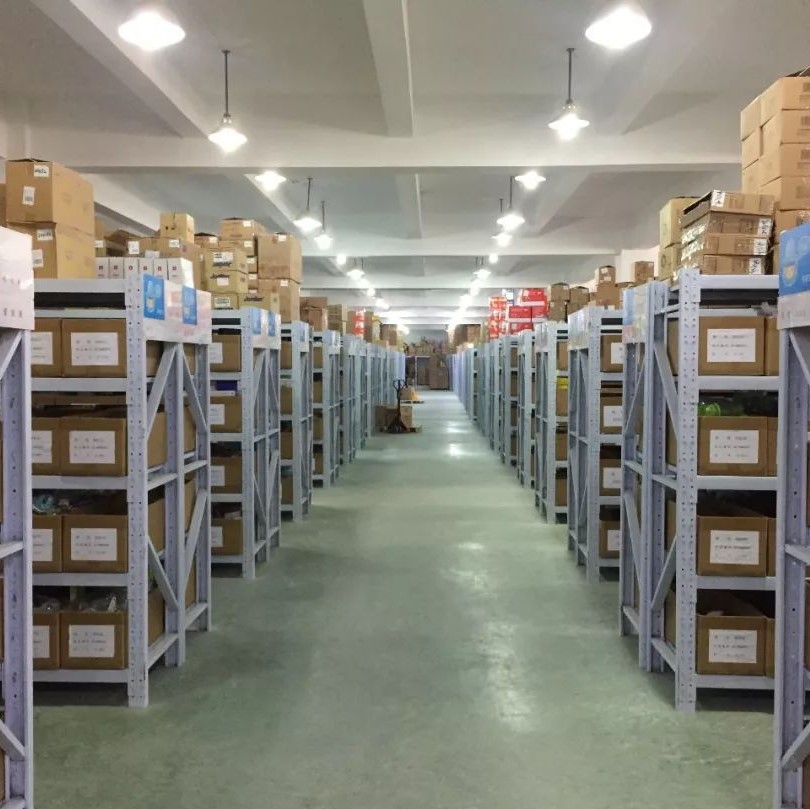
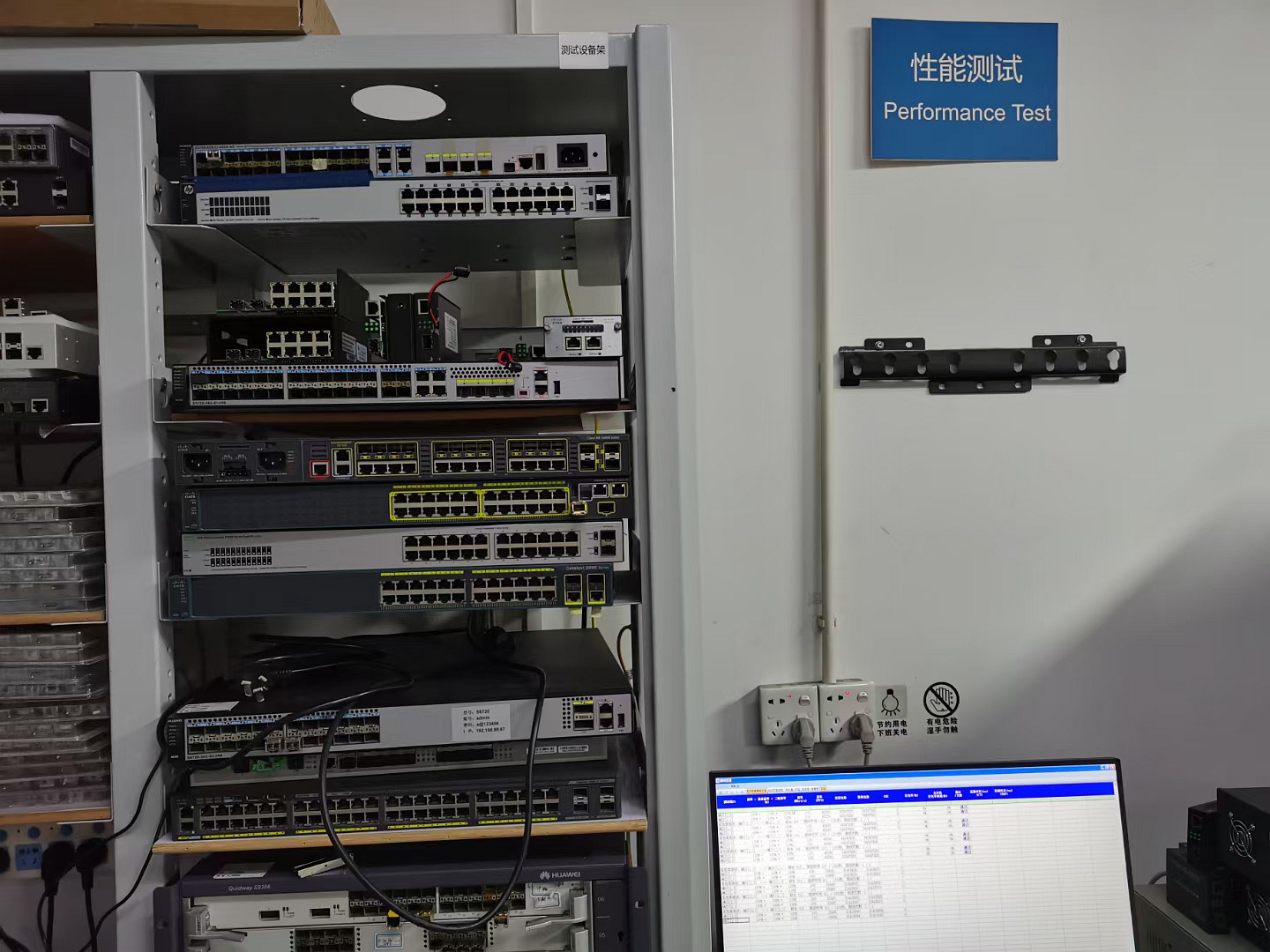
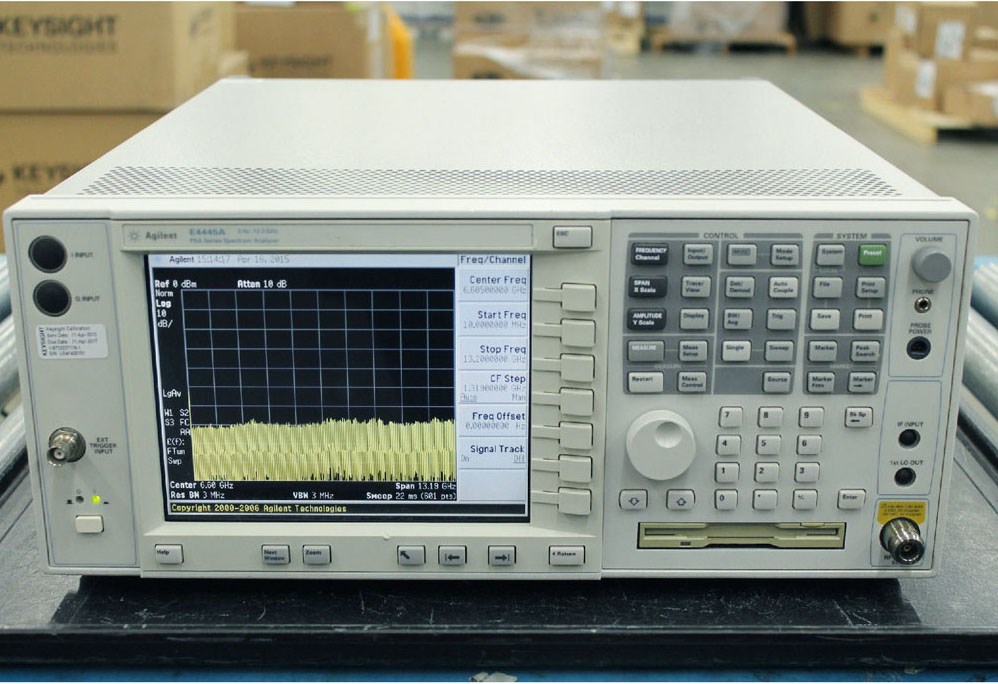
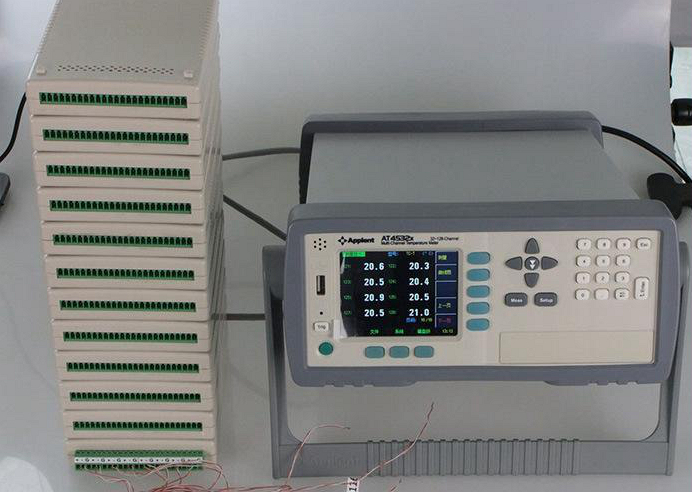
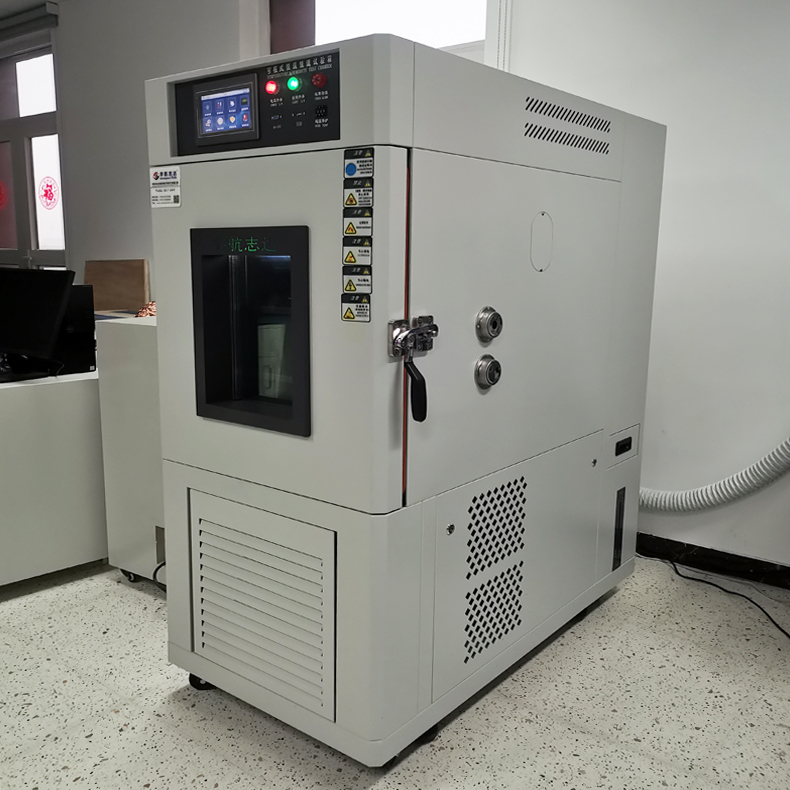
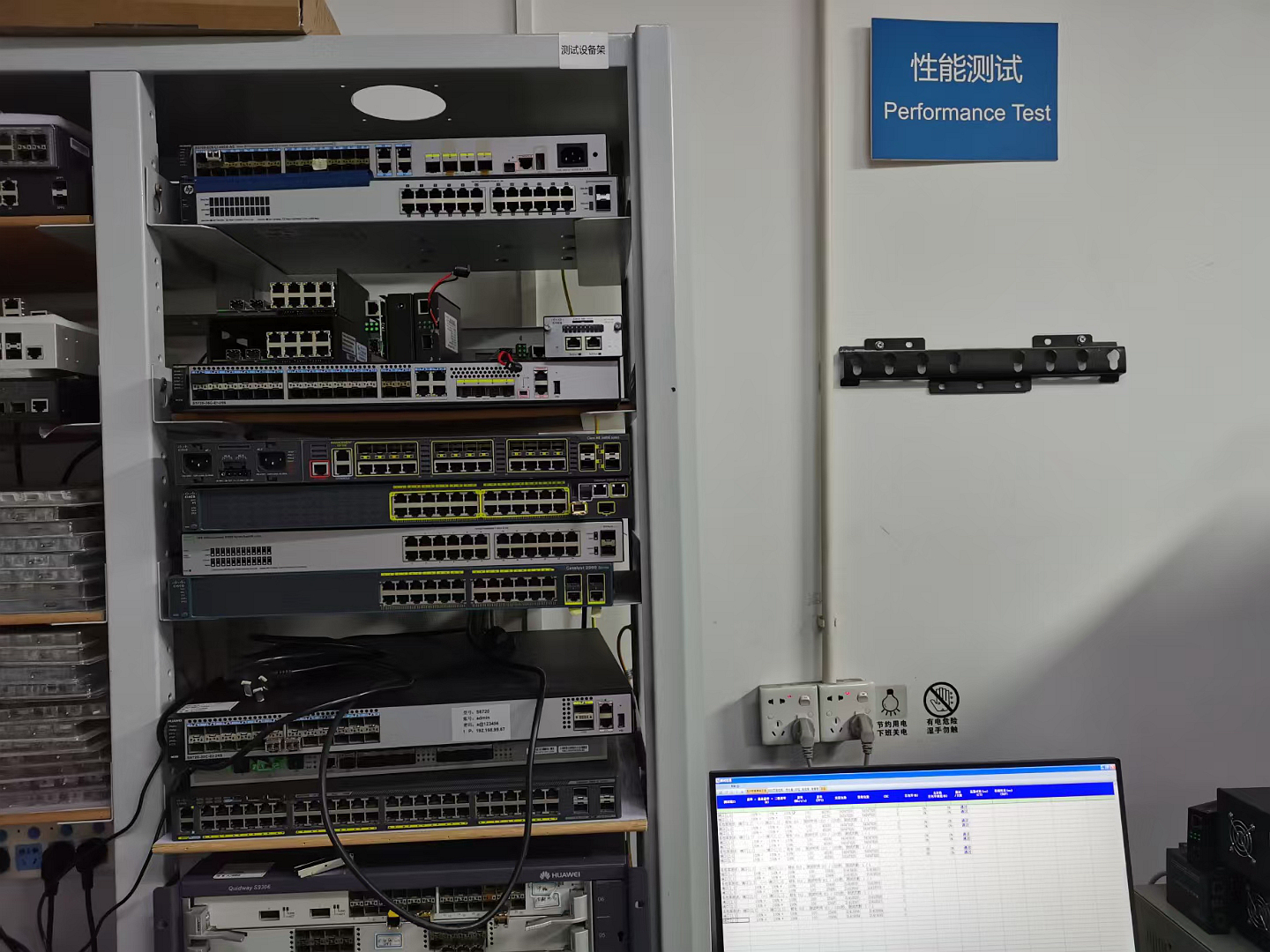
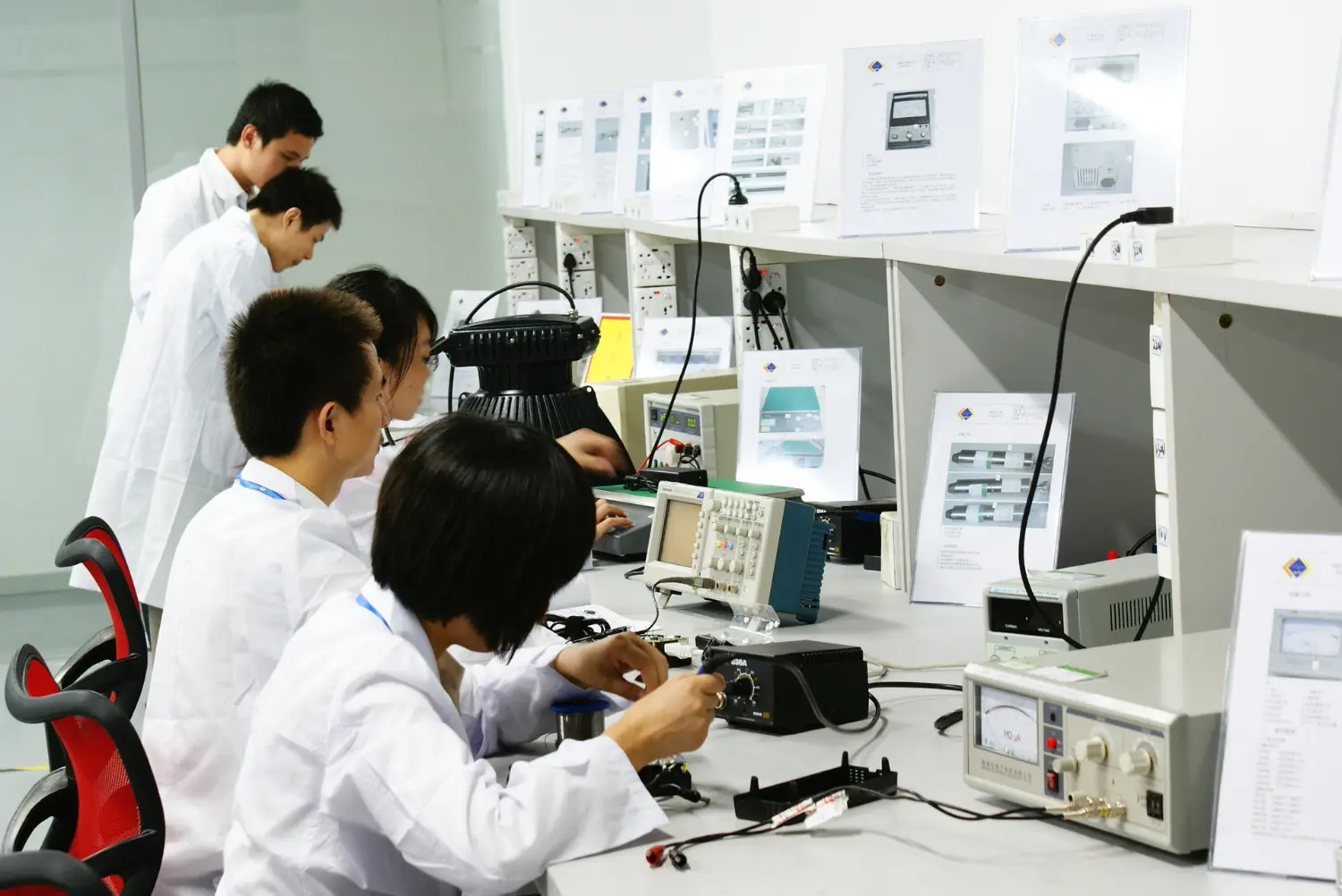
At Soras, every batch of network hardware undergoes a multi-tiered inspection protocol. Once the SMT placement is completed, automatic optical inspection (AOI) detects component alignment and solder joint accuracy. Devices then proceed through mechanical assembly to environmental testing, including High-Low Temperature Testing. This process evaluates board stability under temperature variations from -40°C to 80°C.
Furthermore, our specialized Packet Error Rate Test and High-Freq Wi-Fi Calibration procedures guarantee that every ONU, media converter, and PoE switch operates at maximum performance before being packaged and shipped to our global clients.
Expert Solutions to Common Technical Questions on Designing High Power PoE Infrastructures
 Soras Tech