High-precision wavelength division multiplexing (WDM) transceivers designed for long-distance metropolitan backhauls and high-density fiber networks across Ghana.
Exploring the rapidly growing demands for optical networking technology within the West African digital hub.
Ghana is positioning itself as the key digital hub of West Africa. With major telecommunication operators like MTN Ghana, Telecel Ghana (formerly Vodafone), and AT (formerly AirtelTigo) continuously rolling out fiber infrastructure, the demand for physical fiber optimization has never been higher. Internet service providers (ISPs), mobile network operators (MNOs), and private corporate enterprise networks in metropolitan regions such as Accra, Kumasi, and Takoradi face unique infrastructure challenges. The cost of laying down physical fiber cables—known as "Right of Way" (RoW) fees—is extremely high, combined with long civil engineering development cycles.
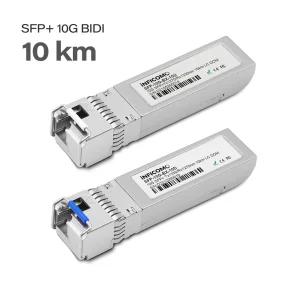
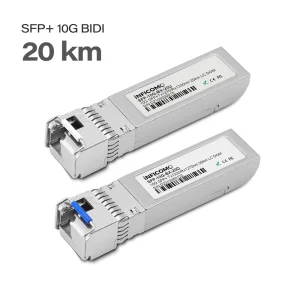
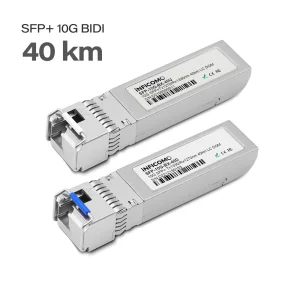
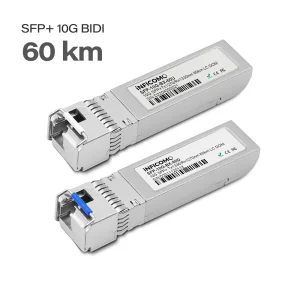
This is where 10G BiDi (Bidirectional) SFP+ optical transceivers present a transformative technical advantage. By utilizing Wavelength Division Multiplexing (WDM) technology over a single strand of fiber (using mismatched wavelength pairs such as 1270nm and 1330nm), network architects can immediately double their bandwidth capacity without laying a single extra millimeter of fiber optic cabling. This single-fiber duplexing reduces cabling expenditure, simplifies routing paths, and slashes maintenance overheads across metropolitan area rings and regional backbones alike.
High-reliability optical engineering details designed to meet rigorous telecom and enterprise criteria.
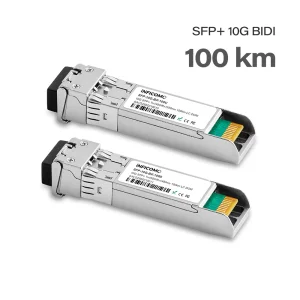
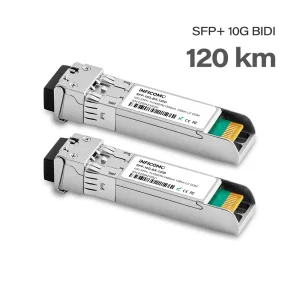
Deploying bidirectional optical links requires matching physical pairs, commonly referred to as the Upstream (U) and Downstream (D) modules. These transceivers operate by multiplexing light at different wavelengths to prevent optical collisions on the same physical glass core. For standard distances up to 40km, the industry relies on 1270nm and 1330nm wavelength pairs, whereas for long-haul networks (80km up to 120km), 1490nm and 1550nm wavelength configurations are implemented to minimize optical attenuation.
| Distance Rating | TX Wavelength | RX Wavelength | Fiber Type | Connector Type | Optical Budget (dB) |
|---|---|---|---|---|---|
| 10 km | 1270nm / 1330nm | 1330nm / 1270nm | Single-Mode (SMF) | Simplex LC | > 9.0 dB |
| 20 km | 1270nm / 1330nm | 1330nm / 1270nm | Single-Mode (SMF) | Simplex LC | > 12.0 dB |
| 40 km | 1270nm / 1330nm | 1330nm / 1270nm | Single-Mode (SMF) | Simplex LC | > 16.0 dB |
| 60 km | 1270nm / 1330nm | 1330nm / 1270nm | Single-Mode (SMF) | Simplex LC | > 20.0 dB |
| 80 km | 1490nm / 1550nm | 1550nm / 1490nm | Single-Mode (SMF) | Simplex LC | > 23.0 dB |
| 100 km | 1490nm / 1550nm | 1550nm / 1490nm | Single-Mode (SMF) | Simplex LC | > 26.0 dB |
| 120 km | 1490nm / 1550nm | 1550nm / 1490nm | Single-Mode (SMF) | Simplex LC | > 30.0 dB |
A key engineering consideration is Digital Optical Monitoring (DOM / DDM) support. The DDM chipset integrated inside each transceiver allows Ghanaian network administrators to monitor parameters such as real-time optical output power, received optical power, transceiver temperature, and supply voltage directly from their network switches. This proactive monitoring ensures that physical issues, such as dust contamination in the patch panels or micro-bends in the fiber routing, can be detected before they trigger network outages.
How our world-class manufacturing facility in Shenzhen, China, powers global telecommunications.
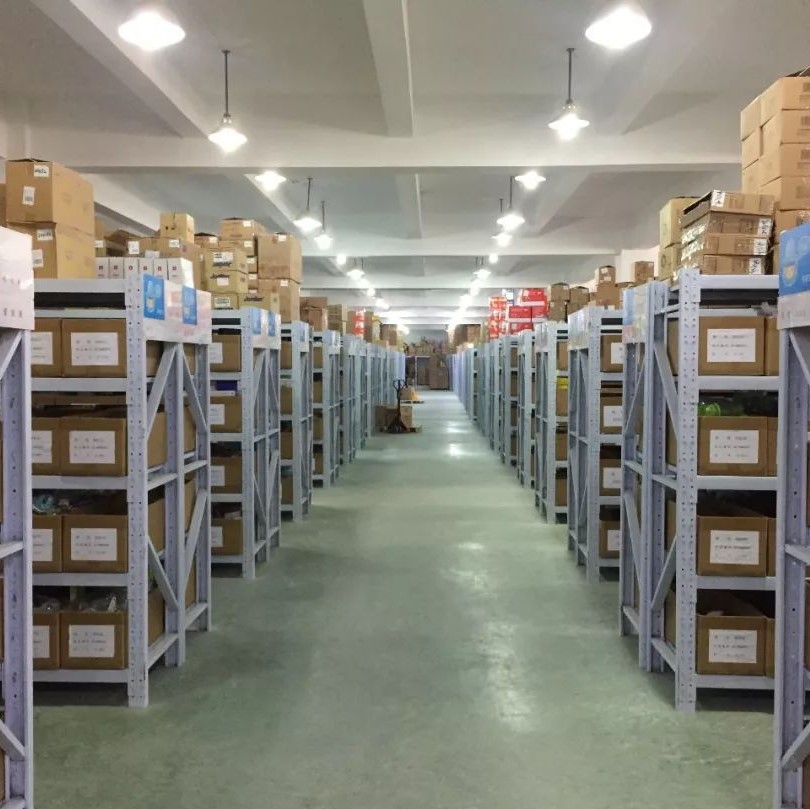
As a leading manufacturer of optical transmission and network equipment with over 10 years of expertise, Shenzhen Soras Technology Co., Ltd. serves as a reliable global supply partner. With an annual revenue of US$5 Million to US$10 Million and international compliance certifications including ISO 9001, UL, CE, FCC, and RoHS, we adhere to the highest standard of manufacturing reliability.
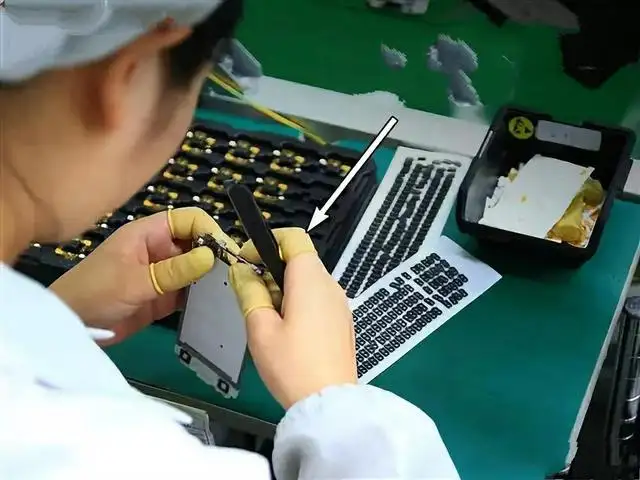
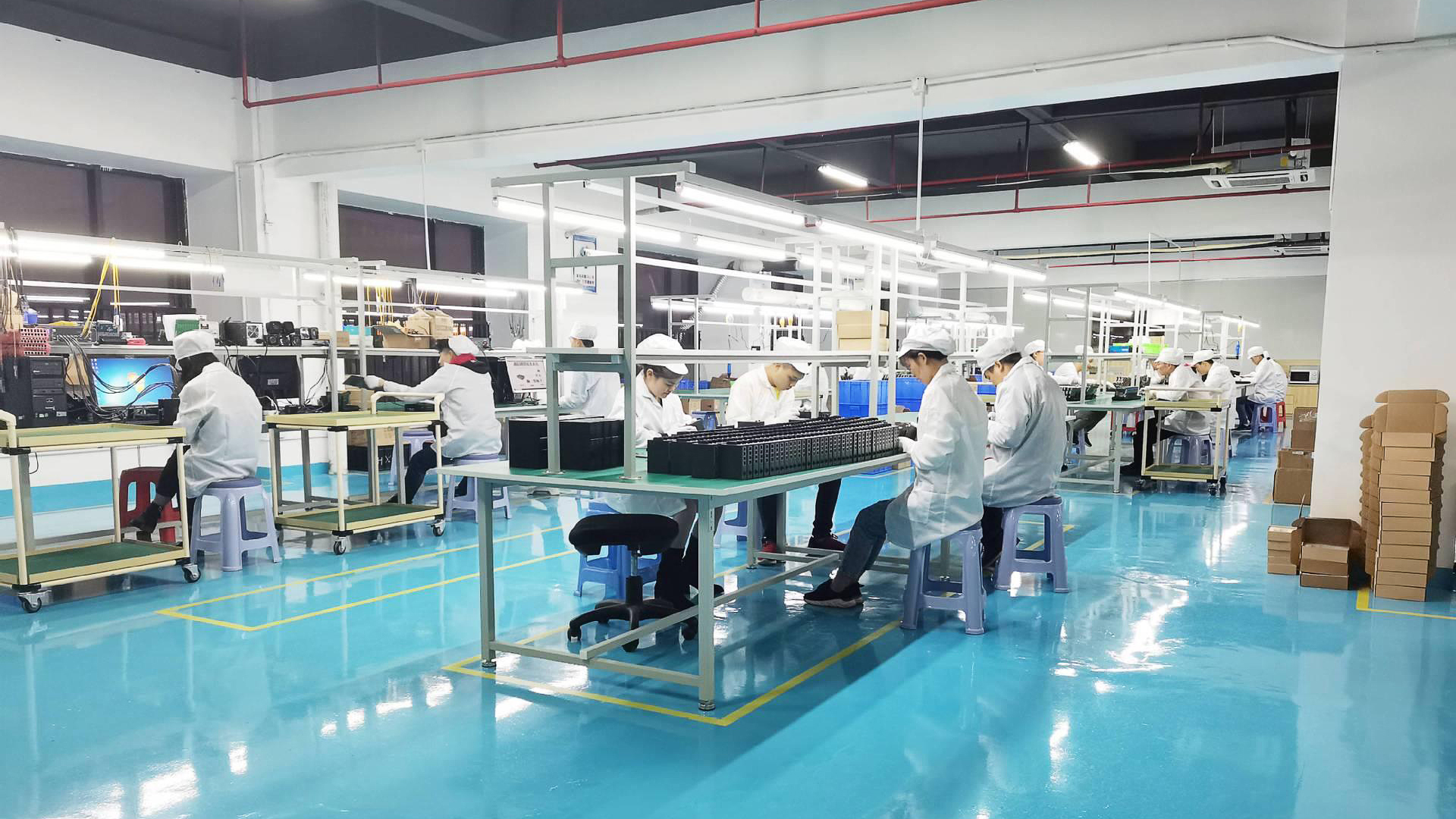
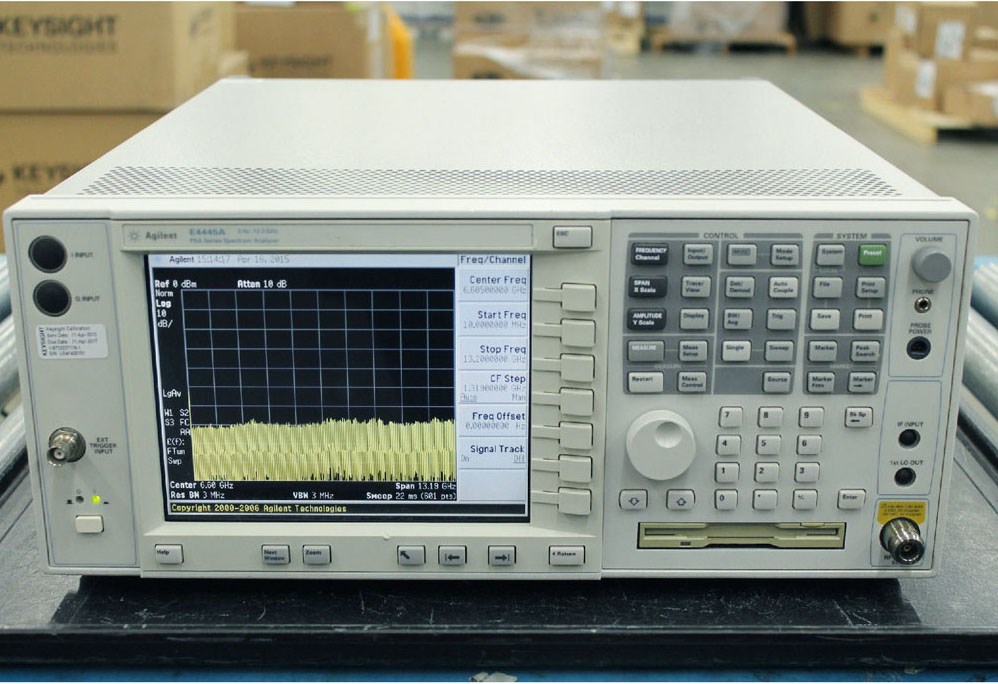
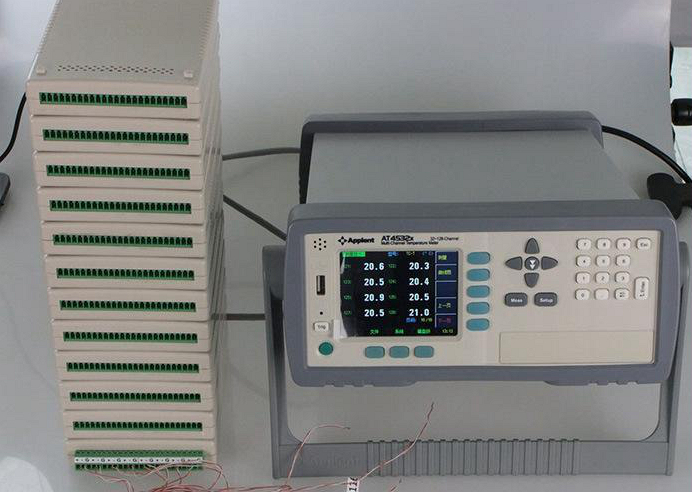
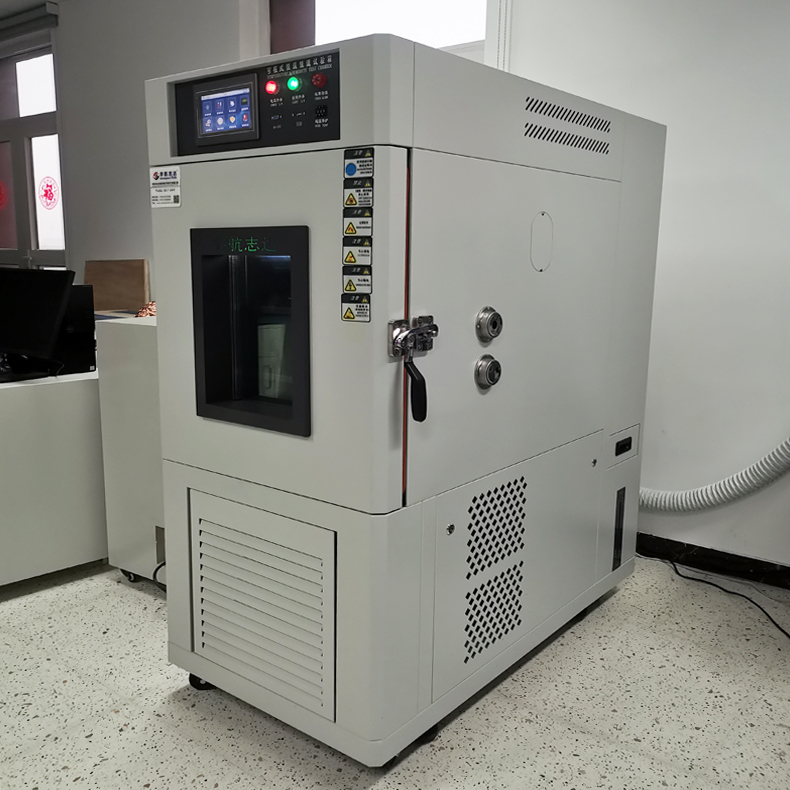
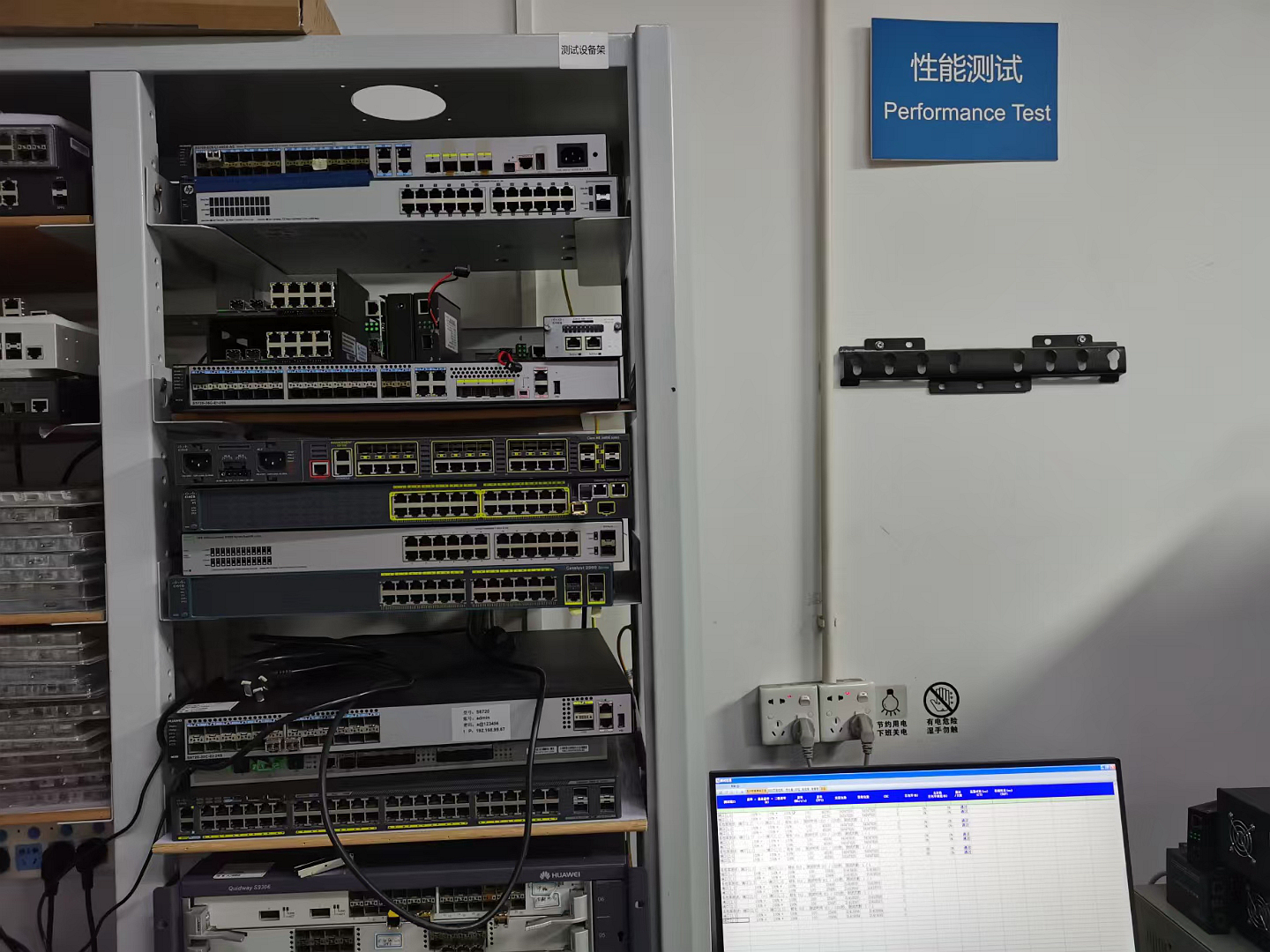
Our factory is equipped with state-of-the-art automated Surface Mount Technology (SMT) lines, assembly stations, and high-precision testing rooms. We subject each transceiver module to extensive simulated environments, high-low temperature tests, and high-frequency error checks to guarantee compatibility and performance in hot, humid tropical environments like those found across West Africa.

| Business Type | Manufacturer / OEM & ODM Provider | Country / Region | Guangdong, China |
| Main Products | FTTH ONU & OLT, 10G BiDi/DWDM SFP Modules, Fiber Media Converters, POE Switches | Total Employees | 11 - 50 People |
| Established Year | 2021 | Annual Revenue | US$5 Million - US$10 Million |
| Certificates Summary | ISO 9001, UL, CE, FCC, RoHS Certified | Main Markets Served | South America, North America, Europe, Africa (West African Hub) |
Navigating technical compliance, port logistics, and local engineering guidelines in Ghana.
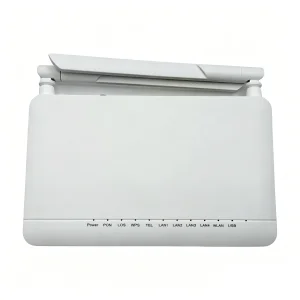
Deploying networking hardware in Ghana requires careful attention to compliance and regulatory standards. The National Communications Authority (NCA) requires type approvals for wireless and telecommunication terminal equipment. While optical transceivers are internal components, importing switch systems and ONUs (such as the ZTE F670L or GPON ONT models) must meet strict technical specifications. Working with an ISO-certified manufacturer guarantees that all imported optical hardware features CE and FCC markings, expediting custom clearance at the Tema Port or Kotoka International Airport (ACC) in Accra.
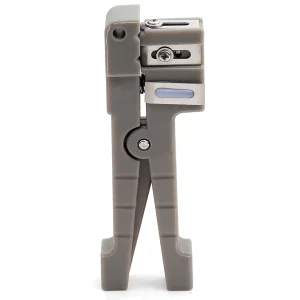
Furthermore, telecommunications operators in tropical West Africa must account for environmental stressors. Dust accumulation during the dry Harmattan season and the year-round high humidity levels of coastal regions like Accra and Takoradi can degrade optical connections. Shenzhen Soras Technology addresses this challenge by manufacturing optical modules with high-grade sealing components and gold-plated pins, minimizing corrosion and fiber connector degradation. We also advise our local partners to implement standard dust caps and clean-fiber habits using tools such as specialized optical strippers during physical installations.
A quick technical reference guide for network engineers migrating from standard dual-fiber to single-fiber infrastructure.
If you are managing a network upgrade, shifting your network rings to single-fiber WDM modules involves several key stages:
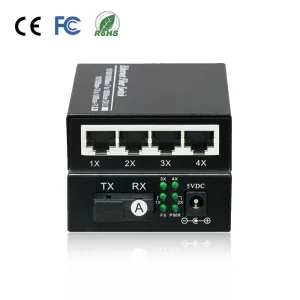
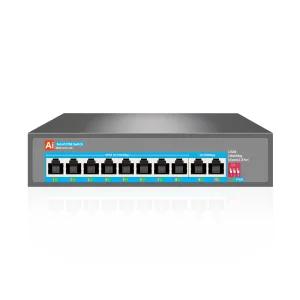
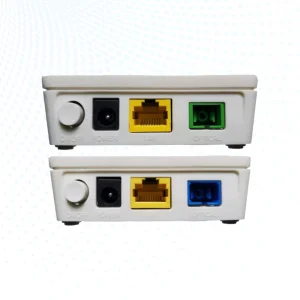
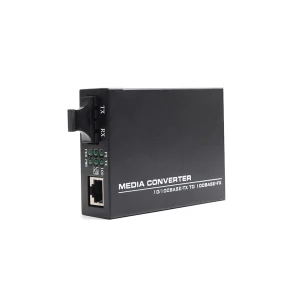
Complete line of GPON ONUs, Media Converters, switches, and long-range transceivers compatible with Ghanaian infrastructures.
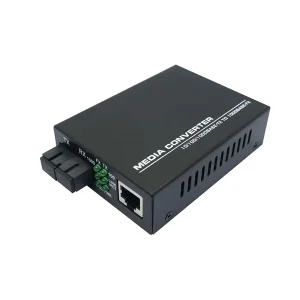
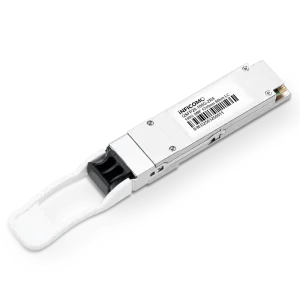
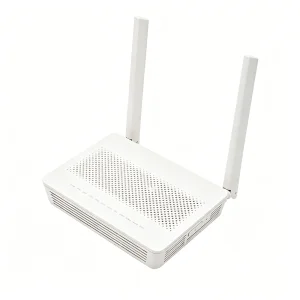
Expert responses regarding compatibility, custom coding, shipping, and deployments in the West African region.
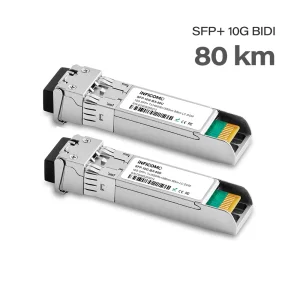
Standard SFP+ transceivers require two physical fiber strands to operate: one for transmitting data (TX) and one for receiving data (RX). In contrast, BiDi (Bidirectional) SFP+ transceivers utilize Wavelength Division Multiplexing (WDM) to transmit and receive signals over a single strand of fiber at different wavelengths (e.g., TX 1270nm and RX 1330nm). This saves 50% of your fiber infrastructure cabling requirements.
Yes. We write specific vendor compatibility code (EEPROM configuration) before shipping. When placing an order, simply provide the specific model names and brands of your host switches (such as Cisco Catalyst, Huawei CloudEngine, MikroTik Cloud Core, or Ubiquiti EdgeSwitch) to ensure plug-and-play compatibility.
We supply complete commercial documentation, packing lists, and HS Codes (85177090) along with international safety and compliance certificates (CE, FCC, RoHS) to expedite clearance. We work with major global freight forwarders offering sea shipping to Tema Port or air freight directly to Kotoka International Airport (ACC) in Accra.
We offer up to a 5-year warranty on selected 10G BiDi transceivers. Due to our rigorous manufacturing standards—including automated SMT lines and high-low temperature simulation chambers—our optical modules feature a Mean Time Between Failures (MTBF) exceeding 100,000 hours of continuous operations under specified parameters.
Absolutely. As a dedicated manufacturer, Shenzhen Soras Technology has an experienced R&D team that accepts both OEM and ODM orders. We can customize label configurations, casing prints, packaging design, and configure special wavelength setups for customized network designs.
 Soras Tech