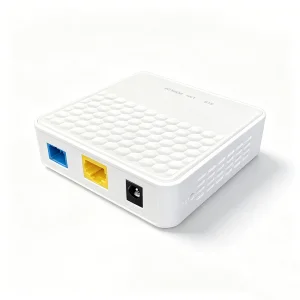
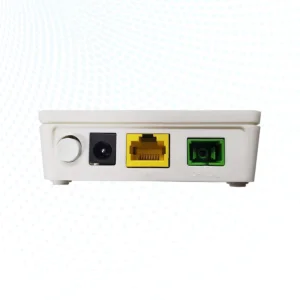
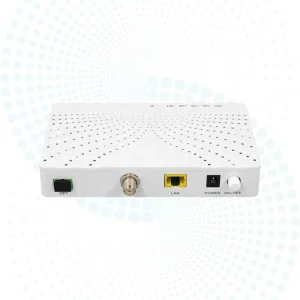
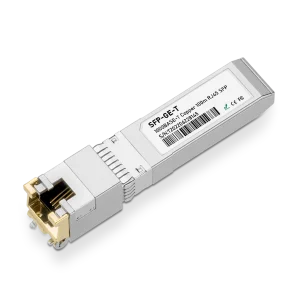
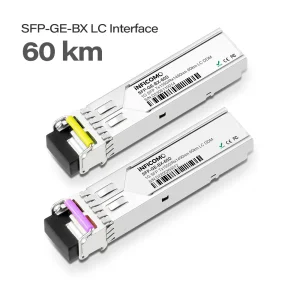
Enterprise-grade hardware selections optimizing layer-2 packet forwarding, engineered to eliminate latency and route-state overhead. Compatible with regional fiber architectures deployed by POST Luxembourg, Tango, and Orange.
Luxembourg represents one of the most mature fiber-optic markets in Europe. Driven by the ambitious national strategies set by the Institut Luxembourgeois de Régulation (ILR), fiber-to-the-home (FTTH) and fiber-to-the-premises (FTTP) coverage spans nearly the entire territory. Major tier-1 telecom operators, including the state-backed POST Luxembourg, along with market players like Proximus (Tango) and Orange Luxembourg, have established strict provisioning frameworks to ensure ultra-broadband service delivery.
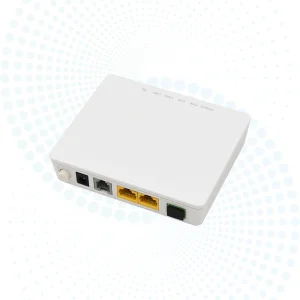
For industrial automation, banking centers in Kirchberg, and high-security enterprise installations across Esch-sur-Alzette (Belval), network engineers strictly demand **Bridge Mode (SFU - Single Family Unit)** optical terminals. By operating purely at Layer 2 (L2), these units bypass IP routing, Network Address Translation (NAT), and internal SPI firewall overhead. This grants downstream high-throughput enterprise gateways (such as Cisco, Fortinet, or Juniper firewalls) native WAN IP addresses directly from the ISP’s optical line terminal (OLT).
By isolating the fiber-to-ethernet conversion from routing processes, SFU Bridge ONUs eliminate double NAT issues, lower jitter to sub-millisecond levels, and support advanced 802.1Q VLAN trunking required for multi-VRF network environments in financial institutes.
Luxembourg's networks run on structured open-access principles. This means physical infrastructure operators (often POST Luxembourg) lease active fiber lines to alternative virtual network operators (VNOs). This environment requires hardware that is completely vendor-agnostic.
Modern GPON/XPON SFU ONUs serve as the vital optical boundary. The physical layout emphasizes heat dissipation, surge protection, and low-latency packet forwarding through high-density chipsets.
As Luxembourg moves to upgrade its residential and commercial broadband networks to 10-Gigabit symmetrical levels (10G-PON), the physical design of Bridge ONUs must adapt. Standard 1GE ports are transitioning to 2.5GE and 10GE copper ports to handle high-bandwidth pipelines. The underlying silicon (Realtek, Broadcom, or MediaTek) utilizes hardware-based wire-speed forwarding engine pipelines, rendering packet loss to zero even under 100% capacity utilization.
Additionally, OMCI (ONT Management and Control Interface) protocol compatibility ensures that remote firmware upgrades, diagnostic checks, loopback tests, and optoelectronic measurement reads (such as RX/TX optical power) can be executed by NOC engineers without site visits.
| GPON/XPON SFU Technical Reference Specs | |
|---|---|
| Optical Interface | Class B+ / Class C+ GPON port (SC/APC or SC/UPC connector) |
| Operating Wavelengths | Tx 1310nm, Rx 1490nm (optional CATV Rx at 1550nm) |
| Throughput Limits | Downstream: 2.488 Gbps | Upstream: 1.244 Gbps (Wire-speed Layer 2) |
| Management Features | OMCI (ITU-T G.988 compliant), TR-069, WebGUI, CLI |
| Power Consumption | Idle state: < 2.5W | Full load operation: < 4.5W |
| Network Standards | IEEE 802.3ah, ITU-T G.984, IEEE 802.1Q (VLAN), 802.1p (CoS) |
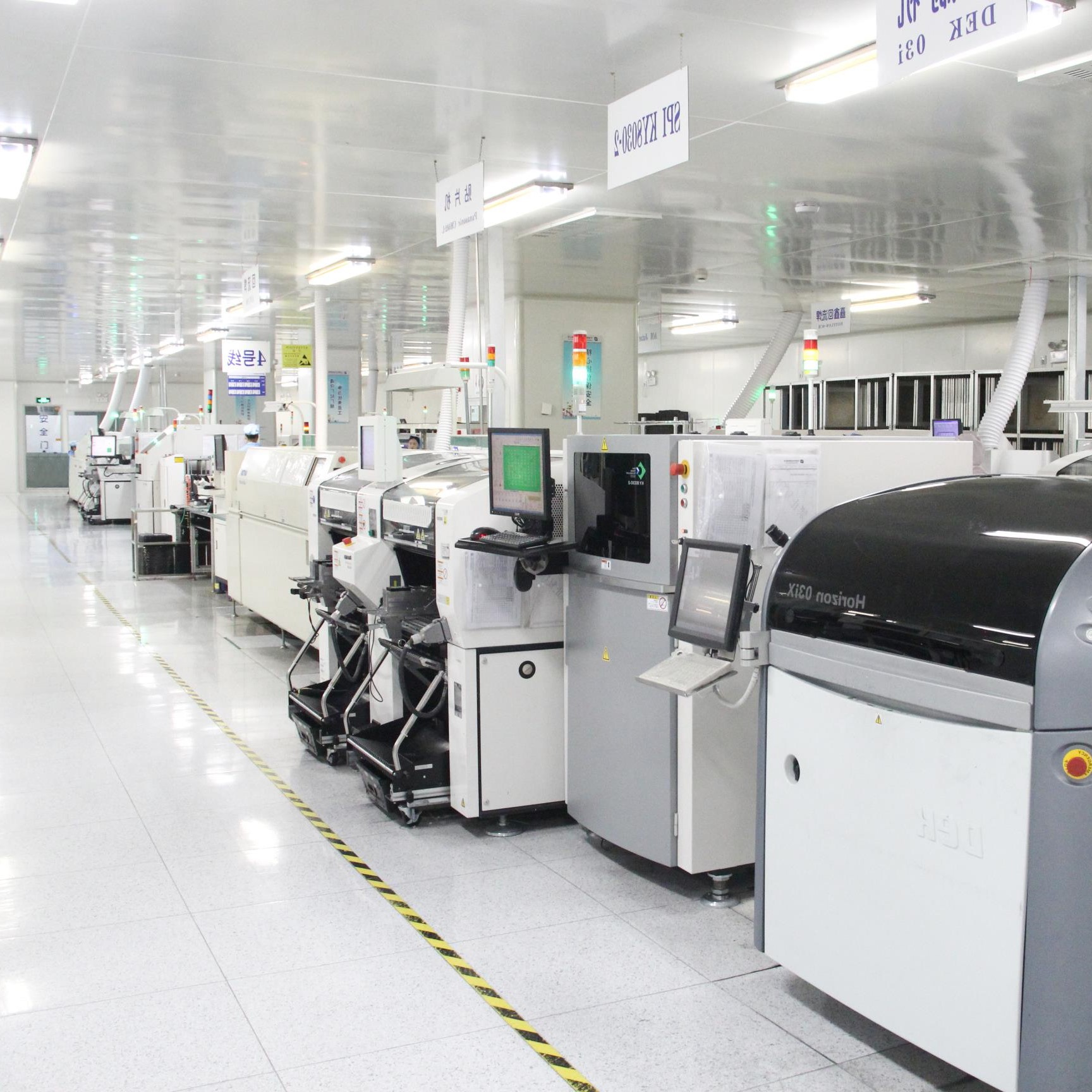
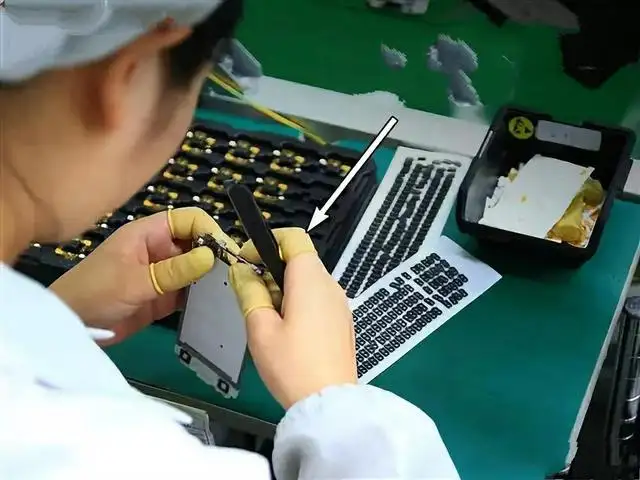
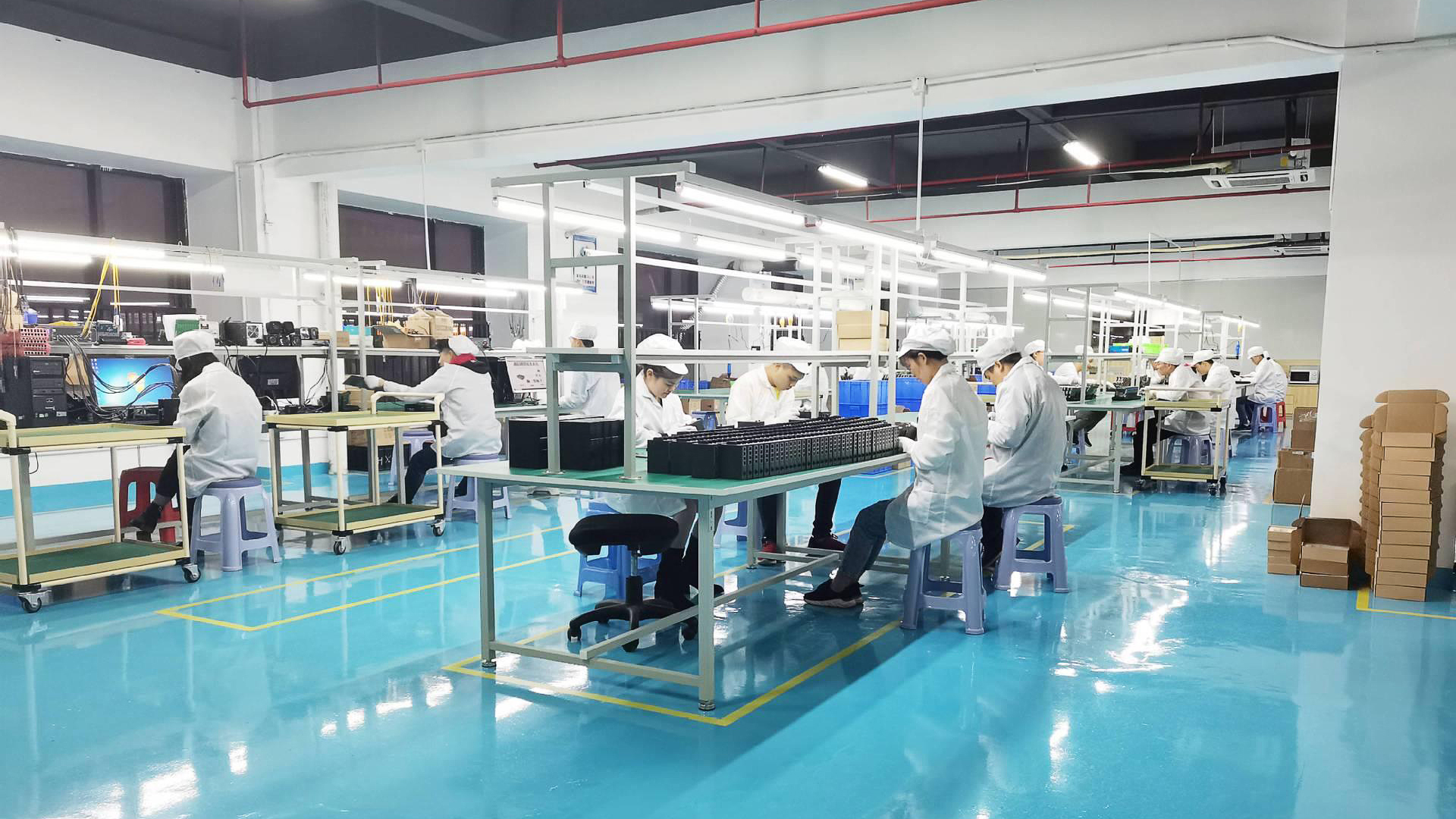
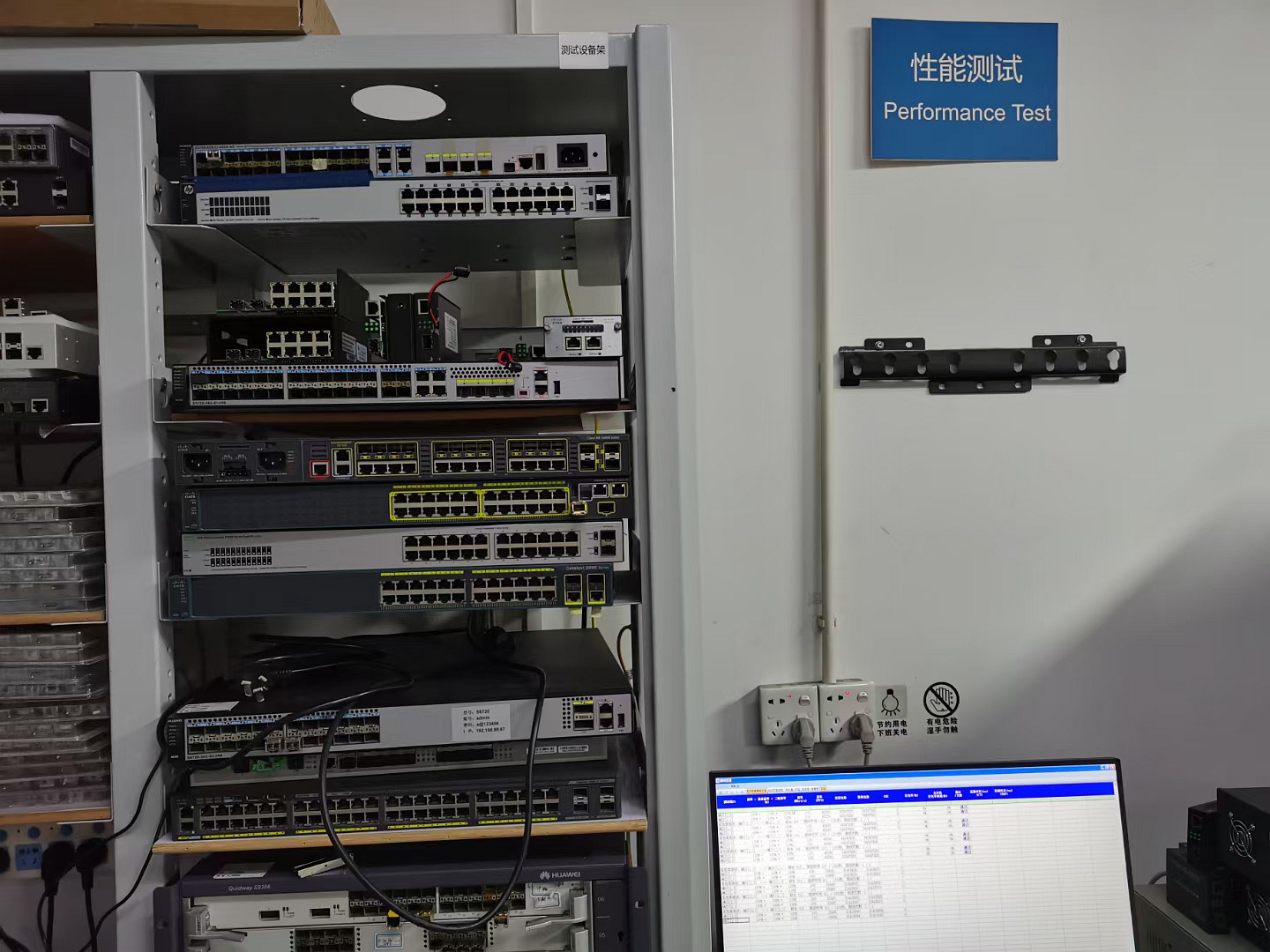
Soras Technology leverages advanced Chinese manufacturing infrastructure to deliver high-quality optical telecommunications equipment worldwide. Our ISO 9001 certified production floor integrates automated SMT placement, precision testing, and high-low temperature simulation chambers.
Established in 2021 in Guangdong, China, Shenzhen Soras Technology Co., Ltd. (brand name: Soraslink) has scaled quickly, shipping optical transmission equipment, POE switches, and SFP transceivers to over 60 countries across South America, North America, and Europe. Operating with a core workforce of 11 to 50 dedicated engineers and assembly specialists, Soras generates US$5 Million to US$10 Million in annual revenue.
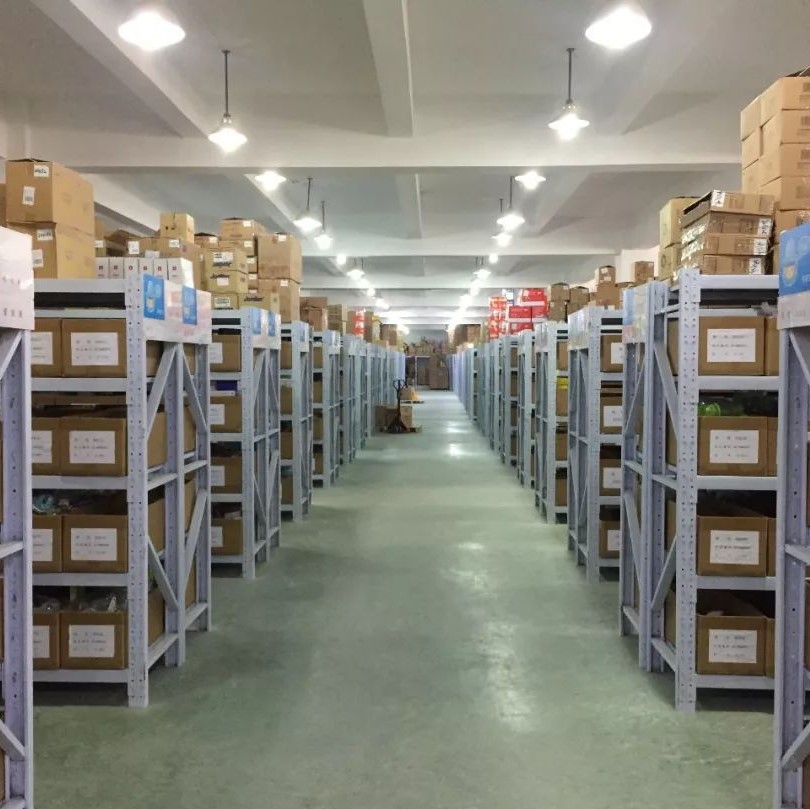
Our operations focus on engineering consistency. Every batch of ONU/ONT hardware undergoes strict environmental and functional validation to earn regulatory clearances for the EU market, including CE, FCC, RoHS, and UL approvals. By owning the full production cycle from surface mount technologies (SMT) to packaging, we can offer customized OEM/ODM builds tailored for Luxembourg's specific ISP requirements.
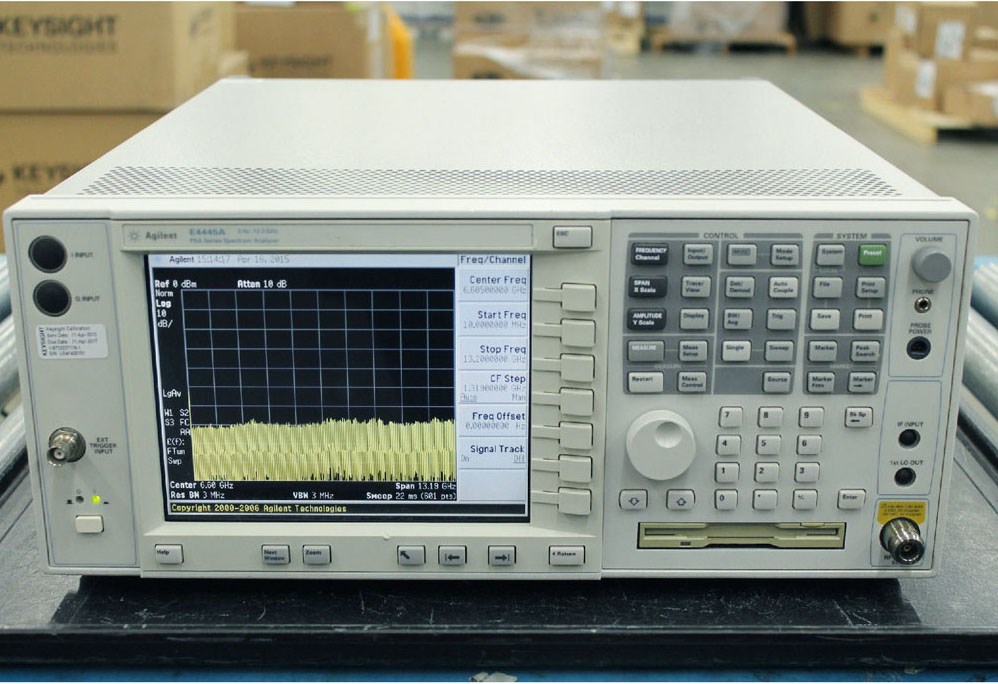
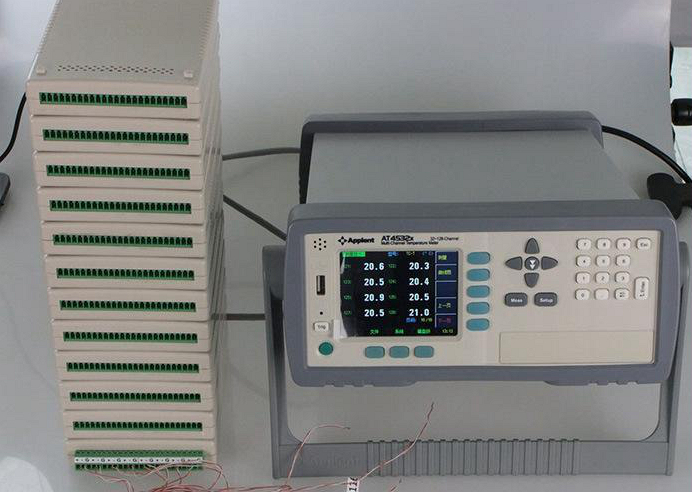
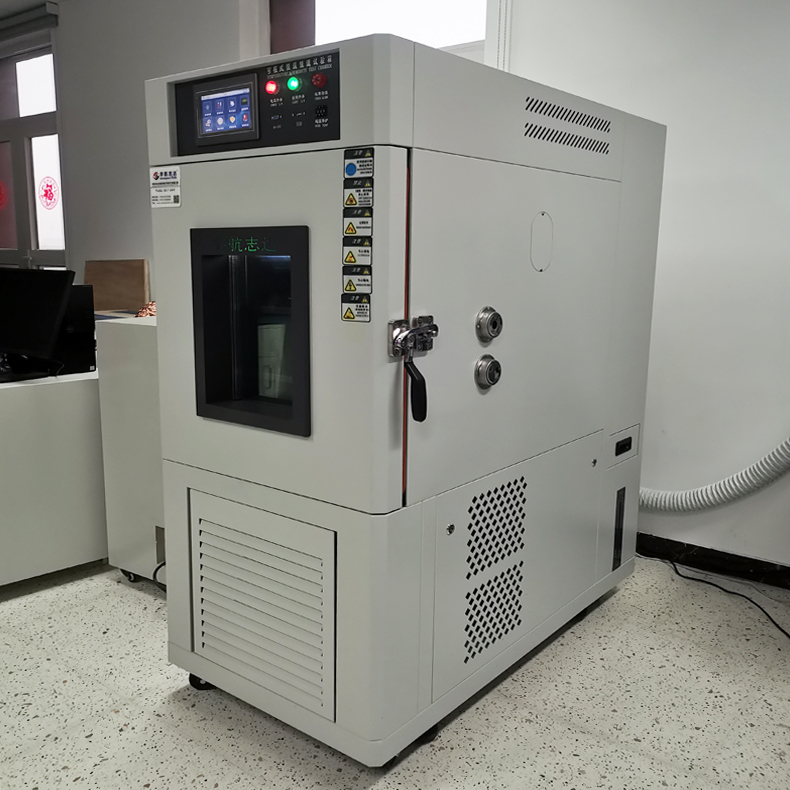
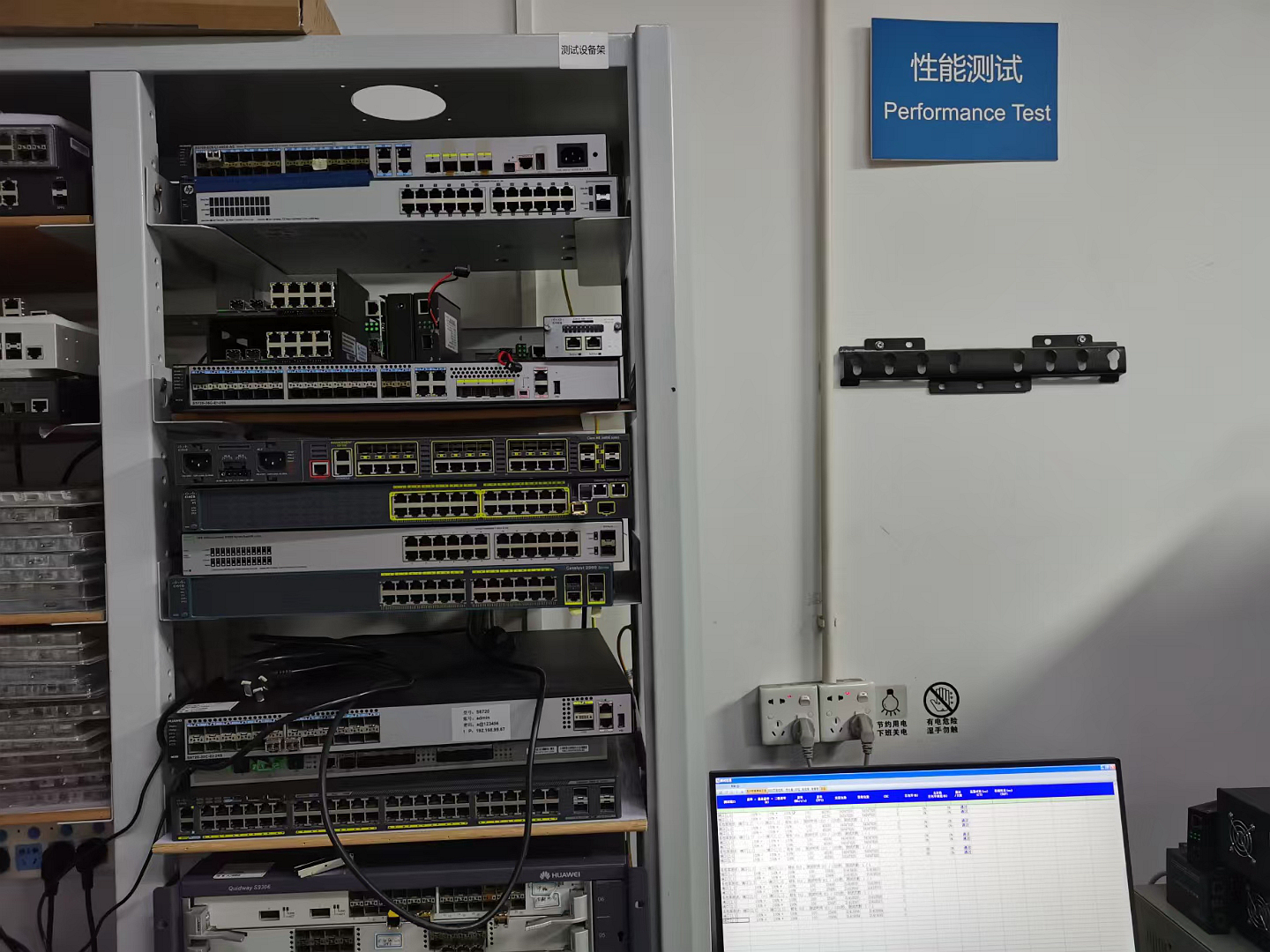
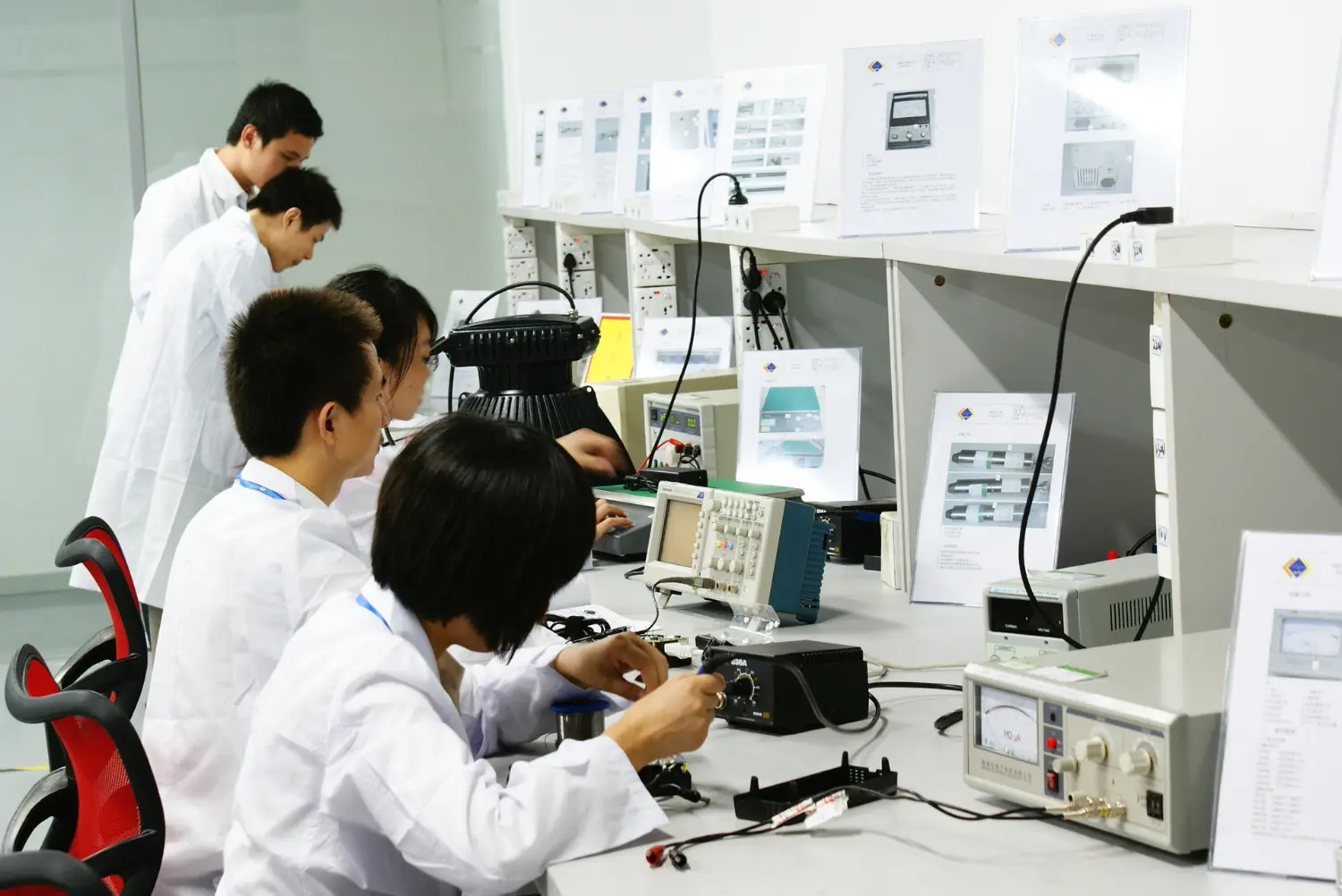
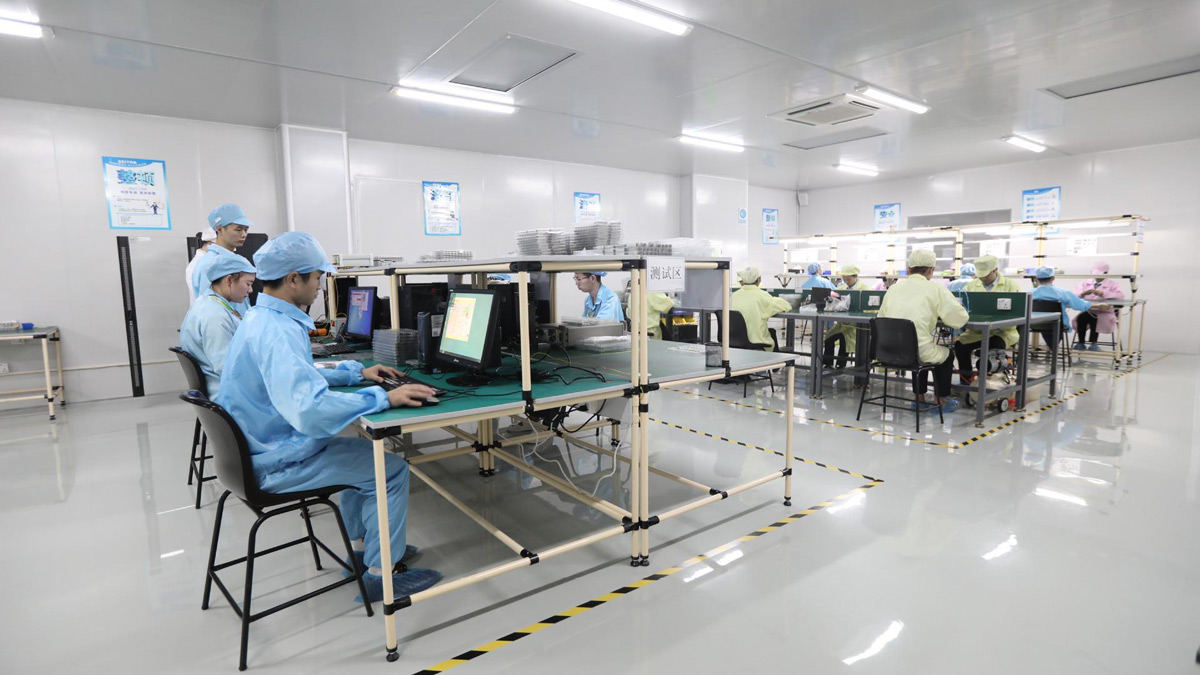
Importing networking equipment into the EU requires strict adherence to technical and environmental standards. We guarantee full alignment with Luxembourgish legal frameworks and custom-clearance procedures.
Every piece of optical equipment shipped to Luxembourg contains components compliant with European environmental initiatives. From lead-free solder pastes used in our SMT lines to compliant packaging, our products carry authentic CE and RoHS markings.
Our logistical connections run through primary freight terminals in Germany and Belgium, and direct air cargo into Luxembourg Findel Airport (LUX), ensuring dependable delivery times. We provide custom billing, HS-code documentation (Heading 8517), and certificate declarations to facilitate clearing at the customs terminals in Bettembourg.
For large-scale internet service providers (ISPs) in Europe, standard white-label products might not match specialized operations. We offer direct branding and firmware personalization services:
Soras Technology designs and fabricates a wide array of optical transport network solutions, PoE switches, SFP modules, and media converters. Browse our systems deployed across European infrastructure projects.
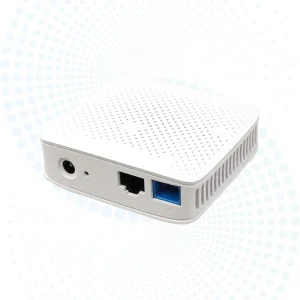
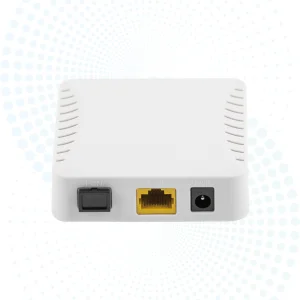
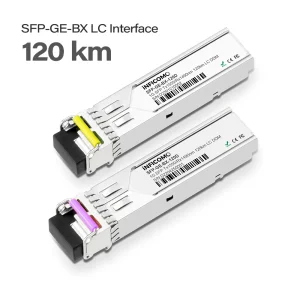
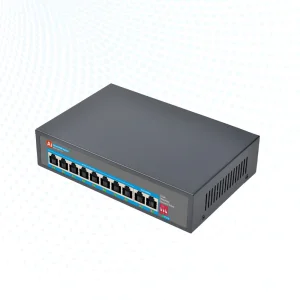
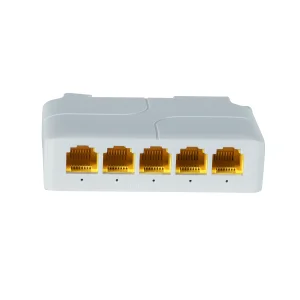
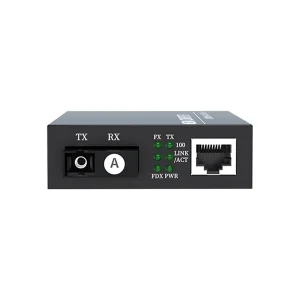
Find answers to technical questions about deploying SFU ONUs within the Grand Duchy's telecommunication networks.
Get in touch with our export sales team for detailed datasheets, interoperability test reports, and volume wholesale pricing for the European market.
 Soras Tech