Fiber Fusion Splicer Manufacturer & Exporters Serving the Germany Market

High-Precision Optical Core Alignment Splicers, Industrial Transceivers, and Fiber Network Infrastructure Solutions Configured for Germany’s Gigabit Network Expansion.

Featured Fiber Fusion Splicers for Germany FTTX Networks

These high-performance smart fiber welding instruments are tailored for German system integrators, offering rapid splicing, auto-focus motor configurations, and rugged durability for harsh outdoor municipal environments.
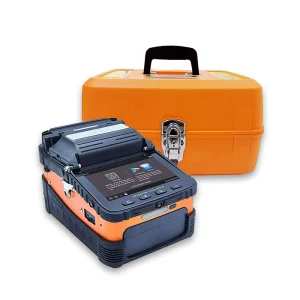
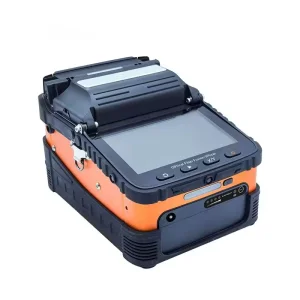
AI-6A Automatic Optical Fiber Fusion Splicer

AI-6A Intelligent FTTH Fiber Fusion Splicer for German Broadband Grid Splicing

View Specifications
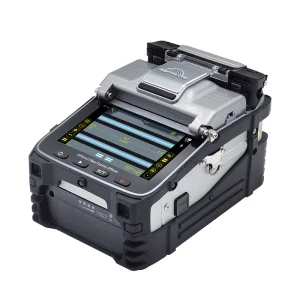
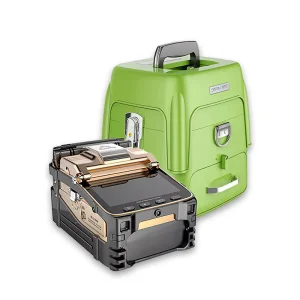
Signal Fire AI-8C Fiber Fusion Splicer

Signal Fire AI-8C High-Precision Core Alignment Fusion Splicer for Munich FTTX Deployment

View Specifications
AI-5 Fiber Fusion Splicer

AI-5 Optical Fiber Welding Machine with 7800mAh Battery for Remote German Field Works

View Specifications
AI-7C FTTH Fiber Fusion Splicer

AI-7C Auto-Focus FTTH Fusion Splicer with 18-Month Warranty for German Telecom Networks

View Specifications

Germany's Optical Fiber Landscape: The Gigabit Initiative 2030

Germany is currently executing one of the most ambitious digital transformations in Europe. Under the federal government’s Gigabitstrategie (Gigabit Strategy 2030), the nation aims to establish nationwide fiber-to-the-home (FTTH) and 5G networks by 2030. System integrators, local municipalities (Stadtwerke), and major telecom operators like Deutsche Telekom, Vodafone Germany, and Deutsche Glasfaser are facing massive challenges in deployment speed, network quality, and cost efficiency.

In the German installation ecosystem, field engineers demand tools that perform with absolute precision. High-standard specifications such as DIN standards, strict insertion loss thresholds (< 0.02dB for single-mode fibers), and robust return loss parameters (> 60dB) are mandatory to ensure that high-frequency data transmission remains uninterrupted. Whether deploying networks in dense metropolitan centers like Berlin and Frankfurt or extending rural backhaul connections across Bavaria, the demand for durable and precise optical alignment machinery is at an all-time high.

10+ Years
R&D Experience
60+ Countries
Export Network
< 0.02dB
Average Splicing Loss
100% QA
Testing Compliance

Furthermore, German municipal utility companies (Stadtwerke) require equipment capable of operating in variable climate conditions—ranging from winter frost during road works to summer heatwaves. Splicers must feature long-lasting batteries (such as 7800mAh lithium cells) and rapid heating chambers to speed up deployment schedules and reduce labor hours on-site, where technician costs are exceptionally high.

Global Optical Fiber Splicing & Infrastructure Trends

AI-Driven Alignment

Modern splicing units utilize integrated artificial intelligence to detect fiber types, assess cleave quality, optimize alignment angles, and calibrate arc discharge intensity dynamically.

High-Density Ribbon Splicing

As global hyper-scale data centers expand, there is a paradigm shift towards ultra-high core-count cables. Ribbon fusion splicers are becoming essential for managing large throughput.

Cloud-Connected Splicing

IoT and Bluetooth connectivity enable site managers to monitor splice records, export quality assurance certificates, and manage asset distribution remotely.

Globally, telecom operators are moving past traditional 4G LTE topologies into 5G Standalone (SA) and Edge computing. This transition requires optical links to support incredibly low latencies. Consequently, splice points must be practically invisible to light beams, minimizing insertion loss to avoid signal degradation. Splicers featuring advanced 6-motor core-to-core alignment, such as our AI series, have become the baseline standard for carrier-grade network builds.

Optical Core Distribution & Long-Haul Transceiver Equipment

High-performance long-range optical transceivers and multi-engine core splicers engineered to stabilize backhaul systems under heavy bandwidth usage.
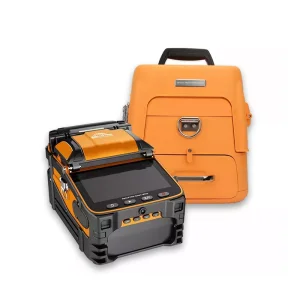
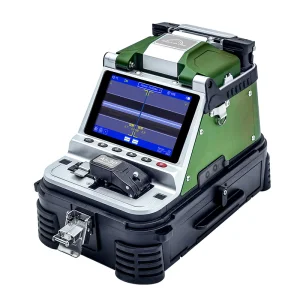
Six Motors AI-9 FTTH Optical Splicer

Six Motors AI-9 FTTH Optical Fiber Splicer with Smart Alignment for Germany Metro Fiber Links

View Specifications
AI-20 Automatic High-Speed Fiber Optic Fusion Splicer

AI-20 Automatic High-Speed Fiber Optic Fusion Splicer for German FTTB Installs

View Specifications
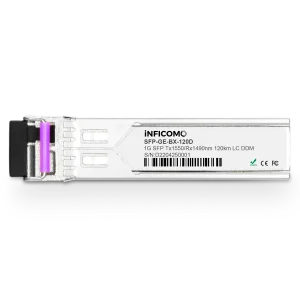
1.25G BIDI 120km LC/SC Optical Transceiver

1.25G BIDI 120km LC/SC Optical Transceiver for German Long-Haul Telecommunication Rings

View Specifications
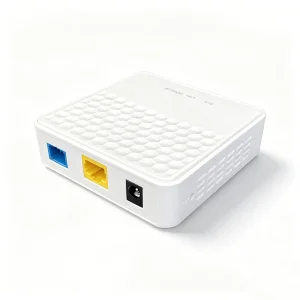
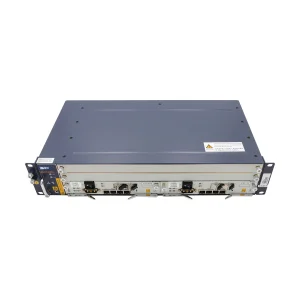
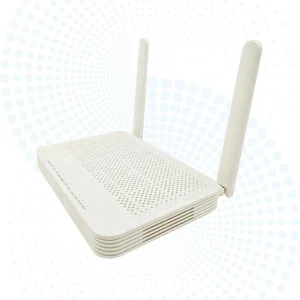
Dual Mode GPON EPON HGU ONU Terminal

Dual Mode GPON EPON HGU ONU Terminal for German Fiber Access Networks

View Specifications

Shenzhen Soras Technology: Integrating Global R&D with China's Advanced Factory Efficiency

As a major industrial exporter, Shenzhen Soras Technology Co., Ltd. leverages the strength of China's world-leading optical hardware cluster in Guangdong. This regional infrastructure allows us to optimize manufacturing cycles, sourcing raw semiconductor components, optical prisms, and high-performance motors in a highly integrated ecosystem.

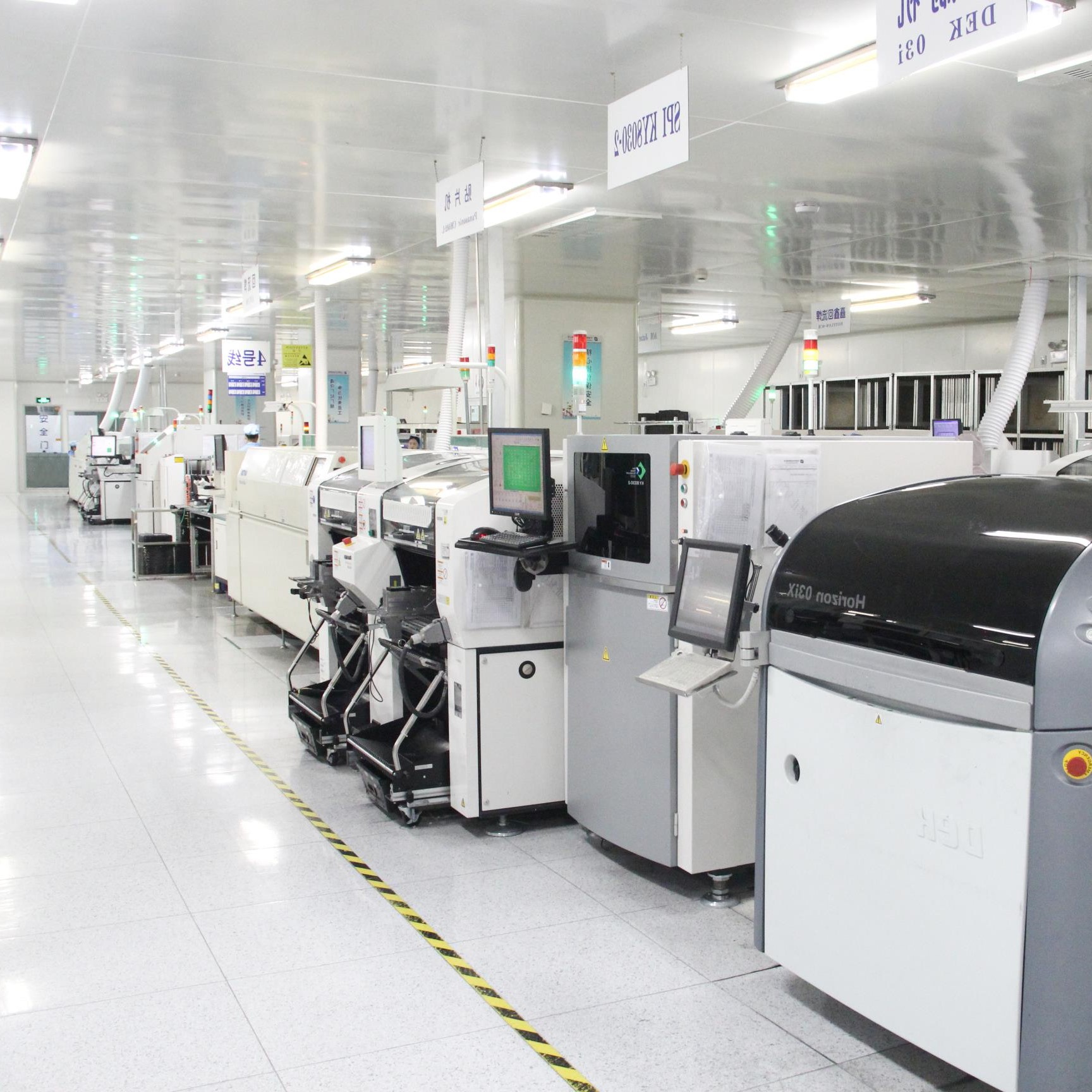
Our production line is characterized by strict quality verification protocols. Unlike standard consumer goods, network infrastructure gear must have an operational lifespan spanning decades. This is why every optical module, media converter, and fusion splicer we fabricate undergoes rigorous physical stress testing. From automated Surface Mount Technology (SMT) lines to multi-phase Quality Control (QC) protocols, our processes are designed to eliminate human error and secure reliable yield rates.

Shenzhen Soras Technology Co., Ltd. - Corporate Statistics
Business Type: Manufacturer / Exporter Country / Region: Guangdong, China
Main Products: FTTH ONU & OLT, SFP Modules, Fiber Media Converters, PoE Switches, Fusion Splicing Equipment Total Employees: 11 - 50 People
Total Annual Revenue: US$5 Million - US$10 Million Year Established: 2021
Main Export Markets: Europe, North America, South America, Eastern Asia Quality Certifications: ISO 9001, UL, CE, FCC, RoHS Compliant

Our Production & Testing Facility Showcase

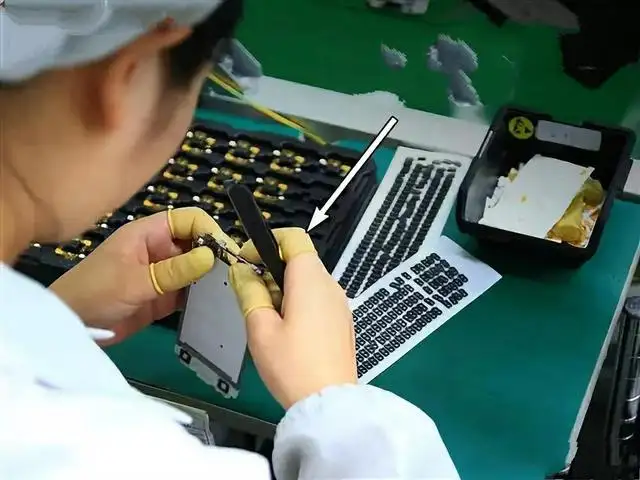
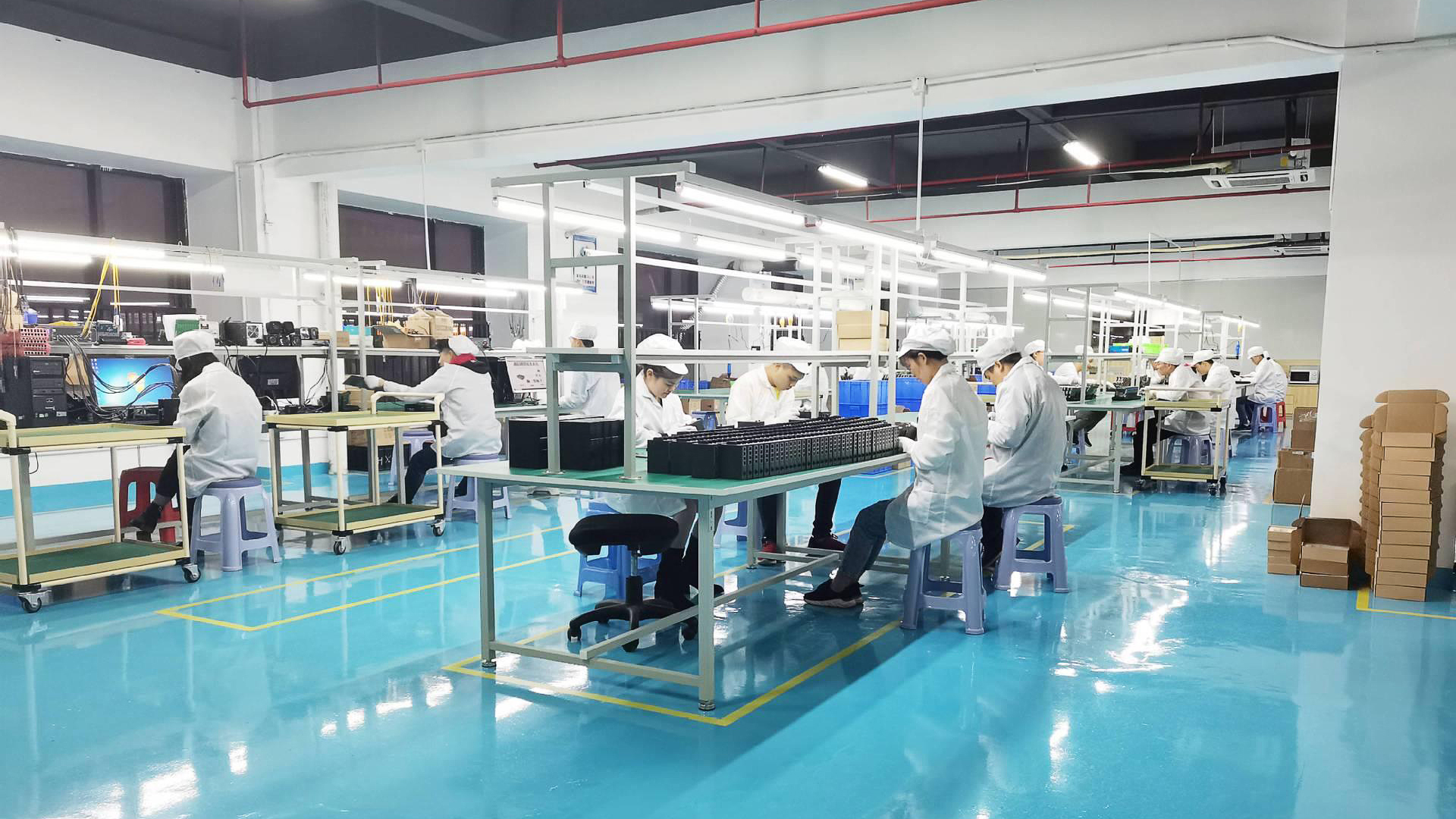
Below are official captures from our state-of-the-art production floors. We enforce high-grade dust-free environments for splicing assembly and fiber calibration to ensure zero dust interference inside optical chambers.
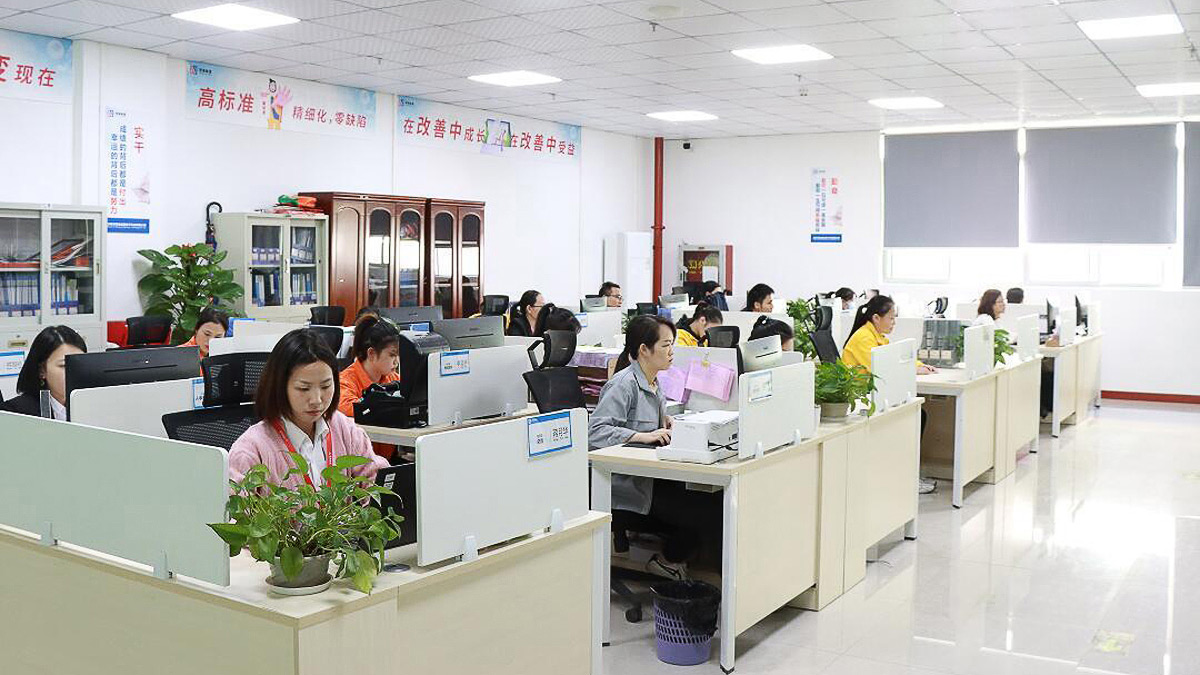
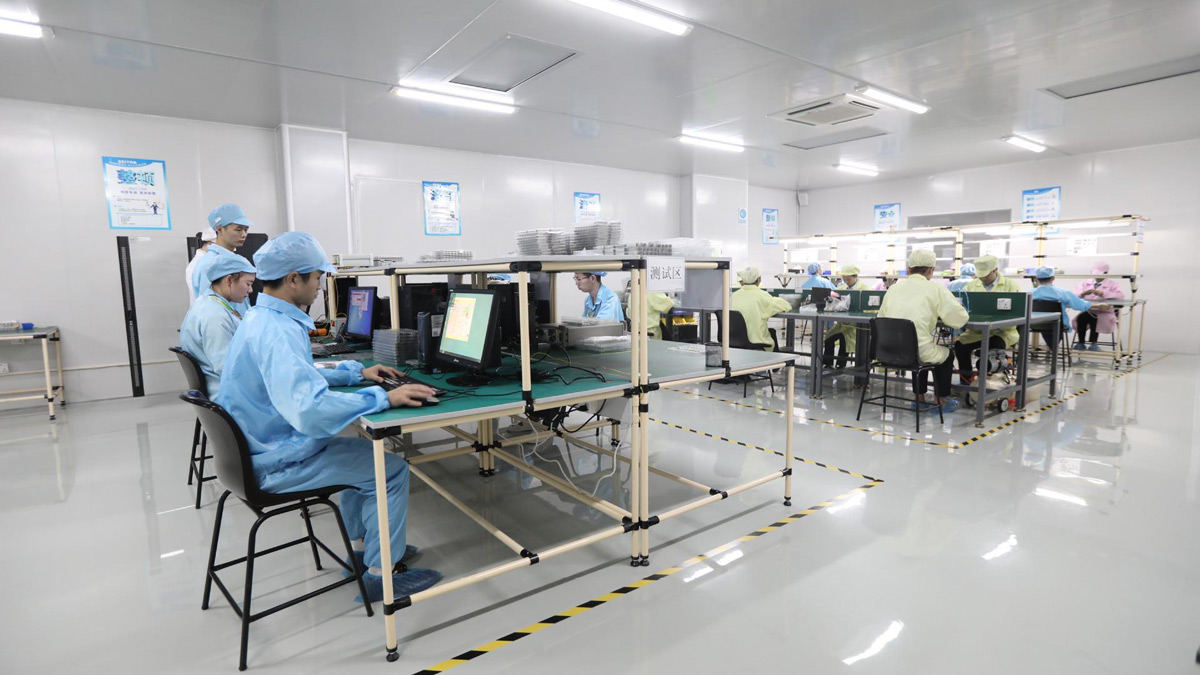
Soras Factory Main Area
Soras Tech Main Facility
Showroom and Production Facility
Sourcing Center
SMT Line Main
SMT Line Layout
SMT Line Detail
SMT Assembly
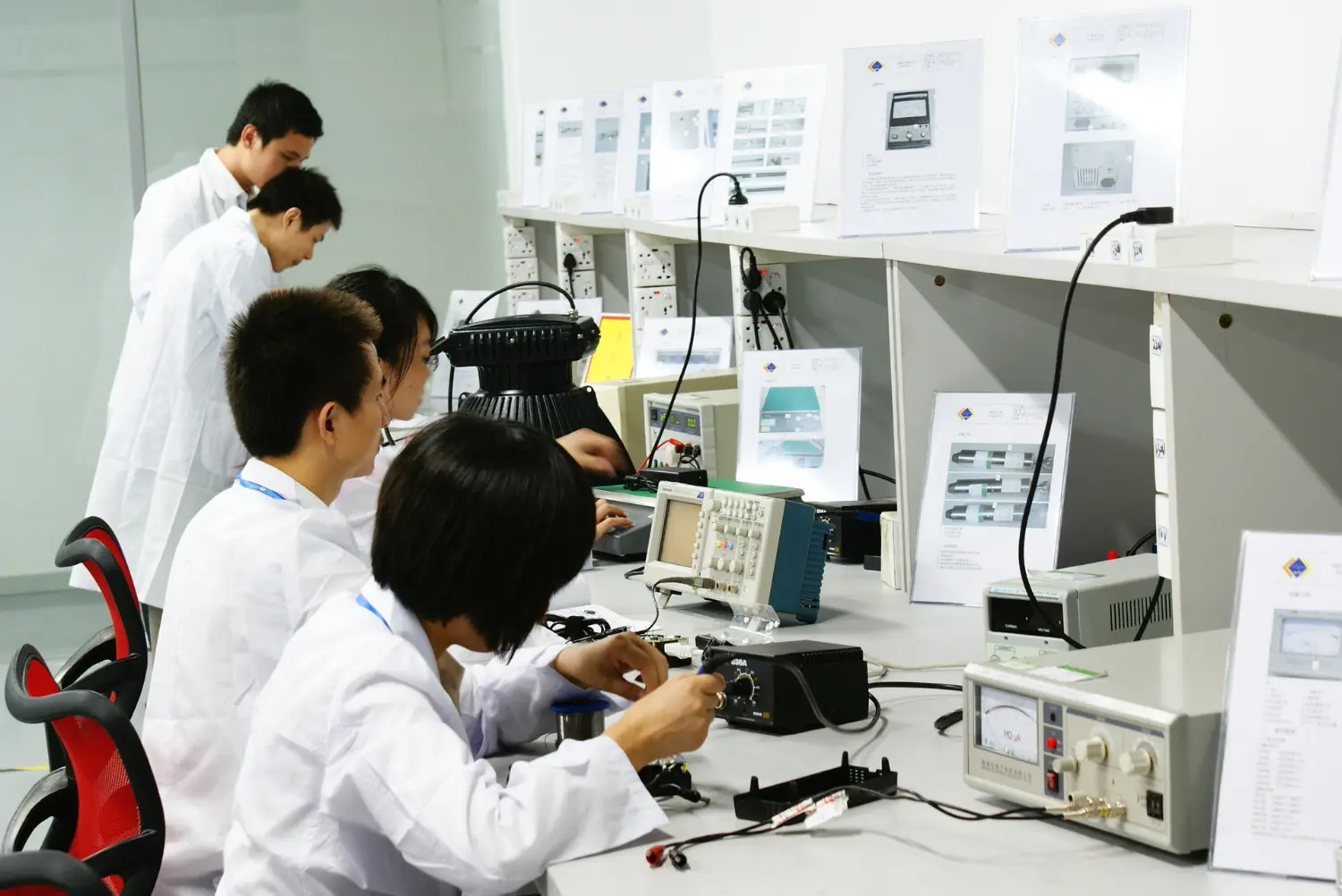
QC Line
QC Testing Bench
Assembly Line
Manual Assembly Line
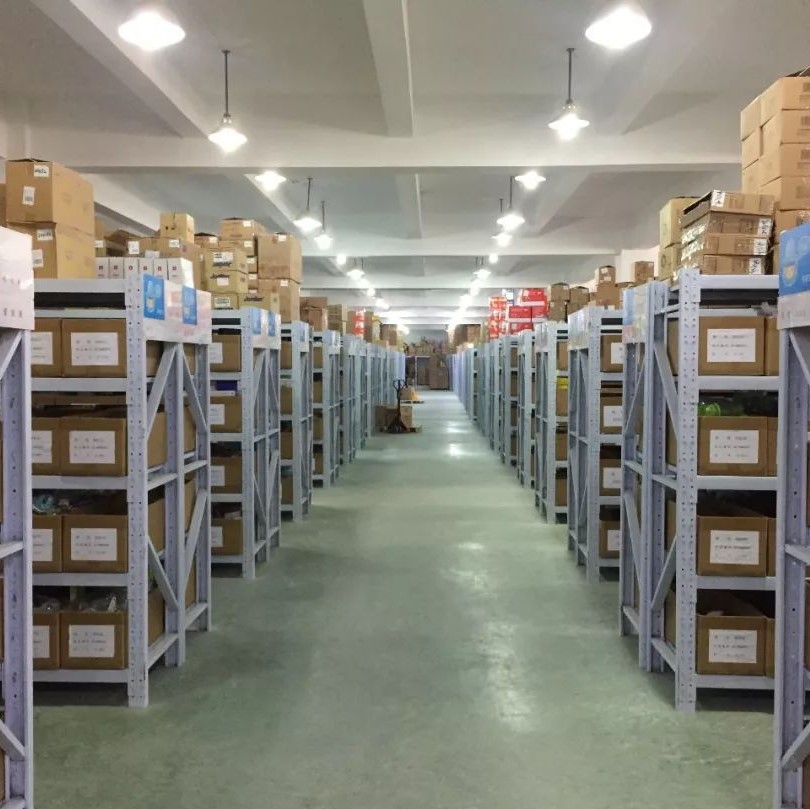
Warehouse
Inventory & Logistics
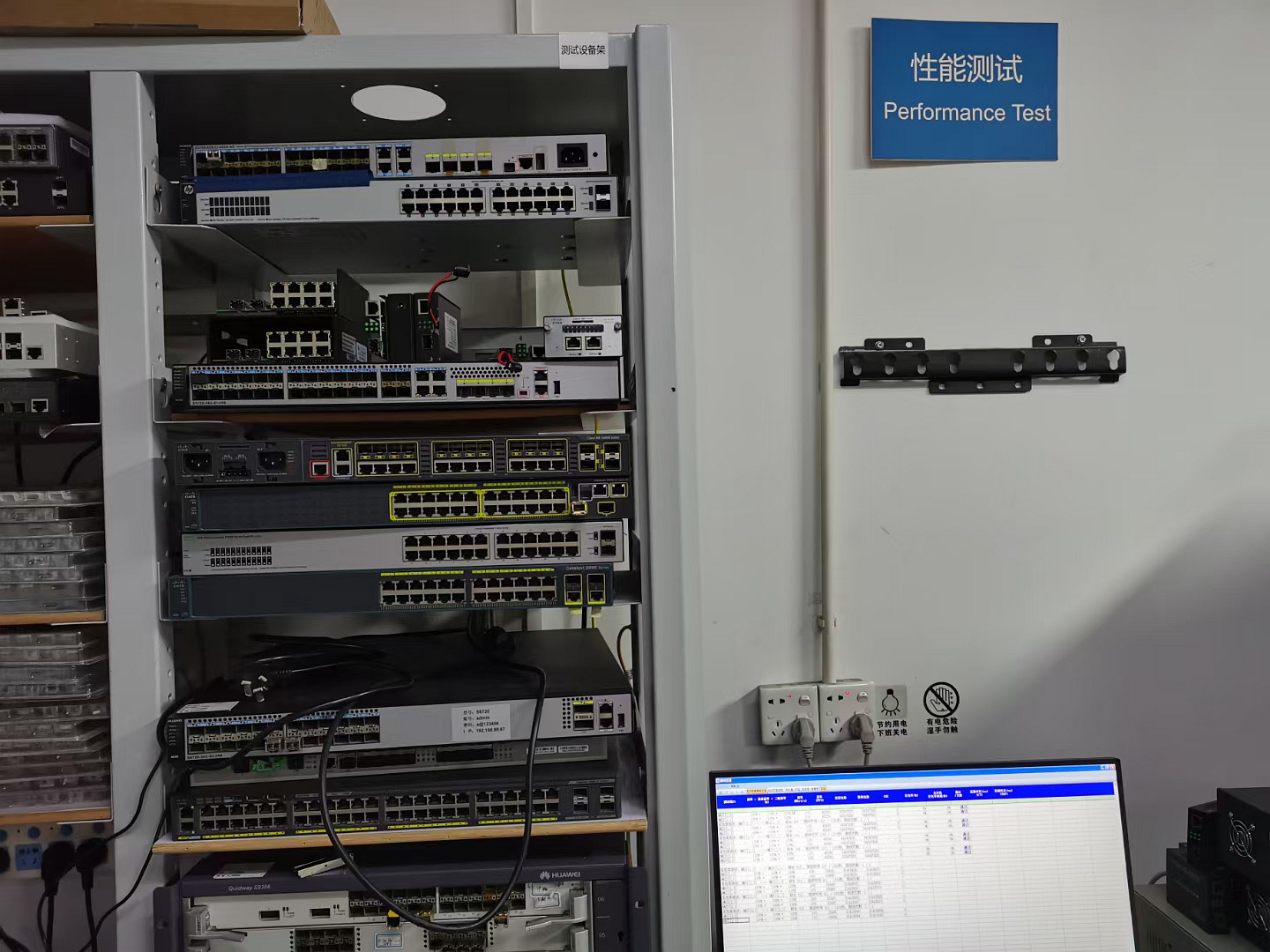
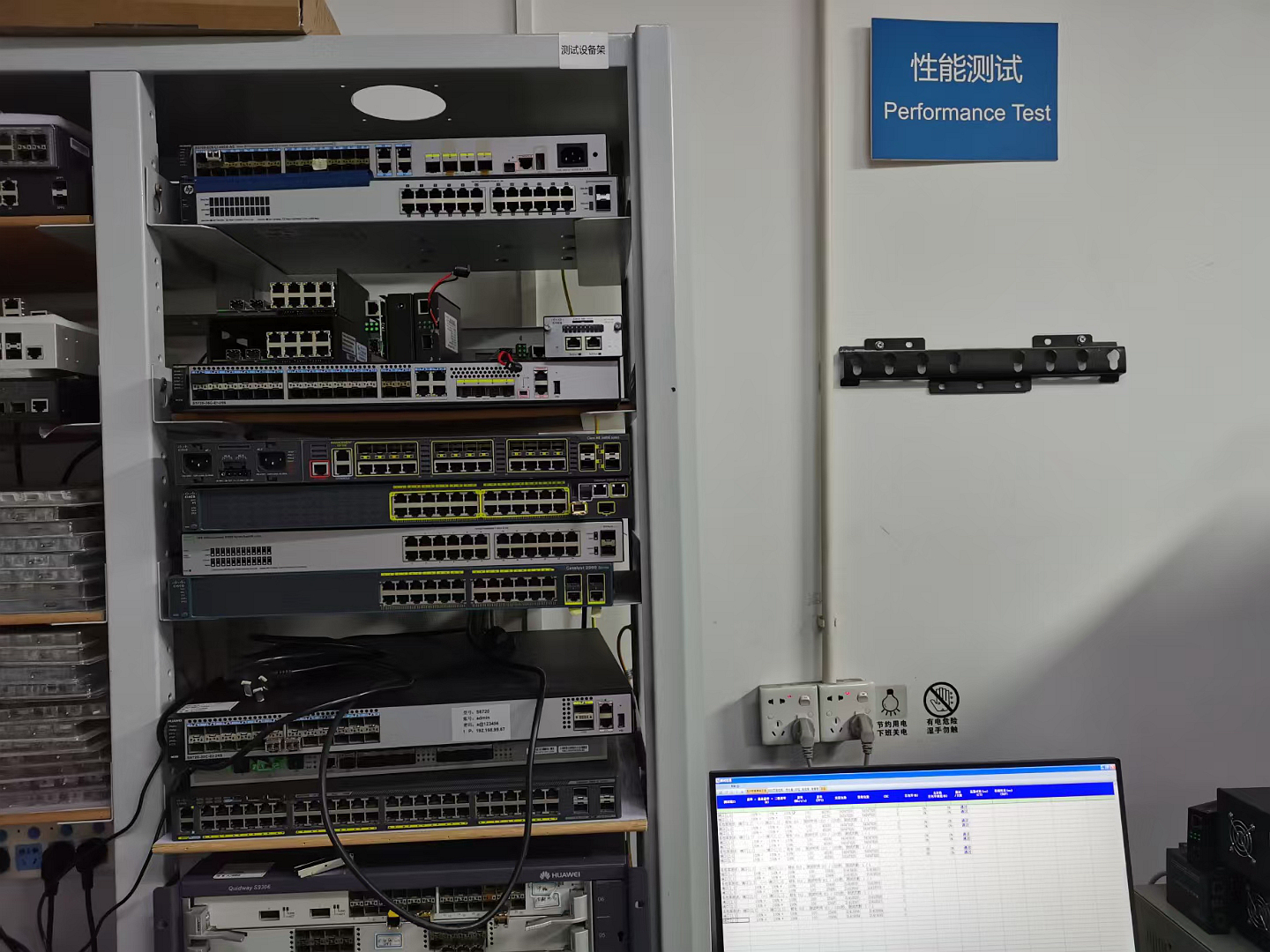
Simulation Test
Network Simulation Test
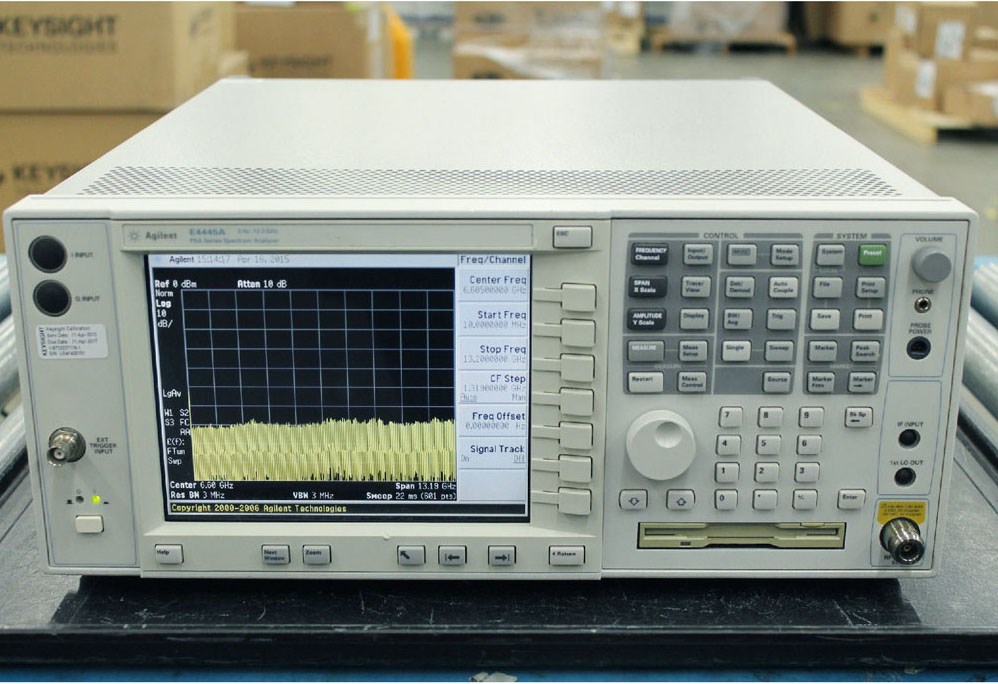
Error Test
Optical Error Diagnostics
Wifi Calibration
WiFi Router Calibration
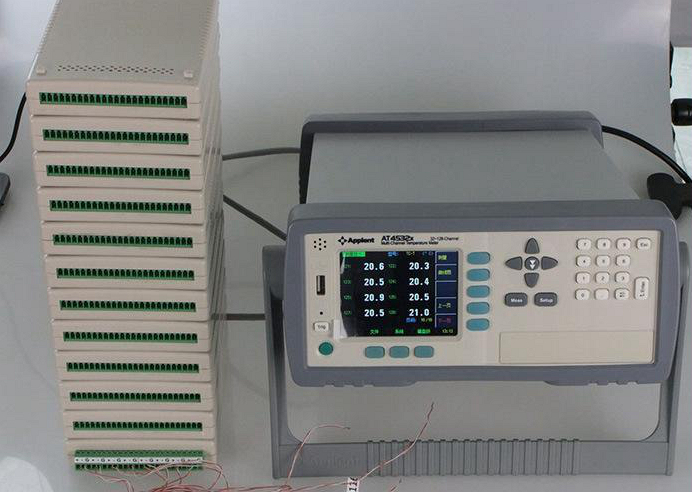
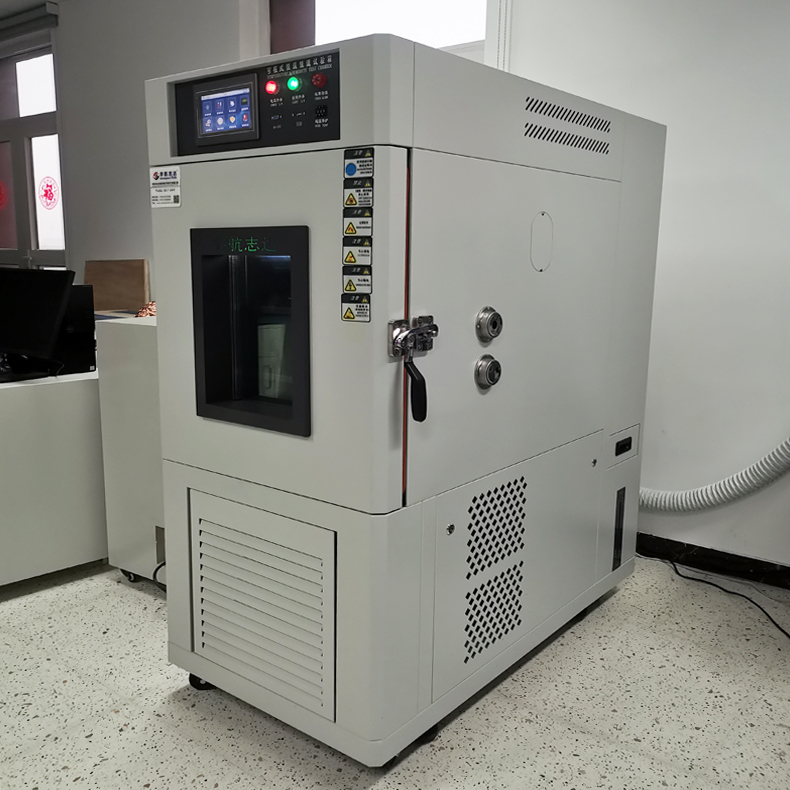
High-Low Temperature Testing
H-L Temperature Test
Simulation Test 2
Signal Latency Test
Functional Test
Functional Verification

Localized Application Scenarios Across German Industries

Optical fiber equipment is not universal; varied deployment environments present distinct structural challenges. In Germany, we target three main operational areas:

1. Municipal FTTX & City Carriers

Whether it is urban trenching or aerial deployment, splicing operators require robust dust protection and long-range battery backup. The 7800mAh configuration inside the AI series is built specifically to operate throughout cold winter field conditions in Eastern and Northern Germany.

2. Industry 4.0 Smart Manufacturing

Industrial operations in regions like Baden-Württemberg require high-stability media converters and copper-to-fiber modules (RJ45 SFP). These devices ensure that electromagnetic interference from heavy factory equipment does not disrupt automation signaling.

3. High-Density Data Center Clusters

Frankfurt hosts one of the world's largest internet exchange points (DE-CIX). To maintain low latency, data centers require ultra-reliable 1.25G and 10G optical SFP modules that comply with strict power limits and low thermal footprint standards.

Strategic Procurement Guidelines for Optical Hardware

B2B buyers, network architects, and system procurement officers must evaluate multiple structural variables when sourcing optical gear. Our production design addresses the following core considerations:

  • Total Cost of Ownership (TCO): Splicing machinery with extended warranty periods (e.g., 18 months) and low-cost consumable electrodes significantly reduce operational expense cycles.
  • Wavelength Adaptability: Active equipment must interface smoothly across full-spectrum optical bands (1260nm to 1650nm) to guarantee future-proof operation for dynamic WDM (Wavelength Division Multiplexing).
  • Regulatory Compliance: Standard compliance, including CE, RoHS, and FCC marks, is critical for seamless customs clearance and deployment approval within the European Union.

Optical Transceivers, HGU ONUs, and Media Converters Portfolio

These high-durability fiber transmission interfaces serve as the backbone for German domestic FTTH distribution boxes and enterprise local network extensions.
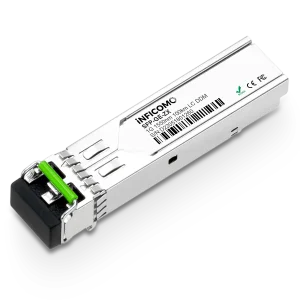
SFP Module 1.25G Dual Fiber SMF

SFP Module 1.25G LC 100km Optical Transceiver for Frankfurt Data Center Interconnects

View Specifications
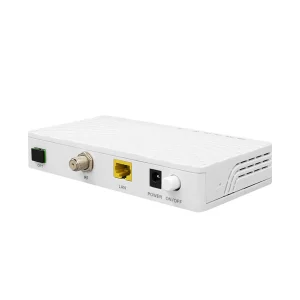
High Quality Fiber CATV ONT

XPON GPON EPON 1GE+CATV ONU Fiber ONT for German Multi-Play Internet Networks

View Specifications
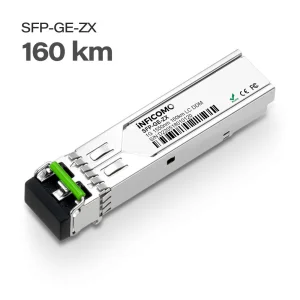
1000BASE-ZXC 1G SFP

1000BASE-ZXC 1G SFP 160km Transceiver for German Municipal Carrier Networks

View Specifications
ZXA10 C320 GPON OLT

ZXA10 C320 GPON OLT Optical Line Terminal for German Community Fiber Distribution

View Specifications
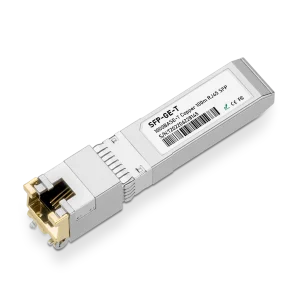
1000M SFP to RJ45 Copper Module

1000M Copper SFP RJ45 Transceiver for German Smart Factory Automation Lines

View Specifications
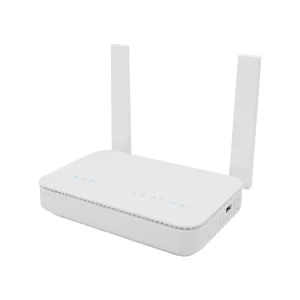
HG6821M Dual Band Wifi Router

HG6821M Dual-Band Gigabit ONT Router for High-Speed Home Networks in Germany

View Specifications
WIFI6 AX3000 GPON EPON ONU

WIFI6 AX3000 GPON EPON ONT Terminal for German Smart Home Integration

View Specifications
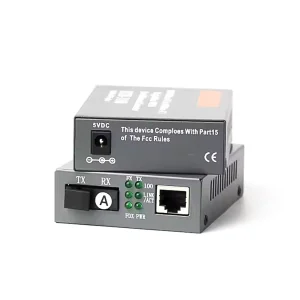
10/100M Single Fiber Media Converter

10/100M Single Fiber Media Converter Pair for German Security and Traffic Monitoring Networks

View Specifications

Frequently Asked Questions (FAQ)

Explore clear technical answers concerning import regulations, standardizations, calibration procedures, and deployment support in European markets.

What is the average splicing loss of Soras fusion splicers, and how does it meet German standards?
Our fusion splicers (such as the AI-6A, AI-8C, and AI-9) offer an average insertion loss of less than 0.02dB for single-mode (SM) fibers and 0.01dB for multi-mode (MM) fibers. This performance exceeds the standard specifications of Deutsche Telekom and other European networks, ensuring reliable transmission across metropolitan backbones.
Are the SFP modules and ONUs certified for use in Germany and the EU?
Yes, all Shenzhen Soras Technology equipment complies with the CE, FCC, and RoHS regulations required for import into the European Economic Area. This includes compliance with environmental standards to prevent hazardous materials in electronic hardware designs.
Do your optical splicers support multi-vendor infrastructure compatibility?
Yes, our fusion splicers work across standard single-mode (G.652 & G.657), multi-mode (G.651), dispersion-shifted (G.653), and non-zero dispersion-shifted (G.655) fibers. This versatility allows network operators to splice diverse fiber systems without compatibility bottlenecks.
What is the battery capacity and performance under sub-zero temperatures?
Our splicers are equipped with high-capacity 7800mAh lithium batteries, capable of running approximately 240 splice-and-heat cycles per charge. The integrated heating and calibration software adapts to temperatures down to -15°C, ensuring stability during outdoor winter installations in Germany.
How does Shenzhen Soras support OEM/ODM requests?
With our dedicated SMT line and assembly teams in Guangdong, we offer full design customization for firmware branding, external housing colors, and customized testing profiles to meet specific client requirements.