High-efficiency conversion modules and transceivers optimized for Russian telecommunication standards.
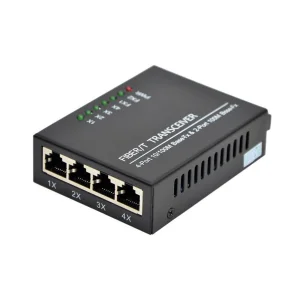
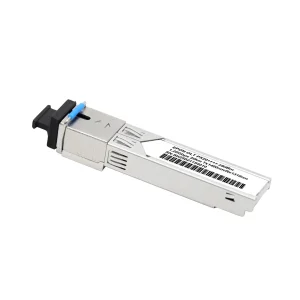
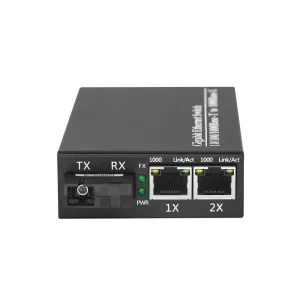
As the largest country in the world by landmass, Russia presents a unique set of challenges and opportunities for telecommunications and optical network deployments. The Russian Federation is undergoing a rapid digital transformation, driven by both public initiative mandates and private investments in industrial automation, smart city frameworks, and transportation grids. To establish reliable network backbones spanning thousands of kilometers, fiber optic technology is the absolute standard. However, the physical reality of connecting vast regions—ranging from the high-density metropolitan zones of Moscow and St. Petersburg to the extreme environments of Siberia and the Far East—demands hardware capable of exceptional durability.
Standard commercial network components often fail in high-latitude climates where winter temperatures drop below -40°C. In industrial sites, mining operations, and oil/gas pipelines in Russia, optical transceivers and media converters must feature extended operating temperature tolerances, enhanced electromagnetic compatibility (EMC), and robust physical enclosures to prevent condensation and structural failures.
Furthermore, the Russian regulatory framework (including compliance with local technical standards and Gost-R requirements) emphasizes security, durability, and integration capabilities. Importers, system integrators, and network operators across Russia require partners who can deliver OEM/ODM solutions tailored to these specialized parameters. Shenzhen Soras Technology Co., Ltd. fills this gap by producing high-reliability Fiber Media Converters, SFP transceivers, and ONUs designed to withstand extreme thermal fluctuations while maintaining lossless data transmission rates.
Modern global network architectures are transitioning from traditional copper-based systems to full fiber integration at rapid speeds. This transformation is fueled by the requirements of Big Data, high-definition IP video monitoring, IoT, and AI-enabled edge processing. Within this ecosystem, the Fiber Media Converter remains an indispensable bridge, linking legacy Ethernet copper systems to high-speed, long-distance fiber networks. Key trends dominating the global market include:
Data centers and telecommunication hubs are facing severe space constraints. Global manufacturers are moving toward micro-sized media converters and high-density chassis systems (e.g., 14-slot or 16-slot 2U rackmount chassis) that allow modular cards to be swapped on-the-fly without interrupting general system power. This facilitates rapid scaling and reduces maintenance overhead.
Unmanaged media converters offer cost-effective plug-and-play operation, but large-scale industrial systems require remote monitoring. Modern managed converters support protocols like SNMP, OAM (Operations, Administration, and Maintenance), and loopback testing. This allows network administrators in centralized offices to troubleshoot a link disruption thousands of miles away without dispatching field technicians.
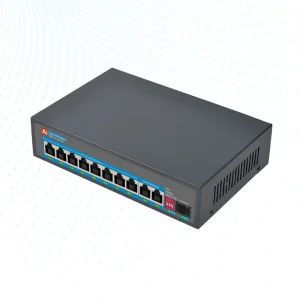
Power over Ethernet (PoE) technology integrated into media converters has revolutionized CCTV and IoT deployments. Delivering up to 30W (IEEE 802.3at) or 60W/90W (IEEE 802.3bt) over the copper Ethernet port while utilizing fiber for long-haul backhauling allows for seamless installations of PTZ cameras, wireless access points, and outdoor sensors in locations where local power supply is unavailable or complex to run.
Understanding the targeted application scenarios within Russia helps system integrators select the appropriate equipment. Soras Technology designs and configures its products to meet the precise requirements of these local use cases:
Heavy mining machines, mineral processing complexes, and automated distribution hubs require high-bandwidth communication lines unaffected by heavy electro-magnetic fields generated by high-power motors and generators. Fiber optic media converters are the ideal choice here. Since copper ethernet runs are limited to 100 meters, converting to fiber allows telemetry, process control data, and safety video feeds to travel up to 20km or even 80km from deep mining shafts back to regional control centers.
Russia’s extensive rail logistics network relies heavily on real-time signal monitoring, switch controls, and terminal video security. High-vibration environments alongside railroad tracks necessitate industrial switches and media converters with solid-state components, high MTBF (Mean Time Between Failures), and secure DIN-rail or wall mounting. Our dual-fiber and single-fiber converters ensure zero packet loss under continuous shock and vibration conditions.
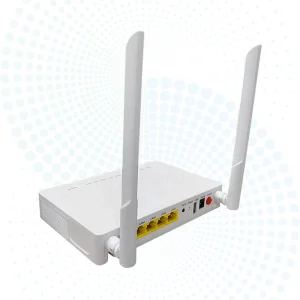
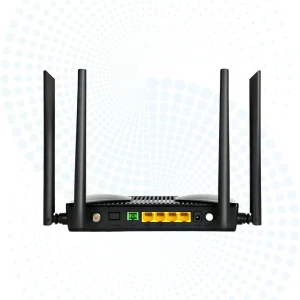
Internet service providers (ISPs) across Russian cities are continuously upgrading legacy DSL lines to GPON and EPON architectures. To support high-bandwidth applications like 4K streaming and local cloud connectivity, ONUs and SFP modules must work in harmony. The integration of high-performance ONUs (such as the HG8145V5 and F660 series) enables ISPs to deploy reliable triple-play services (voice, data, TV) directly into residential complexes, even in areas with extreme temperature variations.
At Shenzhen Soras Technology, we believe that reliable hardware is built on a foundation of strict engineering processes. Our R&D team continuously refines our hardware architectures to align with the global technological shift toward high-speed, green energy, and intelligent networking.
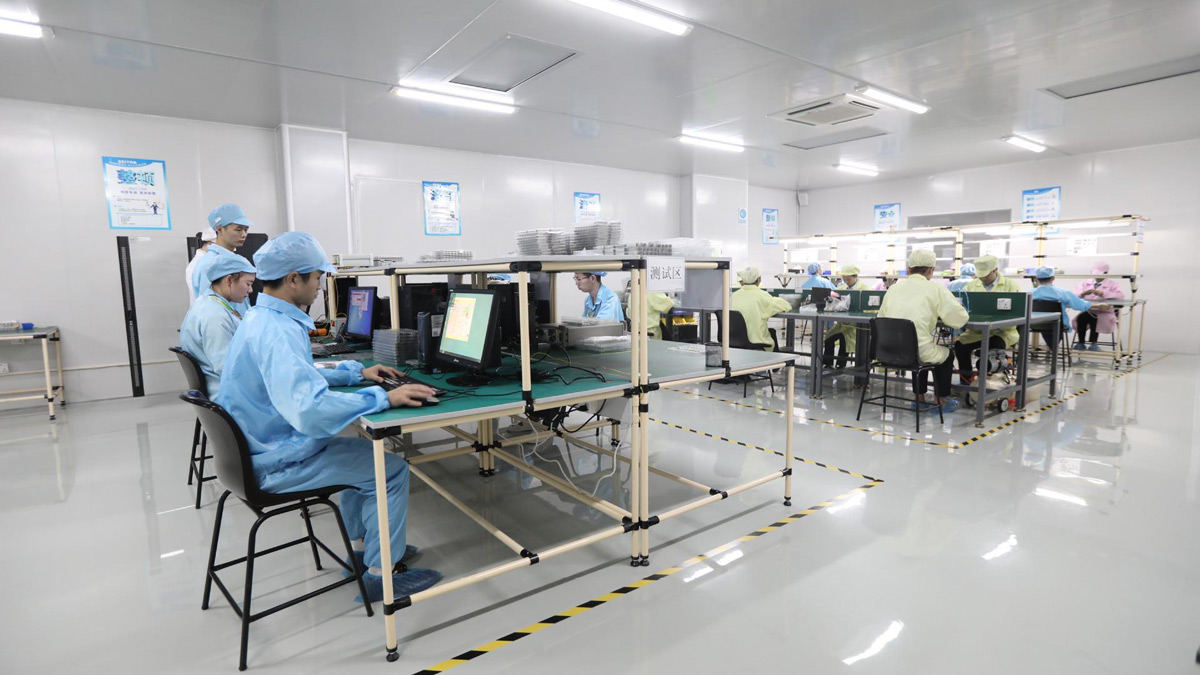
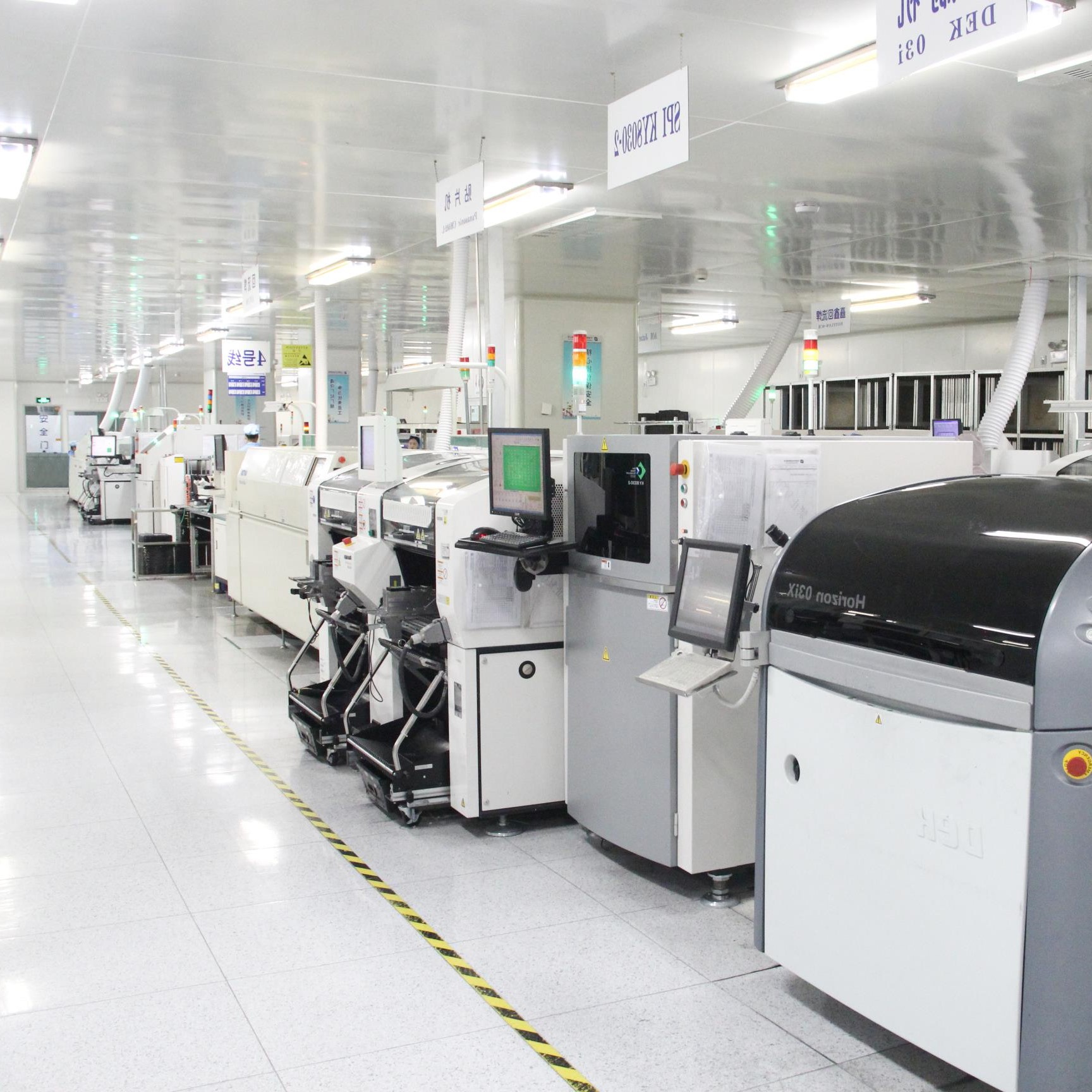
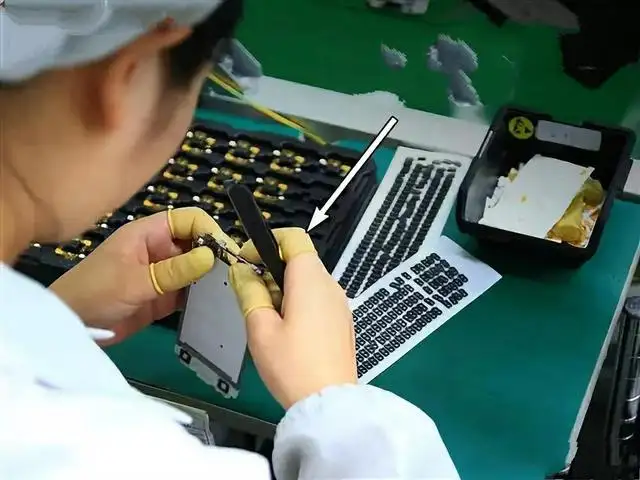
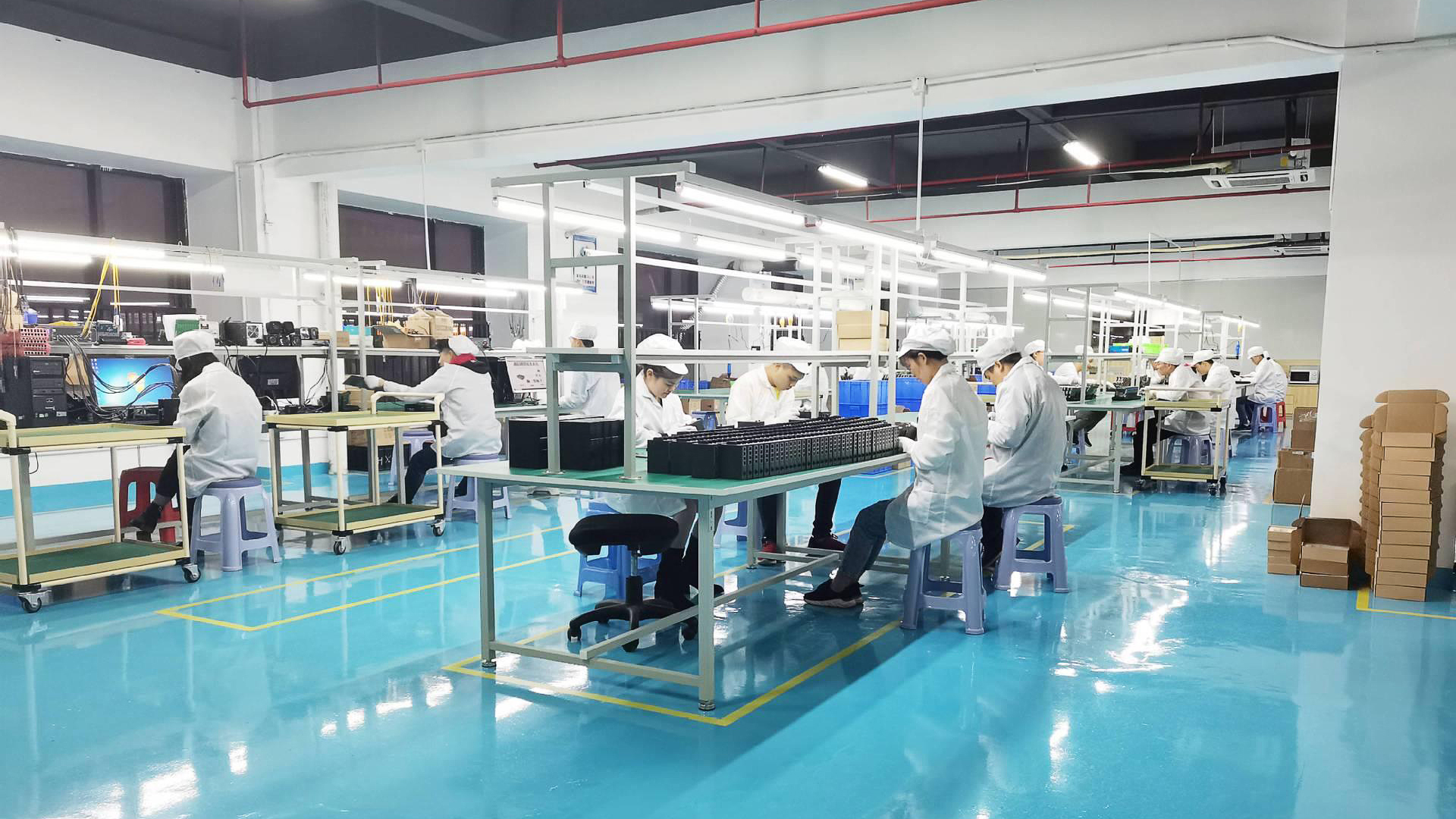
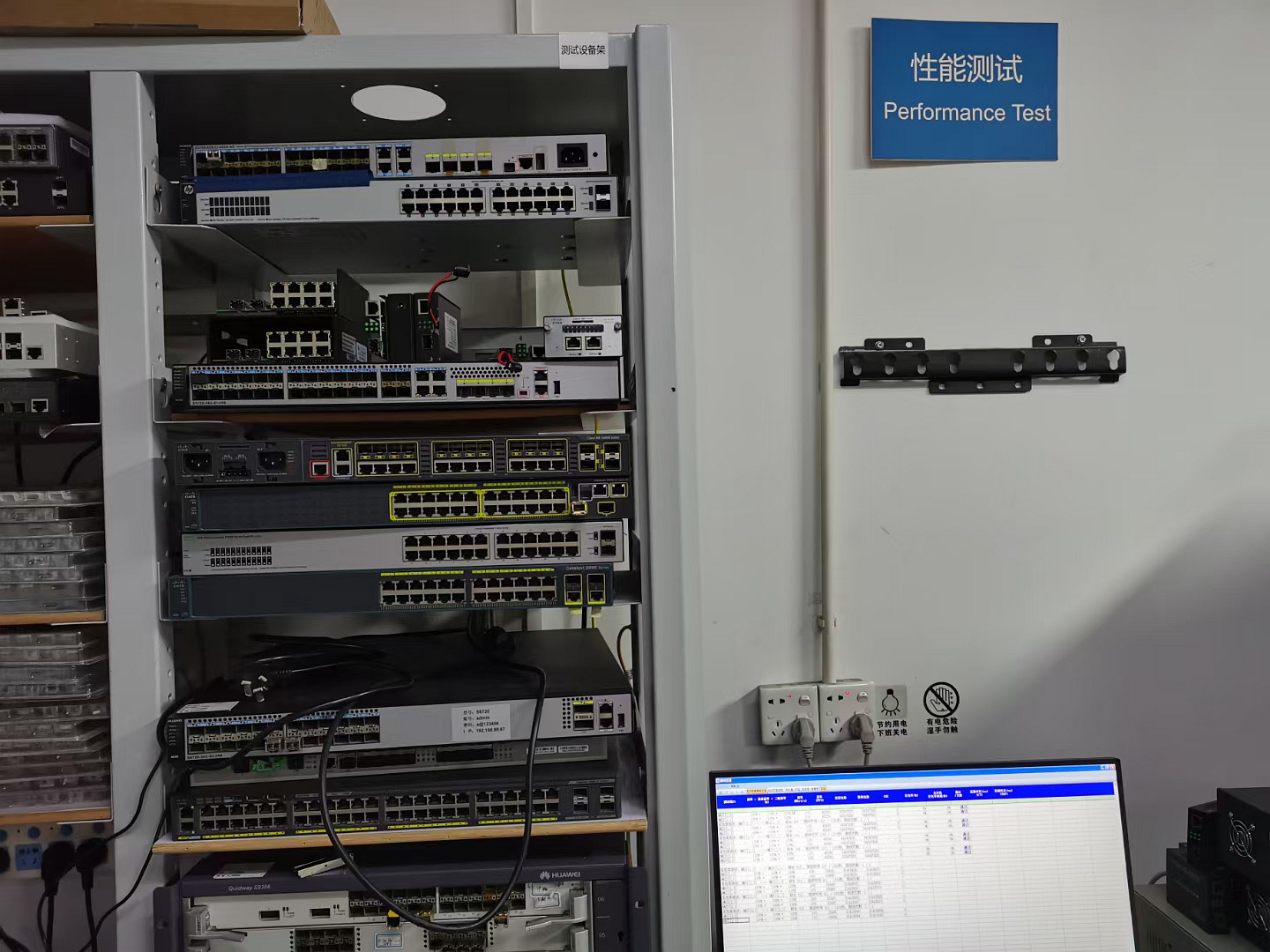
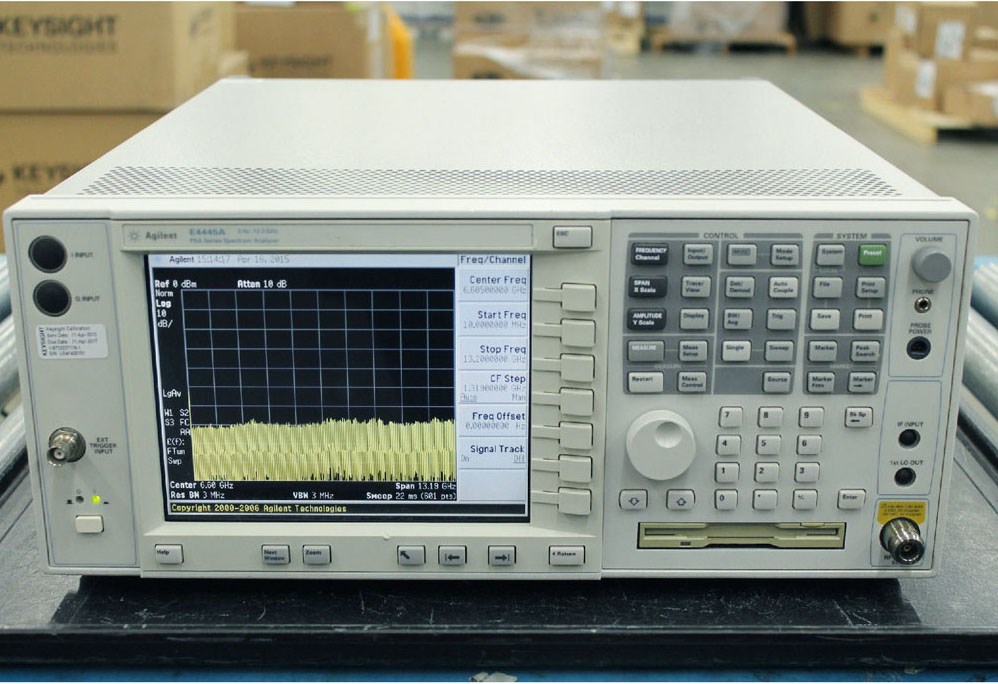
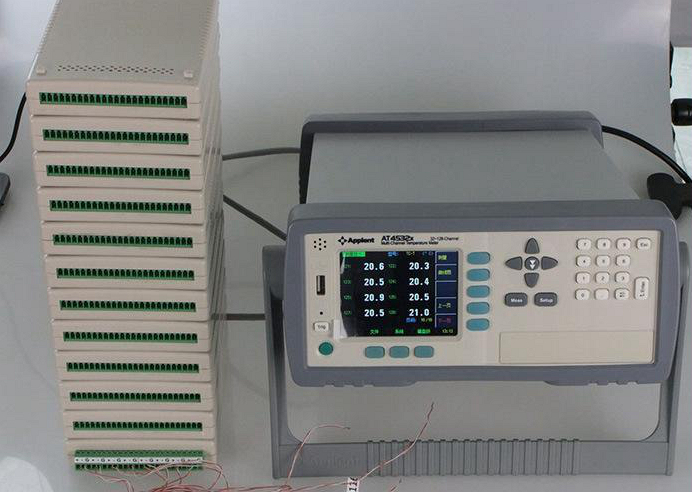
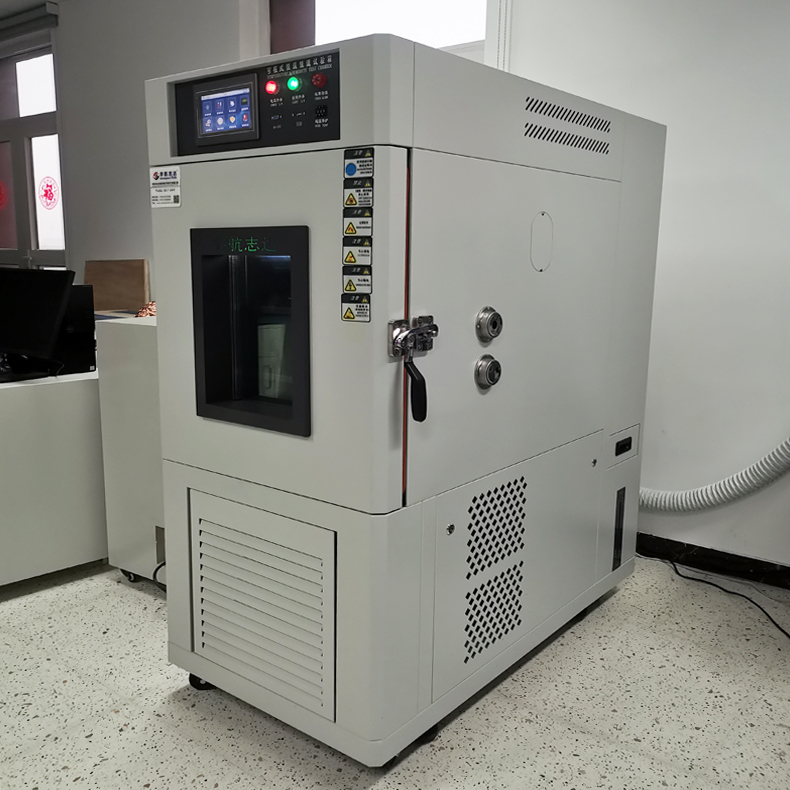
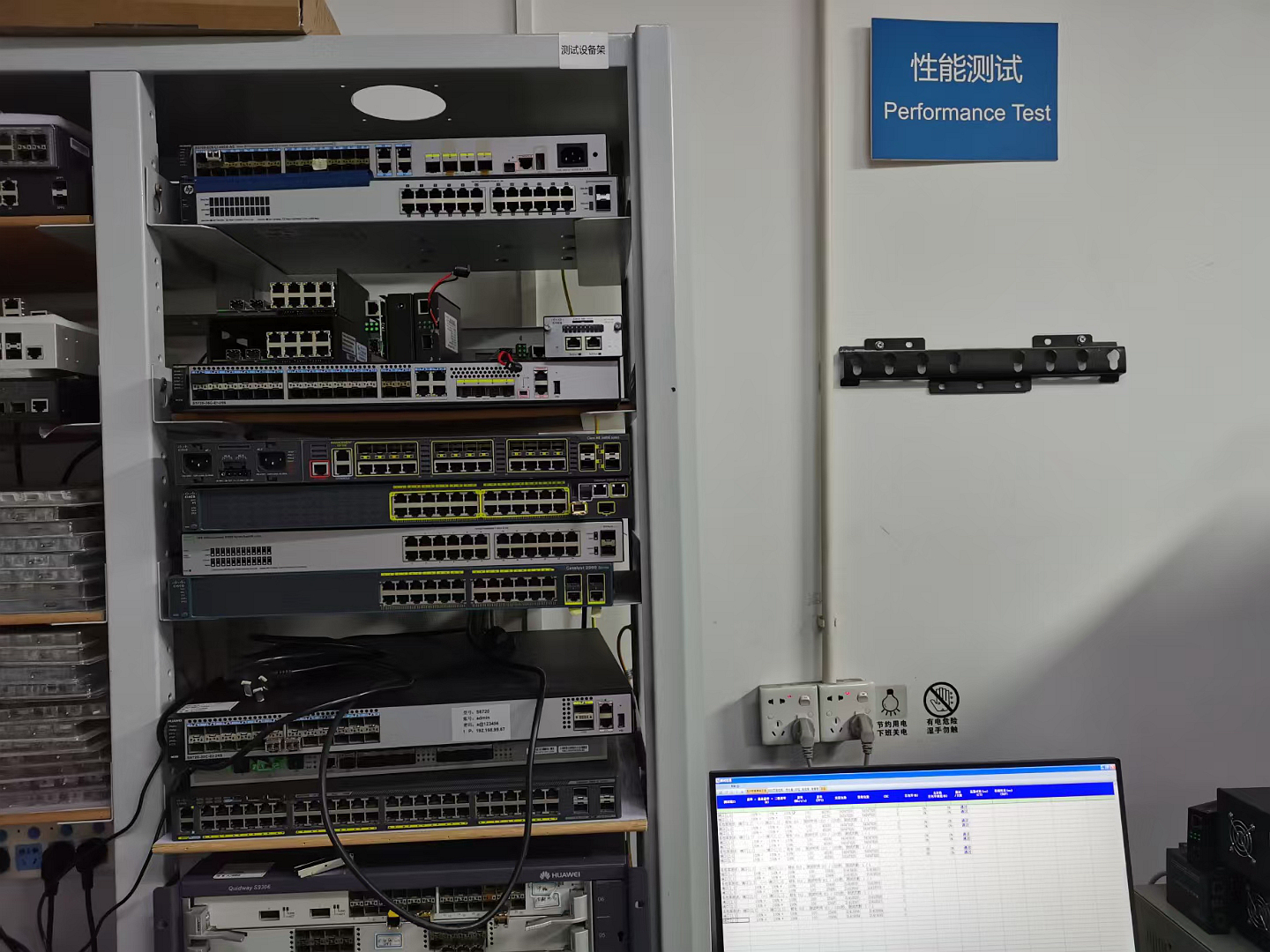
Our manufacturing processes adhere to the highest international quality systems. Every device undergoes a rigorous 24-hour burn-in chamber test, high-low temperature simulation testing (-40°C to +85°C), optical parameter calibration, and packet loss stress tests. This guarantees that when our products arrive in Moscow, Vladivostok, or Yekaterinburg, they are fully prepared for long-term, uninterrupted operation.
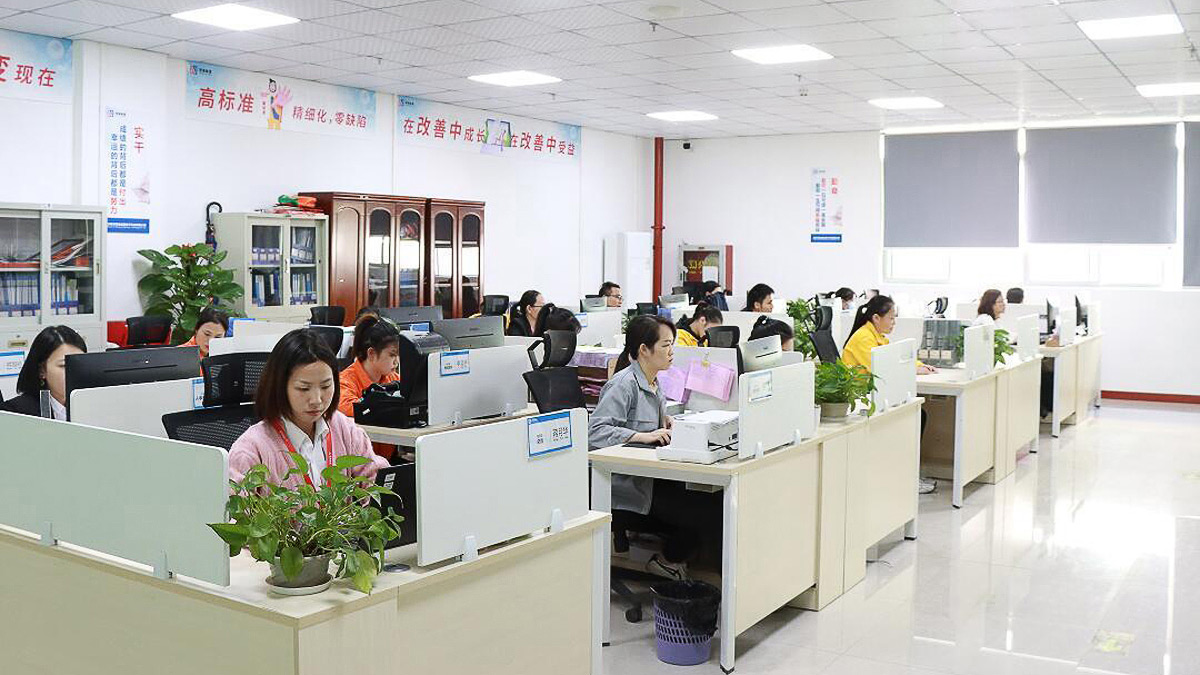
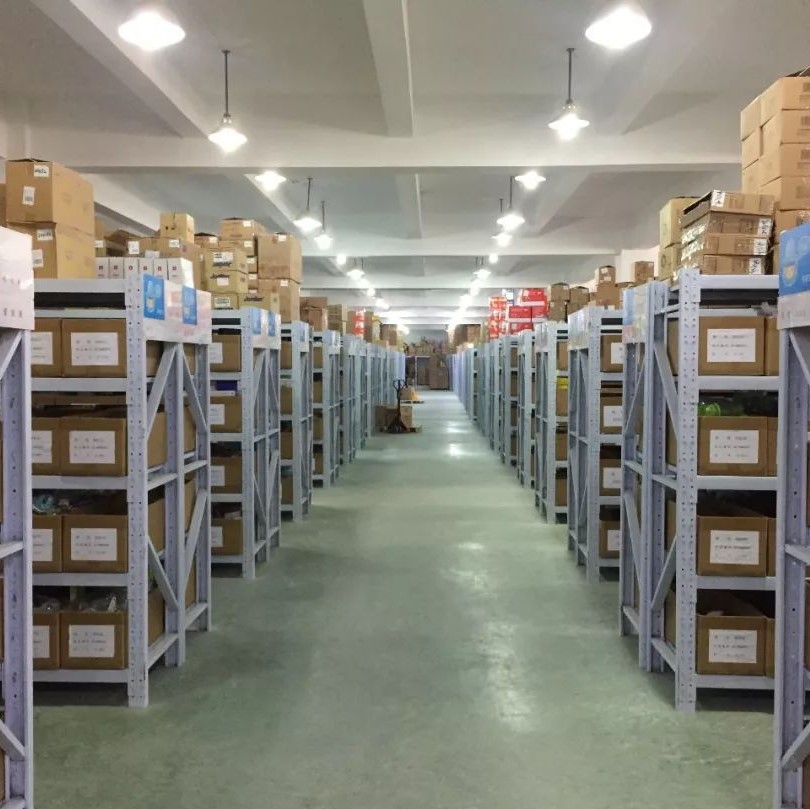
An inside look at our advanced manufacturing lines, quality control, and testing protocols.
| Corporate Profile & Supply Parameters | |||
|---|---|---|---|
| Business Type | Manufacturer & OEM/ODM Exporter | Country / Region | Guangdong, China |
| Main Products | FTTH ONU & OLT, SFP Transceiver Modules, Fiber Media Converters, PoE Switches | Total Employees | 11 - 50 Professional Engineers & Assemblers |
| Annual Revenue | US$5 Million - US$10 Million | Year Established | 2021 |
| Main Markets | Eastern Europe, Northern Russia, Central Asia, South America, North America | Quality Certifications | ISO 9001, UL, CE, FCC, RoHS Compliant |
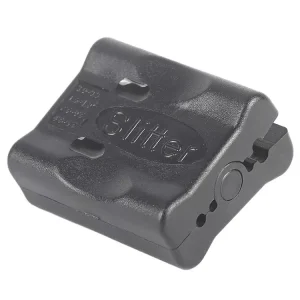
Explore our complete catalog of transceivers, switches, ONU modems, and preparation tools designed for professional network deployments.
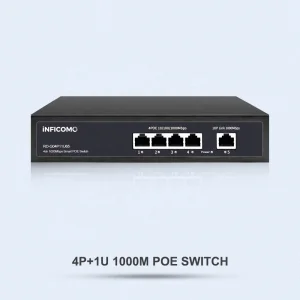
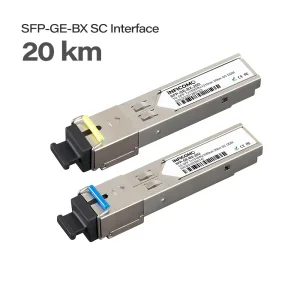
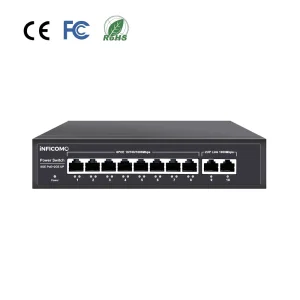
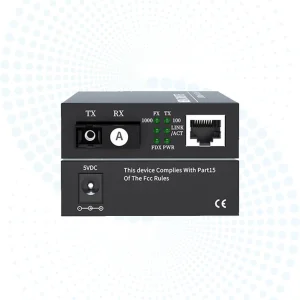
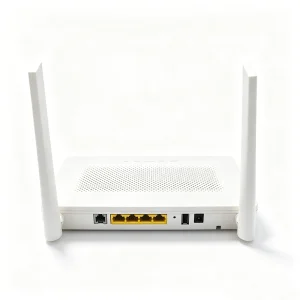
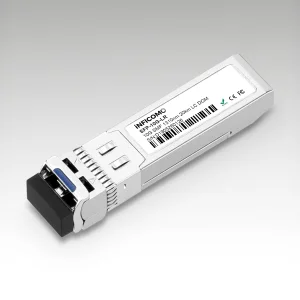
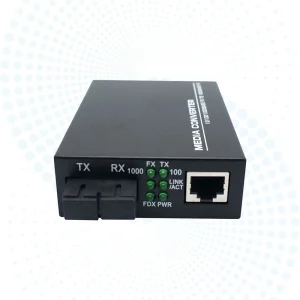
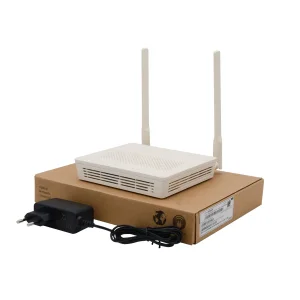
Answering key deployment and specification questions for Russian network engineers and distribution partners.
Our standard media converters operate reliably between 0°C and +50°C. However, for industrial and sub-zero outdoor locations common in Russia, we supply specialized Industrial-Grade Media Converters equipped with hardened capacitors, alloy shells, and components rated for -40°C to +85°C. These models are fully tested in our High-Low Temperature simulation chambers before shipment to prevent frequency drift and crystal oscillator errors in extreme cold.
Yes. Our GPON and EPON ONUs (like the HG8145V5 and F660 series) support OMCI protocol standards and can be adapted with specific firmware settings to align with the OLT terminals deployed by major ISPs in Russia. We recommend verifying configurations with our R&D team during the OEM planning stage to ensure seamless provisioning and authentication.
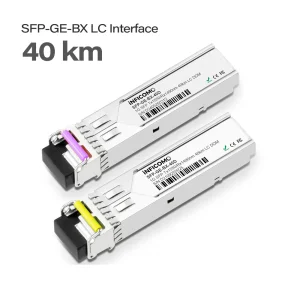
BiDi (Bidirectional) SFP modules and media converters utilize Wavelength Division Multiplexing (WDM) to transmit and receive data on different wavelengths (typically 1310nm and 1550nm) over a single core of optical fiber. This effectively cuts physical fiber cabling infrastructure costs in half, allowing Russian network operators to double their capacity without digging new conduits or running additional aerial lines.
Yes. Shenzhen Soras Technology provides full OEM and ODM services. We can customize enclosure designs, silk-screen brand logos, adapt firmware for specific local language requirements, and design PCBs to fit specific form factors or extreme power input requirements (e.g., 24V DC for industrial automation loops or dual redundant power supplies).
Our factory processes are certified under ISO 9001. All transceivers, switches, and converters are designed to comply with CE, FCC, and RoHS criteria. This ensures that the electromagnetic emissions, electrical safety, and component toxicity parameters meet the standards necessary for importing and deploying equipment within the Eurasian Economic Union (EAEU).
 Soras Tech